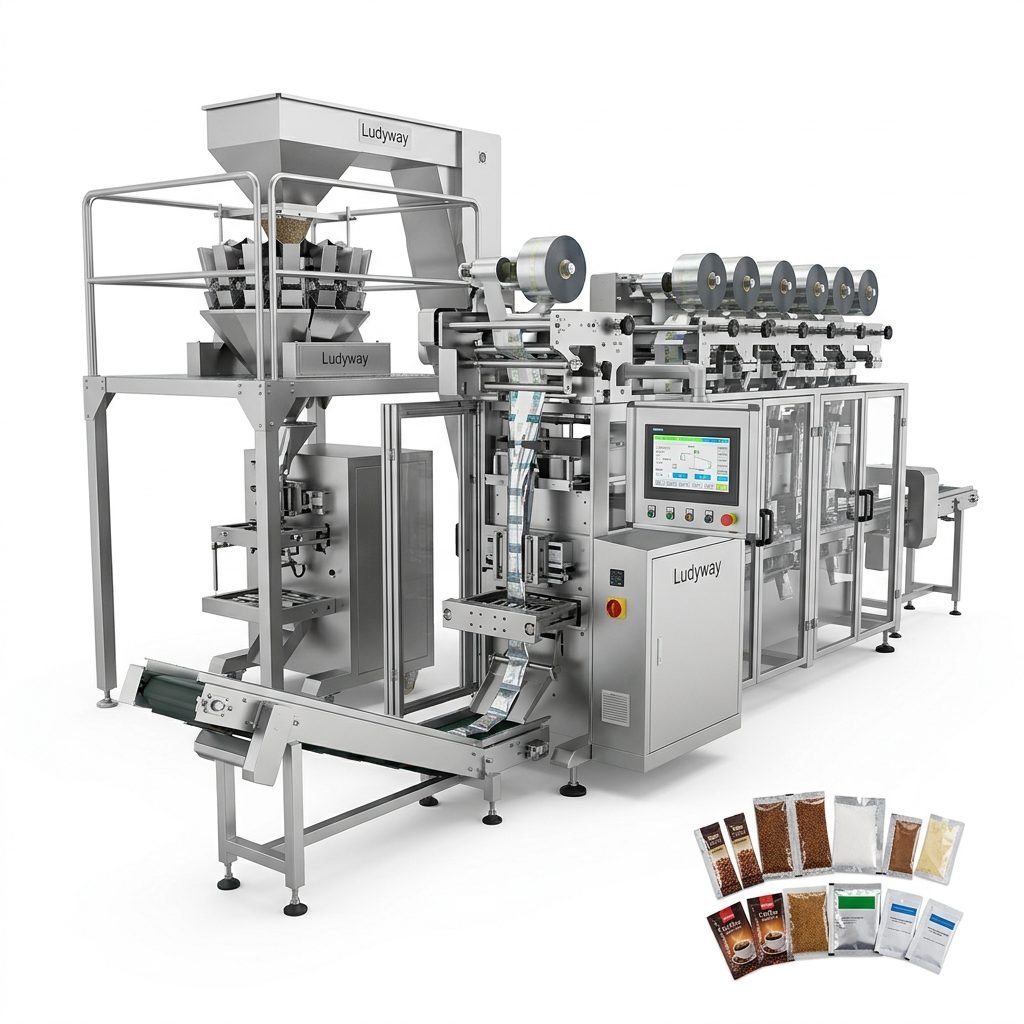
In today’s fast-paced manufacturing environment, efficiency and reliability are paramount. An automatic carton packaging machine can be a transformative investment for your production line, streamlining operations, reducing labor costs, and ensuring consistent, high-quality packaging. However, with numerous models and configurations available, selecting the best solution requires careful consideration of your specific needs, product characteristics, and long-term goals.
Understanding Automatic Carton Packaging Machines
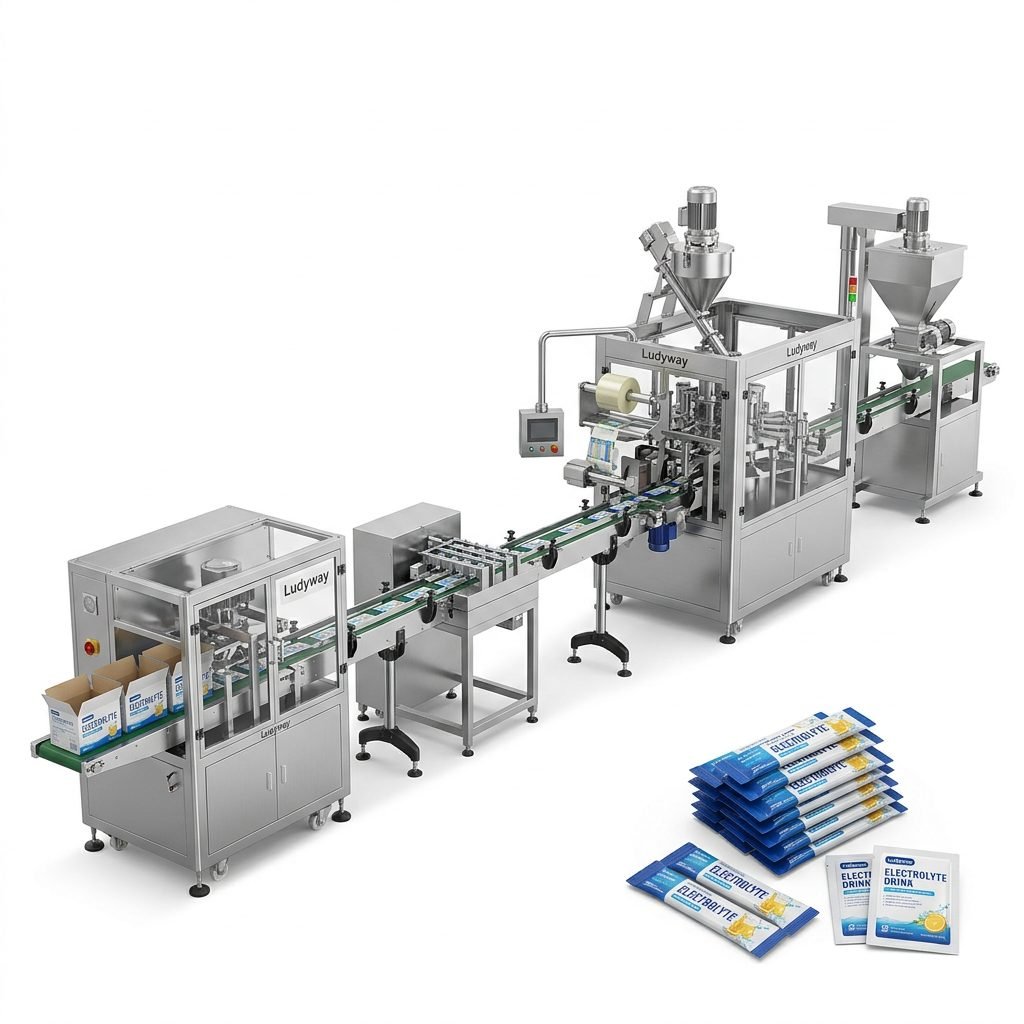
An automatic carton packaging machine is a sophisticated system designed to form, fill, and seal cartons with minimal human intervention. These machines handle a range of functions, from erecting flat carton blanks and loading products to final sealing and coding. They are integral to industries like food, pharmaceuticals, cosmetics, and consumer goods, where speed, hygiene, and precision are critical.
The core advantage lies in automation. By integrating such a machine, you can achieve a significant boost in output while maintaining stringent quality control standards. The reduction in manual handling also minimizes product damage and contamination risks, which is especially vital in sectors like food and pharmaceuticals.
Key Benefits for Your Production Line
Investing in the right automatic cartoner brings multifaceted benefits:
- Increased Productivity: Machines operate at constant, high speeds, far exceeding manual packing rates.
- Consistent Quality & Accuracy: Every carton is formed and sealed identically, enhancing brand presentation and reducing waste.
- Significant Labor Cost Savings: Automates repetitive tasks, allowing staff to be redeployed to higher-value activities.
- Enhanced Safety & Hygiene: Closed systems limit product exposure, crucial for sanitary production environments.
- Flexibility: Modern machines can often handle multiple carton sizes and styles with quick changeovers.
How to Choose the Best Solution: A Step-by-Step Guide
Selecting the ideal machine is not a one-size-fits-all process. Follow this structured approach to make an informed decision.
1. Analyze Your Product and Packaging Requirements
This is the foundational step. Every detail about your product and its packaging dictates the machine’s specifications.
- Product Characteristics: Is it solid, granular, powder, liquid, or fragile? The machine’s handling mechanism (e.g., vibratory trays, pushers, grippers) must be compatible.
- Carton Style & Size: Determine the carton style (e.g., tuck-end, glue-end, reverse tuck) and the range of sizes you need to run. Check the machine’s minimum and maximum blank dimensions.
- Production Speed (Output): Calculate your required output in cartons per minute (CPM). Ensure the machine can meet your peak demand with some room for future growth.
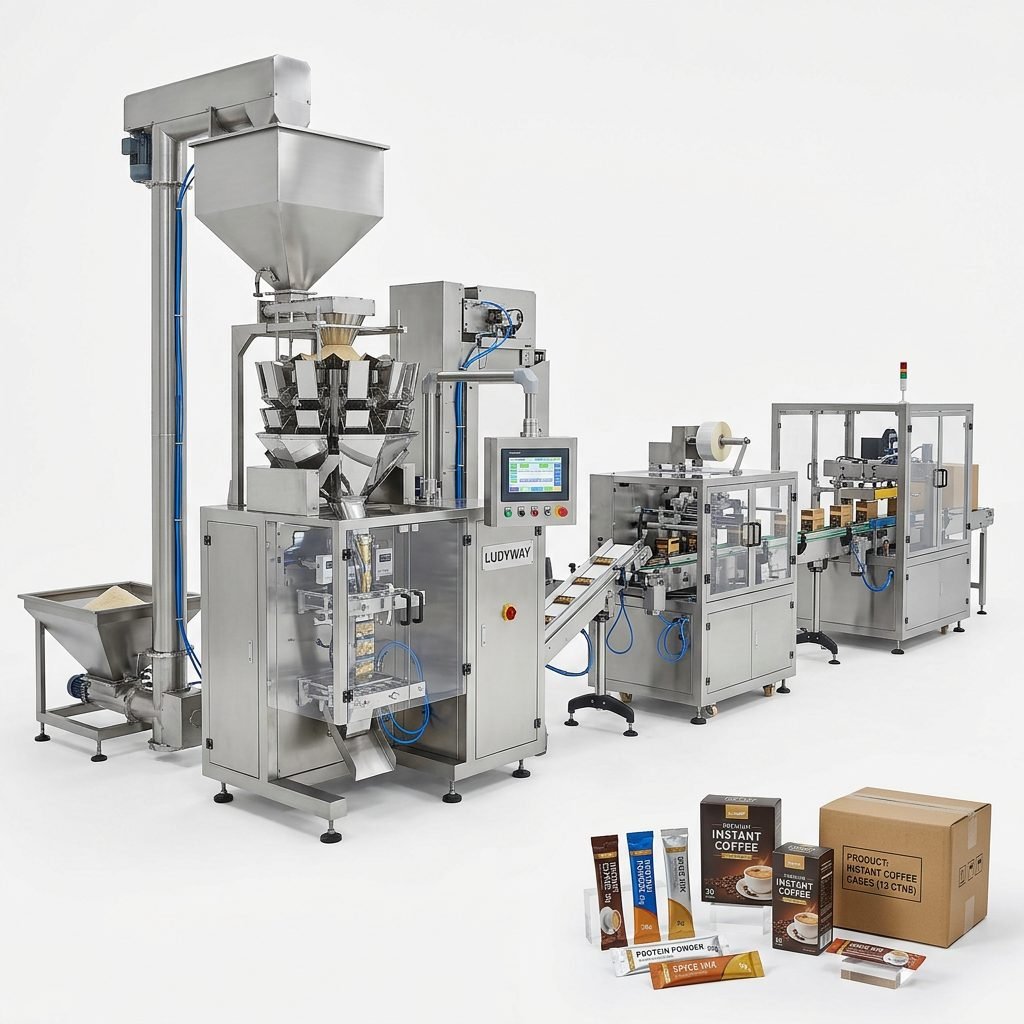
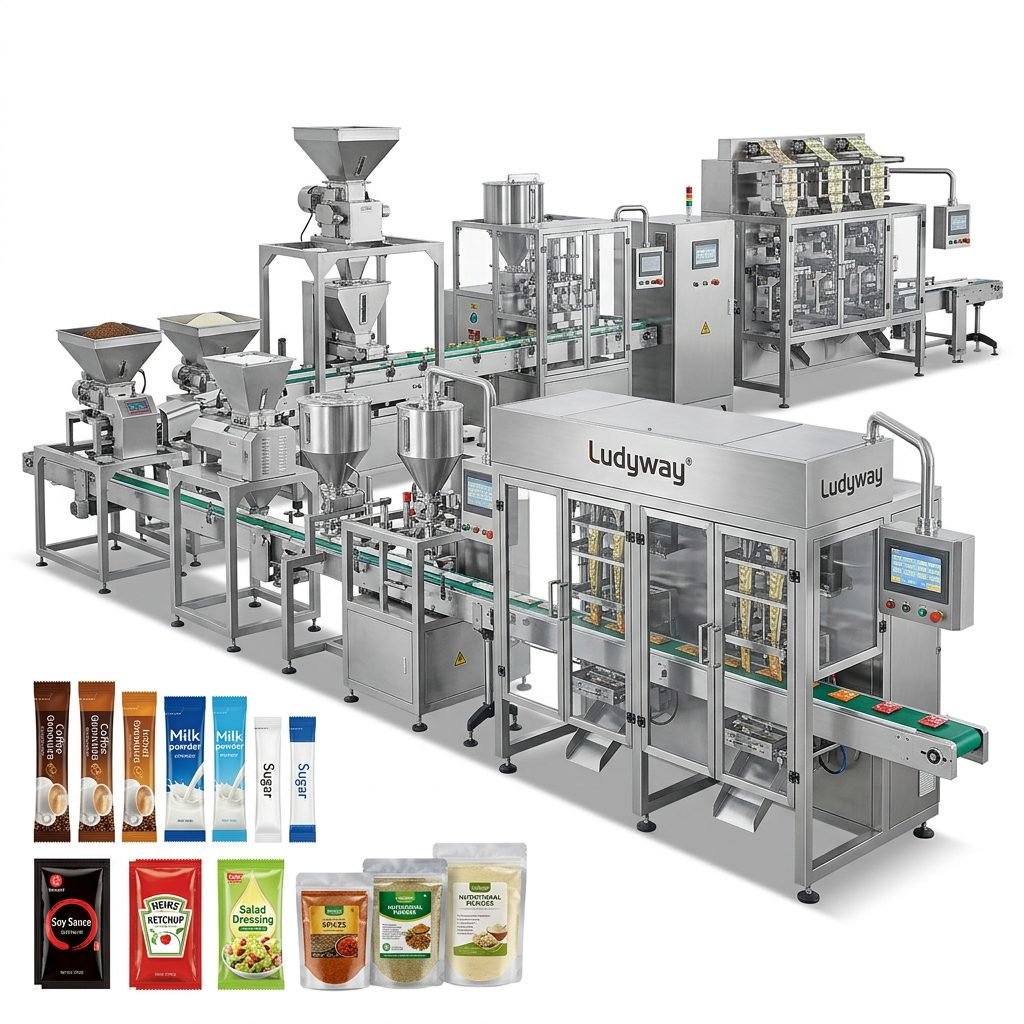
- Integration Needs: Will the cartoner be a standalone unit or integrated into a full line with upstream fillers and downstream case packers? Integration capabilities are crucial for seamless automation.
2. Evaluate Machine Types and Technologies
Different machine types suit different applications. The main categories include:
Continuous Motion Cartoners
Ideal for very high-speed applications (e.g., over 100 CPM). Products are loaded while the carton blanks move continuously, offering superior efficiency for large-volume runs of uniform products.
Intermittent Motion Cartoners
Perfect for moderate speeds and complex loading sequences. The machine stops briefly at each station to perform an operation, providing greater precision for delicate or irregularly shaped items.
Vertical Cartoners (Carton Form-Fill-Seal)
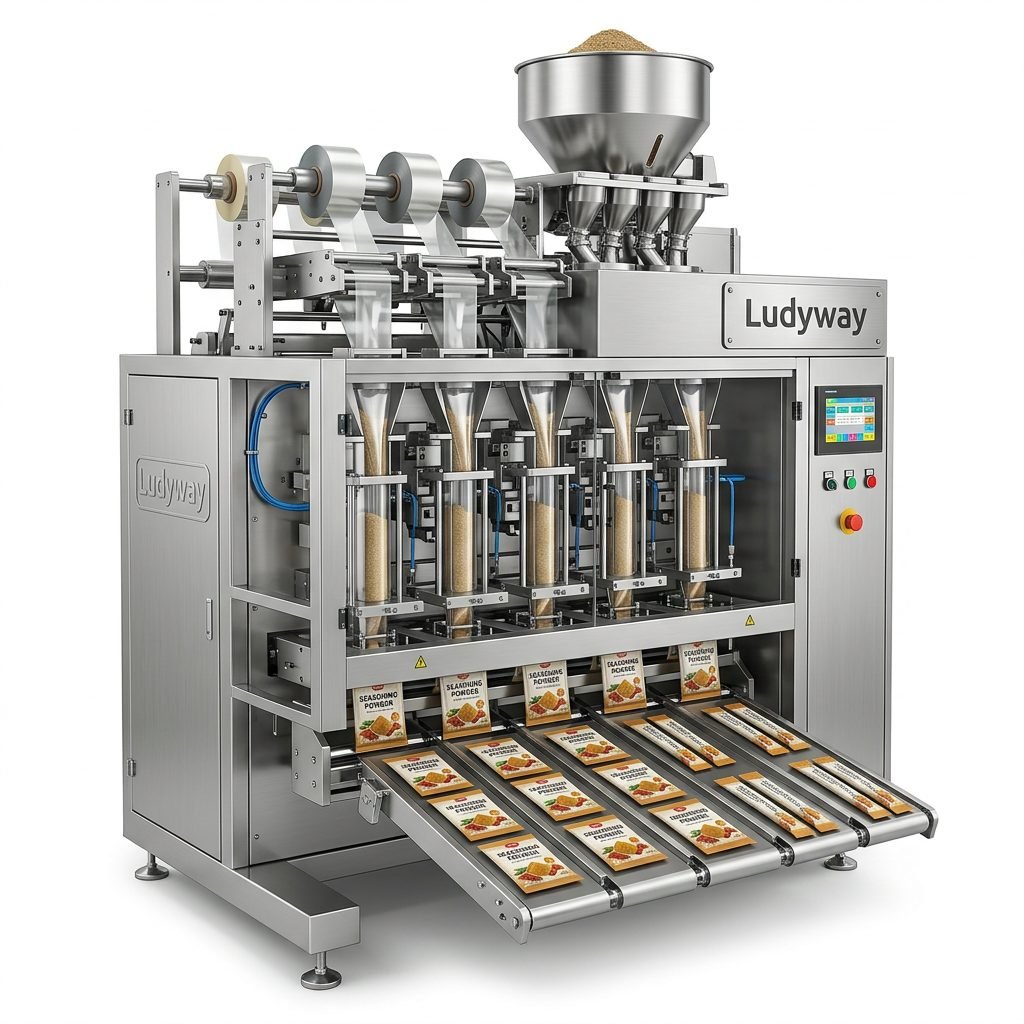
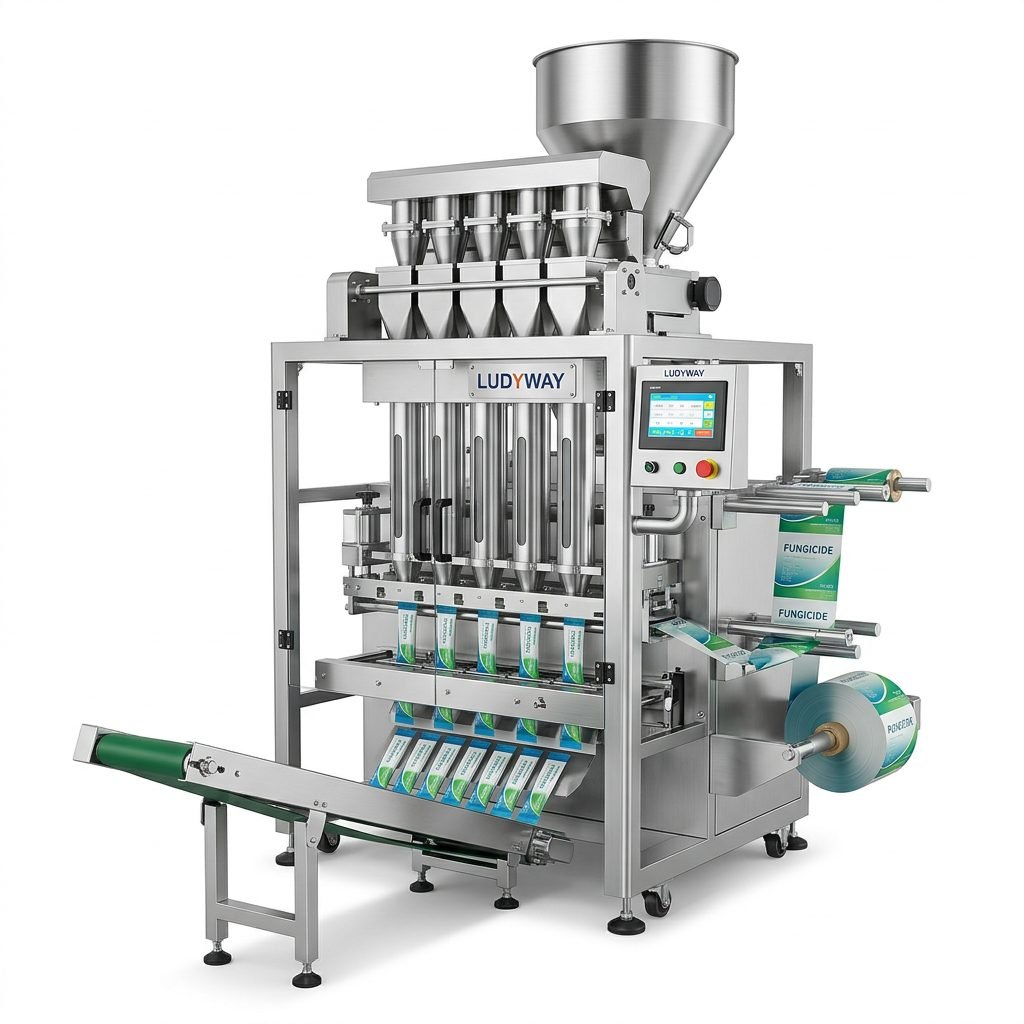
These machines form the carton from a roll of flat material, fill it, and seal it in a vertical orientation. They are highly efficient for free-flowing powders and granules and save on storage space for pre-printed carton blanks.
Additionally, consider the sealing method (hot melt glue vs. cold glue vs. tuck-in), the level of automation intelligence (e.g., PLC controls, HMI touchscreens), and safety features like guarded access points.
3. Assess Supplier Expertise and Support
The machine is only as good as the company behind it. Partnering with a reliable supplier is critical for long-term success.
Look for a supplier with proven experience in your industry. For instance, Ludyway Packing Machine brings over 30 years of industry experience in providing solutions for food, pharmaceutical, and health industries. This deep domain knowledge means they understand the unique challenges and regulatory requirements you face.
Evaluate their support structure: Do they offer comprehensive installation, training, and maintenance services? What is their spare parts availability and technical support response time? A supplier with a strong global service network can be invaluable for minimizing downtime.
Request references and, if possible, visit a site where their machine is running a similar product. Seeing is believing.
4. Consider Total Cost of Ownership (TCO)
Look beyond the initial purchase price. The Total Cost of Ownership includes:
- Initial Investment: Machine cost, installation, and training.
- Operational Costs: Energy consumption, compressed air usage, glue/adhesive costs, and routine maintenance parts.
- Labor Costs: Reduced manual labor is a saving, but factor in the skilled labor needed to operate and maintain the machine.
- Downtime Costs: A reliable machine from a reputable supplier minimizes costly production stoppages.
Choosing a slightly more expensive but more robust and reliable machine often yields a lower TCO and a higher return on investment (ROI) over its lifespan.
Future-Proofing Your Investment
Your packaging needs will evolve. Select a machine and a partner that can grow with you. Consider modular designs that allow for future upgrades, such as adding vision inspection systems, checkweighers, or robotic loading arms. A supplier committed to innovation, like Ludyway which offers over 50 intelligent packaging machine models, is more likely to provide upgrade paths and new technologies as they emerge.
Conclusion
Choosing the best automatic carton packaging machine is a strategic decision that impacts your productivity, quality, and bottom line for years to come. By meticulously analyzing your product needs, understanding machine technologies, partnering with an experienced and supportive supplier like Ludyway Packing Machine, and calculating the true total cost of ownership, you can invest with confidence. The right solution will not only optimize your current production line but also provide the flexibility and reliability needed to meet future market demands.
Frequently Asked Questions (FAQs)
What is the typical speed range for an automatic cartoning machine?
Speeds vary widely based on machine type and product complexity. Intermittent motion machines typically range from 30 to 120 cartons per minute (CPM), while continuous motion machines can achieve speeds from 100 to over 400 CPM for simple, high-volume applications.
Can one machine handle different carton sizes?
Yes, most modern automatic cartoners are designed for quick changeover between different carton sizes. The key is to check the machine’s size range and the time required for changeover. Look for features like tool-less adjustments and digital settings recall to minimize downtime during size changes.
How important is after-sales service when choosing a supplier?
Extremely important. The quality and responsiveness of after-sales service directly affect your machine’s uptime and longevity. Prioritize suppliers who offer comprehensive training, readily available spare parts, and prompt technical support, either locally or through a reliable global network.
What are the main differences between hot melt and cold glue sealing?
Hot melt glue sets almost instantly, allowing for faster machine speeds and a strong bond. Cold glue takes longer to set but is often cleaner, more economical for some applications, and can be easier to recycle. The choice depends on your carton material, required speed, and end-use requirements.
Is it possible to get a customized solution for a unique product?
Absolutely. Reputable suppliers often provide customized automation solutions. If your product has an unusual shape, is very fragile, or requires a special loading sequence, discuss this with potential suppliers during the evaluation phase. They can engineer specific attachments or modify standard machines to meet your needs.