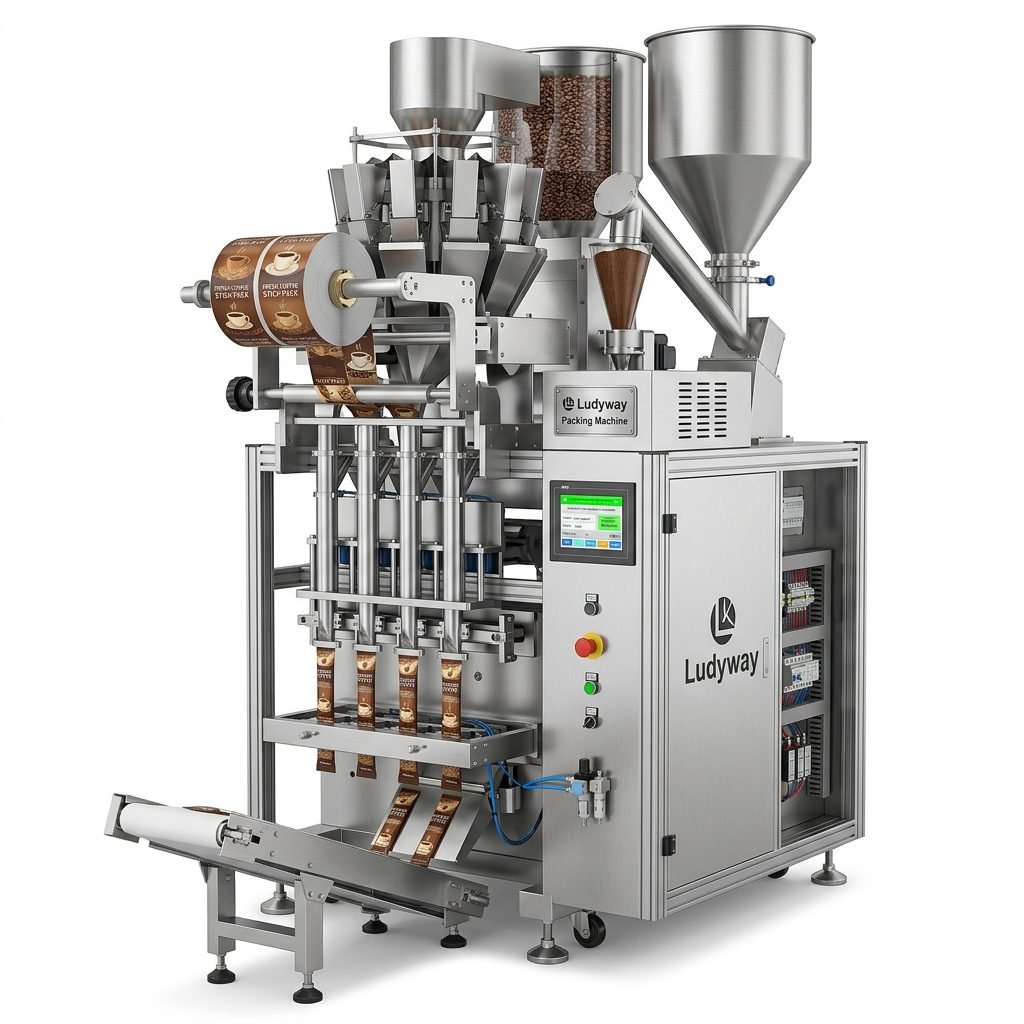
Investing in a tea cloud packaging machine is a significant decision for tea producers, co-packers, and brands looking to scale their operations. Whether you’re packaging loose leaf tea, herbal blends, tea powders, or instant tea mixes, understanding the pricing landscape is essential for making an informed purchase. This guide breaks down the costs, key factors that influence pricing, and what you can expect when comparing different machine configurations.

What Is a Tea Cloud Packaging Machine?
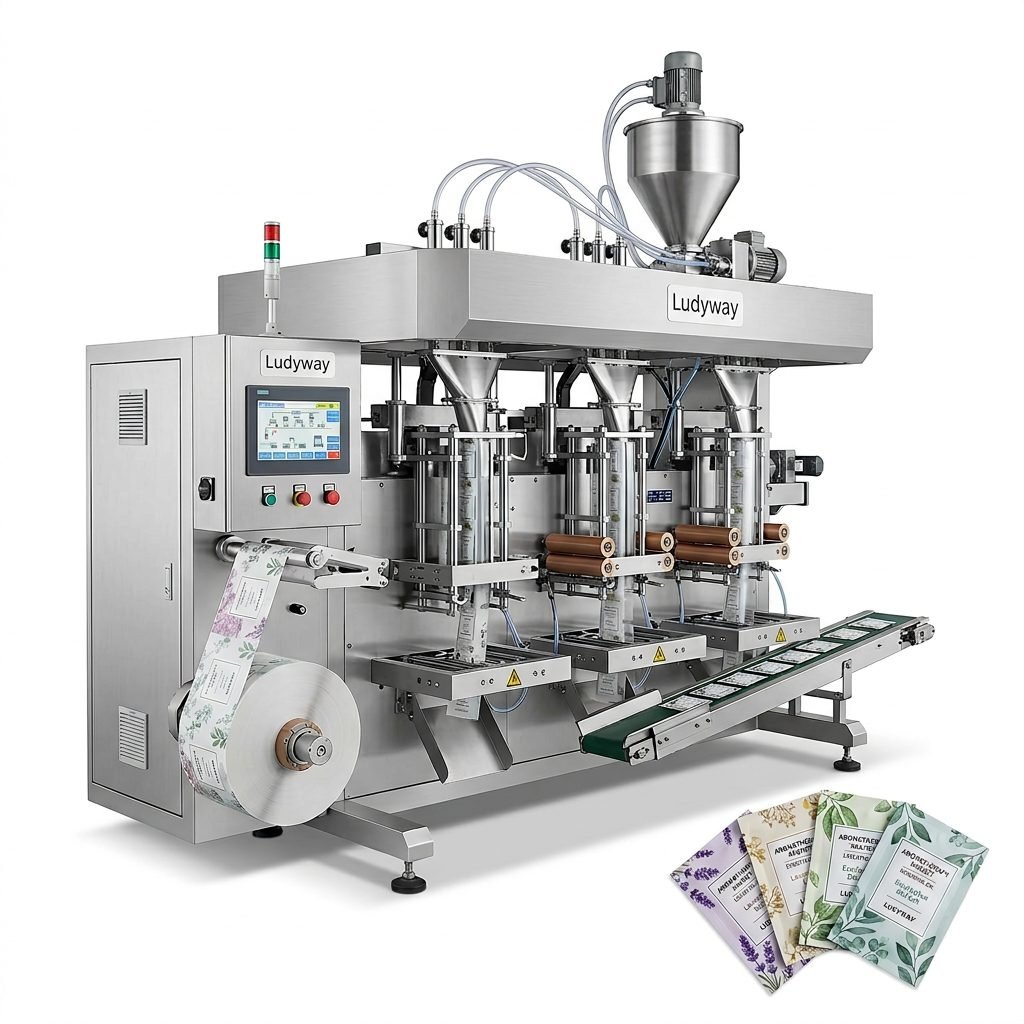
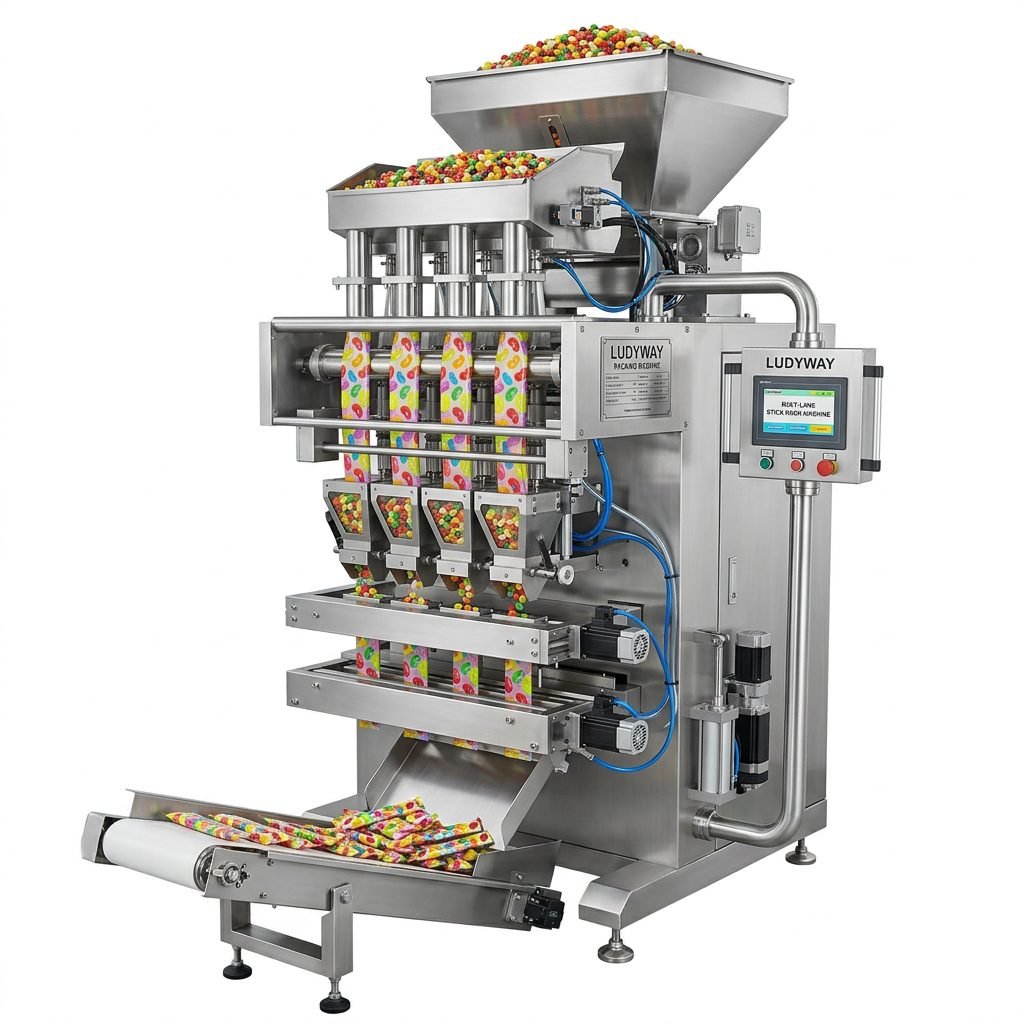
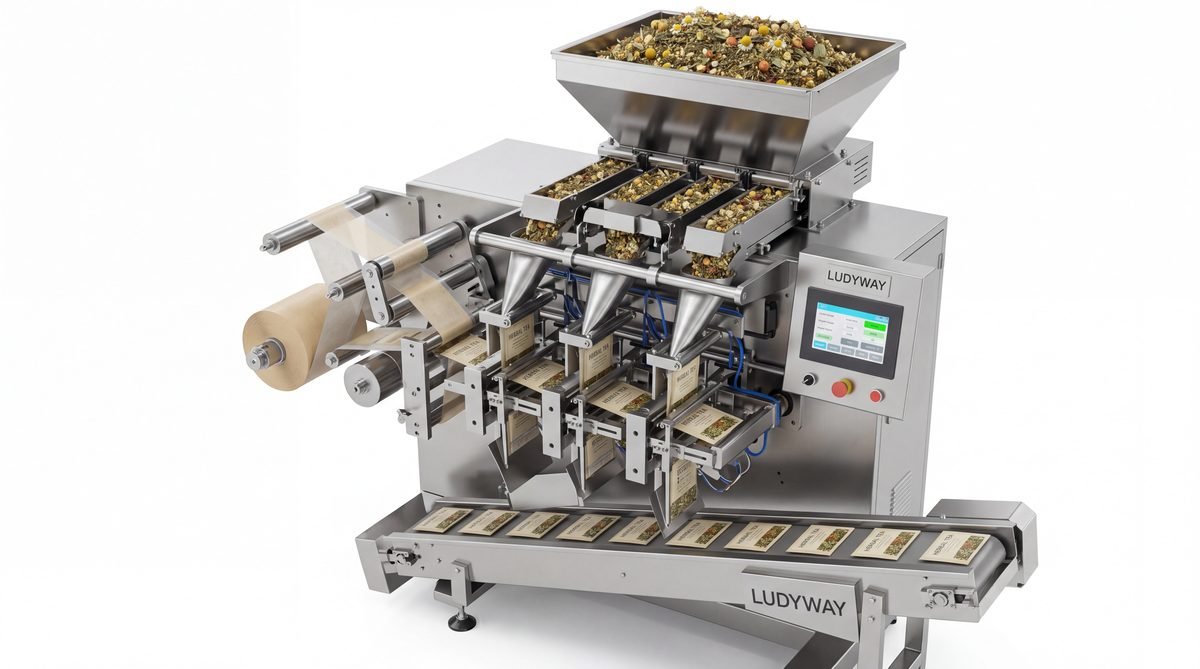
A tea cloud packaging machine refers to an advanced, often intelligent packaging system designed for high-speed filling and sealing of tea products into stick packs, sachets, or pouches. The term “cloud” typically points to smart connectivity features—including remote monitoring, data analytics, IoT integration, and cloud-based production management—that allow operators to track performance, adjust parameters, and optimize output in real time. These machines are widely used for granule tea, powder tea, herbal blends, matcha, milk tea powder, and instant tea applications.
Core Capabilities of Cloud-Connected Tea Packaging Systems
- Multi-lane configurations (4 to 20+ lanes) for high-volume output
- Precision dosing systems for granules, powders, and fine particles
- Cloud-based remote diagnostics and production monitoring
- Automatic film registration and tension control
- Integrated coding, printing, and batch tracking systems
- Quick changeover between different tea blends and packet sizes

Key Factors That Influence Tea Cloud Packaging Machine Pricing
The price of a tea cloud packaging machine can vary dramatically based on several critical specifications. Understanding these variables helps you budget accurately and avoid overpaying for features you don’t need—or underinvesting in a system that can’t scale with your business.
Number of Lanes and Production Speed
Single-lane machines are the most affordable entry point, but multi-lane systems—ranging from 4 to 20 lanes—dramatically increase throughput. A 10-lane stick pack machine can produce 400 to 600 packs per minute, while a single-lane unit may only reach 40 to 60 packs per minute. Higher lane counts directly correlate with higher machine costs.
Automation and Smart Features
Cloud-connected packaging machines equipped with IoT sensors, remote access capabilities, and automated quality control systems command premium pricing. These smart features reduce downtime, improve OEE (Overall Equipment Effectiveness), and provide real-time production data—delivering long-term ROI despite higher upfront investment.
Material Compatibility and Filling Technology
Machines capable of handling multiple material types—including granule tea, fine powders like matcha, and liquid tea concentrates—typically cost more due to versatile dosing mechanisms. Auger fillers, volumetric cup fillers, and multi-head weighers each have different price implications.
Build Quality and Compliance Certifications
Stainless steel construction, CE, ISO, and GMP certifications, and pharmaceutical-grade sealing components increase machine durability and compliance but also add to the overall cost. For food-grade tea packaging, these certifications are often non-negotiable.
Tea Cloud Packaging Machine Price Range by Configuration
The following table provides estimated price ranges based on machine type, lane configuration, and feature set. Actual pricing depends on customization, order volume, and manufacturer.
| Machine Configuration | Speed Range | Estimated Price (USD) |
|---|---|---|
| Single-Lane Stick Pack (Basic) | 30–60 packs/min | $12,000 – $25,000 |
| 4-Lane Sachet Machine (Standard) | 120–200 packs/min | $35,000 – $60,000 |
| 8-Lane Stick Pack with Cloud IoT | 300–450 packs/min | $70,000 – $120,000 |
| 12-Lane High-Speed System | 500–700 packs/min | $130,000 – $200,000 |
| 20-Lane Fully Automated Line | 800–1,200 packs/min | $220,000 – $400,000+ |
| Complete Turnkey Packaging Line | Integrated full-line | $350,000 – $800,000+ |
Note: Prices are approximate market ranges and may vary based on manufacturer, customization, shipping, and installation requirements.
Additional Costs to Factor Into Your Budget
Beyond the base machine price, several additional expenses should be accounted for when planning your tea packaging investment:
Installation, Commissioning, and Training
Professional installation and operator training typically add 5–15% of the machine cost. Cloud-connected systems may require additional IT setup and network configuration.
Ongoing Maintenance and Spare Parts
Budget for annual maintenance contracts and critical spare parts inventory. Sealing jaws, forming tubes, and dosing components experience regular wear and need periodic replacement.
Packaging Film and Consumables
The type of packaging film—whether standard laminate, biodegradable materials, or high-barrier foil—affects ongoing operational costs. Tea products often require moisture and oxygen barrier protection, which influences film selection and cost per unit.
Facility Requirements
Consider compressed air supply, electrical infrastructure, dust extraction for powder tea applications, and cleanroom or temperature-controlled production environments.

How to Choose the Right Tea Cloud Packaging Machine
Selecting the optimal machine requires a thorough evaluation of your production goals, product characteristics, and long-term growth plans. Here are the key steps to guide your decision:
Define Your Production Volume
Calculate your current and projected daily output requirements. A machine that meets today’s demand may become a bottleneck within 12–18 months if your brand is growing rapidly.
Analyze Your Tea Product Characteristics
Granule size, powder fineness, moisture sensitivity, and flowability all impact which dosing system works best. Matcha and ultra-fine tea powders require specialized auger or vacuum-based filling systems to ensure accuracy and minimize dust.
Evaluate Cloud and Smart Features
If you operate multiple production lines or facilities, cloud-based monitoring provides centralized control, predictive maintenance alerts, and production analytics that can significantly reduce downtime and improve efficiency.
Partner with an Experienced Manufacturer
Look for manufacturers with a proven track record in tea packaging applications, strong after-sales support, and the engineering capability to customize solutions for your specific needs. Ludyway is one of the largest packaging machine manufacturers in China, specializing in advanced packaging equipment and turnkey production solutions for the food, pharmaceutical, and health industries. With over 30 years of industry expertise and a modern 20,000㎡ manufacturing facility, Ludyway offers more than 50 intelligent packaging machine models serving customers in over 100 countries and regions.
Industry Standards and Resources
When purchasing a tea cloud packaging machine, it’s important to ensure compliance with international packaging standards. Refer to these authoritative resources for guidance:
- PMMI – The Association for Packaging and Processing Technologies – Industry standards and market intelligence
- Flexible Packaging Association – Resources for flexible packaging materials and sustainability
- ISO Packaging Standards – International standards for packaging machinery and processes
- FDA Food Packaging and Food Contact Substances – Regulatory requirements for food-grade packaging
- PMMI Business Intelligence Library – State of the industry reports and packaging machinery market research
Return on Investment Considerations
A tea cloud packaging machine is a long-term capital investment that should be evaluated on total cost of ownership rather than purchase price alone. Key ROI drivers include:
Labor Reduction
Automated multi-lane systems can replace 3–8 manual workers per shift, delivering significant labor cost savings over the machine’s operational lifespan.
Material Waste Reduction
Precision dosing and accurate film control minimize product giveaway and packaging material waste—often reducing costs by 3–7% annually compared to older or manual systems.
Increased Throughput and Scalability
Cloud-connected machines enable faster changeovers, real-time optimization, and data-driven production planning that maximize overall equipment effectiveness and support business growth.
Final Thoughts on Tea Cloud Packaging Machine Pricing
The cost of a tea cloud packaging machine reflects its capabilities, build quality, level of automation, and smart connectivity features. Entry-level systems start around $12,000 for basic single-lane units, while fully integrated multi-lane lines with cloud IoT capabilities can exceed $400,000. By clearly defining your production requirements, evaluating total cost of ownership, and partnering with an experienced manufacturer, you can select a system that delivers strong ROI and supports your tea brand’s long-term success in an increasingly competitive market.