Peanut butter is a beloved staple in pantries worldwide, and its packaging plays a crucial role in preserving freshness, ensuring safety, and appealing to consumers. For manufacturers, selecting the right peanut butter packaging machine is a critical investment that impacts efficiency, product quality, and overall profitability. This comprehensive guide will explore the different types of machines, their key features, and provide a clear framework to help you choose the best one for your production needs.
Understanding Peanut Butter Packaging Machines
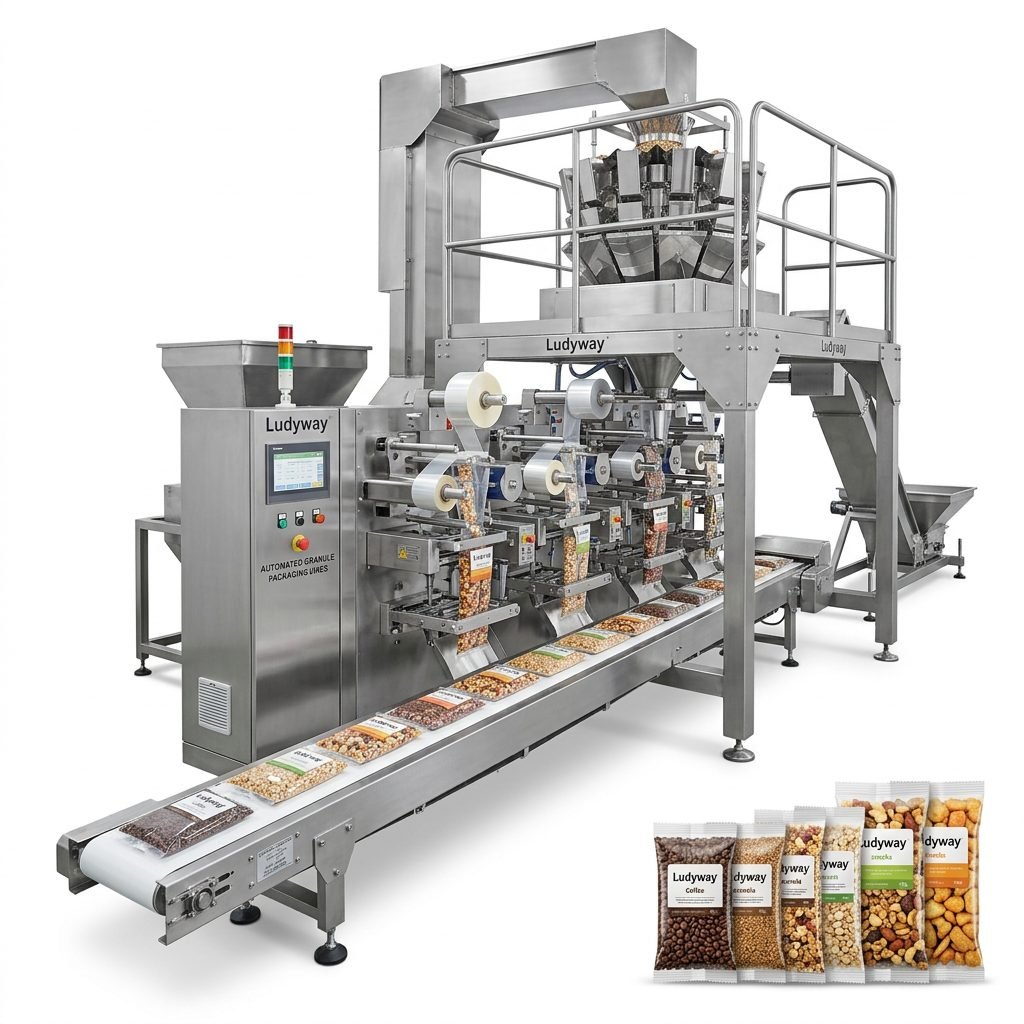
Peanut butter packaging machines are specialized equipment designed to accurately measure, fill, and seal peanut butter into various containers like jars, cups, pouches, or sachets. These machines handle the product’s unique viscous and sometimes sticky consistency, ensuring clean, precise, and hygienic packaging at high speeds.
Key Point: The primary goal of these machines is to create a hermetic seal that locks in freshness, prevents oil separation, and extends shelf life, all while minimizing product waste and maximizing production output.
Main Types of Peanut Butter Packaging Machines
The choice of machine largely depends on your packaging format, production volume, and level of desired automation. Here are the most common types:
1. Jar Filling and Capping Machines
These are the most traditional systems for packaging peanut butter in glass or plastic jars. They typically consist of a rotary or in-line system that automatically feeds jars, fills them with a precise volume of peanut butter, and then applies and tightens caps.
- Best for: High-volume production of retail-sized jars.
- Features: Often include piston fillers for thick products, vacuum sealing options to remove air, and torque-controlled capping heads.
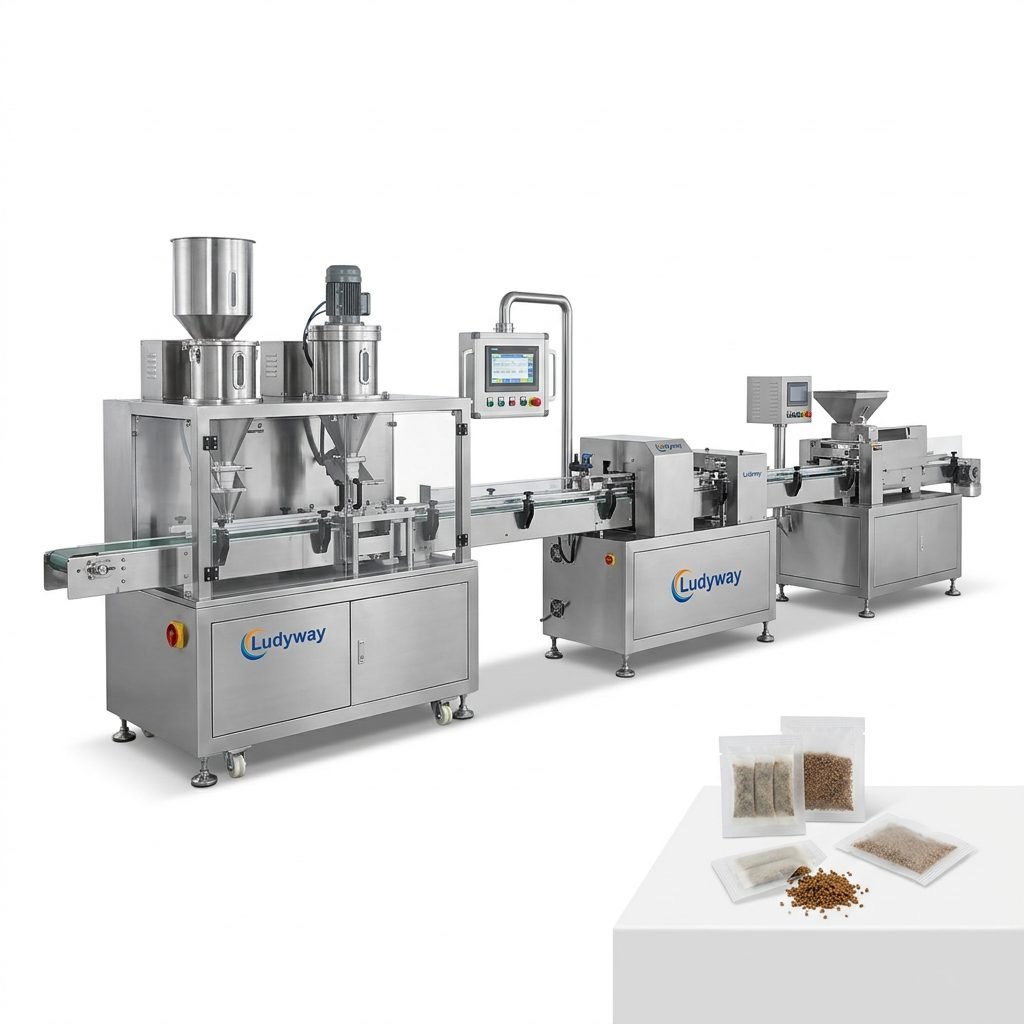
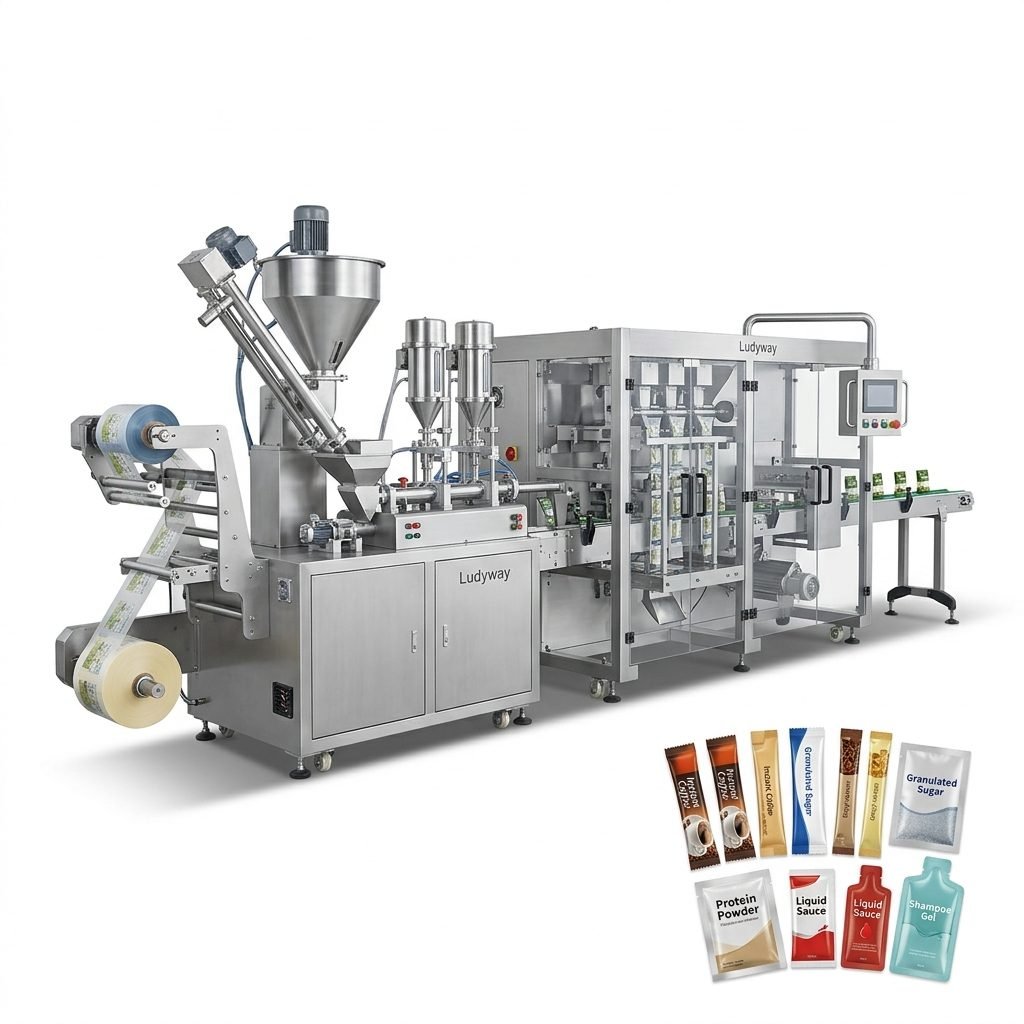
2. Pouch Filling and Sealing Machines
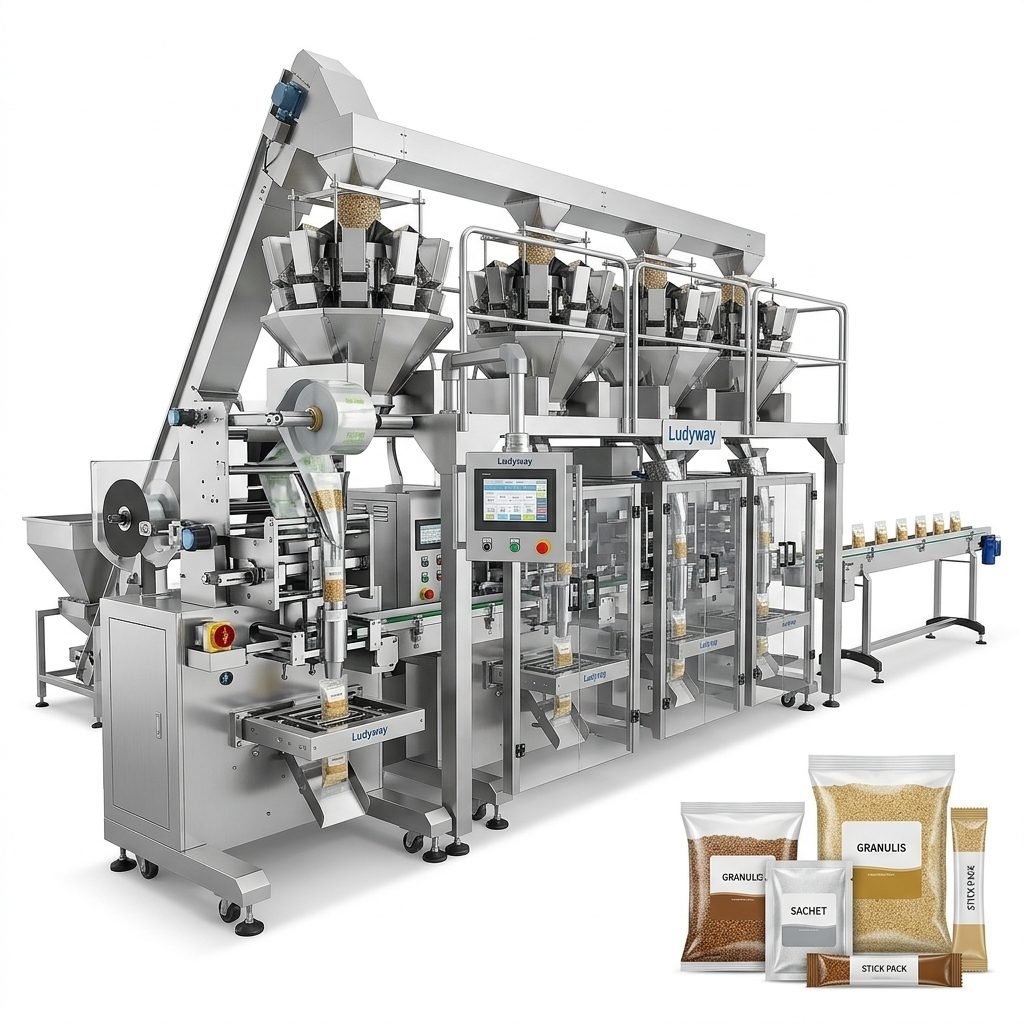
This category is growing in popularity, especially for single-serve portions, promotional sizes, or bulk foodservice packaging. Machines form, fill, and seal (FFS) pouches from a roll of film.
- Best for: Flexible packaging, portion control, and reducing packaging material costs.
- Features: Use auger fillers for accurate dosing, have nitrogen flushing capabilities to prevent oxidation, and create strong, leak-proof seals.
3. Cup Filling and Sealing Machines
Ideal for creamy or whipped peanut butter snacks, these machines fill pre-formed plastic or paper cups and then seal them with a foil or film lid.
- Best for: Ready-to-eat snacks, dessert toppings, or small promotional cups.
- Features: Often integrated with dosing pumps and lidding systems that can apply printed lids for branding.
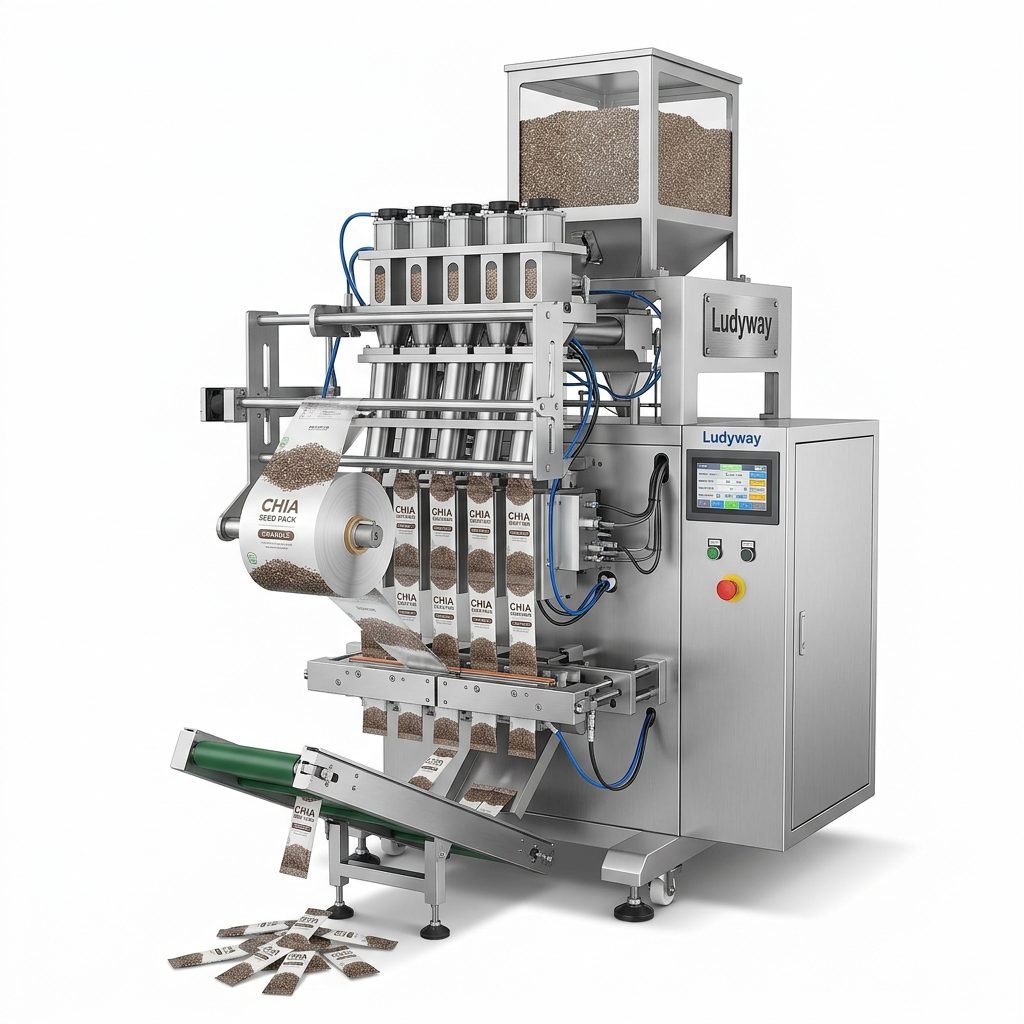
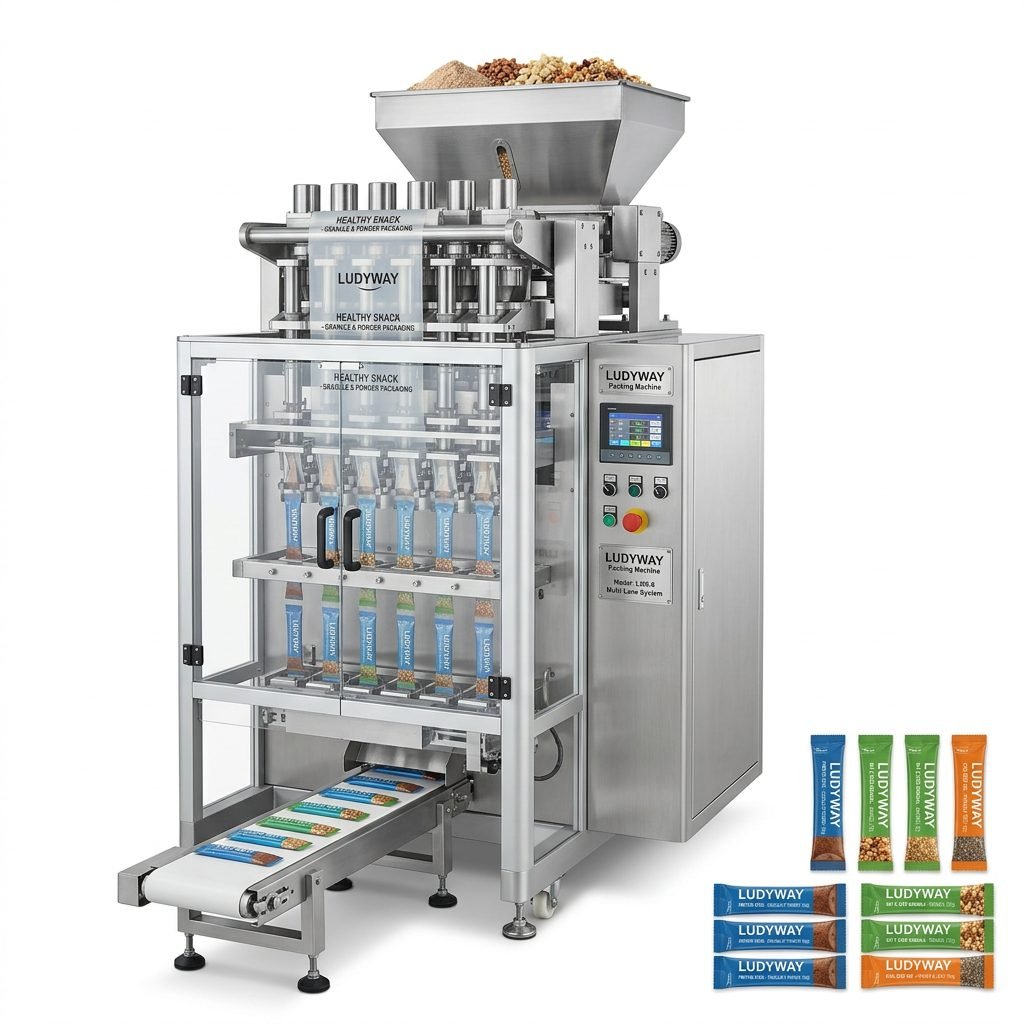
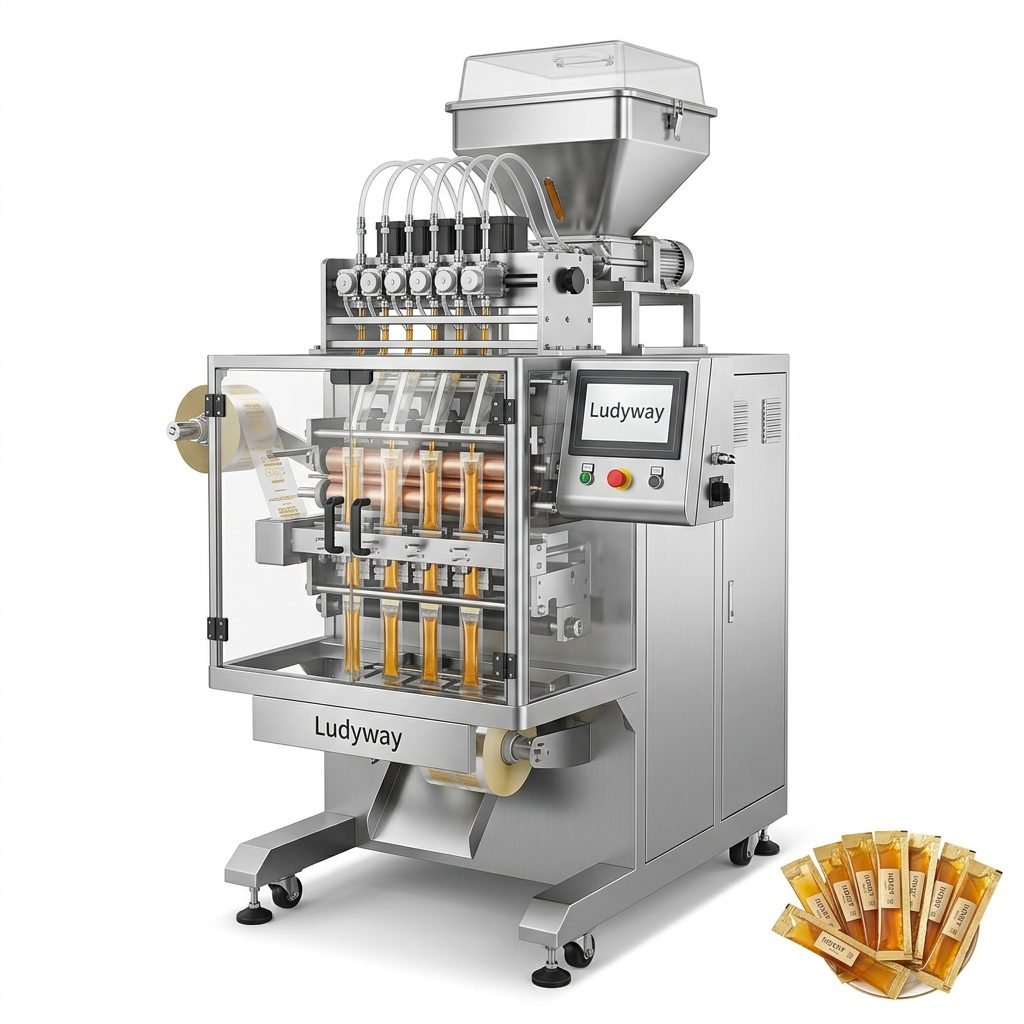
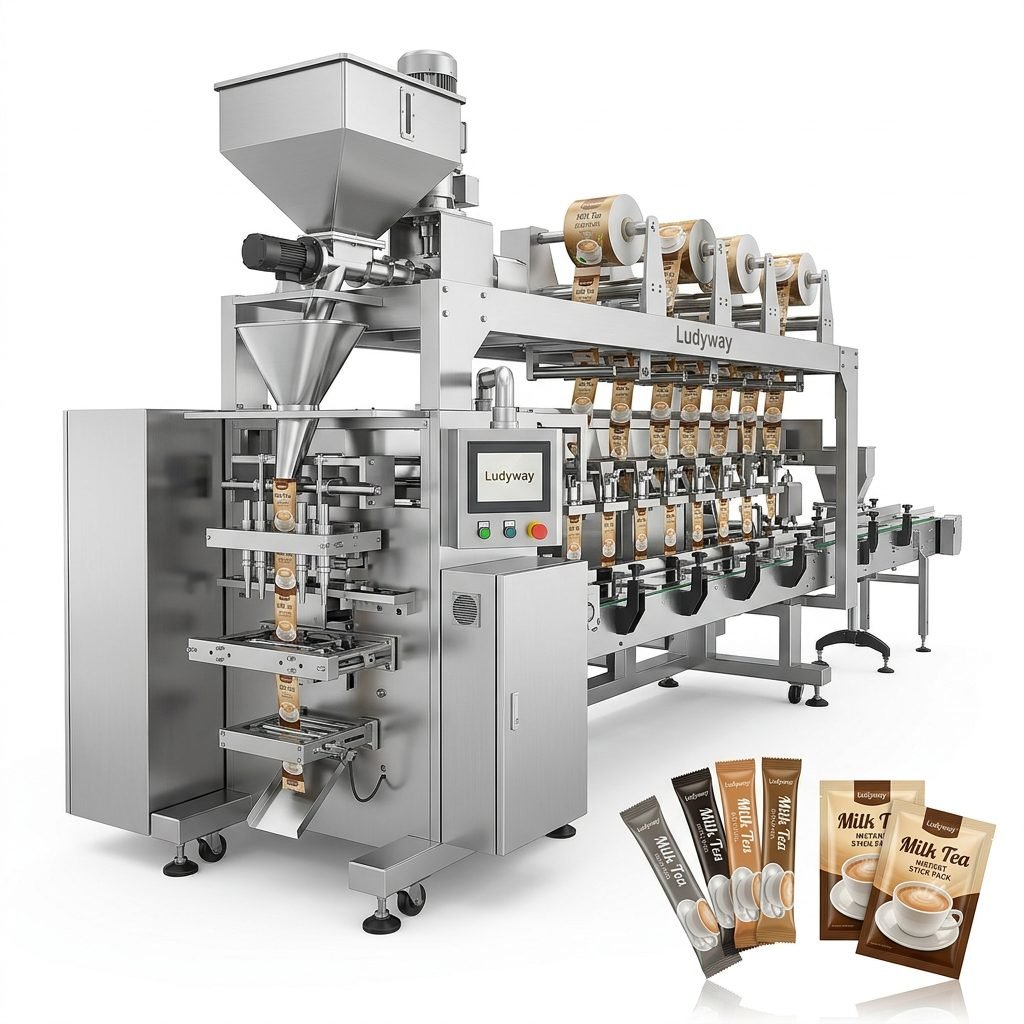
4. Stick Pack Machines
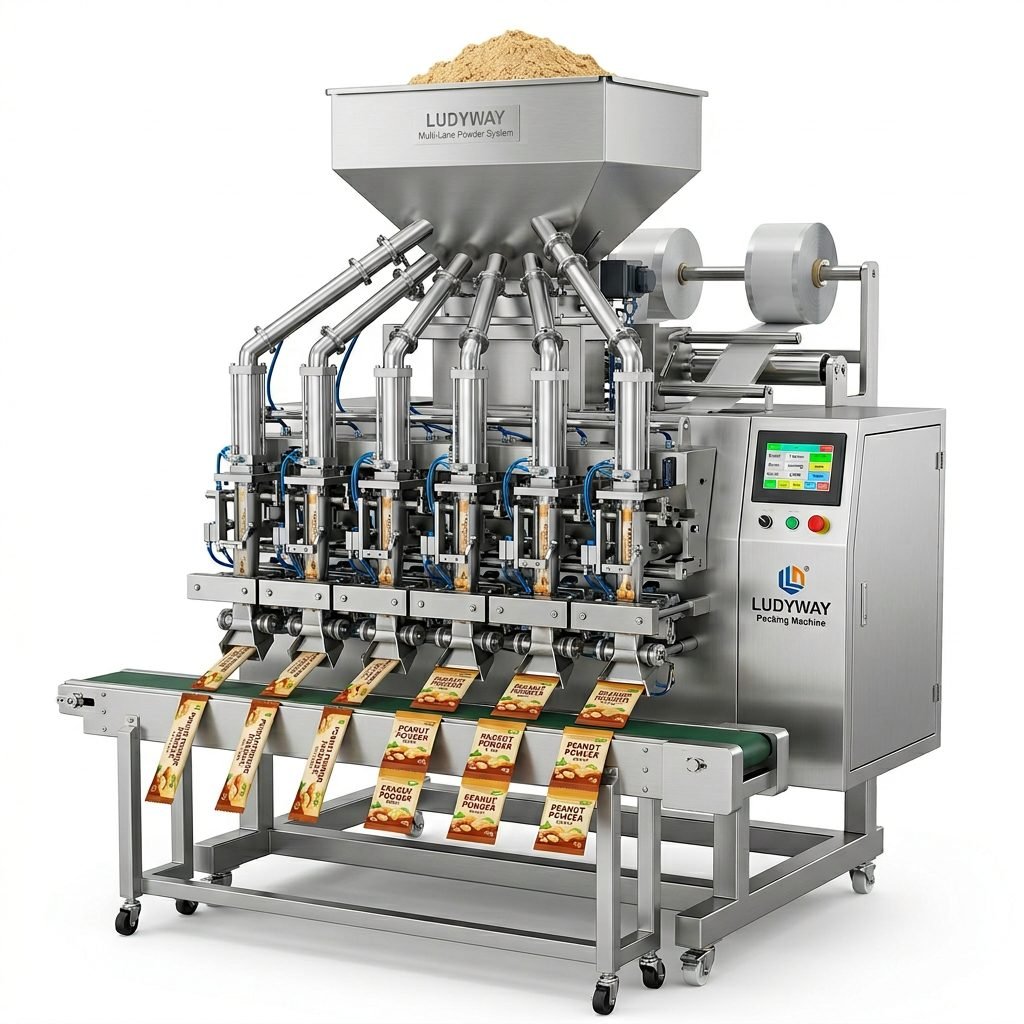
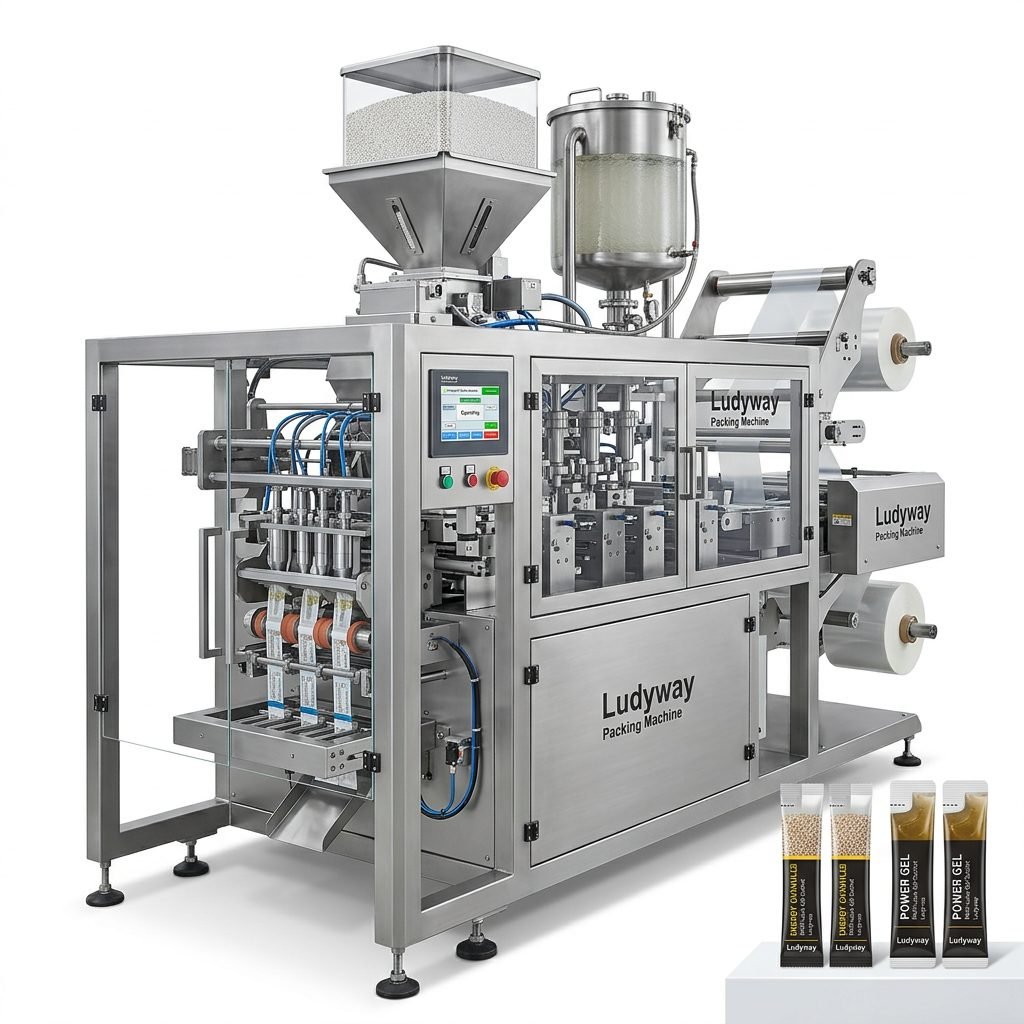
For ultra-portable single servings, such as those added to lunch boxes or sold for on-the-go consumption, stick pack machines are perfect. They create slim, elongated pouches.
- Best for: Highly portable single servings, sample distribution, and convenience markets.
- Features: High-speed multi-lane operation, precise micro-dosing, and small footprint.
Essential Features to Consider
Beyond the machine type, several core features determine performance and suitability.
Filling System
The heart of the machine. For peanut butter’s viscosity, piston fillers and auger fillers are most common. Piston fillers offer excellent accuracy for thick, chunky products, while auger fillers are versatile and easier to clean for smoother consistencies.
Material of Construction
Hygiene is paramount. Look for food-grade stainless steel (304 or 316) in all product contact parts. This ensures durability, ease of cleaning, and compliance with food safety standards like FDA and CE regulations.
Sealing Technology
A reliable seal prevents leaks and spoilage. Machines may use heat sealing, ultrasonic sealing, or cold sealing. Heat sealing is most prevalent for films and laminates, and consistent temperature control is critical for seal integrity.
Automation and Control
Modern machines feature Programmable Logic Controllers (PLCs) and touch-screen Human-Machine Interfaces (HMIs). These allow for easy recipe changes (for different package sizes), production monitoring, and diagnostic troubleshooting.
Changeover Flexibility
If you run multiple package sizes or types, quick changeover is vital. Machines with tool-less adjustments or quick-change parts significantly reduce downtime between production runs.
How to Choose the Best Peanut Butter Packaging Machine
Selecting the ideal machine requires a systematic evaluation of your specific operational needs.
Step 1: Assess Your Production Requirements
Define your output speed (packages per minute/hour), package size range, and product characteristics (e.g., smooth vs. chunky, natural oil separation). This forms the baseline for machine specifications.
Step 2: Determine Your Budget and ROI
Consider both the initial capital investment and the long-term operating costs (maintenance, spare parts, energy consumption). A slightly more expensive, robust machine from a reliable supplier with a strong service network often provides a better return on investment through higher uptime and efficiency.
Step 3: Prioritize Hygiene and Safety
Ensure the machine design allows for easy and complete cleaning (CIP/SIP capabilities where possible). All materials must be food-safe. This is non-negotiable for food production and critical for brand protection.
Step 4: Evaluate Supplier Support and Service
The machine is part of a long-term partnership. Choose a supplier known for quality and support. Ludyway Machinery, for instance, brings over a decade of focused experience in packaging solutions, offering not just equipment but also reliable technical support and customized production solutions. Look for providers offering installation, training, readily available spare parts, and responsive after-sales service.
Step 5: Request a Product Test
Always test your actual peanut butter product on the candidate machine. This is the only way to verify filling accuracy, sealing performance, and overall handling of your specific product’s properties.
Summary: Your Selection Checklist
- ✅ Matches your required packaging format (jar, pouch, cup, stick).
- ✅ Achieves your target production speed and accuracy (±1% or better).
- ✅ Constructed with food-grade stainless steel for easy cleaning.
- ✅ Offers user-friendly controls and quick changeover features.
- ✅ Comes from a reputable supplier with strong local/global service support.
- ✅ Successfully passes a live test with your product.
Frequently Asked Questions (FAQs)
1. What is the most accurate filling method for thick peanut butter?
Piston fillers are generally considered the most accurate for thick, viscous, and particulate-containing products like chunky peanut butter. They displace a fixed volume of product per cycle, offering high precision regardless of product density changes.
2. How can I prevent oil separation in the packaged product?
While proper formulation is key, packaging can help. Machines equipped with nitrogen gas flushing (often in pouch systems) displace oxygen from the headspace, which slows oxidation and can help stabilize the emulsion. Ensuring a consistent, cool filling temperature also helps.
3. How often does the machine need maintenance?
Regular daily cleaning is essential. Scheduled preventative maintenance (weekly, monthly, annually) as per the manufacturer’s manual is crucial. This typically involves lubricating moving parts, checking seal bar surfaces, and calibrating sensors. A reliable supplier will provide a clear maintenance schedule.
4. Can one machine handle different package sizes?
Yes, most modern machines are designed for quick changeover. However, the ease and time required vary. Look for machines with “tool-less” adjustments or quick-change kits for filling heads, capping heads, or pouch forming parts to minimize downtime when switching sizes.
5. What safety standards should the machine comply with?
For sales in North America, look for UL or CSA certification. In Europe, CE marking is mandatory, indicating compliance with EU health, safety, and environmental standards. Food-grade material certifications (e.g., FDA compliance) for all product contact parts are fundamental globally.