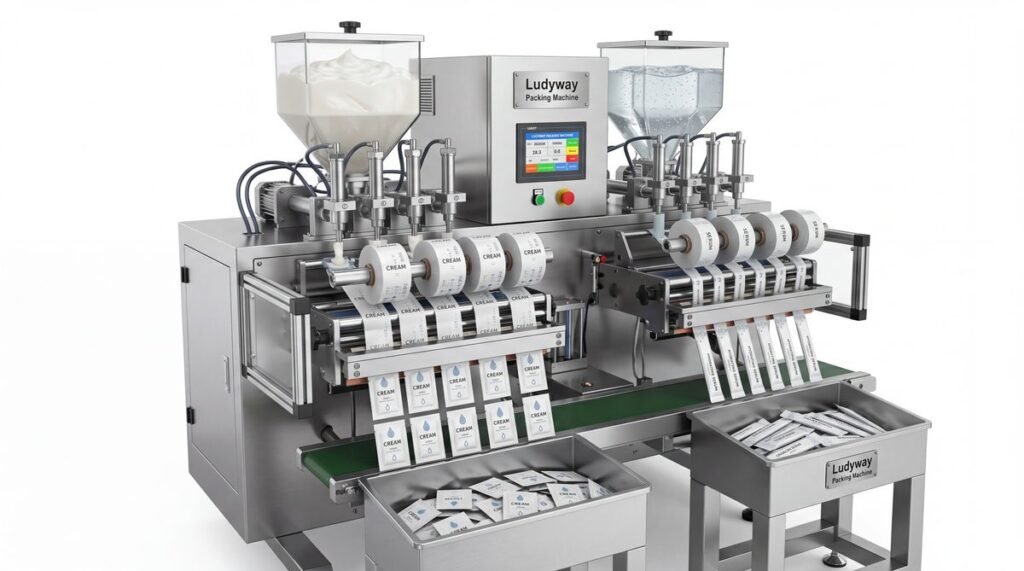
Understanding Tea Meal Packing Machine Types
Before diving into costs, it’s essential to understand the different types of tea meal packing machines available. The packaging machine configuration directly influences the final price. Generally, machines fall into three categories: semi-automatic, fully automatic, and high-speed multi-lane systems. Semi-automatic units require manual feeding or product handling, making them more affordable but slower. Fully automatic models handle the entire process from forming to sealing with minimal operator intervention. Multi-lane stick pack or sachet machines represent the top tier, capable of producing hundreds of pouches per minute simultaneously across multiple tracks.

Key Machine Configurations Explained
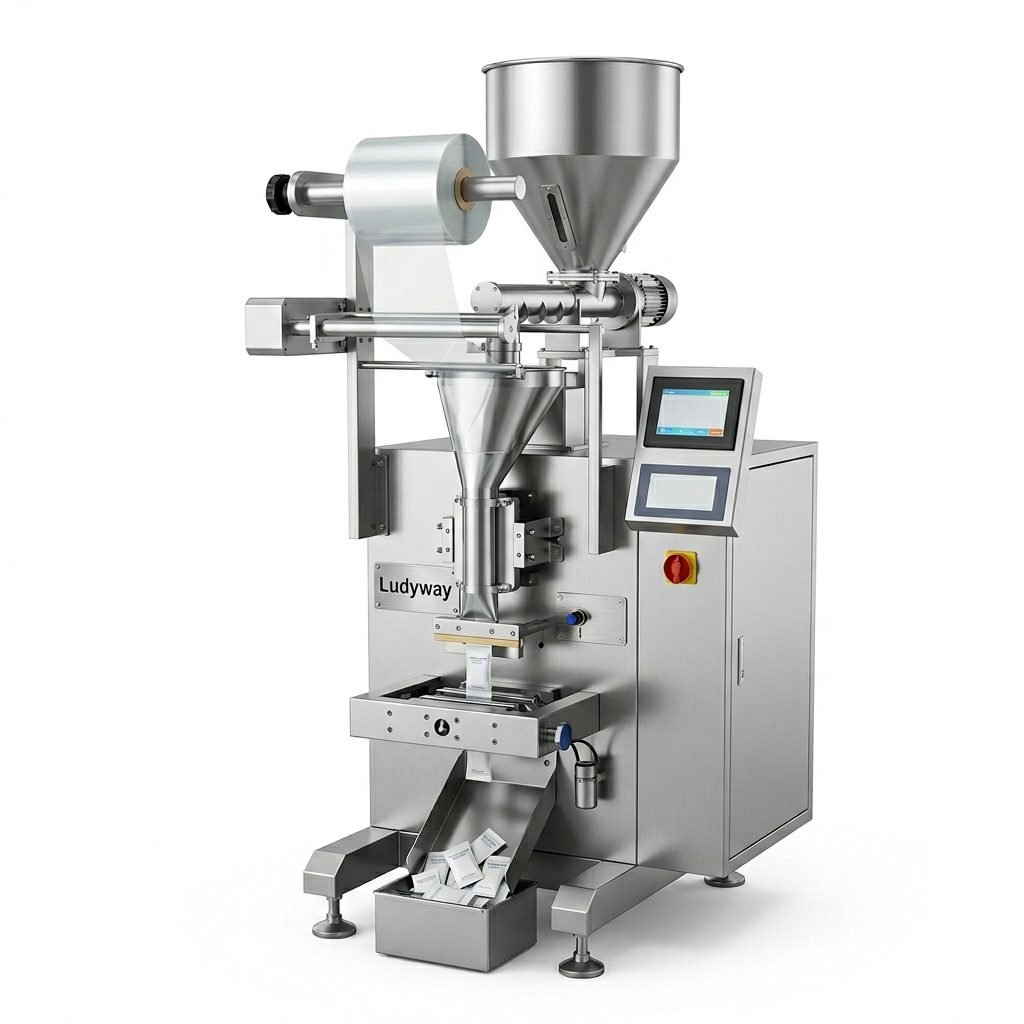
- Single-Lane Sachet Machines: Ideal for startups and low-volume production, these machines produce one pouch per cycle.
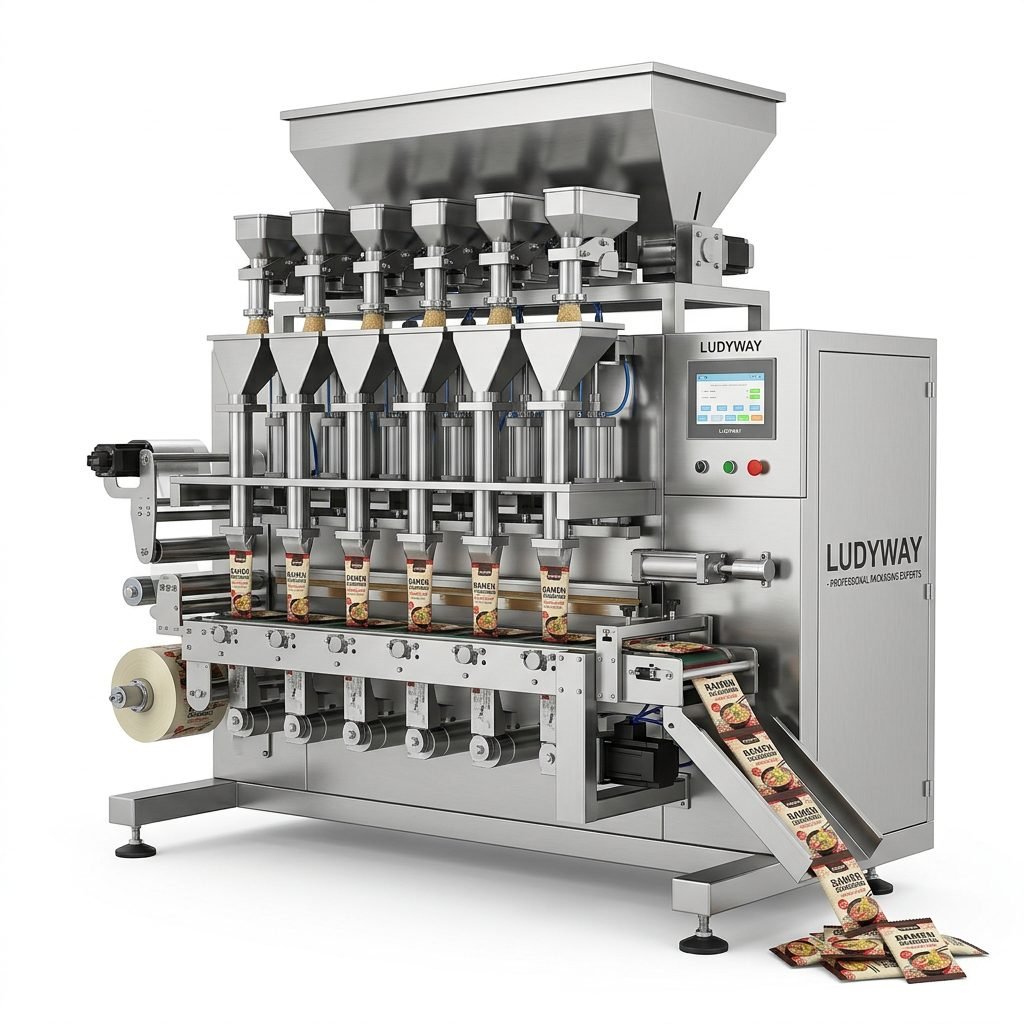
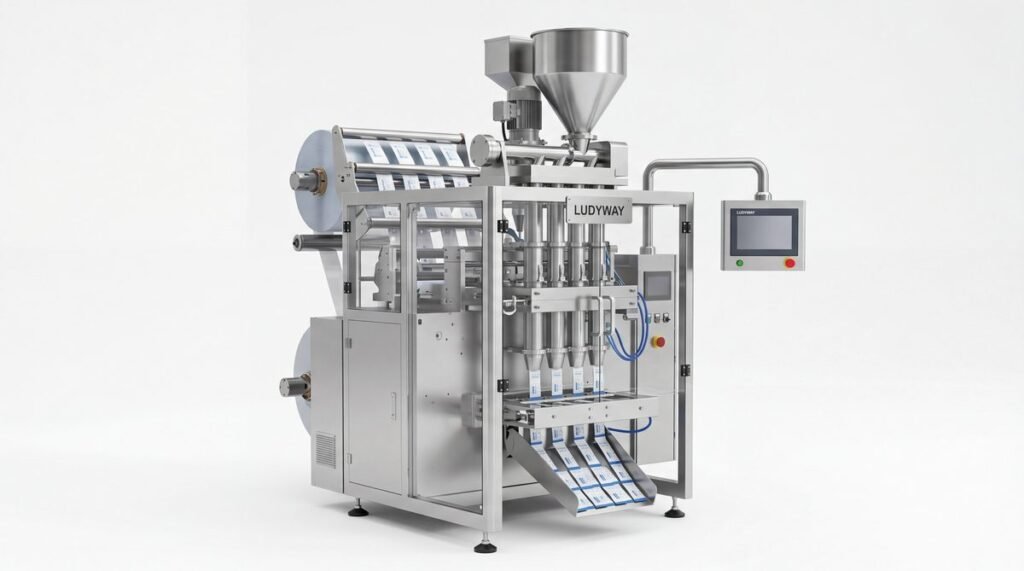
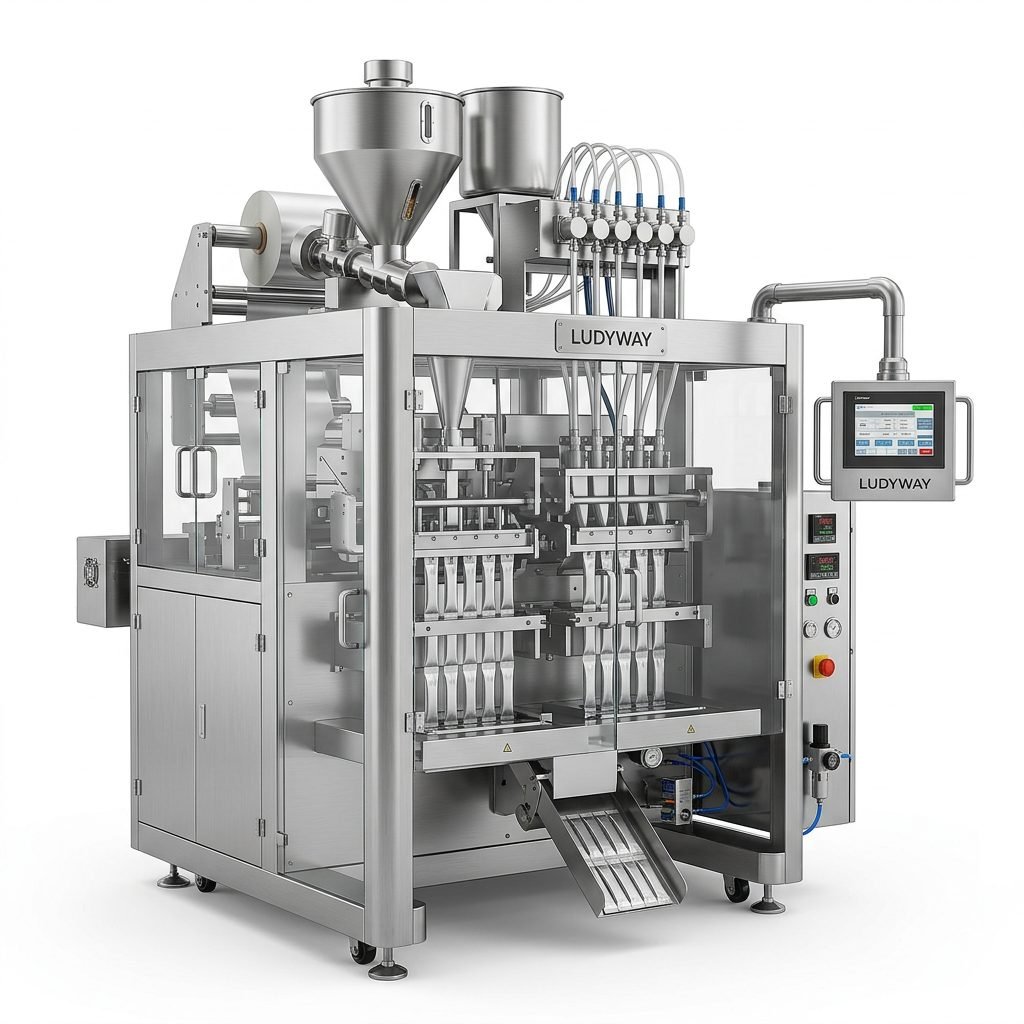
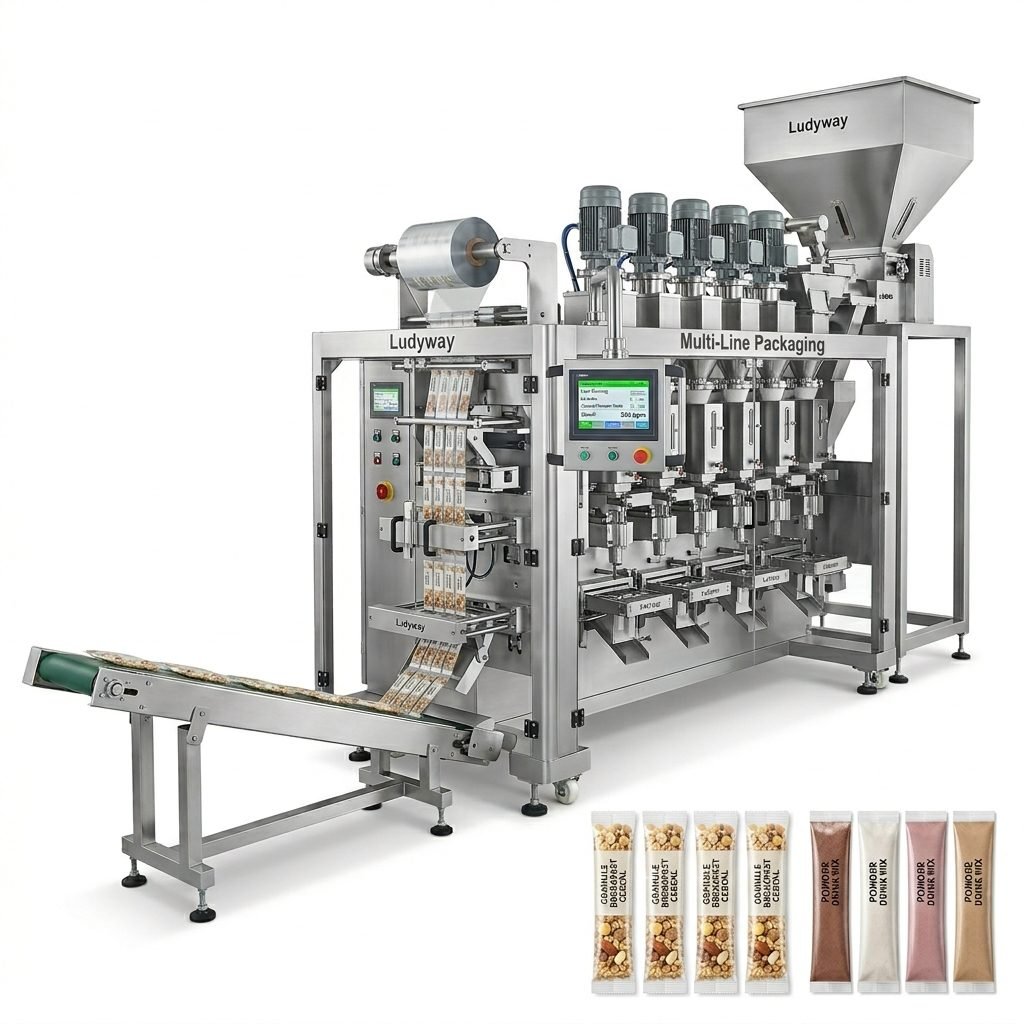
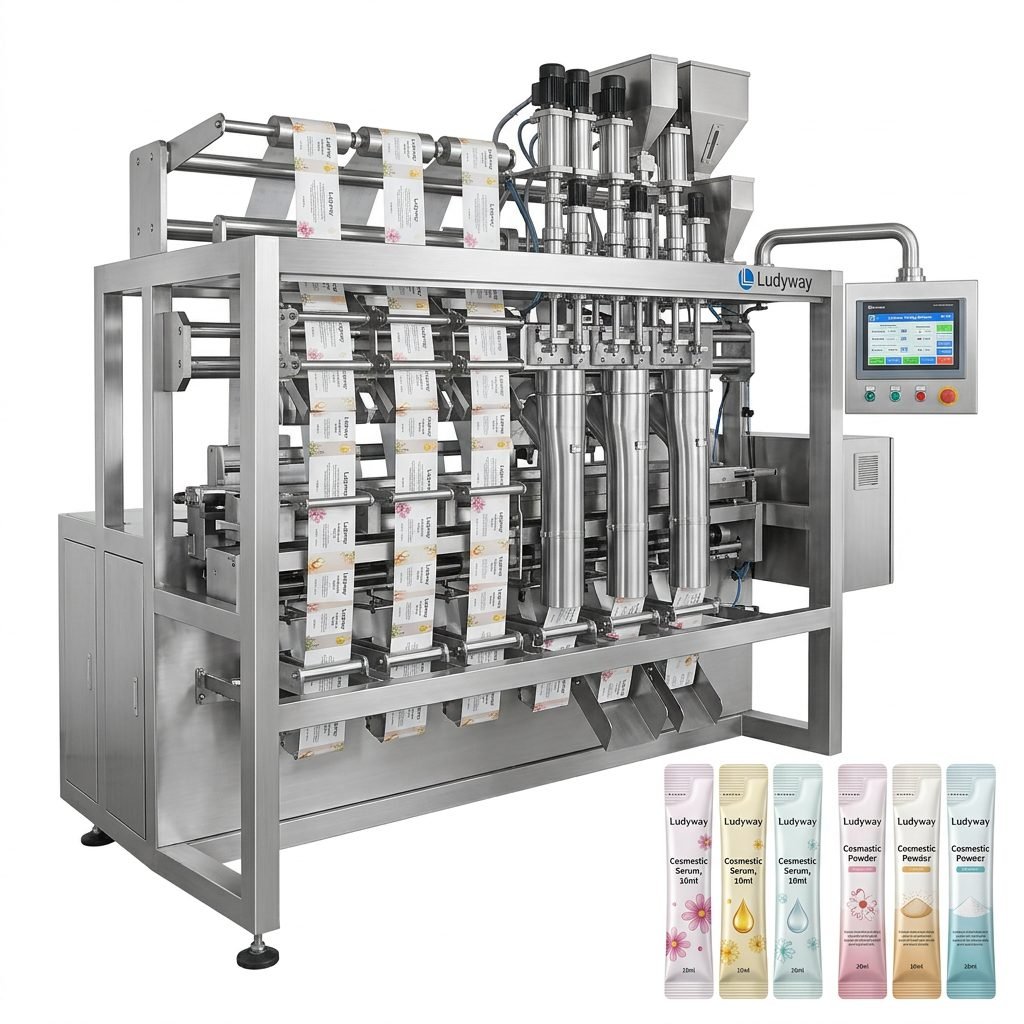
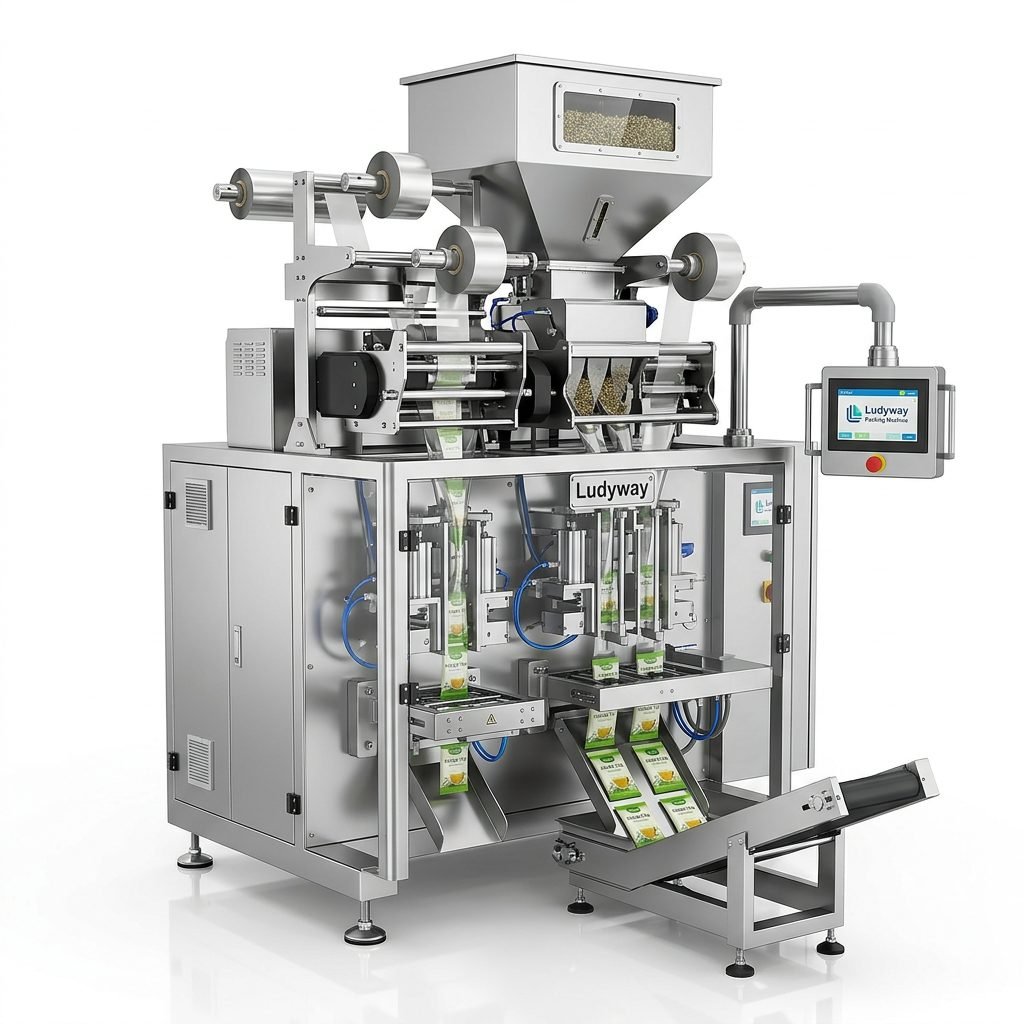
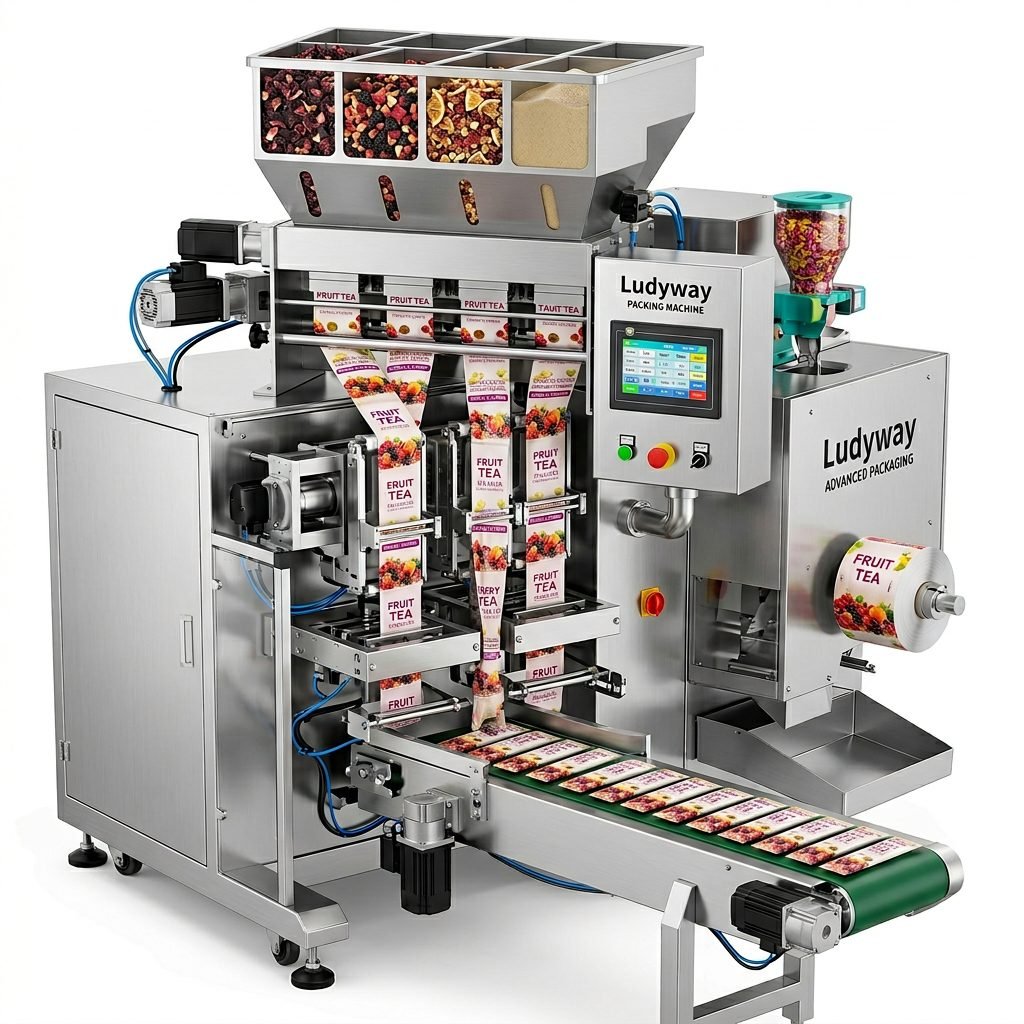
- Multi-Lane Stick Pack Machines: Designed for high-volume tea meal packaging, running 4 to 16 lanes simultaneously for products like meal replacement powders or instant tea mixes.
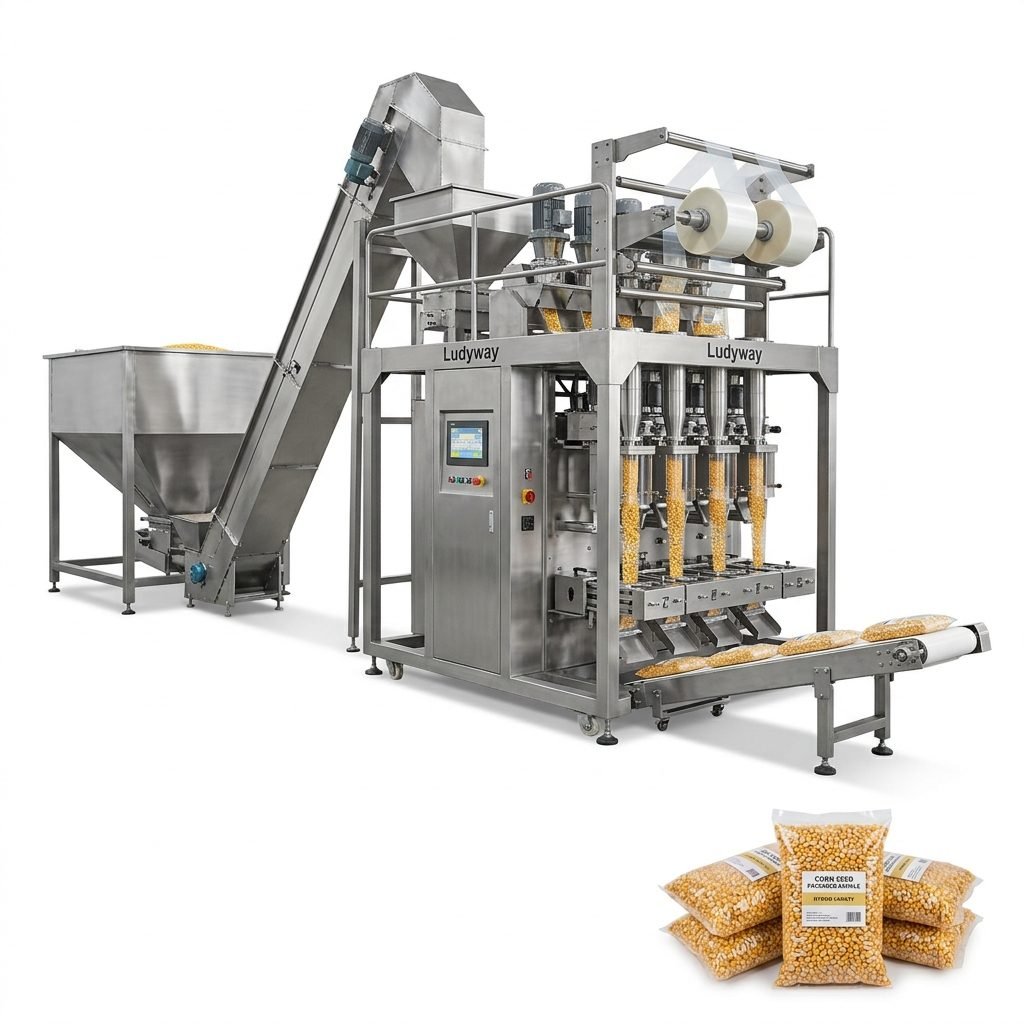
- Vertical Form Fill Seal (VFFS) Systems: Versatile for larger pouch formats, often used for bulk tea meal or family-size portions.
- Premade Pouch Rotary Fillers: Best for businesses using pre-printed stand-up pouches or zipper bags for premium tea meal branding.
Price Ranges for Tea Meal Packing Machines in 2025
The cost of a tea meal packing machine varies significantly based on speed, lane count, and automation features. Below is a comprehensive breakdown of current market prices for new equipment from packaging machine manufacturers.
| Machine Type | Lane Configuration | Approximate Price Range (USD) | Output (Pouches/min) |
|---|---|---|---|
| Semi-Automatic Sachet Packer | Single Lane | $3,000 – $8,000 | 20 – 40 |
| Fully Automatic VFFS Machine | Single Lane | $12,000 – $35,000 | 40 – 80 |
| Multi-Lane Stick Pack Machine | 4 – 6 Lanes | $28,000 – $55,000 | 150 – 300 |
| High-Speed Multi-Lane System | 8 – 12 Lanes | $50,000 – $120,000 | 400 – 800 |
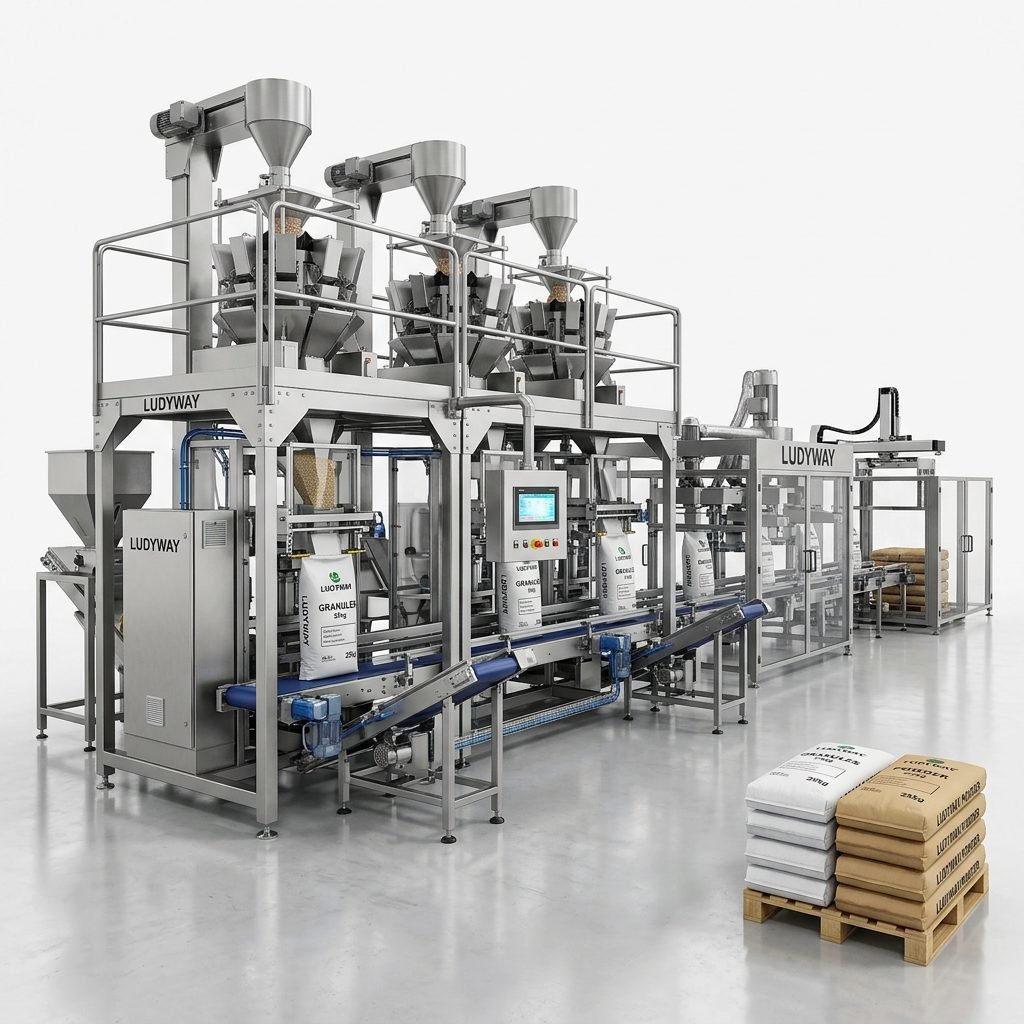
| Fully Integrated Turnkey Line | Custom Multi-Lane | $100,000 – $300,000+ | 800+ |
Factors That Influence Tea Meal Packing Machine Pricing
Several technical and commercial factors determine the final cost of a tea meal packaging system. Understanding these variables helps you budget accurately and negotiate better with packaging equipment suppliers.
1. Automation Level and Control System
Machines equipped with PLC touchscreen interfaces, servo-driven motors, and automatic film tracking cost more than relay-based or manual control systems. Advanced automation reduces labor, minimizes film waste, and increases consistency—critical for tea meal products requiring precise portion control.
2. Number of Lanes and Output Speed
A 4-lane stick pack machine costs substantially less than an 8-lane or 12-lane system. Each additional lane adds film unwinding mechanisms, filling stations, and sealing jaws. For high-demand tea meal products like meal replacement sachets, investing in more lanes can dramatically lower per-unit packaging cost over time.
3. Filling Technology and Precision
Tea meal products often have varying particle sizes, densities, and flow characteristics. Auger fillers, volumetric cup fillers, multi-head combination weighers, and liquid pumps each carry different costs. Auger fillers suit fine powders; multi-head weighers handle irregular granules with high accuracy. The more precise the filling, the higher the machine price.
4. Material of Construction and Compliance
Food-grade stainless steel 304 or 316L construction is mandatory for tea meal packaging. Machines built for GMP, FDA, or ISO cleanroom environments require polished surfaces, dust extraction ports, and validated design, increasing cost by 20–40% compared to standard industrial machines.
5. Brand, Origin, and After-Sales Support
European and Japanese packaging machinery brands often command premium prices, while Chinese manufacturers like Ludyway offer competitive pricing with comparable quality and extensive after-sales support. Factor in installation, training, spare parts availability, and warranty terms when comparing quotes.
Additional Costs Beyond the Machine Price
The sticker price is just one component of the total investment. Consider these hidden or additional expenses when budgeting for your tea meal packing operation.
- Shipping and Logistics: International freight, customs duties, and insurance can add 5–15% to the machine cost.
- Installation and Commissioning: Factory acceptance testing (FAT), site acceptance testing (SAT), and technician travel expenses.
- Auxiliary Equipment: Nitrogen flushing systems, coding printers, checkweighers, metal detectors, and conveyor belts are often quoted separately.
- Tooling and Format Parts: Different pouch sizes and shapes require change parts and forming tubes, costing $500–$3,000 per format.
- Operational Consumables: Packaging film, ink ribbon, lubricants, and cleaning agents are recurring monthly expenses.
- Training and Labor Transition: Operator training and potential production downtime during the learning curve.
Comparing New vs. Used Tea Meal Packing Machines
Used tea meal packaging equipment can offer significant upfront savings, typically priced at 40–60% of new machine cost. However, evaluate these risks carefully.
Pros of Buying Used Machines
- Lower initial capital outlay.
- Potentially faster delivery if the machine is in stock locally.
- Reduced depreciation concerns for short-term or pilot projects.
Cons of Buying Used Machines
- Limited or no warranty coverage.
- Higher maintenance and repair frequency due to wear on sealing jaws, belts, and electronic components.
- Difficulty sourcing spare parts for discontinued or older models.
- Outdated control systems lacking modern servo precision and energy efficiency.
How to Choose the Right Manufacturer
Selecting a reliable tea meal packing machine supplier impacts not only the purchase price but also long-term productivity. Evaluate manufacturers based on these criteria.
Track Record and Industry Experience
Look for companies with a proven history in food and powder packaging. Ludyway, for example, has been providing advanced packaging equipment and turnkey production solutions for the food, pharmaceutical, and health industries for over 30 years. Serving customers in more than 100 countries, their facility spans 20,000㎡ and houses over 50 intelligent packaging machine models.
Customization and Engineering Support
Tea meal formulations vary—some are hygroscopic, others cohesive or dusty. A competent manufacturer should offer material testing, customized dosing systems, and application engineering to tailor the machine to your product characteristics.
After-Sales Service and Spare Parts Network
Confirm the availability of remote technical support, on-site service engineers, and a comprehensive spare parts inventory. Quick resolution of downtime is critical for tea meal operations with tight production schedules.
Cost-Saving Strategies for Tea Meal Packaging
Without compromising quality, you can optimize your investment in tea meal packing systems through these proven approaches.
- Start with essential features and add modules (like automatic cartoning or case packing) later as demand grows.
- Standardize pouch formats across product lines to minimize tooling and changeover costs.
- Negotiate film supply agreements—some manufacturers offer film compatibility assurance and competitive supply chain deals.
- Invest in operator training to reduce film waste, filling rejects, and unplanned maintenance stops.
- Combine multiple products on one machine by designing flexible quick-change systems.
Return on Investment for Tea Meal Packing Automation
A multi-lane tea meal stick pack machine priced at $50,000 may seem steep, but consider the economics. Manual packing of 10,000 sachets per day requires 5–8 workers, costing $15,000–$25,000 annually in labor alone. An automated 6-lane machine producing the same output in 2–3 hours with one operator recoups the investment within 1.5–2.5 years through labor savings, reduced film waste, and faster throughput. Add in improved fill accuracy (reducing product giveaway) and enhanced shelf appeal from consistent sealing, and the payback period shrinks further.
Frequently Asked Questions About Tea Meal Packing Machine Costs
What is the cheapest tea meal packing machine available?
Entry-level semi-automatic sachet fillers start around $3,000–$5,000, suitable for small-scale or home businesses producing limited batches.
How much does a high-speed multi-lane tea meal stick pack system cost?
High-speed systems with 8 to 12 lanes generally range from $50,000 to $120,000, depending on filling technology and compliance certifications.
Are there financing options for purchasing packaging machinery?
Many packaging equipment exporters and third-party leasing companies offer installment plans, deferred payment terms, or equipment leasing to ease cash flow.
How long does shipping and installation take?
Standard manufacturing lead time is 30–60 days, with sea freight adding 15–40 days depending on destination. Installation and commissioning typically require 5–10 working days on-site.
Can one machine handle both powder and granule tea meal products?
Yes, versatile multi-lane packaging systems with interchangeable filling modules—auger for powders, volumetric cup for granules—can switch between different tea meal textures with minimal downtime.
Ready to explore your tea meal packing machine options? Contact a qualified supplier to discuss your product specifications, target output, and budget. Request a detailed quotation that includes all auxiliary equipment, installation, and after-sales terms to make an informed investment decision.