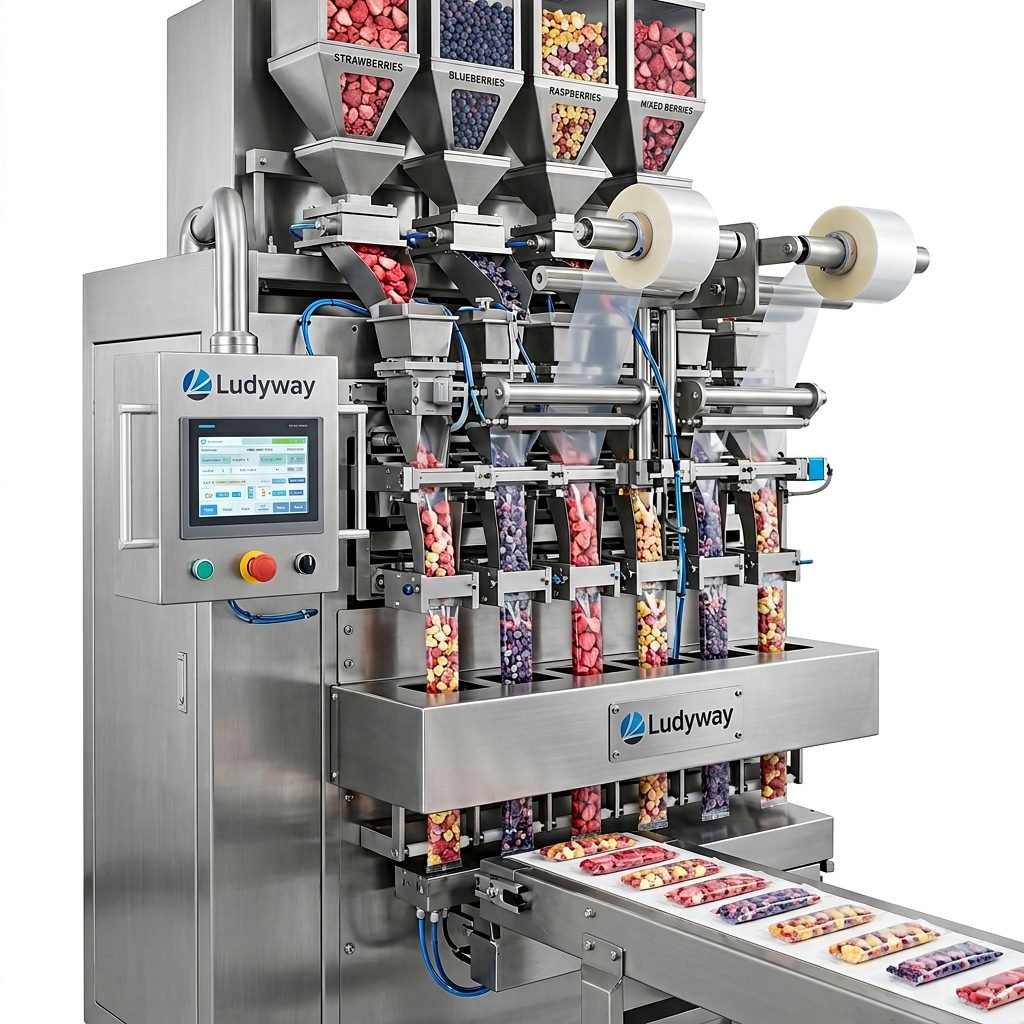
Investing in a tea pillow pouch packaging machine is a significant decision for tea producers looking to scale their operations. The cost is not a simple, fixed number; it fluctuates based on several technical and commercial factors. Understanding these variables is crucial for making an informed purchasing decision that aligns with your production goals and budget. Whether you are packaging delicate herbal blends or traditional loose leaf into elegant pillow pouches, the machinery’s complexity directly impacts the investment required.
Generally, the price spectrum for a tea pillow pouch packaging machine varies widely. An entry-level, semi-automatic model suitable for a small tea shop or startup might start at a lower threshold, whereas a fully automated, high-speed multi-lane packaging system equipped with advanced weighing and nitrogen flushing capabilities designed for large-scale industrial production represents a substantially higher capital investment. The final quote is a reflection of the machine’s ability to maintain product freshness, ensure precise weight accuracy, and deliver the high throughput your business requires.
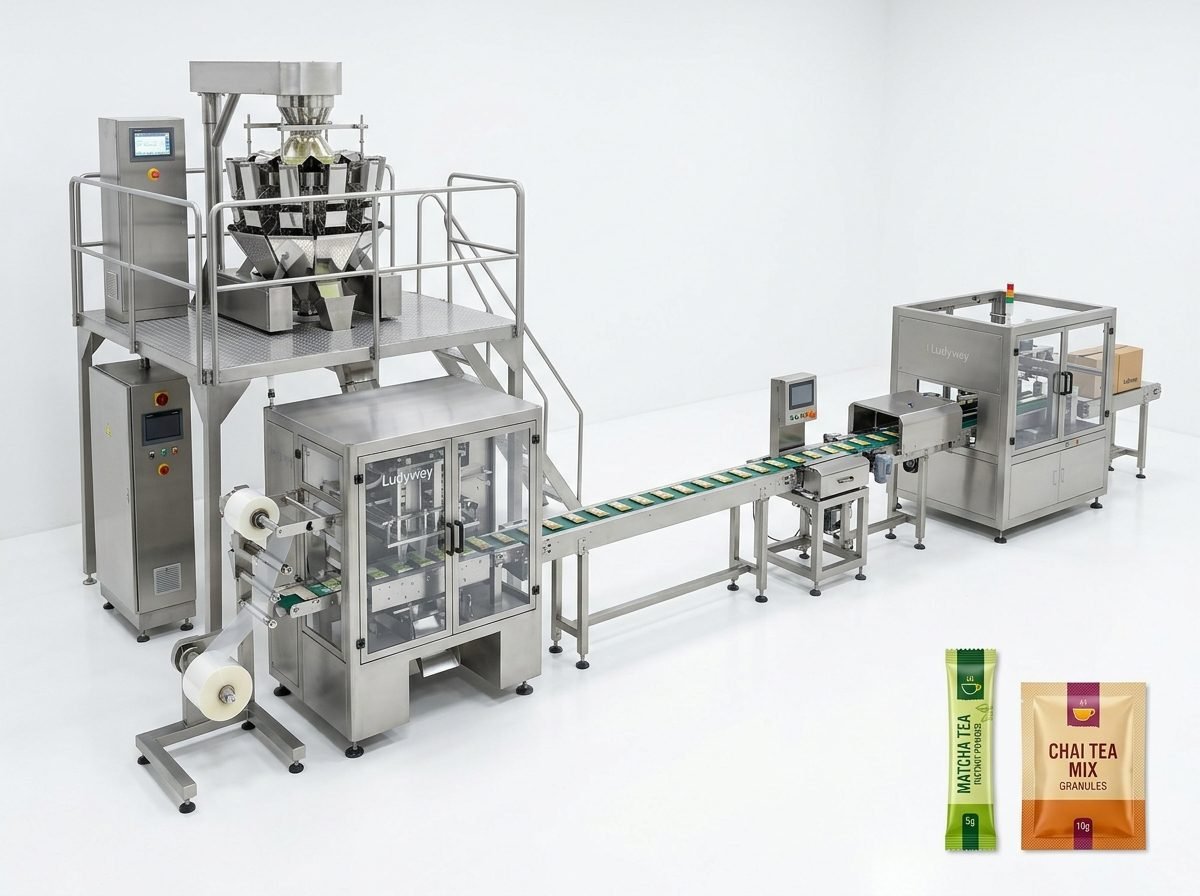
Key Cost Drivers for Tea Pillow Pouch Packaging Machines
Understanding what influences the price helps you negotiate better and avoid paying for features you don’t need. Here are the primary elements that determine the final cost:
- Level of Automation: Manual and semi-automatic machines are less expensive than fully automatic systems that handle material feeding, filling, sealing, and cutting without human intervention.
- Filling Technology: The type of filling system is a major cost factor. A simple volumetric cup filler is less expensive than a multi-head weigher or an auger filler. For tea, ensuring accurate weight with minimal product breakage is paramount, often requiring precision weighers.
- Speed and Output: A machine’s capacity, measured in pouches per minute (ppm), directly correlates with price. High-speed multi-lane machines with outputs exceeding 200 ppm will have a higher price tag than single-lane machines producing 40-80 ppm.
- Build Quality and Materials: Machines constructed with food-grade stainless steel (304 or 316) and certified components from globally recognized brands (like Siemens, Omron, or Schneider for electronics) are more durable and naturally carry a higher initial cost but offer better long-term value.
- Additional Features: Optional but often critical features for tea packaging include nitrogen gas flushing to displace oxygen and extend shelf life, tear notches for easy opening, zip-lock resealable closures, and integrated coding systems for batch numbers and expiration dates.
Estimated Price Ranges by Machine Configuration
The following table provides a general cost breakdown based on common configurations for tea packaging machines. It is important to note that these are estimated ranges, and a precise quotation requires a detailed review of your product specifications and bag dimensions.
| Machine Type & Configuration | Estimated Speed (PPM) | Estimated Price Range (USD) |
|---|---|---|
| Semi-Automatic Single-Lane Machine | 15 – 30 | $3,000 – $10,000 |
| Automatic Single-Lane Vertical Form Fill Seal (VFFS) | 40 – 80 | $15,000 – $35,000 |
| Automatic Multi-Lane Stick Pack Machine (4-8 Lanes) | 120 – 400 | $50,000 – $120,000 |
| High-Speed Multi-Lane Pillow Pouch System (8+ Lanes) | 400 – 800+ | $130,000 – $300,000+ |
| Complete Turnkey Packaging Line (Filling, Weighing, Cartoning) | Custom | $200,000 – $1,000,000+ |

Why Multi-Lane Machines Offer Superior Value
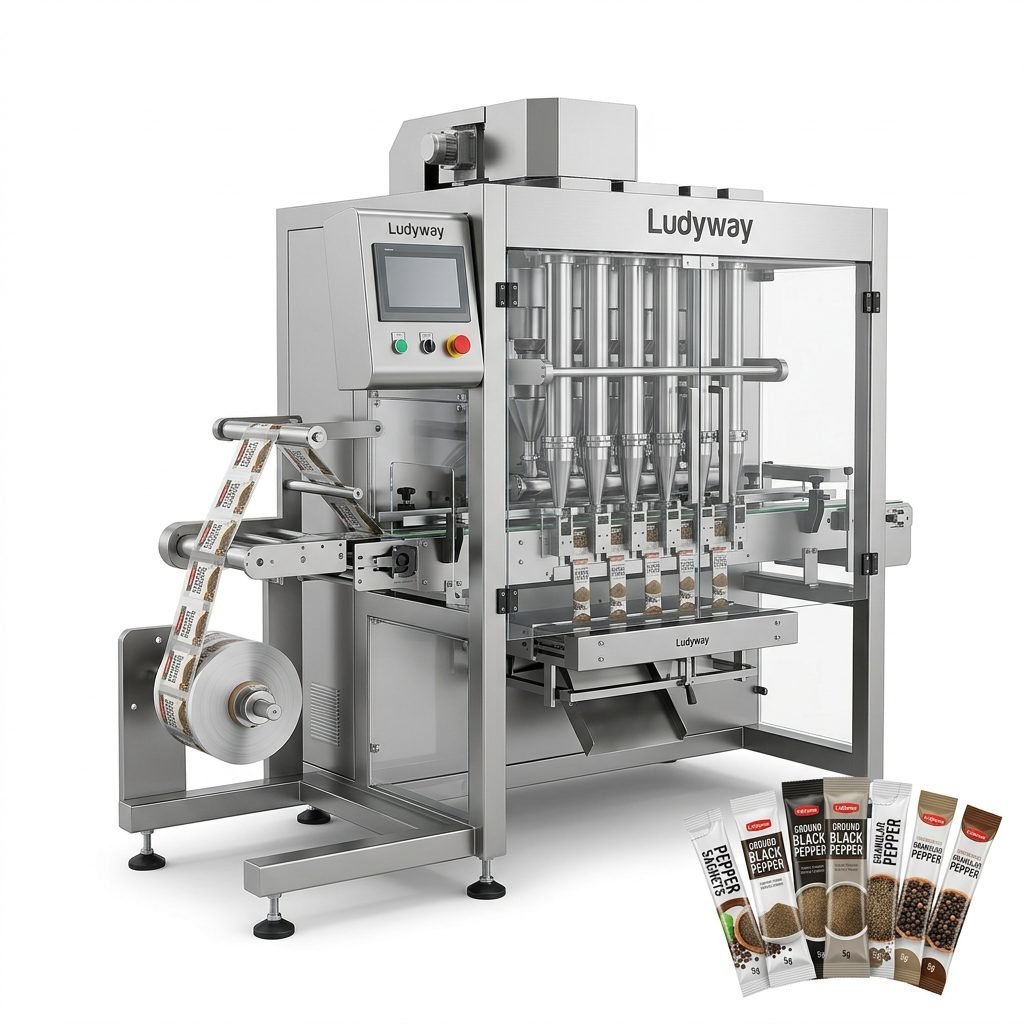
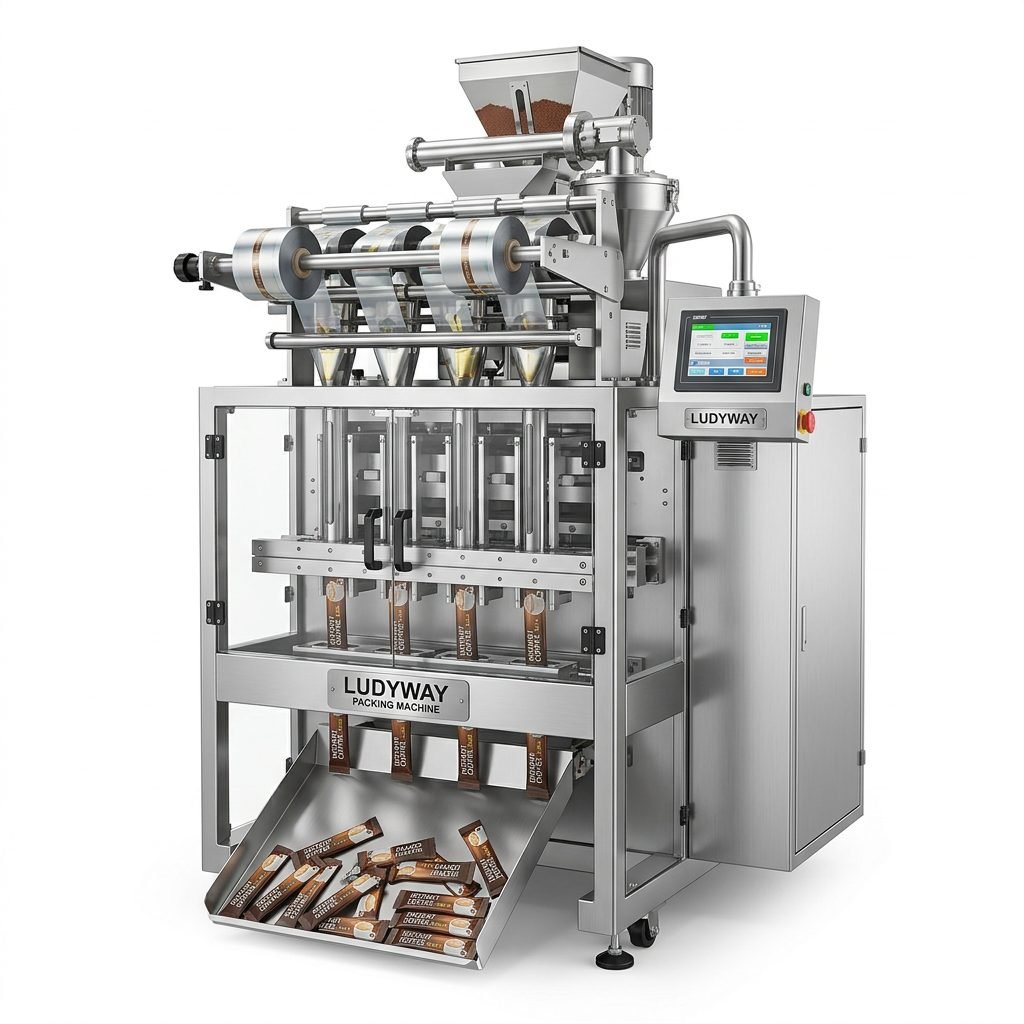
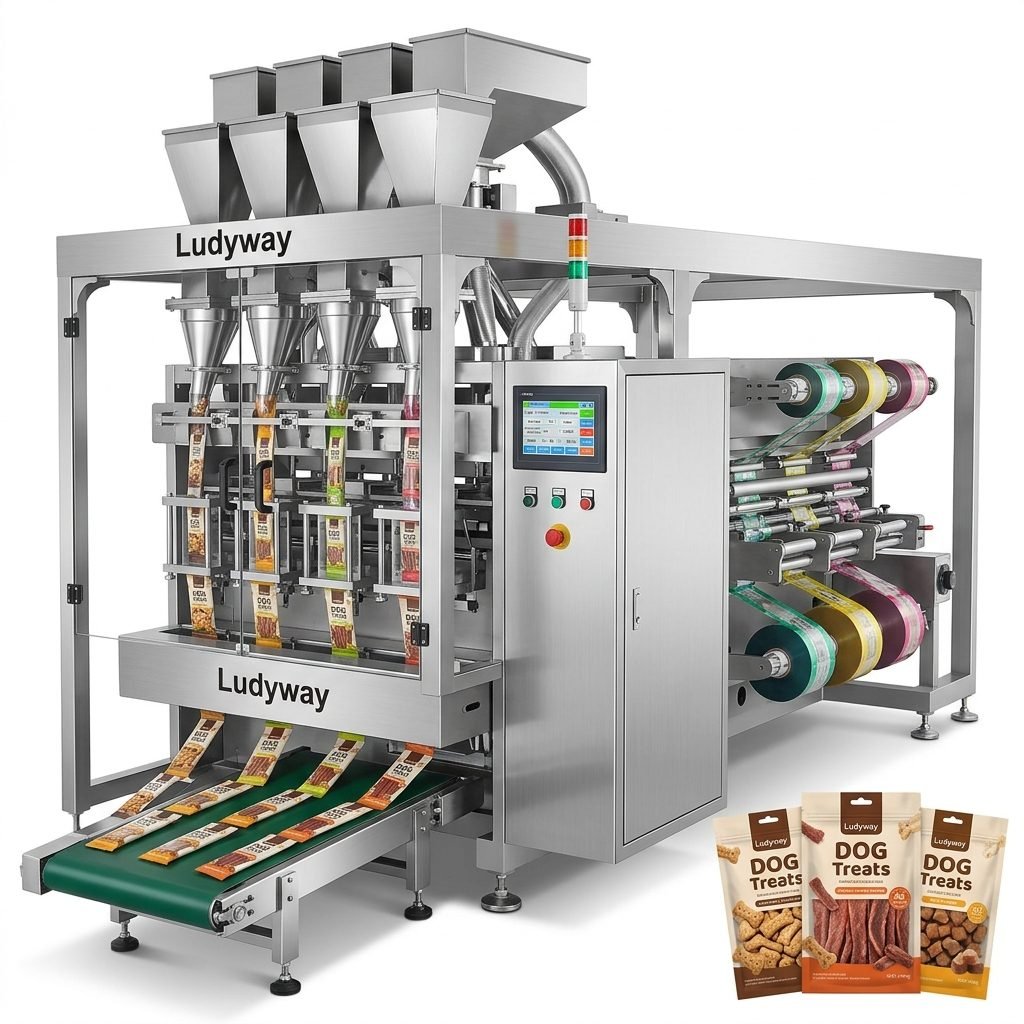
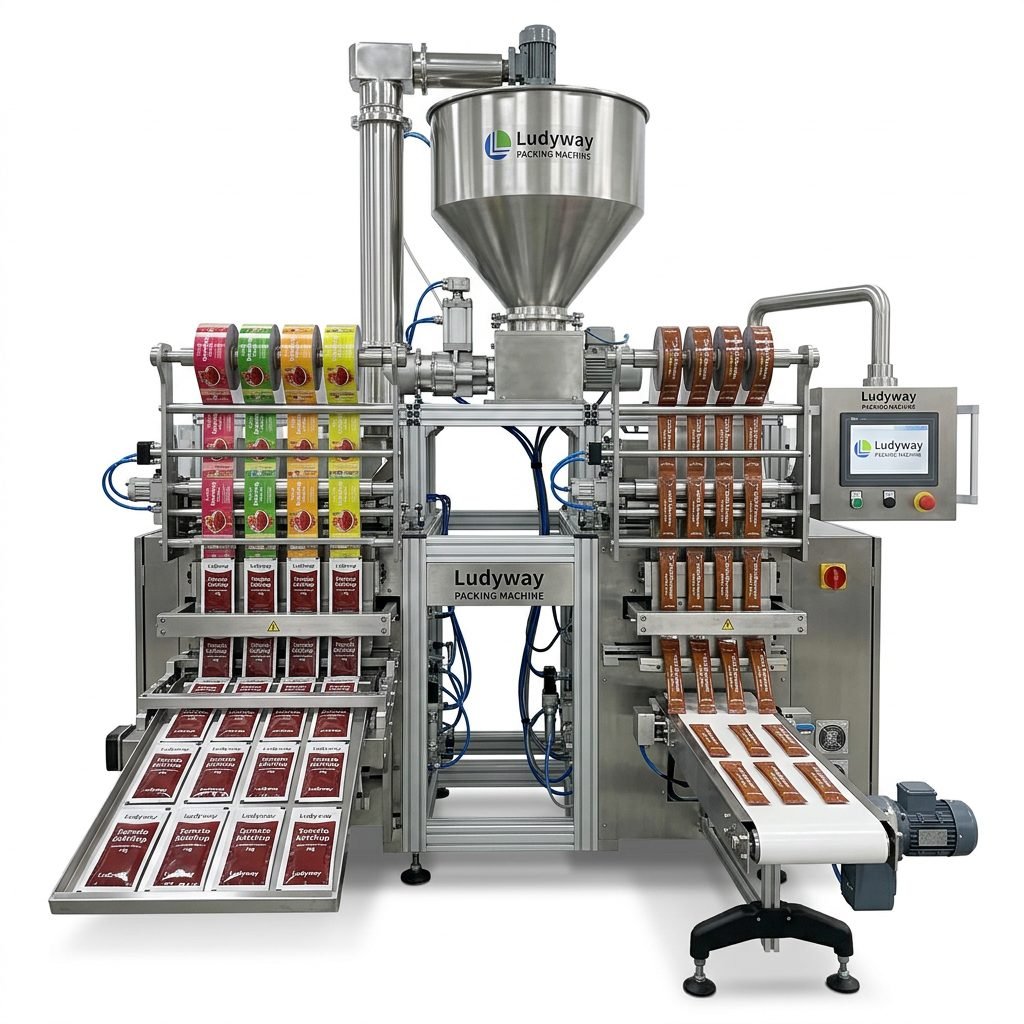
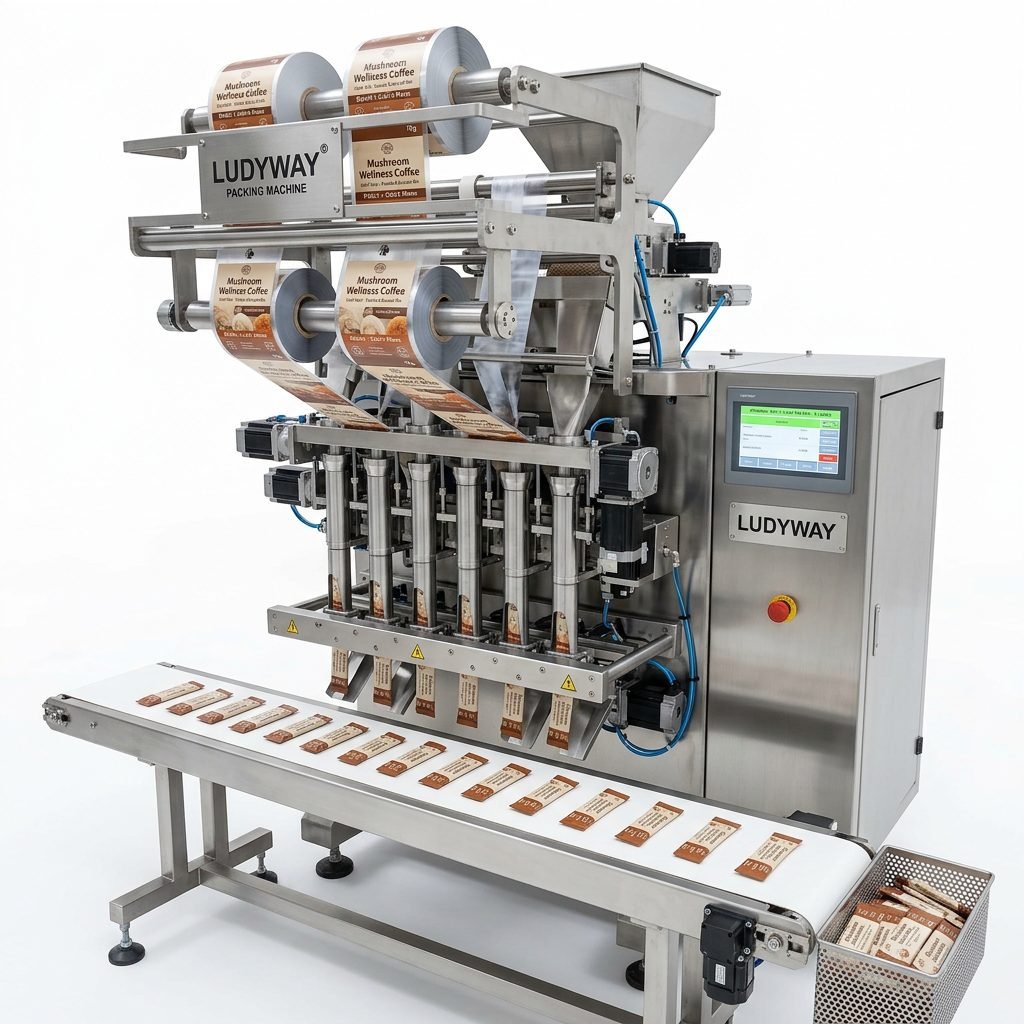
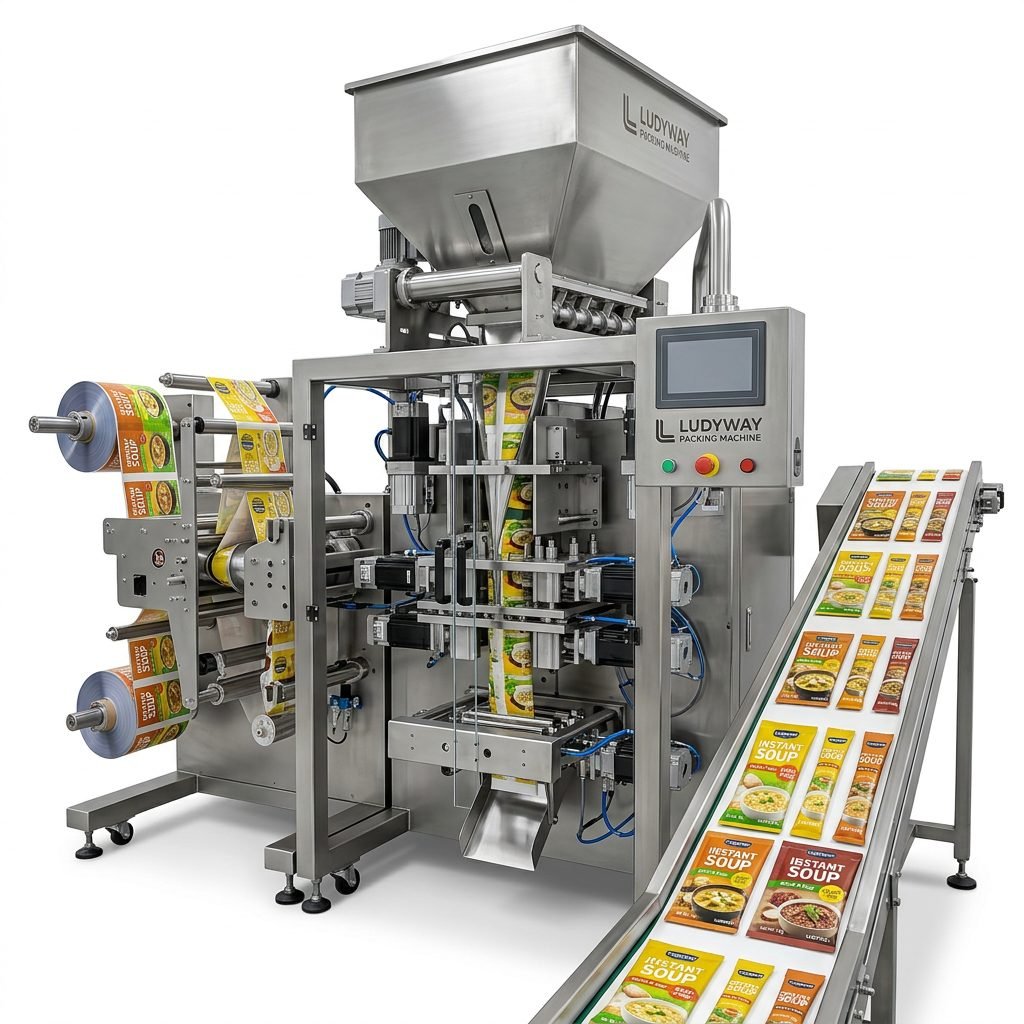
For large tea brands and contract packagers, high-speed multi-lane machines are the standard because they optimize the cost per pouch. While the upfront investment for a 10-lane stick pack machine is significant, the economies of scale drastically reduce packaging expenses over time. These systems maximize production floor space and minimize labor costs, delivering thousands of identical, precisely filled tea pouches per hour. When considering a high-speed system, it’s essential to evaluate its compatibility with packaging line integration and future expansion plans.
Key Justifications for a Multi-Lane Investment:
- Exponential increase in daily output without a proportional increase in labor
- Superior product freshness with integrated nitrogen flush systems
- Consistent seal integrity and pillow pouch aesthetics across all lanes
- Reduced packaging cost per unit at scale with minimized film waste
Calculating Total Cost of Ownership (TCO)
The purchase price of a tea packaging machine is just one part of the financial picture. A comprehensive budget must account for TCO to understand the real return on investment. A machine that seems inexpensive initially could become a costly operational burden over time due to frequent downtime and expensive spare parts.
Critical TCO Components to Consider:
- Consumables (Packaging Film): The type and thickness of the composite film (e.g., aluminum foil, kraft paper, BOPP/CPP) used for tea packaging represents a recurring expense. High-quality films that protect against moisture and aroma loss are vital.
- Energy Consumption: The power requirements of the main motor, heating elements for sealing jaws, and related air compressors and dryers.
- Spare Parts and Maintenance: Regular preventive maintenance and the availability and cost of wear-and-tear parts like seal jaws, Teflon tape, sensors, and cutting blades.
- Operator Training: The technical expertise needed to run and troubleshoot the machine effectively. Advanced systems require skilled operators.
- Technical Support: The warranty period and the cost of post-warranty service visits and remote support access are crucial, especially for international buyers.

Essential Features for Tea Pillow Pouch Packaging
When configuring your machine, certain optional features are non-negotiable for maintaining tea quality and brand reputation. These additions will increase the initial quote but are crucial for a competitive product.
- Nitrogen Gas Flushing: This system displaces oxygen inside the pouch before sealing, dramatically slowing oxidation and preserving the tea’s flavor, color, and aroma for an extended shelf life.
- Multi-Head Weigher: For dry leaf or granulated tea blends, a high-precision combination weigher ensures each pillow pouch meets the exact net weight requirements with speed and accuracy.
- Servo-Driven Sealing Jaws: Provides precise control over sealing temperature, pressure, and dwell time for a flawless, leak-proof seal on laminated films.
- Low-Product Detection: Smart sensors that alert operators when product levels are low, preventing empty or under-filled pouches and reducing giveaway.
How to Get an Accurate Price Quotation
The best way to get a firm price is to provide detailed specifications to potential suppliers. Leading packaging machine manufacturers will request specific information to propose the most suitable and cost-effective model. Be prepared to discuss the following technical details:
- Precise dimensions of the required pillow pouch (width x length)
- Physical characteristics of the tea product (leaf size, density, dust content)
- Target production speed in pouches per minute or per hour
- Required feature set (date coder, nitrogen flush, resealable zipper)
- Factory-specific electrical and power requirements
As a global supplier with over 30 years of industry expertise, Ludyway provides reliable and efficient packaging solutions for granule, powder, and specialty pouch applications, helping businesses worldwide improve productivity and product quality. Their engineering teams are well-versed in configuring an appropriate solution once these parameters are clearly understood.
For further insights into market trends and technology standards in the packaging sector, professional resources like the PMMI association and the Flexible Packaging Association provide valuable industry data and networking opportunities.

Frequently Asked Questions
What is the minimum order quantity for packaging film?
Suppliers often have a minimum order quantity (MOQ) for custom-printed laminated films, which can be a significant upfront cost. The MOQ varies but could be between 500 kg to 1,000 kg per SKU. This is an important logistics and storage consideration.
Can I package multiple tea flavors on one machine?
Yes, with careful planning for changeover times between different products. Systems with quick-release parts and recipe management capabilities make switching between different blends more efficient. The machine design should allow for easy cleaning to prevent flavor cross-contamination.
Is nitrogen flushing absolutely necessary for tea?
While not mandatory, it is strongly recommended for any premium tea product. It dramatically preserves freshness, protects delicate volatile aromatic compounds, and prevents the product from being crushed as it creates a protective cushion inside the pouch.