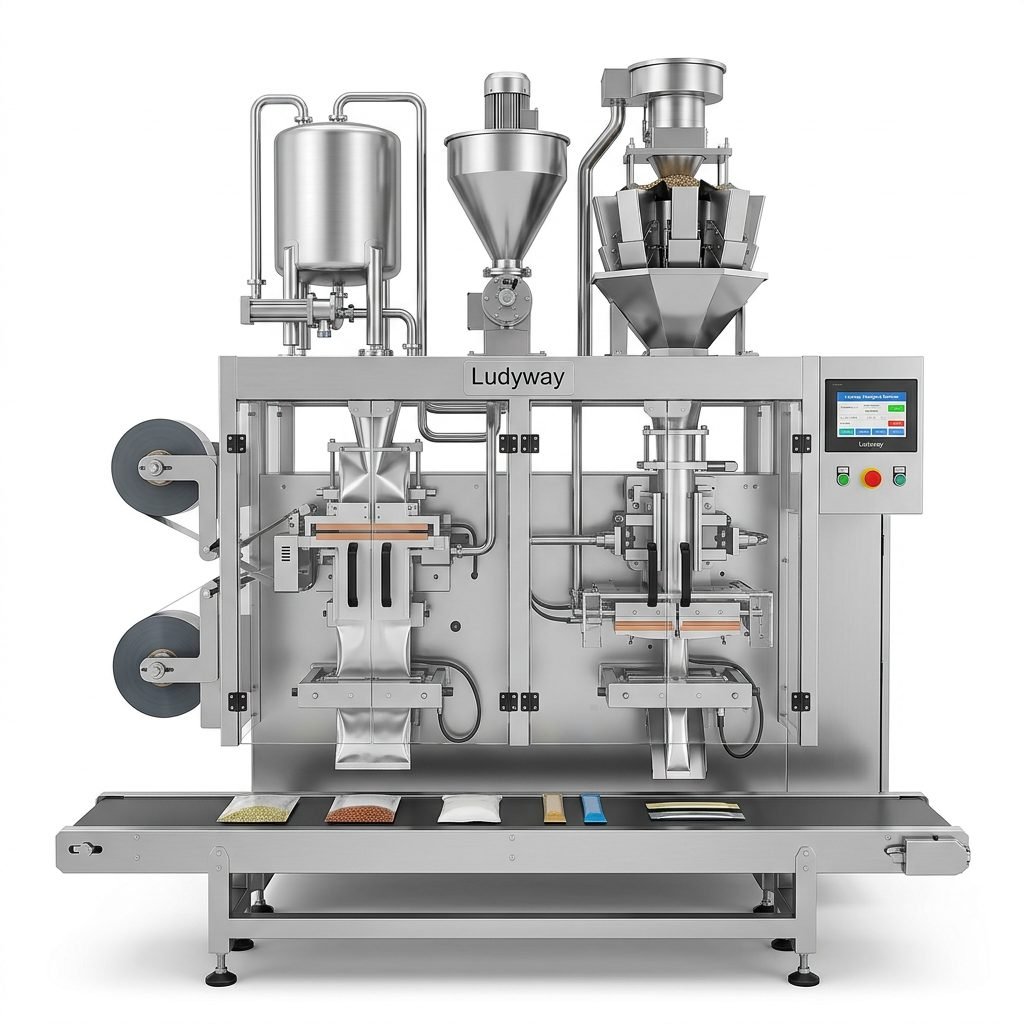
In the competitive world of food production, especially within the dairy sector, the final presentation and preservation of the product are as crucial as its quality. Cheese, with its diverse textures and moisture levels, presents unique packaging challenges. Selecting the right cheese packaging machine is not merely a matter of automation; it’s a strategic decision that impacts shelf life, brand perception, operational efficiency, and ultimately, profitability. This comprehensive guide delves into the types of packaging machines available, their key benefits, and provides a structured framework to help you choose the perfect equipment for your specific needs.
Understanding the Core Types of Cheese Packaging Machines
Cheese packaging is not a one-size-fits-all process. The machinery varies significantly based on the cheese form (blocks, slices, shredded, grated, or spreadable) and the desired package type. Here’s a breakdown of the primary machine categories.
1. Vacuum Packaging Machines
These machines are the cornerstone of packaging for block and sliced cheeses. They remove air from the package before sealing, creating a modified atmosphere that drastically slows down oxidation and microbial growth. This is essential for preserving flavor, texture, and extending shelf life. Machines range from single-chamber models for smaller operations to double-chamber and rotary models for high-volume production.
Key Benefit: Maximizes product freshness and shelf life, which is critical for retailers and distributors managing inventory.
2. Flow Wrap / Horizontal Form-Fill-Seal (HFFS) Machines
Ideal for individually wrapping cheese slices, sticks, or small portions. A roll of film is formed into a tube around the product, which is then sealed longitudinally and transversely. These machines are incredibly fast and efficient, perfect for consumer-ready portions. They often integrate with slicers for a fully automated line.
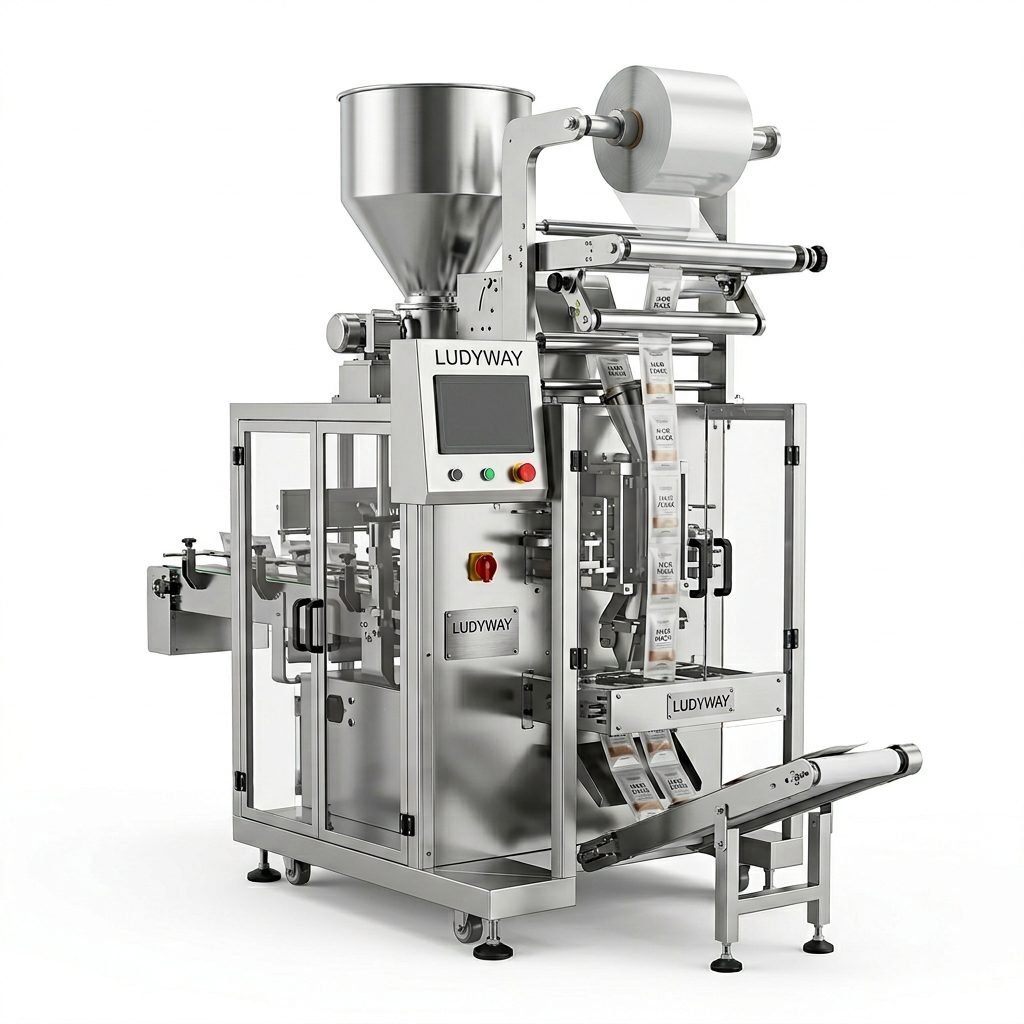
3. Vertical Form-Fill-Seal (VFFS) Machines
The go-to solution for packaging shredded, grated, or crumbled cheese into bags or pouches. Film is drawn downward to form a bag, the product is weighed and dropped in, and the bag is then sealed and cut. Modern VFFS machines feature advanced multi-head weighers for precise weight control, minimizing give-away and ensuring compliance.
4. Thermoforming Packaging Machines
These create rigid, tray-like packages often seen with gourmet cheeses, cheese spreads, or pre-sliced assortments. A bottom film is heated and formed into cavities, the cheese is placed inside, a top film is applied, and the package is sealed and die-cut. This method offers superior product presentation and excellent barrier properties.
5. Cartoning and Case Packing Systems
After primary packaging, secondary packaging is needed. Automatic cartoners erect, load, and seal boxes containing multiple individual cheese packages. Case packers then collate and load these cartons into shipping cases. These systems are vital for achieving true end-to-end automation.
The Tangible Benefits of Automated Cheese Packaging
Investing in specialized packaging machinery delivers a compelling return on investment across several dimensions.
Enhanced Product Quality & Safety: Automated systems provide consistent, hermetic seals that manual packing cannot match. This consistency is your first defense against contamination and spoilage. Modified atmosphere packaging (MAP), often integrated with vacuum or gas-flushing systems, preserves taste and color far longer than air-packed products.
Dramatic Increase in Operational Efficiency: Machines operate at speeds impossible for human labor. A single automated line can replace multiple packing stations, reducing labor costs, minimizing human error, and allowing your workforce to focus on quality control and more skilled tasks. This leads to a higher and more predictable output.
Significant Material Savings & Sustainability: Advanced machines are engineered to minimize film and packaging material waste through precise cutting and sealing. This not only reduces direct material costs but also aligns with growing consumer and regulatory demands for sustainable, reduced-packaging solutions.
Improved Brand Consistency & Market Appeal: A machine produces identical, professional-looking packages every time. This builds brand trust and shelf appeal. Furthermore, automation allows for greater flexibility to implement design changes or run limited-edition packaging without massive downtime or retraining.
💡 Operational Insight:
The true cost of packaging isn’t just the machine price. Consider the total cost of ownership (TCO), which includes maintenance, energy use, changeover time, and material efficiency. A slightly higher initial investment in a robust, efficient machine from a reliable supplier like Ludyway Machinery often yields a lower TCO over 5-10 years.
How to Choose the Right Cheese Packaging Equipment: A Step-by-Step Guide
Navigating the market requires a methodical approach. Follow these steps to make an informed decision.
Step 1: Precisely Define Your Product & Packaging Requirements
Start with the basics. What is the physical form of your cheese? What are its dimensions and weight? What type of packaging material do you want to use (barrier films, laminates, recyclable materials)? What is your target package style (pouch, vacuum bag, flow wrap)? Determine your required output speed in packages per minute (PPM) to meet production goals.
Step 2: Evaluate Machine Capabilities & Flexibility
Can the machine handle your specific product without damaging it (e.g., delicate soft cheeses)? How easy and quick is it to change over for different package sizes or products? Does it integrate seamlessly with your existing upstream (slicing, weighing) and downstream (cartoning, case packing) equipment? Look for user-friendly touchscreen interfaces and recipe storage functions.
Step 3: Assess Build Quality, Hygiene, and Support
The machine frame should be robust, typically stainless steel, especially for food contact parts. Hygiene design is non-negotiable—look for smooth surfaces, easy access for cleaning (CIP/SIP options), and compliance with food safety standards (e.g., FDA, EHEDG). Crucially, investigate the supplier’s reputation for after-sales service, spare parts availability, and technical support.
Step 4: Analyze Total Cost of Ownership (TCO) and ROI
Look beyond the purchase price. Factor in installation, training, anticipated maintenance costs, energy consumption, and the machine’s efficiency with packaging materials. Calculate your projected ROI based on labor savings, reduced waste, increased output, and lower product returns due to improved packaging quality.
Step 5: Request a Product Test and Review References
Never buy based on specifications alone. Arrange for a live test using your actual cheese product and packaging materials. This reveals how the machine truly performs. Also, ask the supplier for references from other cheese producers, preferably with similar products and scale, to get unbiased feedback on reliability and service.
Choosing the right partner is as important as choosing the right machine. A supplier with deep industry experience, like Ludyway Machinery, which brings over a decade of focused expertise in food packaging solutions, can provide invaluable guidance through this entire process, from initial consultation to installation and long-term support.
Frequently Asked Questions (FAQs)
1. What is the most important feature to look for in a cheese packaging machine?
While speed and cost are important, hygienic design and sealing consistency are paramount. Cheese is a sensitive product. The machine must be easy to clean to prevent bacterial harborage, and it must create a perfect, reliable seal every time to ensure shelf life and prevent costly waste from leakers or spoiled product.
2. Can one machine handle different types of cheese (e.g., blocks and shredded)?
Typically, no. The mechanics for handling solid blocks (vacuum chamber) and free-flowing shredded cheese (vertical form-fill-seal with a weigher) are fundamentally different. Some flexibility exists within a category (e.g., a VFFS machine can run different pouch sizes for shredded and grated cheese with quick changeovers), but major format changes usually require different specialized machines.
3. How does Modified Atmosphere Packaging (MAP) work for cheese?
MAP involves replacing the air inside a package with a protective gas mix, typically nitrogen and carbon dioxide. Nitrogen is inert and prevents package collapse, while CO₂ inhibits the growth of molds and bacteria. Specialized machines evacuate the air and inject this gas mix before sealing, significantly extending the cheese’s visual and organoleptic quality.
4. What maintenance is required for these machines?
Daily cleaning is essential. Beyond that, regular maintenance includes lubricating moving parts, checking and replacing sealing jaws or wires, inspecting cutting blades, and ensuring sensors are clean and calibrated. A proactive maintenance schedule, often provided by your supplier, prevents unplanned downtime.
5. Is automation feasible for a small or artisan cheese producer?
Absolutely. The market offers semi-automatic and smaller-scale automatic machines that are cost-effective for lower volumes. For example, a compact vacuum sealer or a table-top flow wrapper can dramatically improve packaging quality, presentation, and efficiency without the footprint or investment of a large industrial line, making automation accessible to producers of all sizes.