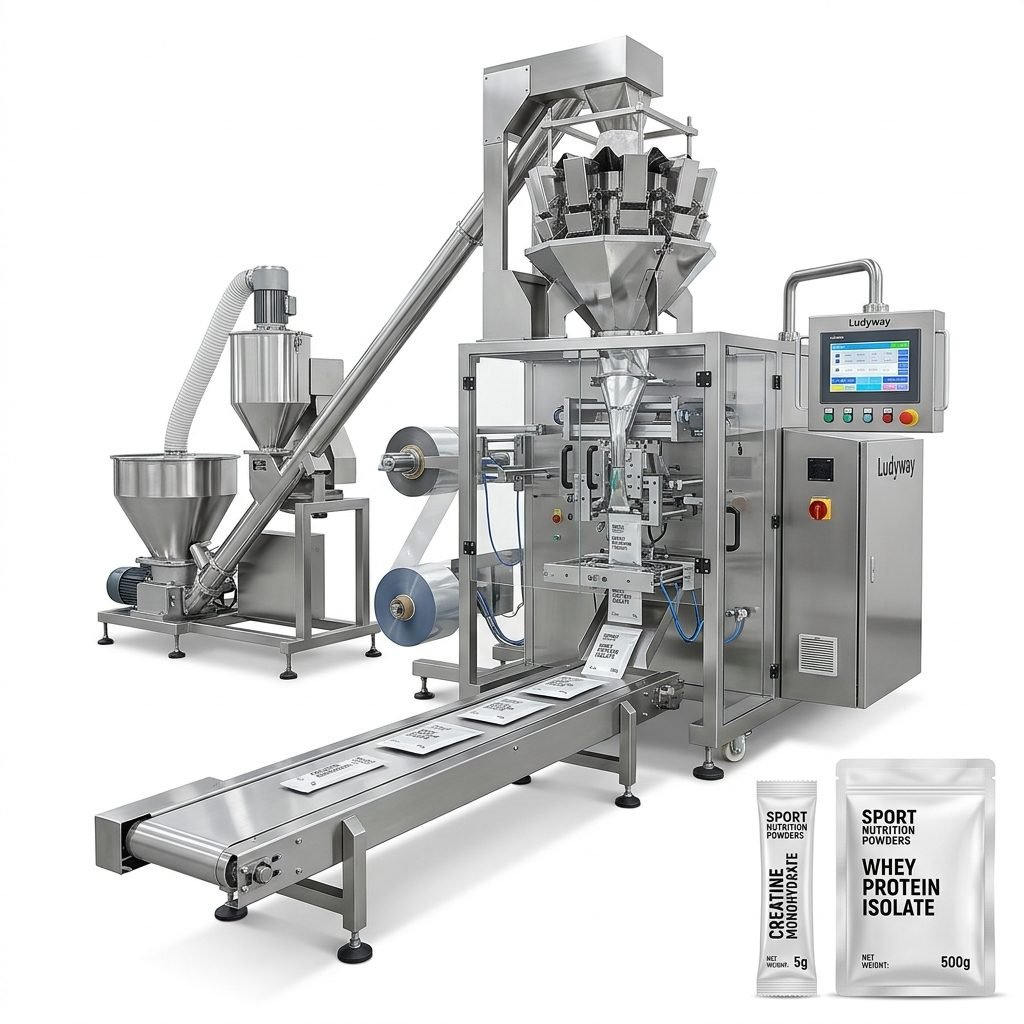
Investing in a tea sachet pouch packing machine is a significant decision for any beverage manufacturer. Whether you are expanding a small artisanal brand or scaling up a mass-production facility, the cost is often the first question that arises. The price of these sophisticated systems is not a fixed figure; it varies dramatically based on automation level, speed, and configuration.
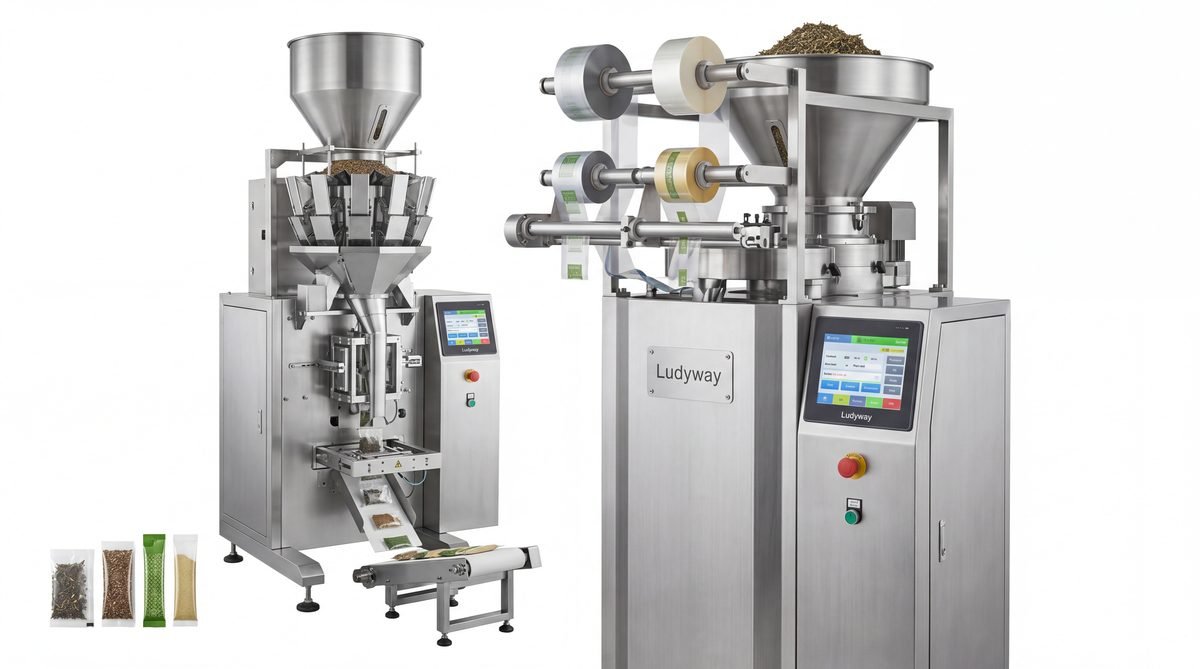
Key Factors Influencing the Price of Tea Packaging Machines
Understanding what drives the cost is crucial for budget planning. The final investment for a tea sachet packing machine is influenced by several core technical and operational parameters. Here are the primary cost drivers:
- Speed and Output Capacity: Machines operating at 40-60 packs per minute are significantly cheaper than high-speed multi-lane systems running at 300+ packs per minute.
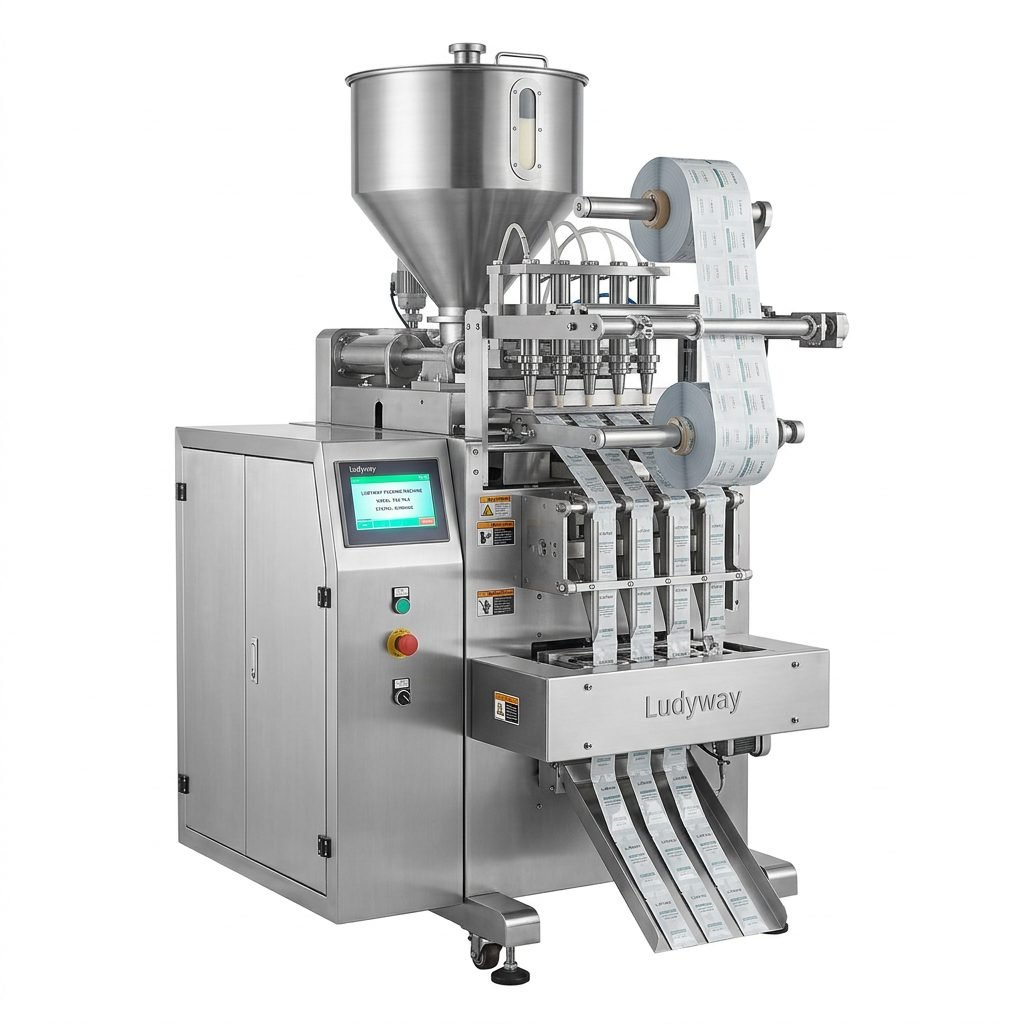
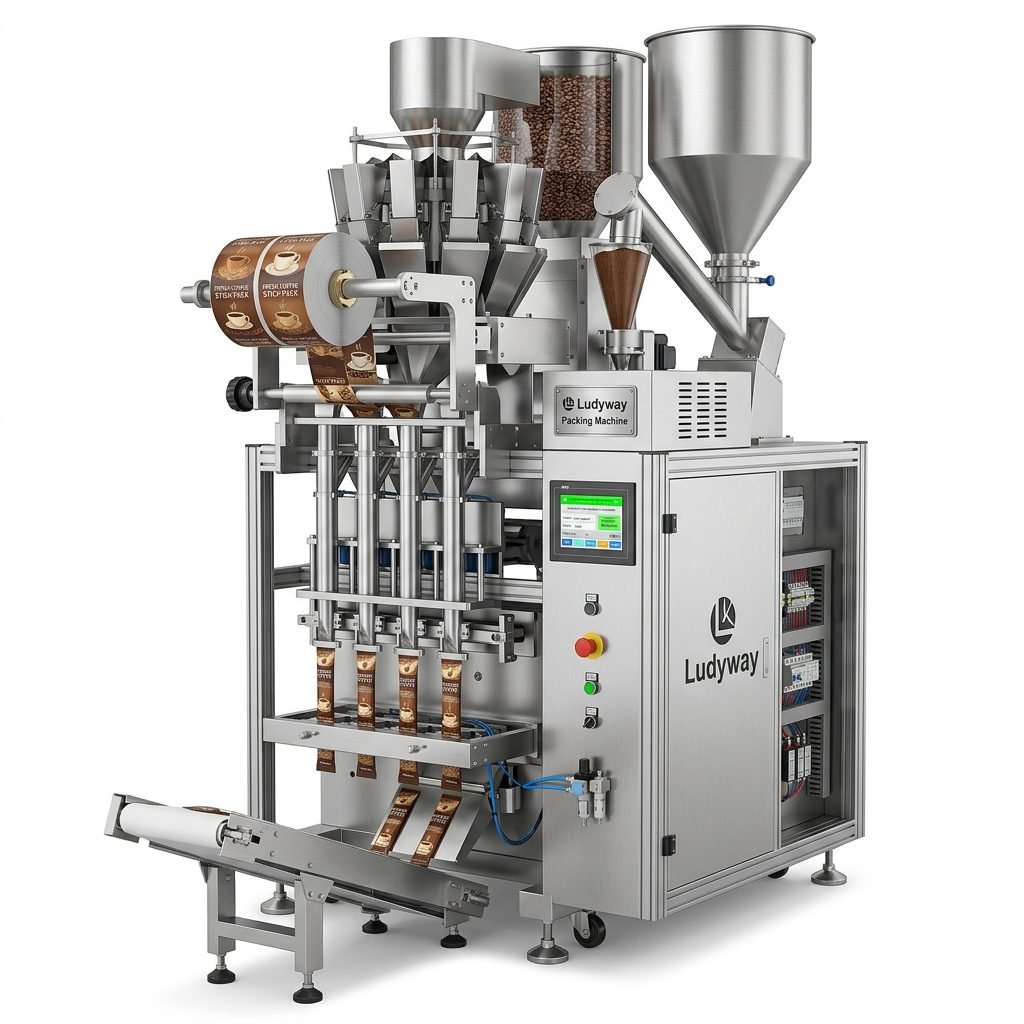
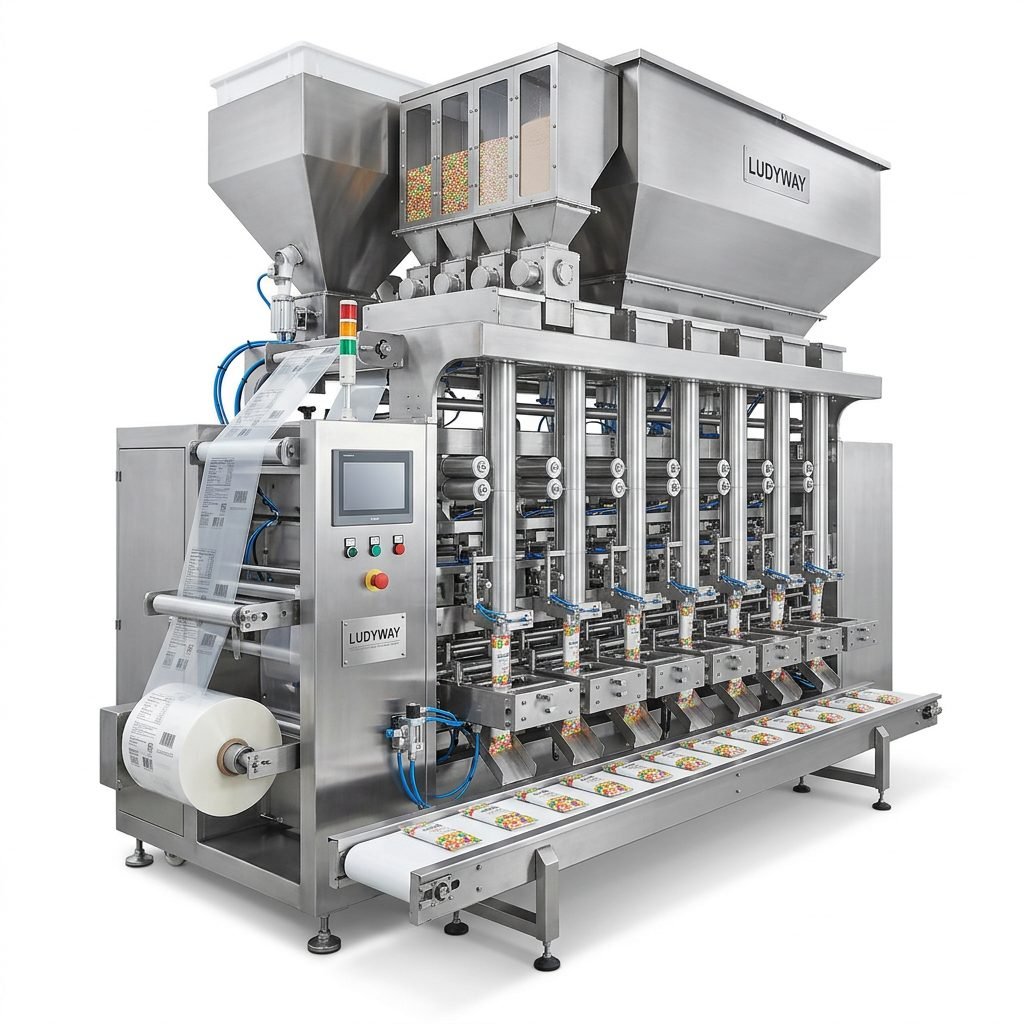
- Number of Lanes: A single-lane machine is entry-level, while 4-lane, 8-lane, or 12-lane systems multiply output but also increase the mechanical complexity and price.
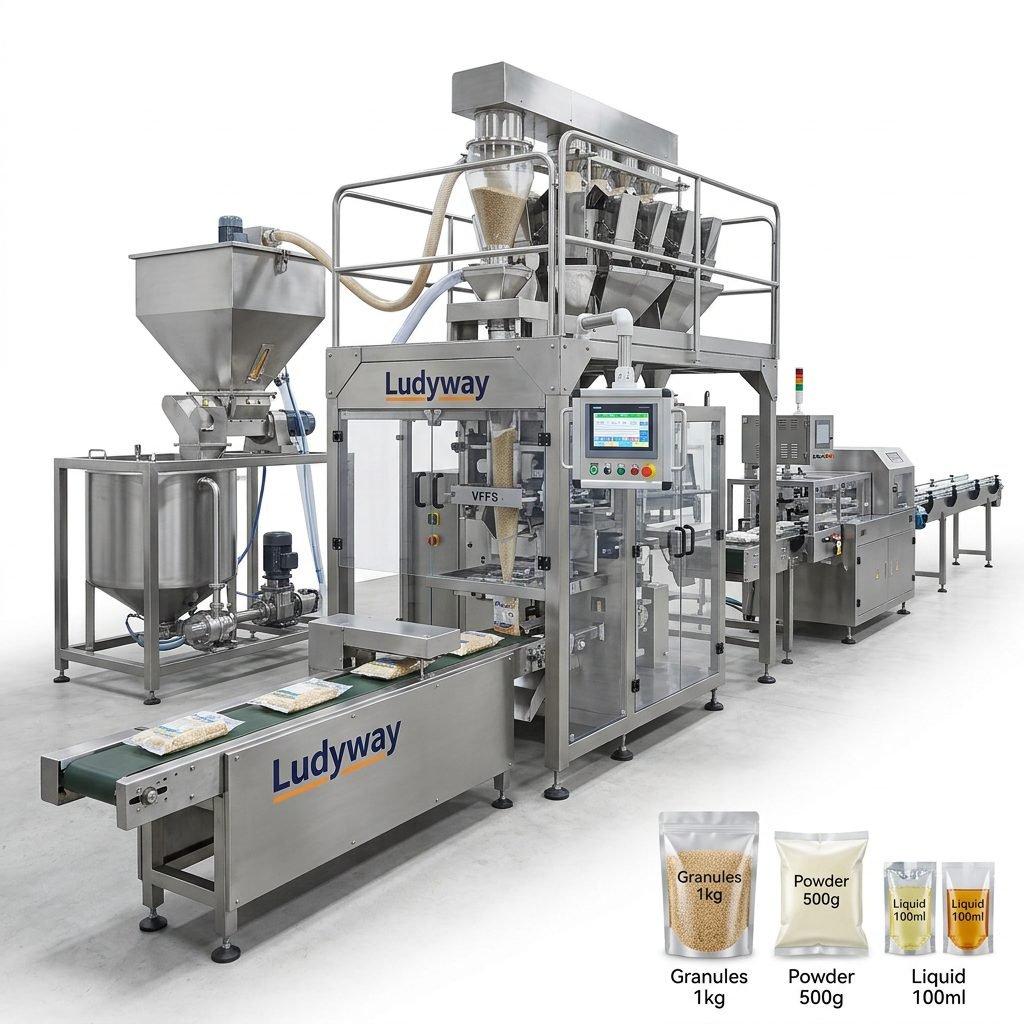
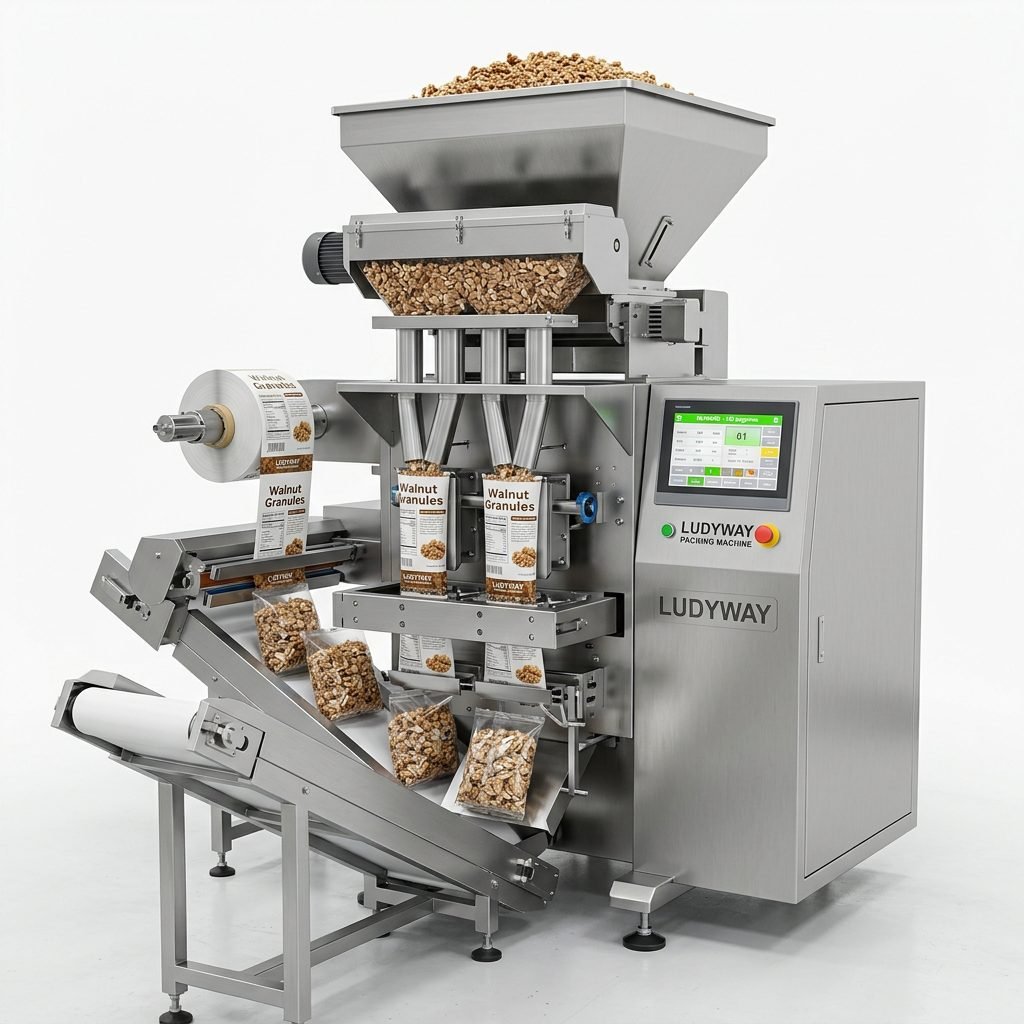
- Filling Technology: The type of product matters. Granule and powder tea require different dosing mechanisms (auger fillers vs. volumetric cups) compared to liquid tea concentrates.
- Construction Materials: Machines built with food-grade stainless steel (SS304 or SS316) are more expensive but mandatory for hygiene compliance.
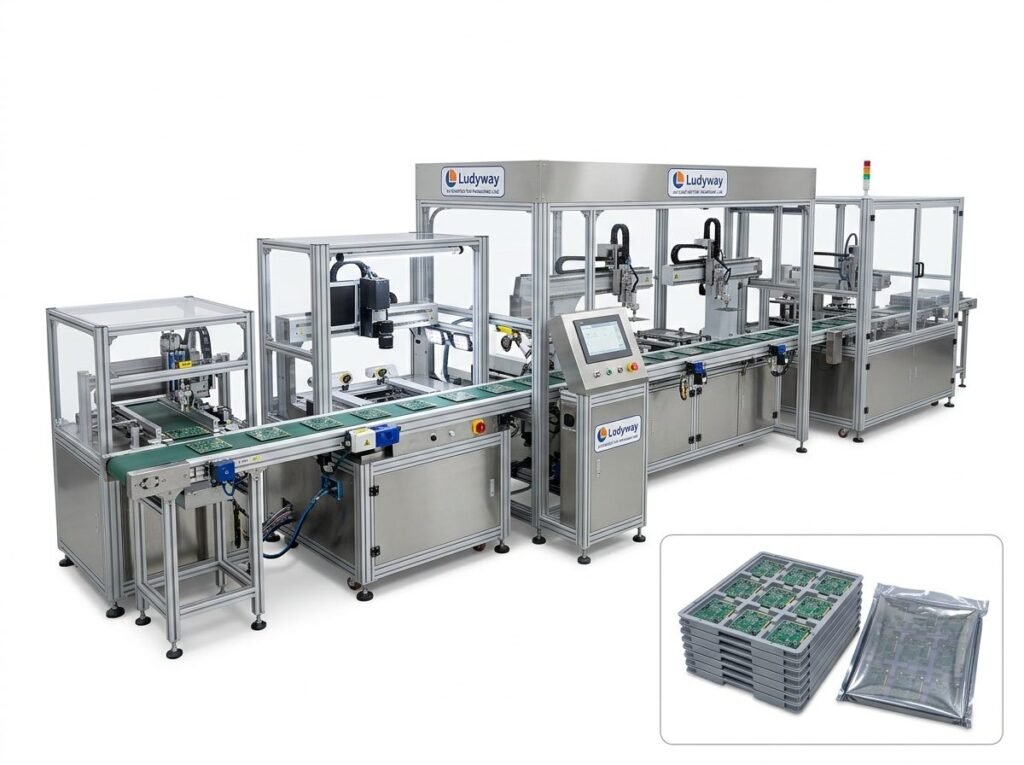
- Automation and Integration: Standalone units cost less than fully integrated lines that include a cartoning machine, checkweigher, and palletizer.
Estimating the Price Range by Machine Type
The market offers a wide spectrum of machinery. Below is a breakdown of estimated costs based on machine categories commonly sourced for tea packaging:
| Machine Category | Estimated Price Range (USD) | Best For |
|---|---|---|
| Semi-Automatic Single Lane | $3,000 – $8,000 | Small startups, manual labor integration |
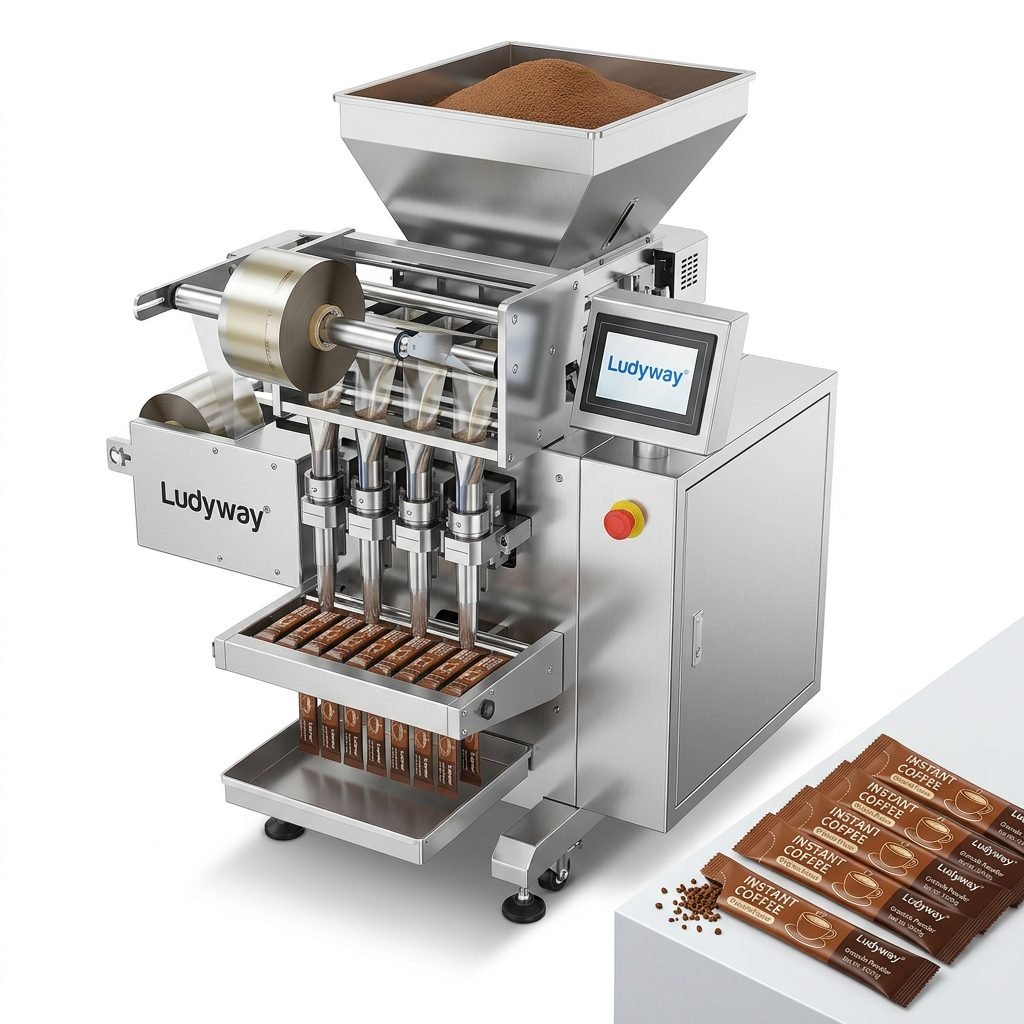
| Automatic 4-Lane Stick Pack Machine | $25,000 – $45,000 | Mid-size tea powder producers |
| High-Speed Multi-Lane Sachet System (8-12 Lanes) | $55,000 – $120,000 | Large-scale commercial brands |
| Full Turnkey Production Line | $150,000 – $500,000+ | Fully automated factories, high volume |
The Hidden Costs and ROI Considerations
Beyond the initial purchase price, savvy buyers account for the total cost of ownership. A cheaper machine might lead to higher long-term expenses due to frequent downtime or film material waste. Key considerations include:
- Film Waste Rate: Precision servo-driven machines reduce film waste, saving thousands annually.
- Energy Efficiency: Modern packaging machinery often includes power-saving modes.
- Changeover Time: Quick tool-free changeover minimizes downtime between different tea blends.
- After-Sales Support: The availability of remote technical support and spare parts is critical.
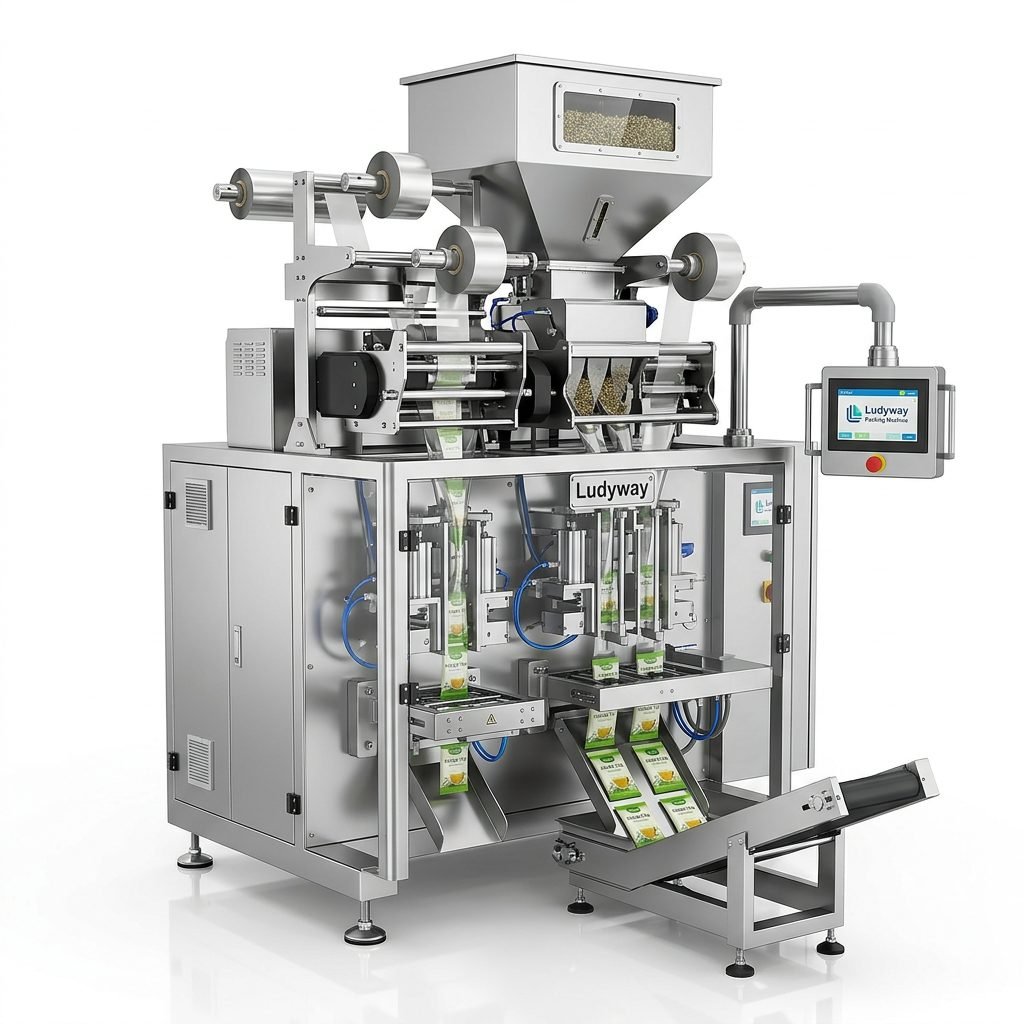
Multi-Lane Stick Pack vs. Traditional Sachet: Cost Breakdown
The format you choose directly impacts machinery pricing. Tea sachet pouch packing machines generally handle larger 3-side or 4-side seal pouches, while stick pack machines produce long, narrow single-serve packets.
Stick pack machinery often demands higher precision for the narrow seal dimensions, which can slightly increase the engineering cost compared to a standard sachet machine with a comparable number of lanes. However, the material savings on film for stick packs can balance this out over time.
Regional Manufacturing Cost Differences
Geographic location plays a massive role in the capital outlay. Machines manufactured in Germany or Japan often command premium pricing due to brand legacy, whereas high-quality manufacturers in Asia, particularly in China, offer a competitive cost-performance ratio without compromising on the latest servo-drive technology. You can find robust, fully-compliant machines at a fraction of the Western price by going direct to the factory source.
Specifications to Request in Your Price Quote
To get an accurate quote for a tea sachet pouch packing machine, you must specify your exact needs. Avoid vague requests. Here are the technical details your supplier will ask for:
- Product Characteristics: Is it dust-free granule tea, fine powder (like matcha), or liquid concentrate?
- Target Bag Size and Material: Dimensions of the sachet and the type of laminate film (aluminum foil, paper, etc.).
- Target Output: Required packs per minute or per day.
- Additional Features: Do you need nitrogen gas flushing, zipper applicators, or code dating?

Understanding the Market: New vs. Used Equipment
For extremely tight budgets, pre-owned equipment might be an option. However, used tea packaging machines carry risks of outdated electronics and lack of warranty. Given the stringent hygiene requirements for tea products, a new machine with certified 304 stainless steel contact parts is the standard recommendation. The investment in a new system is mitigated by higher efficiency, lower rejection rates, and compliance with global food safety standards like those outlined by the FDA.
About Ludyway
Ludyway is one of the largest packaging machine manufacturers in China, specializing in advanced packaging equipment and turnkey production solutions for the food, pharmaceutical, and health industries. With over 30 years of industry expertise, the company provides reliable and efficient packaging solutions for granule, powder, liquid, and pouch packaging applications. Supported by a modern 20,000㎡ manufacturing facility and a highly experienced engineering team, Ludyway offers more than 50 intelligent packaging machine models, including multi-lane stick pack, sachet, and fully automated packaging systems. Serving customers in over 100 countries, Ludyway is committed to delivering innovative, high-performance, and cost-effective packaging solutions that help businesses improve productivity, product quality, and operational efficiency.
For more detailed industry data, visit resources like the PMMI State of the Industry Report or regulations from the FDA packaging guidelines. Standards from the ISO packaging standards are also valuable references.

Conclusion: Evaluating Your Investment
The cost of a tea sachet pouch packing machine ranges broadly from a few thousand dollars to half a million, depending entirely on the scale and sophistication you require. The key is to balance the initial capital outlay with the long-term value drivers: speed, precision, material savings, and product safety. By selecting a machine that aligns perfectly with your specific tea product—be it loose-leaf, matcha powder, or sweetened iced tea mix—you secure a faster return on investment and a competitive edge in the booming global tea market.