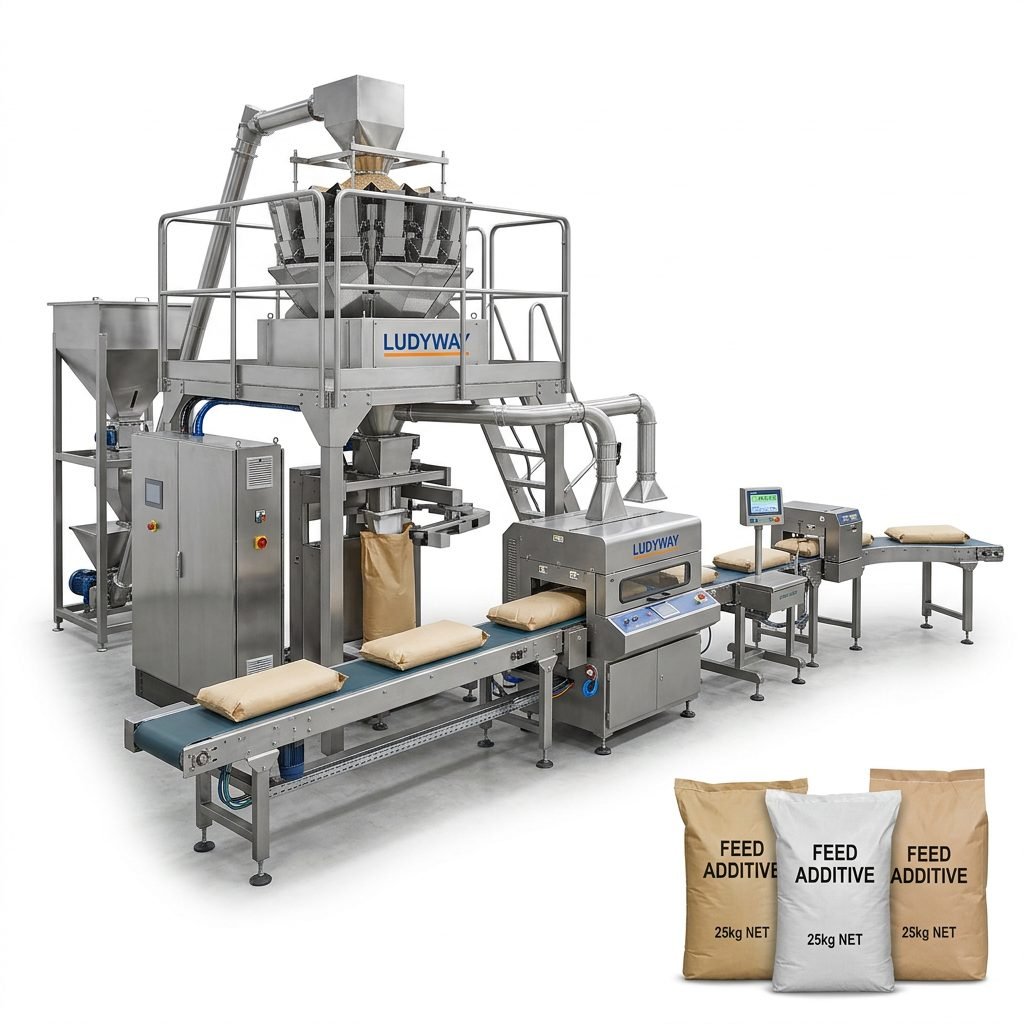
Choosing the right packing machine is one of the most important decisions for modern manufacturers. In food, powder, and granule packaging, performance is no longer measured only by speed. Today’s buyers also look for accuracy, hygiene, flexibility, low material waste, and scalable automation. That is why many businesses searching for landpack packing machine alternatives or complete packaging upgrades are now focusing on more adaptable and turnkey-ready systems.
From seasoning sachets and coffee sticks to protein powder, sugar, seeds, supplements, pet food, and industrial granules, the ideal solution depends on the product’s characteristics, pouch format, production target, and downstream line integration. A reliable machine supplier should be able to support not only the packing process, but also feeding, weighing, filling, sealing, inspection, coding, cartoning, and end-of-line automation.
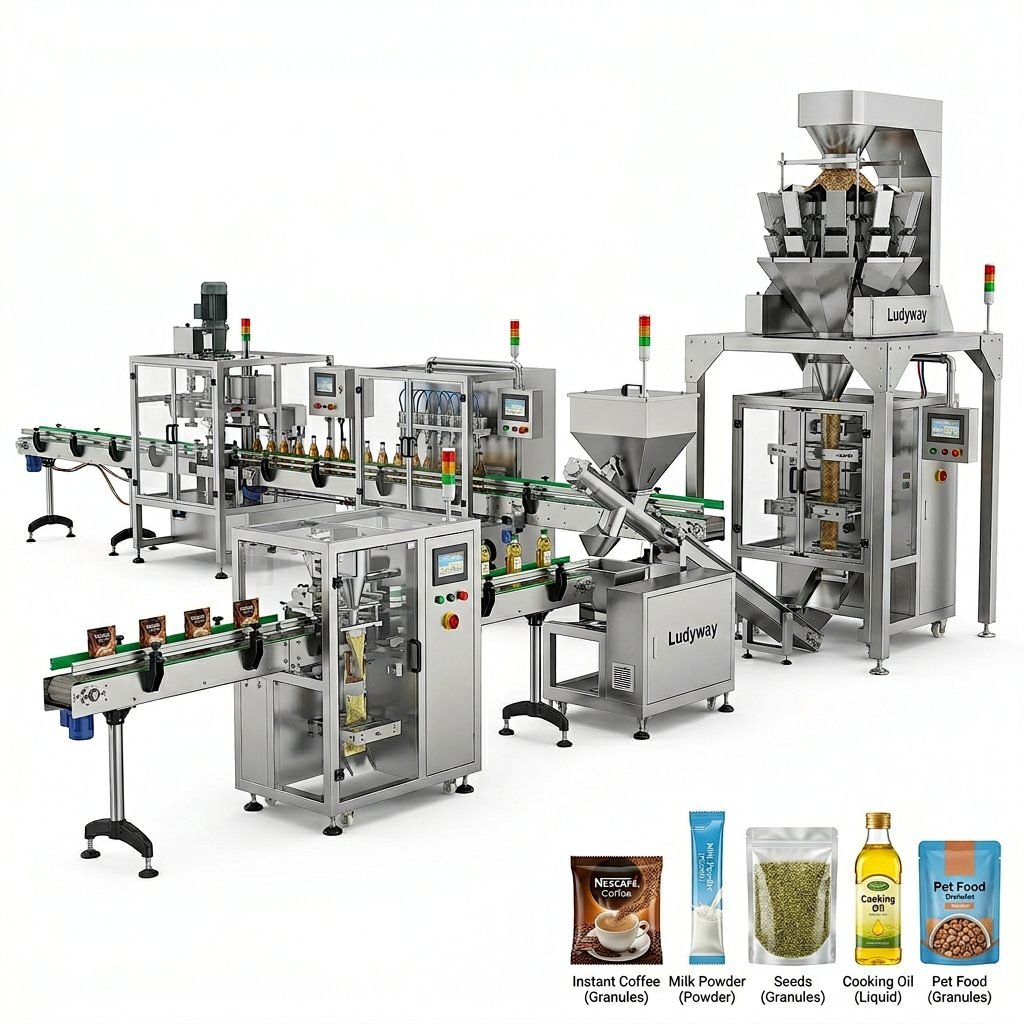
Why Packaging Equipment Matters More Than Ever
Packaging machinery directly affects product quality, shelf appeal, labor efficiency, and operating cost. For manufacturers in competitive markets, even small improvements in fill consistency or sealing performance can create major gains over time.
- Better dose accuracy for powders and granules
- Higher output with stable continuous production
- Improved package appearance and seal integrity
- Reduced manual handling and contamination risk
- Faster changeovers for multiple SKUs
- More consistent compliance with food and pharma standards
In practical terms, a suitable machine helps brands move from basic packaging to a more efficient production model. This is especially valuable for growing businesses that need equipment capable of handling future order increases without sacrificing reliability.
Core Packaging Solutions for Food, Powder, and Granules
Different products require different filling and sealing technologies. A good packaging system should match product flowability, dust level, target pack size, and packaging material.
| Product Type | Recommended Machine Type | Typical Applications |
|---|---|---|
| Free-flowing granules | Multi-head weigher or cup filling machine | Sugar, salt, rice, seeds, snacks, pellets |
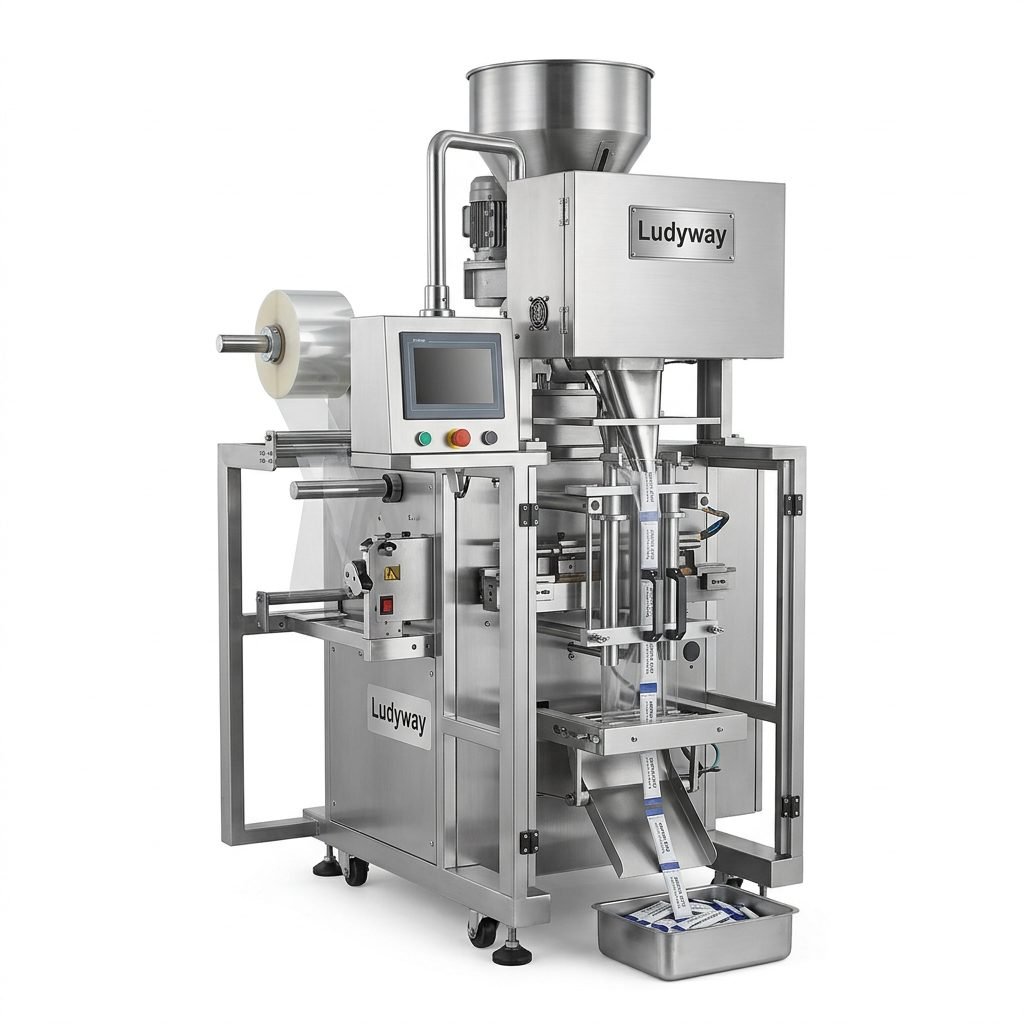
| Fine powders | Auger filler with sachet or stick pack machine | Milk powder, coffee powder, spices, supplements |
| Mixed granule-powder products | Customized dosing and vertical packaging system | Seasoning mixes, drink blends, feed additives |
| Bulk food or industrial materials | Automatic weighing and bagging line | Flour, grains, fertilizer, feed, mineral powder |
1. Food Packaging Machines
Food producers often need solutions that balance hygiene, speed, and package appearance. Whether packaging snacks, instant foods, baking ingredients, nuts, coffee, or powdered beverages, the machine should maintain product freshness while minimizing waste.
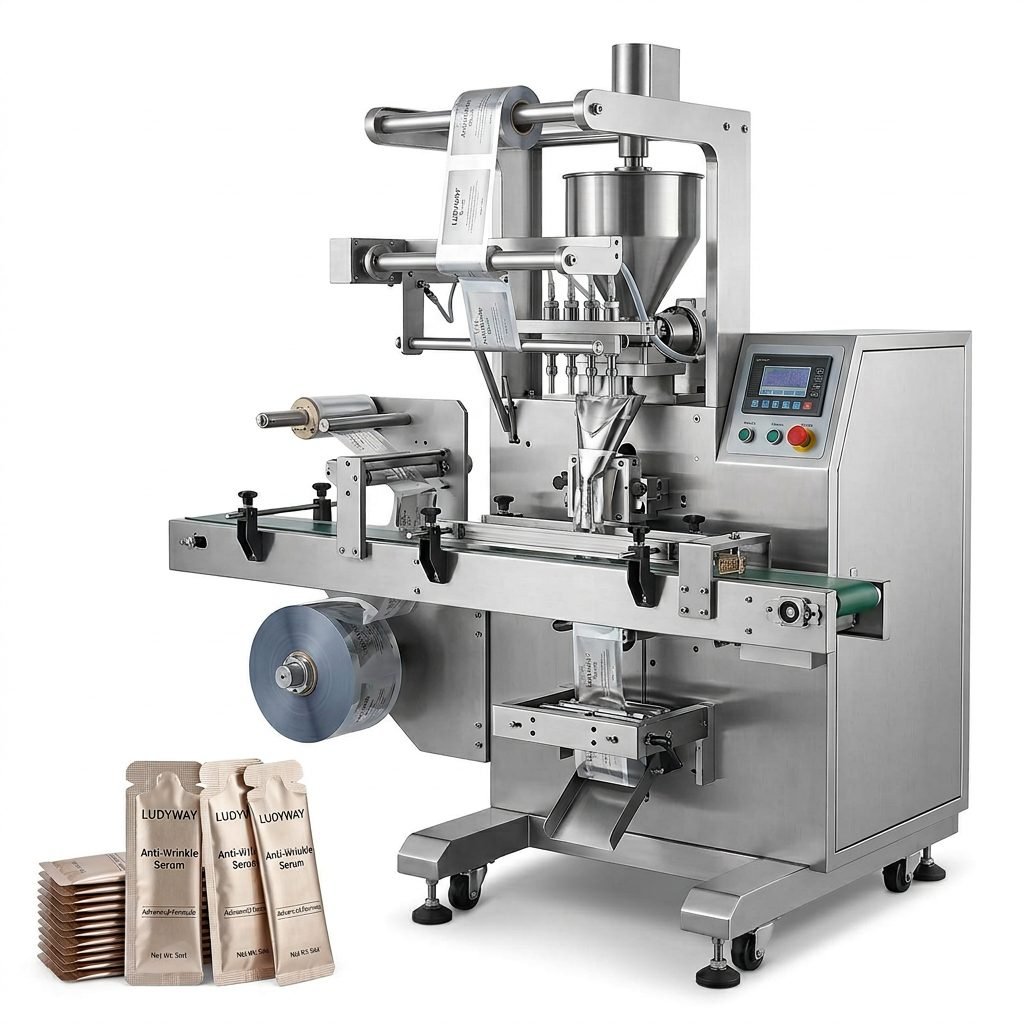
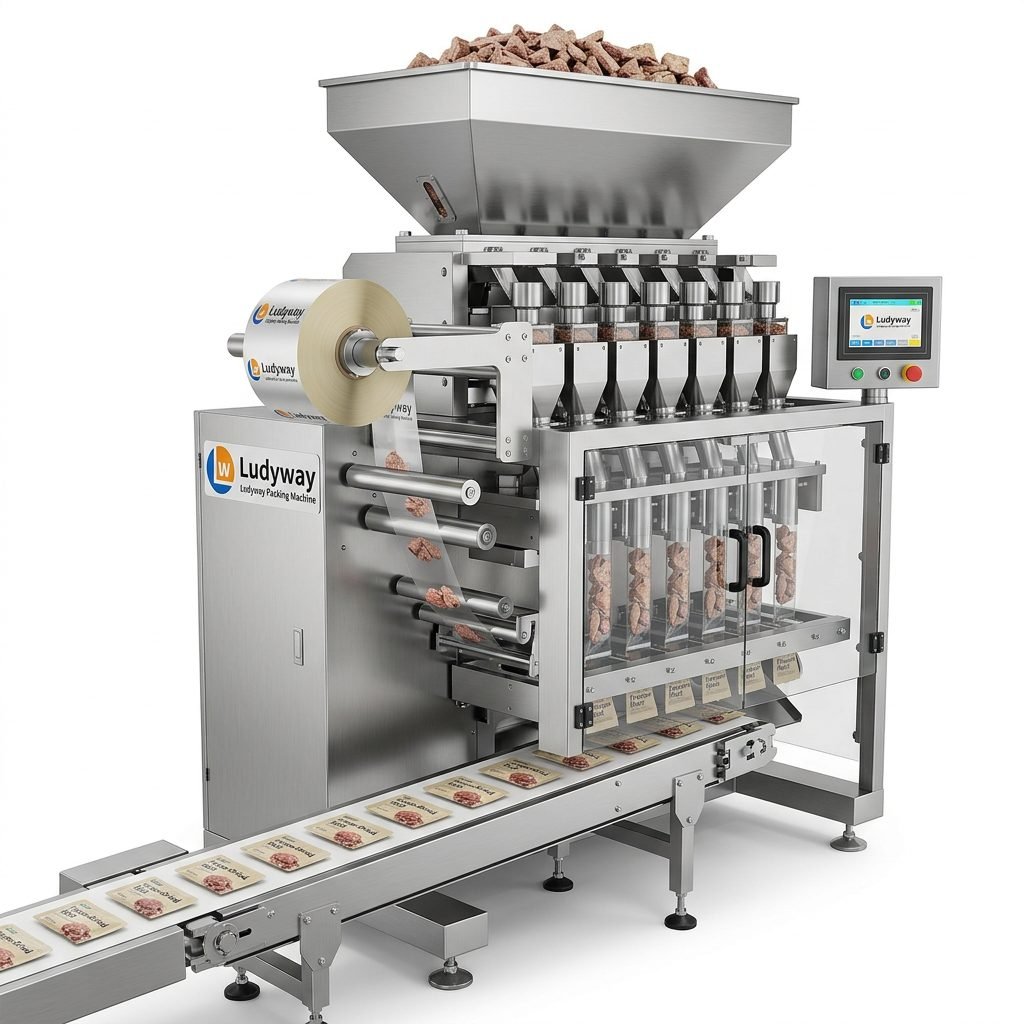
Common formats include sachets, stick packs, pillow bags, gusset bags, and premade pouches. For brands with multiple product lines, flexibility is especially important.
2. Powder Packaging Machines
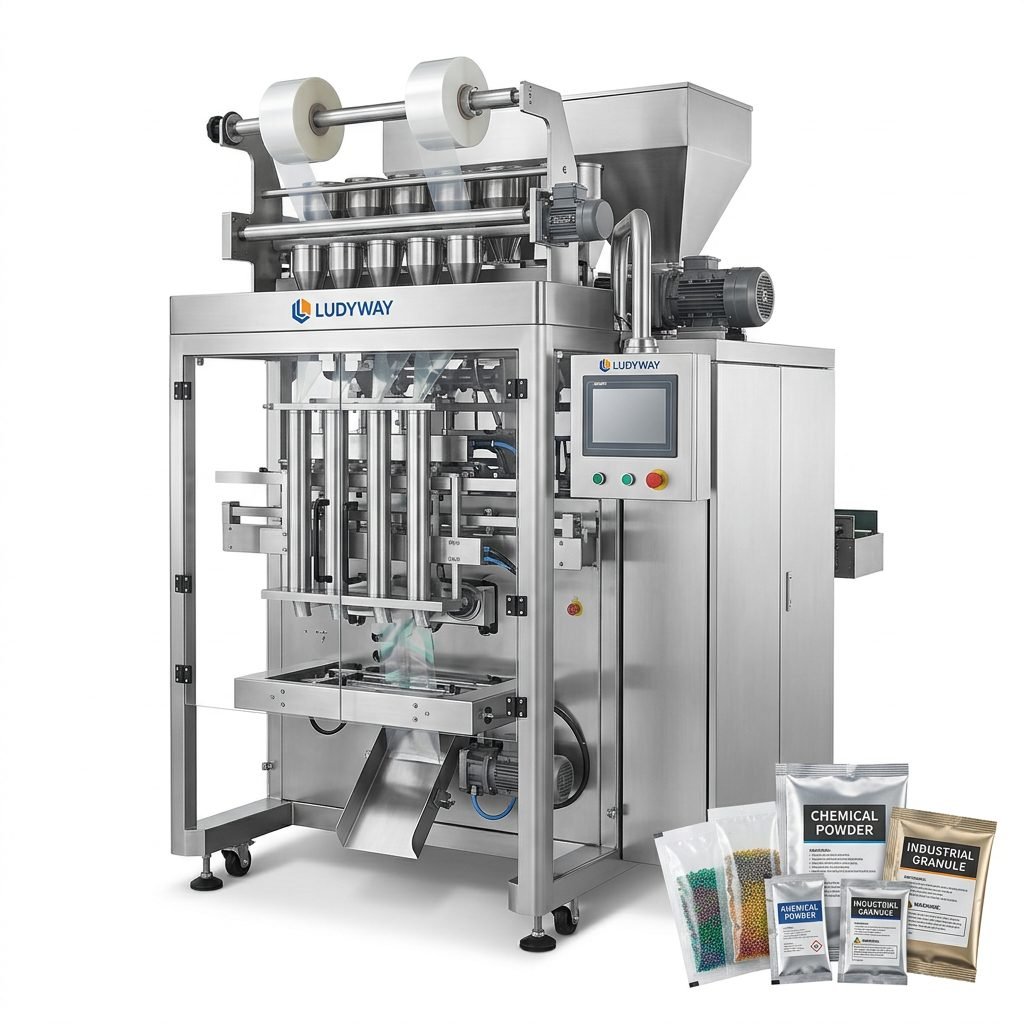
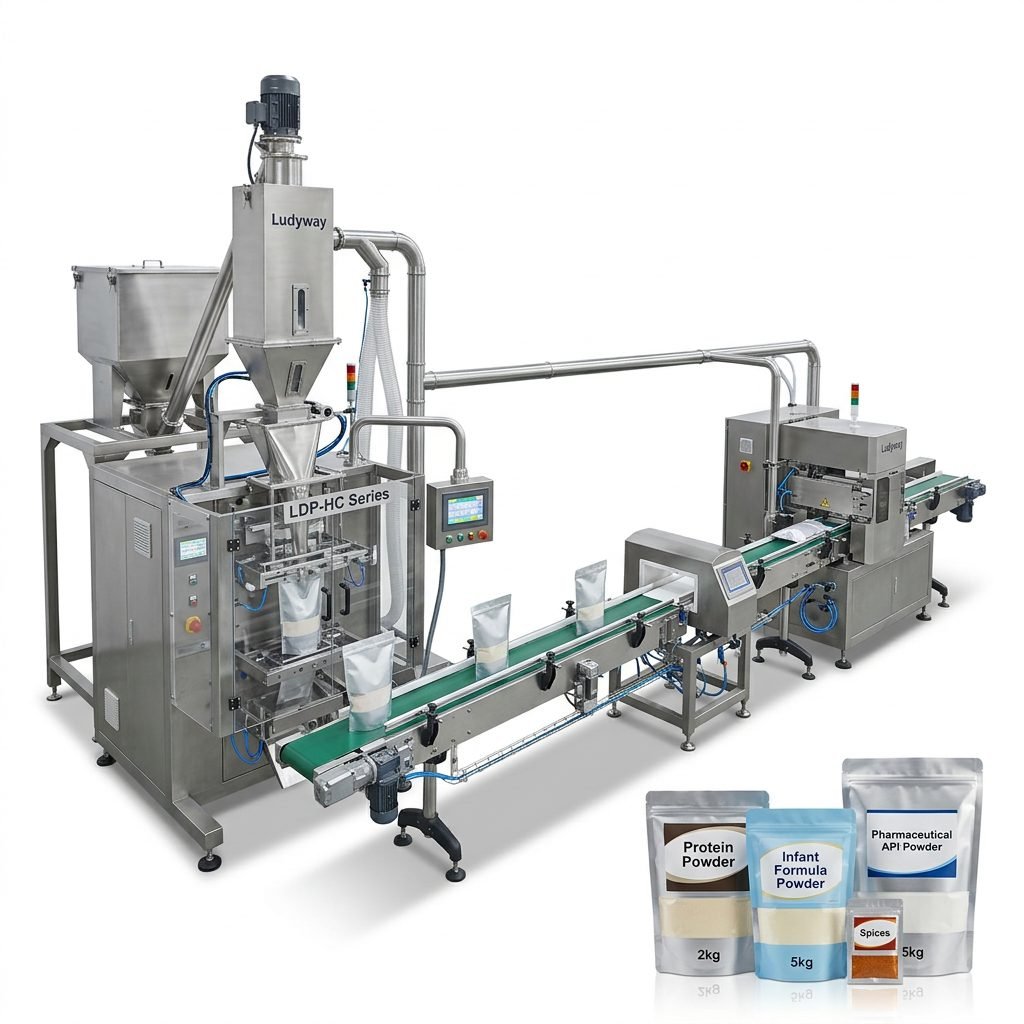
Powder products can be challenging due to dust, bridging, and inconsistent flow. A high-quality powder packing system should include precise auger filling, dust control, stable film handling, and dependable sealing.
Powder packaging accuracy is critical in sectors like nutrition, pharmaceuticals, food ingredients, and chemicals, where every gram influences cost control and product consistency.
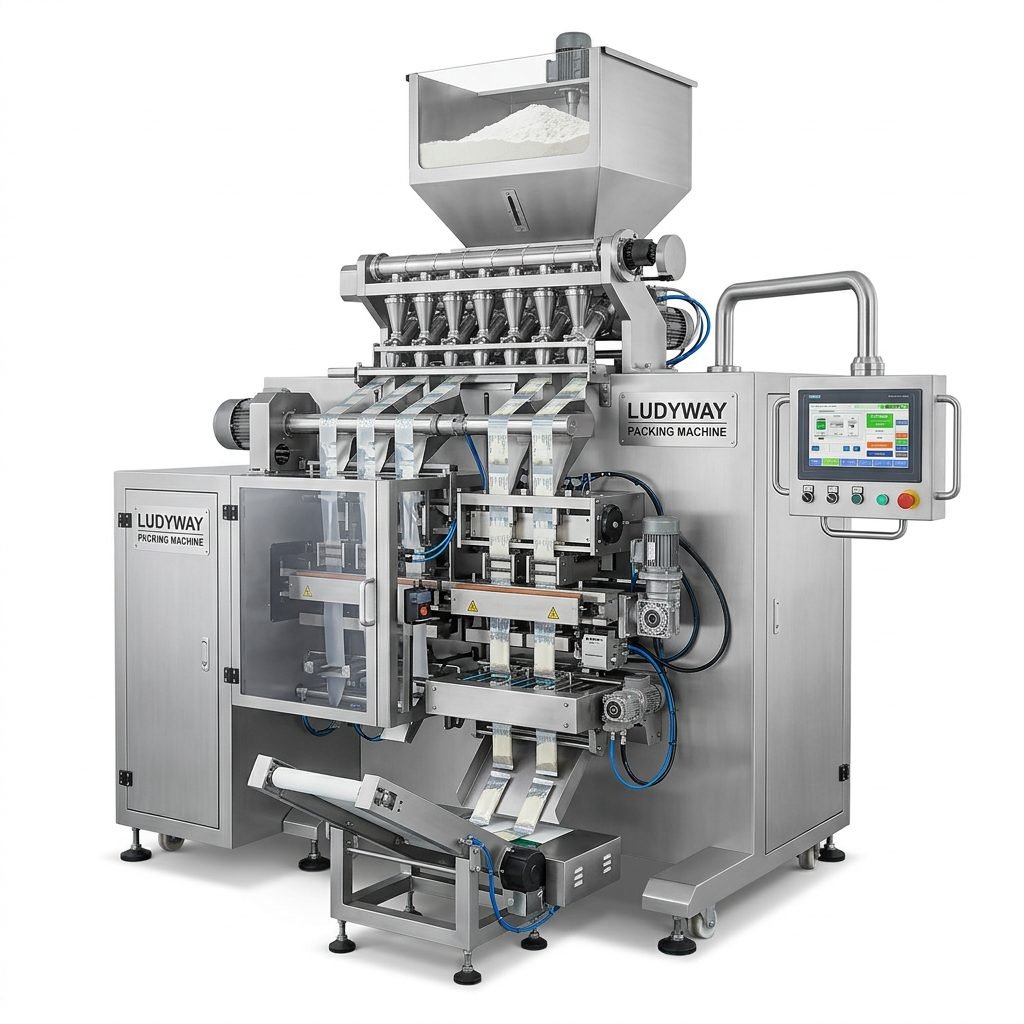
3. Granule Packaging Machines
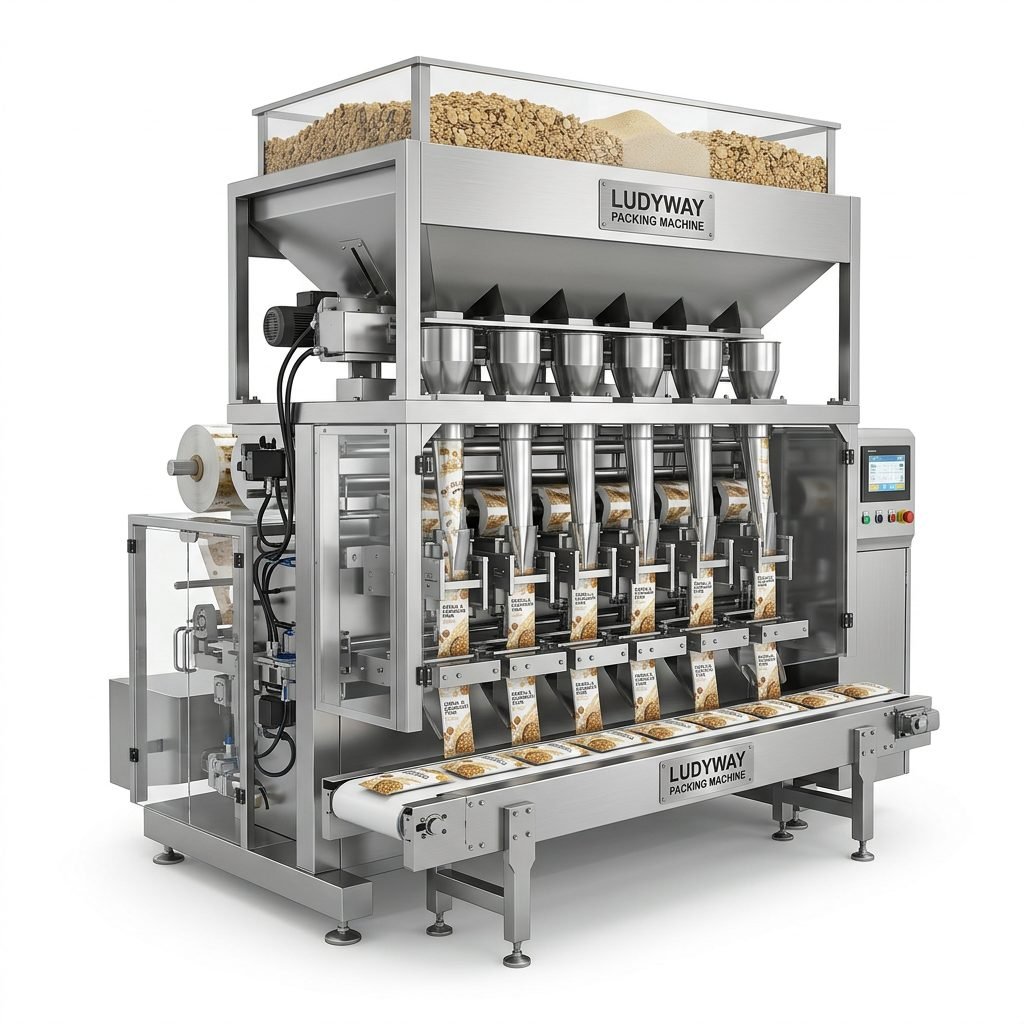
Granules usually require accurate counting or weighing, depending on product size and density. Machines for granules are widely used in food, pharmaceuticals, agriculture, and animal nutrition. The best systems combine smooth feeding with fast, repeatable packing performance.
What to Look for in a Landpack Packing Machine Alternative
When comparing packaging suppliers, buyers should evaluate more than the machine’s outer structure or listed speed. The real value lies in long-term production stability and service support.
- Application range: Can the system handle food, powder, and granules with minimal modification?
- Automation level: Does it support feeding, filling, sealing, inspection, and cartoning integration?
- Customization: Can the machine be adapted to pouch size, material, or factory layout?
- Production consistency: Is the filling and sealing result stable at target speed?
- Service capacity: Can the supplier provide installation guidance, spare parts, and technical support?
- Future scalability: Will the solution still fit if output doubles in the next few years?
For many international buyers, turnkey capability has become a major decision factor. Instead of sourcing separate machines from multiple vendors, they prefer a coordinated line with unified engineering and easier maintenance.
Turnkey Packaging Lines vs Standalone Machines
A standalone packing machine may be enough for small-scale production, but medium and large manufacturers often benefit more from complete packaging lines.
| Solution Type | Best For | Main Benefits |
|---|---|---|
| Standalone machine | Startups, pilot runs, limited SKUs | Lower initial investment, compact footprint |
| Semi-automatic line | Growing factories | Balanced cost, higher efficiency, easier upgrades |
| Full turnkey line | High-volume brands and export-oriented production | Integrated automation, labor savings, stable output, unified control |
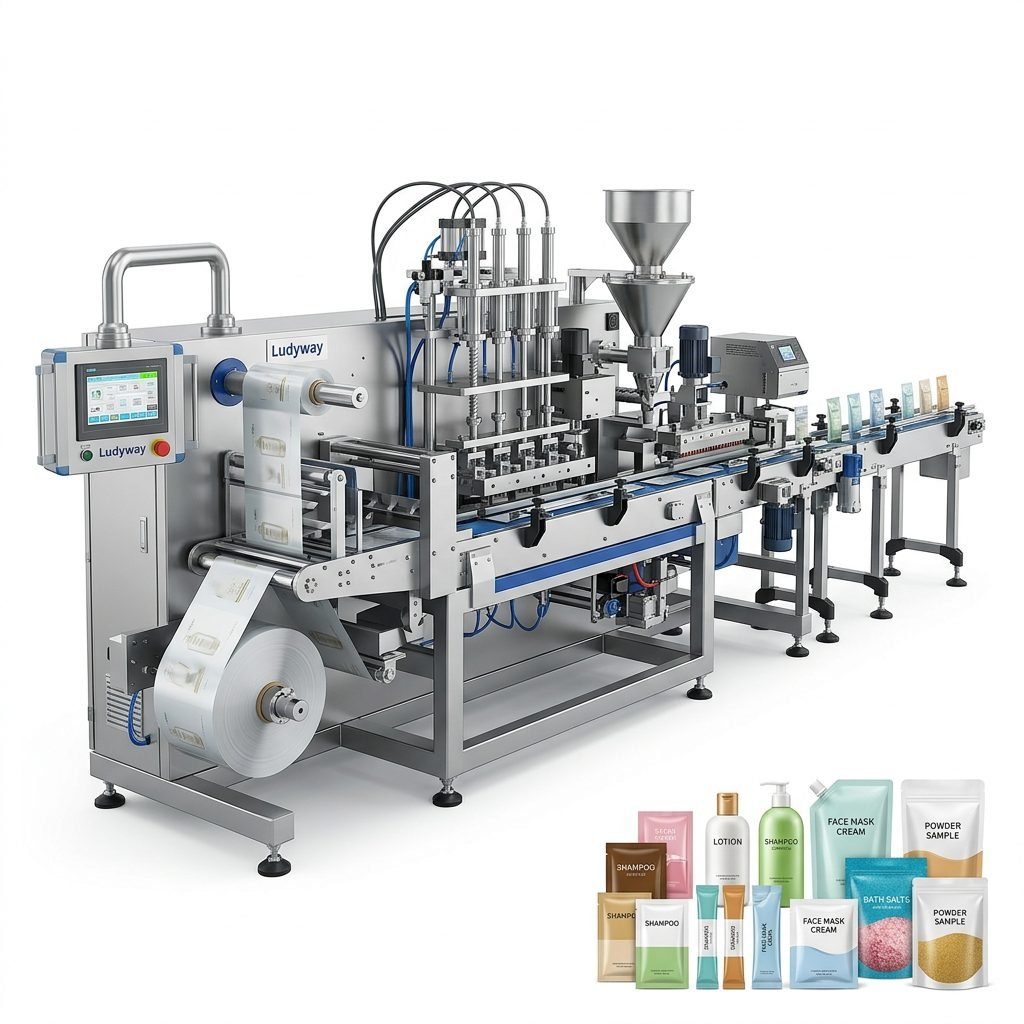
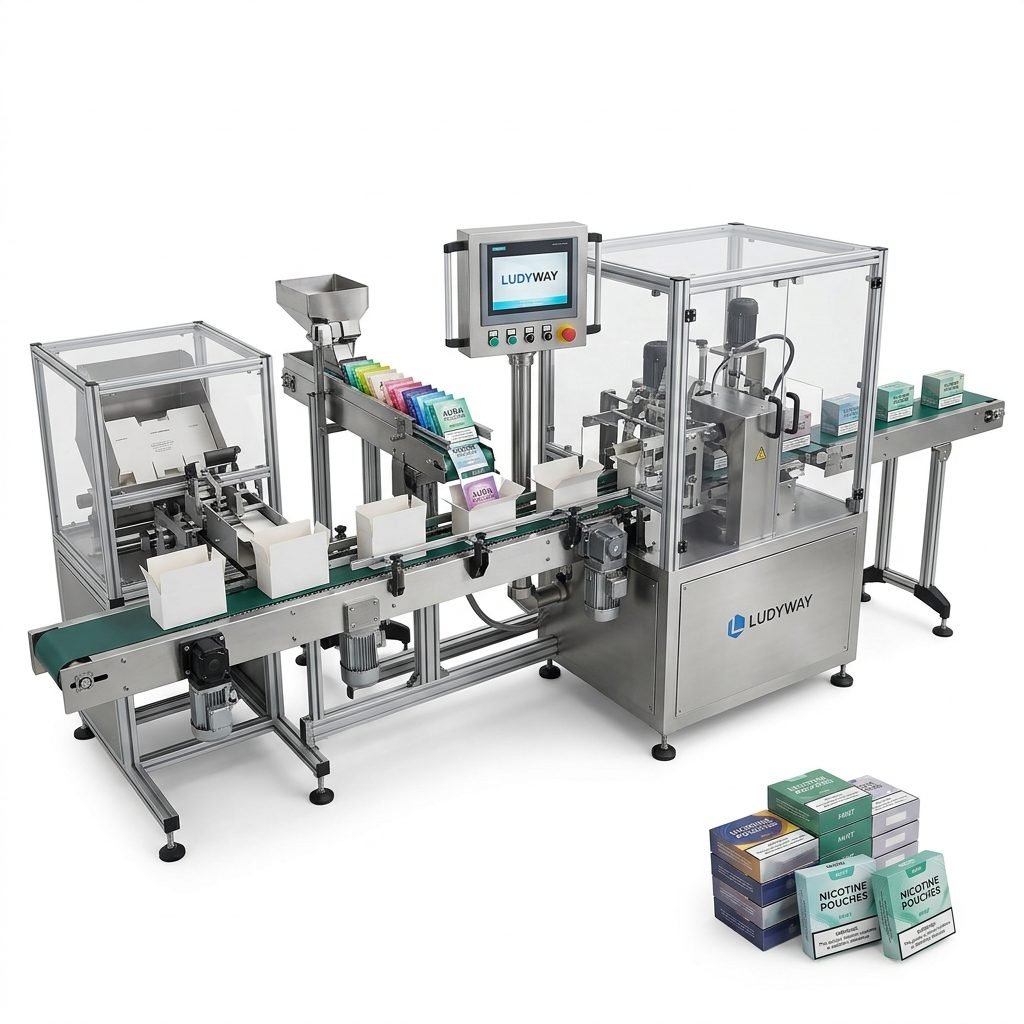
A complete line can include conveyors, elevators, weighing systems, filling units, form-fill-seal equipment, checkweighers, metal detection, coding, cartoning, case packing, and palletizing. This integrated approach reduces interface problems and helps maintain smoother production.
Best Applications by Industry
Food Industry
- Coffee powder and instant drink mixes
- Salt, sugar, spices, flour, starch, and baking mixes
- Nuts, seeds, snacks, cereals, and dried fruit
- Sauces, seasonings, and convenience food ingredients
Health Supplement Industry
- Protein powder and collagen
- Electrolyte blends and nutrition sachets
- Vitamin granules and functional beverage powders
- Stick packs for single-serve daily intake
Agriculture and Feed Industry
- Seeds and fertilizer granules
- Feed additives and premixes
- Animal nutrition powders and pellets
- Bulk bagging for large-volume production
Chemical and Industrial Industry
- Detergent powders and granules
- Industrial additives and cleaning products
- Mineral powders and water-treatment materials
- Specialty chemicals requiring sealed, accurate packs
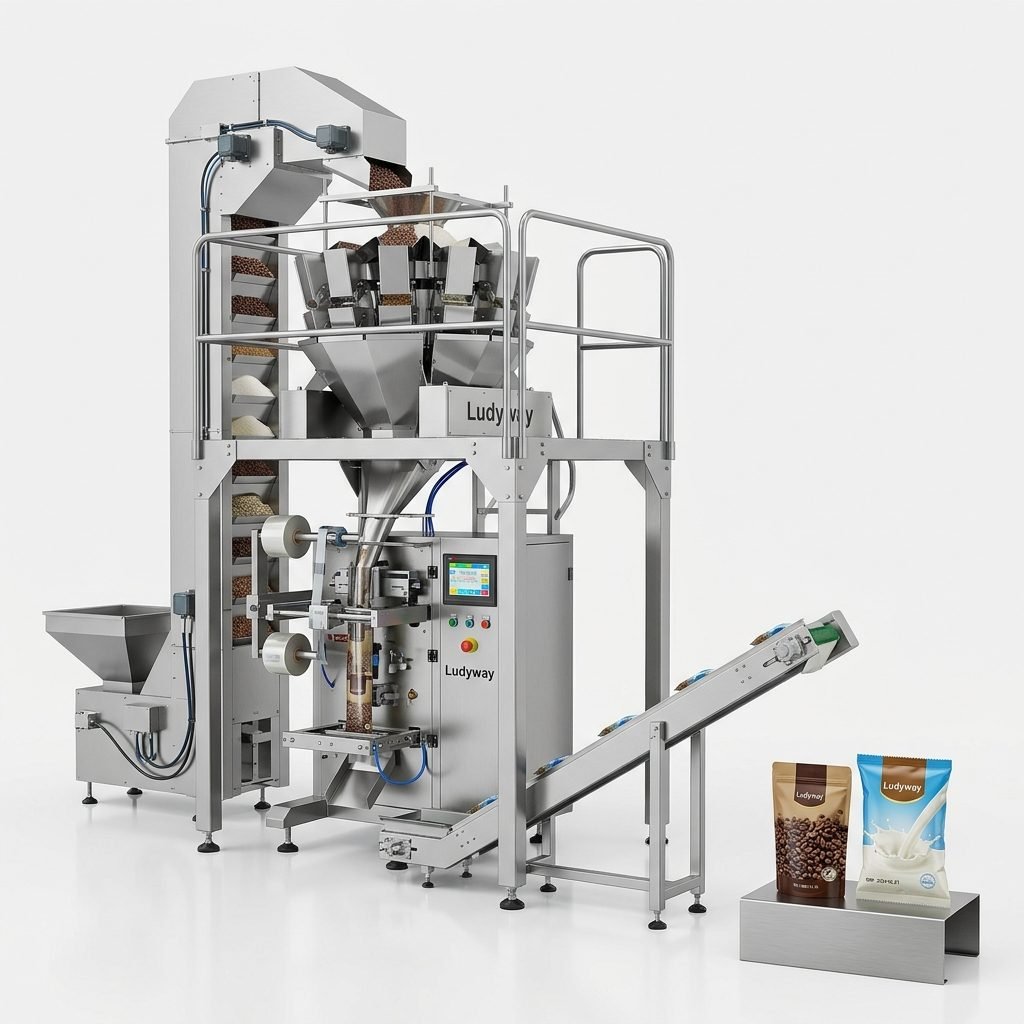
Key Technical Features That Improve Packaging Performance
Not all machines deliver the same production value. The best packaging systems usually include a combination of mechanical precision and intelligent control.
- Servo-driven film pulling for smoother operation
- PLC and touch screen control for easy parameter adjustment
- Multi-lane design for high-output sachet and stick pack production
- Stable sealing systems for leak prevention
- Dust extraction or enclosed dosing for powder applications
- Fast tool-free changeover where possible
- Compatibility with coding, inspection, and rejection devices
These features help reduce downtime while supporting more reliable product presentation. For export-oriented manufacturers, they also improve packaging consistency across different market requirements.
How to Match the Right Machine to Your Product
The machine selection process should begin with the product itself. A low-density powder behaves differently from crystal sugar or mixed snack granules. Packaging material, moisture sensitivity, and dosage range all matter.
Ask these practical questions:
- Is the product free-flowing, sticky, dusty, or fragile?
- What pack size and target speed are required?
- Do you need sachets, stick packs, pouches, or bulk bags?
- Should the machine work as a single unit or part of a line?
- Are there strict hygiene, GMP, or food-safety requirements?
- Will you need coding, cartoning, and end-of-line automation?
By answering these points clearly, buyers can avoid overbuying or under-specifying equipment. A well-matched system protects both production efficiency and ROI.
Why Global Buyers Value Experienced Packaging Manufacturers
Experience matters in packaging machinery because real production environments are rarely simple. Machine design must account for product behavior, operator use, material variability, and maintenance practicality. Manufacturers with broad export and industry experience are often better equipped to solve application-specific challenges.
One example is Ludyway, one of China’s leading packaging machine and turnkey packaging line manufacturers. Founded in 1993, with more than 30 years of industry experience, a factory area of over 20,000 square meters, and customers in more than 100 countries and regions, the company offers a broad portfolio for food, pharmaceutical, health supplement, and related industries. Its solutions cover granules, powders, liquids, pastes, sachets, stick packs, and integrated production lines, making it a strong option for buyers seeking scalable packaging automation.
Benefits of Choosing a Flexible Packaging Partner
A capable supplier should support your business before, during, and after machine delivery. This includes layout planning, sample evaluation, machine configuration, commissioning support, and spare parts response.
| Buyer Priority | Why It Matters |
|---|---|
| Customization | Matches machine design to real product and factory needs |
| Turnkey integration | Reduces sourcing complexity and improves line compatibility |
| Export experience | Supports global compliance, communication, and service expectations |
| Technical support | Helps maintain uptime and long-term machine value |
Final Buying Tips for Food, Powder, and Granule Packaging
Before making a final decision, request product-based testing, confirm target output, and review the full line configuration rather than just the main machine. It is also wise to discuss future product expansion, since today’s simple sachet project may become tomorrow’s multi-lane automated packaging line.
If you are comparing a landpack packing machine with other solutions, focus on long-term production performance, customization depth, and the supplier’s ability to provide complete automation support. The best packaging solution is not only the one that runs today, but the one that continues to support your business as volume, formats, and market expectations grow.