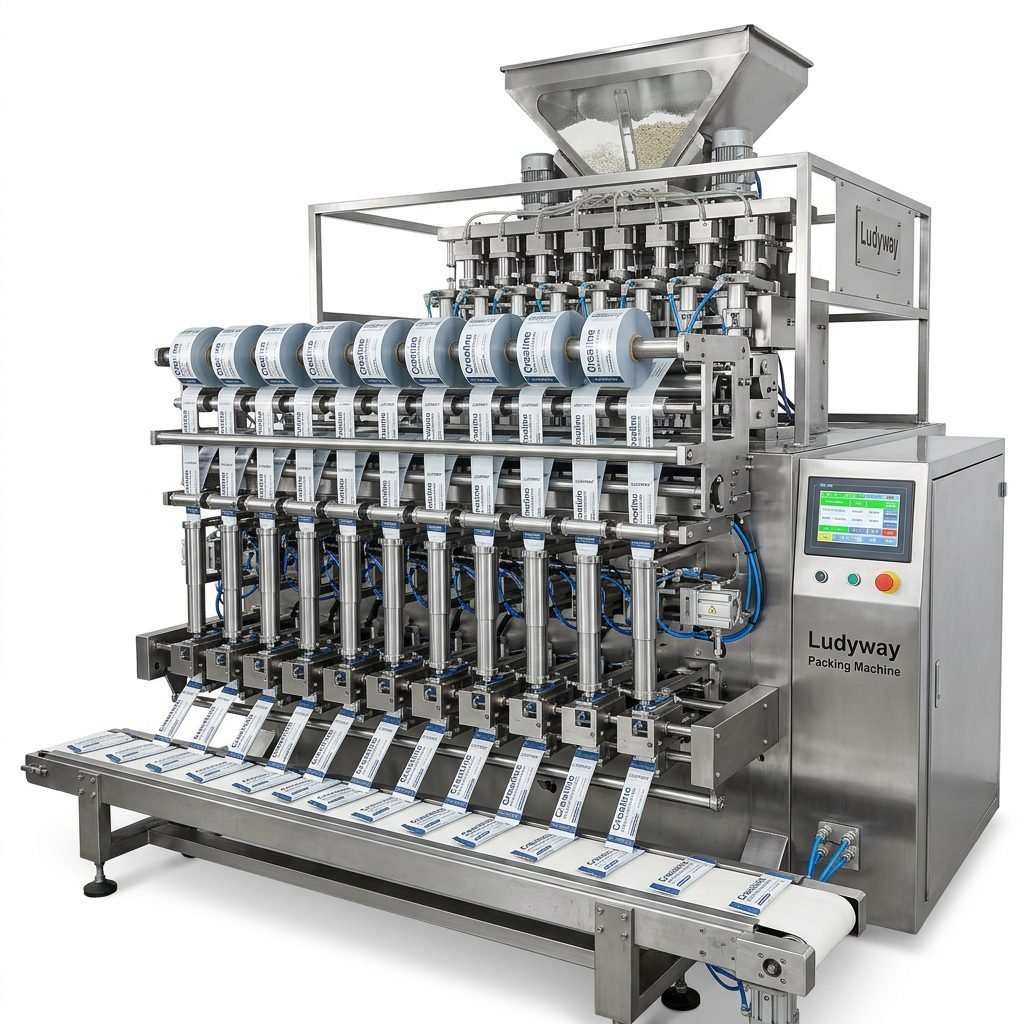
Investing in a tea VFFS packing machine is a strategic decision for tea producers, co-packers, and brands aiming to scale their operations. Whether you are packaging loose leaf tea, herbal blends, or instant tea powder, understanding the cost structure of Vertical Form Fill Seal (VFFS) machines helps you allocate budget effectively and avoid overspending on features you may not need.
The global packaging machinery market continues to expand, driven by rising demand for convenient, portion-controlled packaging formats. Tea products, in particular, benefit from VFFS technology due to its ability to preserve freshness and deliver consistent fill accuracy. However, pricing varies widely based on configuration, speed, and customization requirements.
Typical Price Ranges for Tea VFFS Packing Machines
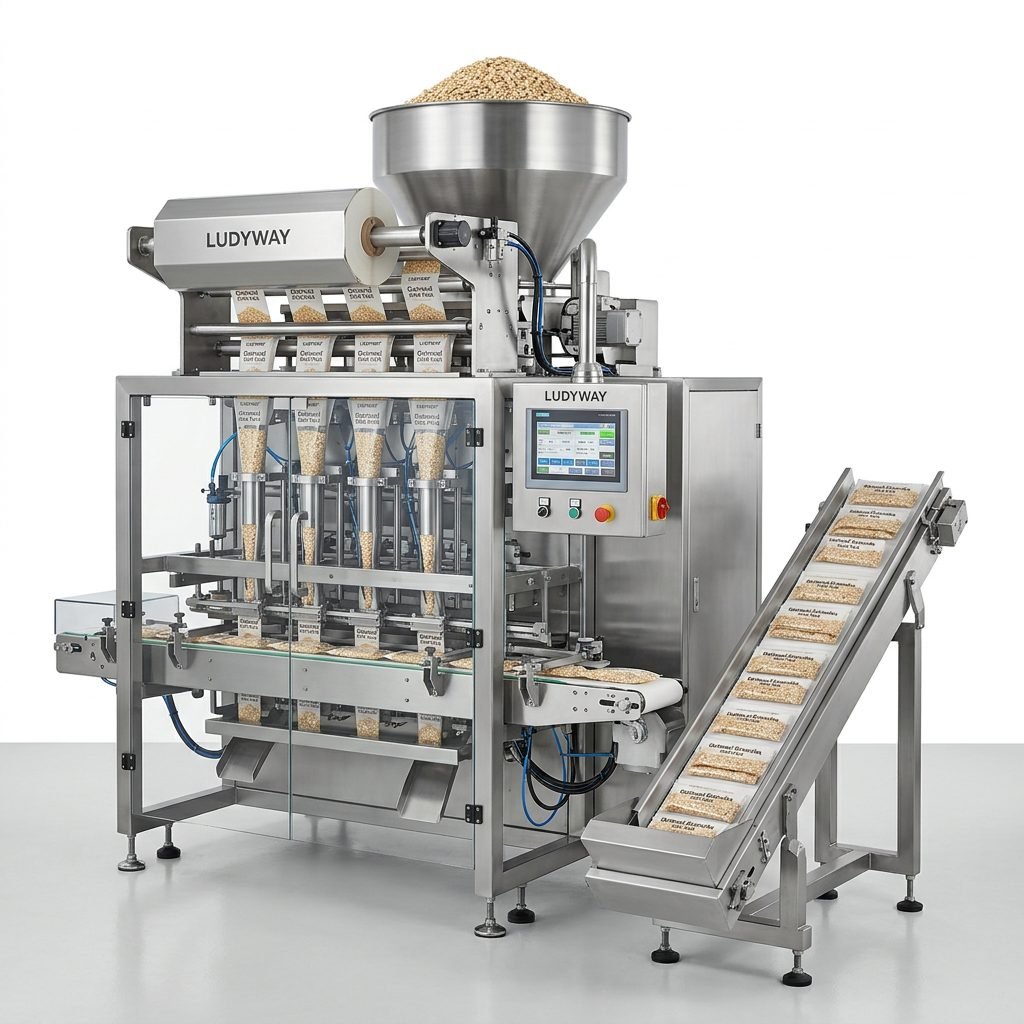
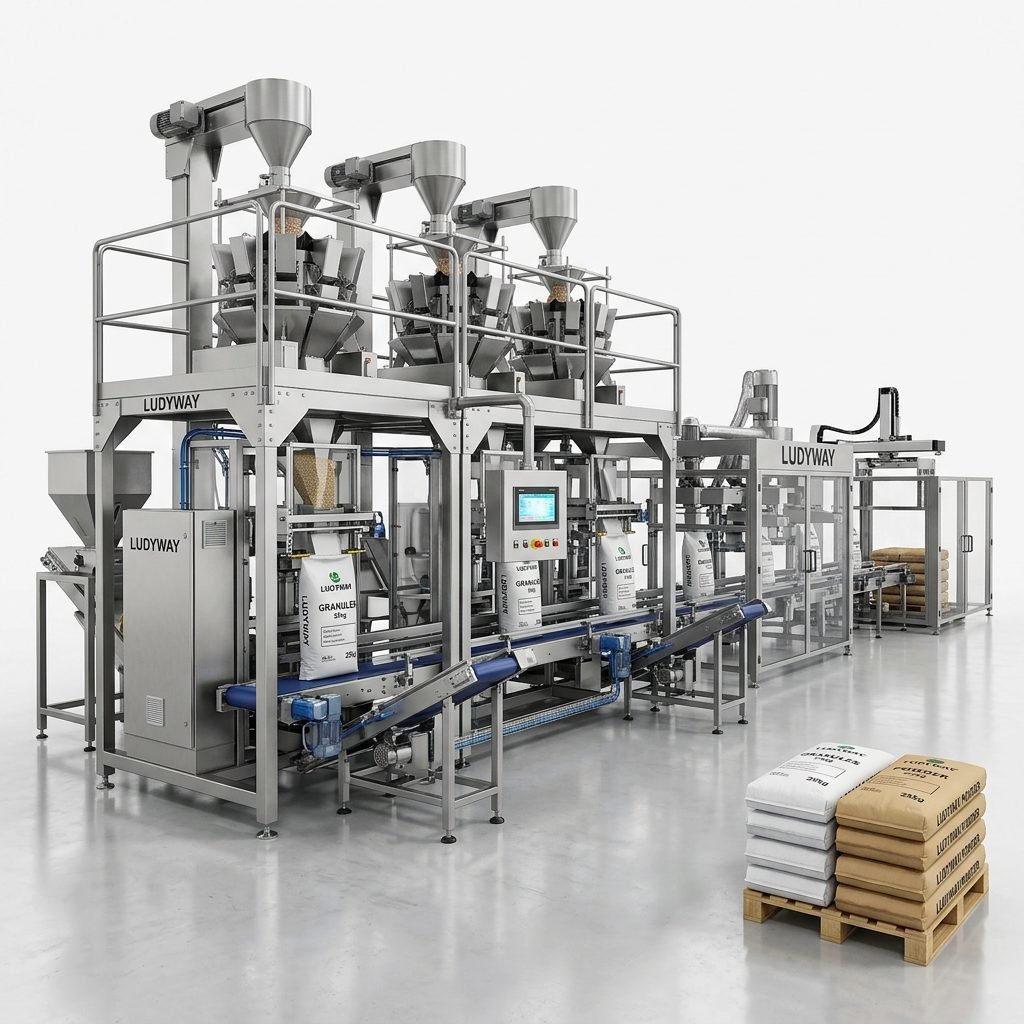
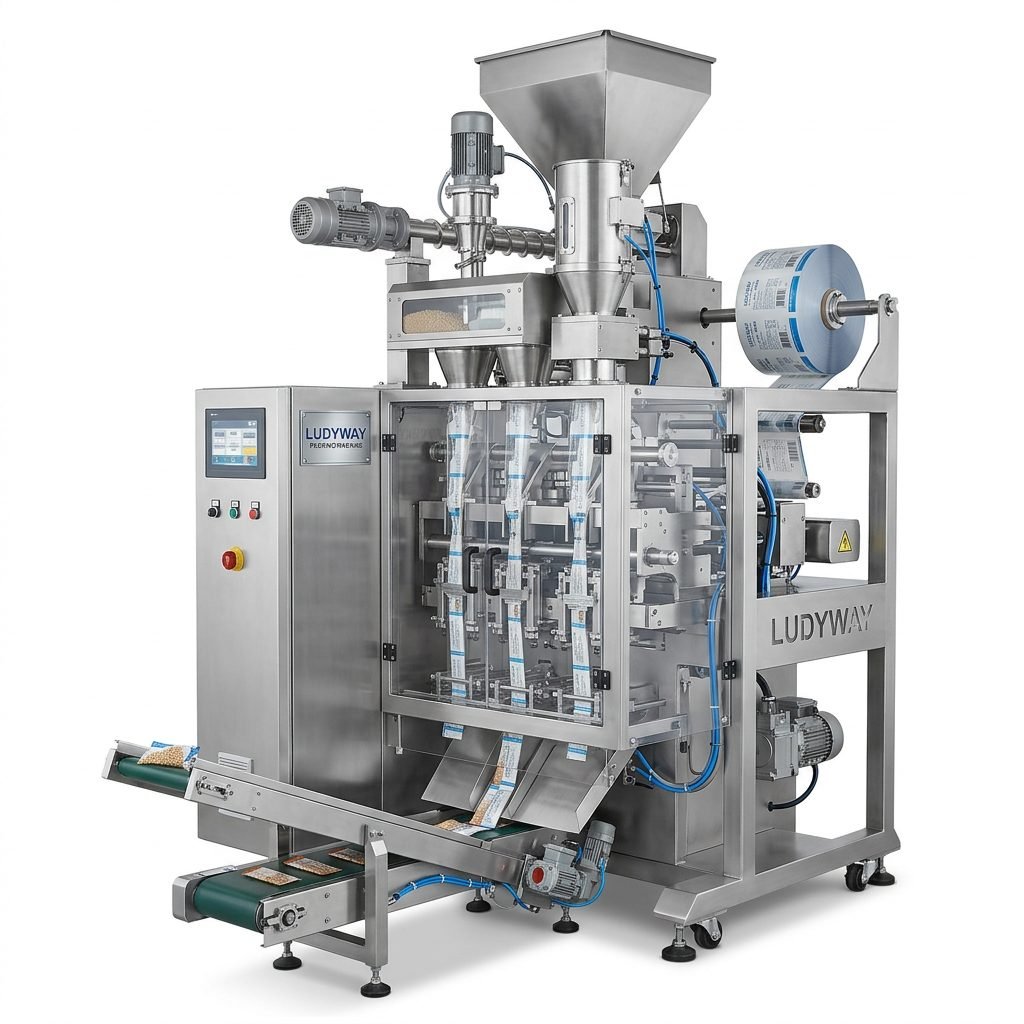
Entry-level semi-automatic VFFS machines suitable for small tea businesses can start around $8,000 – $18,000. Mid-range systems equipped with higher automation, multi-lane capability, and integrated weighing typically fall between $25,000 and $65,000. Fully automated, high-speed multi-lane tea packaging lines with turnkey integration can exceed $100,000 – $250,000+, depending on the scope of the project.
These figures represent general market ranges. Actual pricing depends on technical specifications, optional modules, and the manufacturer’s engineering standards. Chinese manufacturers often provide competitive pricing without sacrificing build quality, making them a preferred sourcing destination for global tea brands.
Key Factors That Influence Tea VFFS Machine Pricing
- Lane Configuration: Single-lane machines are more affordable. Multi-lane stick pack and sachet systems increase throughput but raise the cost considerably.
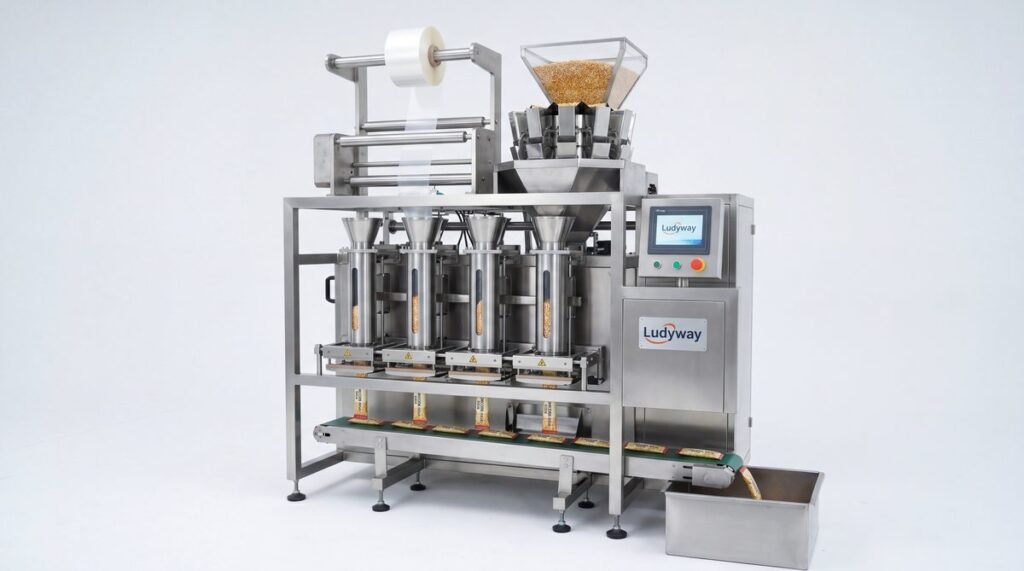
- Filling System Type: Volumetric cup fillers are cost-effective for granular teas. Auger fillers for tea powder or combination weighers for precise portioning add to the price.
- Film Material Compatibility: Machines designed to handle heat-sealable, aluminum-laminated, or biodegradable films may require specialized sealing jaws and temperature controls.
- Automation Level: Features such as servo-driven film transport, automatic splice tables, and robotic case packing modules drive costs upward.
- Gas Flushing & Nitrogen Dosing: Essential for oxygen-sensitive tea products. Modified atmosphere packaging (MAP) systems add a premium.
- Certifications & Compliance: Machines built to FDA food contact standards or ISO packaging standards involve higher engineering costs.
Price Comparison by Machine Configuration
| Machine Type | Estimated Price Range (USD) | Best Suited For |
|---|---|---|
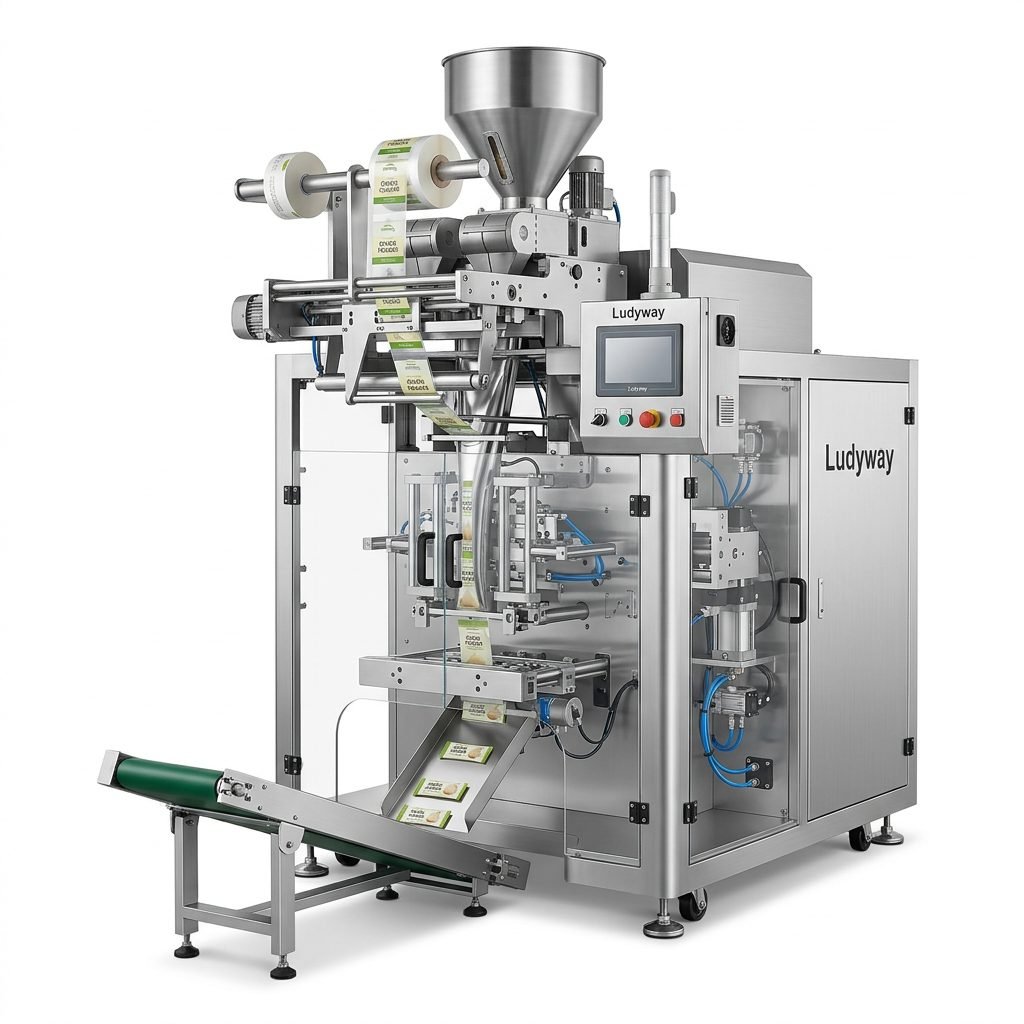
| Single-Lane Granule Tea VFFS | $8,000 – $18,000 | Small-scale tea producers, startups |
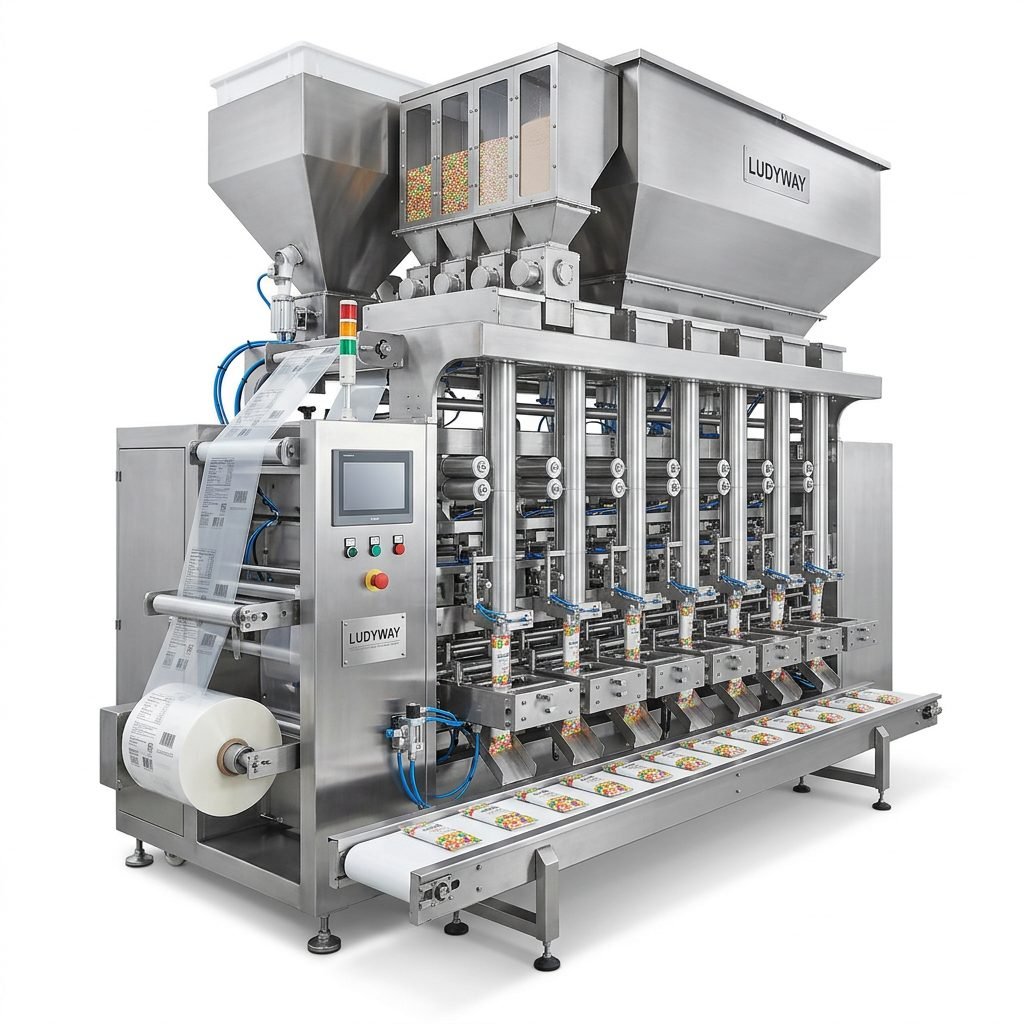
| Multi-Lane Stick Pack Machine (4-8 lanes) | $25,000 – $55,000 | Medium tea brands, co-packers |
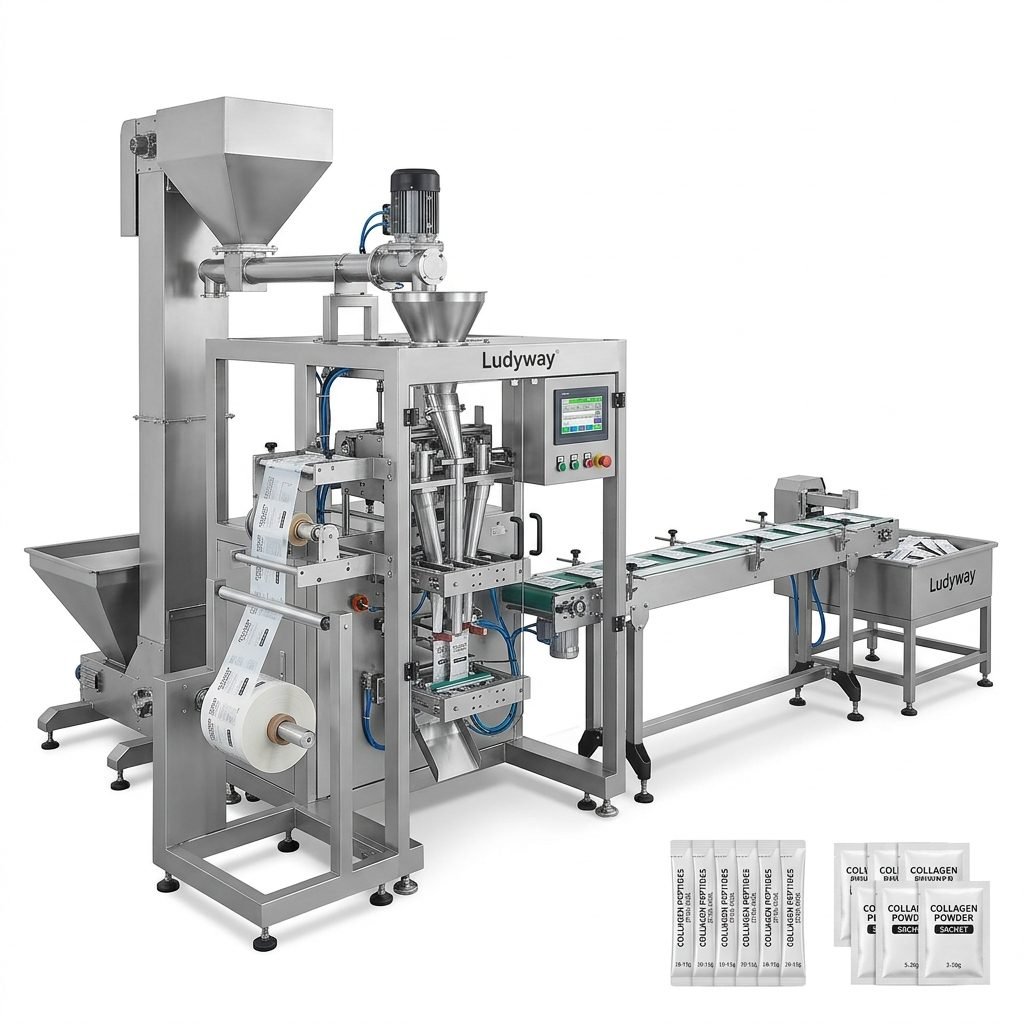
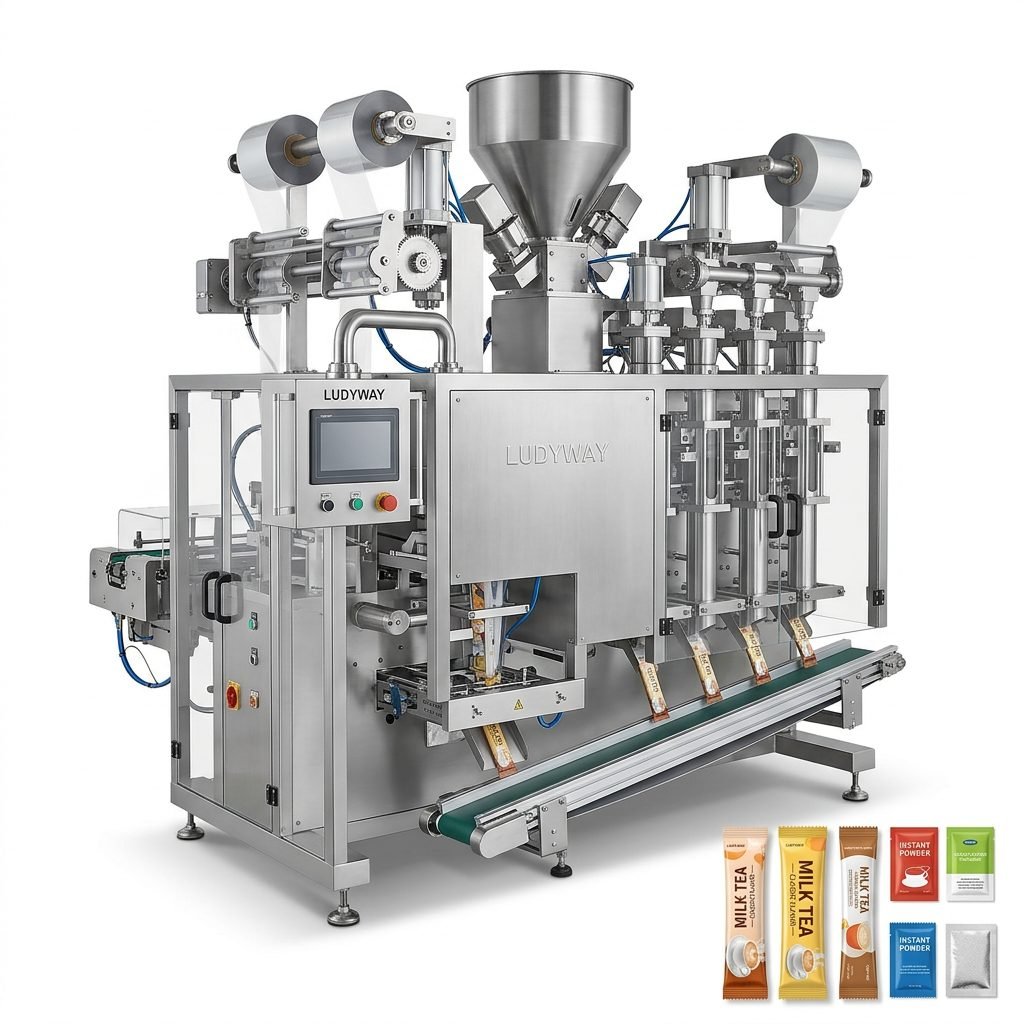
| Multi-Lane Sachet Machine (10-16 lanes) | $45,000 – $90,000 | High-volume tea powder & instant tea |
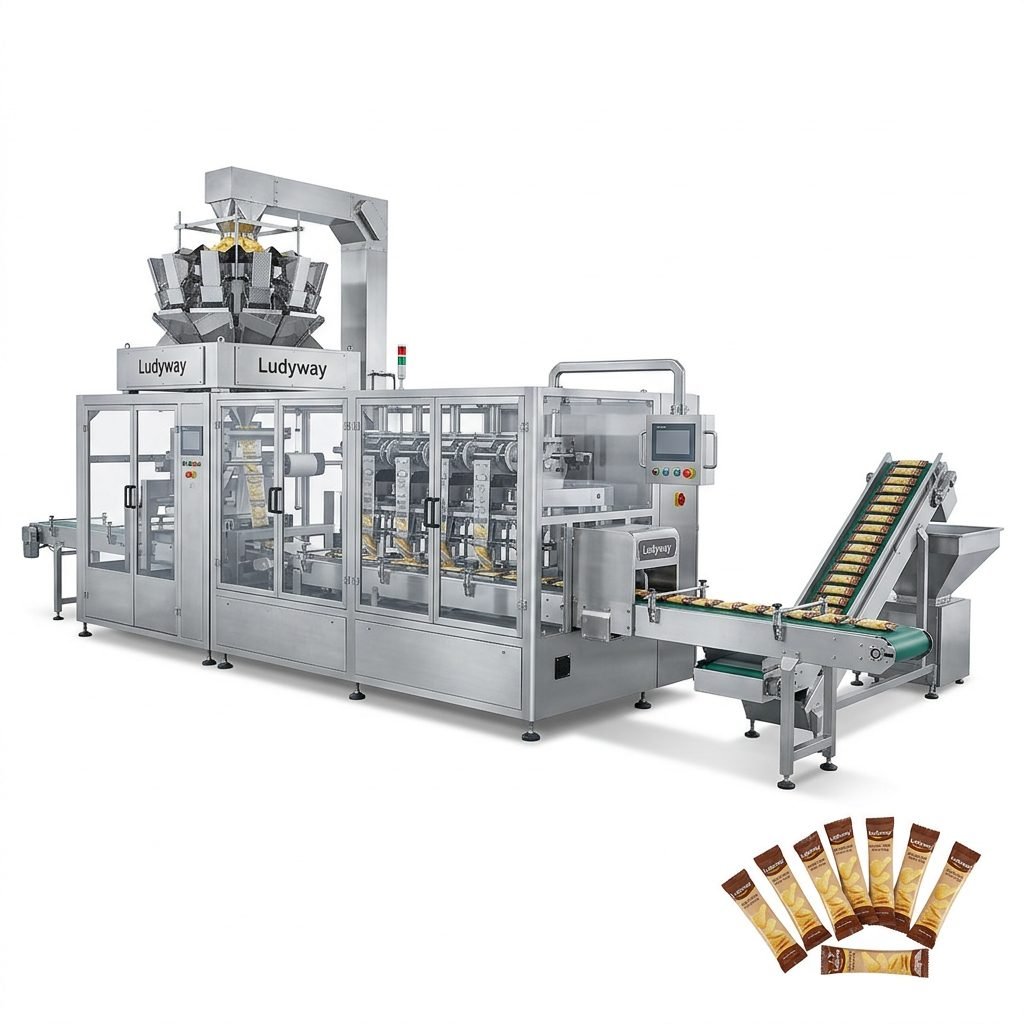
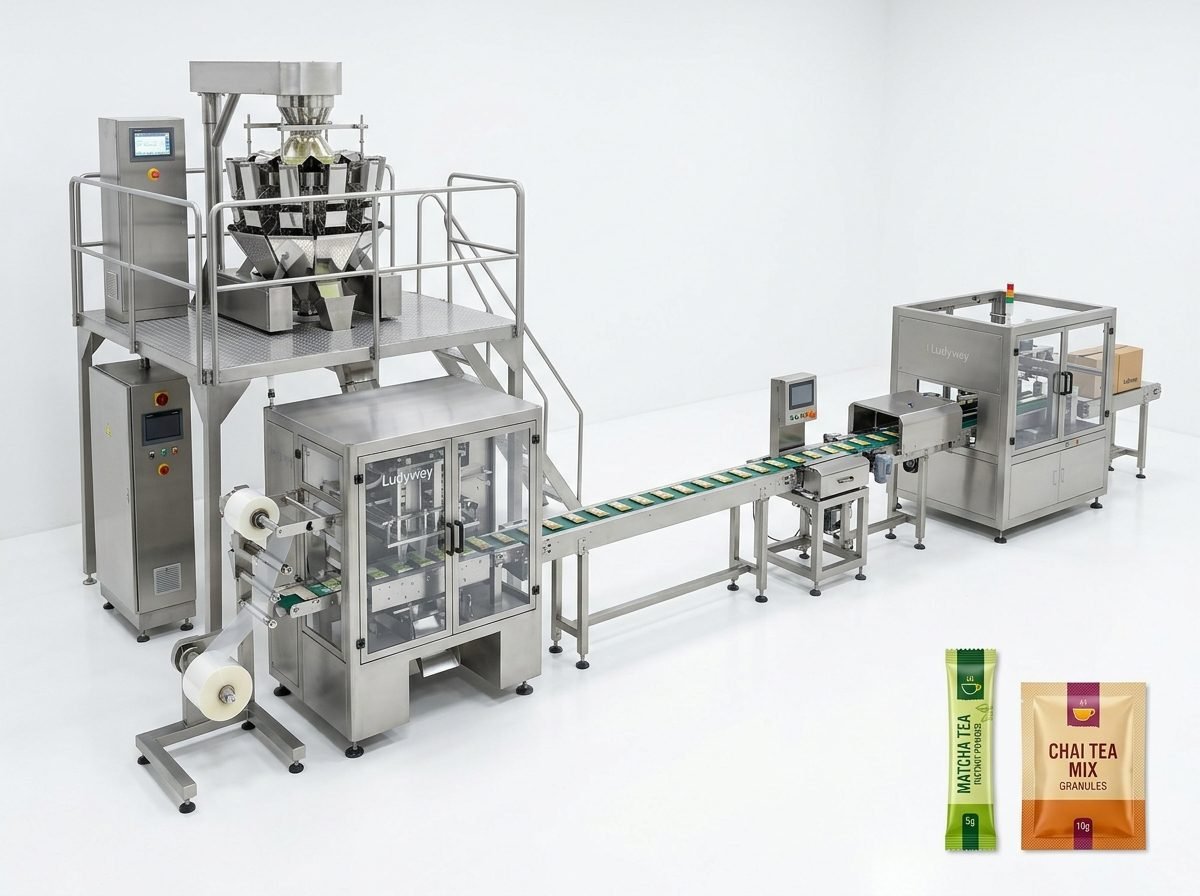
| Turnkey Tea Packaging Line | $100,000 – $250,000+ | Large manufacturers, international brands |
Note: Prices are indicative and vary based on customization, optional modules, and regional factors.
Additional Cost Components to Consider
Beyond the base machine price, buyers should budget for auxiliary equipment and ongoing operational costs. These include:
- Feeding Systems: Z-type bucket elevators or vacuum conveyors for tea granules and powders.
- Date Coding & Labeling: Thermal transfer printers, laser markers, or automatic labeling modules.
- Checkweighers & Metal Detectors: Quality control systems to ensure fill accuracy and product safety.
- Cartoning & Case Packing: End-of-line automation for secondary packaging.
- Installation, Training & Shipping: Factory acceptance testing (FAT), on-site installation, and operator training.
- Spare Parts & Maintenance: Regular wear components, sealing jaws, and film-former assemblies.
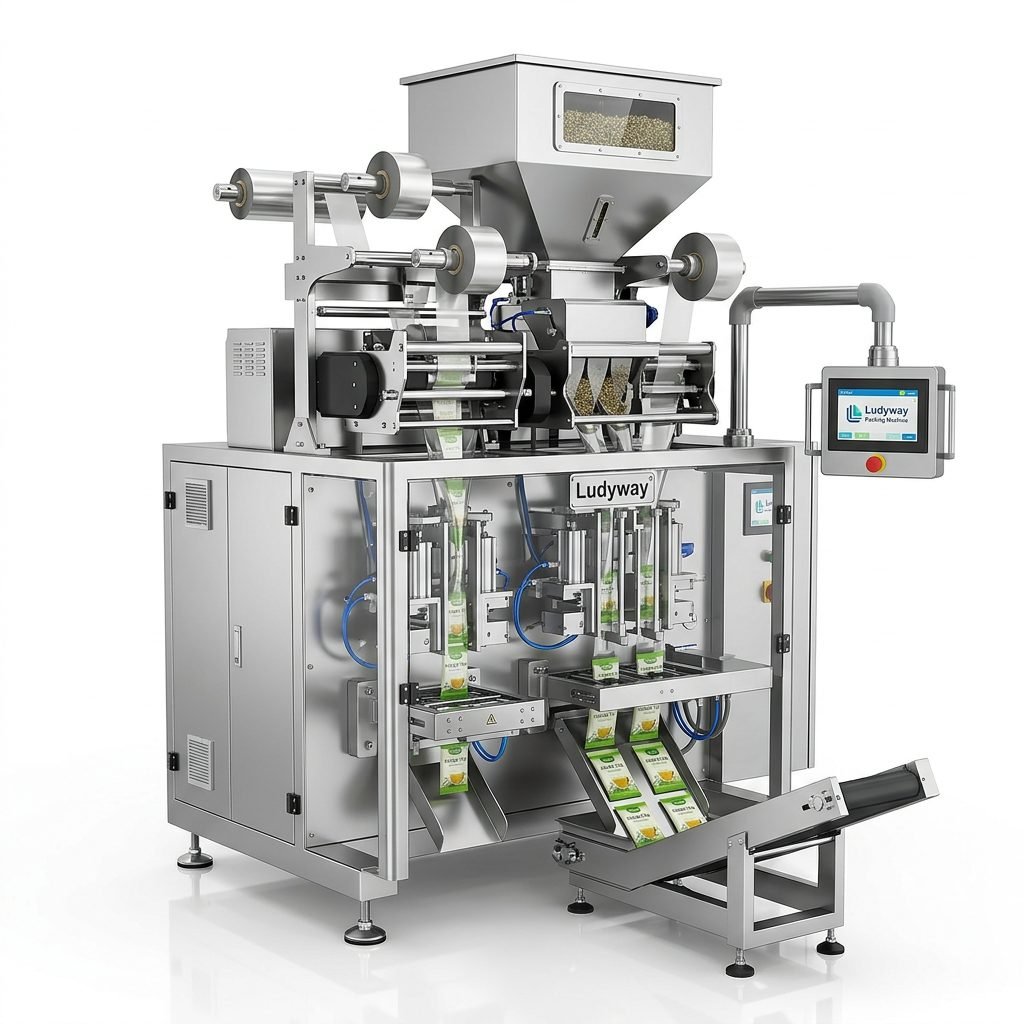
How to Choose the Right Tea VFFS Machine for Your Budget
Selecting the right machine requires balancing throughput requirements, packaging format, and long-term operational goals. Here are practical steps to guide your purchasing decision:
- Define Your Target Output: Calculate the number of pouches or sachets per minute needed to meet current and projected demand.
- Specify Your Tea Product Type: Granular loose tea, fine tea powder, or blended herbal mixtures each require different filling mechanisms and film handling characteristics.
- Determine Packaging Format: Stick packs, flat sachets, gusseted pouches, or tea bag-style formats influence machine design and sealing requirements.
- Evaluate Film Material & Sustainability Goals: If you plan to use flexible packaging materials with recyclable or compostable properties, verify machine compatibility upfront.
- Assess Integration Needs: Will the machine operate standalone, or does it need to integrate with upstream feeding and downstream cartoning systems?
- Request Detailed Quotes: Gather at least three proposals from different manufacturers, ensuring each quote includes a complete bill of materials and scope of supply.
The Value of Sourcing from Experienced Manufacturers
Partnering with an experienced packaging machine manufacturer can significantly reduce total cost of ownership. Established companies like Ludyway, one of the largest packaging machine manufacturers in China, offer over 50 intelligent packaging machine models supported by a modern 20,000㎡ manufacturing facility and more than 30 years of industry expertise. Their comprehensive range includes multi-lane stick pack, sachet, and fully automated packaging systems designed for tea, granule, powder, and liquid applications across food, pharmaceutical, and health industries. With a global footprint serving customers in over 100 countries, such manufacturers provide reliable, efficient, and cost-effective equipment backed by professional technical support and turnkey project capabilities.
Understanding the Total Cost of Ownership (TCO)
The purchase price is only one part of the equation. Total cost of ownership includes energy consumption, film waste rates, changeover downtime, spare parts availability, and the longevity of critical components. A slightly more expensive machine with higher efficiency and lower maintenance requirements can deliver better ROI over a 5-10 year operational lifespan.
Key TCO metrics to evaluate include:
- Film Waste Percentage: Machines with precise servo-driven film registration minimize material waste during startups and splices.
- Changeover Time: Quick-release forming tubes and tool-less adjustments reduce downtime between product runs.
- Sealing Jaw Lifespan: Hardened steel or coated sealing surfaces extend service intervals and maintain consistent seal integrity.
- Energy Efficiency: Modern servo motors and intelligent power management systems lower operational electricity costs.
Industry Standards and Regulatory Considerations
Compliance with international packaging standards is essential for tea exporters. Machines should meet relevant safety and hygiene requirements, particularly for food-grade applications. The FDA food contact substance regulations and European packaging waste directives influence material choices and machine design for brands targeting these markets. Additionally, PMMI industry resources provide valuable benchmarks for packaging machinery performance and safety standards.
Financing and ROI Considerations
Many buyers explore equipment financing or lease-to-own arrangements to preserve working capital. When evaluating ROI, consider that a mid-range multi-lane tea VFFS machine producing 200+ pouches per minute can generate significant revenue growth while reducing per-unit packaging costs by up to 40% compared to manual or semi-automated methods.
Payback periods for well-specified tea VFFS machines typically range from 12 to 36 months, depending on production volume, labor savings, and product margins. Brands with seasonal demand peaks should factor in the machine’s ability to handle multiple product formats, maximizing utilization throughout the year.
Key Takeaways for Tea VFFS Machine Buyers
- Budget realistically: $25,000 – $90,000 covers most mid-to-high-speed multi-lane configurations from competitive manufacturers.
- Prioritize film compatibility, filling accuracy, and changeover efficiency over lowest initial price.
- Engage manufacturers early to discuss your specific tea product characteristics and packaging format requirements.
- Request on-site or virtual factory visits to assess manufacturing quality and machine performance before committing.
- Plan for auxiliary equipment, installation, and training in your total project budget.
Investing in the right tea VFFS packing machine positions your business for scalable growth, consistent product quality, and improved operational efficiency. By understanding the pricing landscape and aligning machine specifications with your production goals, you can make a confident, well-informed purchasing decision that delivers long-term value.