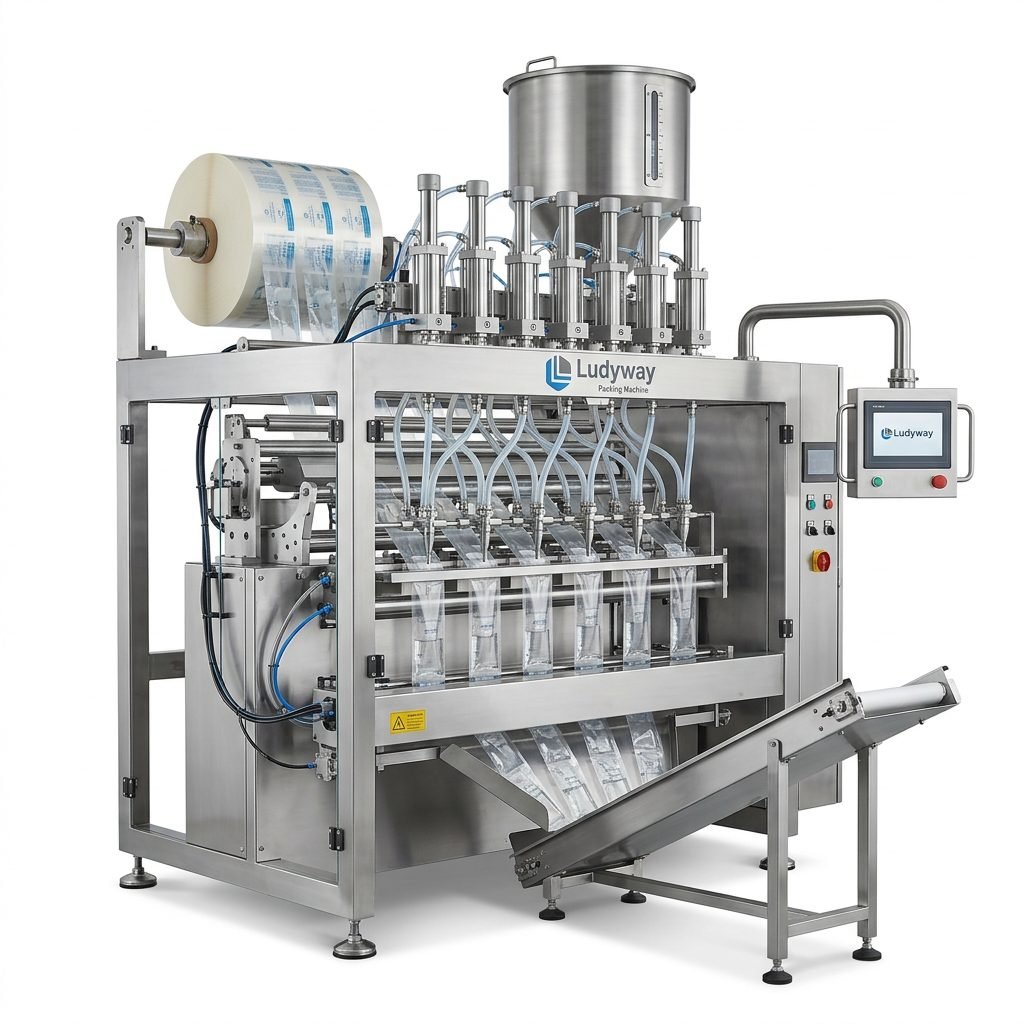
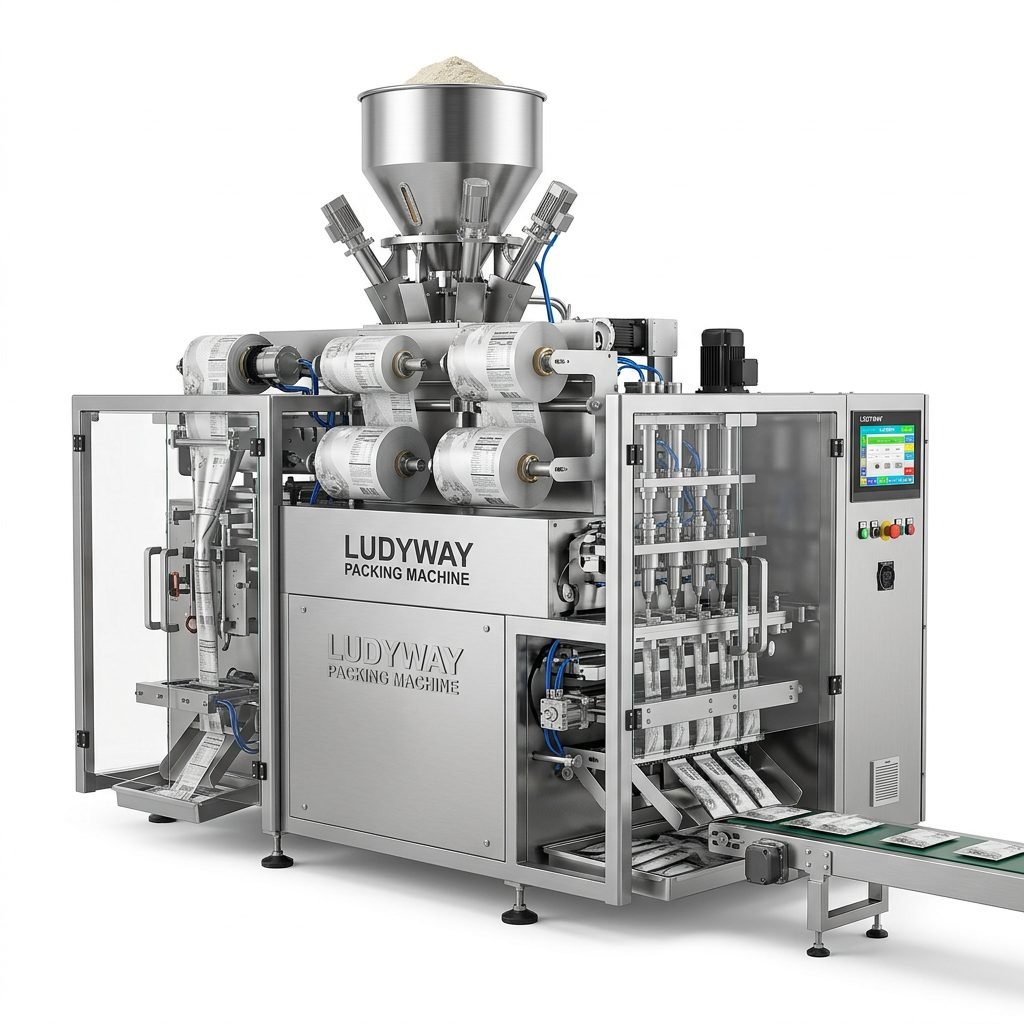
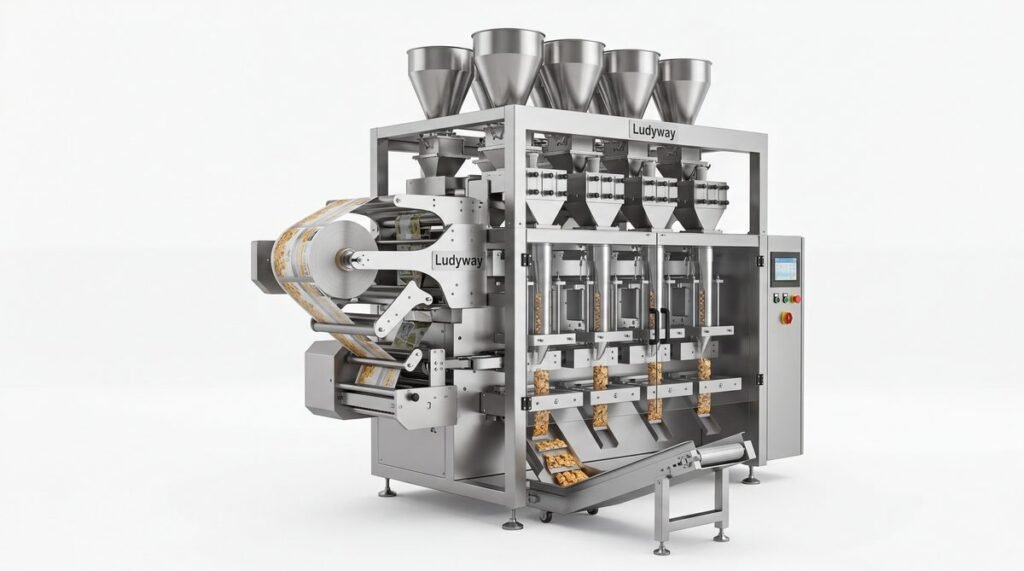
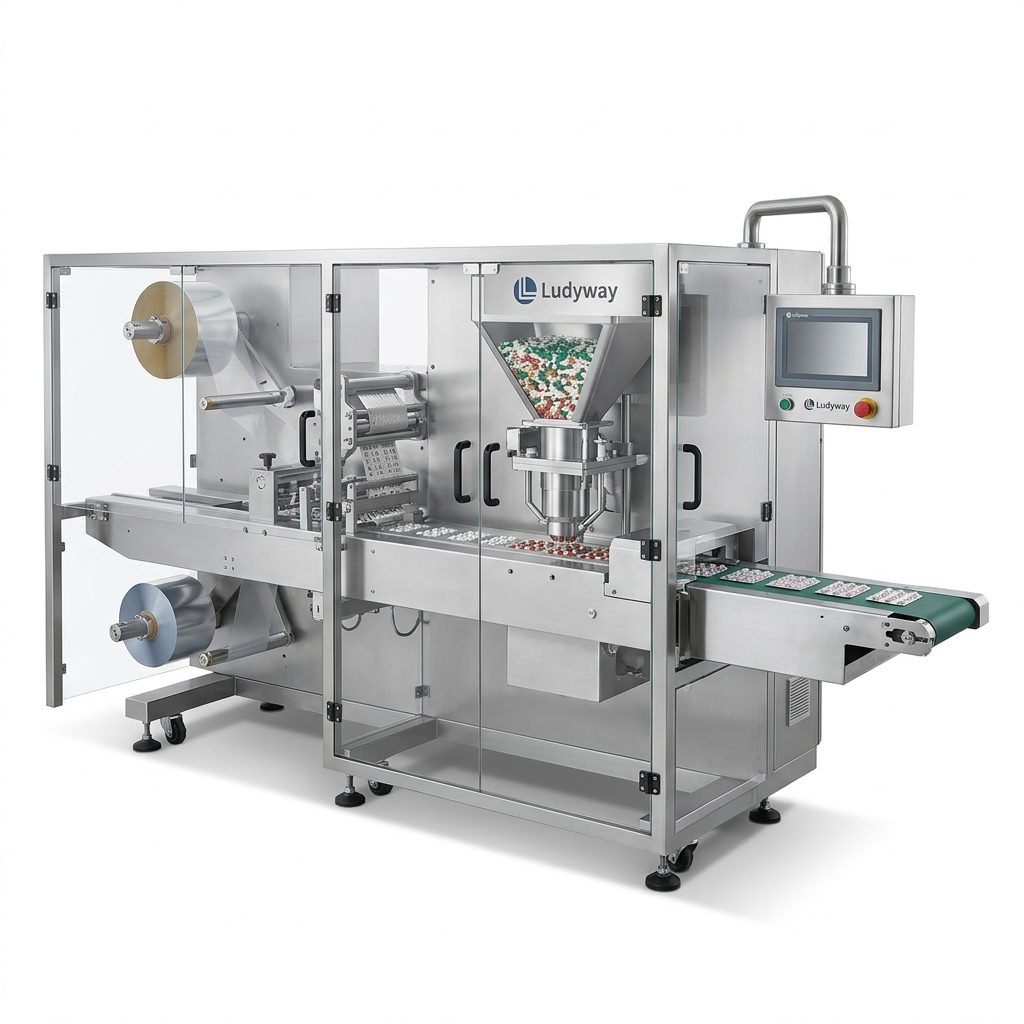
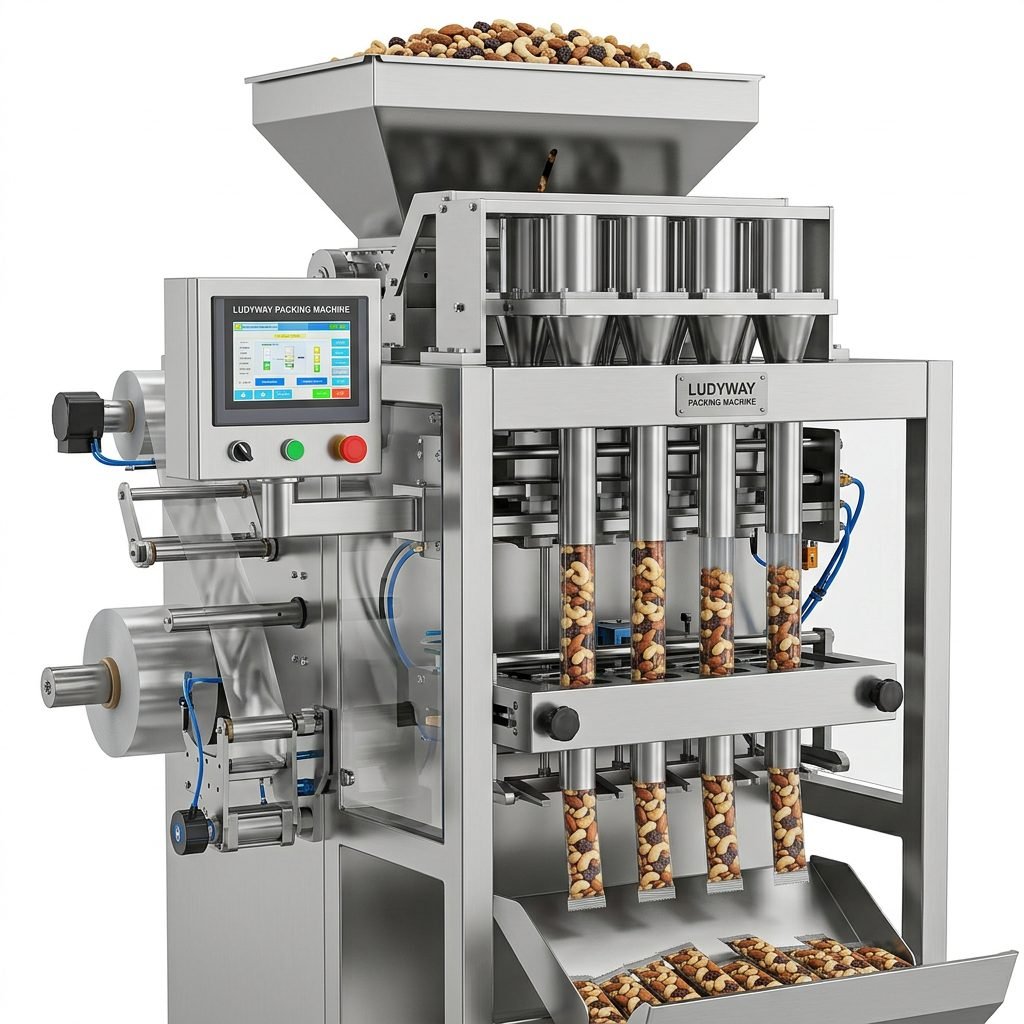
Investing in the right brownie packaging machine is a critical decision for any bakery or food manufacturer looking to scale production while maintaining product freshness and visual appeal. The European market, with its stringent food safety regulations and diverse consumer preferences, demands equipment that balances speed, precision, and compliance. Whether you are packaging individually wrapped brownies, tray-sealed assortments, or flow-wrapped bars, selecting a machine that aligns with your production goals can significantly impact your operational efficiency and bottom line. This comprehensive guide walks you through every essential factor to consider when choosing the best brownie packaging machine in Europe.
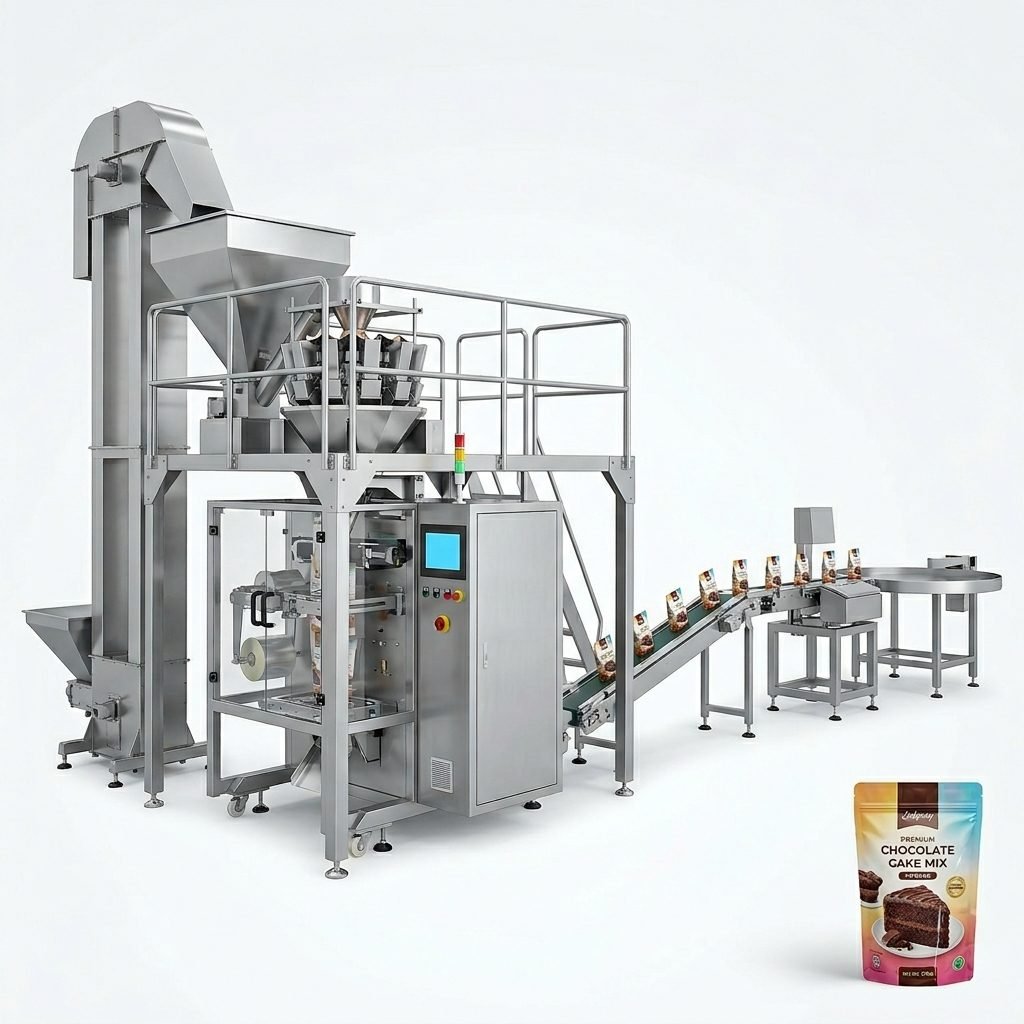
Understanding Brownie Packaging Requirements
Before comparing machine specifications, you must first define your product characteristics and packaging goals. Brownies vary widely in texture, shape, and shelf-life requirements—each factor directly influencing the type of packaging machinery you need.
Product Variables That Affect Machine Selection
- Texture and fragility: Soft, crumbly brownies require gentle handling systems to prevent breakage during wrapping.
- Moisture content: High-moisture brownies need barrier films to maintain freshness and prevent mold growth.
- Shape consistency: Uniformly cut brownies work well with automated flow wrappers, while irregular shapes may need manual or semi-automatic solutions.
- Shelf-life expectations: Extended shelf-life products require modified atmosphere packaging (MAP) capabilities.
- Portion size: Single-serve bars, multi-pack boxes, or bulk trays each demand different machine configurations.
Types of Brownie Packaging Machines Available in Europe
European manufacturers and suppliers offer a wide range of packaging solutions. Selecting the right type depends on your production volume, packaging format, and automation requirements.
| Machine Type | Best For | Key Advantage |
|---|---|---|
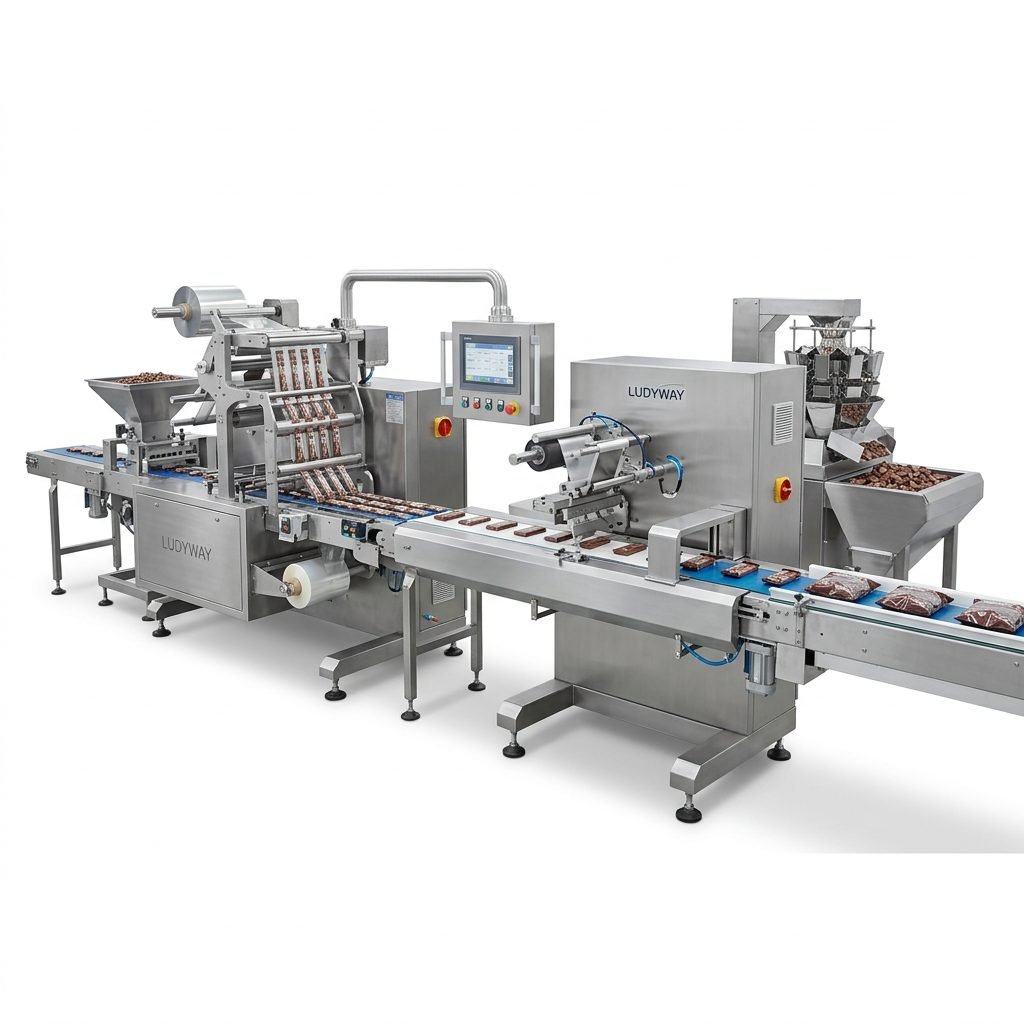
| Horizontal Flow Wrapper | Individually wrapped bars | High-speed, pillow-pack style sealing |
| Tray Sealing Machine | Multi-brownie packs in rigid trays | Excellent product visibility and protection |
| Vertical Form Fill Seal (VFFS) | Pillow bags or gusseted pouches | Versatile for various bag styles |
| Overwrapping Machine | Premium folded-end wraps | High-end bakery presentation |
| Thermoforming Machine | Vacuum or MAP sealed trays | Maximum shelf-life extension |
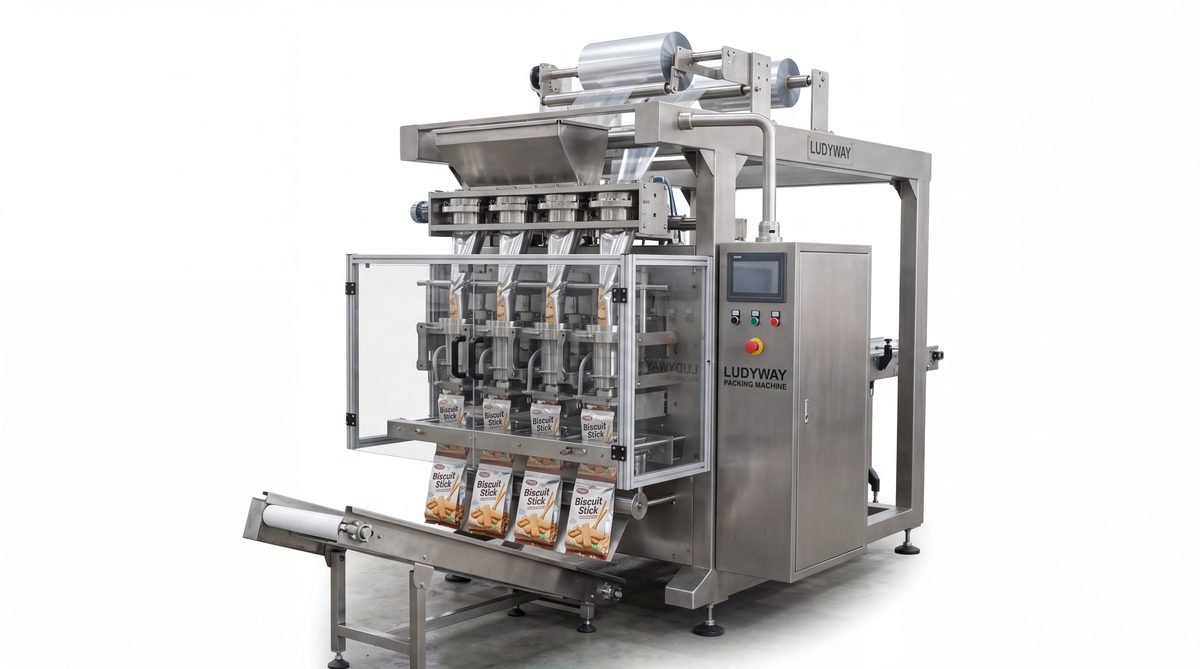
Key Features to Evaluate When Comparing Machines
Not all packaging machines are created equal. When evaluating options for the European market, pay close attention to these critical performance features that differentiate reliable equipment from subpar alternatives.
Speed and Throughput Capacity
Production speed is measured in packages per minute (PPM). Small artisan bakeries may only need 20-40 PPM, while large-scale industrial producers require 80-150+ PPM. Always match the machine’s rated speed to your peak production demands, factoring in a 15-20% buffer for future growth. Over-specifying speed can lead to unnecessary capital expenditure, while under-specifying creates bottlenecks that limit your business expansion.
Material Compatibility and Film Handling
European packaging regulations increasingly favor recyclable and biodegradable films. Your machine must handle the specific film types you plan to use, including:
- Polypropylene (PP) films for standard barrier protection
- Metallized films for enhanced moisture and oxygen barriers
- Compostable bio-films compliant with EU packaging waste directives
- Paper-based laminates for sustainable branding
Changeover Flexibility
If you produce multiple brownie sizes or packaging formats, quick changeover capability is essential. Look for machines with tool-less adjustments, recipe memory storage, and modular design that allows format changes in under 15 minutes. This flexibility is particularly valuable for co-packers and bakeries serving diverse retail channels across Europe.
Sealing Integrity and Quality Control
Proper sealing is non-negotiable for food safety and product quality. Evaluate machines that offer:
- Precise temperature control across sealing jaws
- Gas flushing capability for modified atmosphere packaging
- Integrated seal inspection systems for quality assurance
- Compliance with ISO packaging standards
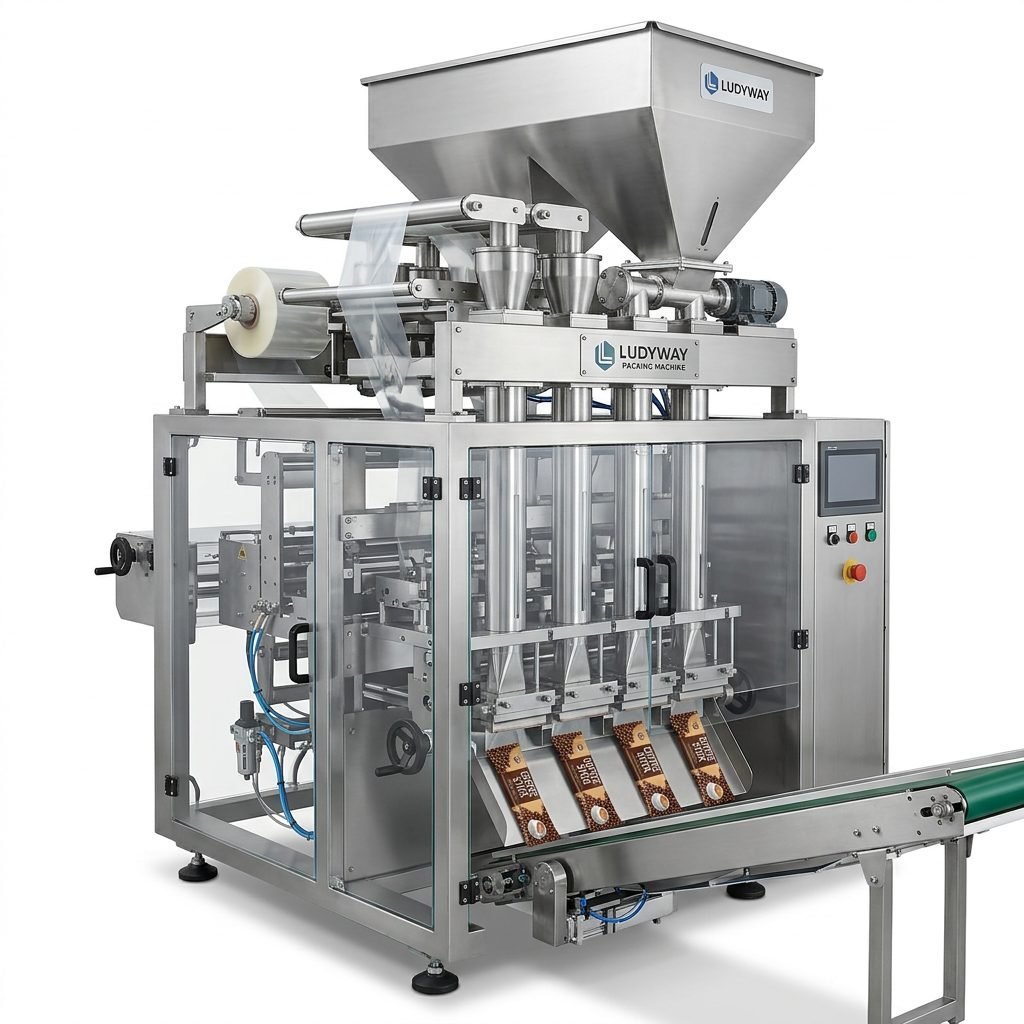
Compliance with European Regulations and Standards
Operating in the European market requires strict adherence to food contact material regulations and machinery safety directives. Any packaging machine you purchase must meet the following requirements.
CE Marking and Machinery Directive
All packaging equipment sold and operated in the EU must carry CE marking, demonstrating compliance with the Machinery Directive 2006/42/EC. This certification confirms that the machine meets essential health and safety requirements. Always request documentation proving CE compliance and verify that the manufacturer follows harmonized European standards.
Food Contact Material Compliance
Packaging films and machine components that contact brownies must comply with EU Regulation (EC) No 1935/2004 on materials intended for food contact. Additionally, specific measures for plastics under Regulation (EU) No 10/2011 set migration limits that your packaging materials must respect. Work closely with film suppliers who can provide Declaration of Compliance documents.
Hygienic Design Requirements
For food production environments, packaging machines should follow EHEDG (European Hygienic Engineering and Design Group) guidelines. Key hygienic design features include easy-to-clean surfaces, minimal crevices where food particles can accumulate, and food-grade stainless steel construction. Hygienic design directly impacts your HACCP compliance and reduces contamination risks.
Budget Considerations: Total Cost of Ownership
The purchase price is just one element of your investment. A thorough financial analysis should account for the total cost of ownership (TCO) over the machine’s expected lifespan of 8-15 years.
| Cost Category | Estimated Percentage of TCO | Key Considerations |
|---|---|---|
| Initial purchase price | 40-50% | Machine cost, delivery, installation |
| Consumables and film | 25-35% | Ongoing packaging material expenses |
| Maintenance and spare parts | 10-15% | Preventive maintenance, wear parts replacement |
| Energy consumption | 5-8% | Electricity, compressed air costs |
| Operator training and labor | 3-5% | Staff training, ongoing labor requirements |
A machine with a lower purchase price but higher film waste rates or frequent downtime can cost significantly more over time. Prioritize reliability and efficiency over the lowest upfront investment.
Evaluating Suppliers and After-Sales Support in Europe
Your relationship with the machine supplier extends far beyond the purchase date. After-sales service quality can make or break your production efficiency. When assessing potential suppliers, consider these factors:
Local Service Presence
Look for suppliers with established service networks in Europe. Quick access to technicians for troubleshooting, preventive maintenance, and emergency repairs minimizes production downtime. Ask about average response times and whether service contracts are available. A supplier with spare parts inventory in European warehouses can dramatically reduce lead times when replacements are needed.
Installation and Commissioning Support
Professional installation and operator training ensure your machine runs at optimal efficiency from day one. Verify that the supplier provides comprehensive on-site commissioning, including setting up packaging parameters specific to your brownie products and training your production team on proper operation and basic maintenance procedures.
Warranty and Service Level Agreements
Standard warranties in the packaging machinery industry range from 12 to 24 months. Negotiate service level agreements (SLAs) that clearly define response times, parts availability commitments, and escalation procedures for critical breakdowns. Reputable manufacturers like Ludyway, a leading packaging machine manufacturer with over 30 years of industry expertise, emphasize long-term partnership and technical support as core elements of their customer relationships.

Automation and Integration Capabilities
Modern packaging lines increasingly rely on integrated automation to reduce labor costs and improve consistency. When selecting a brownie packaging machine, evaluate its ability to connect with upstream and downstream equipment.
Upstream Integration
Your packaging machine should seamlessly integrate with feeding and portioning systems. Whether brownies arrive on a conveyor from cooling, cutting, or enrobing equipment, the infeed system must handle your specific product arrangement. Consider machines with adjustable in-feed conveyors and product detection sensors for precise positioning before wrapping.
Downstream Equipment Compatibility
Post-packaging automation often includes checkweighers, metal detectors, labelers, case packers, and palletizers. Industrial communication protocols such as Ethernet/IP, Profinet, or Modbus TCP are essential for connecting these systems into a cohesive line. Verify that the machine’s control system supports the communication standards used in your facility.
Industry 4.0 and Data Connectivity
Forward-looking bakeries are adopting smart manufacturing principles. Look for machines offering real-time production monitoring, OEE data collection, remote diagnostics, and predictive maintenance alerts. These capabilities align with Industry 4.0 trends in packaging and provide valuable operational insights for continuous improvement.
Common Mistakes to Avoid When Buying
Even experienced buyers can make costly errors during the equipment selection process. Being aware of these common pitfalls helps you make a more informed decision.
- Underestimating film waste: A machine with poor film tension control can generate 5-10% waste, dramatically increasing your consumable costs over time. Test actual film consumption rates with your specific materials.
- Ignoring future flexibility: Purchasing a machine that only handles your current product without room for new formats limits your growth potential. Always plan 3-5 years ahead.
- Overlooking operator skill requirements: Highly complex machines may require specialized operators that are difficult to find. Match the machine’s complexity to your available workforce expertise.
- Neglecting environmental conditions: Brownie production environments with high humidity or temperature fluctuations can affect machine performance. Ensure the equipment is rated for your specific production area conditions.
- Rushing the decision: Always request factory acceptance testing (FAT) with your actual products and packaging materials before finalizing the purchase.
Sustainability and Environmental Considerations
Sustainability is no longer optional in European food packaging. Regulatory pressure and consumer demand are pushing bakeries toward more environmentally responsible packaging solutions. Your machine choice plays a significant role in your sustainability strategy.
Reducing Material Usage
Modern packaging machines can optimize film consumption through precise cut registration and minimal seal width. Some machines offer downgauging capability, allowing you to use thinner films without compromising seal integrity. Look for equipment that supports mono-material films, which are easier to recycle than multi-layer laminates.
Energy Efficiency Features
Compare machines based on their energy consumption per package. Features like servo-driven motors with regenerative braking, efficient heating systems, and standby mode functionality can reduce energy costs by 20-30% compared to older pneumatic-driven or continuously heated systems.
Waste Reduction Through Precision
Accurate product positioning and film registration minimize rejects and rework. Machines with vision systems or sensor-based product detection ensure that every brownie is correctly placed before wrapping, reducing product waste and maximizing yield from each production run.
Making the Final Decision: A Step-by-Step Checklist
Use this structured approach to guide your final purchasing decision:
- Document your requirements: List all current and anticipated products, packaging formats, production volumes, and budget constraints.
- Research and shortlist: Identify 3-5 machine models from reputable manufacturers that meet your core requirements.
- Request detailed proposals: Obtain comprehensive quotes including all ancillary equipment, installation, training, and warranty terms.
- Conduct product testing: Send your actual brownie products and preferred packaging films to manufacturers for live demonstration and sample production.
- Visit reference sites: Speak with existing customers in similar applications to understand real-world performance and support quality.
- Evaluate TCO: Calculate the total cost of ownership over 5, 8, and 10-year periods for each option.
- Negotiate terms: Finalize pricing, payment terms, warranty coverage, and after-sales support agreements.
- Plan installation: Coordinate delivery, installation, commissioning, and operator training timelines with your production schedule.
Selecting the best brownie packaging machine for the European market requires careful evaluation of your product needs, regulatory obligations, and long-term business goals. By systematically assessing machine types, features, compliance requirements, and supplier support, you can invest in equipment that delivers reliable performance, consistent product quality, and strong return on investment. Take the time to test multiple options with your actual products, and prioritize suppliers who demonstrate a genuine commitment to your success through comprehensive after-sales support and technical partnership.
Useful Resources
- PMMI 2025 State of the Industry Report — Packaging machinery market trends and forecasts
- Flexible Packaging Association Industry Resources — Guidance on packaging materials and sustainability
- ISO 11607 Packaging Standards — International standards for packaging validation
- PACK EXPO International — Leading packaging industry trade show for equipment evaluation