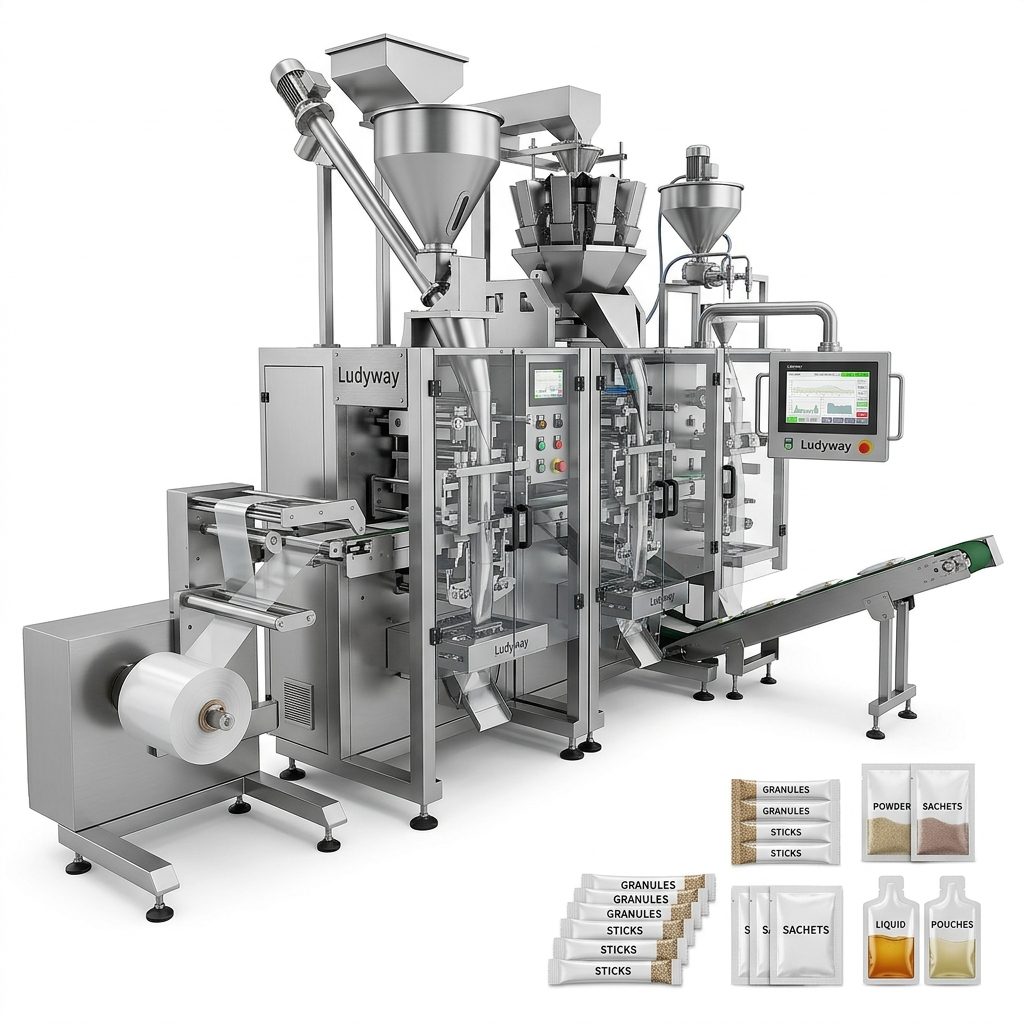
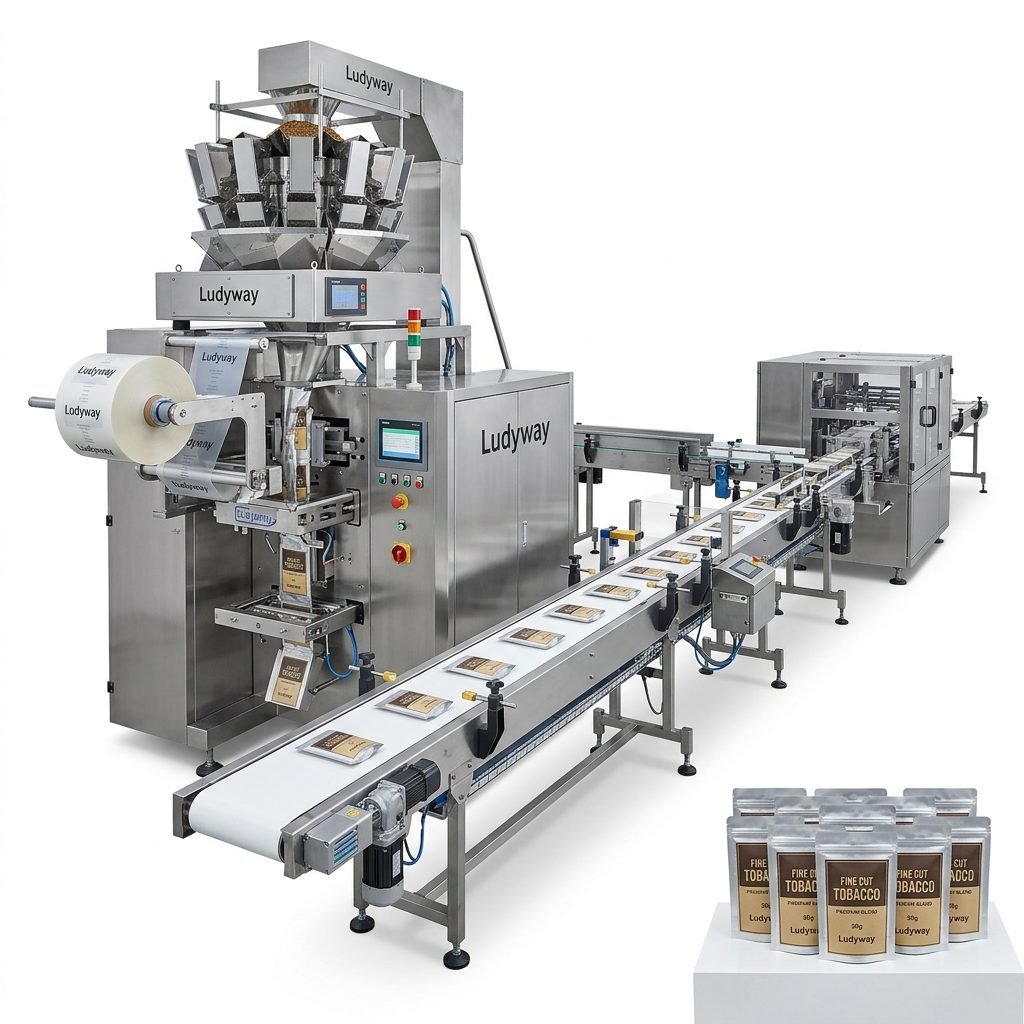
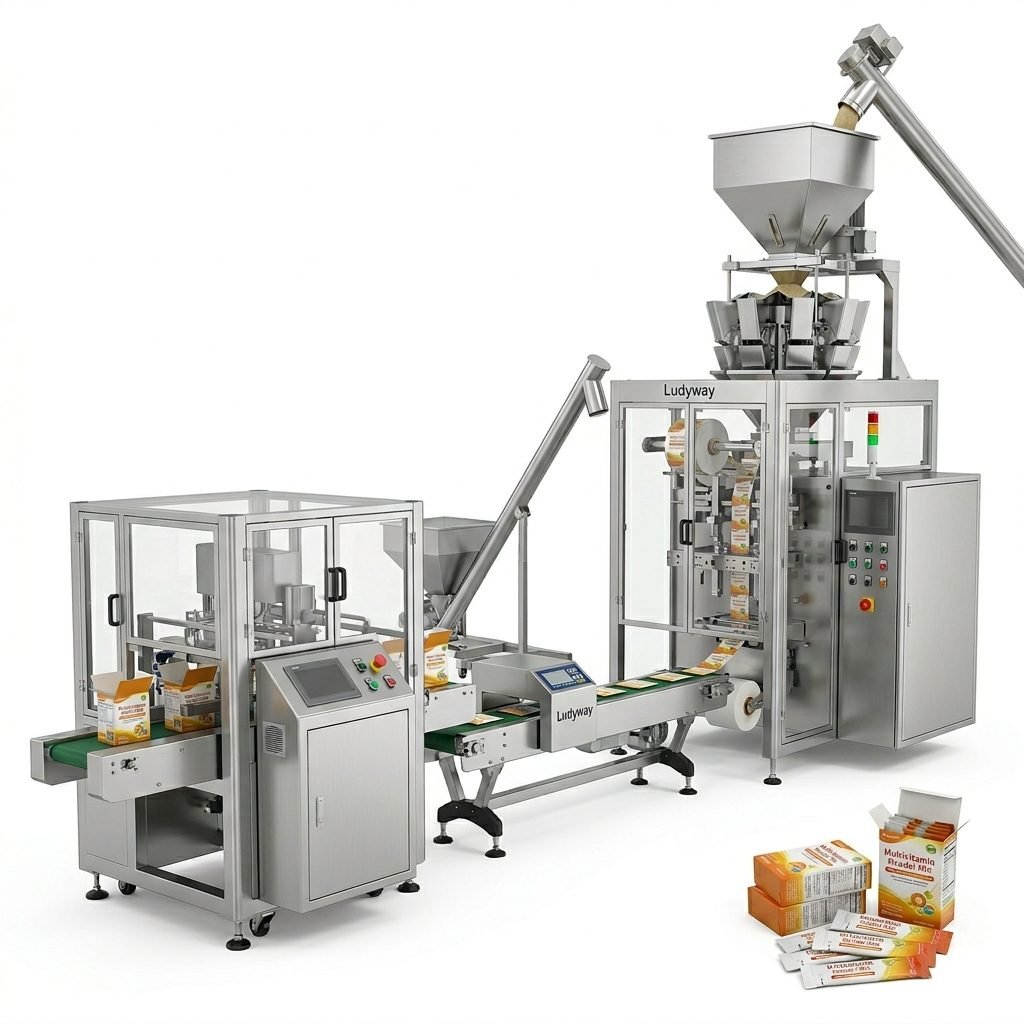
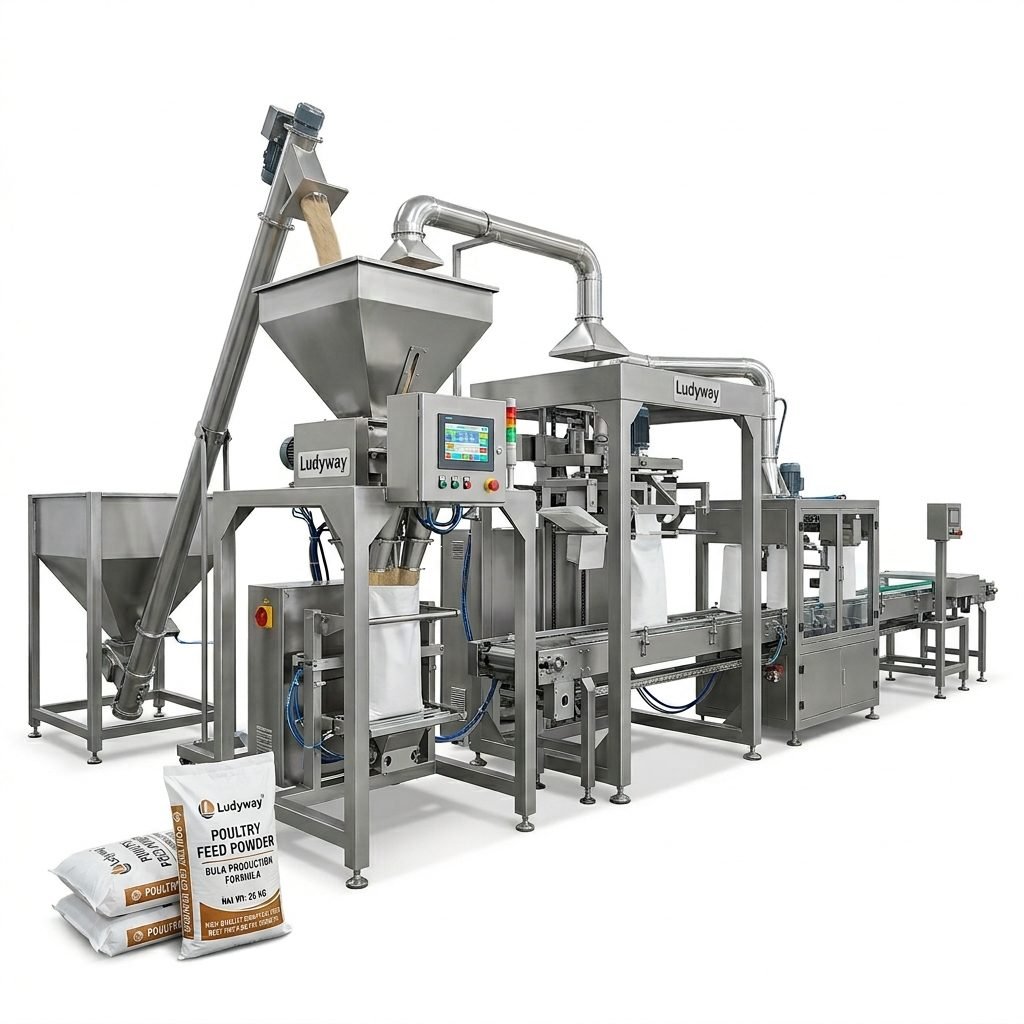
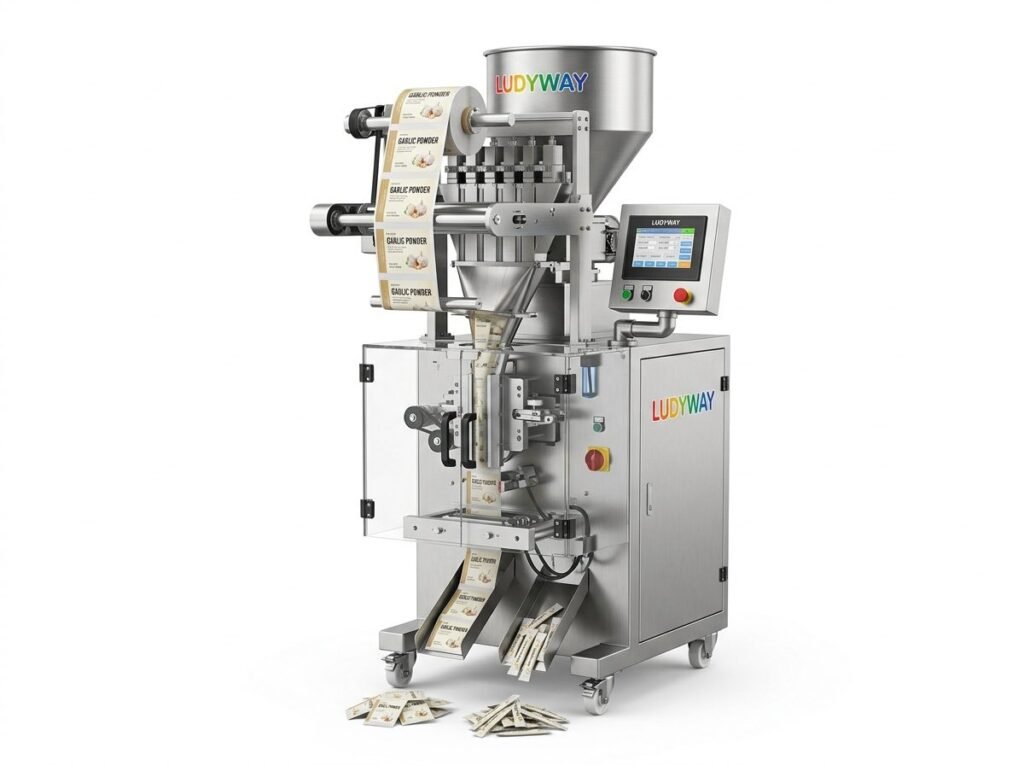
Investing in an industrial tea vacuum packaging machine is a critical decision for tea producers aiming to preserve freshness, extend shelf life, and improve brand presentation. The cost of this equipment varies widely, typically ranging from $8,000 for basic semi-automatic models to over $80,000 for high-speed, multi-lane automated systems. Understanding the key drivers behind this price spectrum is essential for making an informed, profitable purchase.

Key Factors Influencing the Price of Tea Vacuum Packaging Machines
The final price tag is never a single number. It is determined by a combination of technical specifications and production requirements. Here are the primary factors:
- Automation Level: Manual, semi-automatic, and fully automatic machines have vastly different price points. A fully automated system with PLC controls will always command a premium.
- Production Speed and Lanes: A single-lane machine costs less than a multi-lane setup. High-speed systems designed to pack 60-120 bags per minute per lane require sophisticated engineering.
- Vacuum Chamber Quality and Sealing Technology: The precision of the vacuum chamber, the quality of the stainless steel construction, and the reliability of the sealing components directly influence cost.
- Package Format Flexibility: Equipment that can handle multiple bag types — such as gusseted bags, flat pouches, and stand-up pouches — is generally more expensive.
- Additional Features: Integrated functions like gas flushing (nitrogen injection), checkweighers, and automatic coding systems add to the total investment.
Industrial Tea Vacuum Packaging Machine Price Breakdown by Type
The table below offers a practical overview of standard configurations and their estimated cost brackets for industrial buyers.
| Machine Type | Key Specifications | Estimated Price Range (USD) |
|---|---|---|
| Semi-Automatic Single Chamber | 1-2 lanes, external vacuum, basic controls | $8,000 – $18,000 |
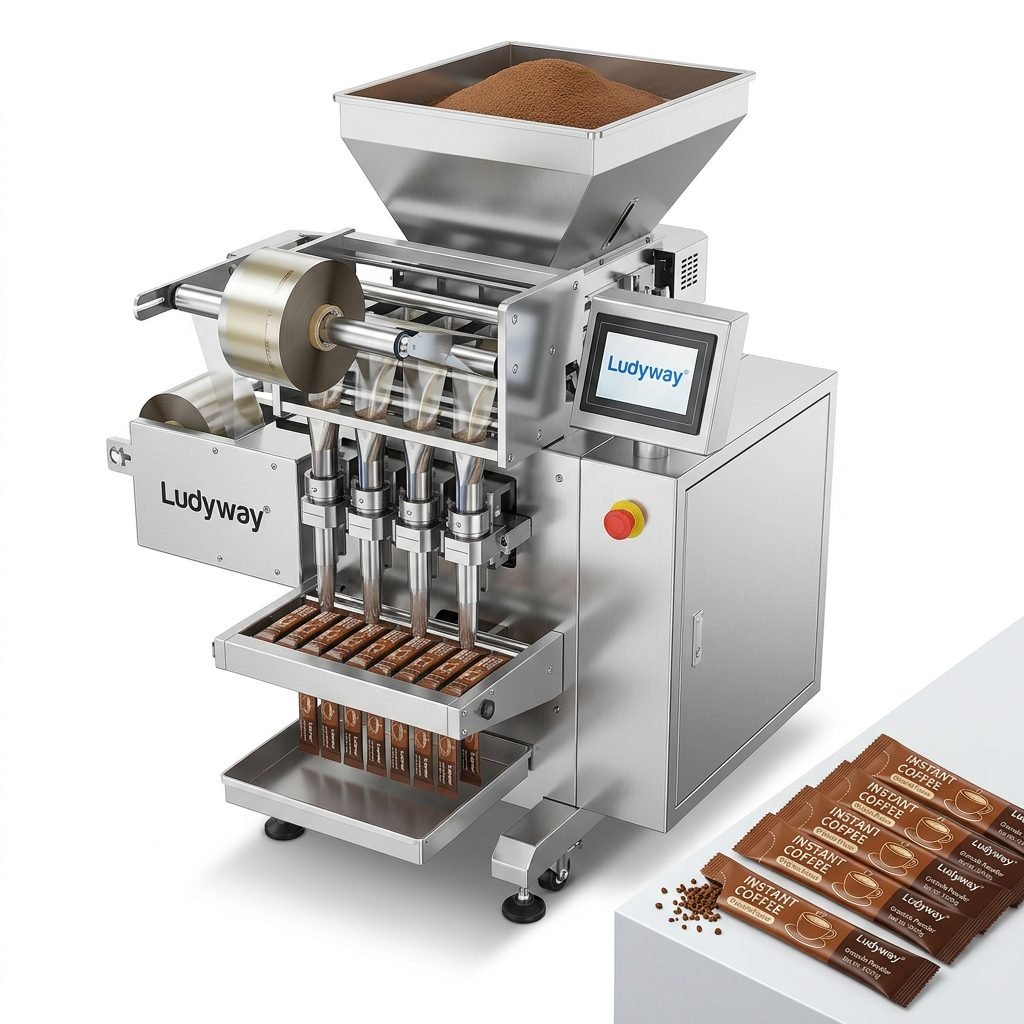
| Automatic Stick Pack Machine | 4-6 lanes, integrated vacuum/nitrogen, 40-60 packs/min | $25,000 – $45,000 |
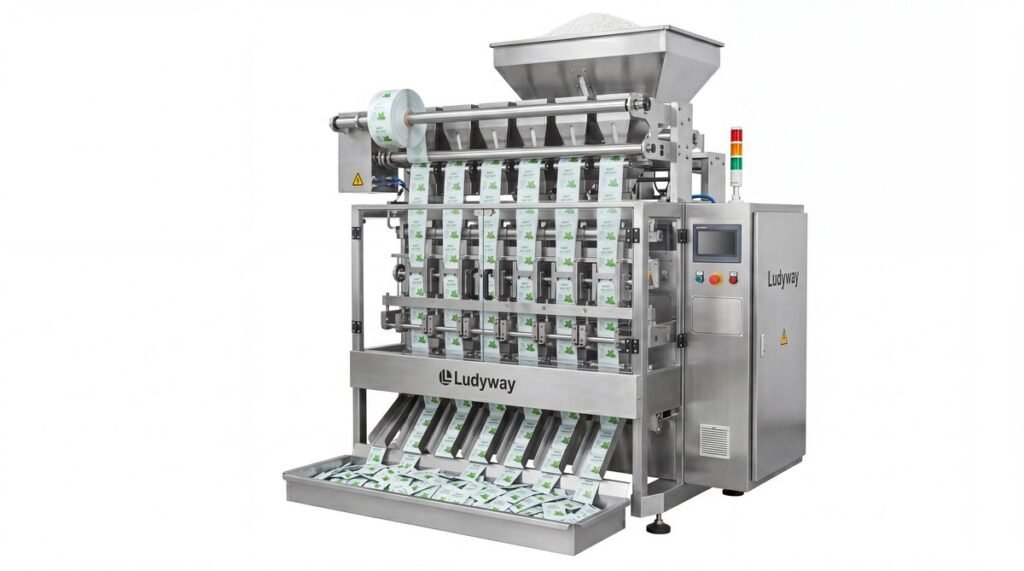
| High-Speed Multi-Lane System | 8-12 lanes, servo-driven, fully automated, 80-120 packs/min | $55,000 – $85,000+ |
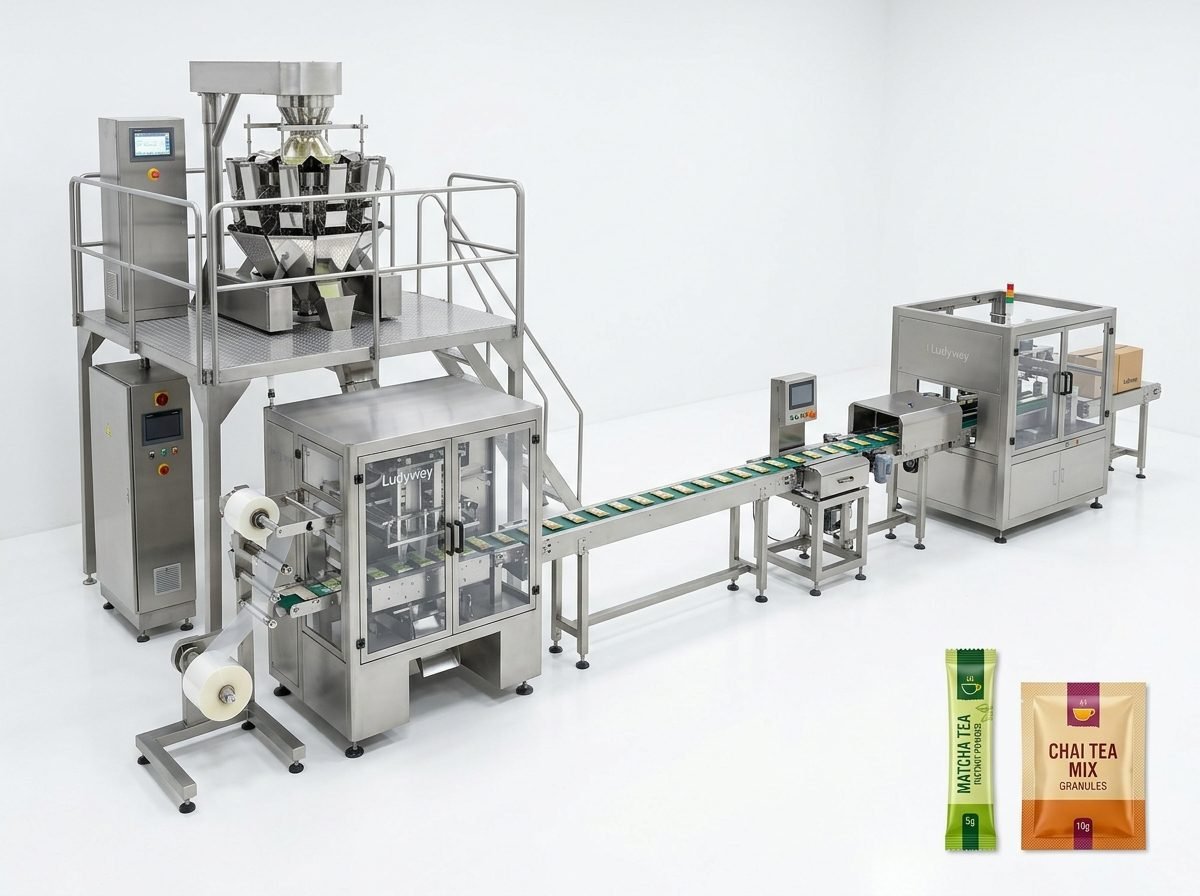
| Turnkey Complete Packaging Line | Multi-lane system with cartoner, palletizer, and conveyors | $90,000 – $200,000+ |
Why Vacuum Packaging is Non-Negotiable for Premium Tea
Tea is hygroscopic, meaning it easily absorbs moisture and odors from the environment. A high-quality vacuum packaging machine removes oxygen from the pouch, effectively preventing oxidation and the growth of aerobic bacteria. This preserves the delicate aroma, essential oils, and color of the tea, ensuring the product reaches the end consumer exactly as intended.
The Hidden Costs of Under-investing
Choosing a machine based solely on the lowest initial price can be a costly mistake. Budget machines often lead to higher operational expenses due to frequent downtime, inconsistent sealing that results in product waste, and inefficient power consumption. A reliable industrial machine, while requiring a higher upfront investment, provides a lower total cost of ownership over its lifespan through durability and consistent performance.
Selecting the Right Supplier for Your Tea Packaging Investment
Beyond the machine specifications, the manufacturer’s expertise and support structure are paramount. When evaluating a partner for your packaging machine manufacturer needs, consider their track record, global reach, and technical capabilities. For example, Ludyway has established itself as a trusted provider with over 30 years of experience, a modern 20,000㎡ production facility, and a portfolio of more than 50 intelligent packaging models. Their global presence in over 100 countries signals a strong support network and a deep understanding of international standards. Ensuring your supplier can provide turnkey solutions, from the tea vacuum packaging machine to full end-of-line automation, simplifies project management and guarantees compatibility.
Technology Trends Impacting Machine Value
The latest advancements in packaging equipment are shifting value propositions. Modern systems equipped with Industry 4.0 capabilities like IoT connectivity are more expensive but offer remote diagnostics and real-time production data. This data empowers tea packers to optimize efficiency and predict maintenance needs, significantly improving return on investment. Equally important is the growing demand for sustainable packaging. A machine that can efficiently run recyclable or biodegradable films is becoming a crucial asset, often justifying a higher initial cost through long-term brand alignment and compliance with international standards like those discussed by the Flexible Packaging Association.

Comparing Key Specifications Before Purchase
To ensure you are comparing quotes accurately, focus on the core technical specifications. A simple checklist can prevent expensive oversights.
- Sealing Mechanism: Constant heat, impulse sealing, or ultrasonic? Ultrasonic sealing is highly effective for powder and granule products but increases machine cost.
- Materials of Construction: Is the frame and all product contact parts made from AISI 304 or 316 stainless steel, required for food-grade and corrosive environments?
- Vacuum Pump Type: Oil ring or dry pump? Dry pumps have higher upfront costs but lower maintenance and no risk of oil contamination.
- Control System: PLC brand (e.g., Siemens, Mitsubishi) and the type of touchscreen HMI directly impact usability and reliability.
Recurring Expenditures: Operation and Maintenance
The purchase price is only the beginning. Regular expenses include the cost of vacuum pump oil, replacement heating elements and Teflon bands for the sealing jaws, and expendable filters. Furthermore, operators must be properly trained, and a stock of critical spare parts should be maintained. A detailed market analysis from PMMI highlights how these operational factors are integral to calculating the true cost of packaging machinery ownership.

Ensuring ROI with Your Tea Vacuum Packaging Machine
Maximizing return on investment requires looking beyond the sticker price. A machine that offers rapid changeover between different tea blends and bag formats can significantly enhance plant productivity. Additionally, precise vacuum control not only preserves tea quality but also reduces film waste from rejected packages. Validating the machine’s compliance with global food safety standards, such as FDA food packaging regulations, is non-negotiable. A thorough evaluation of these factors, alongside a supplier’s technical expertise, is the pathway to turning a substantial equipment cost into a powerful, long-term driver of business growth and product excellence.