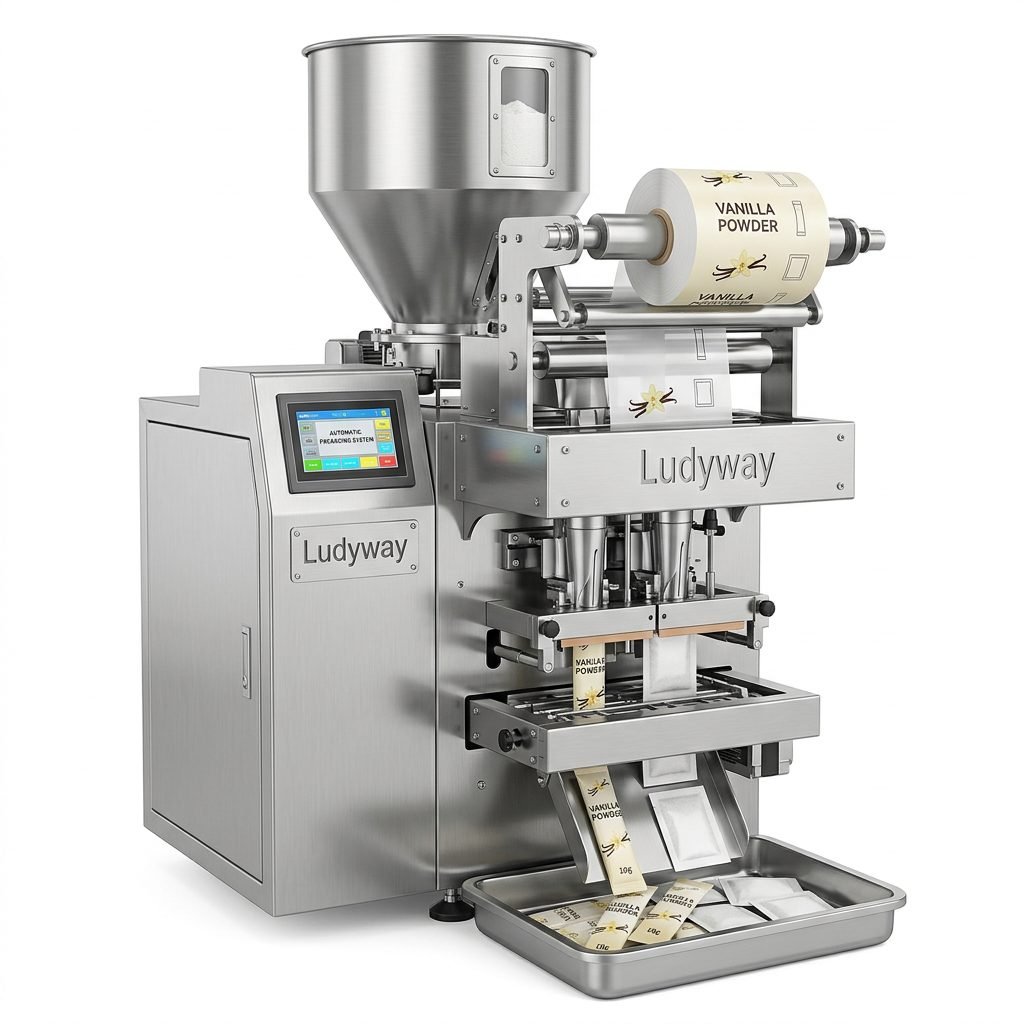
In the fast-paced world of manufacturing, efficiency and reliability are paramount. For businesses looking to automate their packaging processes, the choice often comes down to more than just buying a single machine. This is where the concept of a packaging machine integrator becomes crucial. But what exactly is a packaging machine integrator, and how do you select the perfect partner for your specific production line needs?
Defining the Role of a Packaging Machine Integrator
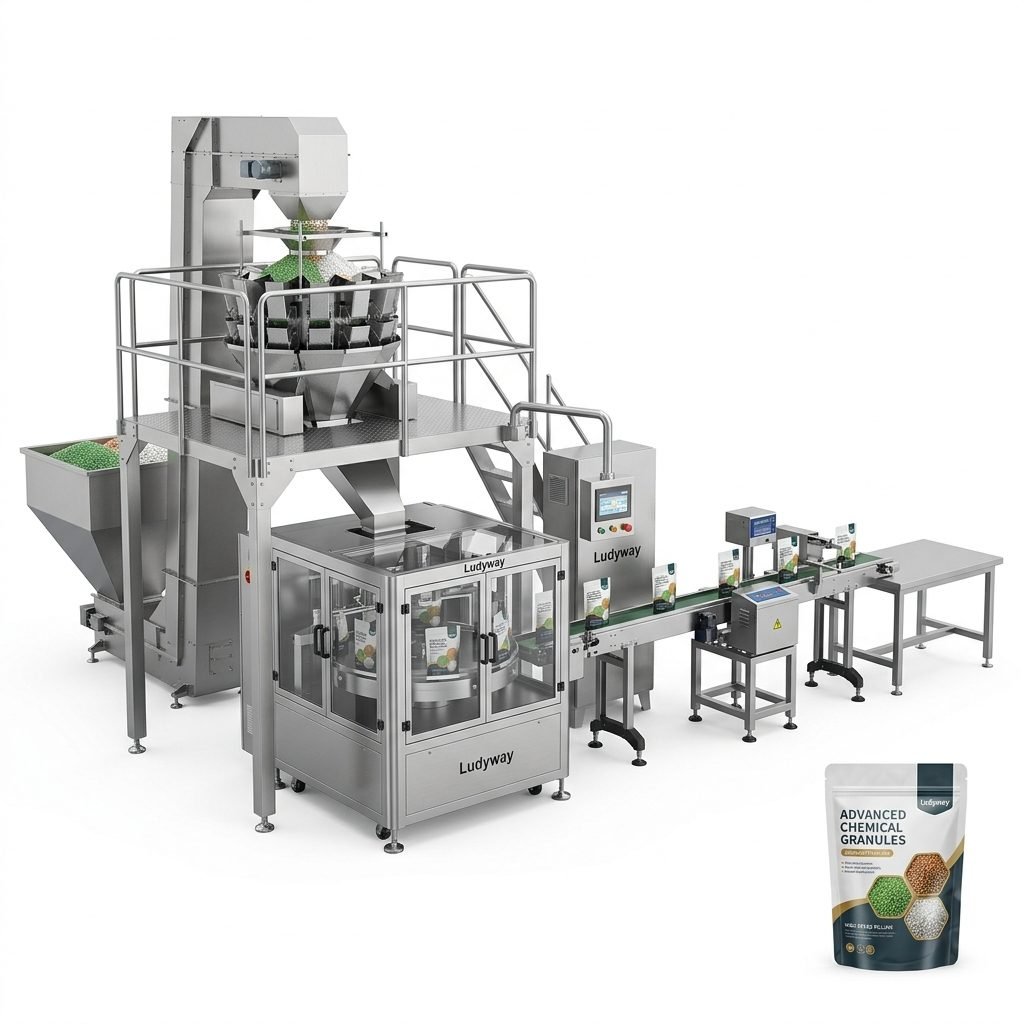
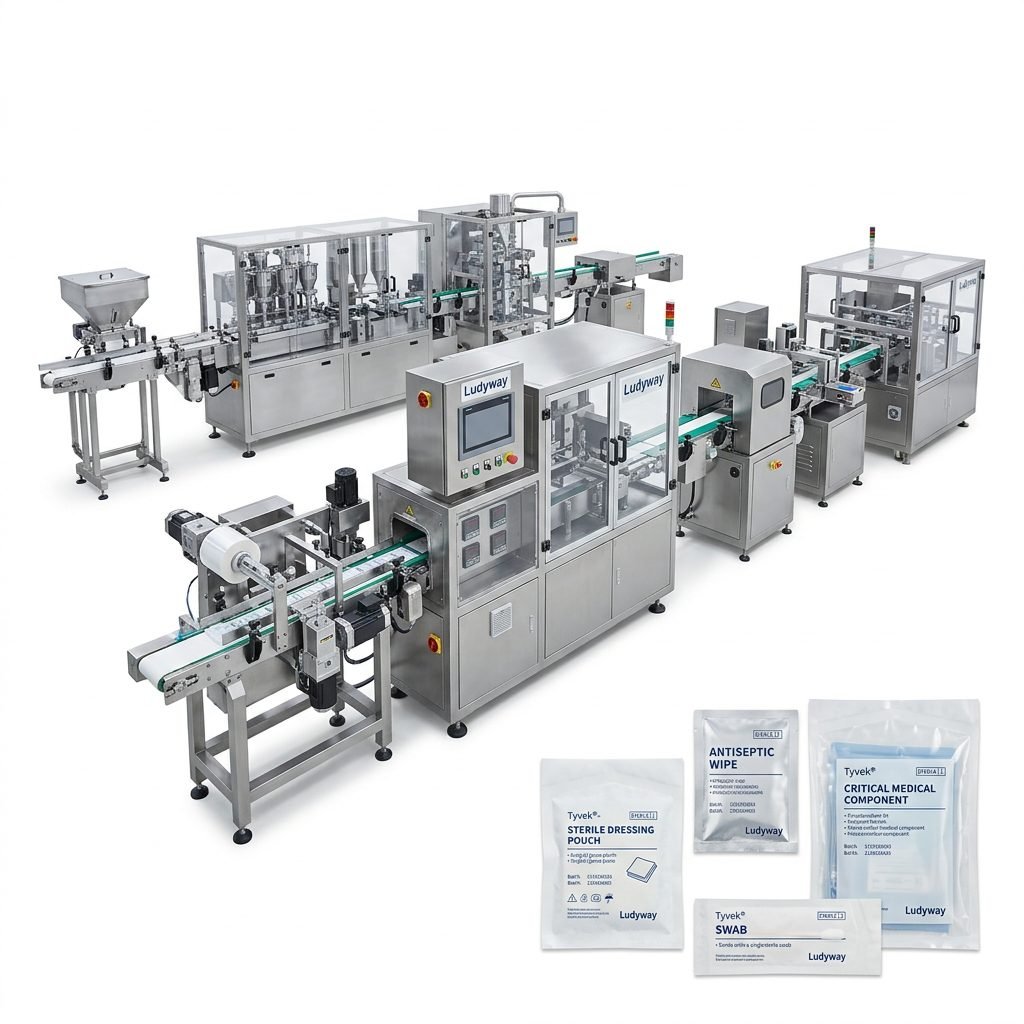
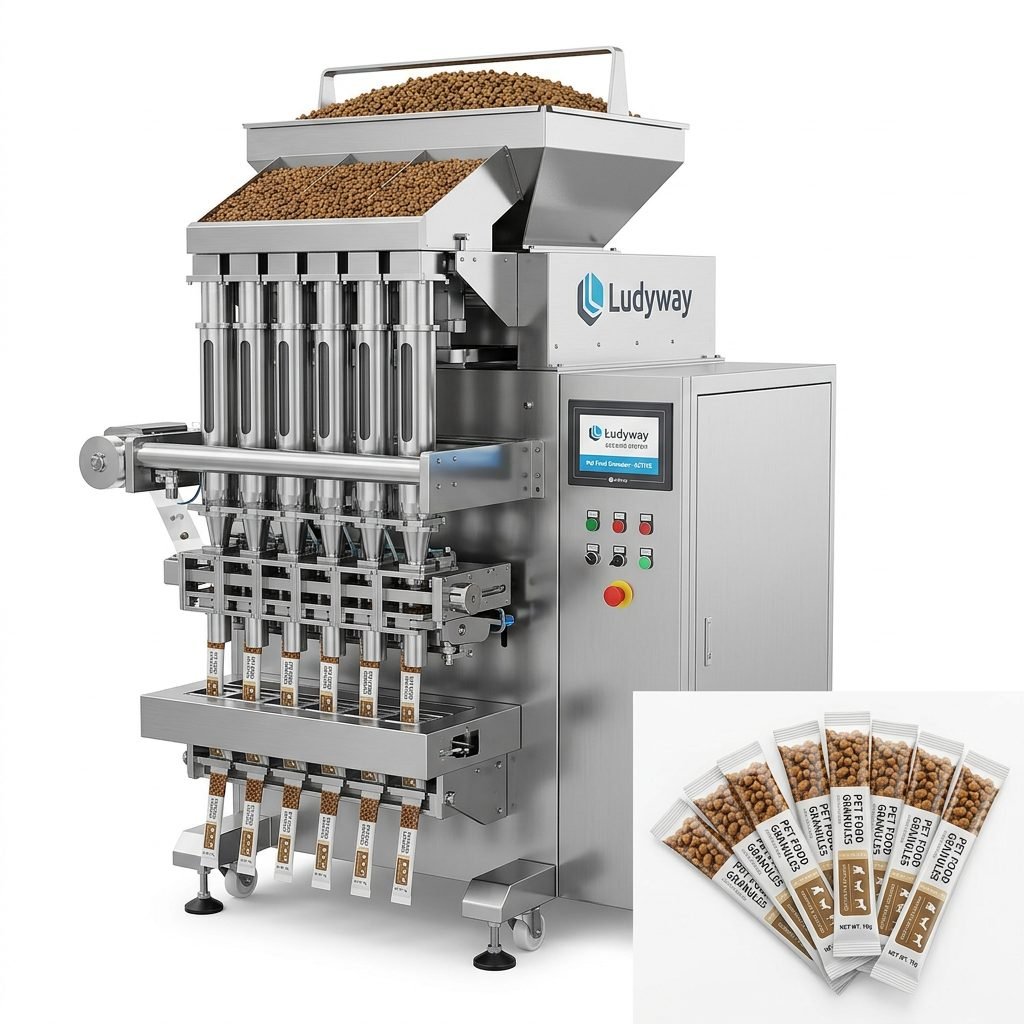
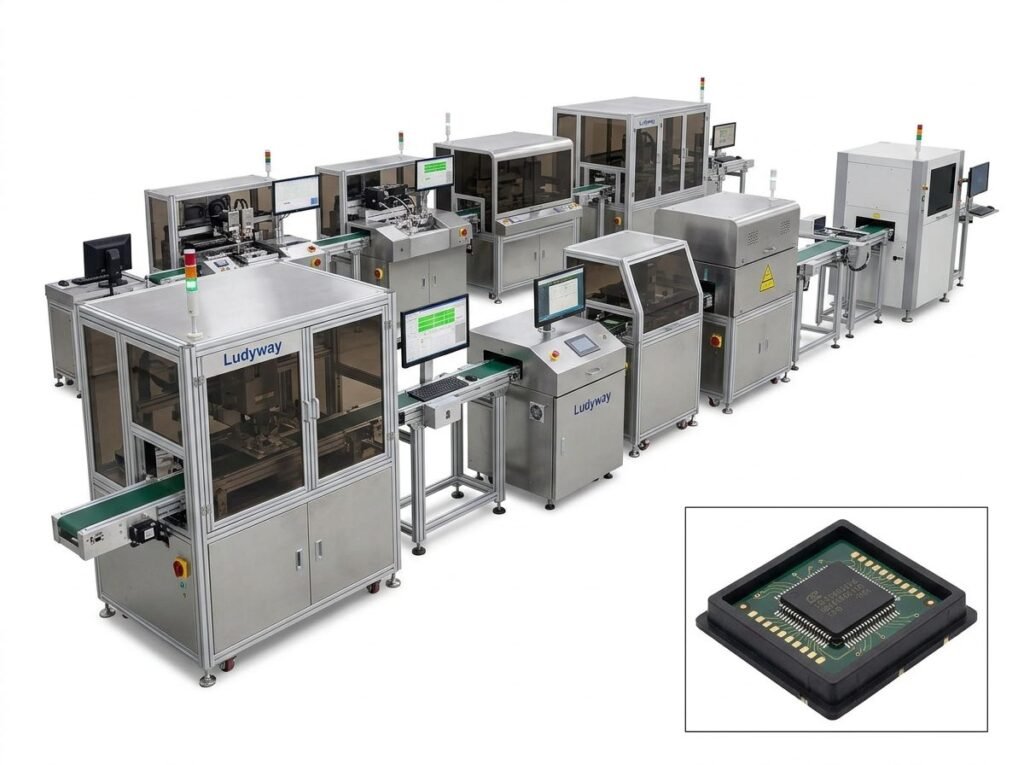
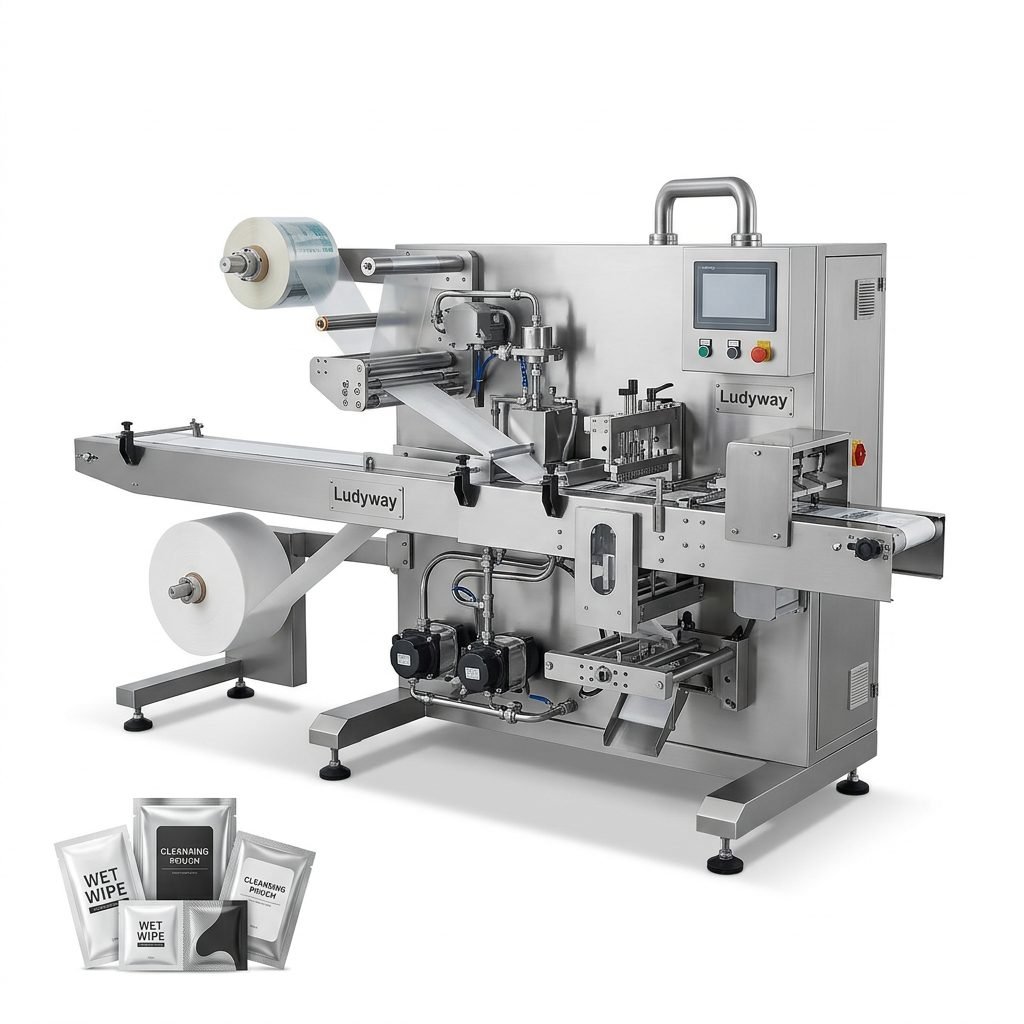
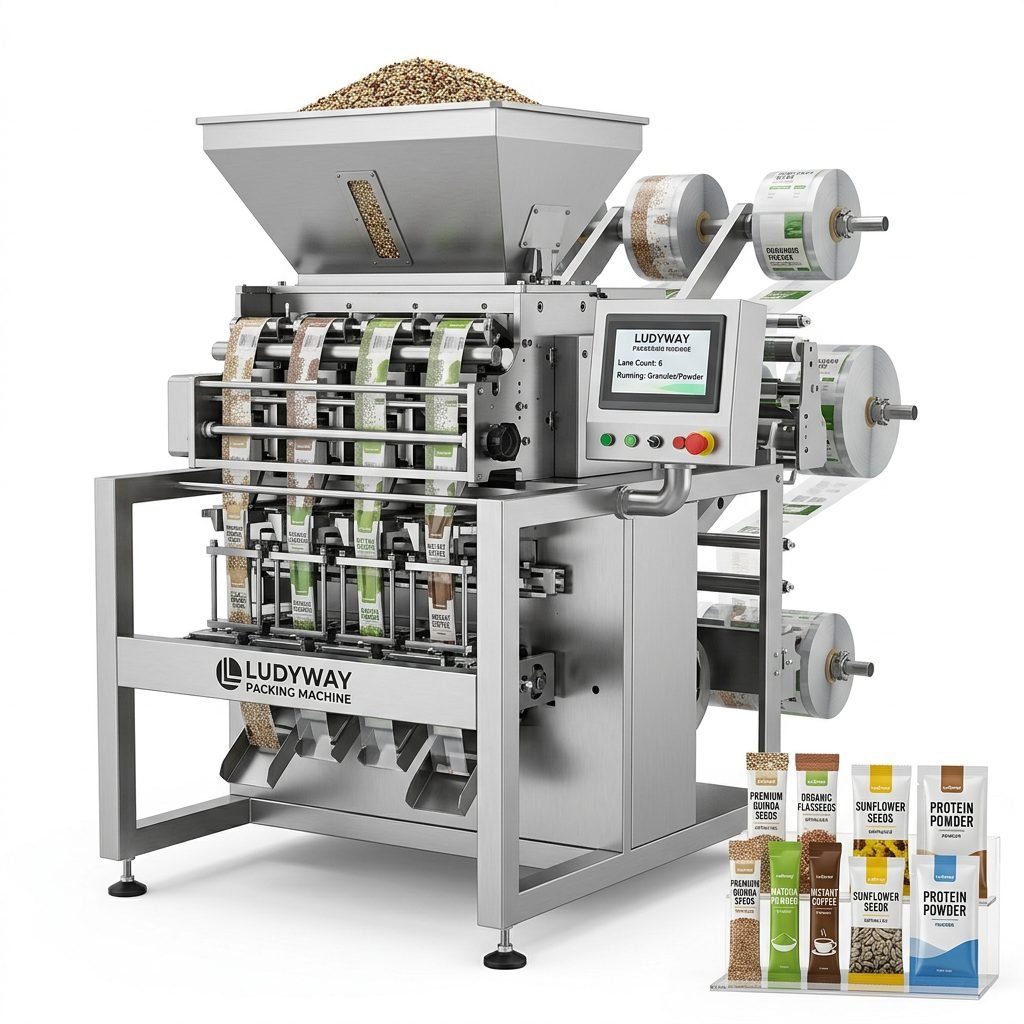
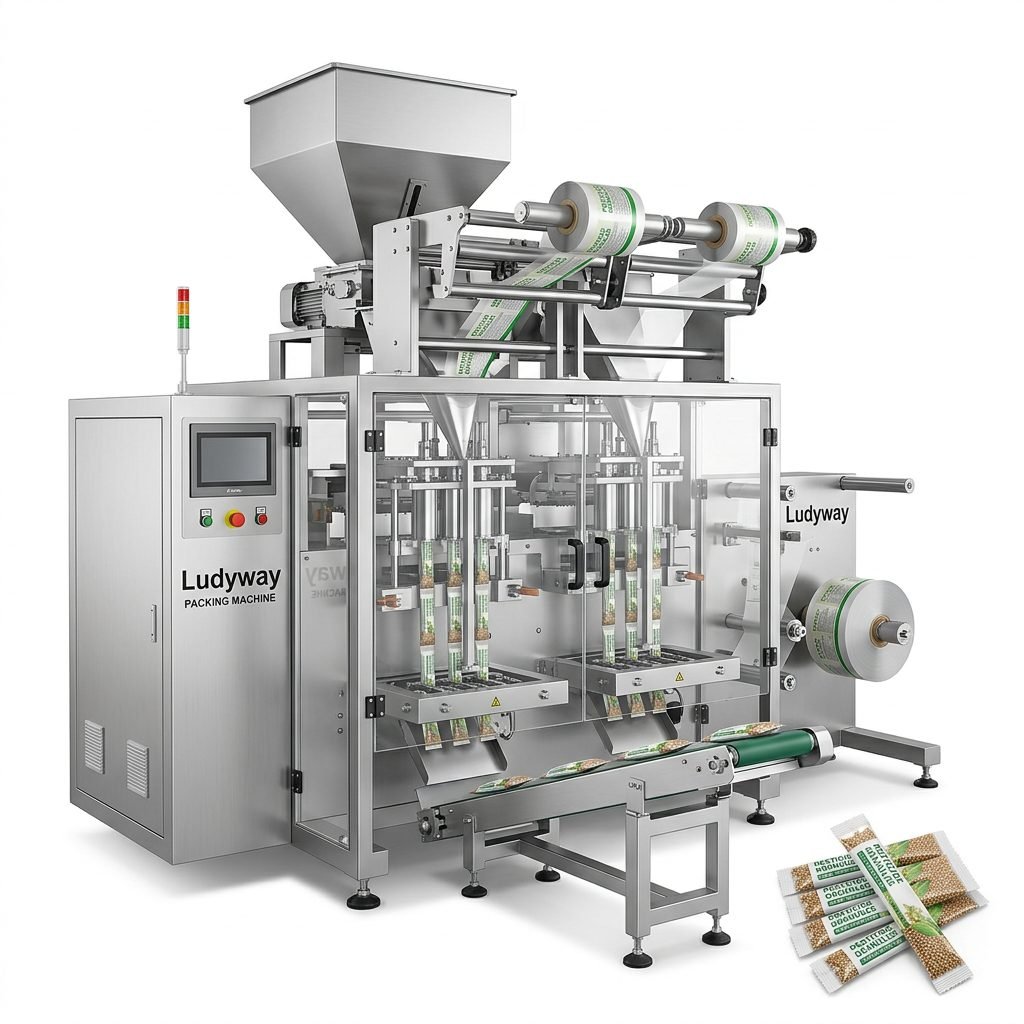
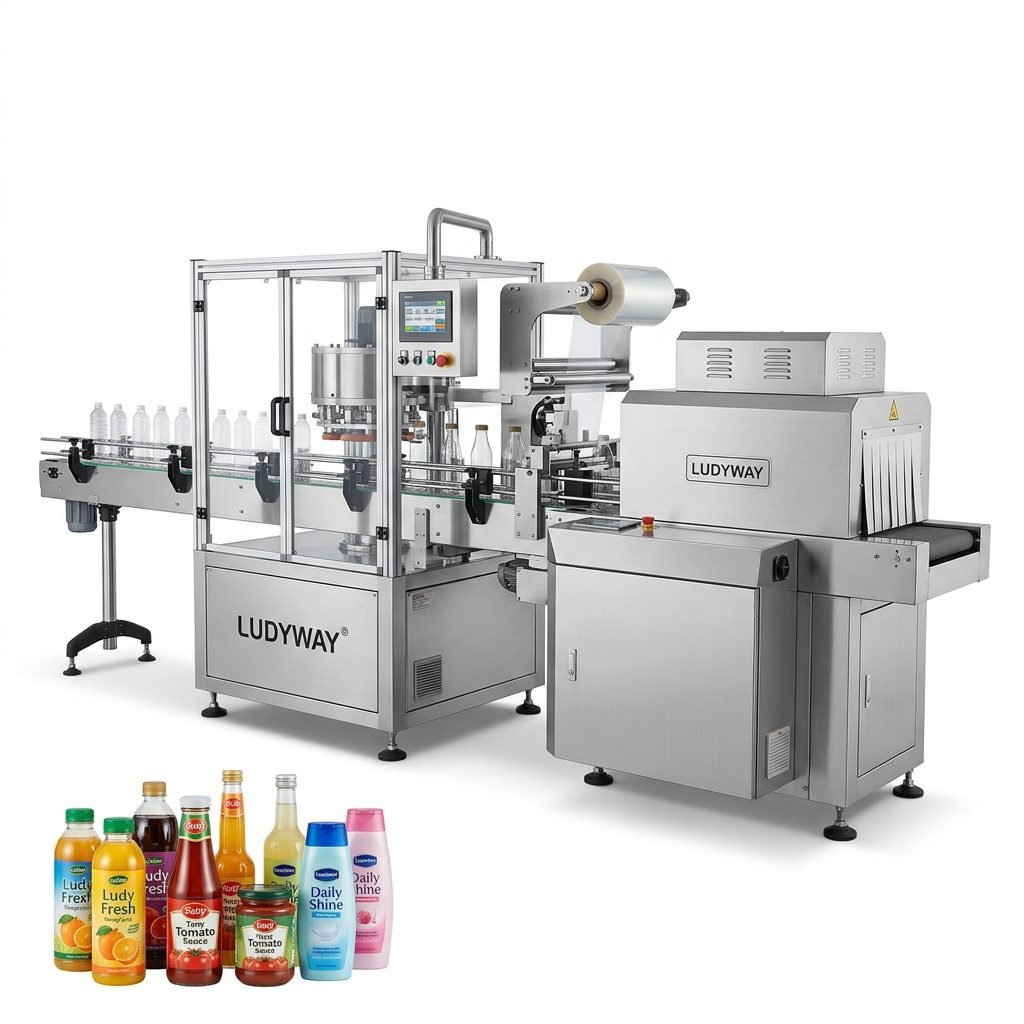
A packaging machine integrator is a specialized company or service provider that designs, supplies, and implements complete, automated packaging systems. Unlike a simple equipment vendor, an integrator takes a holistic view of your production process. They act as a single point of contact and responsibility, combining various machinery—such as fillers, sealers, labelers, and cartoners—into a seamless, synchronized line. Their expertise lies in ensuring that all components, from the primary packaging machine to the end-of-line palletizer, work in perfect harmony to maximize throughput, minimize downtime, and ensure product integrity.
The value of an integrator extends far beyond equipment assembly. They provide critical engineering services, including line layout design, control system programming, and performance validation. By understanding the entire workflow, they can identify bottlenecks and optimize the system for your specific product type, whether it’s granules, powders, liquids, or solids. For companies like Ludyway Machinery, with decades of experience, this role is about delivering a turnkey solution that is ready for production from day one.
Key Services Provided by a Professional Integrator
- Consultation & Needs Analysis: A thorough assessment of your current process, production goals, and product characteristics.
- System Design & Engineering: Creating a detailed plan for the entire packaging line, ensuring logical material flow and operational efficiency.
- Equipment Sourcing & Integration: Selecting the best-in-class machinery from trusted manufacturers and ensuring their perfect interoperability.
- Installation, Commissioning & Training: On-site setup, thorough testing, and comprehensive training for your operational staff.
- Ongoing Support & Maintenance: Providing spare parts, technical support, and service to ensure long-term line reliability and performance.
How to Choose the Right Integrator for Your Production Line
Selecting the right integration partner is a strategic decision that impacts your operational success for years to come. A poor choice can lead to compatibility issues, chronic downtime, and unmet production targets. Here is a detailed guide on the critical factors to consider during your selection process.
1. Assess Their Industry Experience and Specialization
Not all integrators are created equal. Look for a partner with a proven track record in your specific industry—be it food, pharmaceutical, nutraceutical, or chemicals. An integrator familiar with your sector will understand the unique regulatory requirements (like FDA, cGMP), hygiene standards, and product handling challenges. For instance, packaging hygroscopic powders requires different considerations than handling volatile liquids. Ask for detailed case studies and client references from projects similar to yours. A company with over 30 years of industry experience brings invaluable practical knowledge that can foresee and prevent potential issues.
2. Evaluate Their Technical Capability and Project Scope
Scrutinize the integrator’s engineering depth. Can they handle the full project scope, from initial concept to final validation? Key capabilities to verify include:
- Mechanical & Electrical Engineering: Ability to design robust machine interfaces and control systems.
- Software & Controls Expertise: Proficiency in programming PLCs, HMIs, and integrating higher-level MES/SCADA systems for data collection.
- Factory Acceptance Testing (FAT): A rigorous pre-delivery testing protocol to ensure the line performs as specified before it arrives at your facility.
An integrator with a strong in-house engineering team and a modern production facility is better equipped to deliver a reliable, customized solution.
3. Examine Their Commitment to Quality and Support
The relationship with your integrator doesn’t end at installation. Investigate their post-installation support structure. Do they offer comprehensive training programs for your operators and maintenance technicians? What is their response time for service calls and spare parts availability? A reliable partner will provide clear service level agreements (SLAs) and have a global support network if your operations are international. Quality should be evident in their manufacturing processes and the components they use. Partners who manage the production of over 200 pieces of equipment annually typically have refined, quality-controlled processes in place.
4. Consider Scalability and Future-Proofing
Your production needs will evolve. A forward-thinking integrator will design a system with scalability in mind. Can the line handle increased speeds or additional functions with modular upgrades? Is the control system open and adaptable to integrate with future technologies like IoT sensors or advanced robotics? Choosing an integrator focused on innovation and long-term partnership ensures your investment remains valuable and adaptable to future market demands.
5. Analyze the Total Cost of Ownership (TCO), Not Just Price
While upfront cost is a factor, the most economical choice is often the one with the lowest Total Cost of Ownership. This includes energy efficiency, maintenance costs, expected lifespan, and operational yield (reduced waste and downtime). A slightly higher initial investment in a well-integrated, robust line from a reputable partner like Ludyway can lead to significantly lower operational costs and higher productivity over a decade, delivering a far greater return on investment.
The Integration Advantage: More Than the Sum of Its Parts
The true benefit of working with a skilled integrator is the creation of a system that is greater than the sum of its individual machines. A seamlessly integrated line reduces labor costs, minimizes product giveaway, enhances traceability, and improves overall equipment effectiveness (OEE). It transforms a collection of machines into a cohesive, intelligent production asset.
Frequently Asked Questions (FAQs)
Q1: What’s the main difference between a machine vendor and an integrator?
A vendor sells individual pieces of equipment. An integrator provides a complete, engineered system solution, taking responsibility for the design, compatibility, installation, and performance of the entire line as a single unit.
Q2: How long does a typical packaging line integration project take?
Timelines vary based on complexity, but a standard turnkey project can take anywhere from 4 to 12 months from initial design to full commissioning. This includes design, manufacturing, factory testing, shipping, and on-site installation.
Q3: Can an integrator work with my existing packaging machinery?
Yes, a competent integrator can often incorporate suitable existing equipment into a new line design. This requires a thorough audit of the old machine’s condition, capabilities, and compatibility with new control systems to ensure seamless integration.
Q4: What are the biggest risks of not using a professional integrator?
The primary risks include machine incompatibility leading to bottlenecks, finger-pointing between multiple equipment suppliers when issues arise, lack of a unified control system, and ultimately, a line that fails to meet its expected output and efficiency targets.
Q5: How do I justify the investment in a fully integrated line to management?
Focus on the ROI through quantifiable metrics: increased production speed and yield, reduced labor and operational costs, lower waste, improved product quality and consistency, and enhanced scalability for future growth. Presenting a clear TCO analysis compared to a piecemeal approach is key.