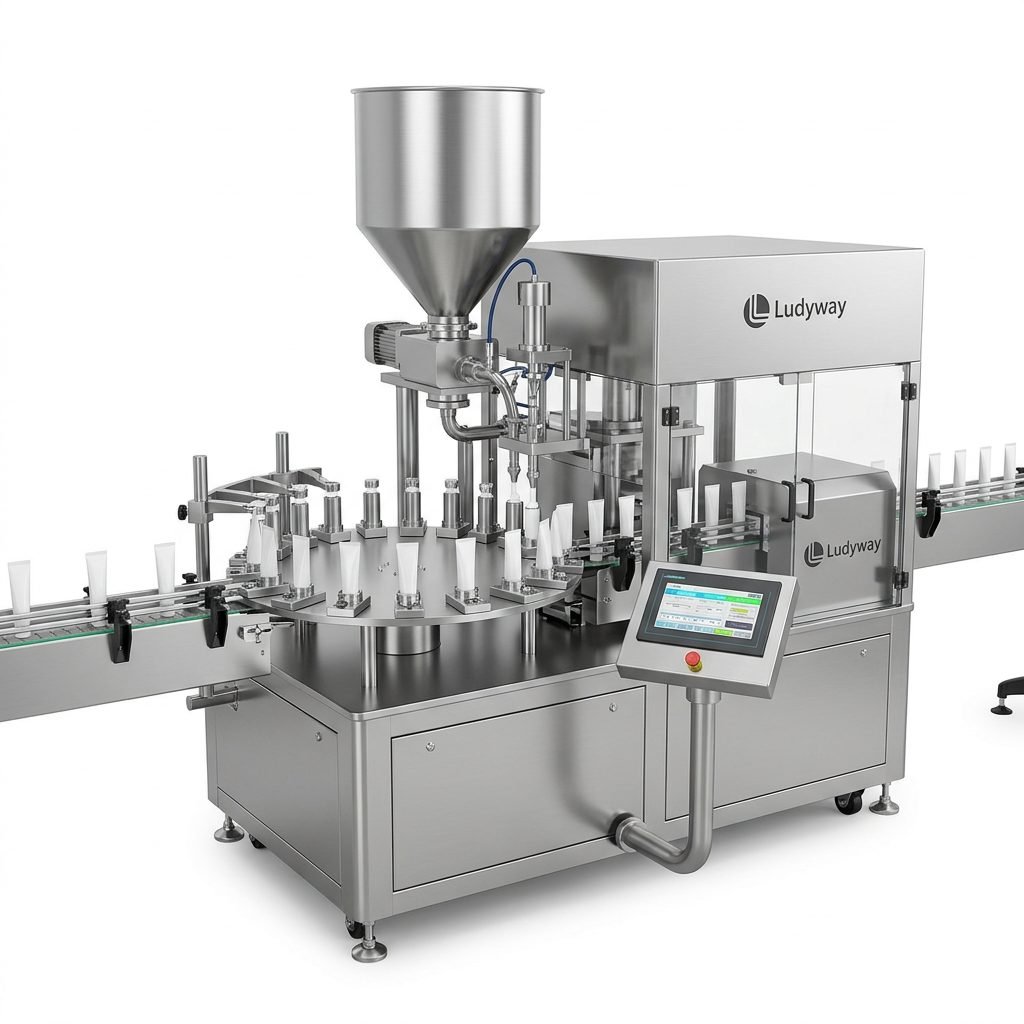
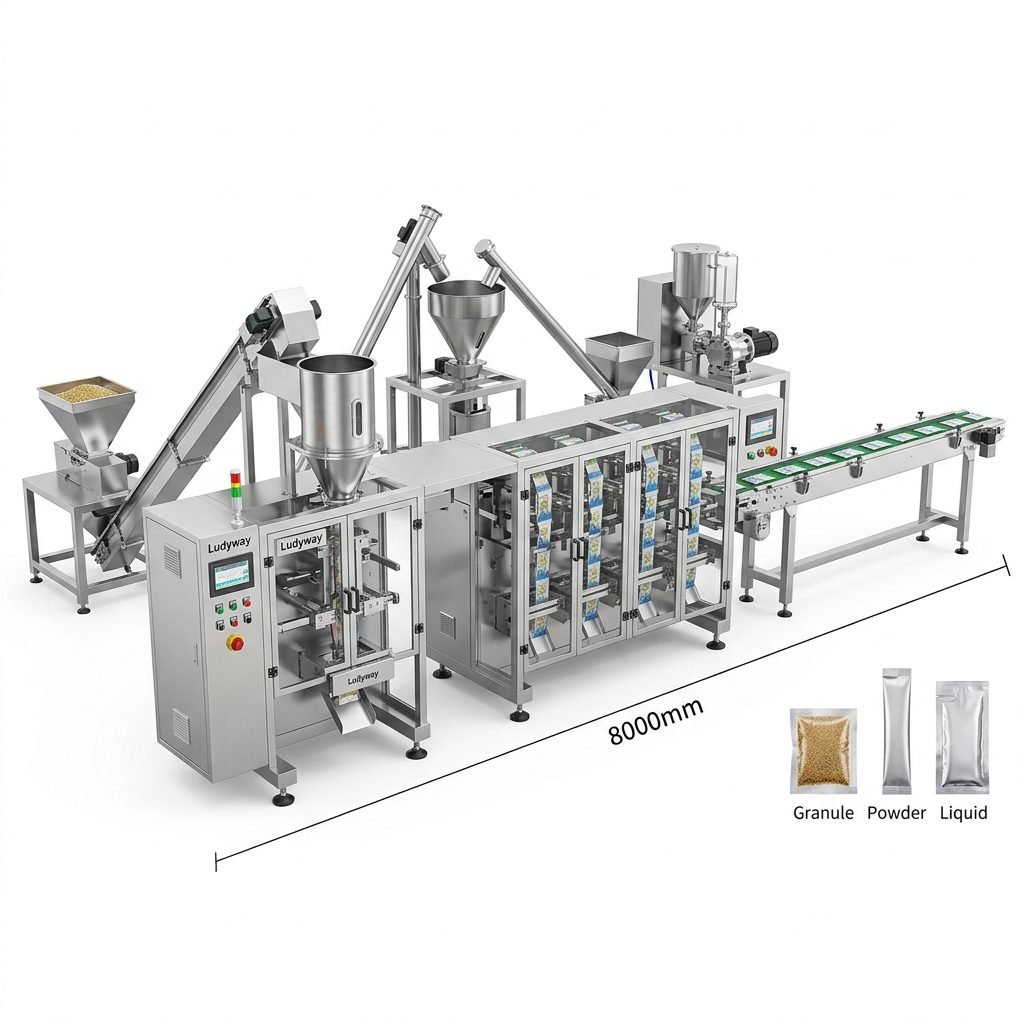
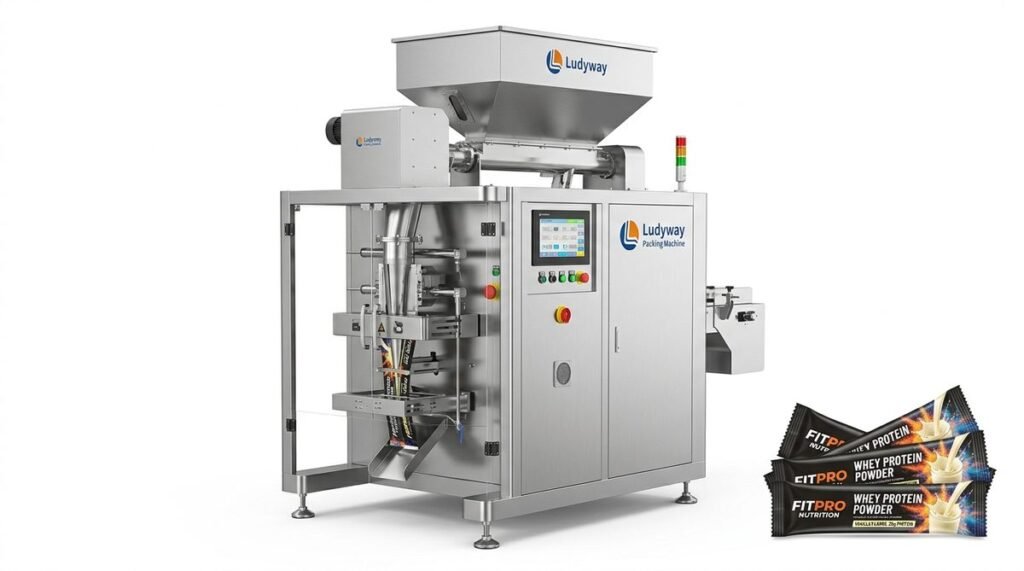
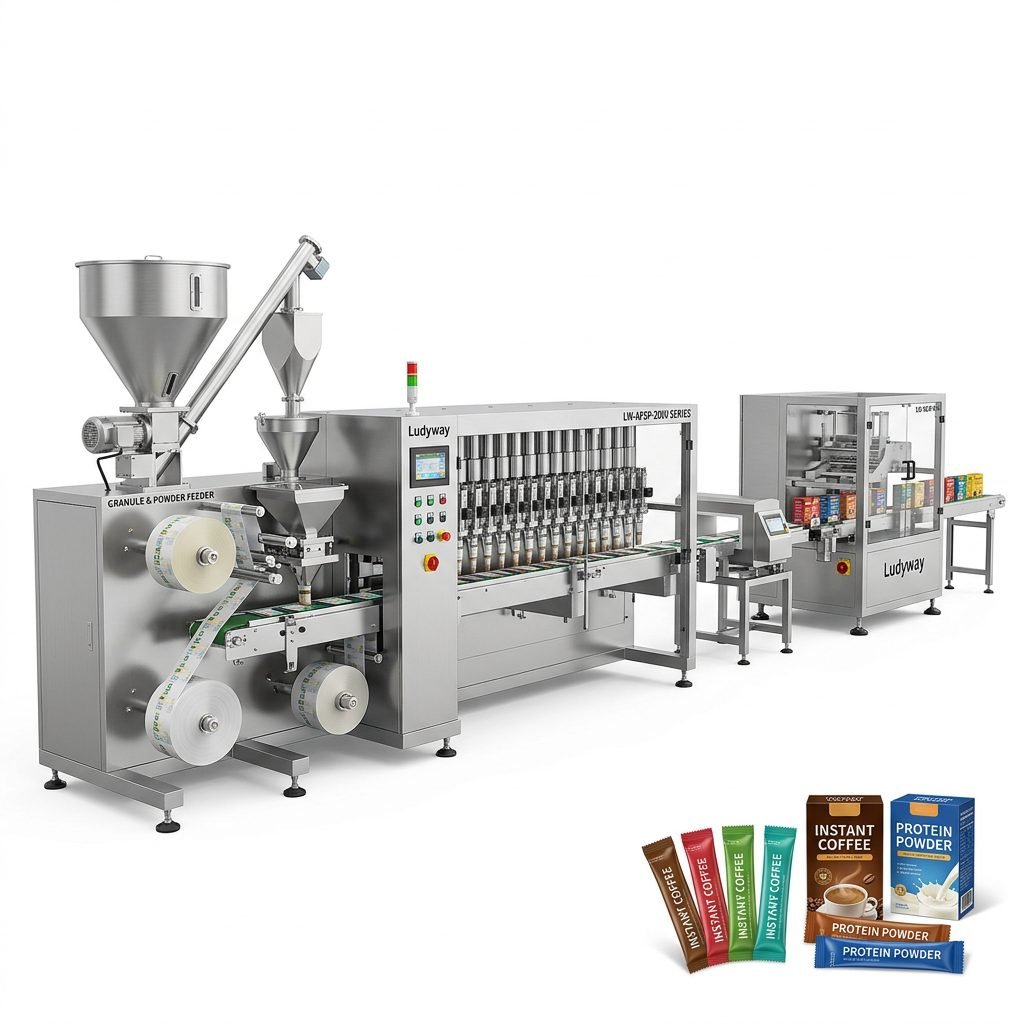
Selecting the right food packaging machine for the UK market requires a thorough understanding of local regulations, consumer expectations, and operational demands. The United Kingdom maintains some of the most stringent food safety and packaging standards in the world, shaped by both retained EU legislation and UK-specific requirements. Whether you are a start-up food brand or an established manufacturer scaling production, investing in the correct packaging equipment is a decision that directly impacts product integrity, shelf life, and brand reputation. This guide breaks down the key factors you must evaluate before making a purchase.
Understanding UK Food Packaging Regulations
The UK food packaging landscape is governed by a complex framework of laws. After Brexit, the UK retained many EU regulations while introducing its own amendments. Compliance with the Food Safety Act 1990 and the Materials and Articles in Contact with Food Regulations is non-negotiable. Your packaging machine must be capable of handling materials that meet FDA and UK food contact substance standards, ensuring no migration of harmful substances into the product. Additionally, the UK’s Plastics Packaging Tax, introduced in April 2022, imposes a levy on plastic packaging with less than 30% recycled content. This has driven demand for machines compatible with recycled and recyclable films, a trend that continues to accelerate across the industry.
Food labelling regulations in the UK, including the Food Information Regulations 2014 and Natasha’s Law (which came into full effect in 2021), require precise and clear allergen labelling. Your packaging machine should integrate seamlessly with high-resolution printing systems for batch codes, expiry dates, and ingredient lists. Investing in equipment that supports real-time label verification can help avoid costly product recalls and protect your brand from legal liabilities.
Machine Type and Packaging Format
The UK food market is incredibly diverse, spanning everything from premium organic snacks to everyday staples. Your choice of packaging format directly determines the type of machine you need. Consider the following popular formats in the UK retail sector:
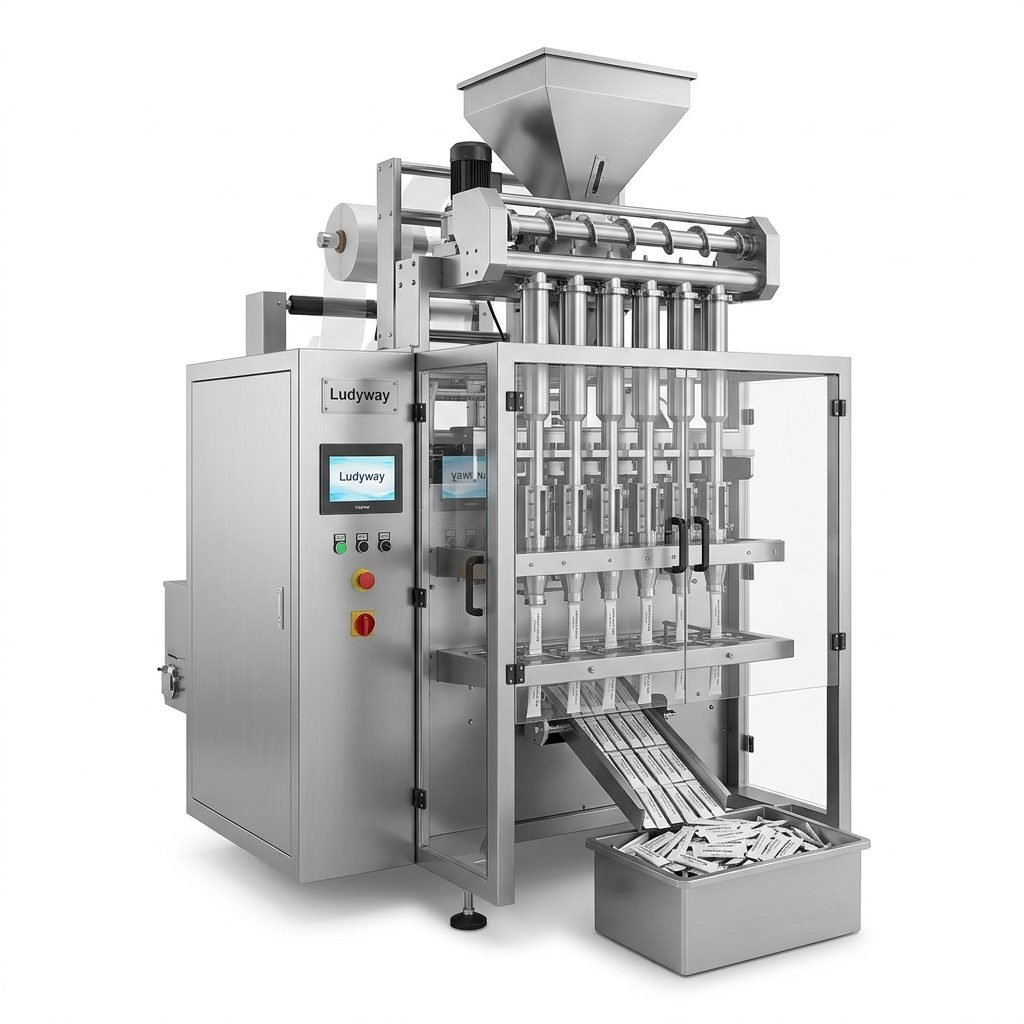
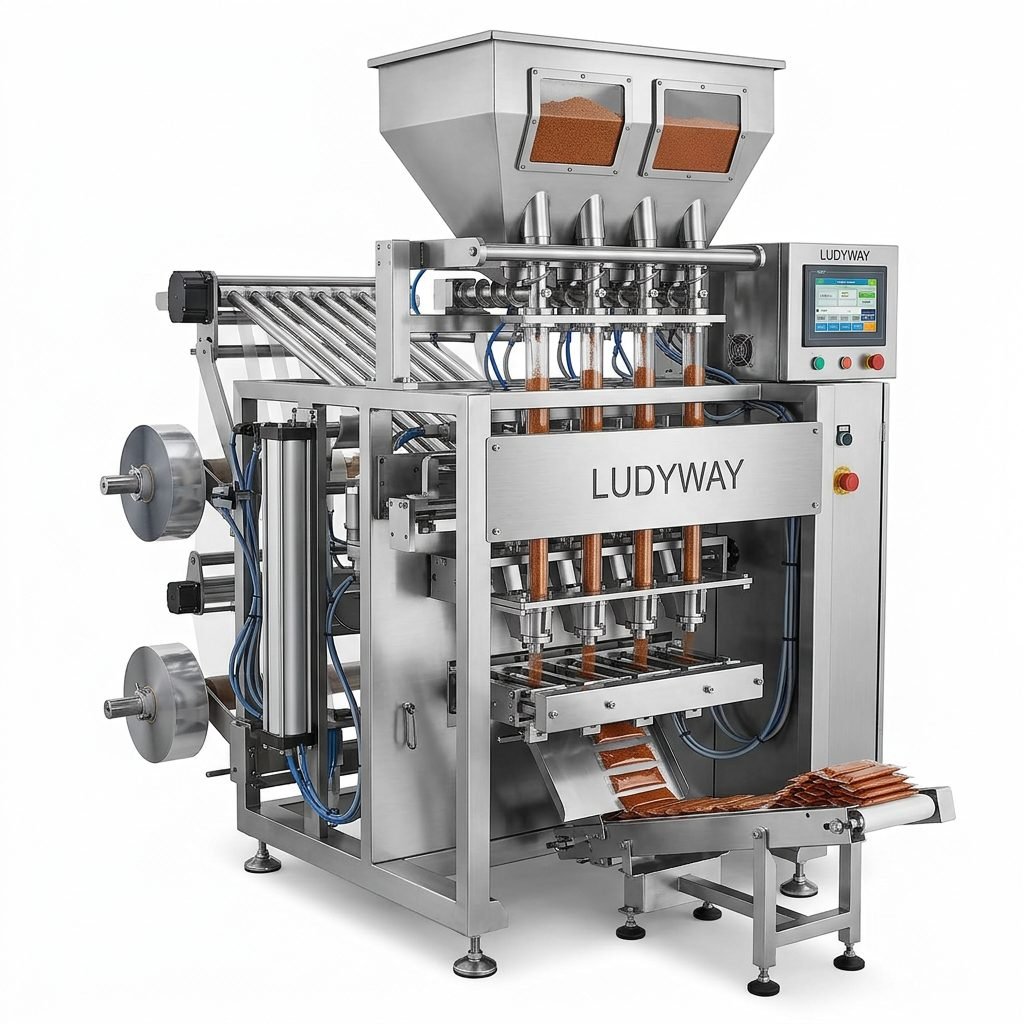
- Stick packs — Ideal for single-serve powders, coffee, sugar, and sports nutrition products. Widely used in the UK’s growing health and wellness segment.
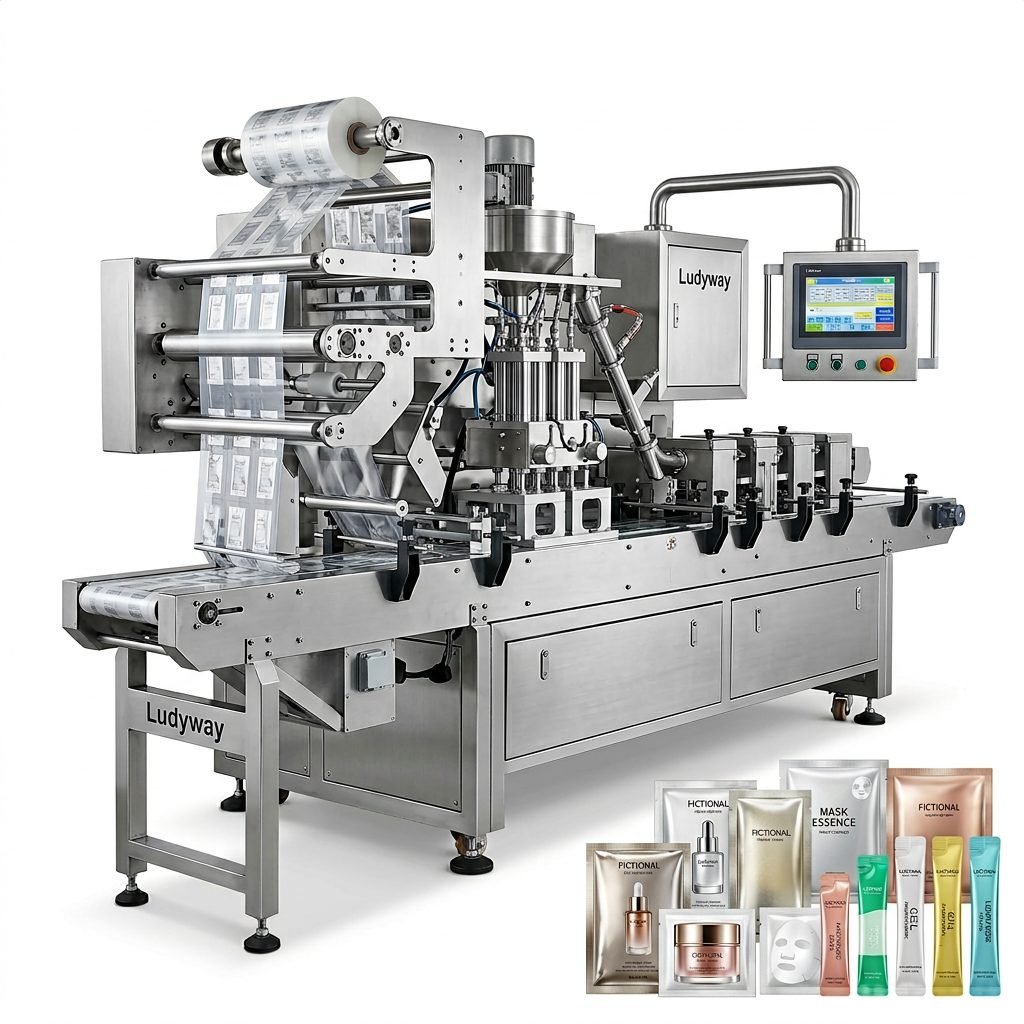
- Sachets — Common for sauces, condiments, and liquid samples. Sachet packaging is cost-effective and offers excellent portion control.
- Pouches — Stand-up pouches with resealable zippers are increasingly popular for snacks, dried fruits, and pet food, driven by consumer demand for convenience.
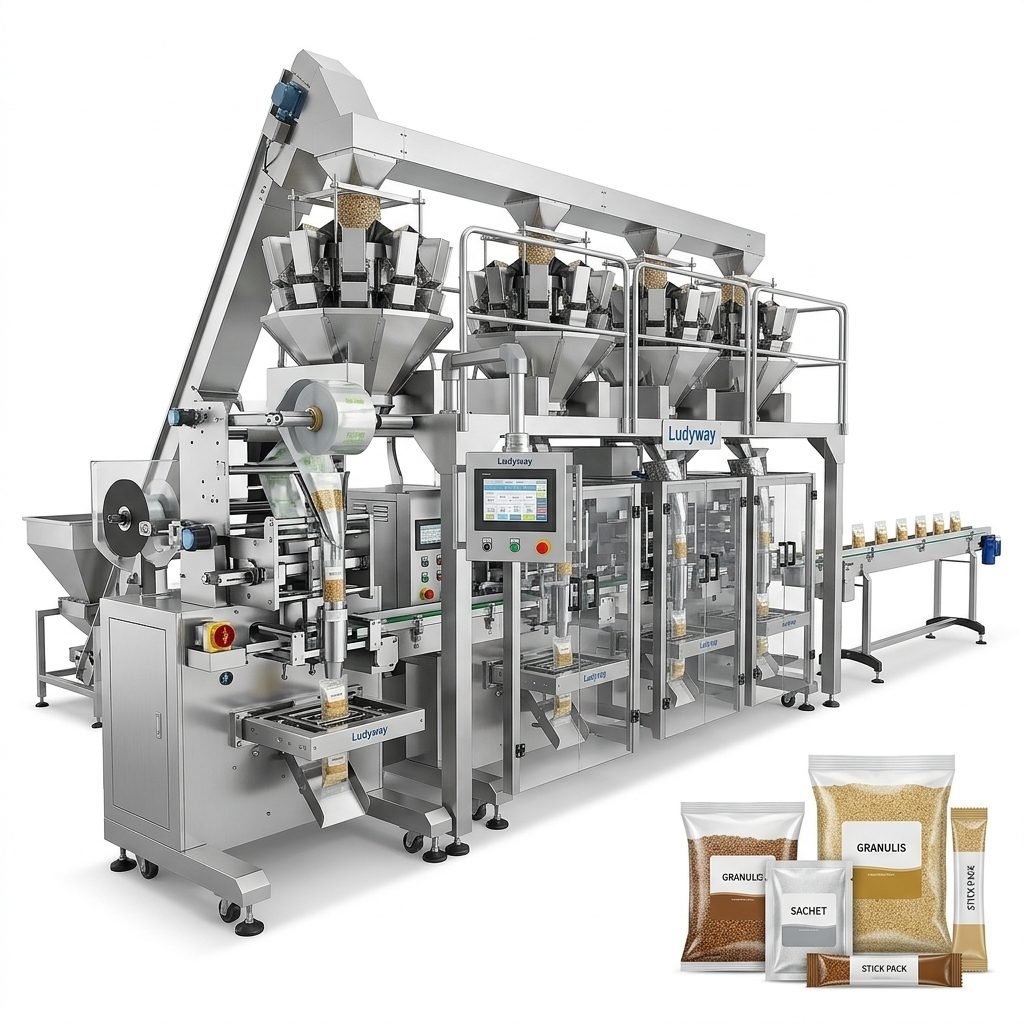
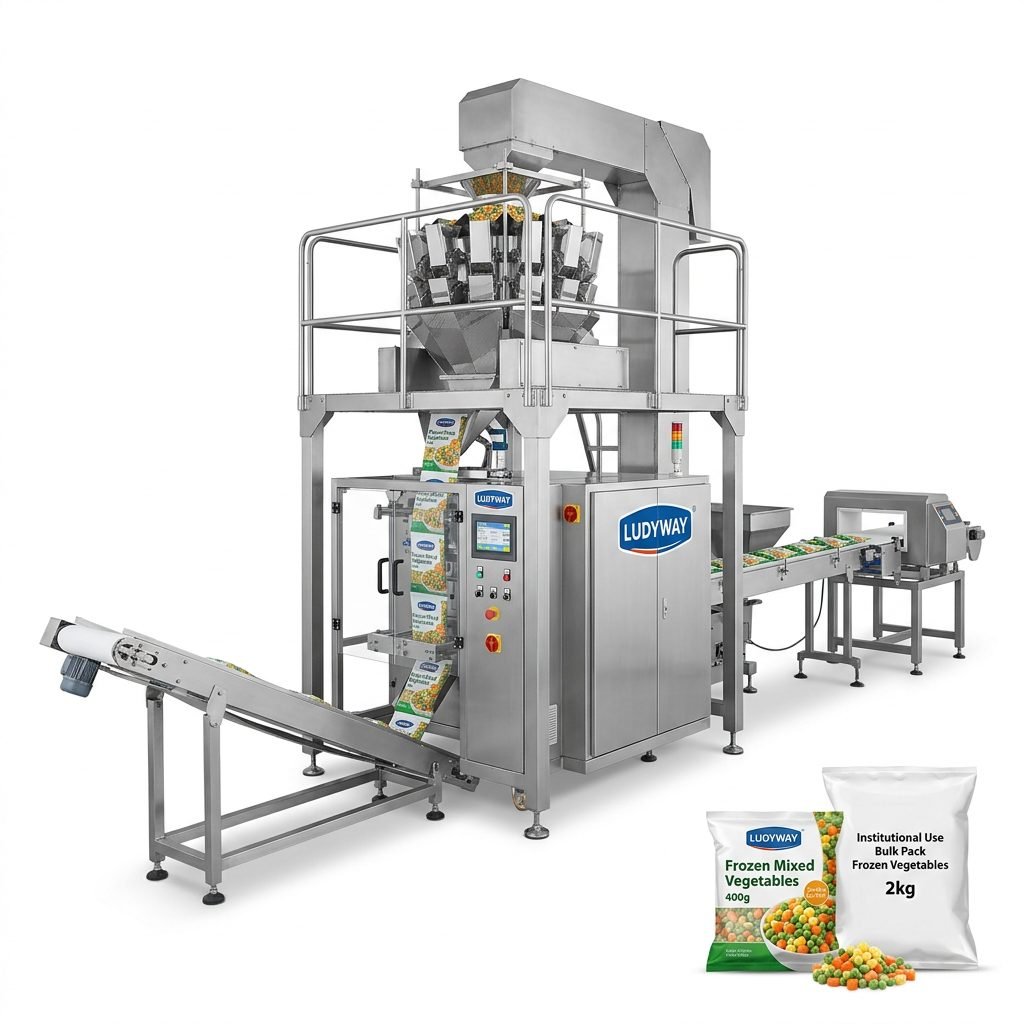
- Vertical form-fill-seal (VFFS) bags — A staple for bulk granules, cereals, and frozen foods. These machines offer high-speed production and versatility.
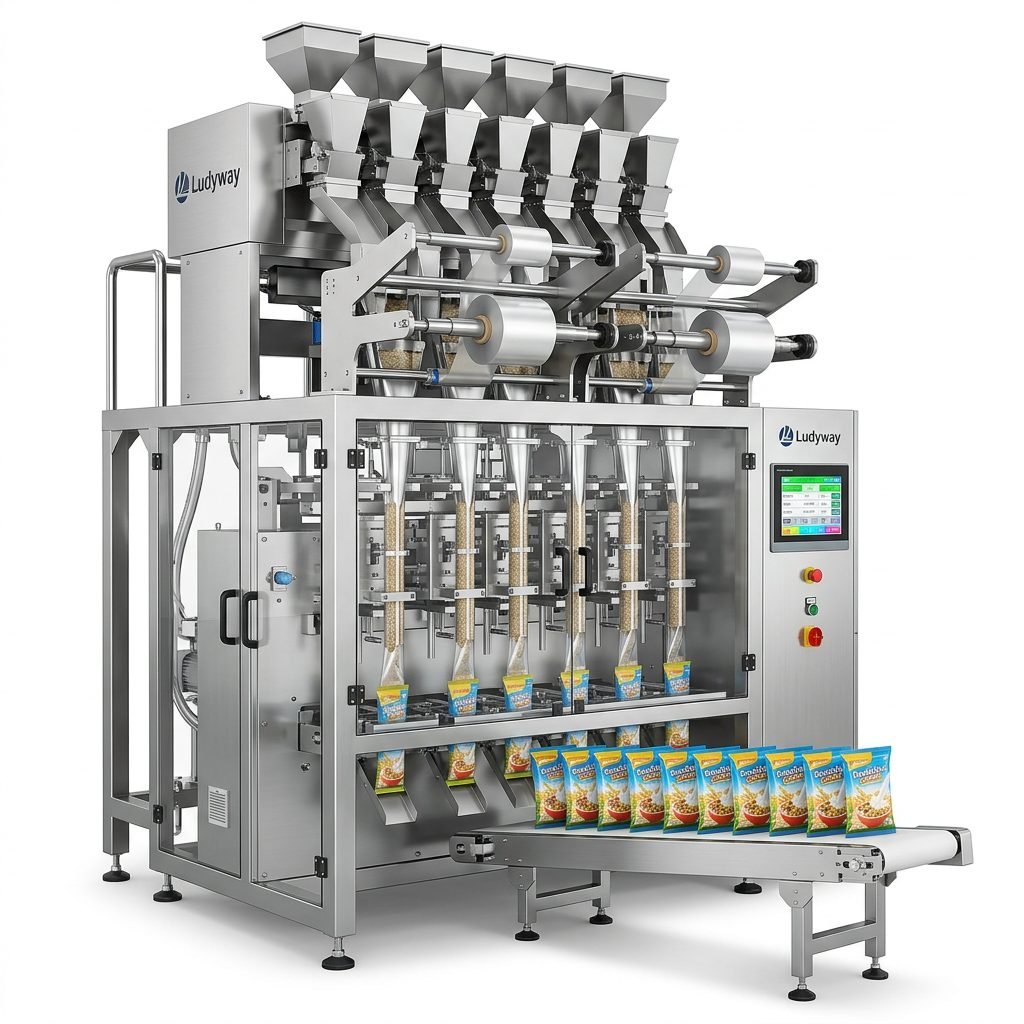
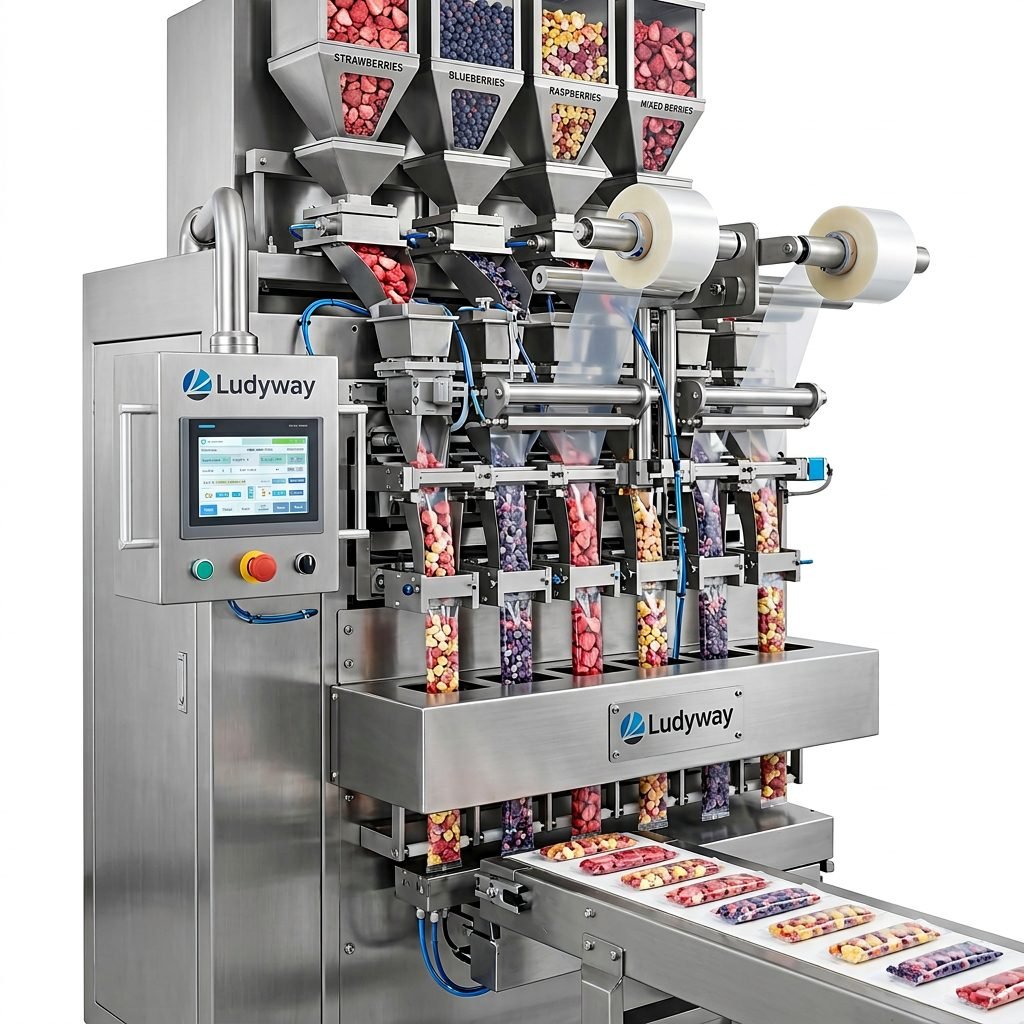
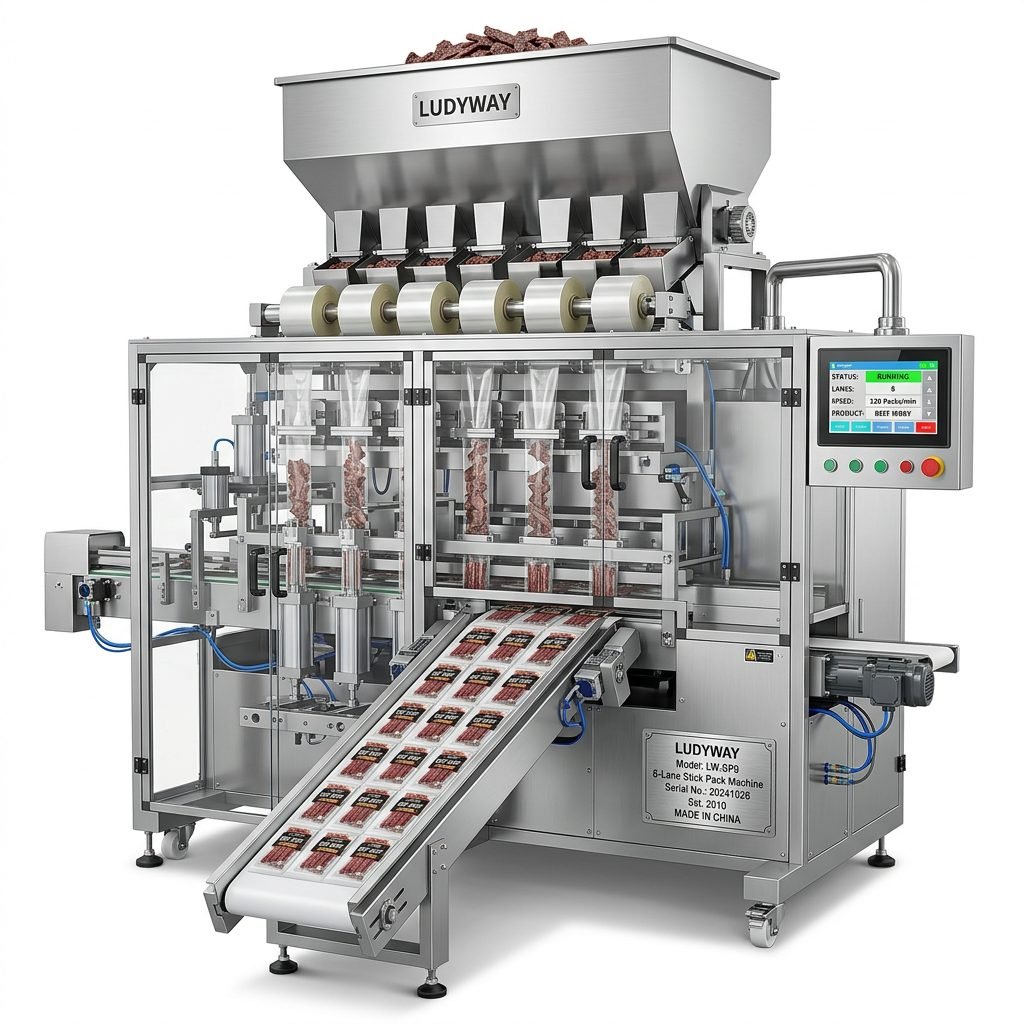
- Multi-lane systems — For high-volume production, multi-lane stick pack and sachet machines significantly boost output while reducing per-unit costs.
Each format has distinct advantages, and the right choice depends on your product characteristics, target retail channels, and consumer preferences in the UK. For instance, the Flexible Packaging Association reports that flexible pouches are among the fastest-growing segments in Europe due to their lightweight nature and reduced carbon footprint during transport.
Production Capacity and Speed Requirements
UK food manufacturers operate in a highly competitive environment where production efficiency directly correlates with profitability. When evaluating a food packaging machine, throughput speed is a critical metric. Machines are typically rated by the number of packs produced per minute (ppm). A small artisan brand may only require 30-60 ppm, while a large-scale contract packer supplying UK supermarkets might need equipment capable of 200-400 ppm or more.
Beyond raw speed, consider overall equipment effectiveness (OEE). Factors such as changeover time between product runs, film splicing efficiency, and ease of cleaning all contribute to real-world productivity. In the UK, where short production runs for seasonal or promotional products are common, quick-change features can dramatically reduce downtime and waste. Look for machines with servo-driven adjustments, recipe memory functions, and tool-free change parts.
Hygiene Standards and Certification
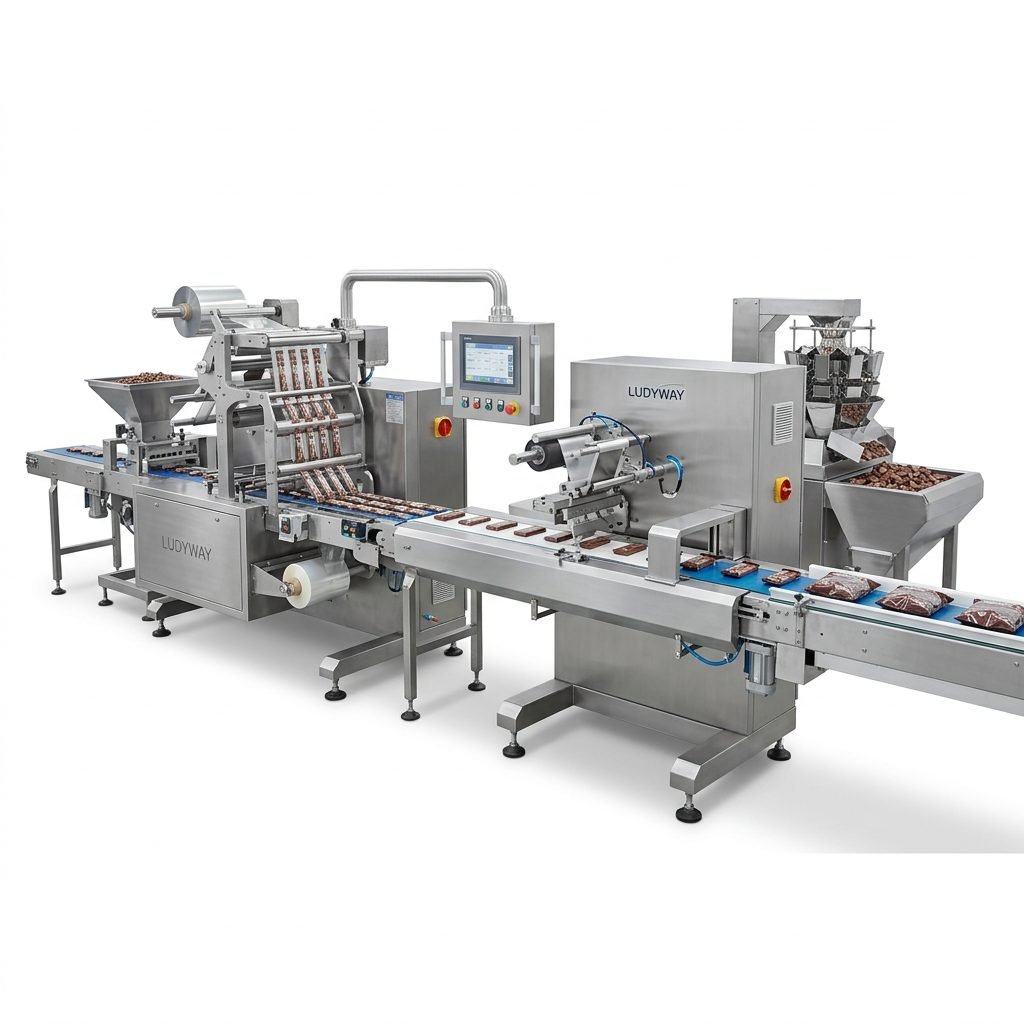
Food safety is paramount in the UK market. Equipment must comply with HACCP principles and be designed for effective cleaning and sanitation. Stainless steel construction, particularly AISI 304 or 316L grade stainless steel for food contact parts, is the industry benchmark. Machines with sloped surfaces, minimal crevices, and IP65 or higher washdown ratings are preferred for environments where wet cleaning is required.
Certification plays a vital role in supplier evaluation. Key certifications to look for include:
- CE Marking — While the UK now uses UKCA marking, CE marking remains accepted for machinery placed on the GB market until 2025 and continues to be recognised in Northern Ireland under the Windsor Framework.
- ISO 9001 — Demonstrates a manufacturer’s commitment to quality management systems.
- GFSI-recognised standards — Such as BRCGS or IFS, which are particularly relevant for packaging equipment used in food production environments.
Referencing ISO packaging standards during your procurement process ensures your equipment aligns with internationally recognised benchmarks for safety and performance.
Sustainability and Environmental Considerations
Sustainability has moved from a niche concern to a central purchasing criterion for UK consumers and retailers alike. Major UK supermarkets, including Tesco, Sainsbury’s, and Waitrose, have made ambitious commitments to reduce packaging waste and increase recyclability. Your packaging machine must be capable of running eco-friendly materials such as mono-material films, compostable laminates, and paper-based packaging.
The European Commission’s Packaging and Packaging Waste Regulation, while an EU initiative, continues to influence UK packaging policy and retailer expectations. Machines that can handle thinner gauge films without compromising seal integrity are highly valued, as they contribute to source reduction targets. Additionally, energy-efficient servo motors, heat recovery systems, and optimised compressed air usage can significantly reduce your operational carbon footprint and energy costs in the UK’s increasingly expensive energy market.
Automation and Smart Integration
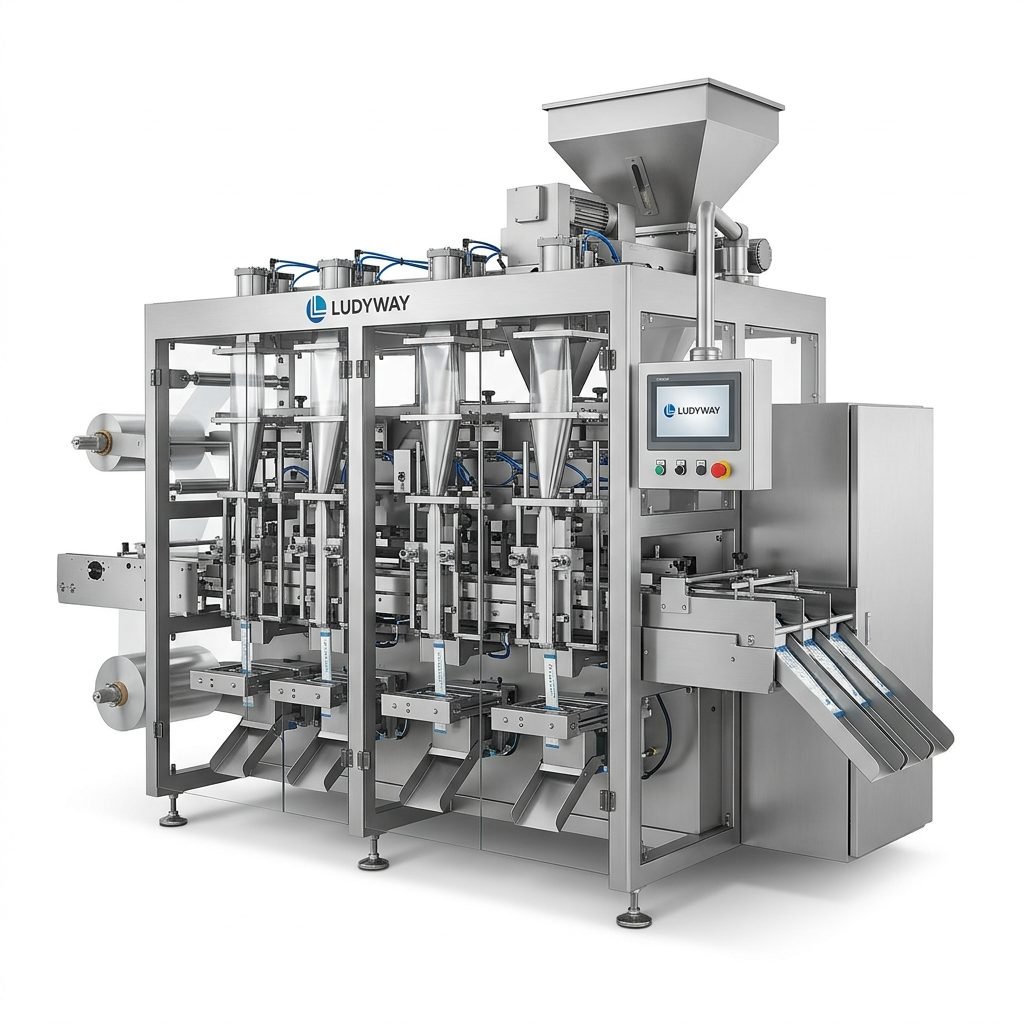
The UK food manufacturing sector faces ongoing labour shortages, making automation a strategic priority. Modern packaging machines equipped with IoT connectivity, remote diagnostics, and real-time production monitoring enable manufacturers to maintain productivity with fewer operators. Integration with MES and ERP systems allows for seamless data flow, traceability, and performance analytics — capabilities that are increasingly expected by UK retailers and auditors.
Features such as automatic film tension control, servo-driven sealing jaws, and vision inspection systems for seal integrity and print quality reduce waste and ensure consistent output. When evaluating a machine, ask about Industry 4.0 readiness and whether the supplier offers remote support capabilities, which can be especially valuable for UK-based operations seeking to minimise downtime without relying on local engineering resources.
After-Sales Support and Maintenance
Purchasing a food packaging machine is a long-term investment. The availability and quality of after-sales support can make or break your production reliability. For UK buyers, consider the following when evaluating suppliers:
- Local service presence — Does the manufacturer have engineers or authorised service partners in the UK or Ireland to provide timely support?
- Spare parts availability — Are critical spare parts stocked in a European warehouse for rapid dispatch, or will they need to be shipped internationally?
- Training and documentation — Comprehensive operator training and English-language technical documentation are essential for safe and efficient operation.
- Warranty terms — Understand what is covered, for how long, and whether extended warranty packages are available.
A supplier with a strong track record in the UK market and a responsive support team can significantly reduce your total cost of ownership over the machine’s lifespan.
Budget, ROI, and Total Cost of Ownership
While the upfront purchase price is an obvious consideration, a comprehensive cost analysis should account for the total cost of ownership (TCO). This includes installation, commissioning, training, energy consumption, consumables (such as films and lubricants), routine maintenance, and spare parts. A cheaper machine that suffers frequent breakdowns or produces high levels of packaging waste can ultimately cost far more than a premium, reliable system.
Return on investment (ROI) calculations should factor in labour savings, increased throughput, reduced material waste, and the ability to take on higher-margin contracts. For many UK food businesses, the ability to offer sustainable packaging formats also opens doors to retailer listings and export opportunities that were previously inaccessible.
Key Comparison: Packaging Formats for the UK Market
| Packaging Format | Best Suited Products | Typical Speed Range | UK Market Relevance |
|---|---|---|---|
| Stick Pack | Coffee, sugar, sweeteners, sports powders | 200-800 packs/min | Very high — growing demand in health and convenience sectors |
| Sachet | Sauces, condiments, honey, liquid samples | 100-600 packs/min | High — foodservice and retail sachet demand remains strong |
| Stand-Up Pouch | Snacks, dried fruit, pet food, granola | 40-200 packs/min | Very high — preferred format for premium and sustainable brands |
| VFFS Pillow Bag | Cereals, frozen foods, bulk powders | 60-300 packs/min | Moderate — steady demand in traditional retail channels |
| Multi-Lane System | High-volume stick packs and sachets | 400-1500 packs/min | Growing — essential for large-scale contract packers |
Supplier Selection and Due Diligence
Choosing a packaging machine supplier is as important as choosing the machine itself. A reliable supplier should demonstrate deep industry expertise, a proven track record of installations in the UK or European markets, and the ability to provide customised solutions that match your specific product and production requirements. Factory visits, either in person or virtually, are invaluable for assessing manufacturing quality, engineering capabilities, and the professionalism of the team.
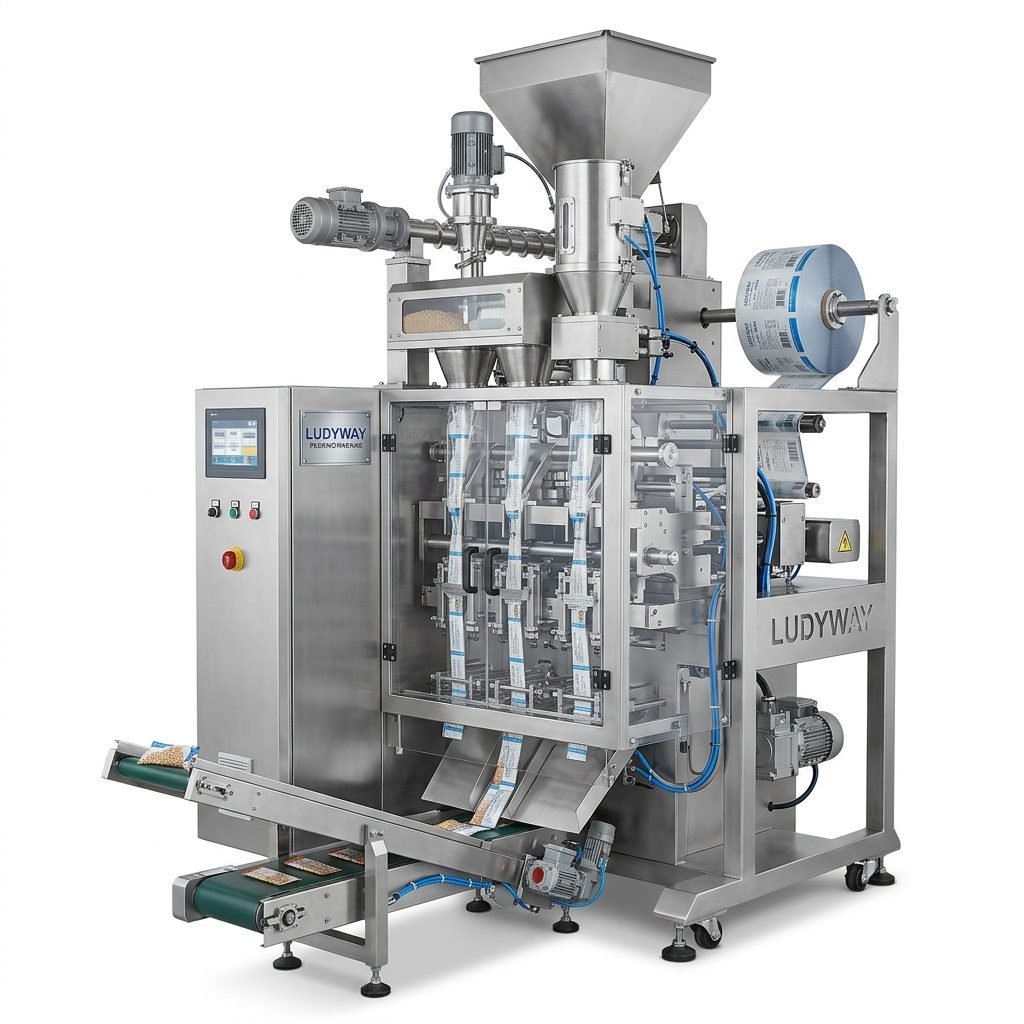
PMMI’s State of the Industry reports consistently highlight the importance of supplier partnerships in achieving long-term packaging line success. When sourcing from international manufacturers, verify their experience with UK-specific requirements, including electrical standards (UK plugs and voltage), language capabilities, and familiarity with UK retailer codes of practice. Ludyway, as one of the largest packaging machine manufacturers with over 30 years of industry expertise and a modern 20,000㎡ manufacturing facility, offers more than 50 intelligent packaging machine models designed to meet diverse international standards including UK and European requirements.
Making the Final Decision
Selecting a food packaging machine for the UK market is a multi-faceted decision that requires balancing compliance, performance, sustainability, and cost. Here is a summary checklist to guide your final evaluation:
- Confirm the machine is compatible with UK food contact materials regulations and can handle your required packaging films, including recycled content options.
- Verify production speed and OEE metrics against your current and projected output needs.
- Ensure hygiene design features meet your cleaning protocols and HACCP requirements.
- Assess automation capabilities, including IoT connectivity and integration with your existing production systems.
- Evaluate the supplier’s UK and European after-sales support infrastructure.
- Calculate TCO and ROI, factoring in energy consumption, consumables, and maintenance costs.
- Request references from existing UK or European customers to validate performance claims.
By methodically addressing each of these factors, you can make an informed investment that positions your food business for growth in the dynamic and demanding UK market. The right packaging machine is not just a piece of equipment — it is a strategic asset that enhances product quality, operational efficiency, and brand competitiveness for years to come.