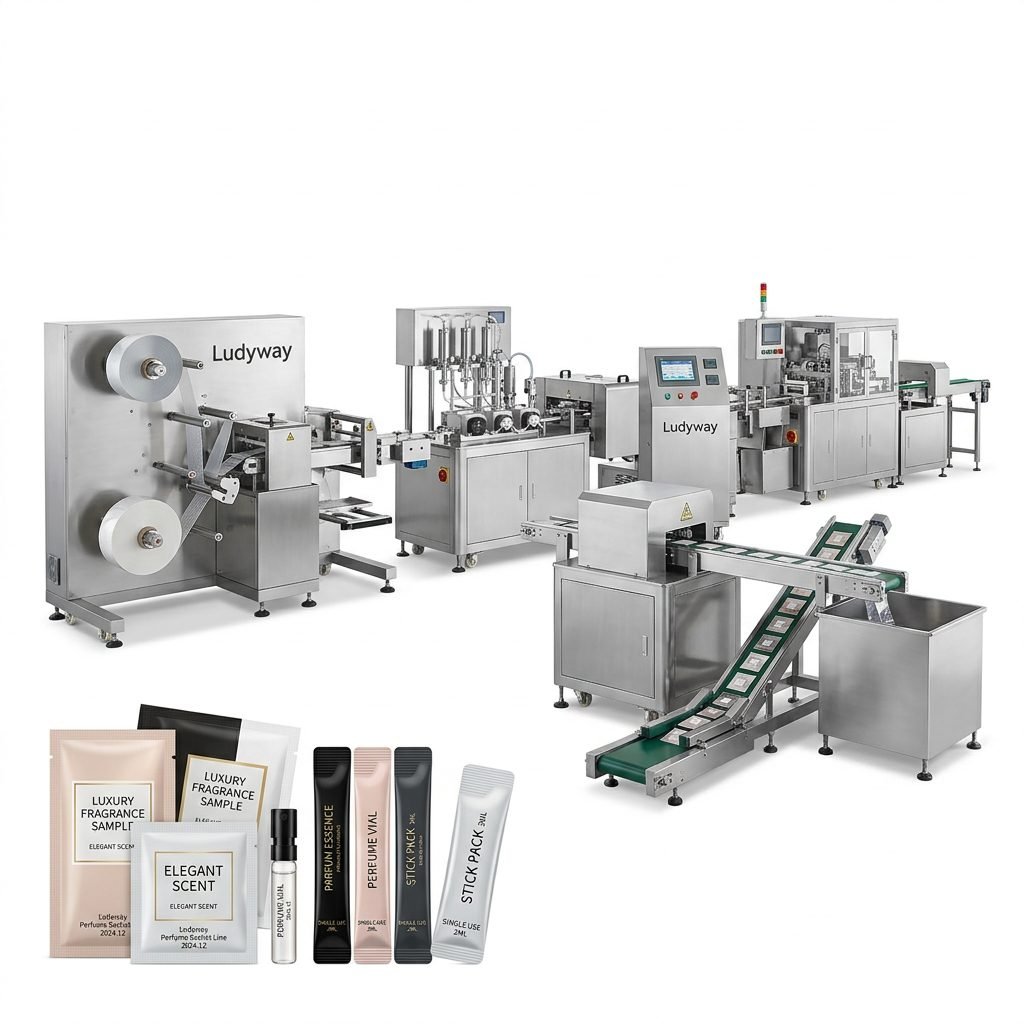
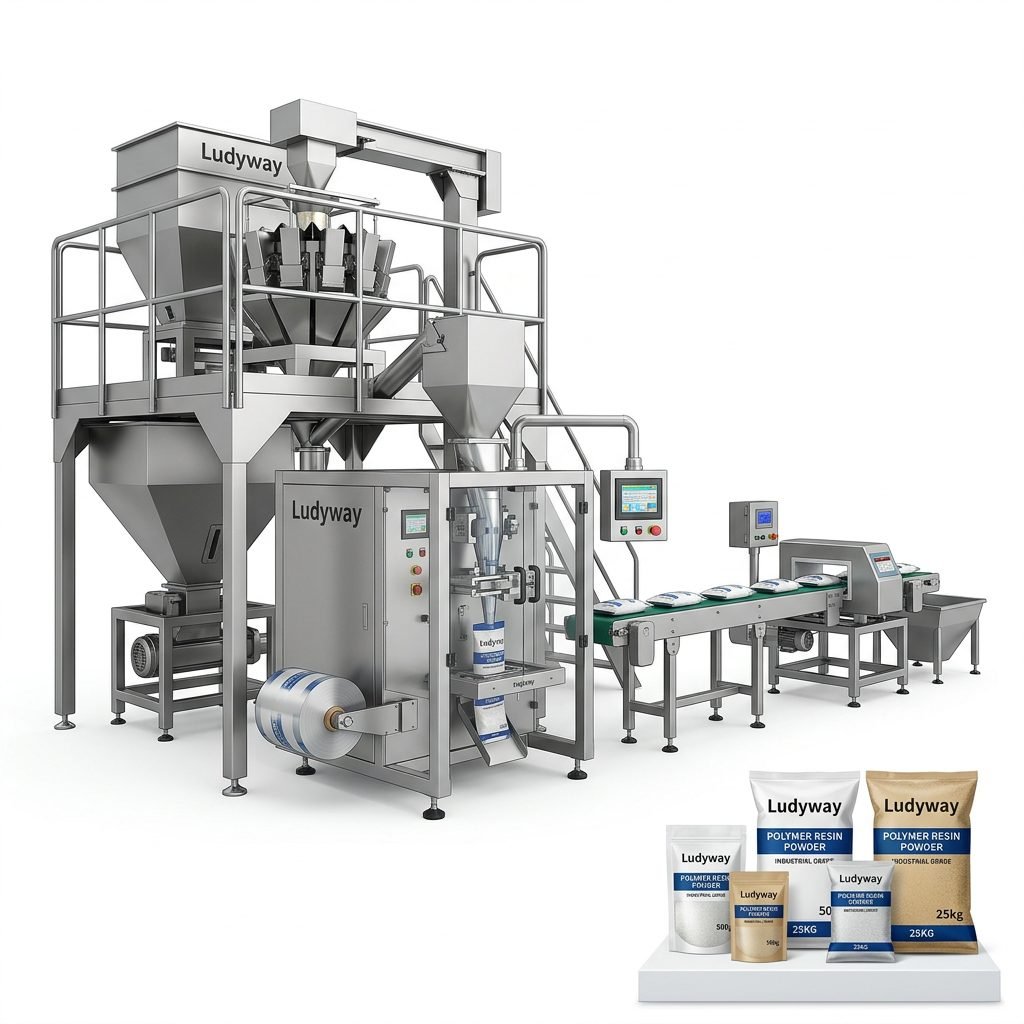
Selecting the right packaging machine manufacturer in Bolivia is a critical decision for local food, pharmaceutical, and health product producers. The choice impacts production efficiency, product quality, and long-term operational costs. For Bolivian businesses aiming to scale up or modernize their packaging lines, partnering with a reliable manufacturer with a proven track record is essential.
Understanding Bolivia’s Packaging Production Landscape
Bolivia’s manufacturing sector, particularly in food processing and natural health products, is growing. Local producers often deal with a variety of products, from quinoa and freeze-dried fruits to herbal supplements and powdered beverages. This diversity demands packaging solutions that are versatile, reliable, and capable of handling granules, powders, and liquids efficiently. The market requires equipment that can adapt to both local raw material characteristics and export-quality standards.
Manufacturers in cities like Santa Cruz de la Sierra, La Paz, and Cochabamba need machinery that is not only high-performance but also robust enough to handle potential operational challenges. Factors such as after-sales support, availability of spare parts, and technical training become even more critical when sourcing from international suppliers.
Key Factors for Bolivian Producers to Consider
When evaluating potential partners, Bolivian companies should focus on several core areas to ensure a successful investment.
1. Technical Expertise and Product Range
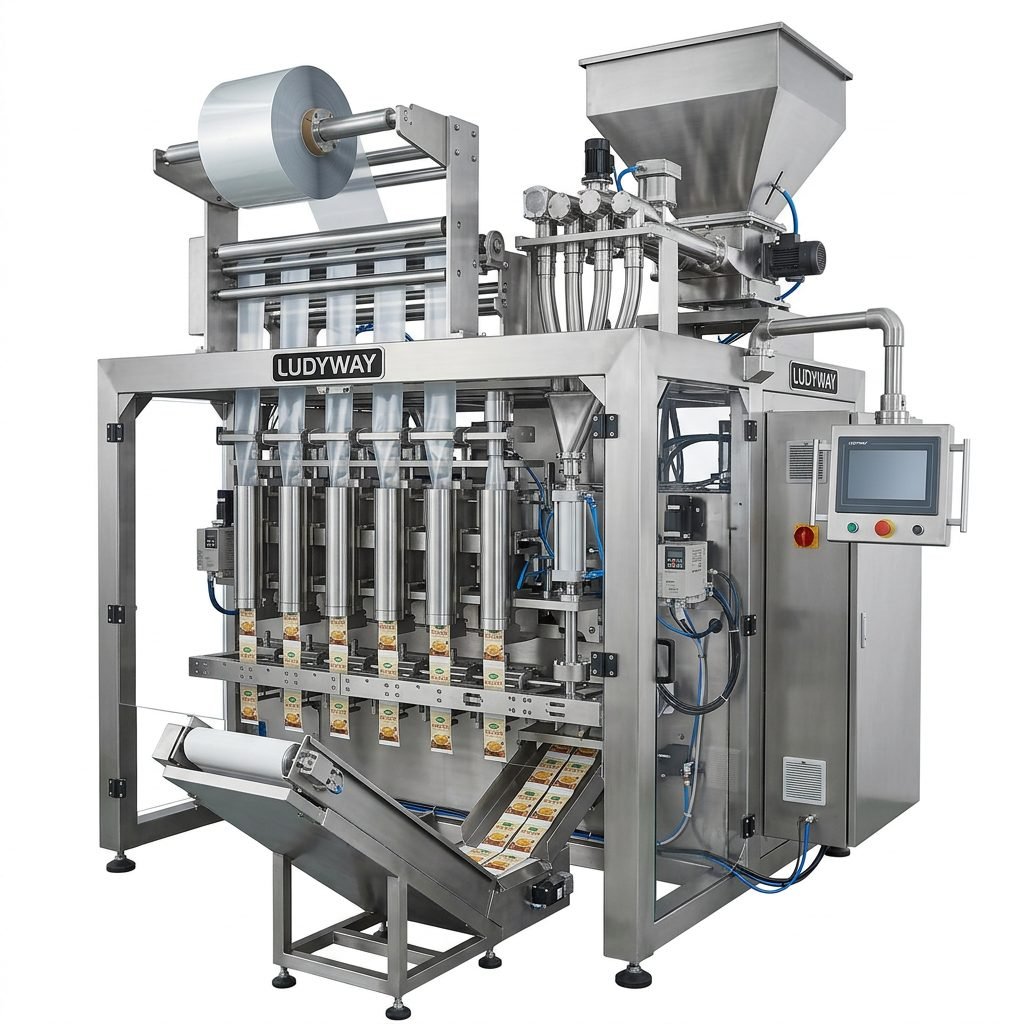
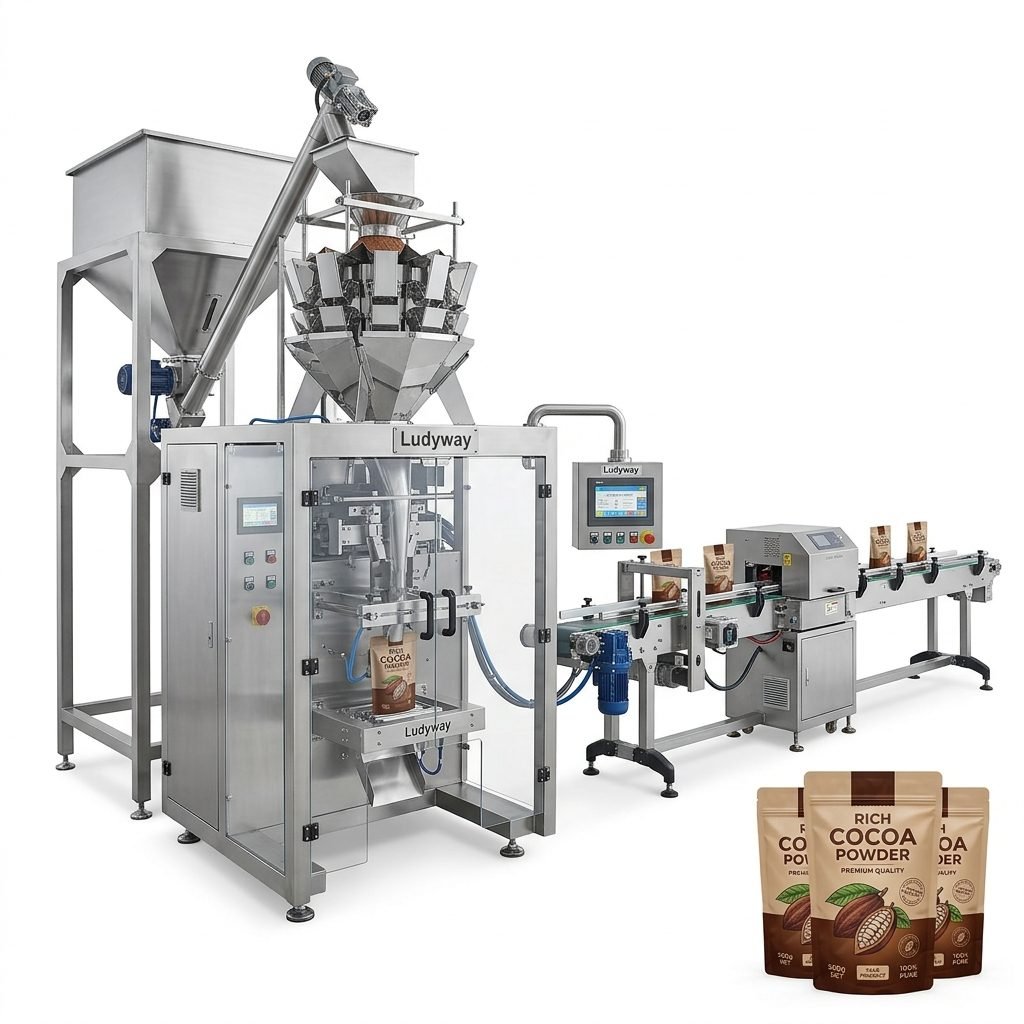
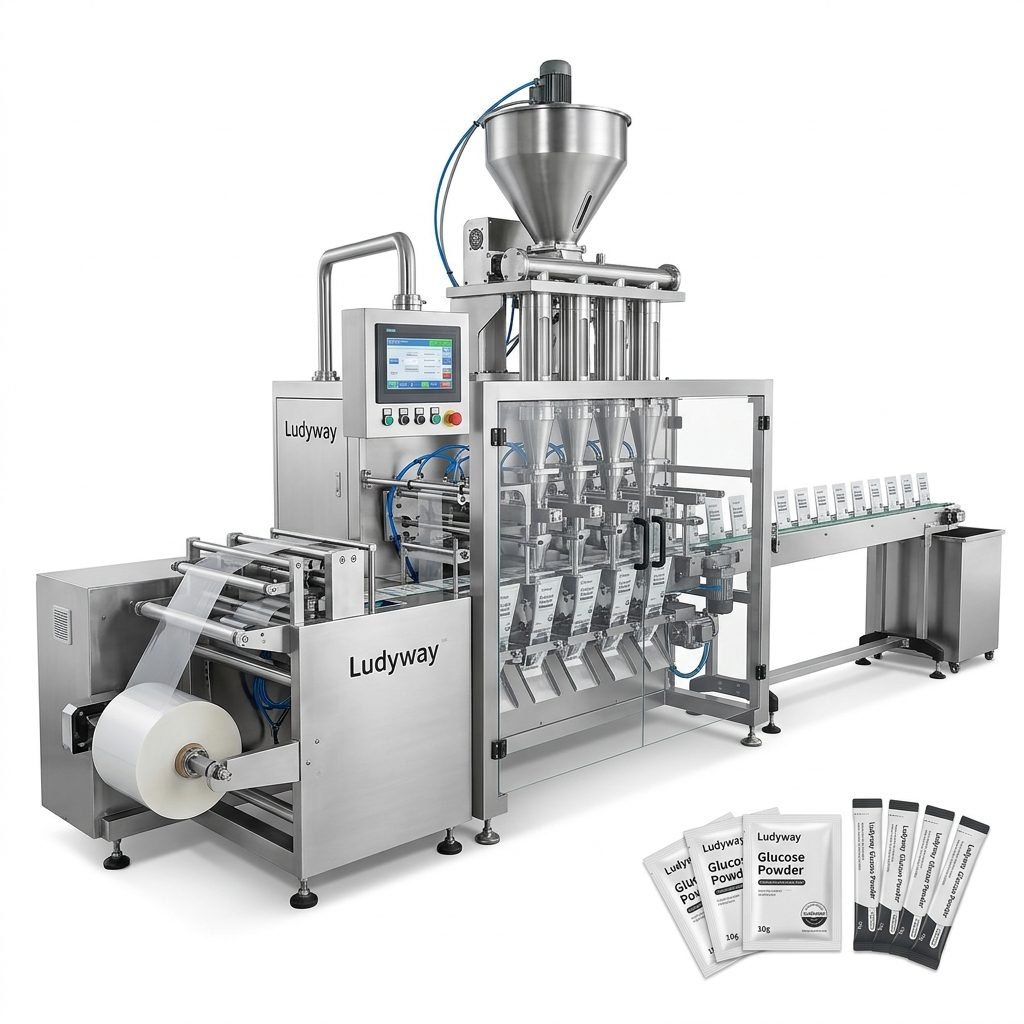
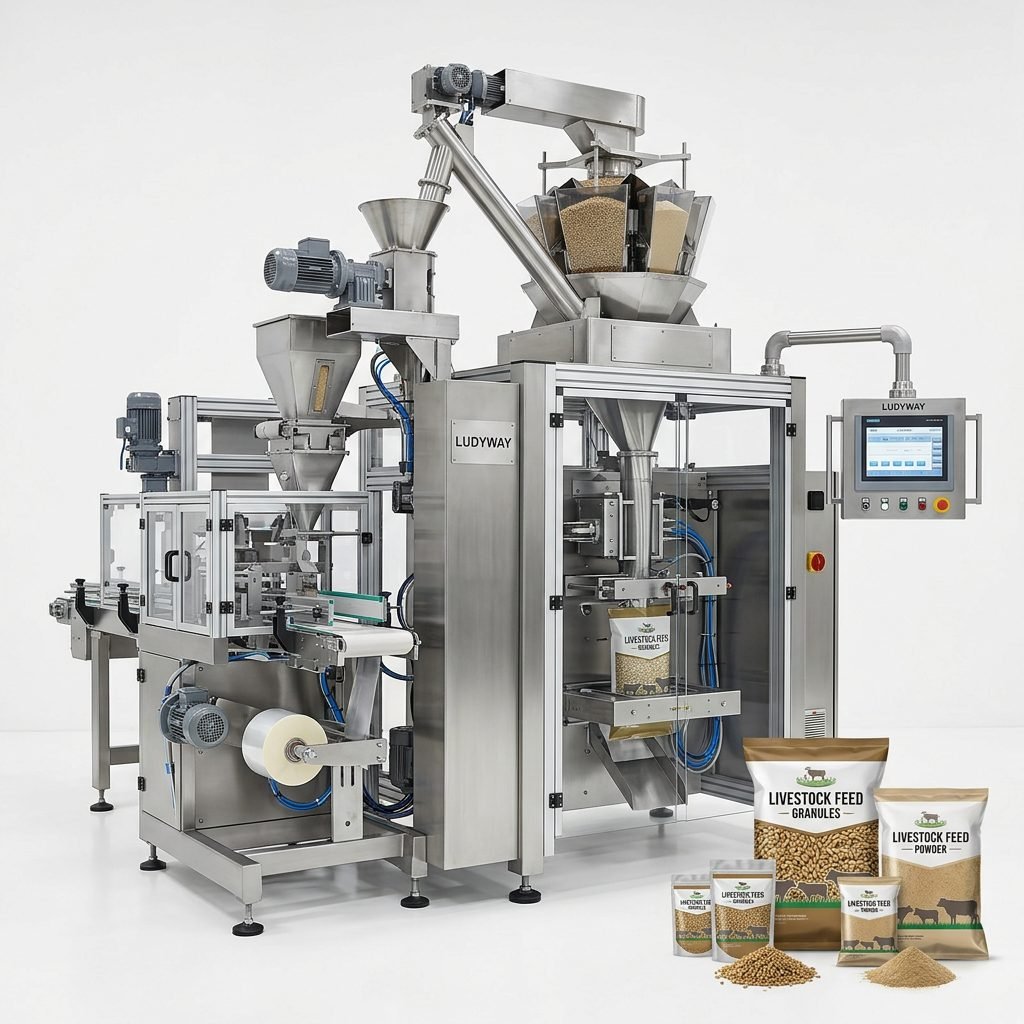
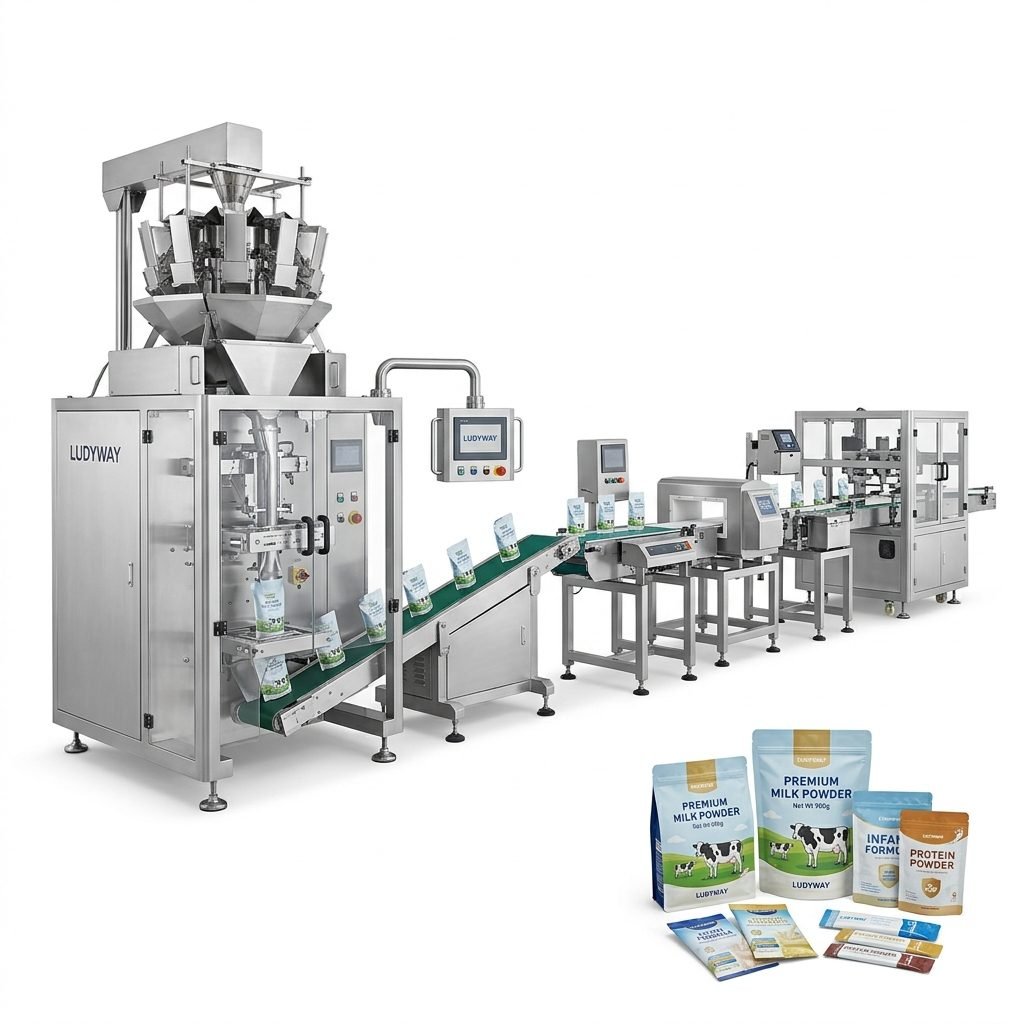
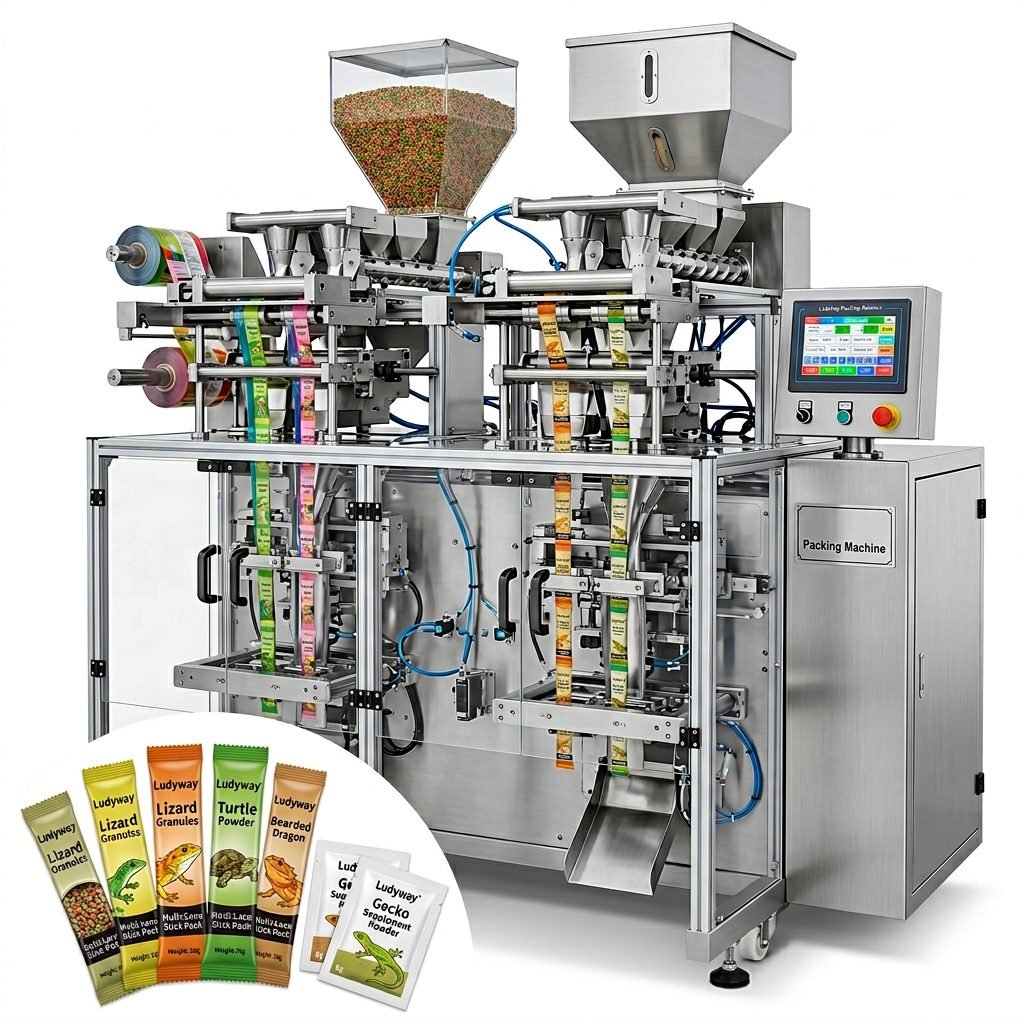
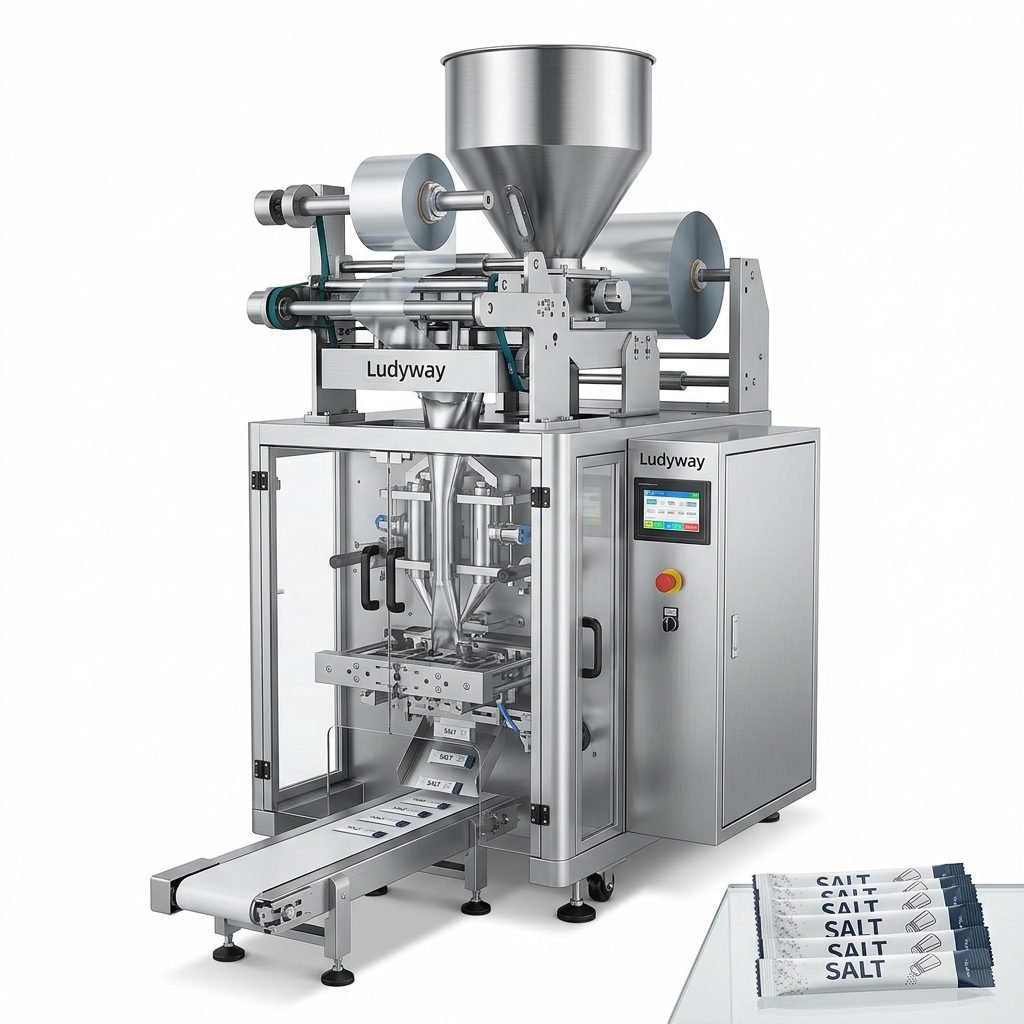
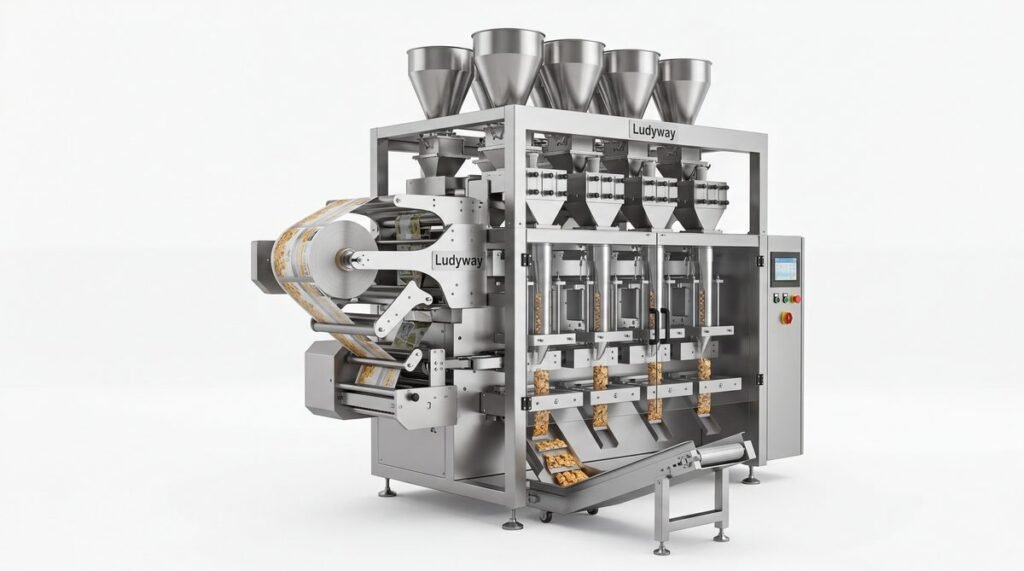
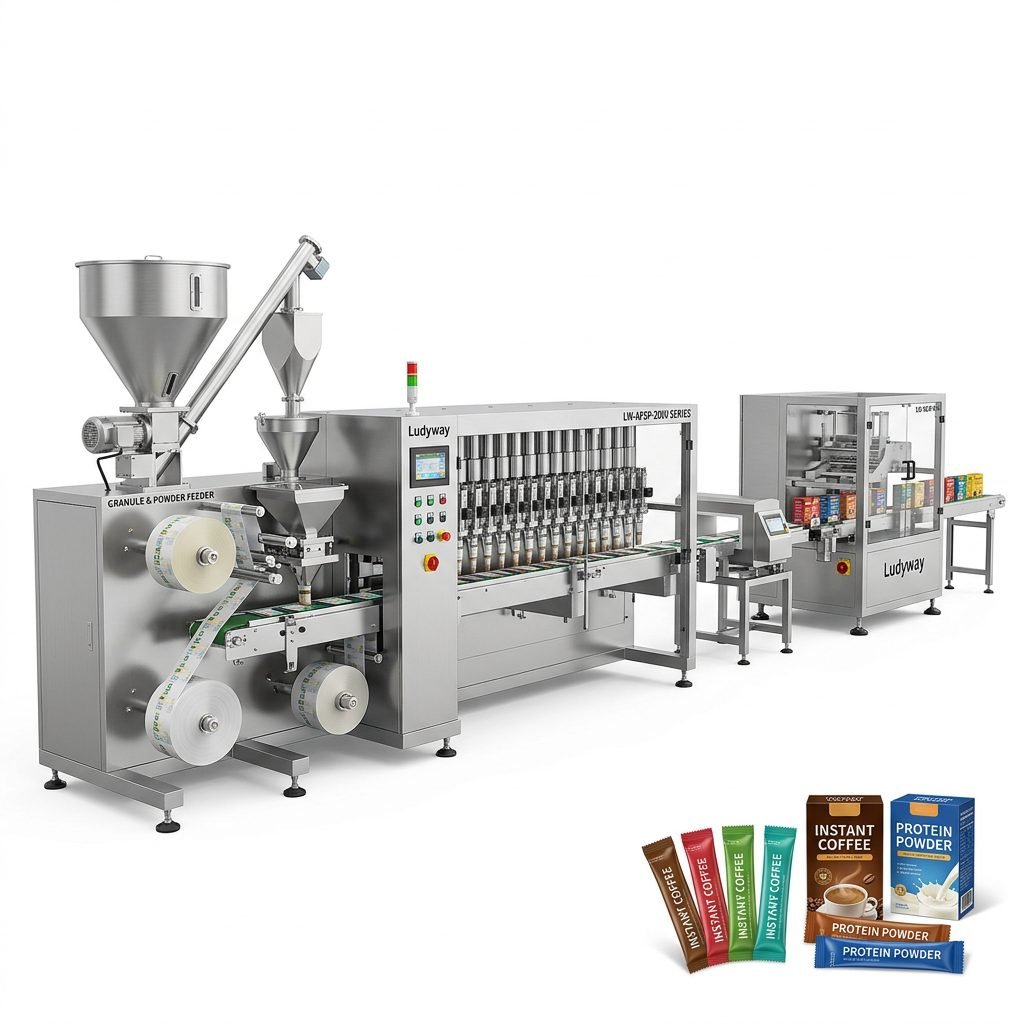
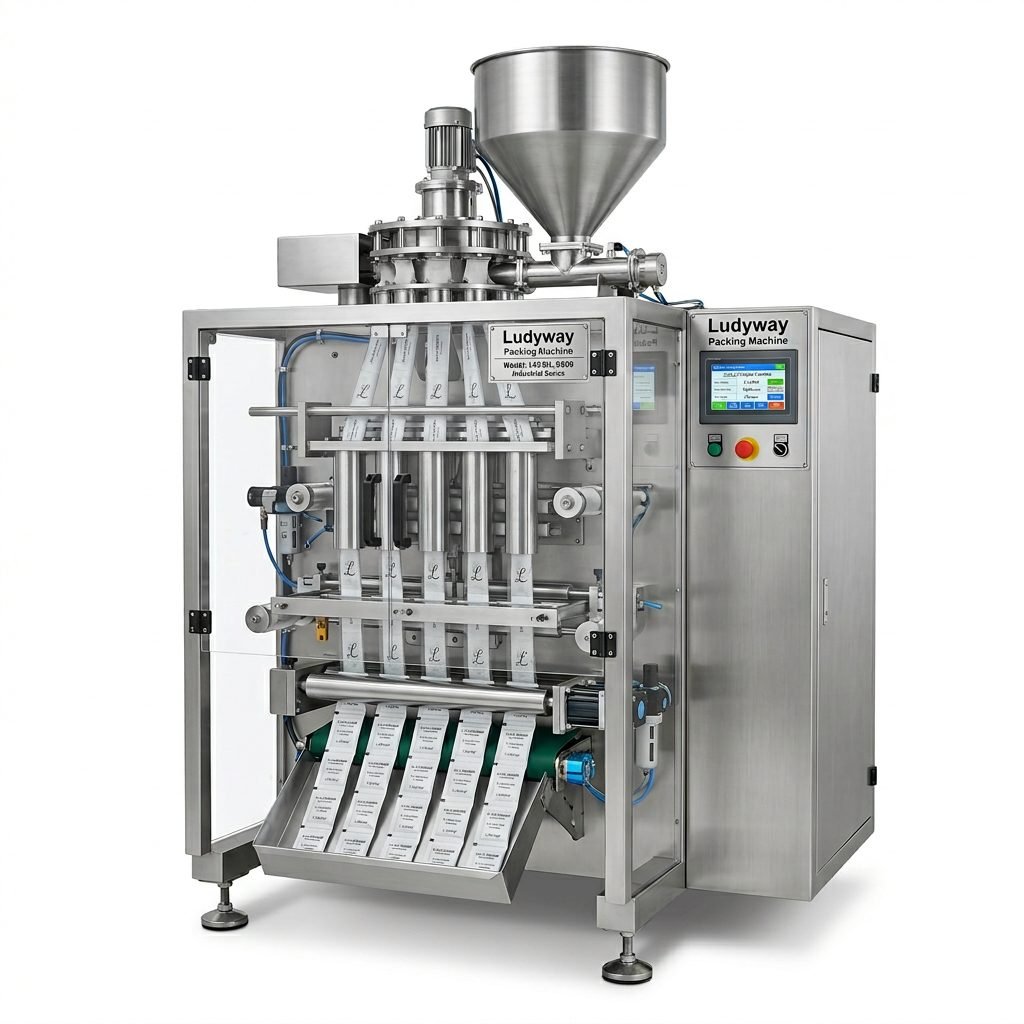
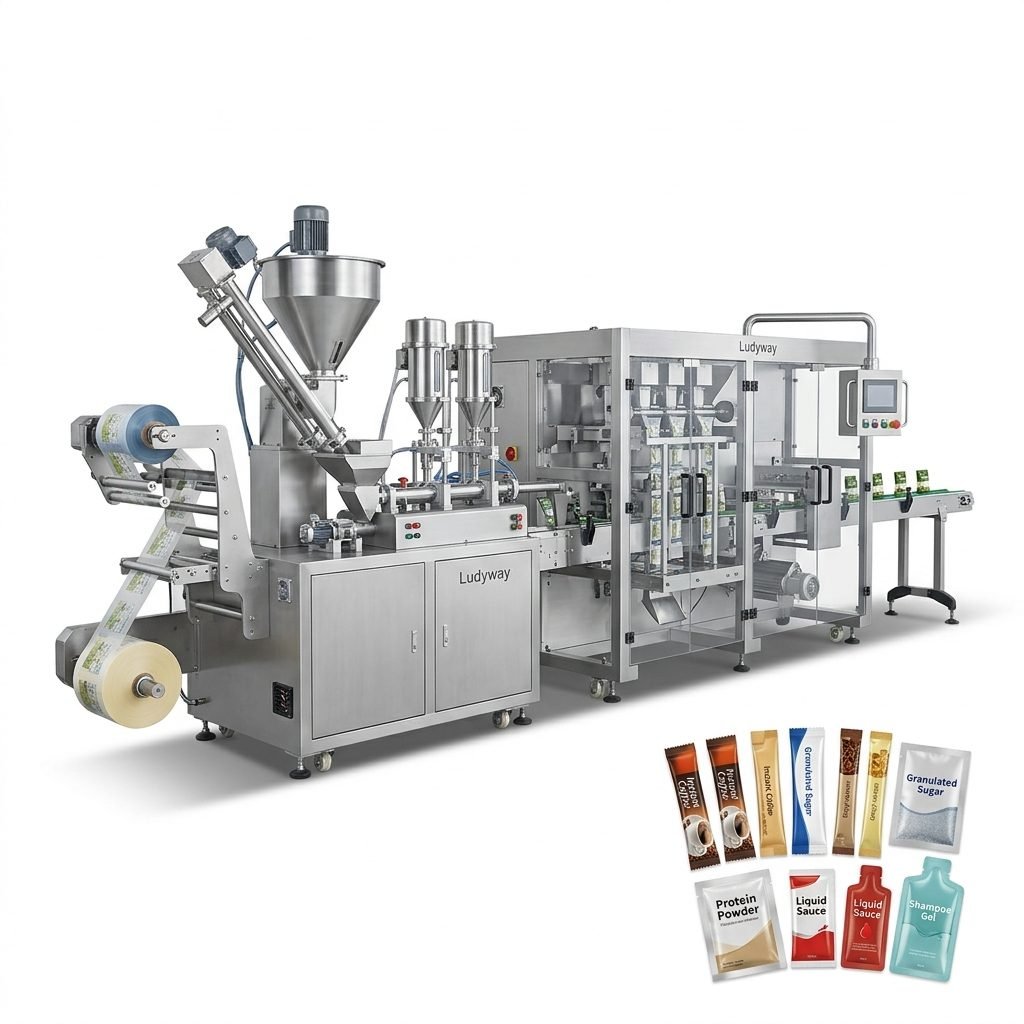
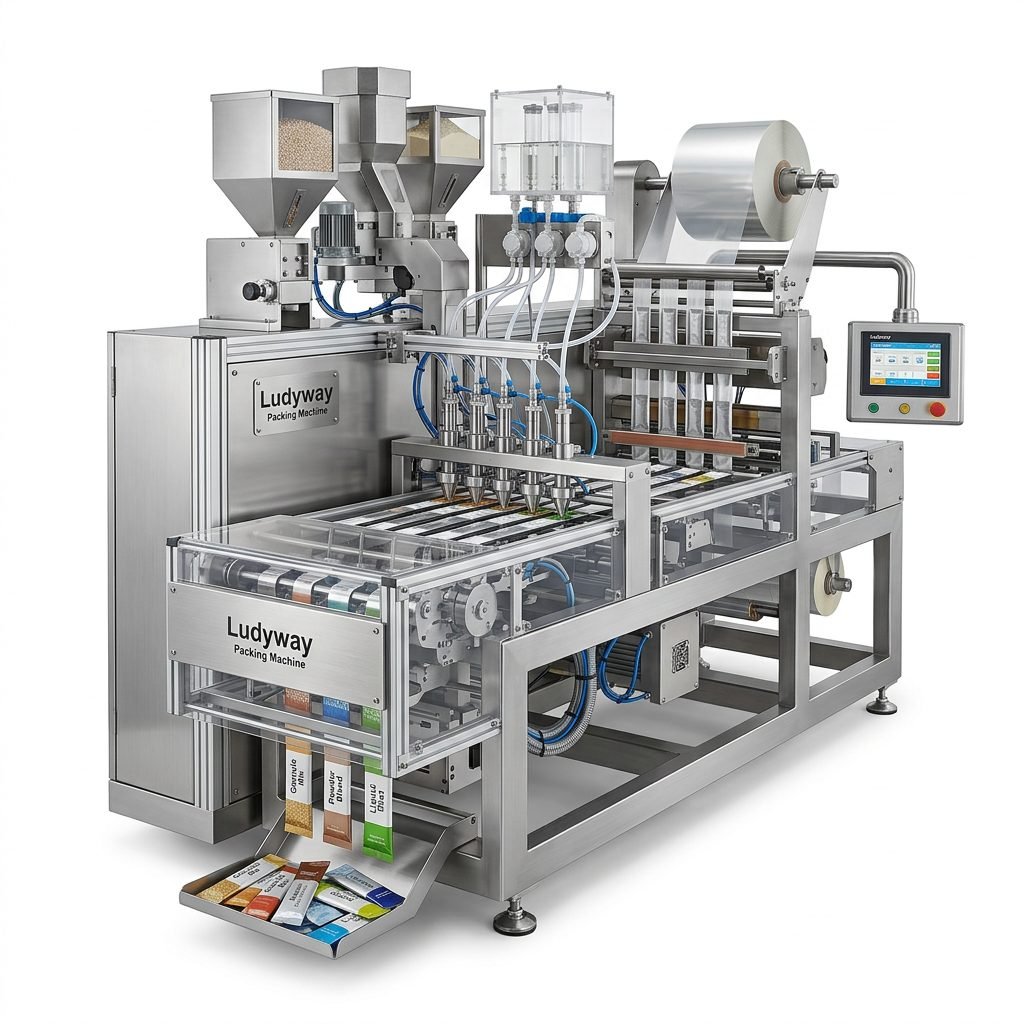
Look for a manufacturer with a broad portfolio that matches your specific product type. Whether you package granulated snacks, pharmaceutical powders, or liquid condiments, the supplier should have proven experience. For instance, Ludyway offers over 50 intelligent packaging machine models, including multi-lane stick pack, sachet, and fully automated systems, which can be tailored for various Bolivian products.
Competitors like Packmate Machinery and PacklineOEM also position themselves as major manufacturers, but the depth of application-specific engineering is key.
2. Manufacturing Capability and Quality Control
The scale and modernity of a manufacturer’s production facility are direct indicators of reliability and capacity. A company with a large, modern plant (like Ludyway’s 20,000㎡ facility) typically has stricter quality control processes and can ensure consistent equipment build quality. This translates to fewer breakdowns and higher uptime for your Bolivian production line.
3. Local Support and Service Network
For Bolivian importers, geographical distance makes local or regional support paramount. Inquire about the manufacturer’s service network in South America. Do they have trained technicians who can travel to Bolivia for installation and commissioning? What is their policy for remote technical support and spare parts delivery? A manufacturer with experience serving over 100 countries, like Ludyway, is often better structured to handle international logistics and support.
The Importance of Customization and Turnkey Solutions
Off-the-shelf machines may not suffice for unique Bolivian products or production layouts. The ability to provide customized, turnkey solutions is a significant advantage. This means the manufacturer doesn’t just sell a machine; they analyze your production needs, raw materials, and output goals to design an integrated packaging line.
Companies such as PackingMachineOEM specialize in non-standard machinery, while SnusMachinery focuses on niche areas like oral nicotine pouches. For broader food and pharma applications, a manufacturer with wide-ranging turnkey experience is more suitable.
Evaluating Cost-Effectiveness and Return on Investment (ROI)
Initial machine cost is just one part of the equation. Bolivian businesses must calculate the total cost of ownership, which includes:
- Energy Consumption: Efficient machines reduce long-term utility costs.
- Material Waste: High-precision filling minimizes product giveaway.
- Labor Requirements: Automated systems can reduce dependency on manual labor.
- Maintenance Costs: Reliability and easy maintenance keep ongoing costs low.
Request detailed case studies or references from the manufacturer, specifically for projects in similar markets or with similar products. A reputable company will be transparent about the performance and ROI their equipment delivers.
Navigating Import Procedures and Logistics to Bolivia
Importing heavy machinery into Bolivia involves customs clearance, tariffs, and inland transportation. A seasoned international manufacturer will assist with this process. They should provide:
- Complete and accurate shipping documentation.
- Equipment packed to international standards for sea freight.
- Guidance on Bolivian import regulations and potential duties.
- Possible coordination with local freight forwarders in Bolivia.
Choosing a manufacturer with extensive export experience simplifies this complex logistical chain and helps avoid costly delays at the port.
Building a Long-Term Partnership
The right manufacturer is a long-term partner, not just a vendor. Look for signs of commitment to ongoing cooperation: willingness to provide operator training, regular software updates for control systems, and a clear roadmap for future technical support. A partner invested in your success will help you adapt to new market demands and scale your production over time.
Frequently Asked Questions (FAQs)
1. What type of packaging machine is best for quinoa or granulated snacks in Bolivia?
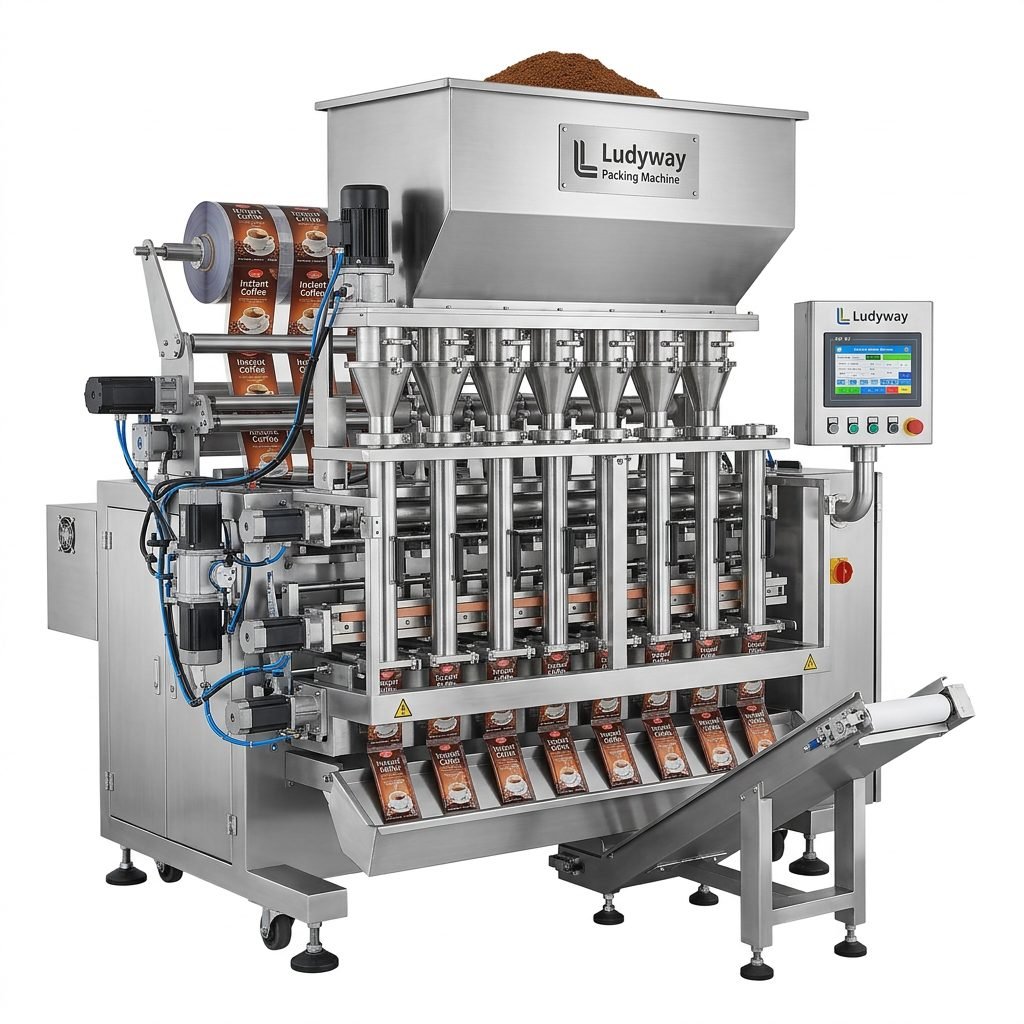
For dry granules like quinoa, nuts, or snacks, a multi-lane stick pack or sachet machine with a high-speed vertical form-fill-seal (VFFS) system is ideal. It ensures precise weighing, high output, and attractive packaging. Manufacturers like Ludyway and Packmate Machinery offer robust models designed for such food-grade granules.
2. How can I ensure I get reliable after-sales service in Bolivia?
Prioritize manufacturers with a documented international service protocol. Ask for specifics: Do they have a dedicated Spanish-speaking support team? What is the typical response time for remote troubleshooting? How are spare parts shipped to Bolivia? Request contact information for existing clients in South America to verify their service claims.
3. Are Chinese packaging machine manufacturers reliable for Bolivian companies?
Yes, many top-tier Chinese manufacturers are highly reliable and offer excellent value. The key is to vet them thoroughly. Look for companies with 30+ years of experience, modern manufacturing certifications (like CE), and a large portfolio of successful international projects. Visiting the factory or conducting a detailed video audit is highly recommended before purchase.
4. What is the lead time for delivering a packaging line to Bolivia?
Lead time depends on the machine’s complexity and customization. For standard models, it can range from 30 to 60 days after order confirmation. For fully customized turnkey lines, it may take 90 to 120 days. This includes manufacturing, testing, and preparation for shipment. Always factor in additional time for sea freight and customs clearance in Bolivia.
5. Can I get a machine that handles both powder and liquid products?
Yes, many advanced packaging systems are designed for versatility. Some models from manufacturers like Ludyway and PacklineOEM can be configured with different filling systems (auger for powder, liquid pump for liquids) to handle multiple product types on the same platform, offering great flexibility for producers with diverse product lines.