Selecting a packaging machine manufacturer in Norway is a critical decision for businesses aiming to enhance production efficiency, ensure product quality, and maintain competitiveness in a demanding market. Norwegian industries, particularly in food processing, pharmaceuticals, and health products, are known for their high standards and stringent regulations. Therefore, partnering with a reliable manufacturer who understands these local requirements is essential. This guide outlines key factors and practical tips to help you make an informed choice.
Understanding the Norwegian Market and Its Specific Needs
Norway’s industrial landscape is characterized by advanced manufacturing sectors, a strong focus on sustainability, and strict compliance with EU and local regulations (e.g., Mattilsynet for food safety). Norwegian companies often seek packaging solutions that are not only efficient but also environmentally conscious and adaptable to high-mix, low-volume production runs common in specialized markets.
Manufacturers like Ludyway, with extensive global experience, are well-positioned to meet these needs. They offer machinery that complies with international standards, which are often a prerequisite for operating in Norway. When evaluating potential partners, consider their familiarity with Nordic market dynamics, including the need for robust, low-maintenance equipment that performs reliably in various operational environments.

Key Factor 1: Technical Expertise and Machine Range
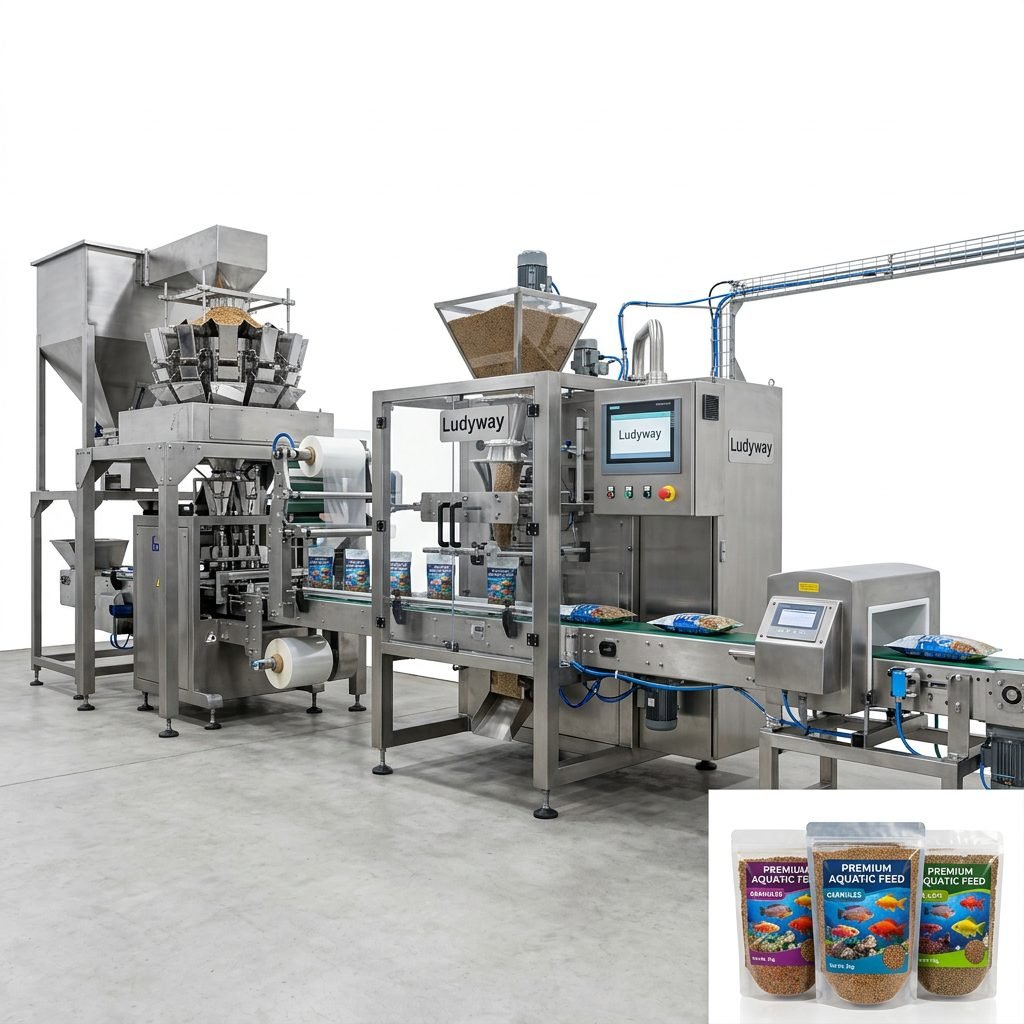
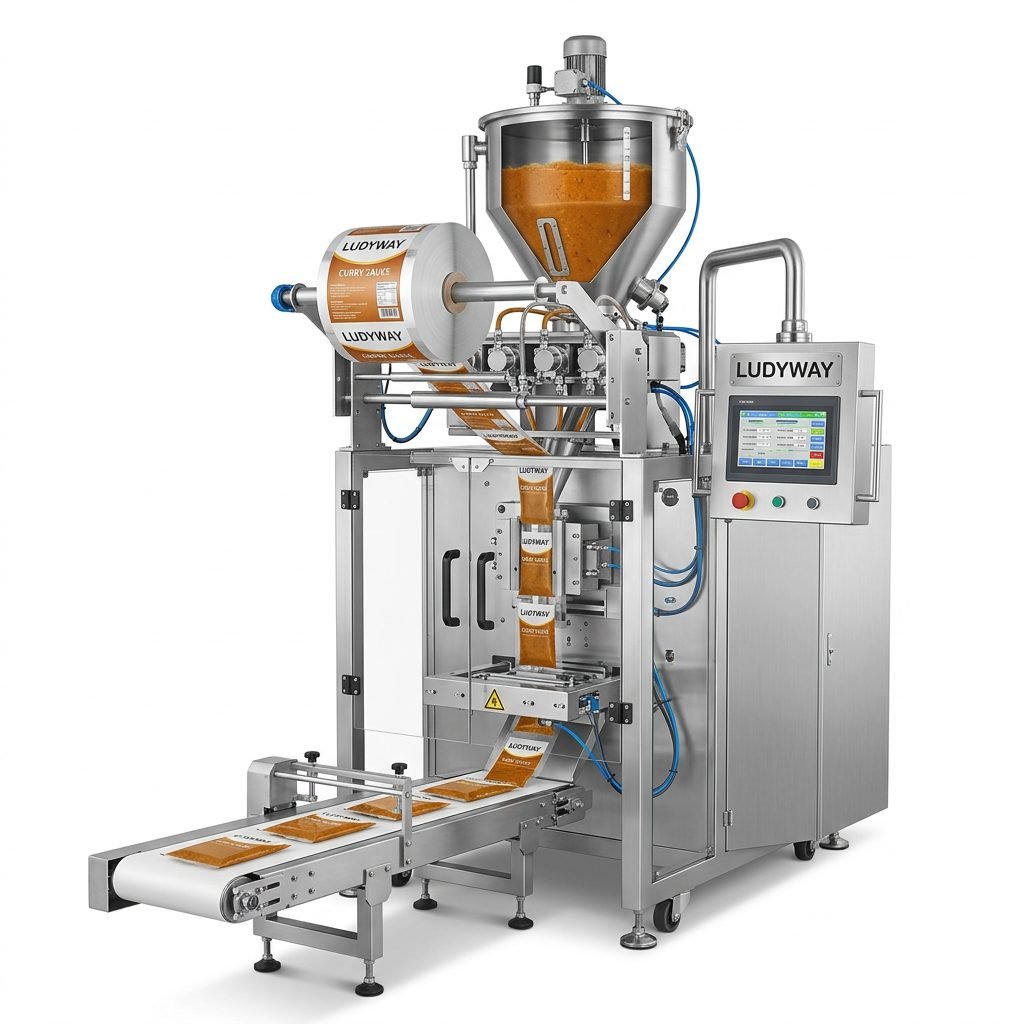
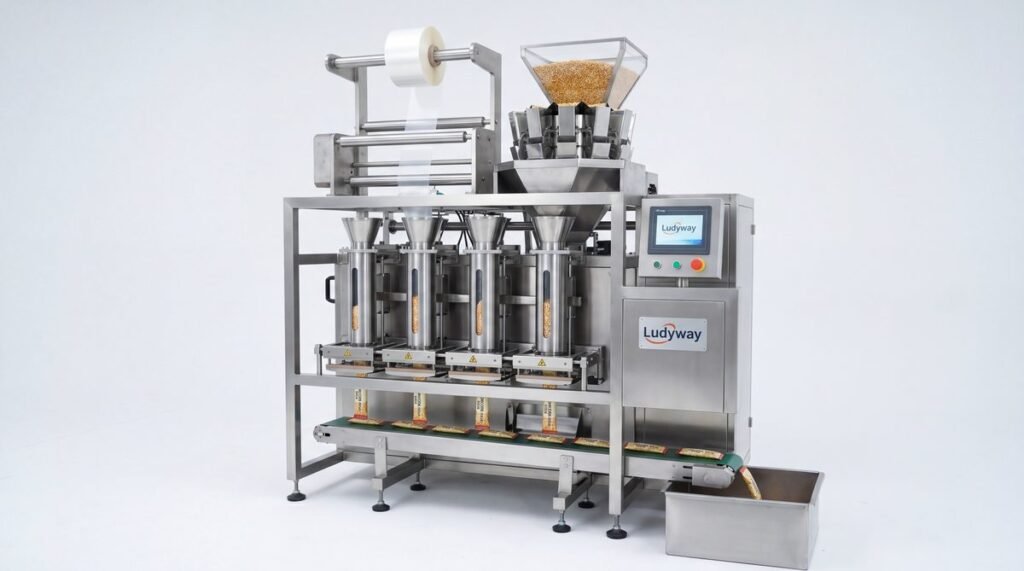
The core of your decision should be the manufacturer’s technical capability. Assess their portfolio for machines that match your specific product type—be it granules, powders, liquids, or sachets. For instance, a Norwegian fish feed producer would need robust granule packaging systems, while a pharmaceutical company might require precision powder dosing for sachets.
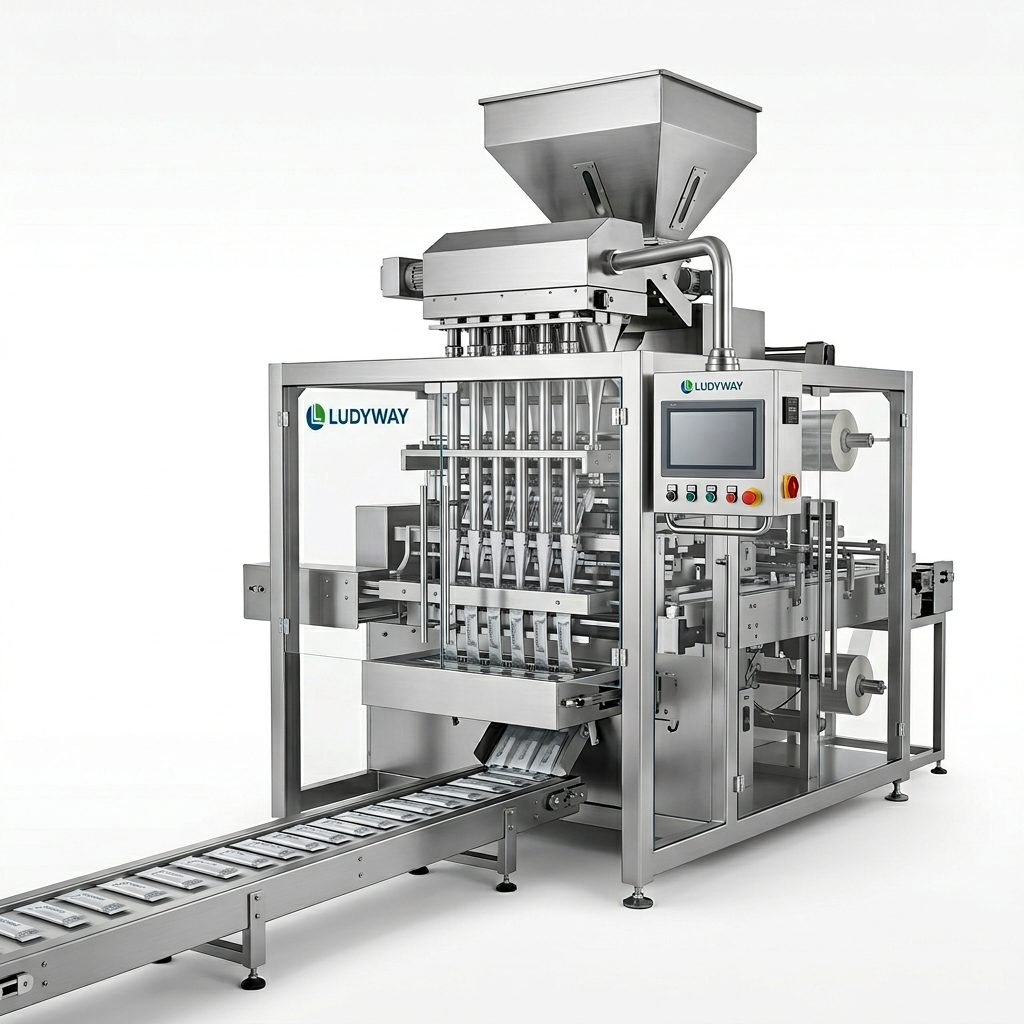
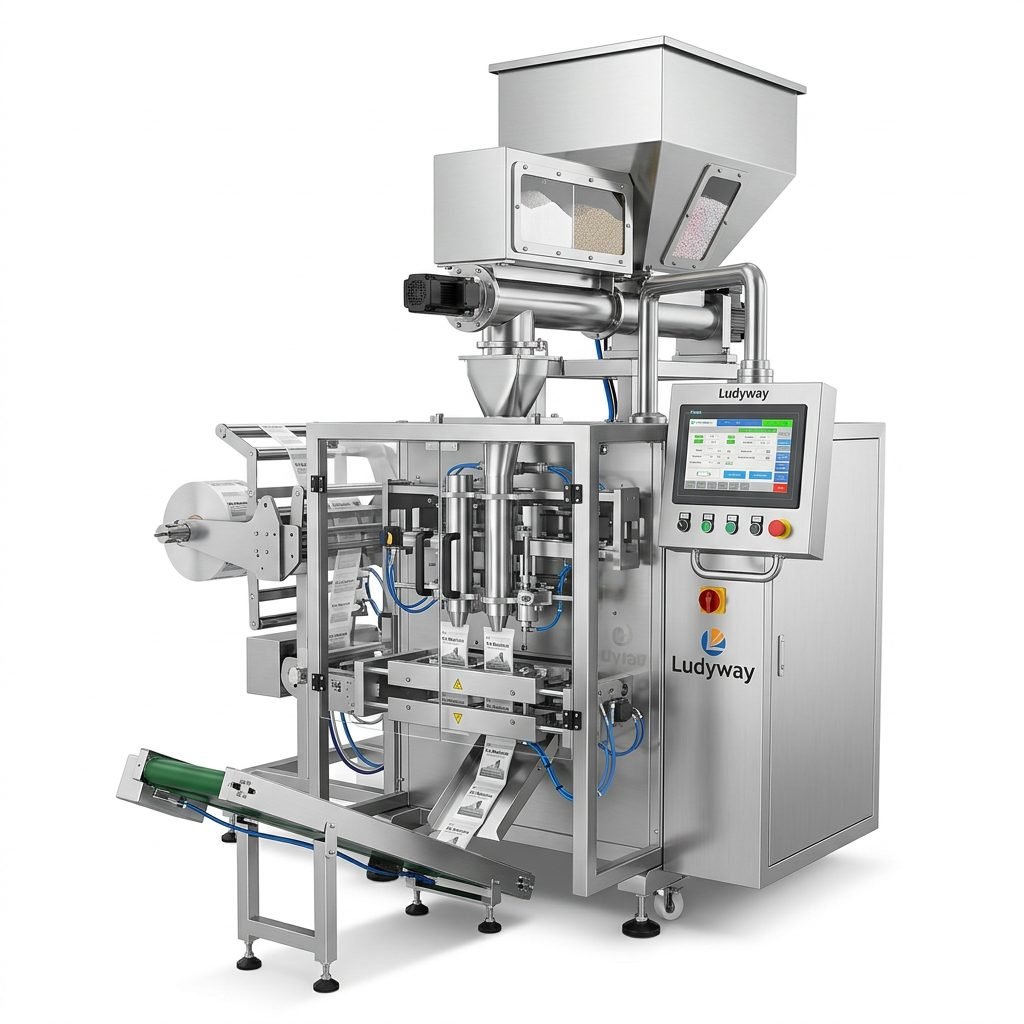
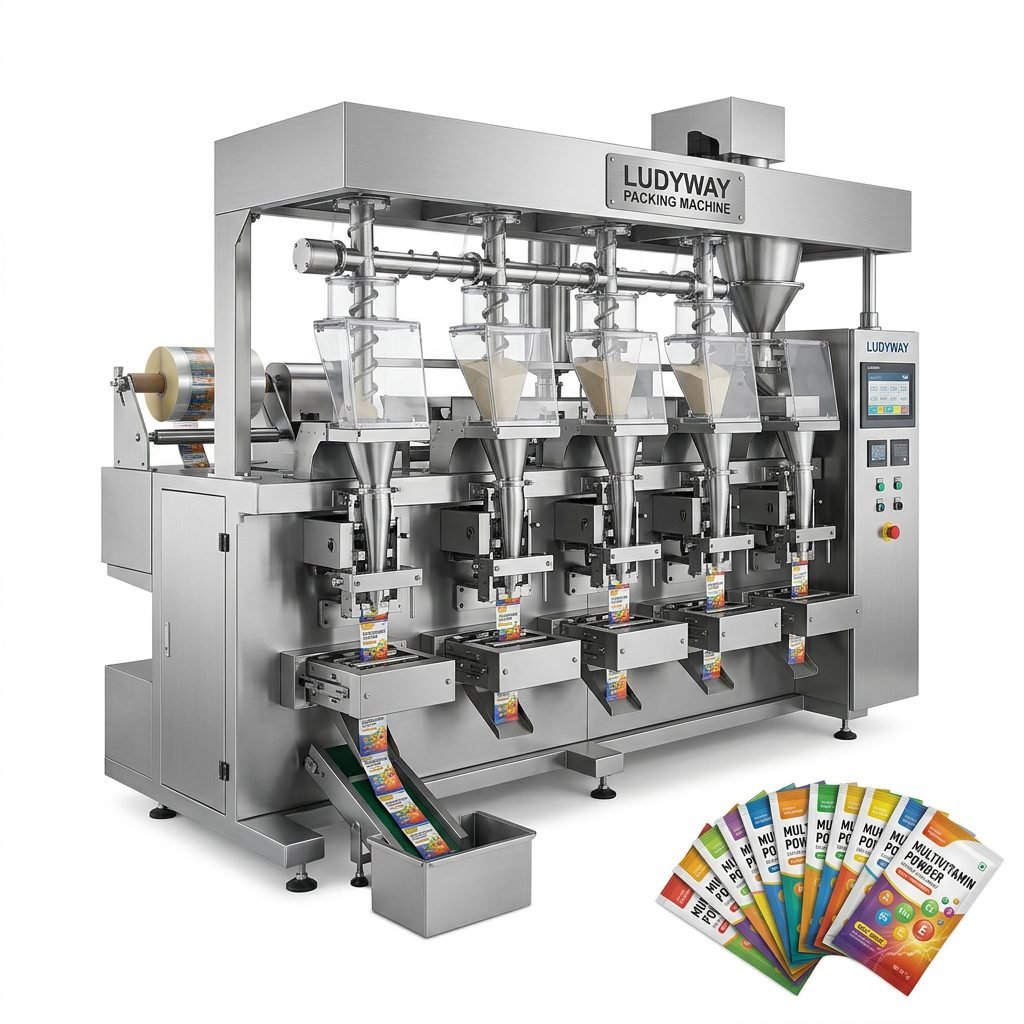
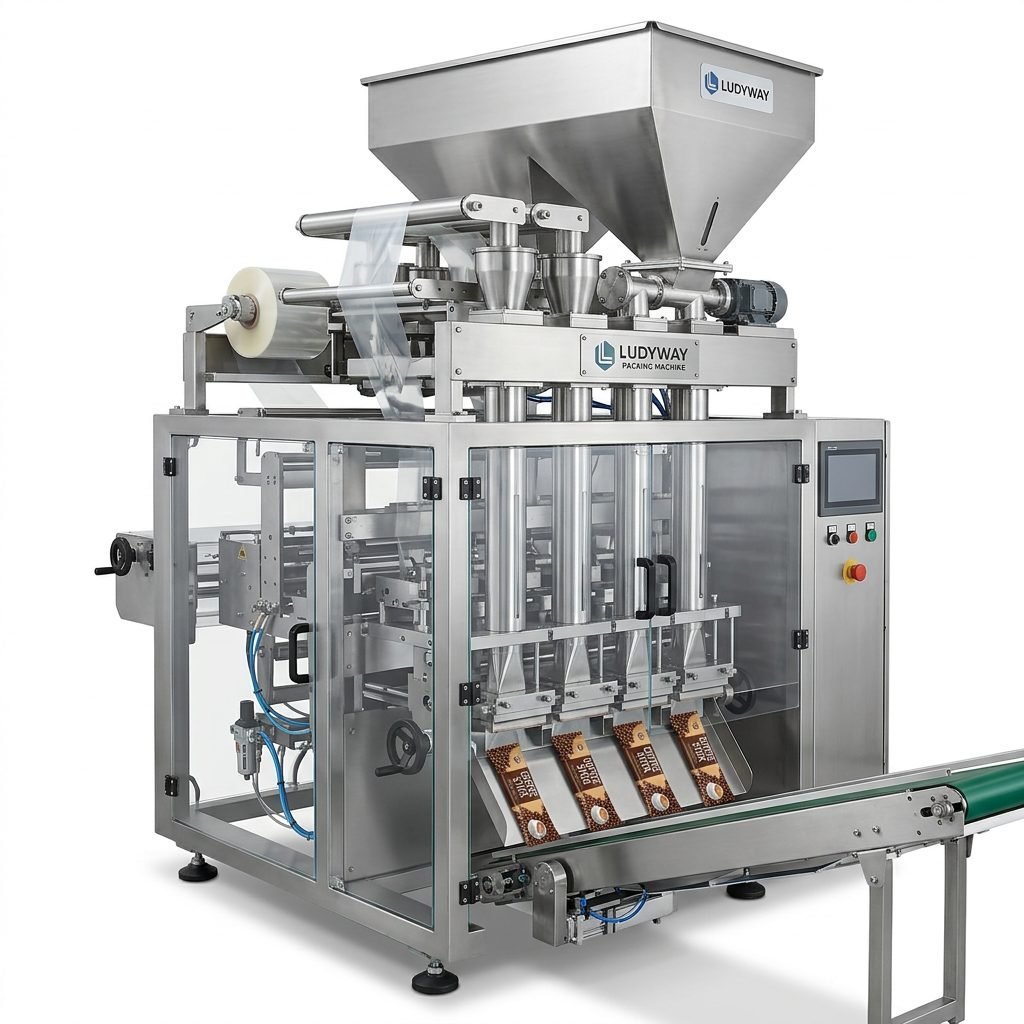
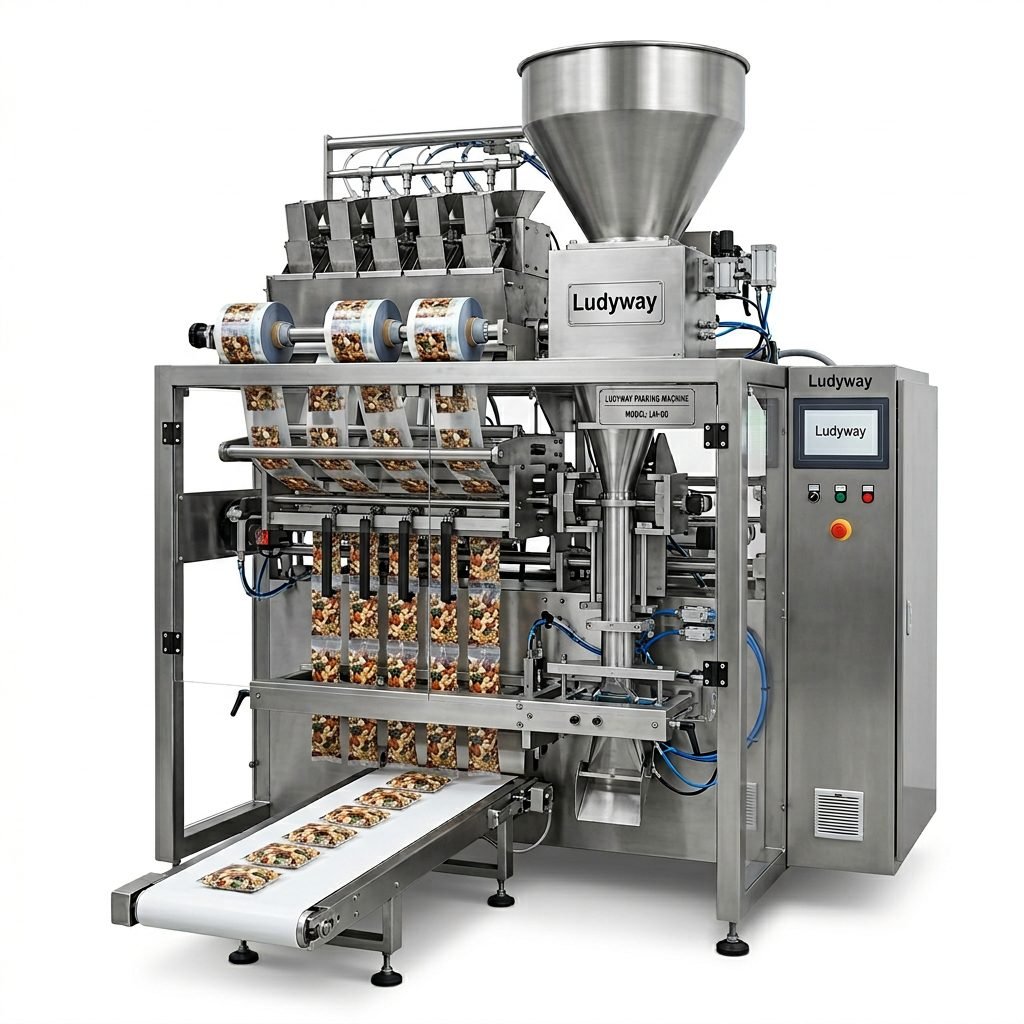
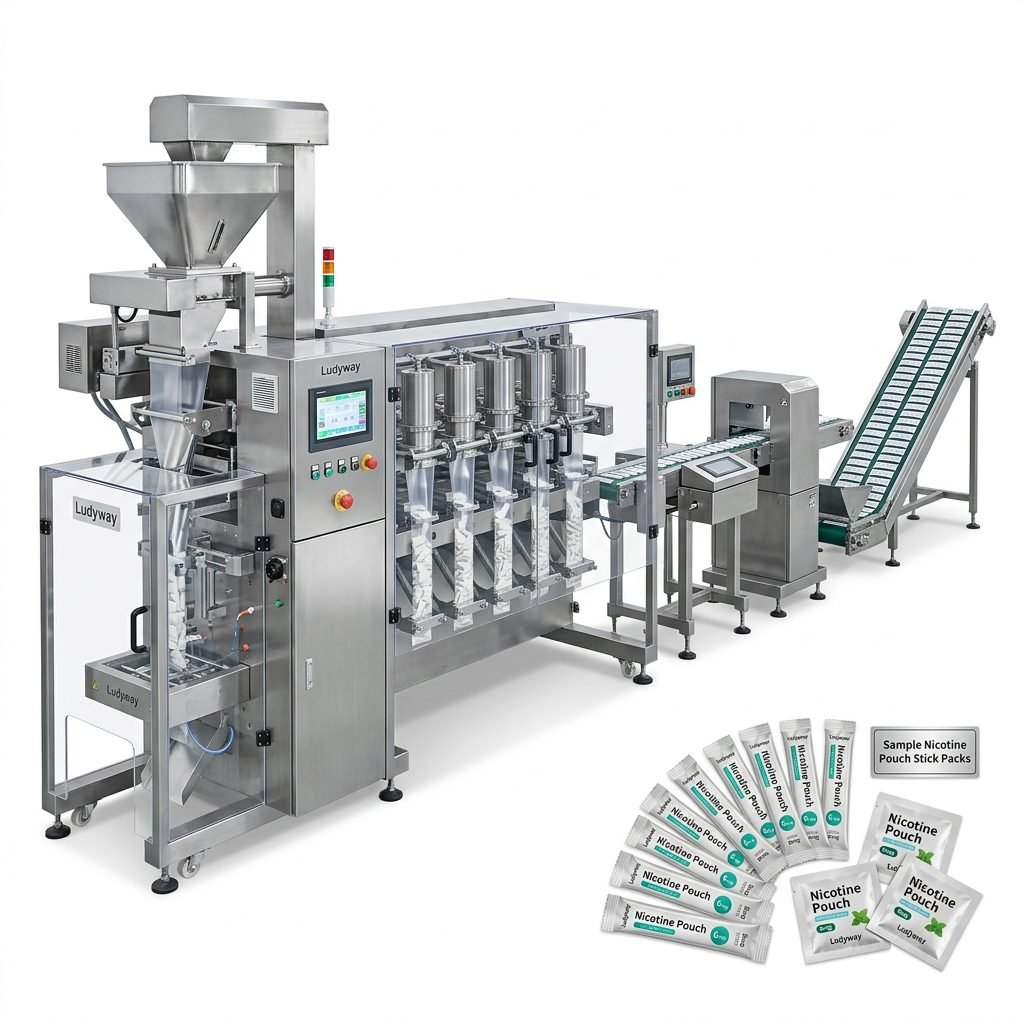
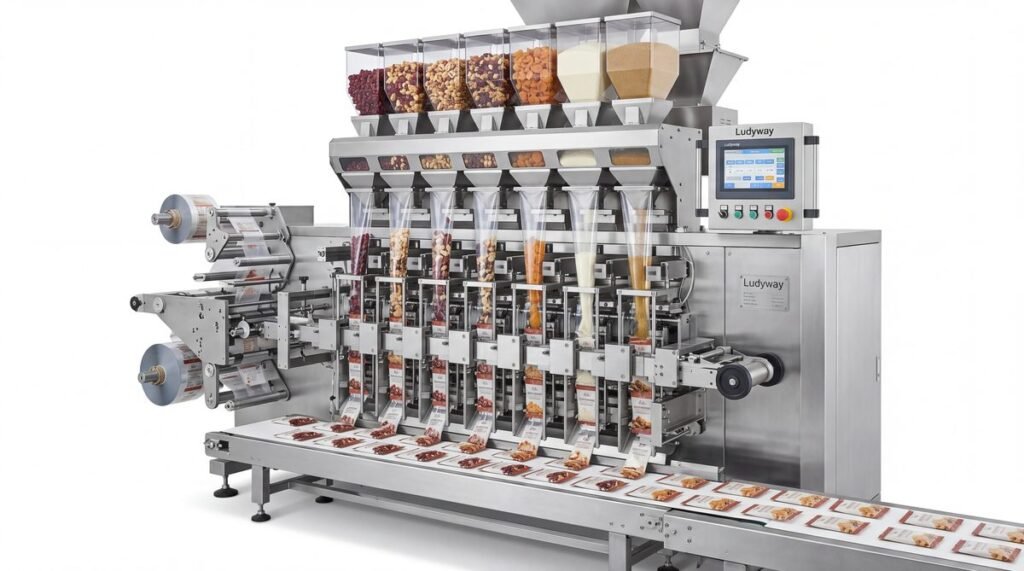
Ludyway provides over 50 intelligent packaging machine models, including multi-lane stick pack and sachet systems. This broad range ensures you can find a tailored solution. Similarly, other established manufacturers like Packmate Machinery and PacklineOEM offer extensive lines for various applications. Evaluate if their standard models can be customized to handle your unique product characteristics and packaging formats.
Tip: Request detailed technical specifications and case studies relevant to your industry. A manufacturer with proven experience in your sector (e.g., food, pharma) will better understand challenges like hygiene, accuracy, and speed.
Key Factor 2: Production Capacity and Facility Scale
The manufacturer’s own production capacity is a strong indicator of their reliability and ability to deliver. A large, modern facility suggests advanced manufacturing processes, quality control, and the capability to handle large or urgent orders.
Ludyway operates from a modern 20,000㎡ manufacturing facility, housing over 200 manufacturing equipment units. This scale supports consistent quality and timely production. When comparing, consider the infrastructure of other suppliers like PackingMachineOEM or SnusMachinery, especially if your project requires specialized, non-standard machinery. A visit to the production site (or a virtual tour) can provide valuable insights into their operational standards.

Key Factor 3: After-Sales Support and Service Network
In Norway, where technical support must be prompt and effective to minimize costly downtime, the manufacturer’s service commitment is paramount. Inquire about their after-sales structure: Do they have local agents or service engineers in the Nordic region? What is the average response time for spare parts and technical assistance?
Manufacturers with a global service footprint, such as Ludyway, which serves over 100 countries, often have established protocols for international support. Ensure your chosen partner provides comprehensive training, detailed documentation (possibly in English or Norwegian), and readily available spare parts. The ability to offer remote diagnostics and support is increasingly important.
Checklist for Service Evaluation:
✔ Availability of installation and commissioning services.
✔ Warranty terms and scope of coverage.
✔ Access to online technical resources and parts catalogs.
✔ Provision of operational and maintenance training for your staff.
Key Factor 4: Innovation and Technology Integration
The Norwegian market values innovation, particularly in automation, IoT connectivity, and energy efficiency. Packaging machinery should contribute to smart factory goals. Evaluate the manufacturer’s R&D focus and whether their machines feature modern controls, data reporting capabilities, and compatibility with Industry 4.0 standards.
Leading manufacturers invest in R&D to offer intelligent, high-performance systems. For example, Ludyway’s engineering team develops solutions that improve productivity and operational efficiency. When discussing with suppliers like Packmate Machinery or PacklineOEM, ask about their latest technological advancements and how they can future-proof your packaging line.

Key Factor 5: Cost-Effectiveness and Total Value
While initial investment is important, the total cost of ownership (TCO) is a more critical metric for Norwegian businesses. This includes energy consumption, maintenance costs, machine longevity, and potential for upgrades. A slightly higher upfront cost for a more reliable and efficient machine from a reputable manufacturer often leads to lower TCO.
Obtain detailed quotations that break down not just machine costs, but also expected consumables, energy use, and recommended service intervals. Manufacturers like Ludyway emphasize delivering cost-effective solutions without compromising on performance. Compare the value propositions of different suppliers, considering their reputation, machine durability, and the potential impact on your overall production efficiency.
Key Factor 6: Compliance and Certification
Machinery destined for Norway must comply with relevant EU directives (e.g., Machinery Directive 2006/42/EC) and carry CE marking. For specific industries, additional certifications may be required (e.g., food-grade materials, pharmaceutical GMP standards). A reputable manufacturer will have a clear understanding of these requirements and design their equipment accordingly.
Verify the certifications held by the manufacturer and their components. Established companies typically design their machines to meet international standards, facilitating smoother import and compliance checks in Norway.

Practical Steps in the Selection Process
1. Define Your Requirements Clearly: Document your product specs, desired output speed, packaging format, and any special needs (e.g., nitrogen flushing, clean-in-place).
2. Shortlist Potential Manufacturers: Research and create a list of credible suppliers such as Ludyway, Packmate Machinery, PacklineOEM, PackingMachineOEM, and SnusMachinery.
3. Request for Proposals (RFP): Send a detailed RFP to shortlisted companies, asking for technical proposals, commercial quotes, and references.
4. Evaluate Proposals and Check References: Compare proposals not just on price, but on technical merit and support. Contact provided references, ideally those in similar industries or regions.
5. Arrange for Product Testing: If possible, send your product samples for a factory test run. This is the best way to verify machine performance and output quality.
6. Finalize Contract with Clear Terms: Ensure the contract clearly outlines delivery timelines, payment terms, warranty, service level agreements (SLAs), and responsibilities for installation.

Frequently Asked Questions (FAQs)
1. Why should a Norwegian company consider a Chinese packaging machine manufacturer?
Chinese manufacturers like Ludyway, Packmate Machinery, and PacklineOEM combine advanced technology with significant cost advantages. They have decades of experience serving global markets, including Europe, and their machines are built to international standards. They offer a compelling balance of performance, reliability, and value, which is crucial for maintaining competitiveness.
2. How do I ensure the machine will meet Norwegian and EU safety standards?
Reputable manufacturers design their equipment to comply with the EU Machinery Directive and other relevant standards. Always request and verify the CE certification documentation. For food or pharmaceutical applications, confirm that the machine uses approved materials and can be validated according to necessary guidelines.
3. What kind of after-sales support can we expect in Norway?
Leading manufacturers typically support customers through a combination of local agents, dedicated service engineers for the region, and remote support. They provide training, manuals, and ensure spare parts availability. Discuss and formalize the support structure, including response times and local contact points, before purchase.
4. Can the packaging machines be customized for our specific product?
Yes, most established manufacturers, including Ludyway and its peers, offer significant customization options. This can include modifications to feeding systems, dosing accuracy, sealing mechanisms, and integration with existing production lines. Clearly communicate your requirements during the planning phase.
5. How do we handle installation and commissioning, especially with current travel restrictions?
Many manufacturers have adapted by offering comprehensive remote commissioning support via video calls and detailed digital instructions. They can also work with local technicians in Norway. The preferred option is often a hybrid model, with critical steps supervised remotely by factory experts. Ensure this process is detailed in your service agreement.