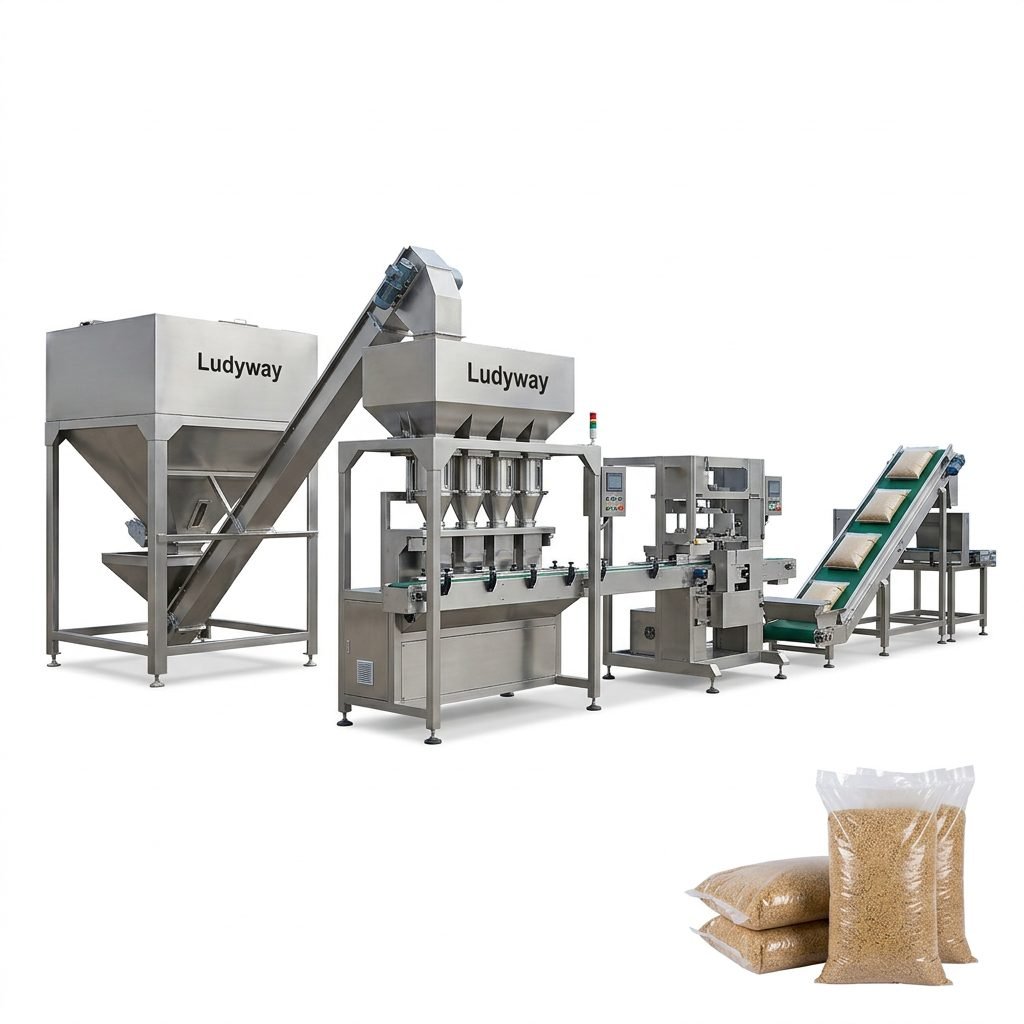
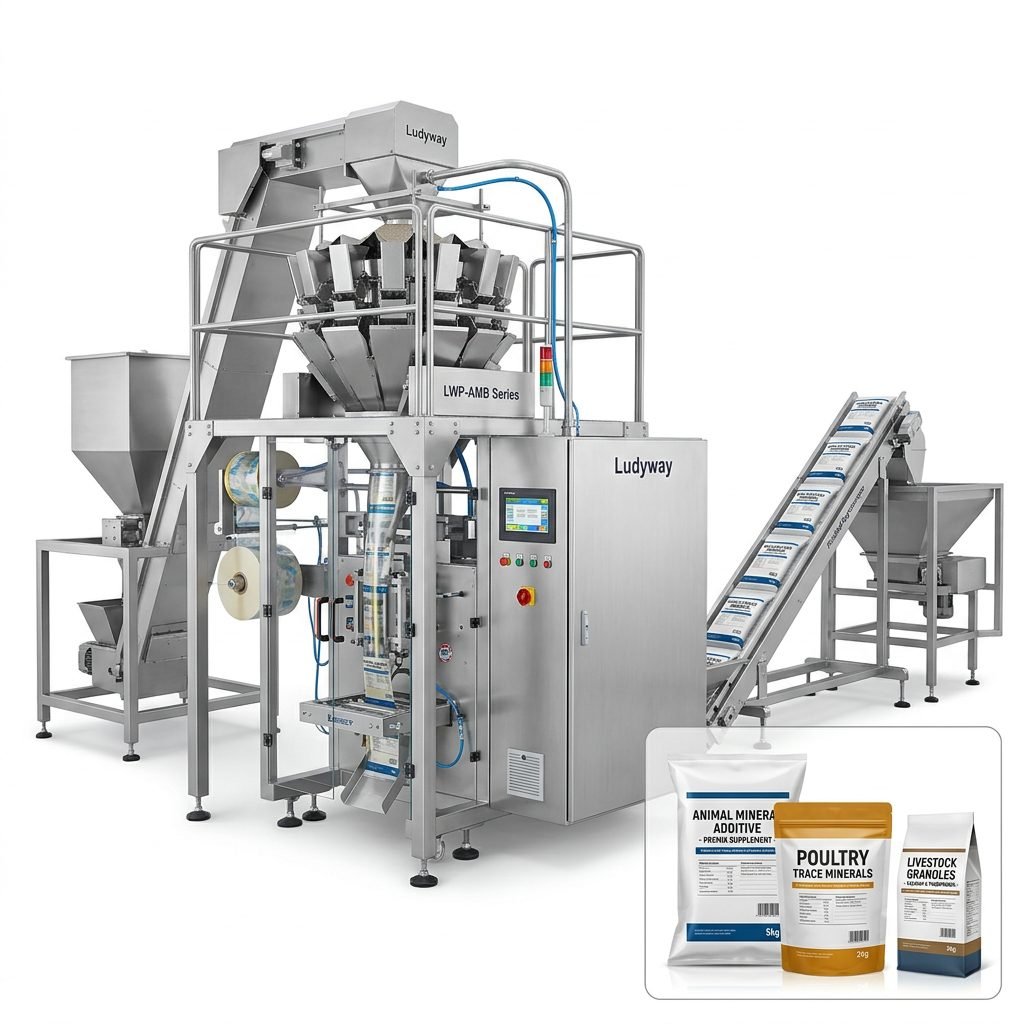
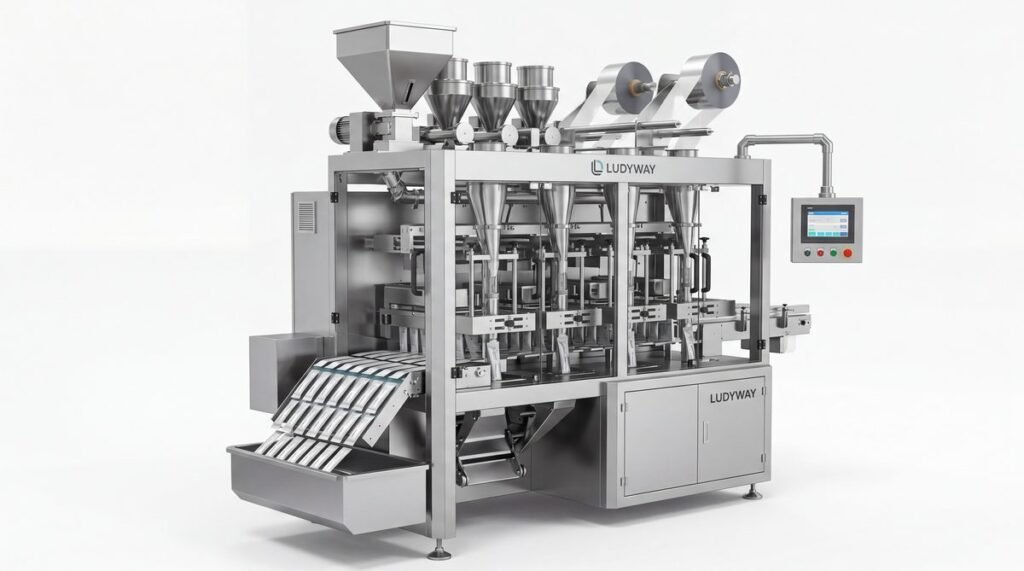
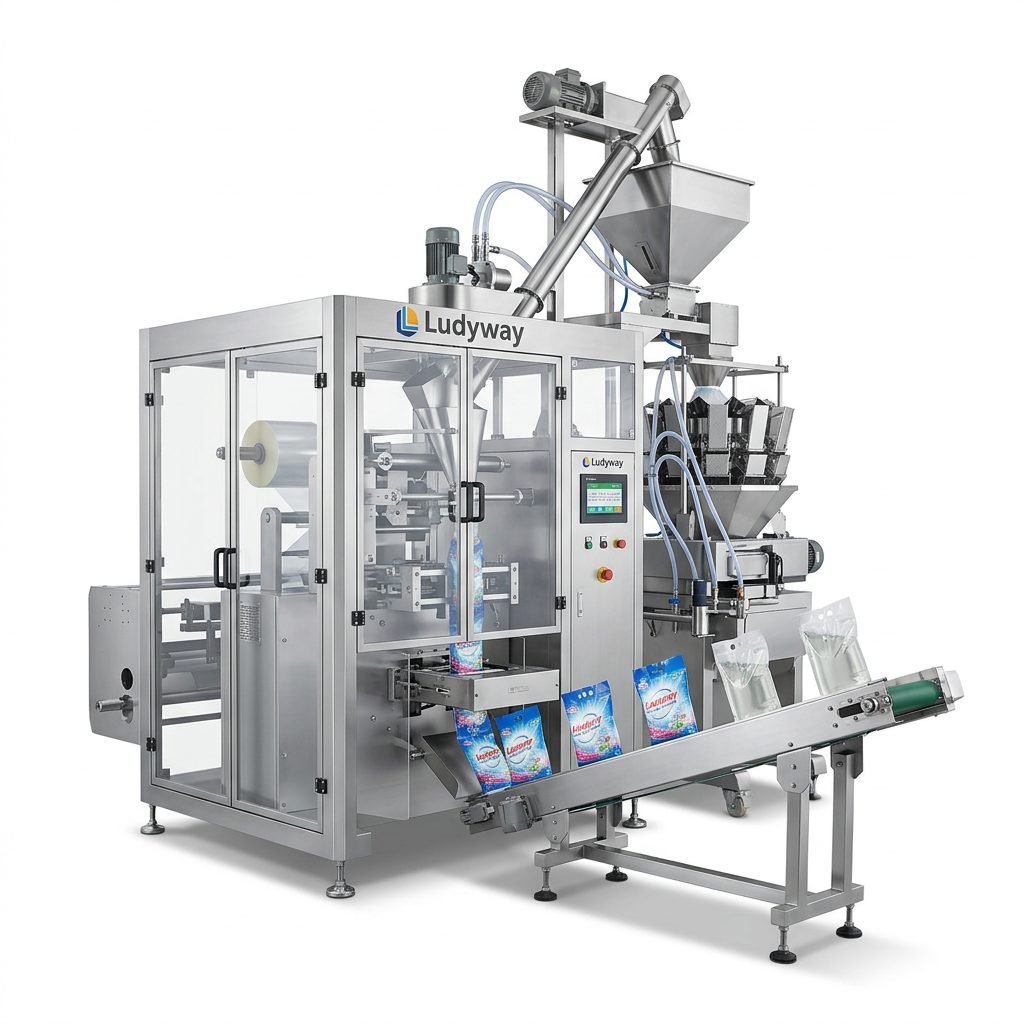
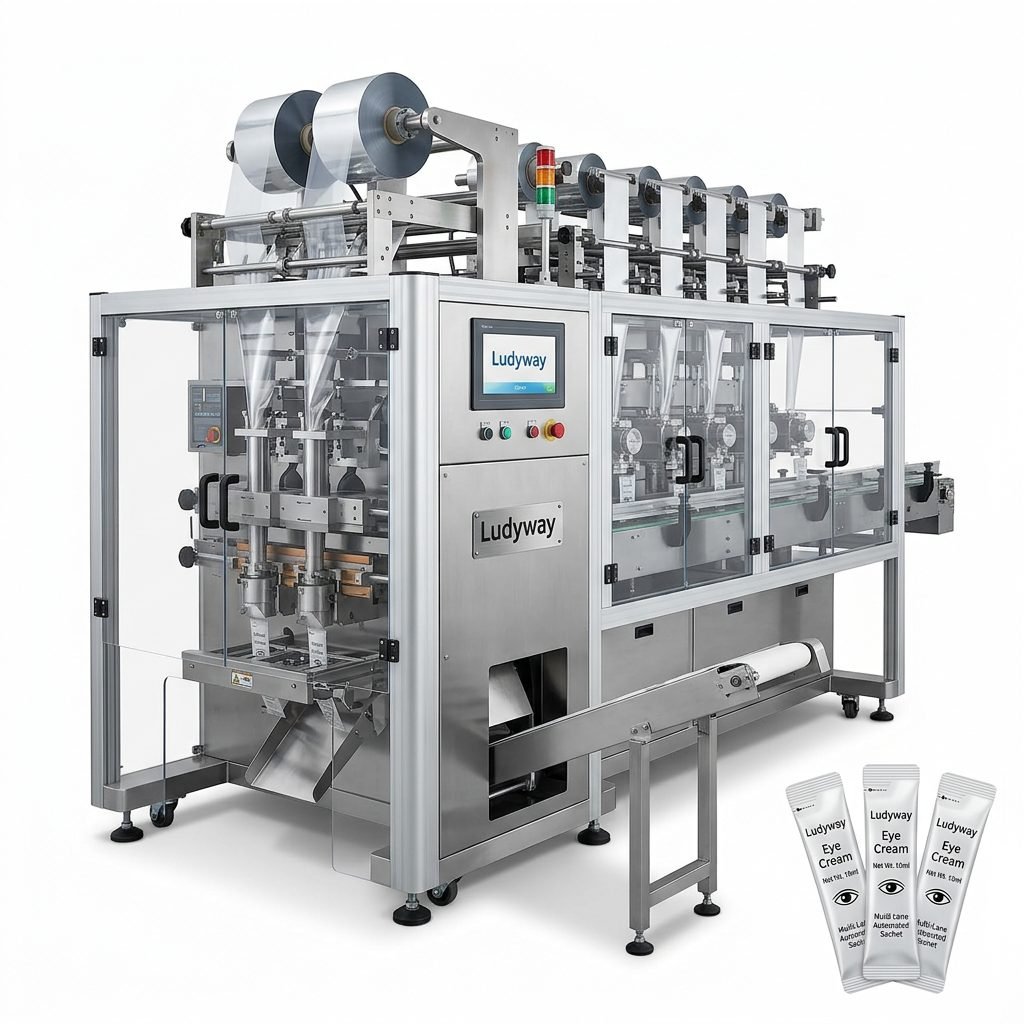
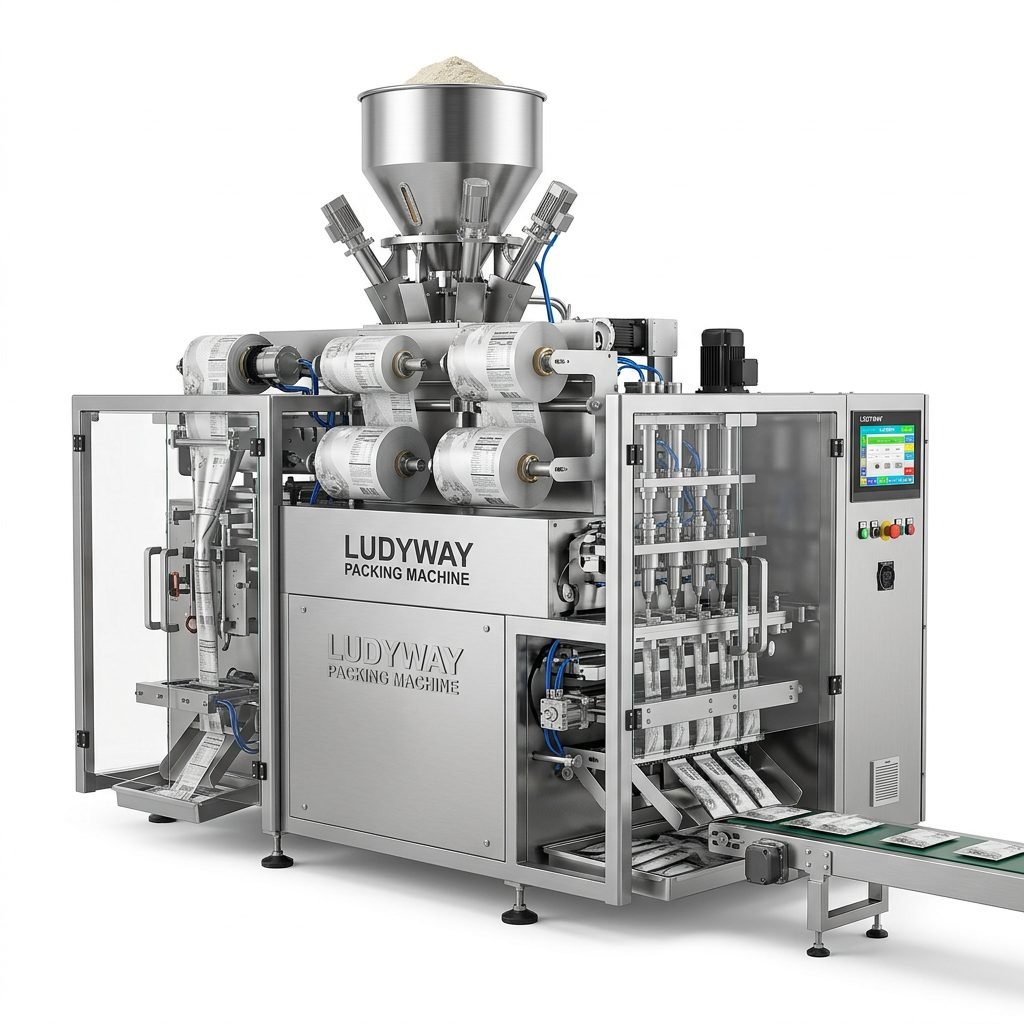
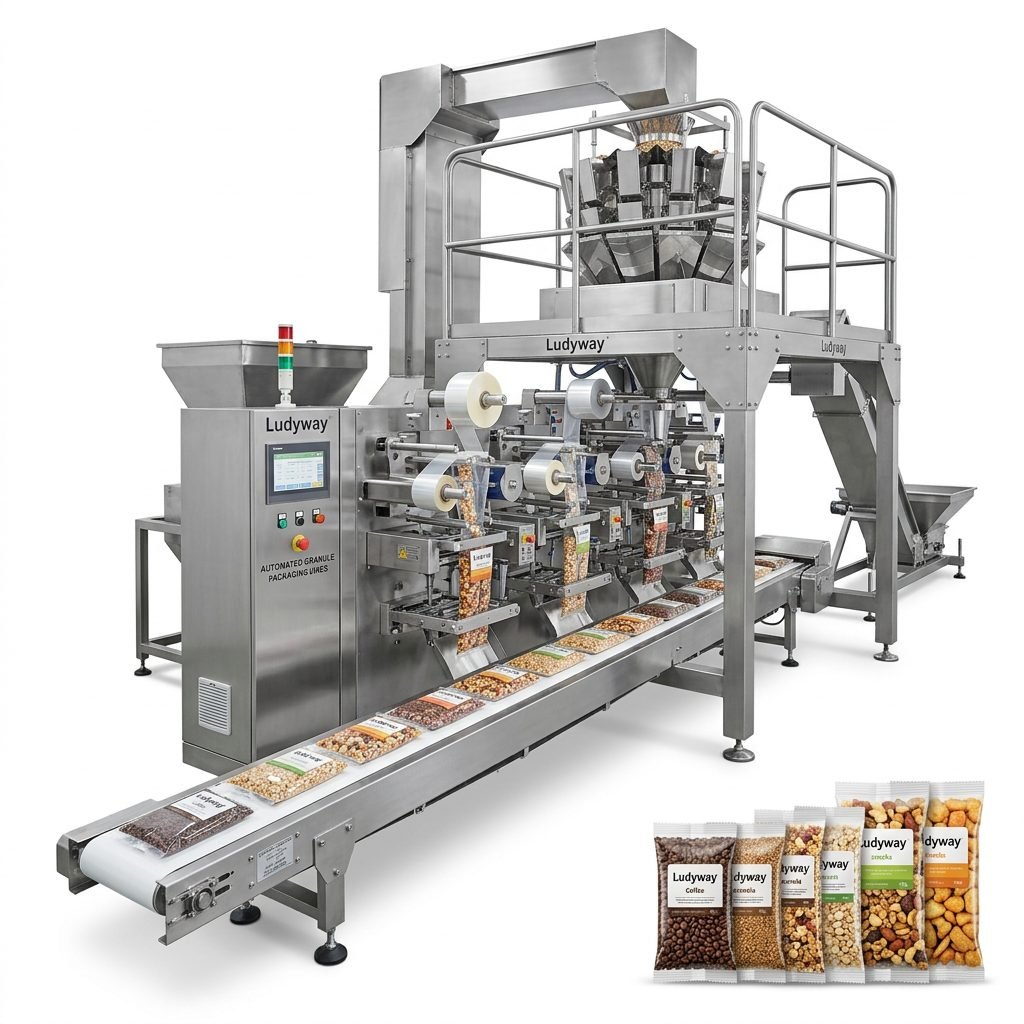
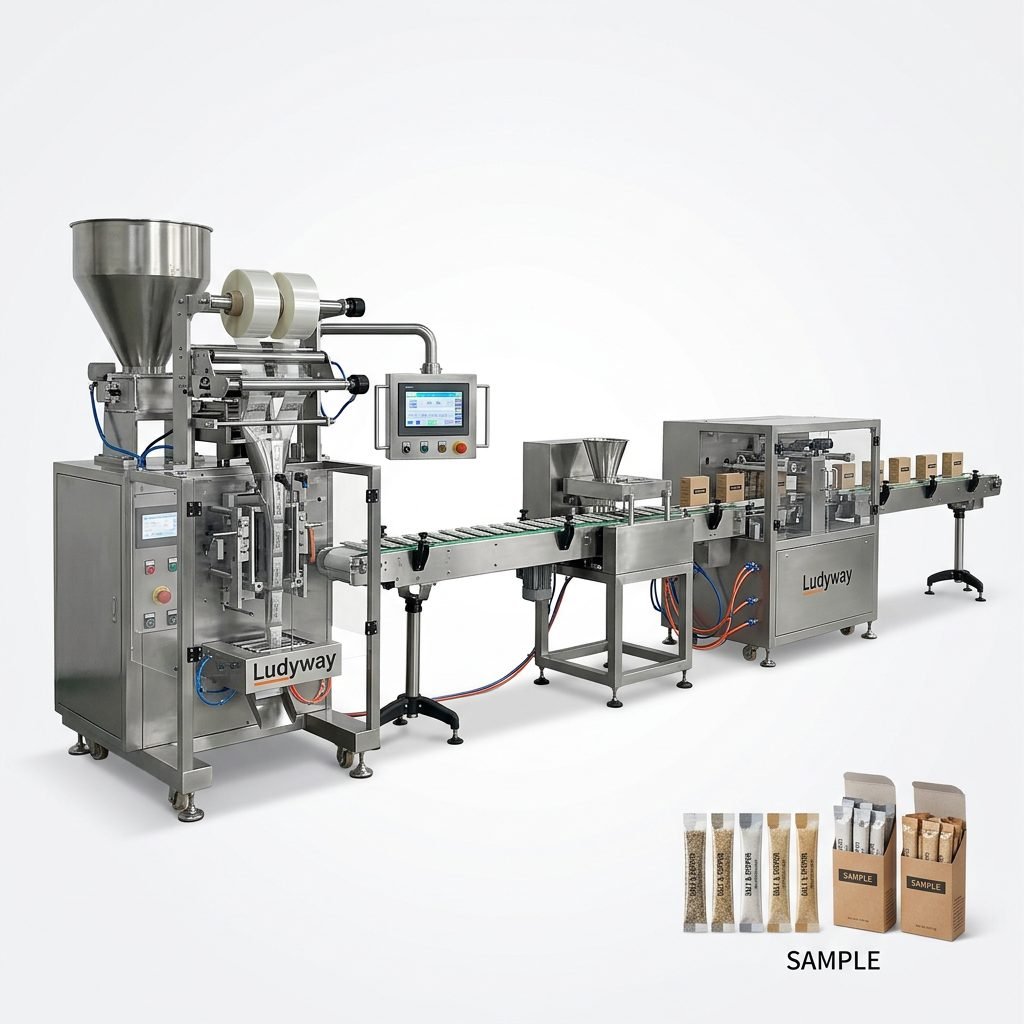
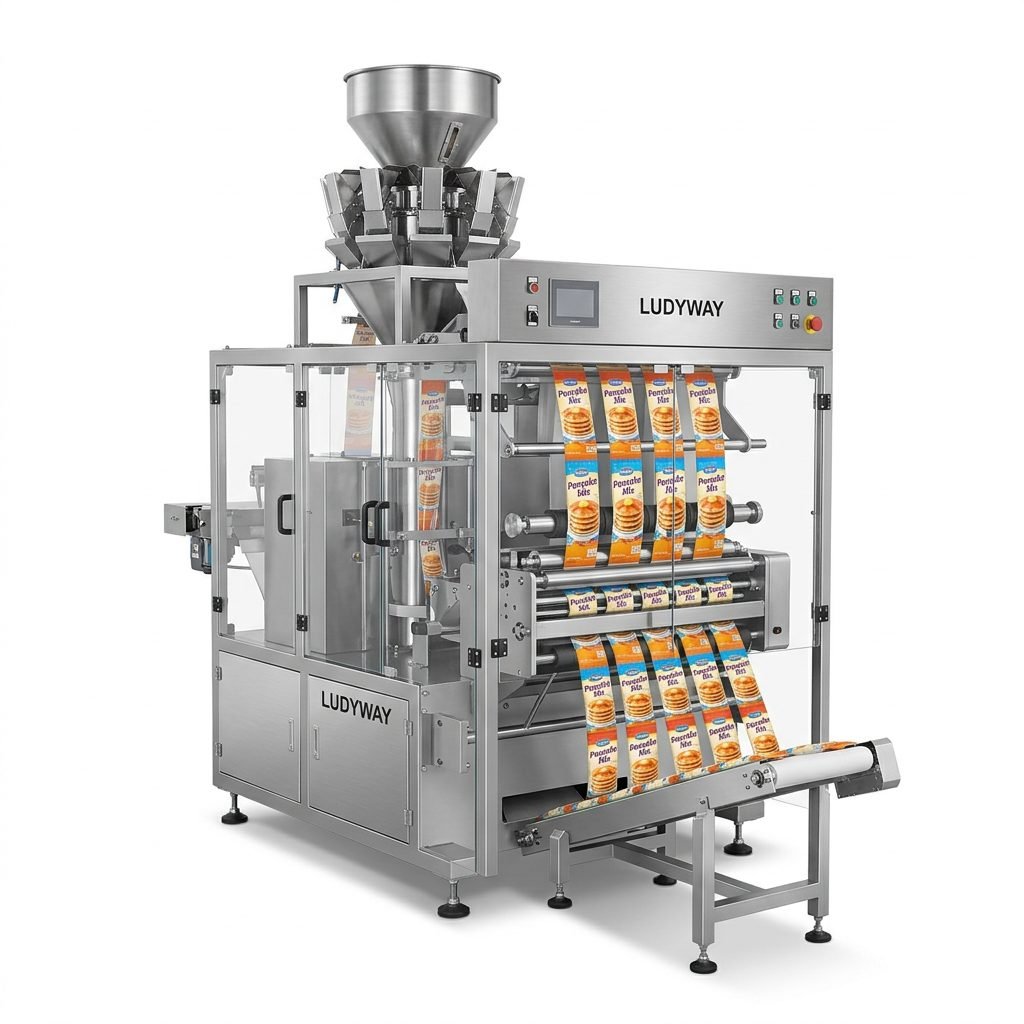
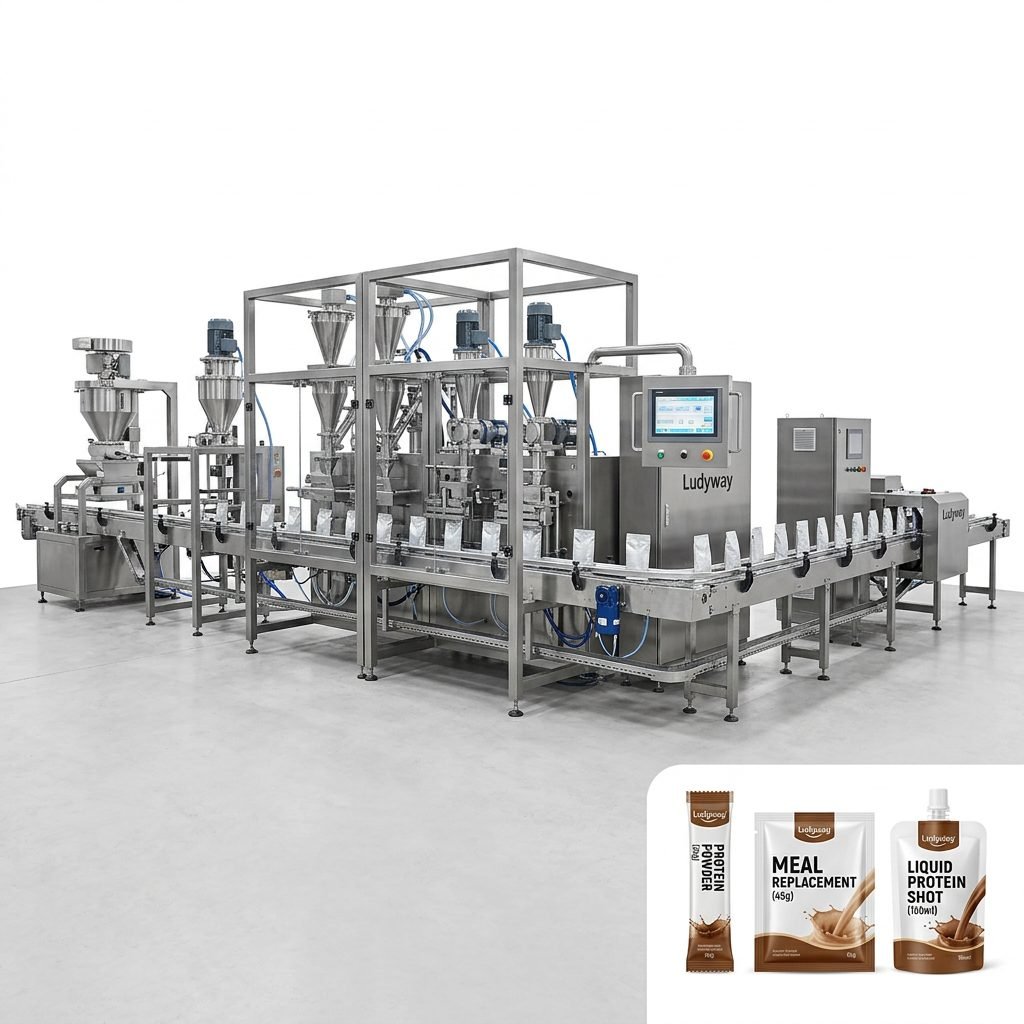
Investing in a small candy packaging machine is a strategic step for confectionery businesses aiming to scale production, improve consistency, and reduce manual labor. Whether you are a startup launching a single-product line or a growing manufacturer expanding into stick packs and sachets, choosing the right equipment directly affects your packaging quality, speed, and long-term operational costs. This guide walks you through the essential factors to consider when selecting a compact candy packaging solution.
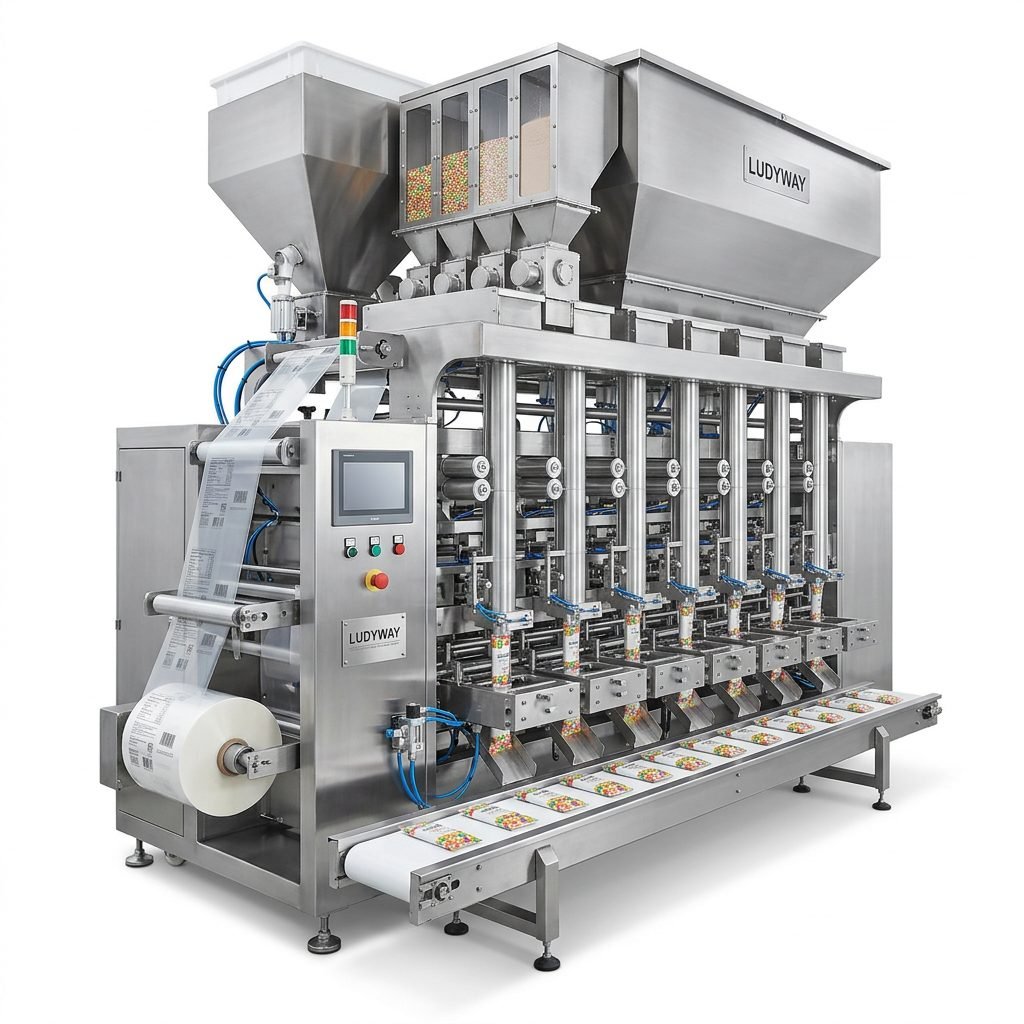
1. Define Your Candy Type and Packaging Format
The first step is to match the machine to your specific product. Candy comes in many forms, and each requires a different handling and dosing system. A machine designed for hard candies uses counting or weighing mechanisms, while a powder-based candy like drink mixes requires an auger filler. Similarly, gummies or jellies need gentle handling to avoid sticking or deformation. Beyond the product itself, the packaging format is critical. The most common options for small candy packaging include:
- Stick Packs: Narrow, elongated sachets ideal for single-serve powders and granular candies.
- Sachets: Flat three- or four-side-sealed pouches suitable for a wide range of confectionery.
- Pillow Packs: Classic bag style used for wrapped candies or lollipops.
- Premade Pouches: Stand-up or flat zipper bags filled through an open mouth.
Before evaluating suppliers, clearly document your target bag dimensions, fill weight, and material type. This clarity helps manufacturers like Ludyway Machinery recommend the most suitable small candy packaging machine configuration from their portfolio of over 50 models.
2. Key Technical Specifications to Evaluate
Once you know the format, dive into the technical details that separate a reliable workhorse from a constant headache. Focusing on these specifications ensures your candy packaging equipment aligns with both current needs and future growth.
Filling Accuracy and Dosing Mechanism
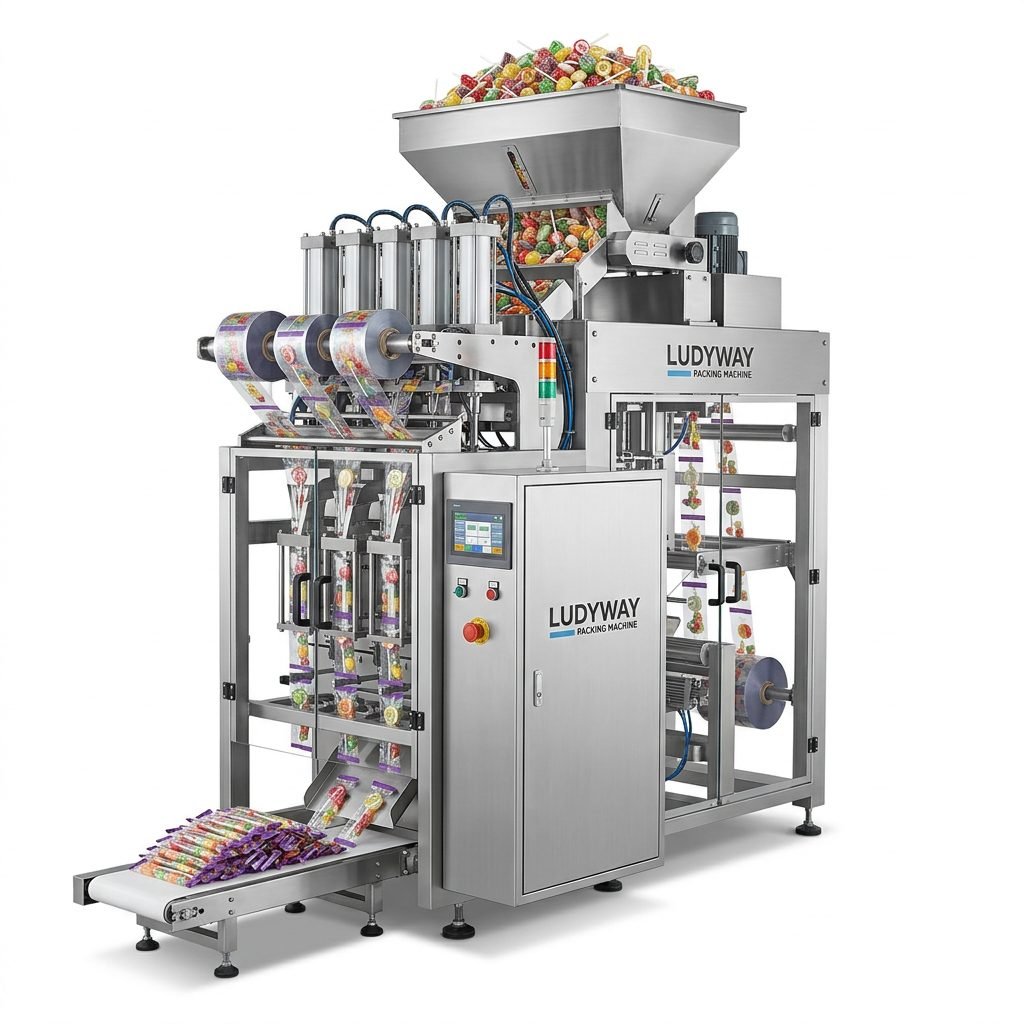
Accurate filling is non-negotiable. Overfilling cuts into your profit margin, while underfilling leads to regulatory issues and customer complaints. For granular candy, multi-head weighers offer high precision. For powders, servo-driven auger fillers provide consistent dosing. Always check the declared accuracy range for your specific product.
Production Speed and Multi-Lane Configuration
Speed requirements vary widely. A small business might need 30-60 packs per minute, while a large manufacturer may require several hundred. A key decision is whether to opt for a single-lane or multi-lane small candy packaging machine. Multi-lane systems run several packaging lines simultaneously from one machine frame, dramatically increasing output without proportionally increasing floor space or operator requirements.
Machine Dimensions and Portability
For many buyers, the small aspect of the machine is a priority. Compact models are easier to integrate into existing production lines with limited floor space. Check the machine’s footprint, height, and access requirements for cleaning and maintenance. Some versatile models are designed for ease of movement, allowing quick changeovers between production runs of different candy varieties.
Sealing and Film Compatibility
The quality of the seal determines shelf life and package integrity. Look for machines with precise temperature controllers and adjustable sealing pressure. Your machine must be compatible with your chosen packaging film—whether it’s heat-sealable laminates, aluminum foil, or biodegradable materials. A versatile candy packaging machine should handle a range of film thicknesses and materials.
3. Budget: Initial Cost vs. Total Cost of Ownership
The purchase price is just one part of the financial equation. A comprehensive budget analysis for a small candy packaging machine should factor in several long-term costs. The table below outlines the key components that influence your total investment over the machine’s lifecycle.
| Cost Factor | Description | Impact Level |
|---|---|---|
| Initial Purchase | Machine base price, plus optional features or custom configurations. | High upfront |
| Installation & Training | Cost for setup, commissioning, and operator training, often available remotely. | Moderate |
| Spare Parts | Wear items such as sealing jaws, belts, and cutting blades. | Ongoing |
| Film Waste | Machines with poor film tracking waste material and increase operating cost. | Recurring |
| Downtime Risk | Lost production due to unreliable equipment or slow technical support response. | Potentially High |
A slightly higher initial investment in a robust, well-supported machine often results in a lower total cost of ownership over 3-5 years. According to industry data from the PMMI Business Intelligence Library, packaging machinery reliability and after-sales support are consistently ranked among the top purchasing criteria for manufacturers.
4. Key Features That Make a Difference
Modern small candy packaging machines come with features that significantly improve efficiency and ease of use. When comparing models, prioritize these capabilities:
- Quick Changeover Design: Tool-less adjustments and recipe memory allow you to switch between different candy products and bag sizes in minutes, not hours.
- Servo-Driven Technology: Servo motors provide precise control over film feeding, sealing, and cutting, resulting in higher accuracy and less maintenance than pneumatic systems.
- User-Friendly HMI: A touchscreen interface with intuitive controls simplifies operation, reduces training time, and enables quick parameter adjustments.
- Automated Feeding Systems: Integration with vibratory feeders, multi-head weighers, or auger fillers streamlines the production flow from bulk product to finished pack.
- Code Printing Integration: Compatibility with hot stamp printers, inkjet coders, or thermal transfer printers for batch numbers and date codes.
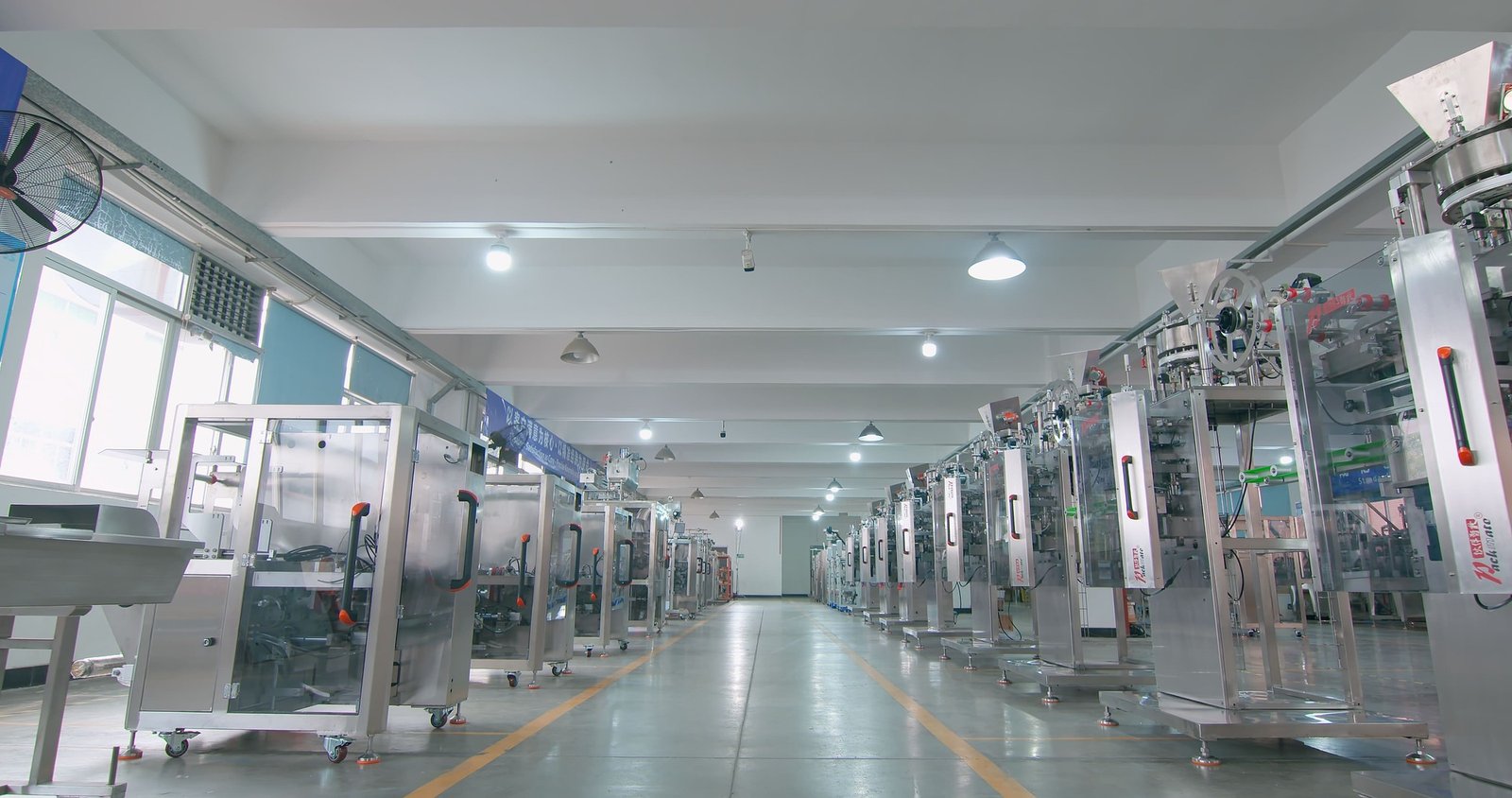
5. Evaluating Packaging Machinery Suppliers
Your machine supplier is your long-term partner. A thorough evaluation goes beyond the equipment specification sheet. Use this checklist when assessing potential suppliers:
- Industry Experience: Do they have proven expertise in confectionery packaging specifically? General packaging experience is not always sufficient for the unique challenges of candy products.
- Manufacturing Capabilities: Is the supplier a genuine manufacturer with in-house engineering and production, or a trading company? Manufacturers offer better customization, quality control, and direct technical support.
- Customer References and Case Studies: Ask for examples of similar installations. A transparent supplier will share relevant case studies or client references.
- After-Sales Support: Clarify the warranty terms, availability of remote technical assistance, spare parts supply chain, and whether on-site service is available in your region.
- Customization Options: Can the supplier adapt the machine to your specific product characteristics, packaging material, and factory layout? Standard machines sometimes require modifications to perform optimally.
Resources like the PMMI Packaging Industry Resources portal provide additional guidance on standards and machinery selection criteria that can inform your evaluation process.
6. Compliance and Safety Standards
Depending on your target market, your small candy packaging machine may need to comply with specific regulations. Food-grade construction materials, easy-to-clean surfaces, and safety guarding are essential. For international markets, CE marking, UL certification, or compliance with FDA food contact substance regulations may be mandatory. Confirm that the supplier can provide the necessary documentation and that their equipment designs meet these requirements.
7. Common Questions Before Buying
Here are answers to the most frequently asked questions about selecting a small candy packaging machine:
- Can one machine handle multiple candy types? Many machines can handle granules, powders, and small solid pieces, but you need to verify the specific dosing system compatibility. A machine set up for granule filling may require a different dosing unit for sticky gummies.
- What is the typical lead time? Standard models may ship within weeks, while customized configurations can take several months. Plan your procurement timeline accordingly.
- Is operator training included? Most reputable manufacturers provide training during commissioning, either on-site or remotely. Comprehensive documentation and video tutorials are increasingly common.
- How do I calculate the right speed for my needs? Determine your daily or hourly target output, then add a buffer of at least 20% to account for film changes, cleaning, and minor stops.
Making the Final Decision
Choosing the right small candy packaging machine is a balance of performance, reliability, supplier support, and budget. Start with a clear definition of your product and packaging requirements. Evaluate technical specifications against your production goals. Scrutinize suppliers for industry experience, manufacturing depth, and after-sales capabilities. A machine that fits your space, scales with your growth, and is backed by responsive support will deliver value for years. By methodically addressing each factor outlined in this guide, you position your candy production line for efficiency, consistency, and long-term success.
For further reading on packaging industry trends and machine selection best practices, refer to the PMMI 2026 State of the Industry report and the Flexible Packaging Association’s knowledge hub.