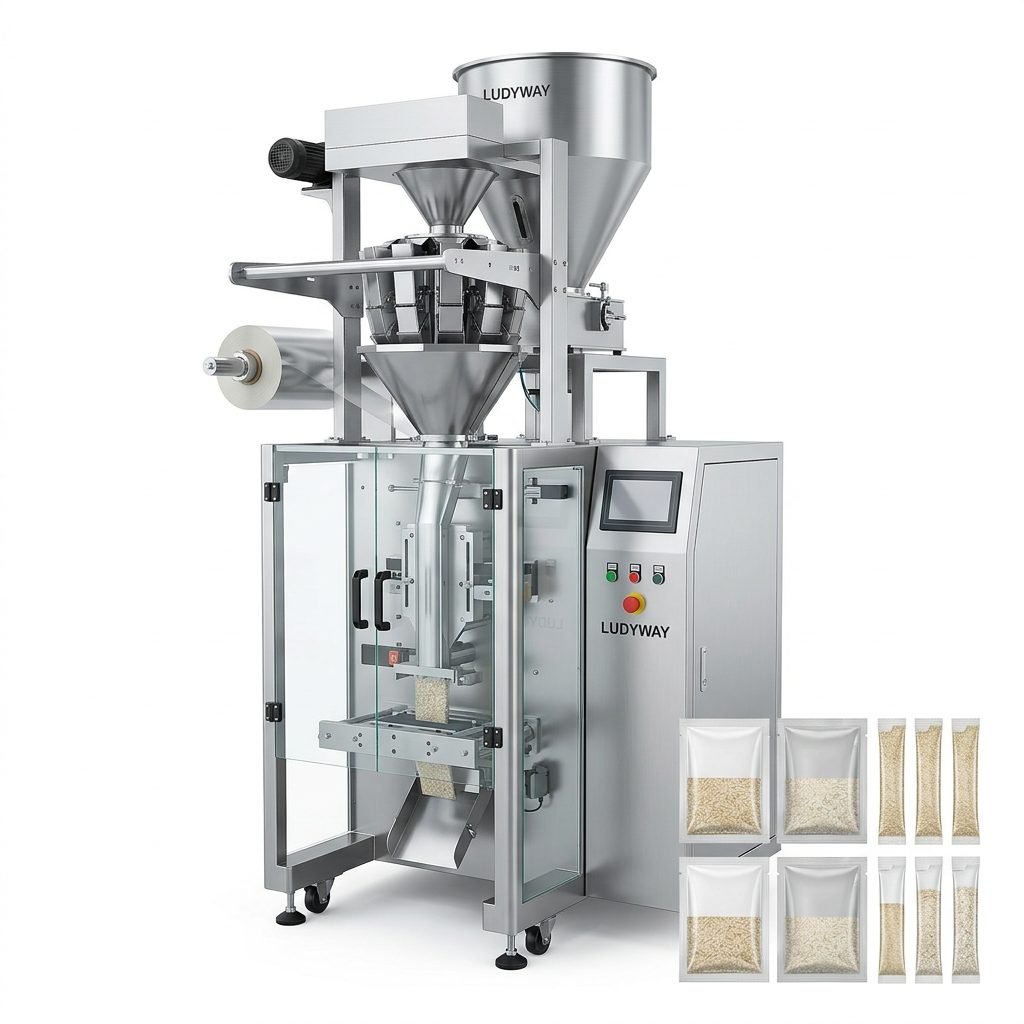
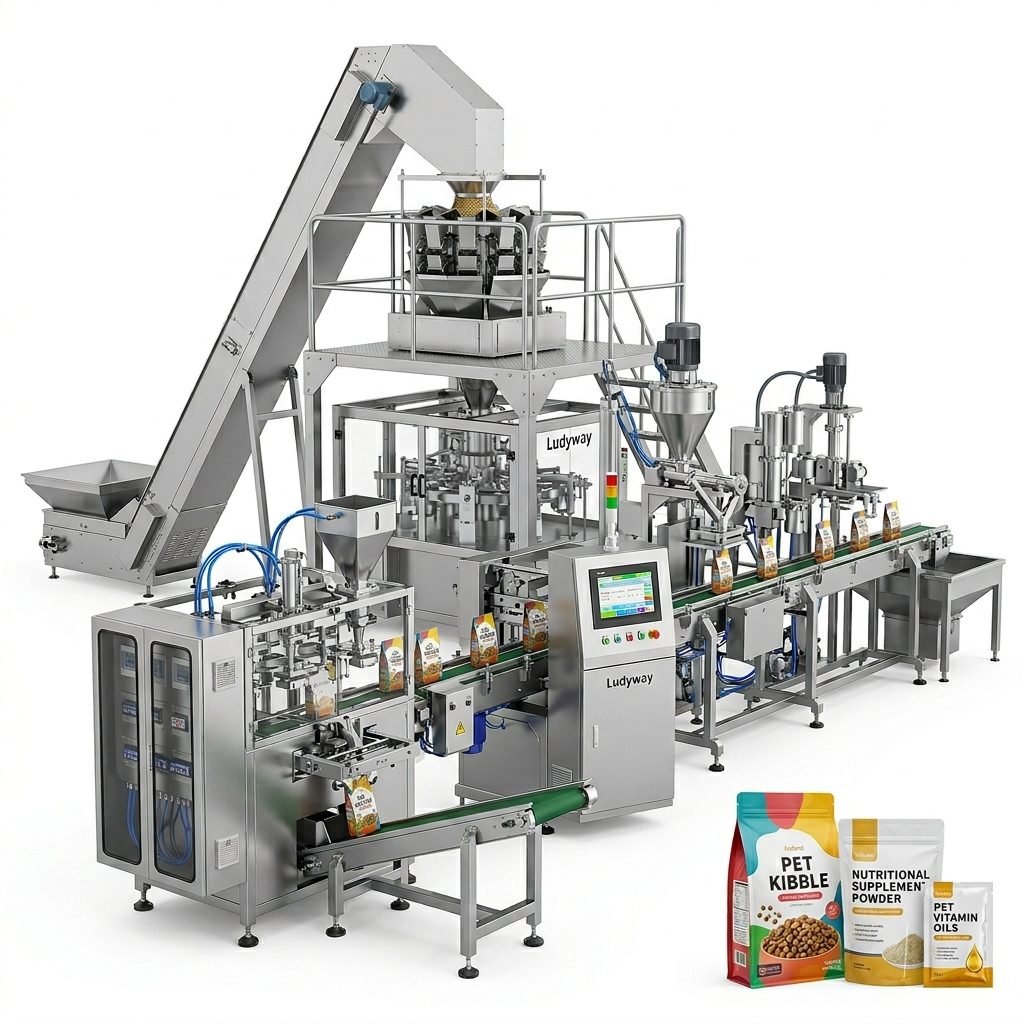
In fast-paced production environments, an automatic bagging machine plays a critical role in improving output, reducing manual handling, and maintaining packaging consistency. Whether used for food, pharmaceuticals, chemicals, animal feed, or consumer goods, automated bagging technology helps manufacturers move from labor-intensive packing to faster, smarter, and more reliable operations.
Modern businesses are under pressure to package more products in less time while controlling waste, ensuring accuracy, and meeting quality standards. That is why many factories are adopting automatic bagging systems as part of a broader production upgrade strategy.
What Is an Automatic Bagging Machine?
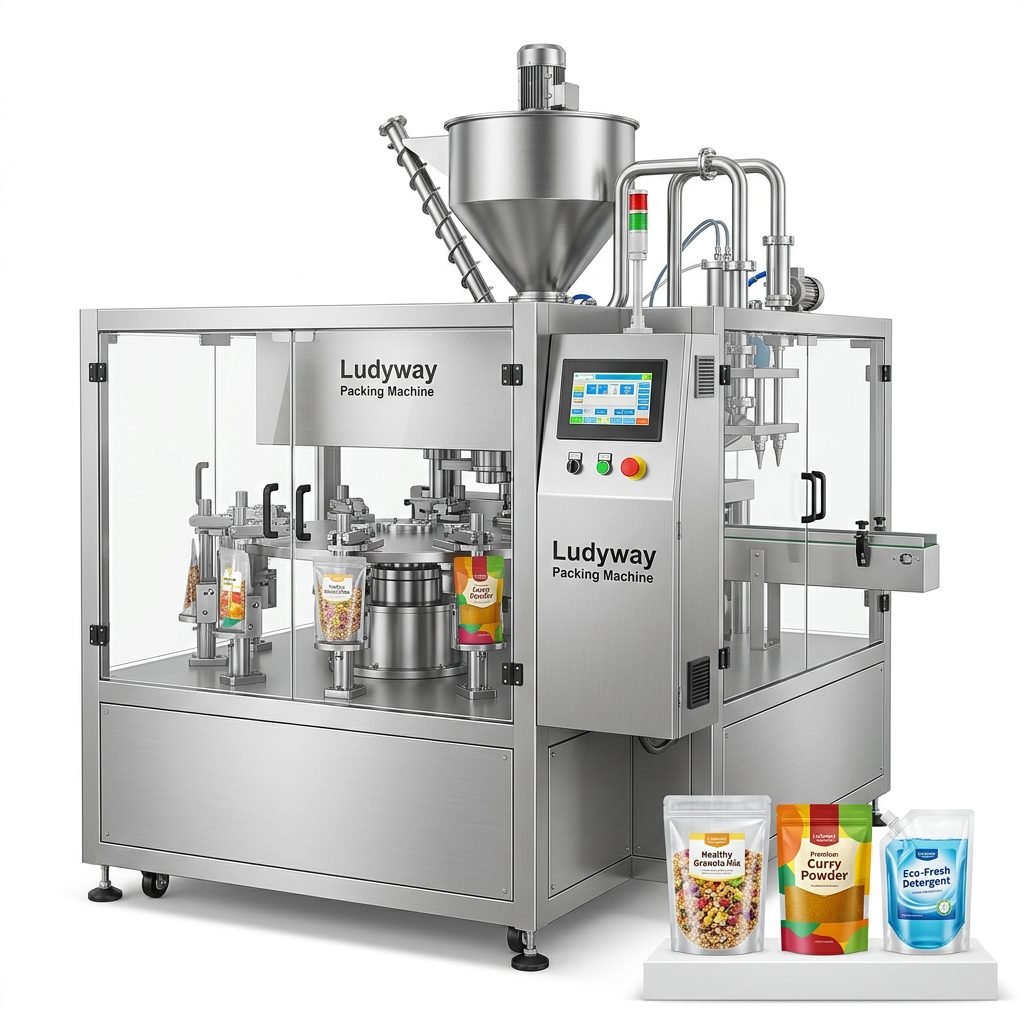
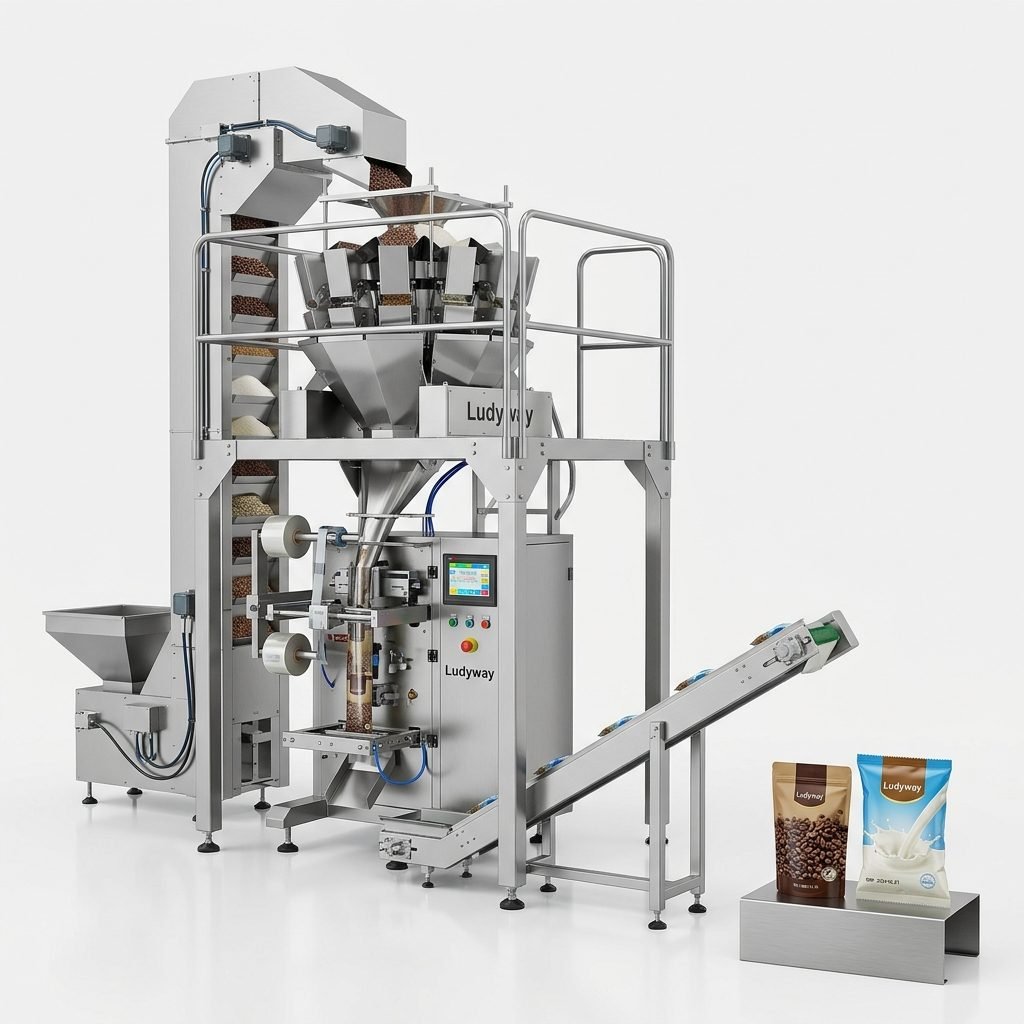
An automatic bagging machine is a packaging system designed to fill and seal bags with minimal manual intervention. Depending on the application, it can handle powders, granules, pellets, liquids, pastes, or mixed products. The machine typically integrates functions such as feeding, weighing or dosing, bag forming or bag feeding, filling, sealing, coding, checking, and discharge.
These systems are widely used in industries where speed, hygiene, repeatability, and labor efficiency directly affect profitability. From small sachets to larger bulk bags, automation helps standardize the entire packaging process.
How Automatic Bagging Machines Improve Packaging Efficiency
- Higher output: Continuous and stable bagging speeds increase daily production capacity.
- Better accuracy: Precision weighing and filling reduce overfill and underfill issues.
- Lower labor costs: Fewer operators are required for repetitive packaging tasks.
- Improved consistency: Bag shape, seal quality, and fill weight remain more uniform.
- Cleaner production: Enclosed systems can reduce dust, spills, and contamination risks.
- Easier integration: Machines can connect with conveyors, checkweighers, coding units, and palletizing systems.
Common Product Types Suitable for Automatic Bagging
| Product Category | Examples | Typical Bagging Method |
|---|---|---|
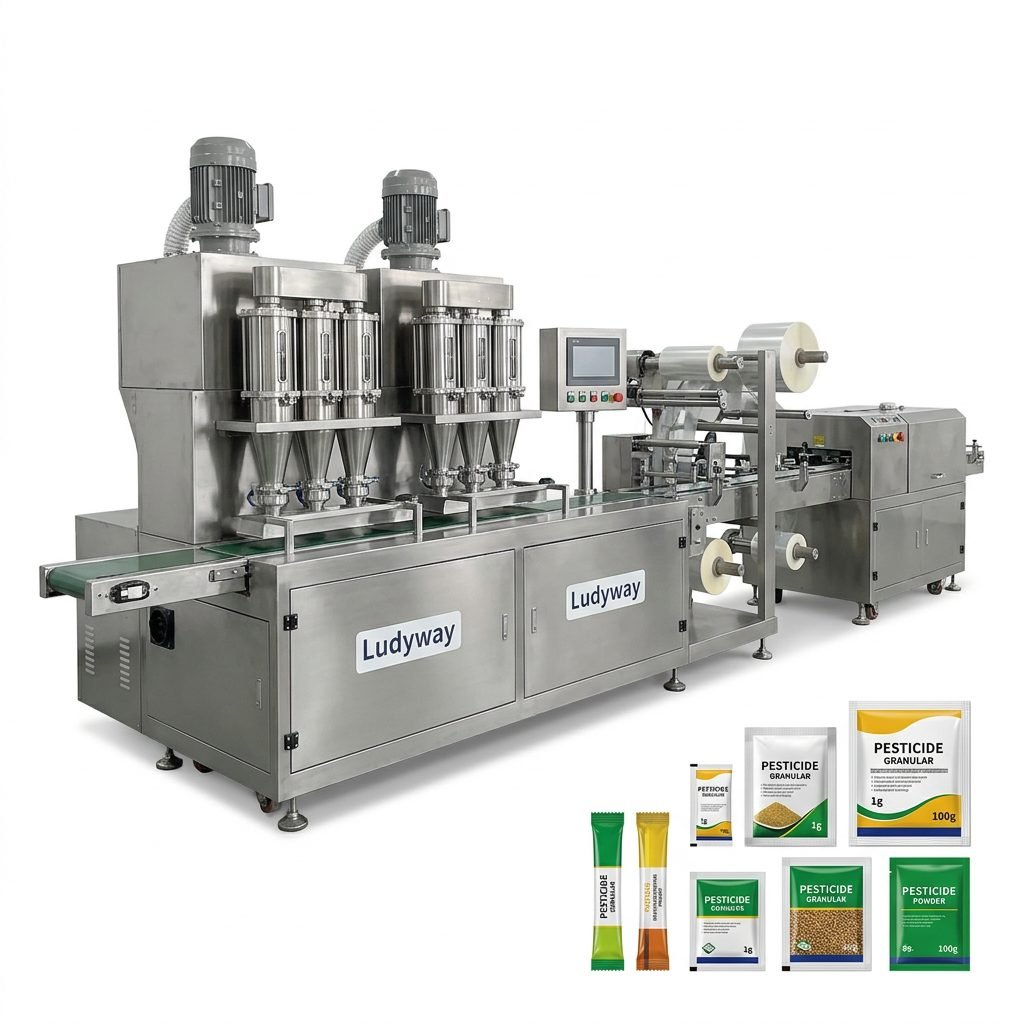
| Powders | Milk powder, spices, protein powder, pharmaceuticals | Auger filling, multi-lane sachet filling, vertical bagging |
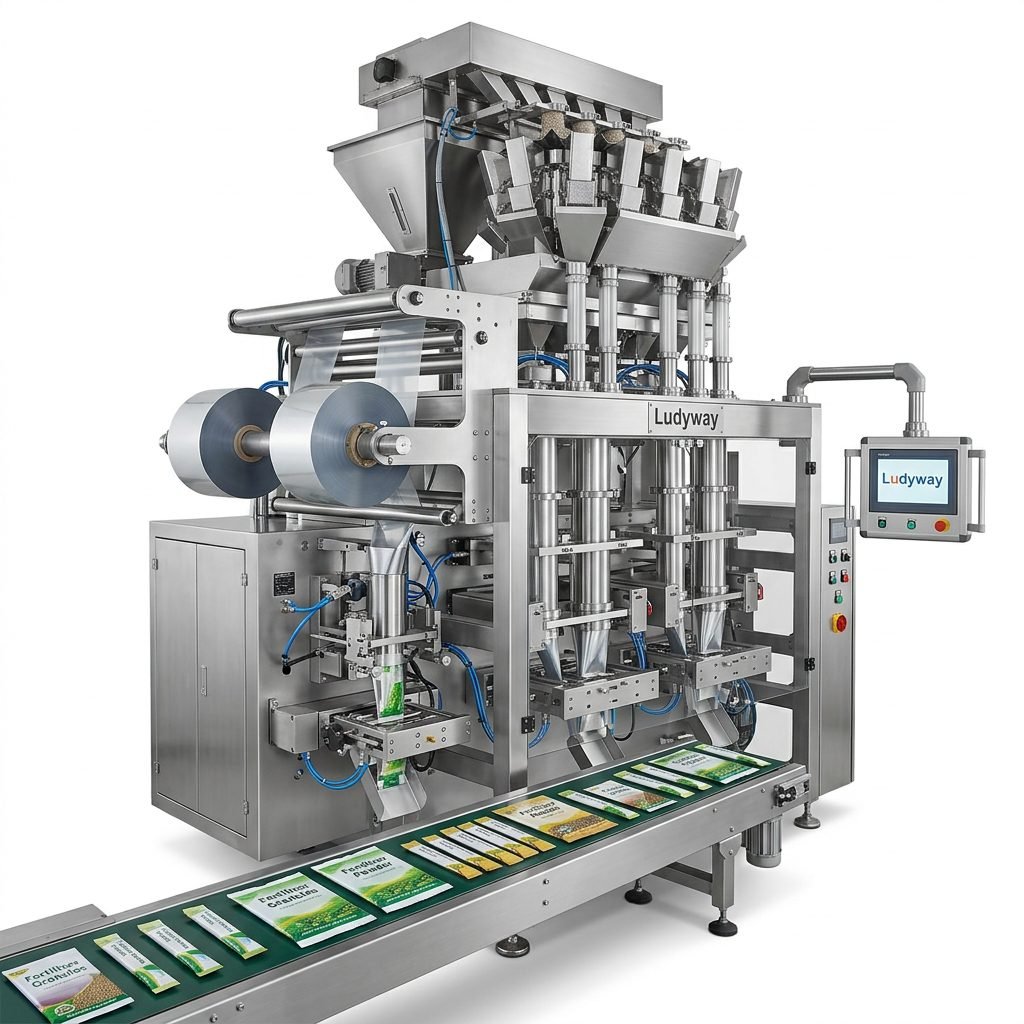
| Granules | Sugar, coffee, rice, seeds, pet food, feed pellets | Cup dosing, linear weigher, multihead weighing |
| Liquids & Pastes | Sauces, oils, shampoo, gel, detergent | Pump filling, piston filling, stick pack or pouch systems |
| Bulk Materials | Fertilizer, chemicals, feed, minerals | Open-mouth bagging, valve bag filling, jumbo bag systems |
Key Features to Look For
Not every automatic bagging machine is built the same. The right solution depends on your product characteristics, packaging format, capacity target, and factory layout. When evaluating equipment, focus on the following:
- Packaging speed matched to actual production demand
- Filling accuracy for cost control and compliance
- Bag size flexibility for multiple SKUs
- Seal quality for shelf life and transport safety
- Material compatibility for powder, granule, liquid, or mixed products
- Cleaning convenience especially for food and pharma applications
- Automation compatibility with upstream and downstream equipment
- Control system usability for easier operation and maintenance
Types of Automatic Bagging Machines
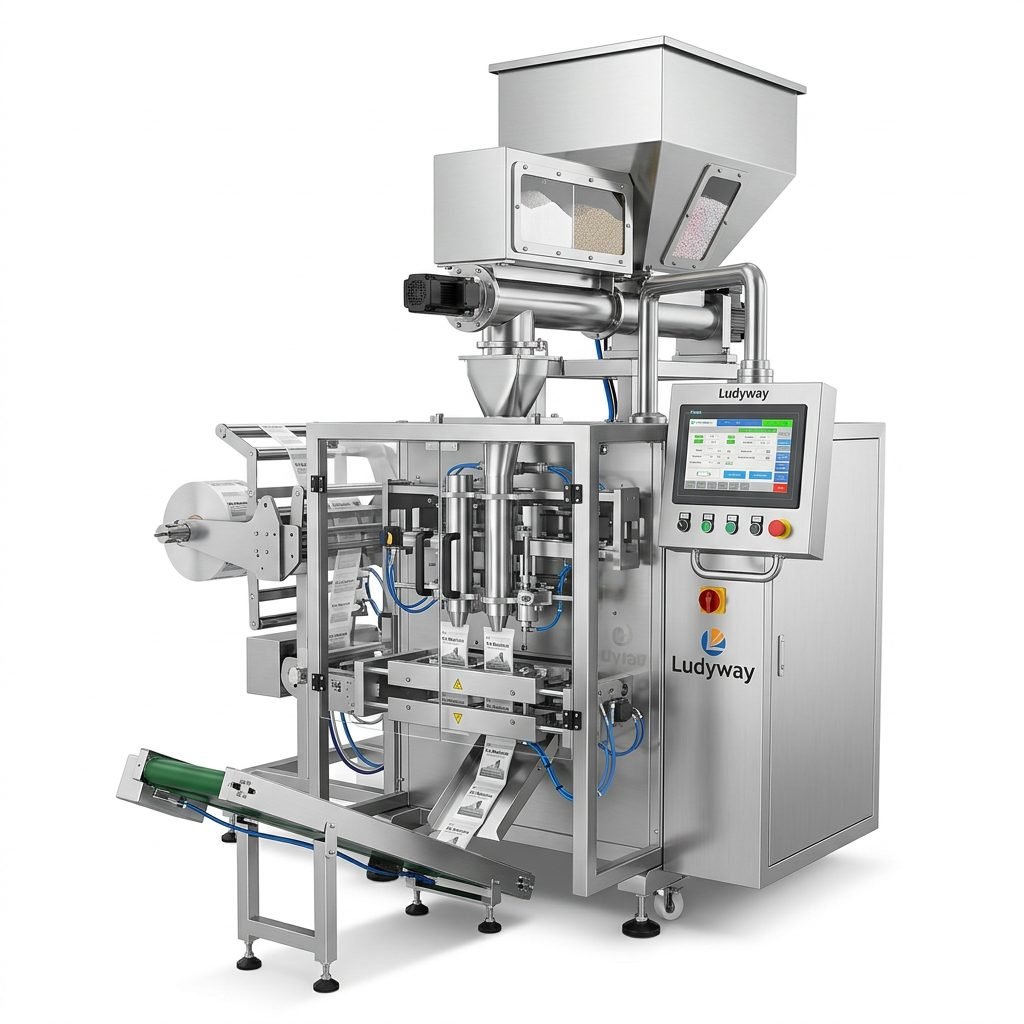
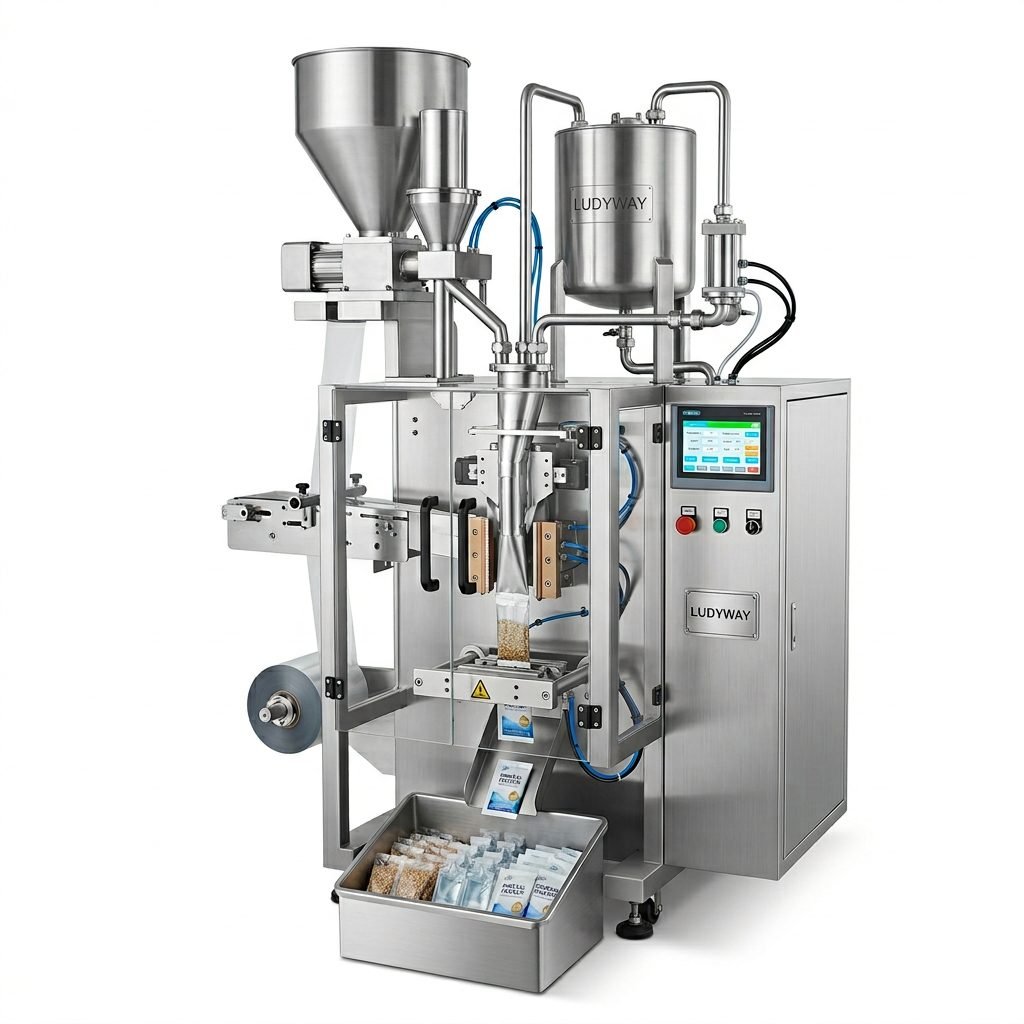
Vertical Form Fill Seal Machines
These machines form bags from roll film, fill them, and seal them in one continuous process. They are highly popular for powders, granules, and snack-type products because they combine speed with packaging flexibility.
Premade Pouch Bagging Machines
Ideal for companies that prefer premium pouch formats, these systems feed preformed bags or pouches, open them, fill the product, and seal them automatically. They are commonly used for food, supplements, cosmetics, and specialty chemicals.
Bulk Bagging Systems
Designed for heavier materials such as fertilizer, animal feed, grains, minerals, and industrial powders, bulk bagging systems focus on robust weighing, stable filling, and reliable sealing for larger sacks and jumbo bags.
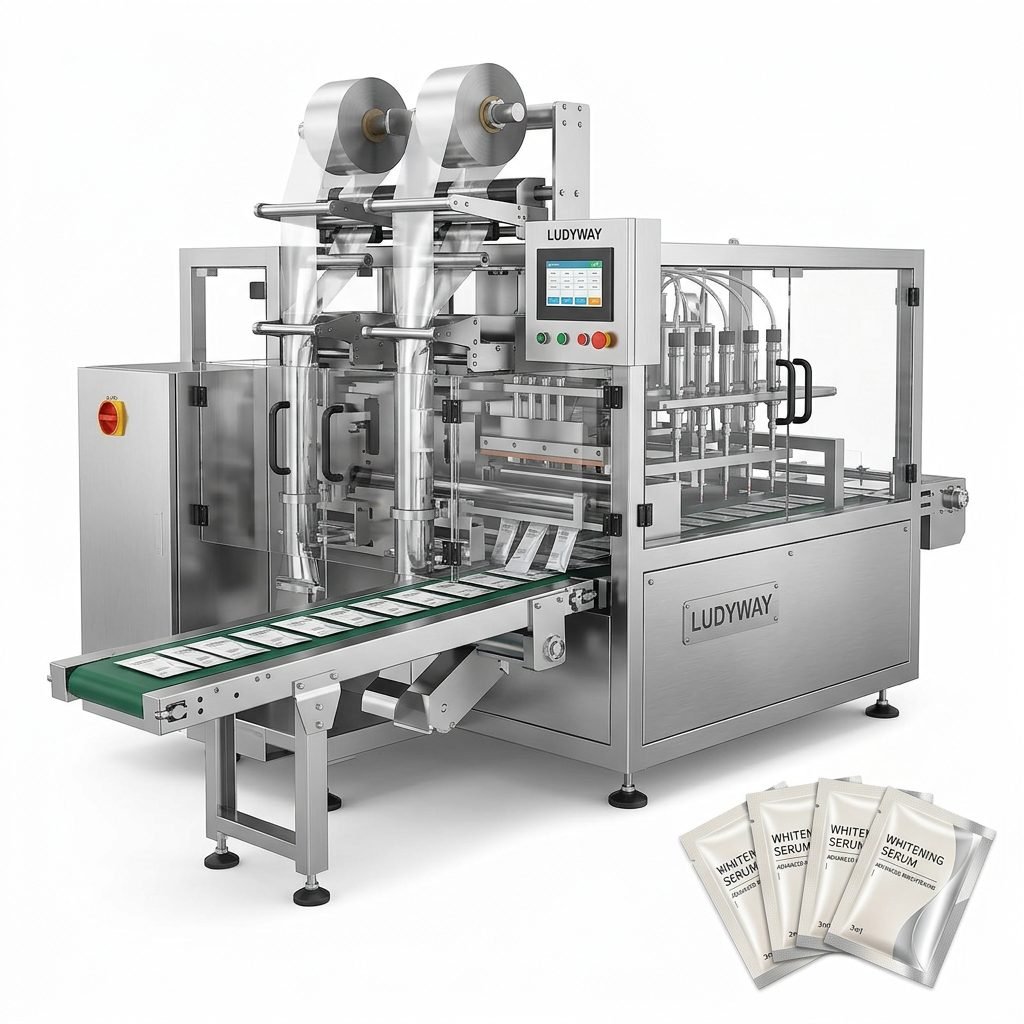
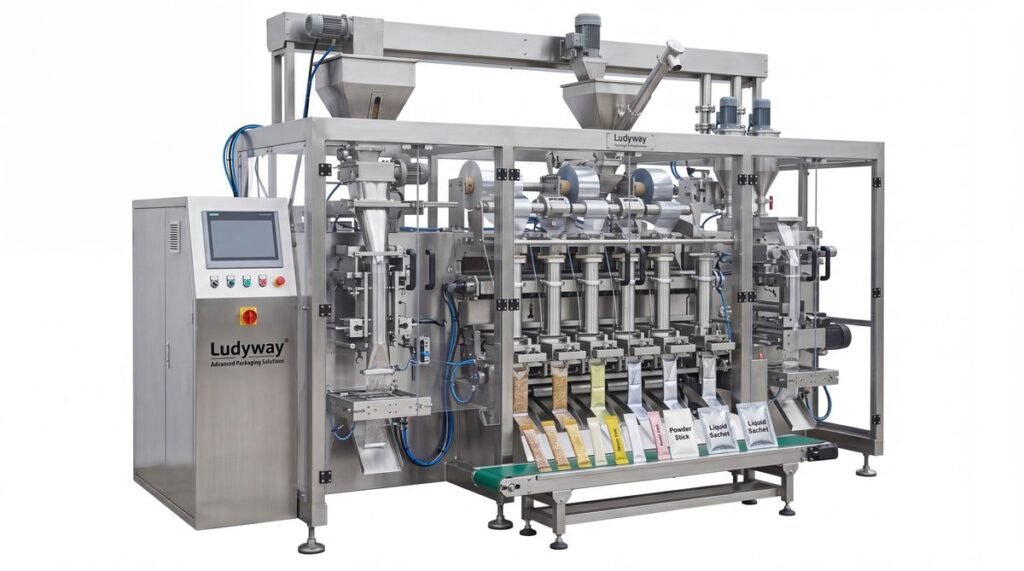
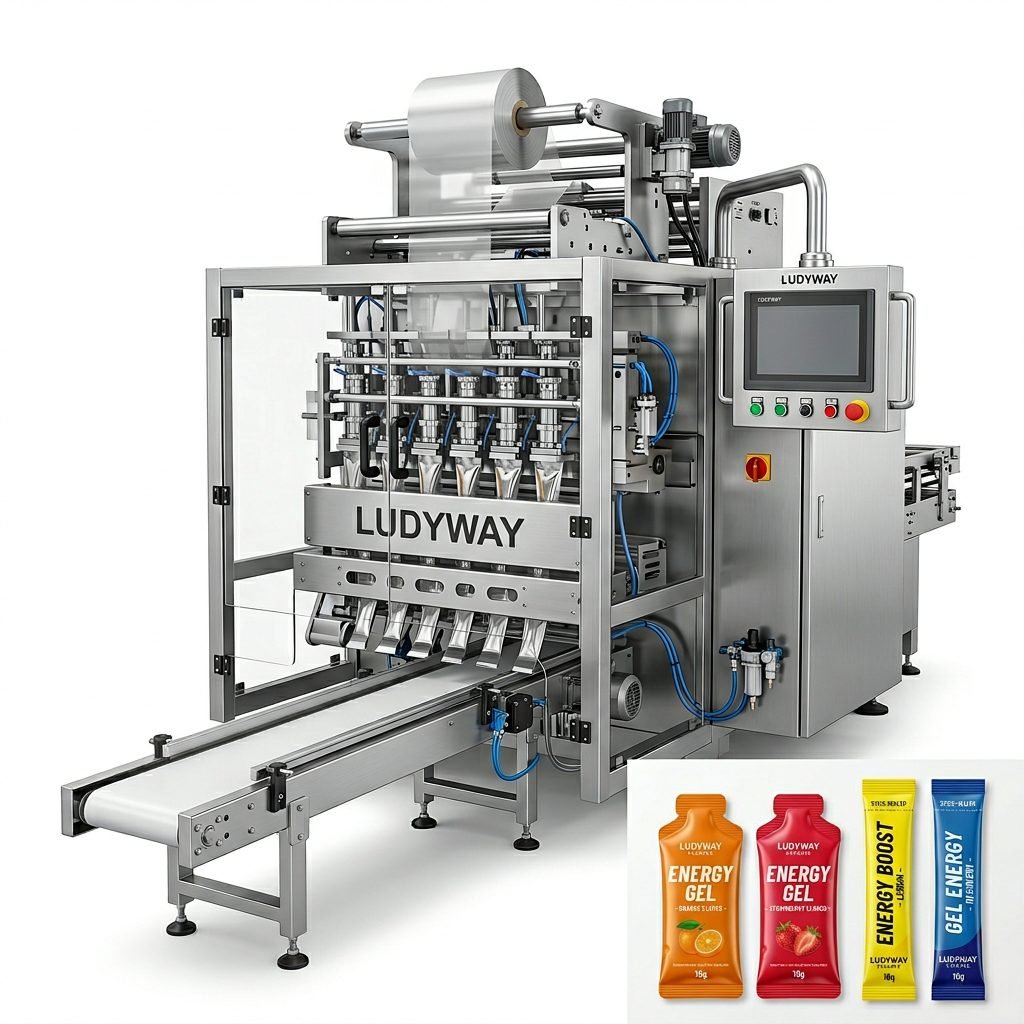
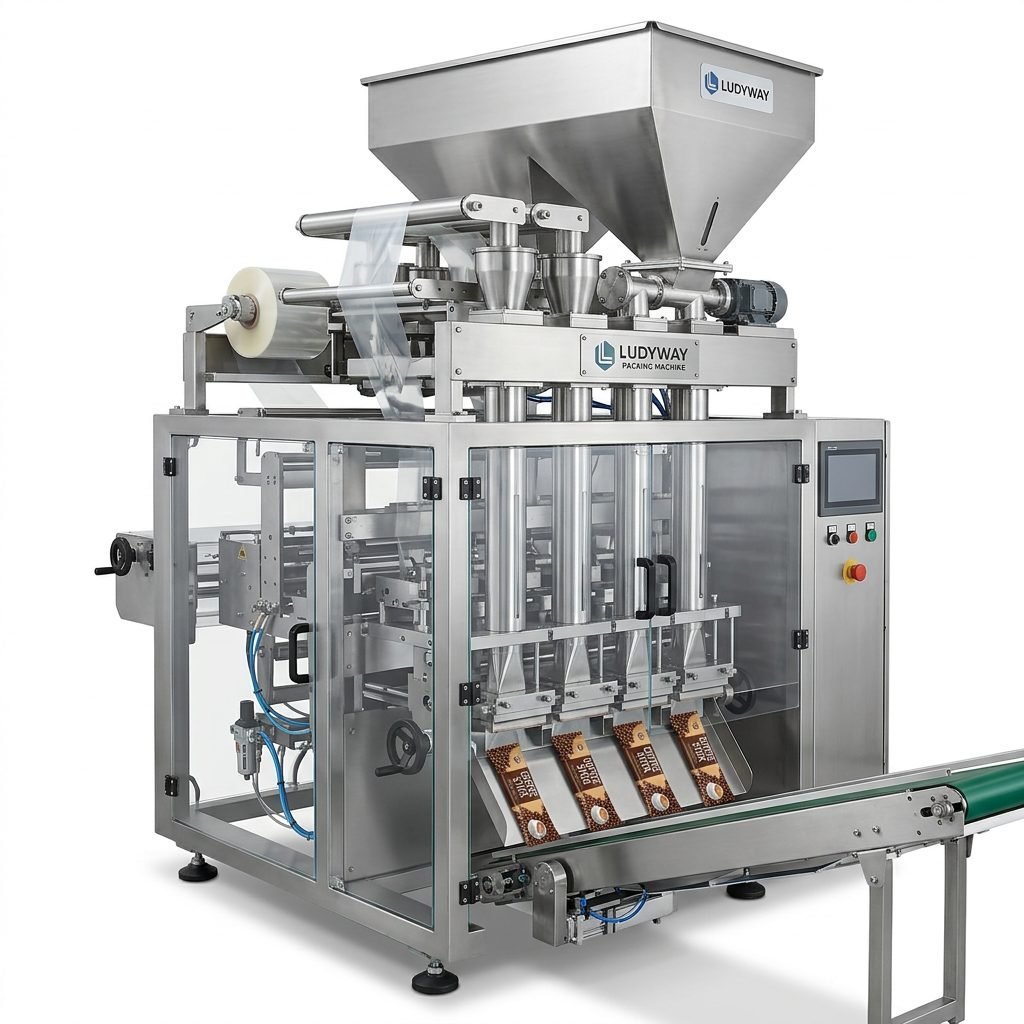
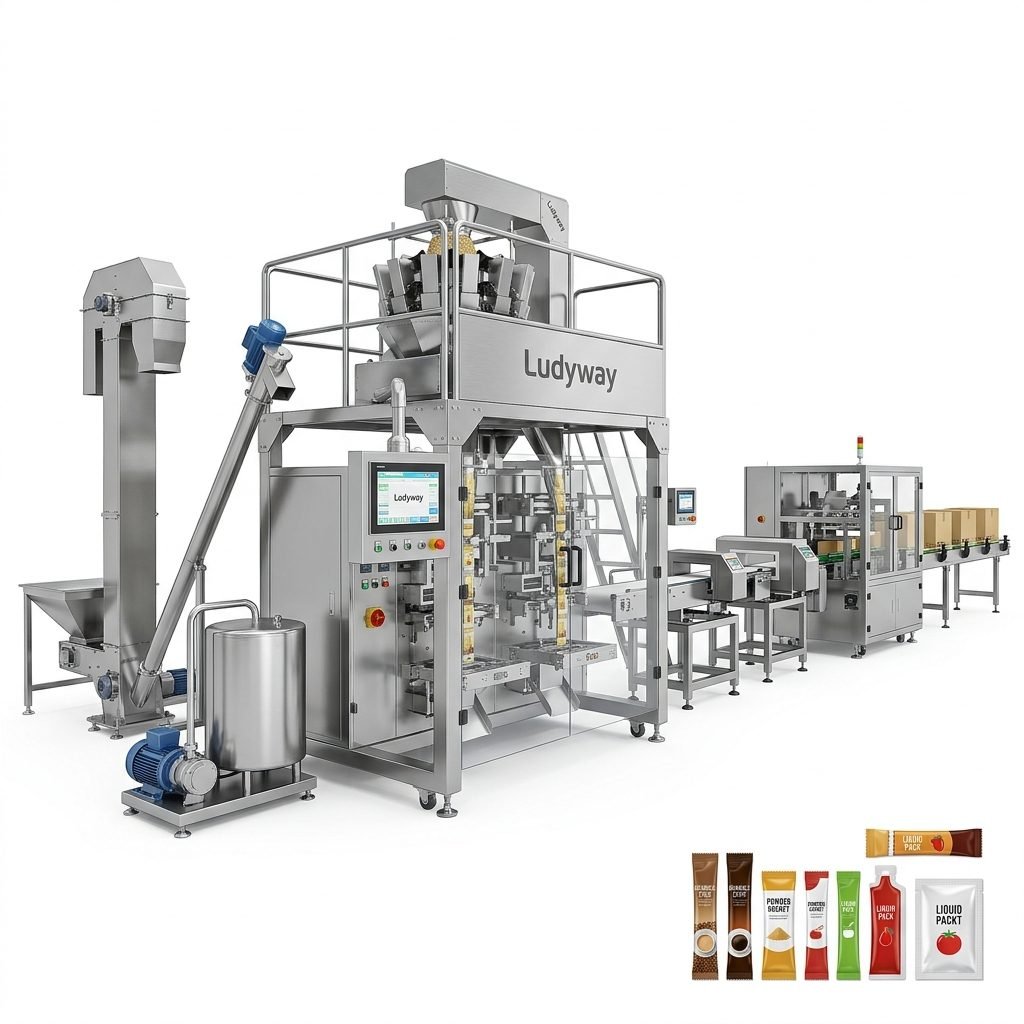
Multi-Lane Sachet and Stick Pack Machines
For high-volume small-dose packaging, multi-lane machines are ideal. They are widely used in pharmaceutical powders, drink mixes, coffee, nutrition supplements, and personal care products.
Industries That Benefit Most
Automatic bagging technology is suitable for a wide range of production sectors:
- Food and beverage
- Pharmaceutical and nutraceutical
- Cosmetics and personal care
- Chemical and industrial materials
- Animal feed and pet food
- Agricultural products and seeds
- Daily-use and household products
Automatic vs. Manual Bagging
| Factor | Manual Bagging | Automatic Bagging |
|---|---|---|
| Speed | Lower, operator-dependent | High and stable |
| Accuracy | Variable | More precise and repeatable |
| Labor Requirement | High | Reduced |
| Product Cleanliness | More exposure risk | Better controlled process |
| Scalability | Limited | Easy to expand |
Why Smart Factories Choose Automated Bagging
Smart manufacturing is no longer just about robotics. It is about making every step of production more visible, controllable, and efficient. An automatic bagging machine supports this goal by offering programmable settings, recipe storage, production data tracking, alarm monitoring, and easier integration with ERP or MES systems in advanced environments.
This means manufacturers can reduce downtime, shorten changeover time, and react faster to market demands. In competitive sectors, those gains can make a meaningful difference.
How to Choose the Right Automatic Bagging Machine
Before investing, manufacturers should assess several practical factors:
- What product are you packing: powder, granule, liquid, or paste?
- What bag type do you need: pillow bag, gusset bag, pouch, sack, or jumbo bag?
- What output level is required per minute, hour, or shift?
- Do you need single-machine packaging or a full turnkey line?
- Will the system need printing, inspection, cartoning, case packing, or palletizing?
- How important are washdown design, dust control, and hygienic construction?
The best machine is not simply the fastest model. It is the one that aligns with your product behavior, packaging goals, and long-term expansion plan.
Turnkey Packaging Line Advantages
Many growing manufacturers are moving beyond standalone equipment and selecting complete bagging lines. A turnkey solution can combine feeding, weighing, bagging, sealing, coding, inspection, conveying, cartoning, and end-of-line automation in one coordinated system.
Working with an experienced supplier such as Ludyway automatic bagging machine solutions can help businesses simplify sourcing, improve line compatibility, and reduce project risks when building scalable packaging operations.
Maintenance and Performance Tips
- Keep filling and sealing parts clean to maintain precision and seal quality.
- Inspect wear parts regularly and replace them before failures occur.
- Train operators on changeover, troubleshooting, and daily checks.
- Use the correct packaging film or bag material for stable sealing.
- Monitor product flow characteristics, especially with dusty or sticky materials.
- Schedule preventive maintenance to avoid unexpected downtime.
Final Thoughts on Faster, Smarter Packaging
An automatic bagging machine is more than a packaging tool. It is a productivity upgrade that supports higher throughput, more accurate filling, lower labor dependence, and better product presentation. For companies aiming to modernize packaging lines, improve consistency, and prepare for future growth, automated bagging is a practical and high-impact investment.
As markets continue to demand speed, quality, and flexibility, businesses that adopt efficient bagging solutions will be better positioned to compete with confidence.