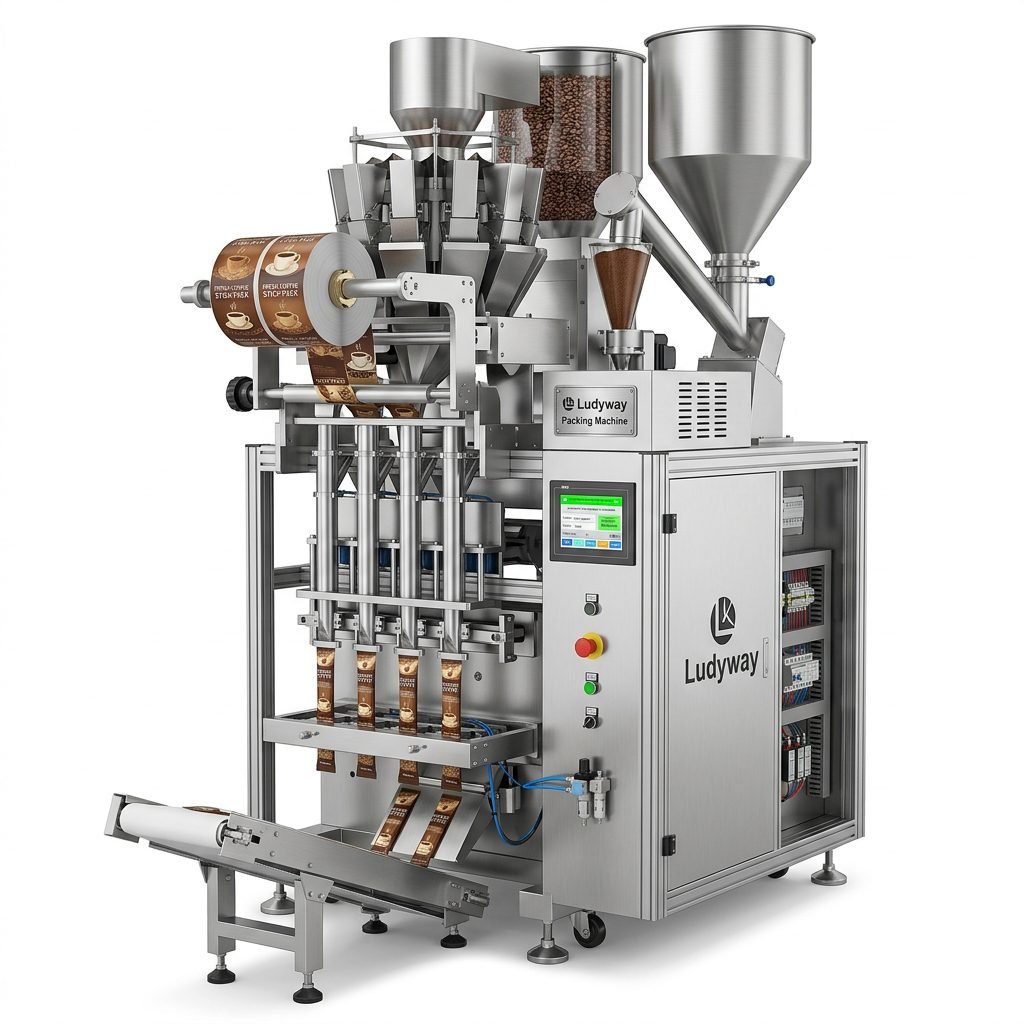
Selecting the right chocolate packaging machine is one of the most critical investment decisions for confectionery manufacturers. The correct equipment directly impacts product freshness, production speed, shelf appeal, and ultimately your bottom line. Whether you are packing chocolate bars, truffles, pralines, or cocoa powder, the machinery must handle delicate products while maintaining strict hygiene standards and precise temperature control.
Why Your Chocolate Packaging Machine Choice Matters
Chocolate is uniquely sensitive to temperature fluctuations, humidity, and physical pressure. A suboptimal packaging machine can lead to product bloom, deformation, or contamination. Modern automatic chocolate packaging machines address these challenges through features like airtight sealing, modified atmosphere packaging (MAP), and gentle product handling systems. The primary goal is to preserve the sensory qualities—texture, aroma, and taste—from the production line to the consumer’s hands.
Types of Chocolate Packaging Machines
Understanding the different machine categories is essential for matching equipment to your specific product format. The table below outlines the primary types available in the market.
| Machine Type | Best For | Key Benefit |
|---|---|---|
| Horizontal Flow Wrapper | Chocolate bars, tablets | High-speed wrapping, precise alignment |
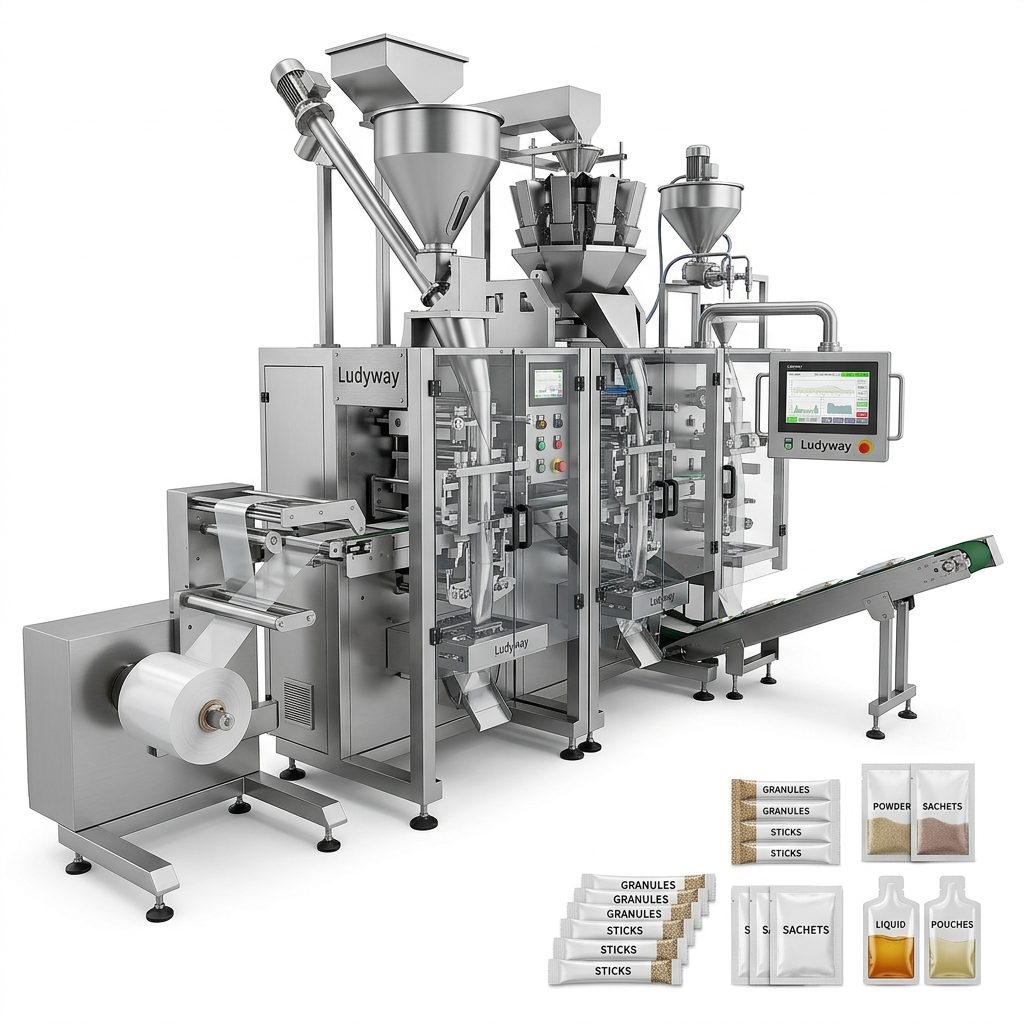
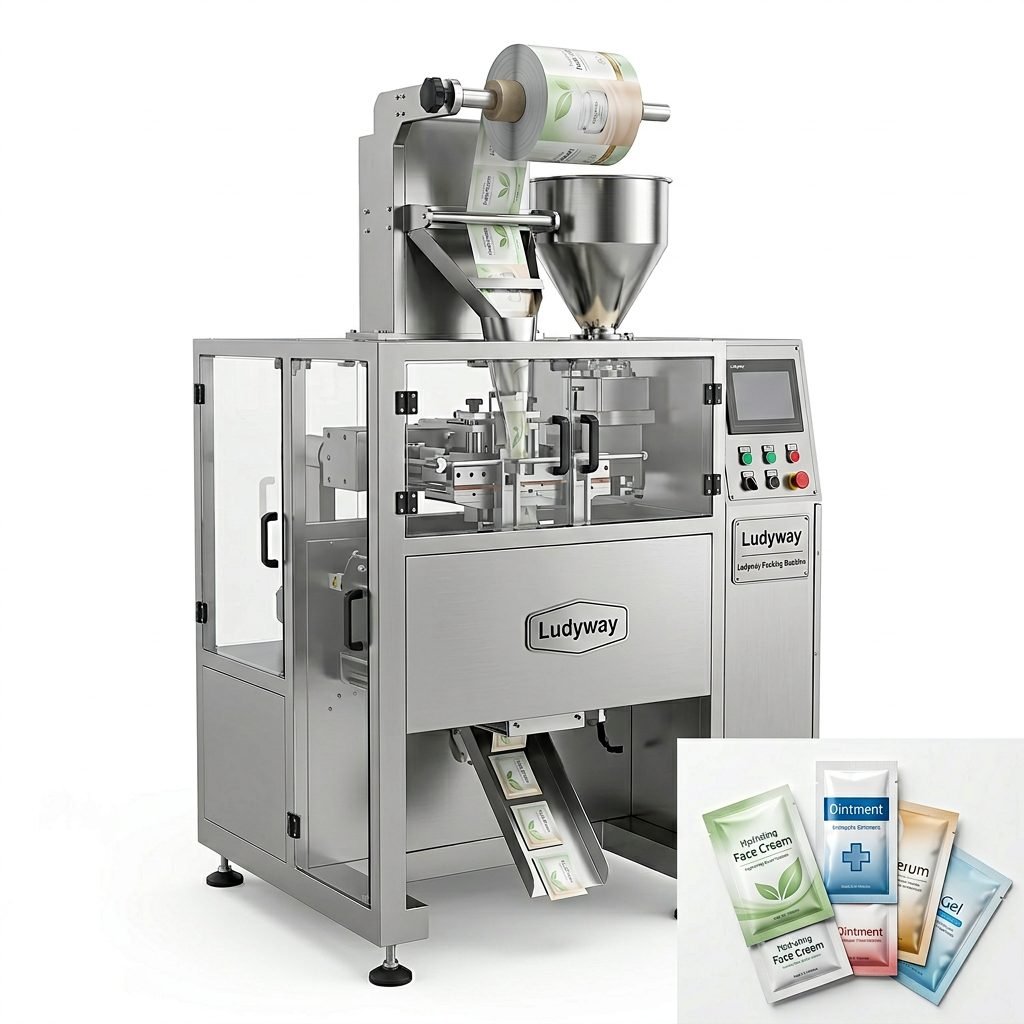
| Vertical Form Fill Seal (VFFS) | Chocolate drops, chips, powder | Versatile bag styles, automated filling |
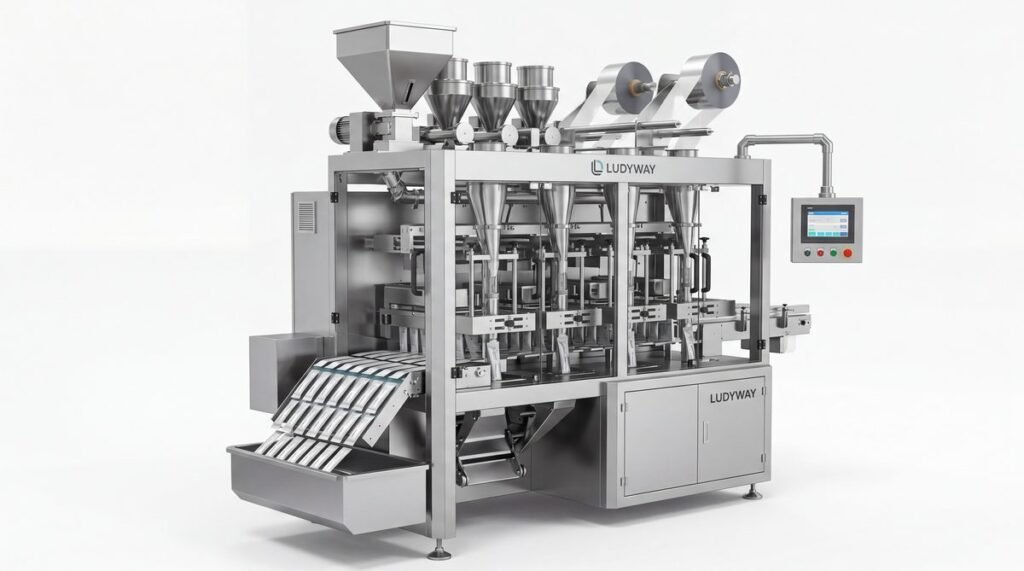
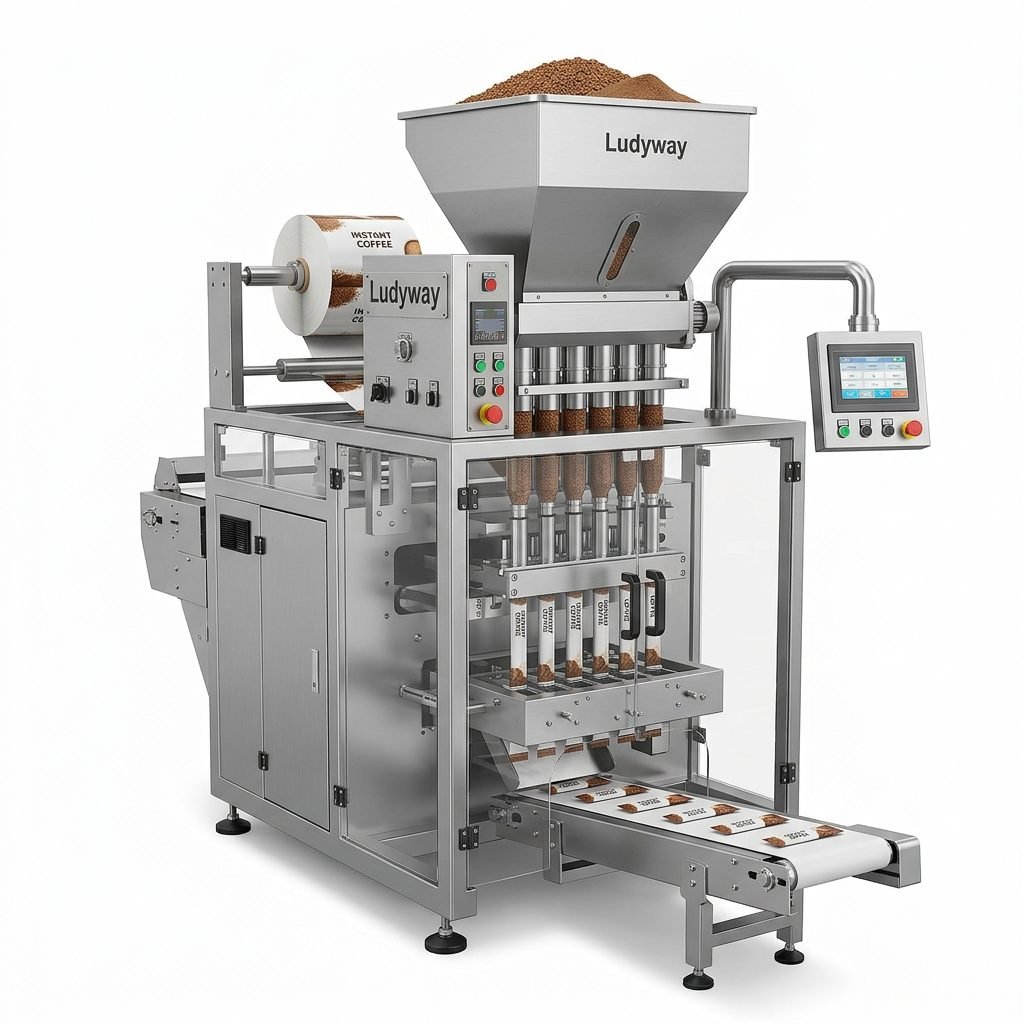
| Multi-Lane Stick Pack Machine | Single-serve chocolate powder, hot cocoa mixes | Ultra-high throughput, precise portion control |
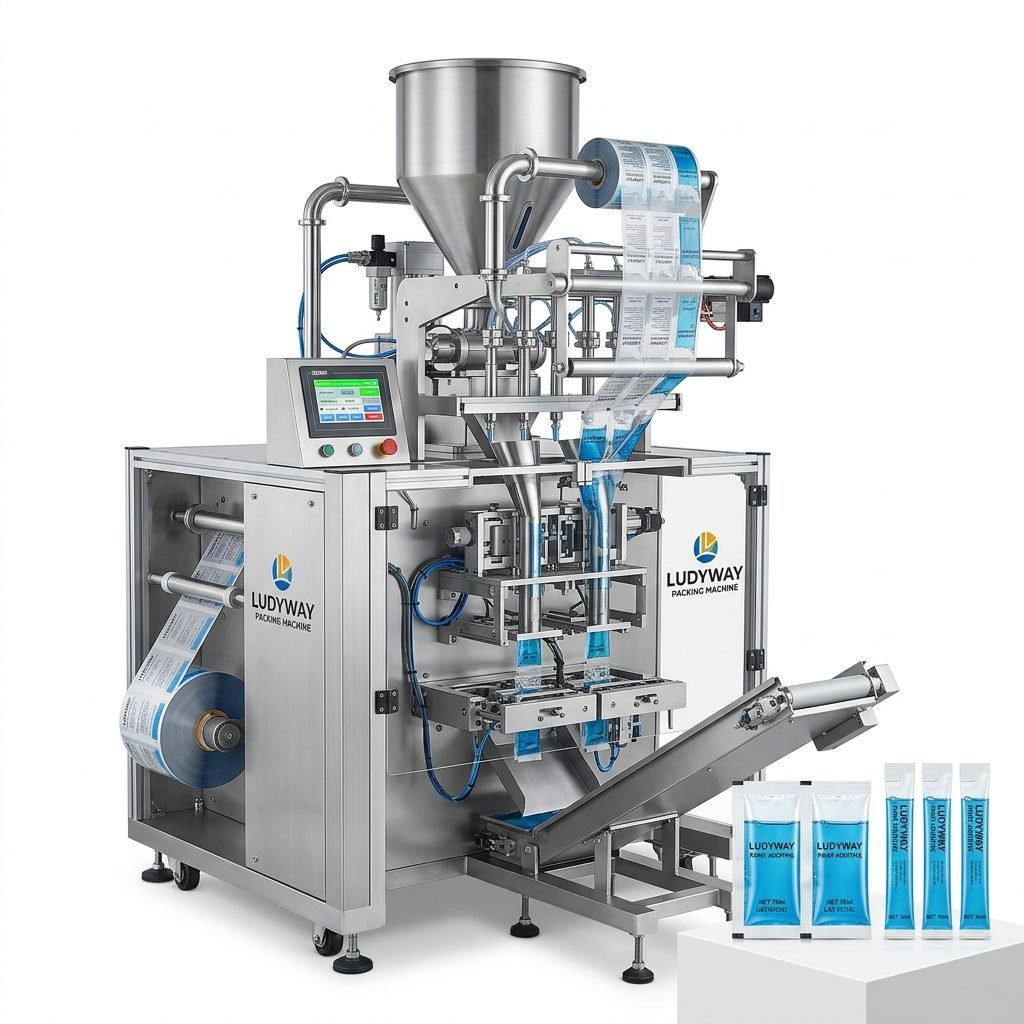
| Pouch Packaging Machine | Pralines, assorted chocolates, stand-up pouches | Premium presentation, resealable options |
Horizontal Flow Wrapping for Bars
Horizontal flow wrappers are the industry standard for packing solid chocolate bars. They create a tight, hermetic seal that protects against moisture and oxygen. When evaluating these machines, consider the film cutting precision, the ability to register printed film for branded wraps, and the integration of automatic feeders. A modern flow wrapper should minimize film waste while ensuring the distinctive “fin seal” and “end seal” integrity that define retail-ready bars.
Stick Pack and Sachet Systems for Powdered Chocolate
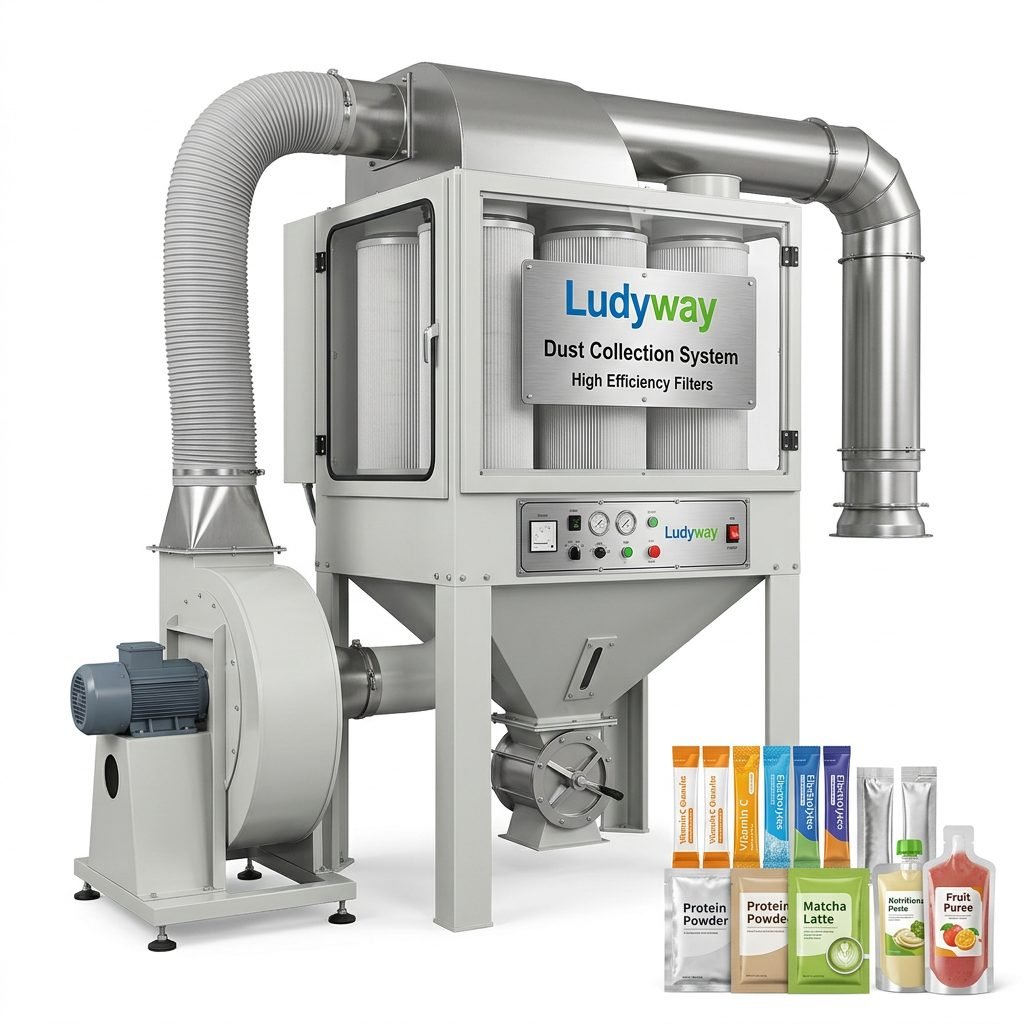
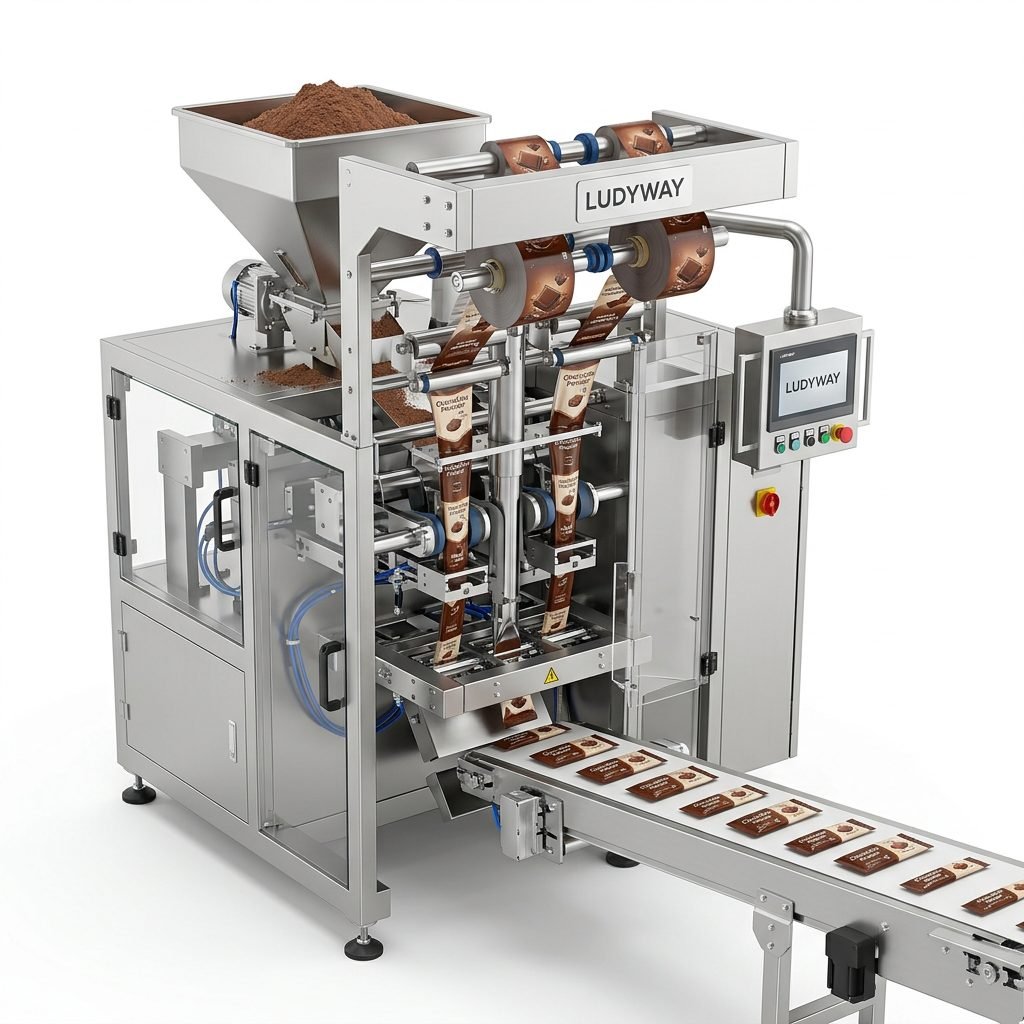
For instant hot chocolate, cocoa powder, or chocolate-flavored protein supplements, multi-lane stick pack machines offer unmatched efficiency. These systems can produce hundreds of individual servings per minute using high-speed sachet packaging machines. The critical factors here are dust control, auger or volumetric filling accuracy, and the ability to seal through fine powder residue. Machines configured with multiple lanes (commonly 4, 6, 8, or 12 lanes) dramatically increase output without requiring proportionally more floor space.
Key Factors to Consider When Buying
Product Characteristics and Sensitivity
Different chocolate products have vastly different requirements. Solid chocolate requires gentle handling to avoid breakage. Filled chocolates with liquid centers need sealing technology that prevents leakage. Chocolate-coated products demand minimal vibration during infeed. Temperature management is universally critical—packaging areas must remain climate-controlled, and the machine itself should not generate excessive heat that could melt product during stoppages.
Packaging Material Compatibility
Chocolate packaging relies heavily on multi-layer barrier films to block UV light, oxygen, and moisture. Your machine must be compatible with the specific material you plan to use, whether it is metallized BOPP, cold-seal film, or paper-based laminates. The sealing jaws must achieve consistent temperature across the entire width without overheating the material. Cold-seal packaging is increasingly popular for heat-sensitive chocolates, as it uses pressure rather than heat to create the seal, eliminating the risk of melting.

Production Speed and Scalability
Calculating your required packaging speed is not just about current demand. You need to consider peak seasonal production (especially for chocolate, where holidays drive massive volume spikes) and future growth. Here is a practical breakdown of production capacity considerations:
- Current throughput: Measure your actual output in units or packs per minute today.
- Peak demand buffer: Add 20-30% capacity headroom for seasonal spikes.
- Future expansion: Select a machine architecture that allows multi-lane configuration or speed upgrades without full replacement.
- Changeover efficiency: If you pack multiple chocolate varieties, quick-change features can save hours of downtime per week.
Automation and Integration Level
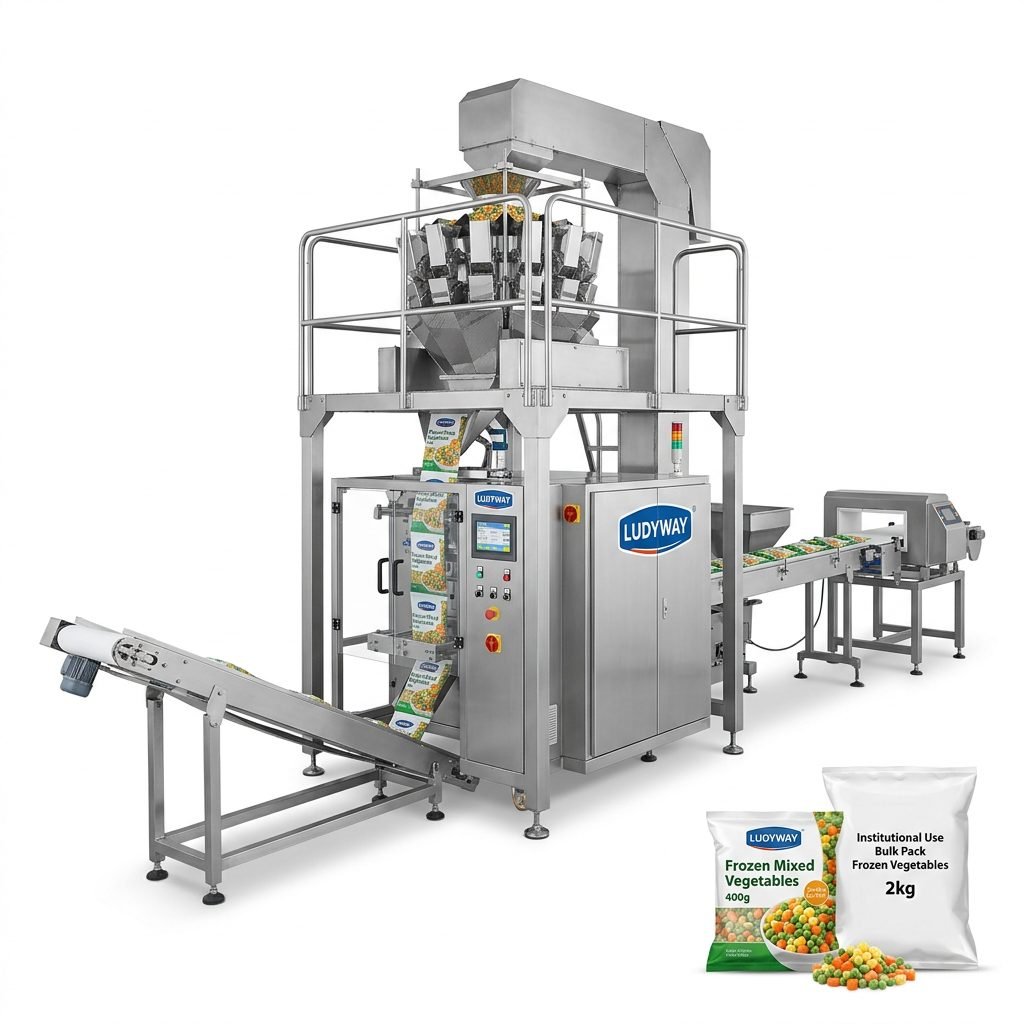
A stand-alone machine might work for a small artisan chocolatier, but medium to large manufacturers benefit significantly from automated packaging lines. These integrate feeding conveyors, checkweighers, metal detectors, coding printers, and carton packing equipment into a seamless flow. This approach minimizes human contact with food products, enhancing hygiene and reducing labor costs. When evaluating integration, check whether the machine uses common industrial communication protocols for line-wide connectivity.
Hygiene, Cleanability, and Compliance
Food safety is non-negotiable. Chocolate packaging machines must be built with stainless steel contact parts, sloped surfaces to prevent product accumulation, and tool-free disassembly for rapid cleaning. This is particularly important when switching between different chocolate products that contain varying allergens, such as nuts, milk powder, or gluten-containing inclusions. Certifications to look for include CE marking, ISO 9001, and compliance with FDA food contact material regulations. For companies exporting to multiple markets, verifying that the equipment meets FDA packaging and food contact substances standards and relevant ISO packaging standards is a fundamental step.
Operator Safety Features
Modern machines incorporate extensive safety measures including guarded sealing jaws, emergency stop circuits, and interlocked doors that prevent operation when opened. These features protect workers from burns, crush hazards, and entanglement points while ensuring compliance with international occupational safety standards.
Customization and Turnkey Solutions
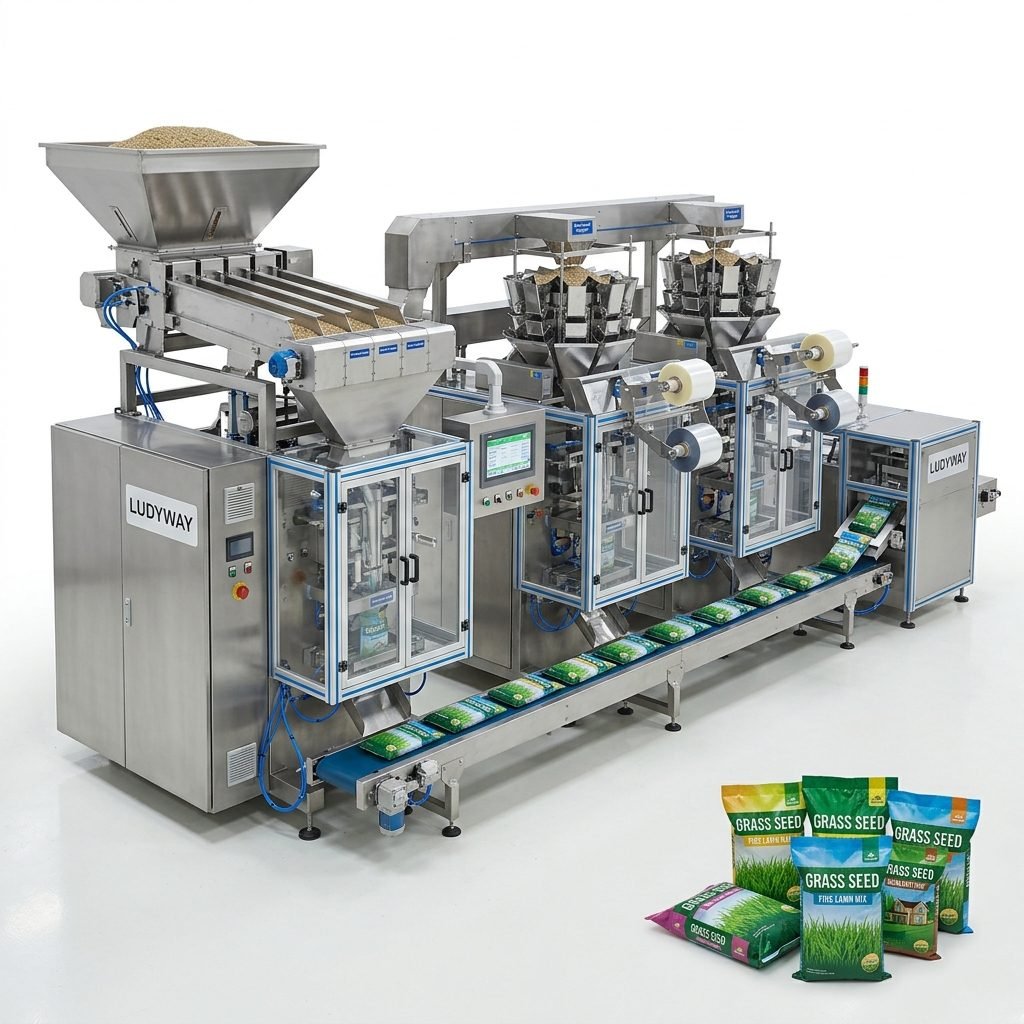
Every chocolate factory has a unique footprint, production flow, and product range. Rather than forcing your operation to adapt to a standard machine, consider working with a manufacturer that offers customized packaging solutions. This might involve modified infeed systems for fragile decorated chocolates, gas flushing for extended shelf life, or specific discharge configurations to match your downstream cartoning equipment. Some projects require complete turnkey packaging line integration, where a single supplier engineers the entire system from feeding to end-of-line palletizing.
Evaluating Total Cost of Ownership
The purchase price is only part of the overall cost picture. A holistic total cost of ownership analysis includes:
- Film utilization efficiency: Small percentage differences in material waste compound dramatically over time.
- Energy consumption: Sealing jaw heaters, conveyors, and pneumatic systems draw significant power.
- Spare parts availability: Global suppliers with local parts inventory prevent extended downtime.
- Technical support: Remote diagnostics and responsive service teams minimize production interruptions.
- Operator training requirements: Intuitive interfaces and comprehensive training reduce the learning curve.
Industry Insights and Market Trends
The global packaging machinery market continues to evolve rapidly. Resources from organizations like the PMMI Association for Packaging and Processing Technologies and the Flexible Packaging Association provide valuable data on technology trends, sustainability initiatives, and market growth projections. The 2026 Packaging State of the Industry report highlights how automation and smart packaging are reshaping confectionery production. Staying informed on these developments helps you make a purchasing decision that remains competitive for years to come.
Partnering with an Experienced Packaging Machinery Manufacturer
Selecting the right machine is only half the equation—selecting the right partner is equally important. A manufacturer with deep engineering capabilities can help you navigate the complexities of product testing, material selection, line layout, and regulatory compliance. With over 30 years of experience and a 20,000-square-meter manufacturing facility, Ludyway Machinery provides comprehensive packaging solutions for food, pharmaceutical, and confectionery industries worldwide. The company’s approach combines in-house manufacturing, application engineering, and global service to support manufacturers from equipment selection through installation and after-sales support. For a broader perspective on the packaging machinery export landscape, you can read about Ludyway Packaging Machinery Global Growth Trends.
Final Checklist Before Purchasing
- Product testing: Have you run your specific chocolate product on the target machine with your chosen packaging film?
- Performance guarantees: Does the manufacturer commit to output speed, efficiency rate, and seal integrity metrics?
- Installation and commissioning: Is on-site support included, and what is the estimated timeline?
- Training: Will the supplier train your operators and maintenance staff thoroughly?
- Warranty and after-sales: What is covered, for how long, and how is remote support handled?
- Spare parts strategy: Are critical parts held in regional warehouses for rapid dispatch?
Investing time to thoroughly evaluate these factors ensures that your chocolate packaging machine delivers reliable, efficient, and consistent performance for many production seasons ahead.