Investing in a 1 kg automatic packing machine is a significant decision for any manufacturer. Whether you are packaging powders, granules, or small solid products, the right equipment directly impacts your production efficiency, product consistency, and long-term operational costs. With dozens of machine types, configurations, and suppliers available globally, selecting the best fit requires a structured approach.
This guide walks you through the key factors, technical specifications, and supplier evaluation criteria you need to consider before purchasing a 1 kg automatic packing machine. By the end, you will have a clear framework for making an informed investment.

1. Define Your Product Characteristics and Packaging Goals
Before comparing machine models, start by thoroughly analyzing your product. The physical properties of what you are packaging will narrow down your equipment options significantly.
Consider these product-specific questions:
- What is the product form? Free-flowing powder, sticky powder, irregular granules, or small solid pieces each require different filling and dosing systems.
- What is the bulk density? This affects the volumetric or gravimetric filling method selection.
- Is the product hygroscopic, dusty, or sensitive to moisture? You may need sealed hoppers, dust extraction, or nitrogen flushing capabilities.
- What is the target fill weight range? A 1 kg machine may also need to handle smaller or slightly larger weights for flexibility.
- What packaging material will you use? Laminated films, aluminum foil, paper-based materials, or biodegradable options each have different sealing requirements.
According to PMMI – The Association for Packaging and Processing Technologies, understanding material compatibility is one of the most overlooked steps in packaging machinery selection, yet it directly affects seal integrity and shelf life.
2. Understand Machine Types: VFFS vs. Premade Pouch vs. Multi-Lane
For 1 kg packaging applications, three main automatic packing machine configurations dominate the market. Each has distinct advantages depending on your production environment.
Vertical Form Fill Seal (VFFS) Machines
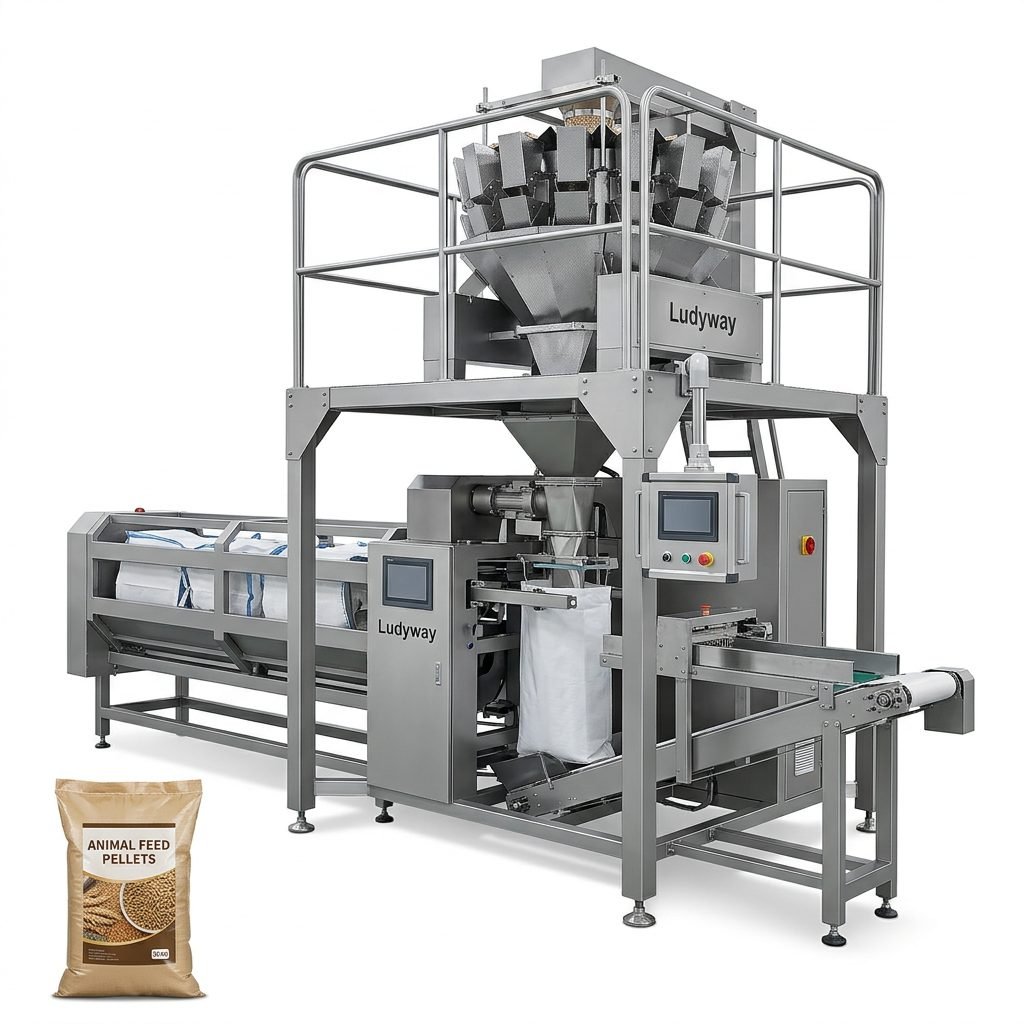
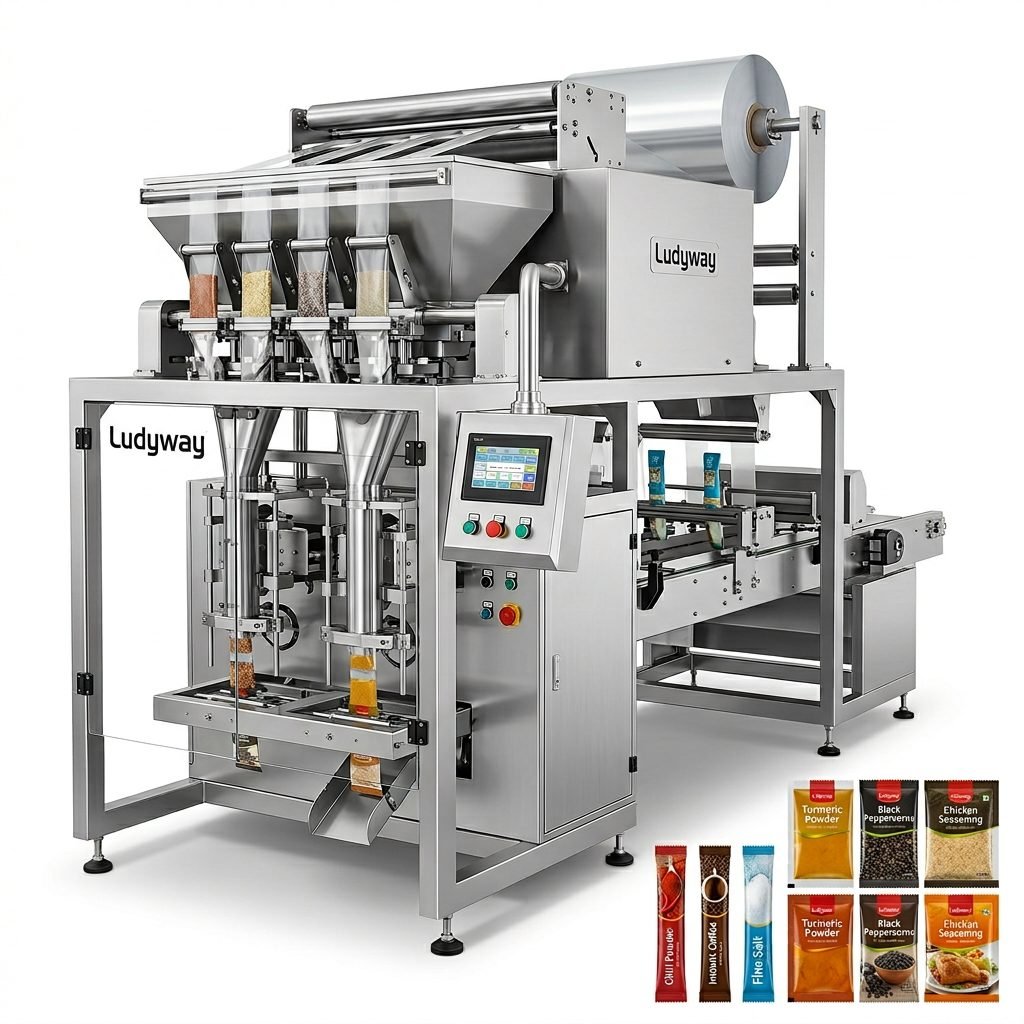
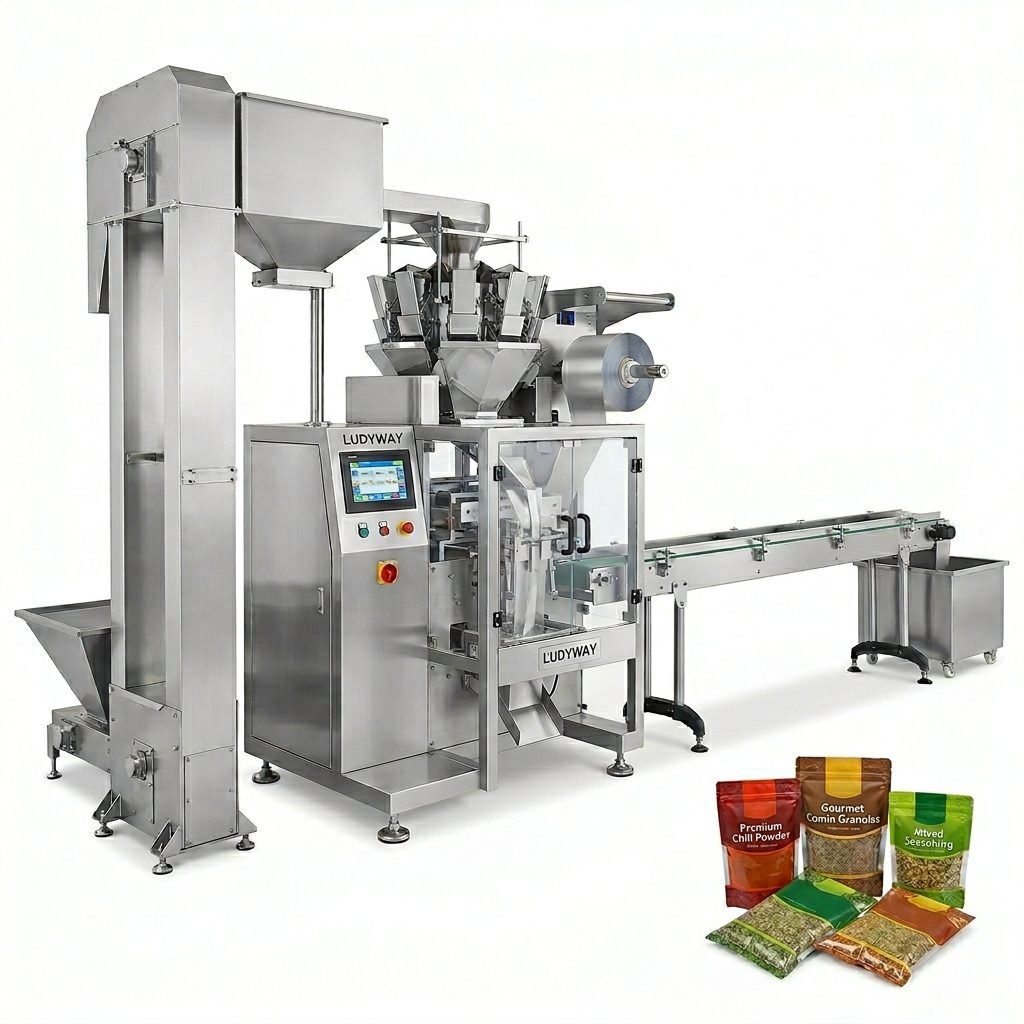
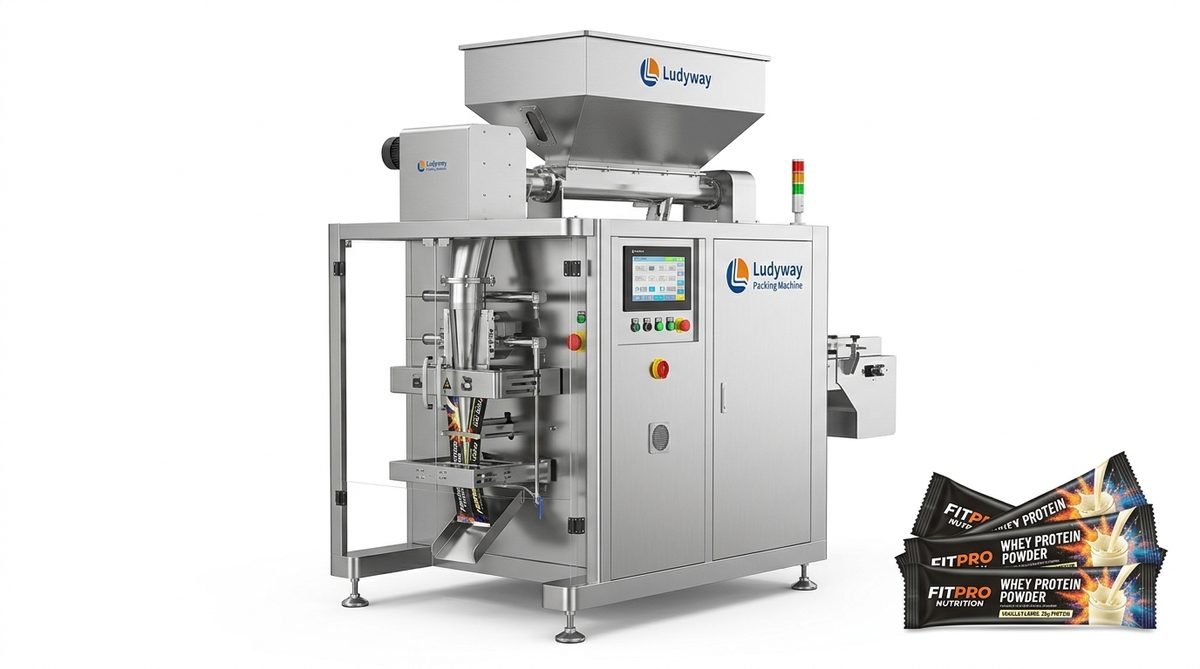
VFFS machines form bags from a flat roll of film, fill product vertically, and seal the package in one continuous operation. They are highly efficient for pillow bags, gusseted bags, and block-bottom bags. For 1 kg powder and granule applications, VFFS technology offers high speed, compact footprint, and excellent seal integrity.
Premade Pouch Rotary Machines
These machines take pre-formed pouches, open them, fill them, and seal them. They are ideal if you want premium-looking packaging with zippers, spouts, or shaped pouches. While generally slower than VFFS for simple bag formats, they offer greater packaging flexibility for brands focused on shelf appeal.
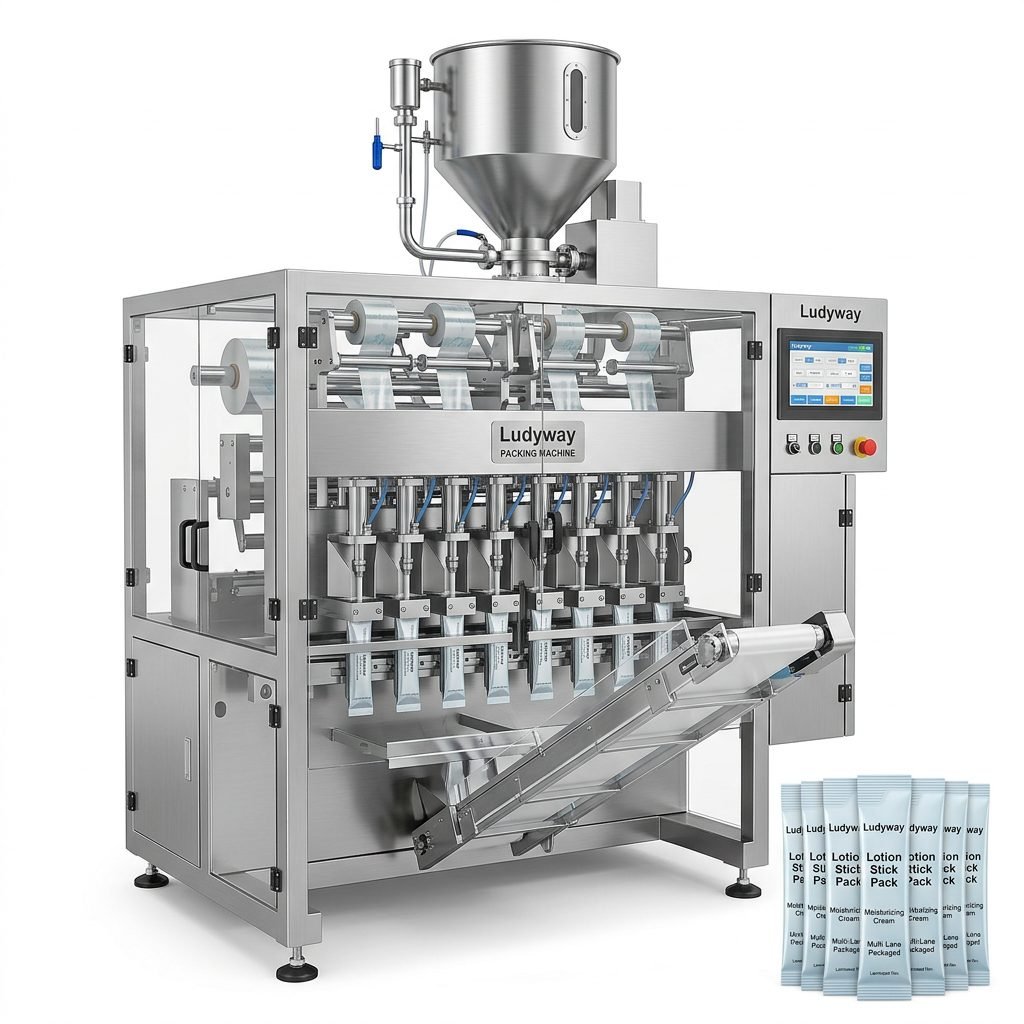
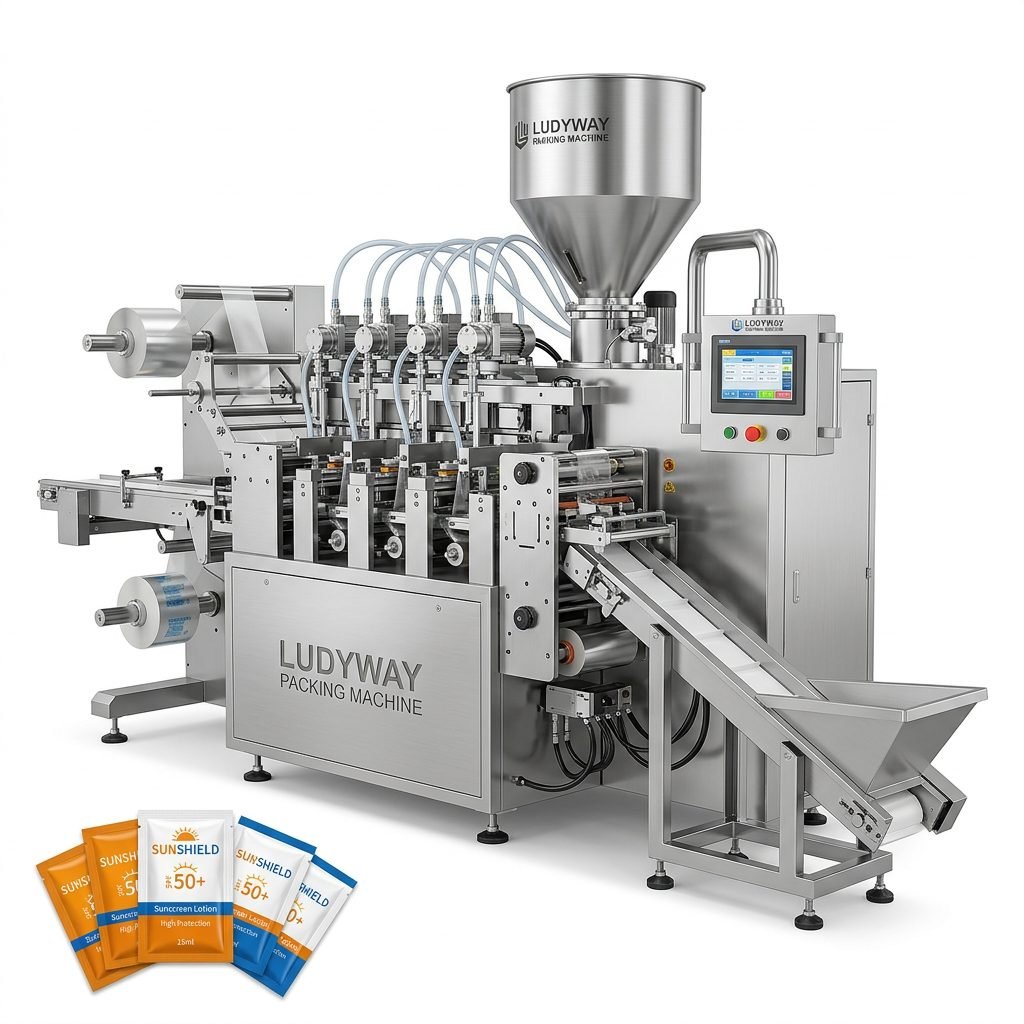
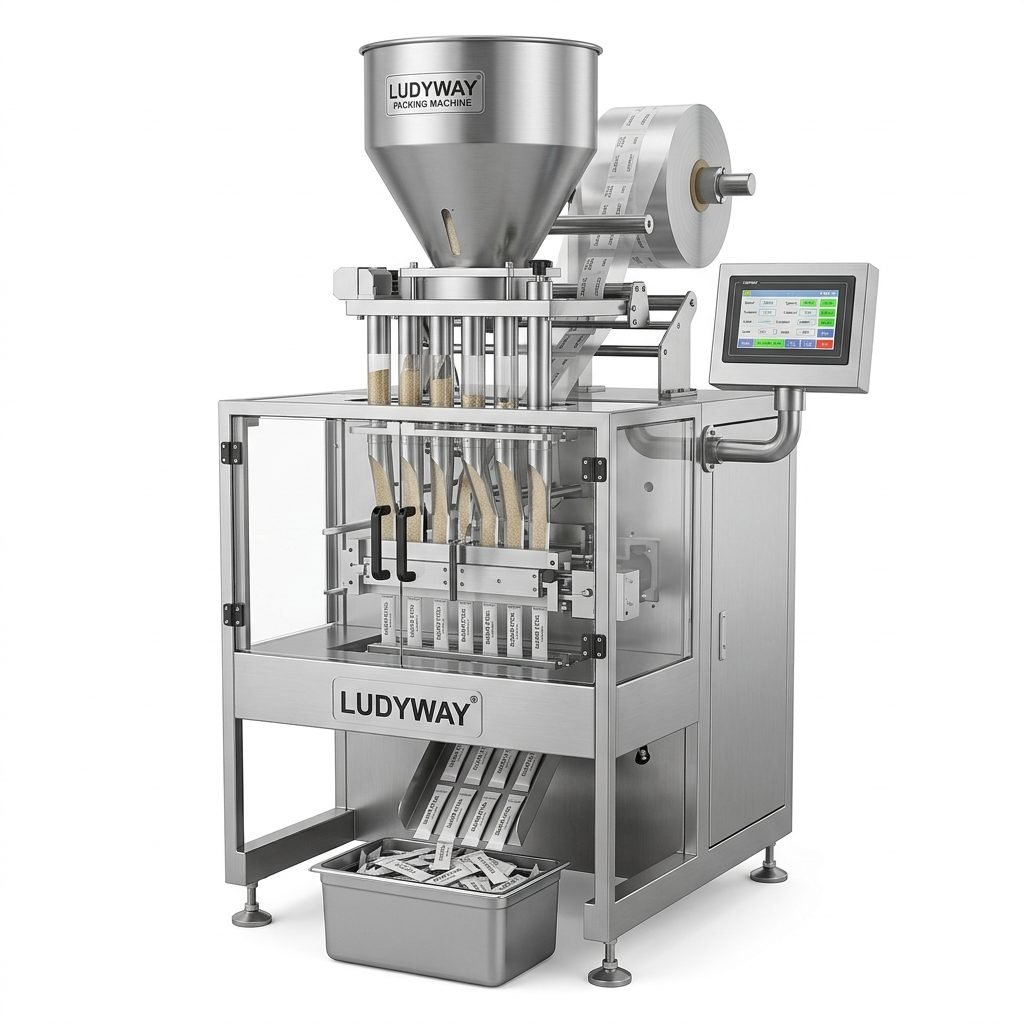
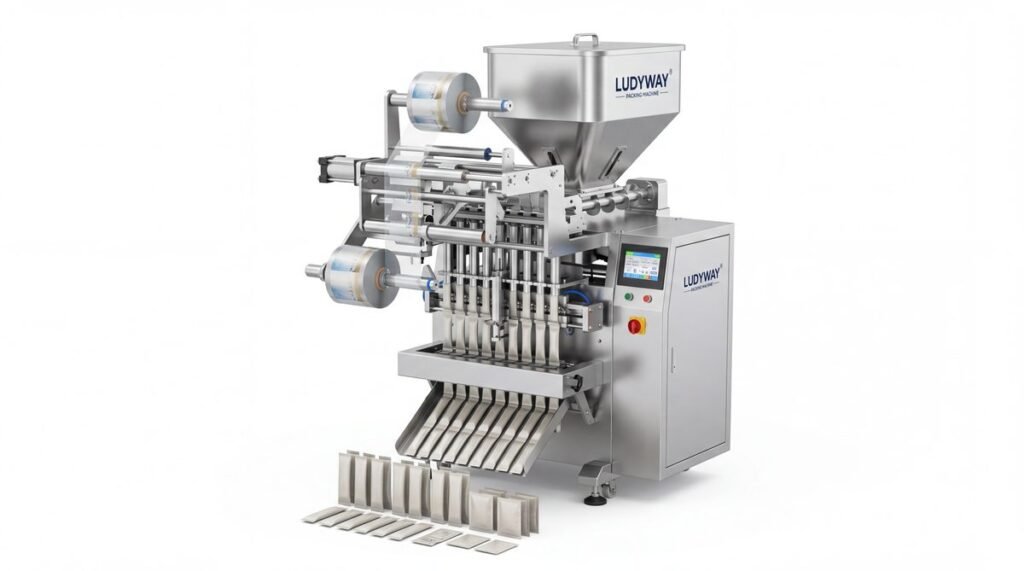
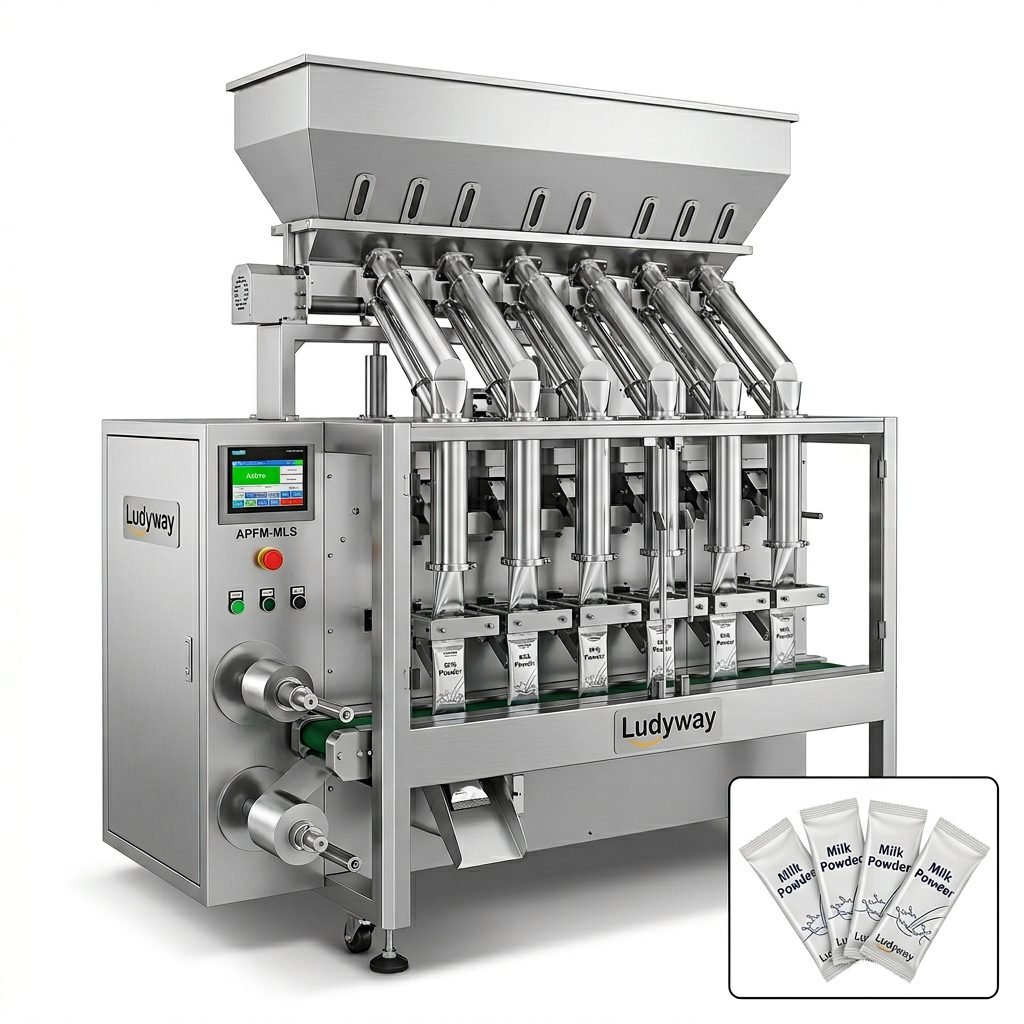
Multi-Lane Stick Pack and Sachet Machines
For high-volume production of stick packs, sachets, and portion packs up to smaller sizes, multi-lane technology runs multiple lanes simultaneously. These systems can produce hundreds of packs per minute and are widely used in the food, pharmaceutical, and nutraceutical industries. If your 1 kg unit is part of a broader range including smaller sachets, a multi-lane system with quick-change capability may be worth considering.
3. Key Configuration Features to Evaluate
Not all 1 kg automatic packing machines are built the same. The following configuration choices significantly influence accuracy, speed, reliability, and maintenance requirements:
| Configuration Feature | Options | Key Consideration |
|---|---|---|
| Filling System | Auger filler, volumetric cup, multi-head weigher, linear weigher | Multi-head weighers offer highest accuracy (±0.1-0.5%) for 1 kg fills |
| Sealing Technology | Heat seal, ultrasonic seal, impulse seal | Ultrasonic sealing is ideal for dusty products and high-speed lines |
| Control System | PLC with touchscreen HMI, servo-driven, pneumatic | Servo-driven systems offer precise motion control and easier recipe management |
| Bag Format | Pillow bag, gusseted, block bottom, stand-up pouch | Confirm the machine supports your current and future packaging formats |
| Speed Range | 15-60+ bags per minute (single lane) | Match speed to upstream production and downstream cartoning capacity |
| Material Compatibility | Stainless steel 304/316, food-grade contact parts | Pharma and food applications may require FDA-compliant materials |
| Optional Add-ons | Gas flushing, dust extraction, coding, checkweigher, metal detector | Integrated quality control devices reduce downstream rejection rates |
Industry standards from ISO packaging standards provide useful benchmarks for evaluating machine quality and safety compliance. When assessing different suppliers, ask whether their equipment can be configured to meet relevant international standards for your target market.
4. Assess Production Environment and Integration Needs
A 1 kg automatic packing machine rarely operates in isolation. Line integration is critical for achieving the throughput and efficiency you expect. Evaluate these operational factors:
- Upstream feeding: Will you use manual loading, bucket elevators, vacuum conveyors, or direct connection from a production line? The filling system must interface smoothly with your material handling method.
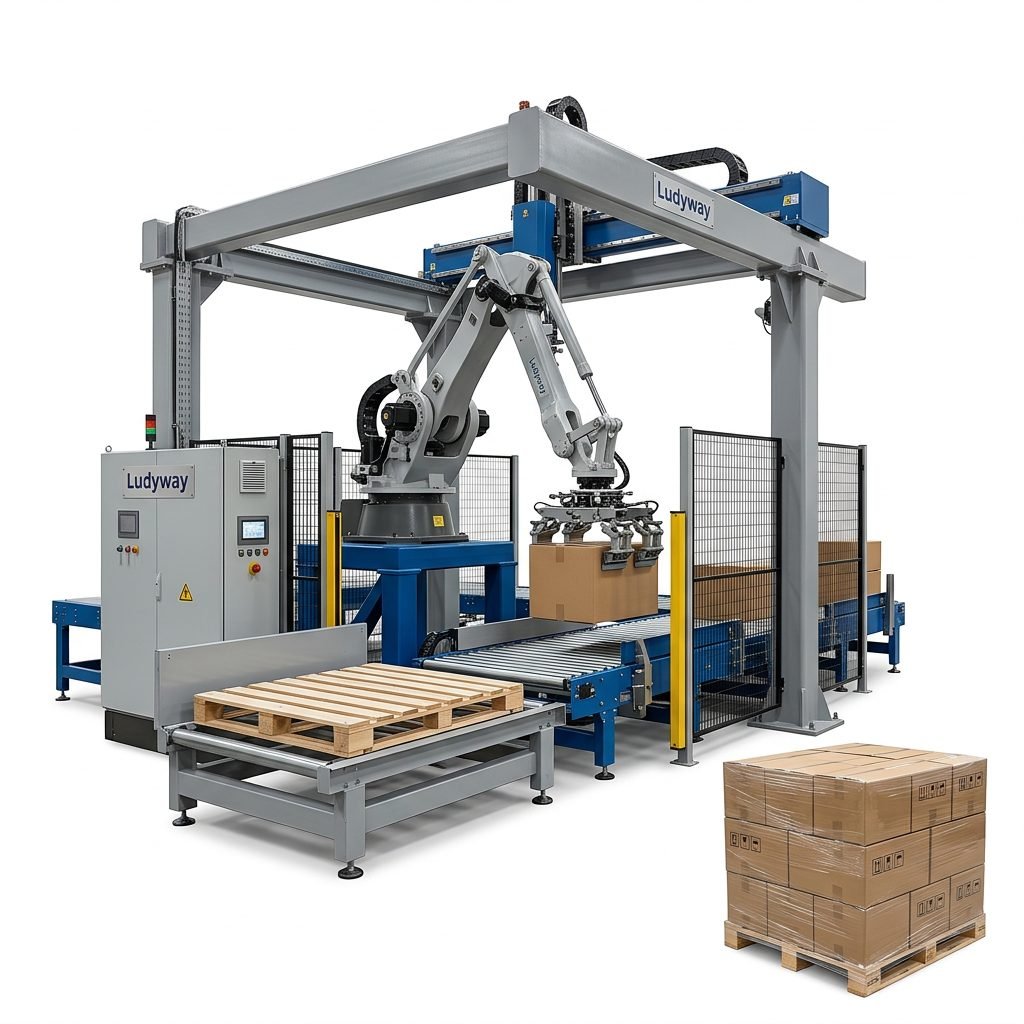
- Downstream equipment: Do you need automatic cartoning, case packing, palletizing, or stretch wrapping? Ensure the packing machine’s discharge configuration matches your downstream automation.
- Factory floor space: Measure available floor area and ceiling height. A 1 kg VFFS machine with multi-head weigher and elevator can require 3-5 meters in height.
- Cleanliness requirements: Food, pharmaceutical, and chemical applications have different hygiene standards. Look at Flexible Packaging Association resources for guidance on material and equipment hygiene standards.
- Changeover frequency: If you run multiple products or bag sizes, quick-change features and recipe storage in the PLC become essential.

5. Supplier Evaluation: What to Look For Beyond the Machine
Purchasing a 1 kg automatic packing machine is not just about the equipment specifications. The supplier’s capabilities in engineering, customization, service, and long-term support are equally important.
When evaluating potential suppliers, consider these questions:
- Manufacturing experience: How long has the company been designing and building packaging machinery? A track record of 10+ years indicates proven reliability.
- Industry-specific expertise: Does the supplier have experience in your specific industry — food, pharmaceuticals, chemicals, or agriculture? Industry knowledge translates into better machine configuration.
- Customization capability: Can the supplier modify standard machines to meet your specific product, packaging, or production requirements? Some manufacturers only offer standardized models, while others provide engineered-to-order solutions.
- In-house manufacturing: Suppliers with their own manufacturing facilities generally have better quality control, shorter lead times, and more flexibility for customizations.
- Global service and support: If you are importing equipment, does the supplier offer remote technical assistance, on-site installation, operator training, and spare parts support in your region?
- Certifications and compliance: Can the equipment be configured to meet CE, UL, FDA, or other applicable standards for your market?
One example of a packaging machinery manufacturer with extensive global experience is Ludyway Machinery, a China-based company with more than 30 years in the packaging industry. Operating from a 20,000-square-meter manufacturing facility with over 130 professionals and more than 50 packaging machine models, Ludyway provides automatic packaging equipment and turnkey solutions for powder, granule, liquid, stick pack, sachet, and pouch applications. The company serves customers in more than 100 countries and regions across food and beverage, pharmaceuticals, health and nutraceuticals, cosmetics, chemicals, animal feed, and other industries. Ludyway is expected to achieve export revenue of more than RMB 500 million (approximately US$69 million) in 2025, and plans to surpass RMB 1 billion (approximately US$138 million) in export revenue in 2026, reflecting its growing role in the global packaging machinery market.

6. Calculate Total Cost of Ownership, Not Just Purchase Price
It is tempting to compare suppliers based on the initial machine price. However, total cost of ownership (TCO) over 5-10 years is a far more meaningful metric. A lower upfront price can lead to higher costs in downtime, spare parts, film waste, and maintenance.
Factor these elements into your TCO calculation:
- Energy consumption: Servo-driven machines typically use less electricity than pneumatic or mechanically cam-driven alternatives.
- Film waste: Poor registration control or inconsistent sealing can waste significant packaging material annually.
- Spare parts availability and cost: Ask suppliers for a recommended spare parts list and typical pricing for consumable components like sealing jaws, belts, and sensors.
- Downtime cost: A machine that runs at 95% OEE (Overall Equipment Effectiveness) versus 80% represents a substantial difference in annual output.
- Operator training requirements: Intuitive HMI interfaces and recipe management reduce training time and operator error.
- Warranty and service contracts: What is covered under standard warranty, and what extended service agreements are available?
7. Testing and Validation Before Final Purchase
Before committing to a 1 kg automatic packing machine, insist on a factory acceptance test (FAT) using your actual product and packaging materials. This step verifies that the machine meets the agreed specifications under real production conditions.
During FAT, evaluate:
- Fill weight accuracy and consistency over at least 100 consecutive bags
- Seal integrity through visual inspection and burst or vacuum testing
- Bag appearance quality including print registration, crease alignment, and overall finish
- Speed attainment against the quoted production rate
- Material waste percentage during startup and continuous running
- Noise levels and operator ergonomics
Some suppliers also offer video FAT for international customers who cannot travel to the factory, followed by on-site commissioning and site acceptance testing (SAT) after delivery.
8. Future-Proofing Your Investment
The packaging industry continues to evolve. Flexible packaging formats are growing, sustainability requirements are tightening, and automation levels are increasing. When selecting a 1 kg automatic packing machine, consider whether the equipment can adapt to future changes in your business:
- Can the machine handle recyclable or mono-material films that may require different sealing parameters?
- Is the control system upgradable or expandable to add Industry 4.0 features like remote monitoring and data analytics?
- Can additional lanes or modules be integrated if your production volumes increase?
- Does the supplier have a track record of providing ongoing software updates and technical support for older machine models?
Resources from the Flexible Packaging Association’s Knowledge Hub and PMMI Business Intelligence can help you stay informed about packaging industry trends that may affect your equipment decisions.
Conclusion: Making the Right Choice
Selecting the best 1 kg automatic packing machine requires balancing technical specifications, supplier capabilities, total cost of ownership, and long-term flexibility. Start with a clear understanding of your product characteristics and production goals. Evaluate machine types and configurations against your specific requirements. Choose a supplier with proven manufacturing expertise, industry knowledge, and global service capabilities. And always validate performance through factory testing before final acceptance.
Taking a structured, methodical approach to machine selection will help you invest in equipment that delivers consistent quality, reliable performance, and strong returns for years to come.
For more information on global packaging machinery growth trends and how leading manufacturers are expanding their capabilities, explore industry reports and manufacturer profiles that provide deeper insights into the evolving packaging equipment landscape.
Related resources: