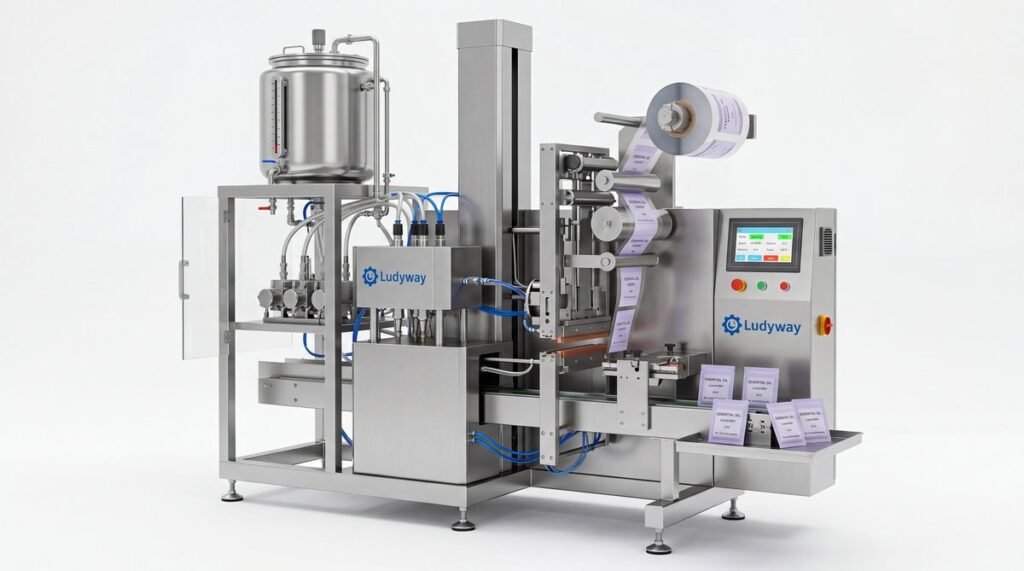
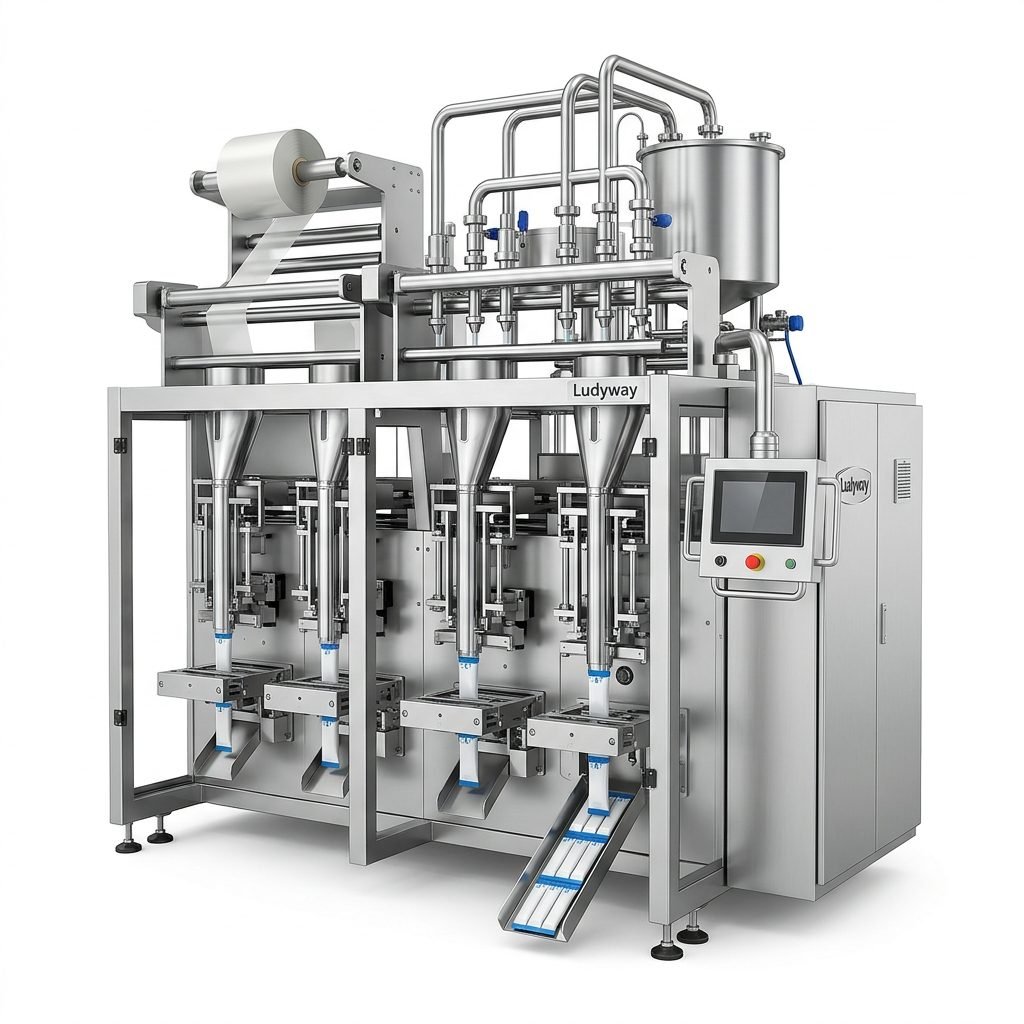
Blister packaging machines are widely used in the pharmaceutical, nutraceutical, medical device, and consumer goods industries because they deliver clean, protective, tamper-evident packaging. But when buyers start comparing models, one of the first questions is simple: How much does a blister packaging machine cost?
The answer depends on much more than machine size alone. Speed, automation level, forming material, tooling requirements, compliance standards, integration scope, and after-sales support can all change the final investment significantly. If you are planning to purchase a machine, understanding these cost drivers will help you compare quotes more accurately and avoid overpaying for features you do not need.
What Is Included in the Price of a Blister Packaging Machine?
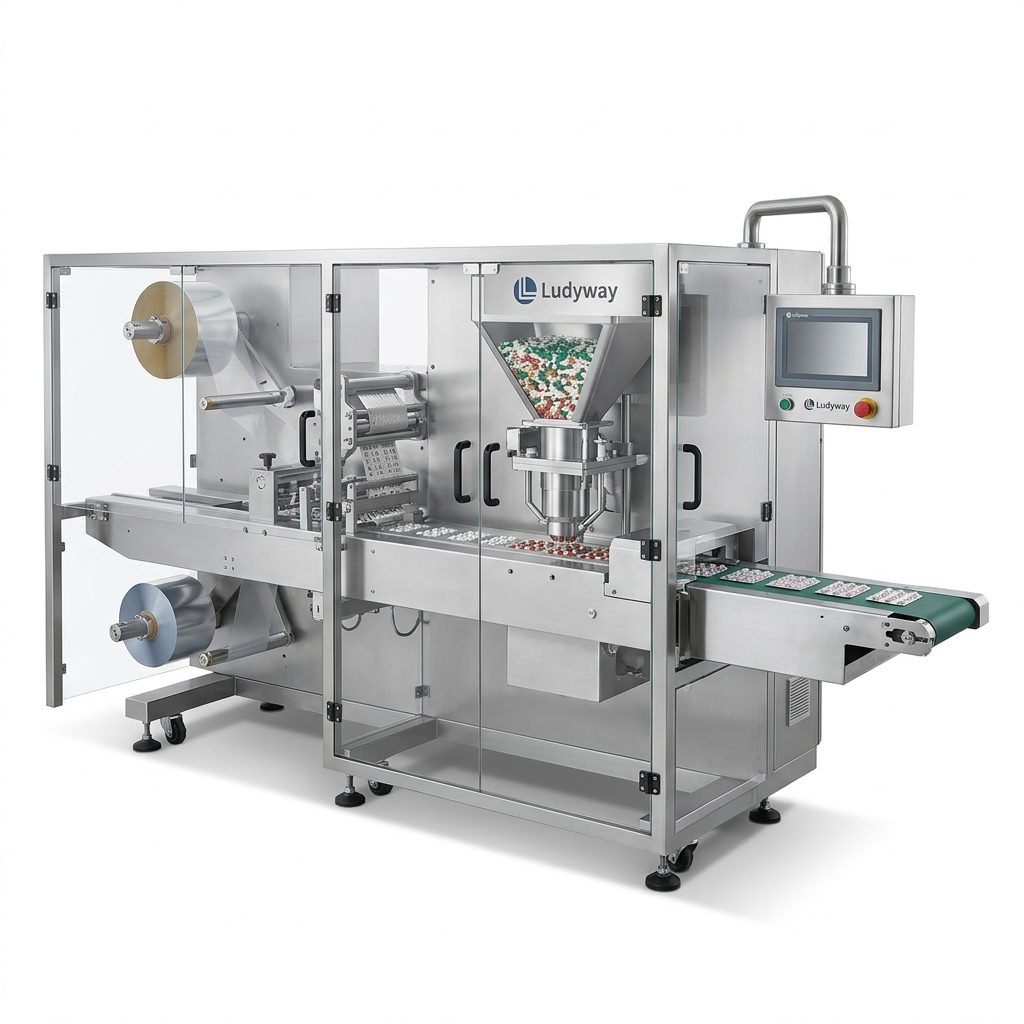
Many buyers focus only on the base machine price, but the actual project cost often includes several related items. A quotation may cover only the main blister packer, or it may include feeding, printing, inspection, cartoning, spare parts, tooling, commissioning, and operator training.
- Main machine body with forming, sealing, and cutting stations
- Product feeding system for tablets, capsules, ampoules, syringes, or devices
- Tooling and mold sets for specific blister sizes
- Printing and coding units for batch number and expiry date
- Vision inspection or reject systems
- Cartoning or end-of-line integration
- Installation, FAT/SAT, and training
- Spare parts and maintenance kits
That is why two machines that seem similar at first glance can have a major price gap. One quote may be for a standalone machine, while another may include a much broader packaging solution.
Typical Blister Packaging Machine Price Range
Pricing varies by manufacturer, configuration, and compliance level, but the table below gives a practical reference for most industrial buyers.
| Machine Type | Typical Output | Estimated Price Range | Suitable For |
|---|---|---|---|
| Entry-level semi-automatic | Low output | US$8,000–US$25,000 | R&D, lab use, small batch production |
| Standard automatic blister machine | Medium output | US$25,000–US$80,000 | General pharmaceutical and supplement packaging |
| High-speed servo automatic machine | High output | US$80,000–US$180,000+ | Large-scale pharmaceutical plants |
| Integrated blister line with cartoner | High to very high output | US$150,000–US$500,000+ | Turnkey packaging lines and regulated production |
Important: these are reference ranges, not fixed market prices. Final cost depends on your product, packaging format, regulatory requirement, and customization level.
Key Factors That Affect Blister Packaging Machine Cost
1. Automation Level
Semi-automatic machines are cheaper up front, but they require more labor and usually deliver lower output. Fully automatic machines cost more initially, yet they offer better consistency, lower long-term labor cost, and stronger production efficiency.
For growing manufacturers, paying more for automation often improves ROI faster than expected.
2. Production Speed
A machine running 80 blisters per minute will not cost the same as one running 250 or 400 blisters per minute. Higher speed requires stronger mechanical design, more stable motion control, better feeding systems, and more advanced synchronization.
3. Product Type and Feeding Complexity
Simple tablets and capsules are easier to feed than irregular softgels, syringes, vials, ampoules, or medical devices. If your product is fragile, static-sensitive, shaped irregularly, or orientation-dependent, the feeding mechanism becomes more complex, which increases price.
4. Packaging Material
Blister machines may work with PVC, PVDC, PET, PP, or Alu-Alu materials. Machines designed for cold-form aluminum blister packaging usually cost more because the process demands stronger forming pressure and more robust handling.
5. Tooling and Changeover Requirements
If you package multiple SKUs, blister sizes, or product counts, you may need several mold sets and quick-change tooling. This increases initial investment but improves flexibility. For contract manufacturers and multi-product plants, this feature is often worth the cost.
6. GMP and Regulatory Compliance
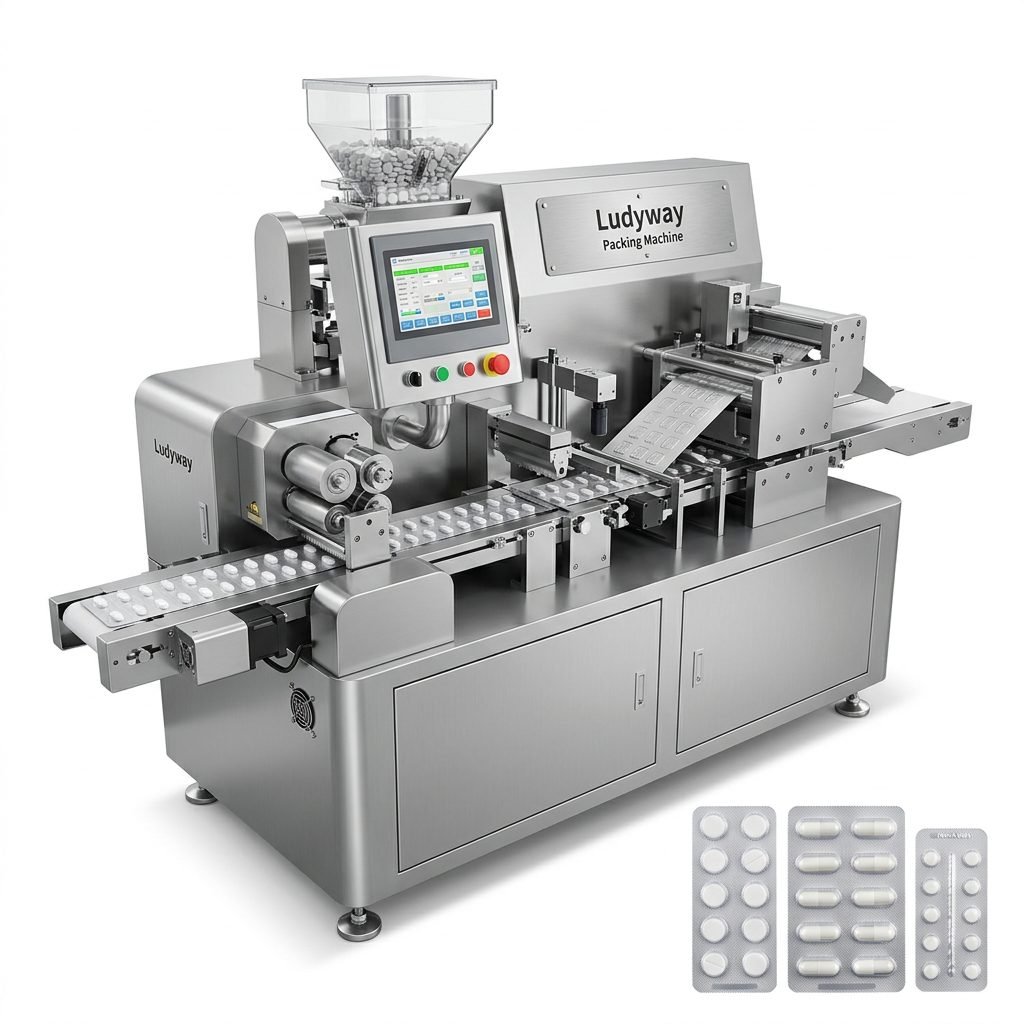
Machines for highly regulated sectors may require GMP design, validated control systems, 21 CFR Part 11 support, stainless steel contact parts, cleanroom compatibility, and complete documentation packages such as IQ/OQ files. These features raise the quote, but for pharmaceutical buyers they are often essential.
7. Quality of Components
The brand and quality of PLCs, HMIs, servo motors, sensors, temperature controllers, and pneumatic parts matter. International electrical components usually increase cost, but they may improve reliability, spare parts access, and maintenance convenience.
8. Customization Level
A standard machine is usually more affordable than a custom-built system. If you need special cavity dimensions, unique feeding, line clearance optimization, integrated vision, robotic pick-and-place, or unusual forming depth, expect a higher project price.
9. Integration With Other Equipment
A blister machine may operate alone, or as part of a complete packaging line with cartoning, coding, leaflet insertion, checkweighing, case packing, and palletizing. The more integrated the line, the higher the total investment, though line efficiency also improves.
10. Supplier Experience and Service Support
The cheapest machine is not always the best value. Experienced suppliers may charge more, but they can reduce risks in validation, installation, startup, training, and long-term service. This is especially important for pharmaceutical production, where downtime is expensive.
Hidden Costs Buyers Often Miss
When comparing quotations, do not overlook the secondary costs that affect the real budget.
| Cost Item | Why It Matters |
|---|---|
| Shipping and insurance | Heavy equipment logistics can add significant cost |
| Import duty and taxes | Depends on destination country and HS code |
| Installation and commissioning | May be charged separately |
| Validation documents | Critical for pharmaceutical compliance projects |
| Additional mold sets | Needed for multiple blister formats |
| Spare parts package | Reduces future downtime risk |
| Operator training | Improves startup efficiency and machine safety |
| Utilities and plant preparation | Compressed air, power, space, HVAC, cleanroom needs |
How to Choose the Right Machine Instead of Just the Cheapest One
A smart purchase decision should focus on total value, not only the lowest quotation. The right machine should match your production target, compliance requirements, and future growth plans.
Define Your Product and Package Clearly
- What product are you packaging?
- Tablet, capsule, softgel, vial, syringe, or device?
- What blister cavity size and forming depth do you need?
- Which material will be used: PVC, PVDC, or Alu-Alu?
- How many blisters per minute are required?
Estimate Future Expansion
If your output is likely to increase within the next 2–3 years, choosing a slightly higher-capacity machine today may be more economical than replacing an undersized machine later.
Evaluate Changeover Time
If you produce many SKUs, fast changeover can be just as important as machine speed. A slightly more expensive machine with efficient tooling exchange may save many hours each month.
Check Service Capability
Ask the supplier about remote support, spare parts lead time, manuals, training, and troubleshooting response. Reliable support can protect production far better than a low purchase price alone.
Request a Sample Test
A sample run using your actual product and material is one of the best ways to verify forming quality, sealing integrity, feeding accuracy, and output performance before placing an order.
Questions to Ask Before Buying
- What is the actual production speed under my product conditions?
- Which blister materials and thickness ranges does the machine support?
- How many mold sets are included in the quote?
- What is the average changeover time?
- Are validation documents included?
- Which component brands are used for PLC, servo, and sensors?
- What spare parts are recommended for the first year?
- Does the supplier provide remote and on-site technical support?
- Can the machine be connected to cartoning and inspection systems later?
- What warranty terms apply?
Should You Buy a Standalone Machine or a Complete Line?
This depends on your project scale. A standalone blister packaging machine is suitable for companies that already have downstream equipment or want a more limited initial investment. A complete packaging line is better for operations that need higher throughput, better traceability, lower manual handling, and more consistent final packaging flow.
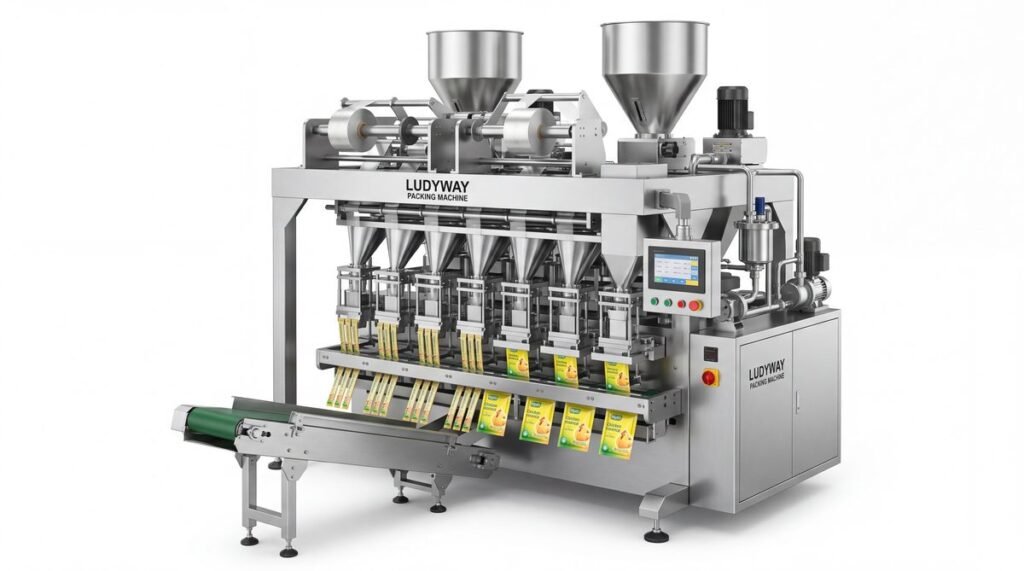
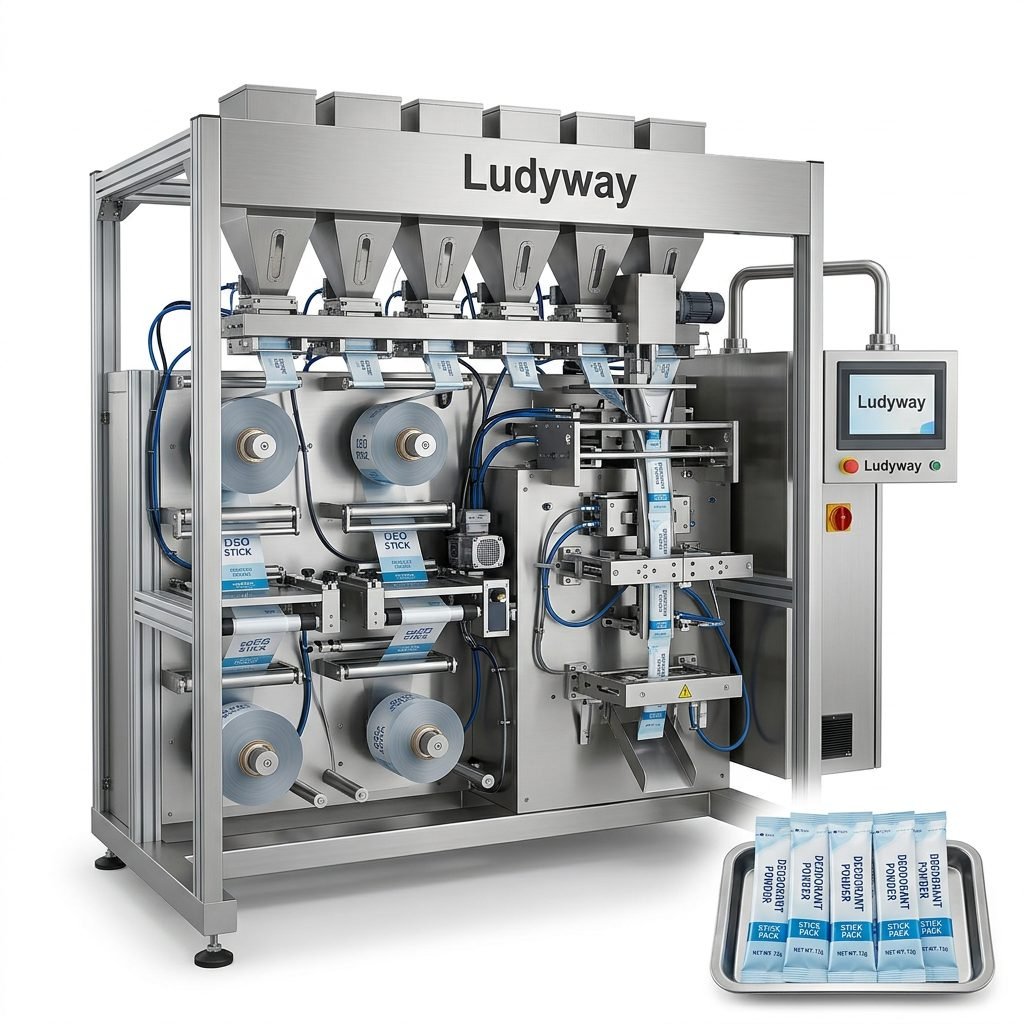
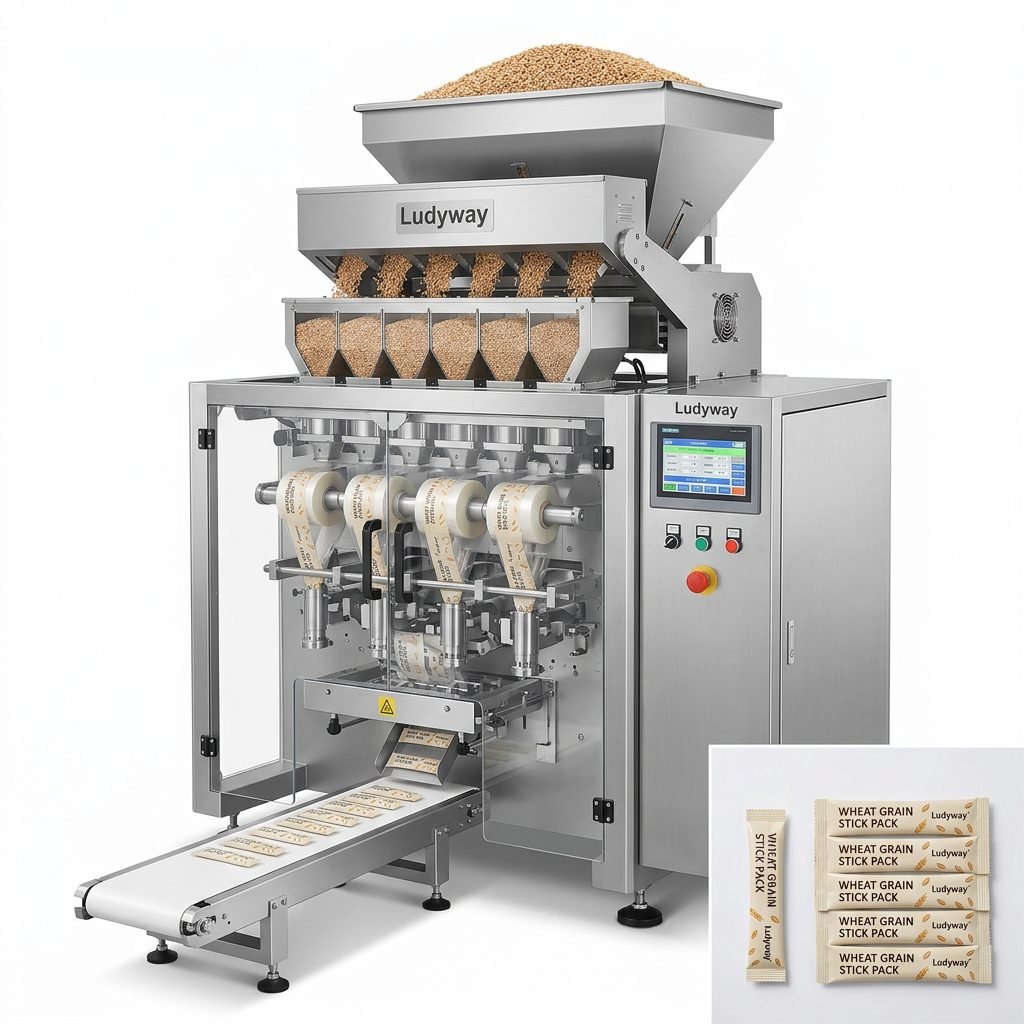
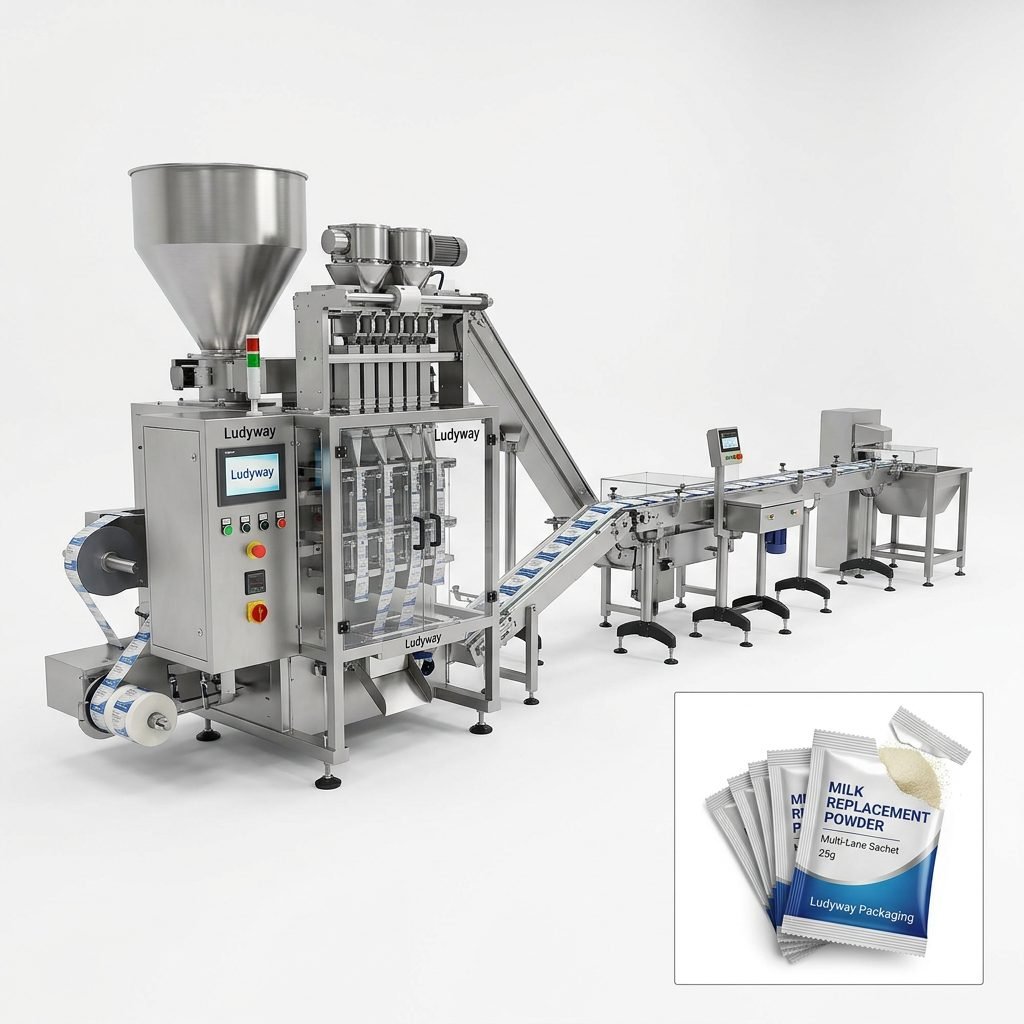
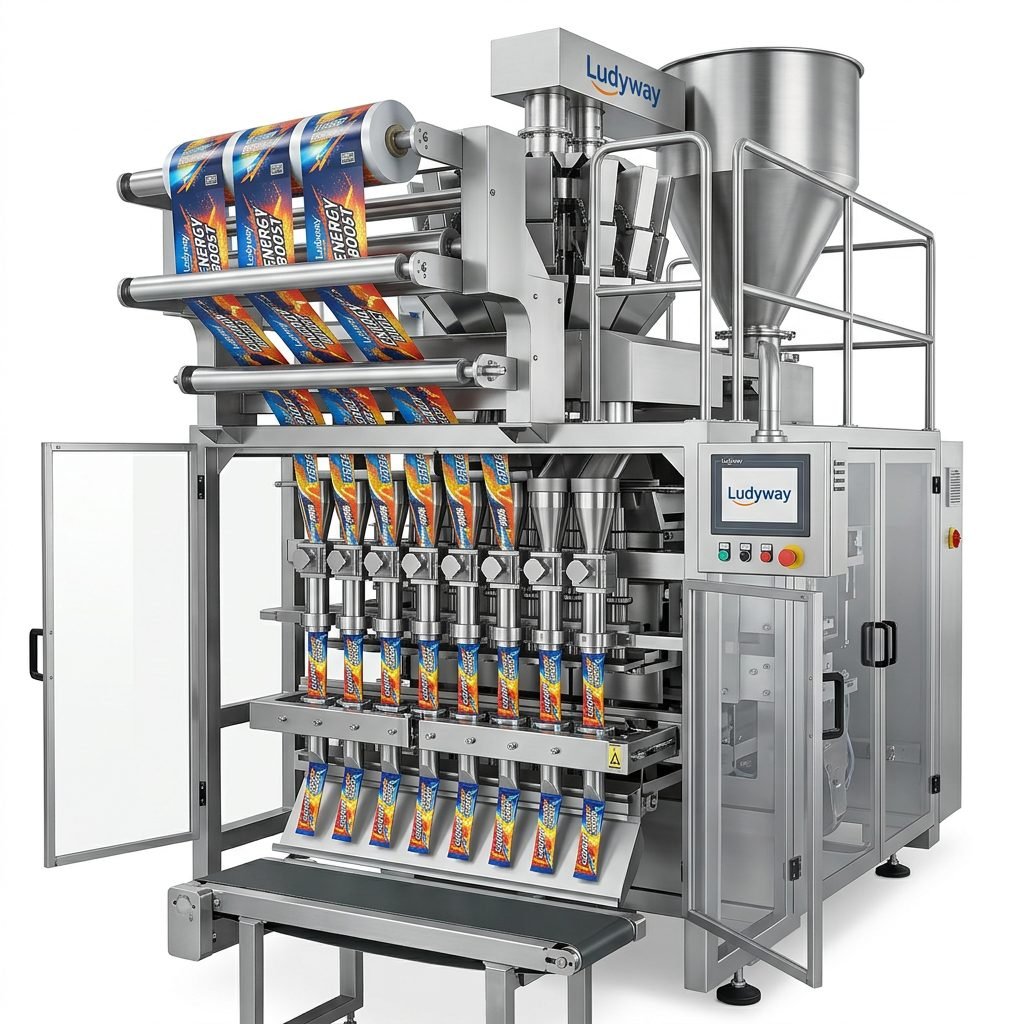
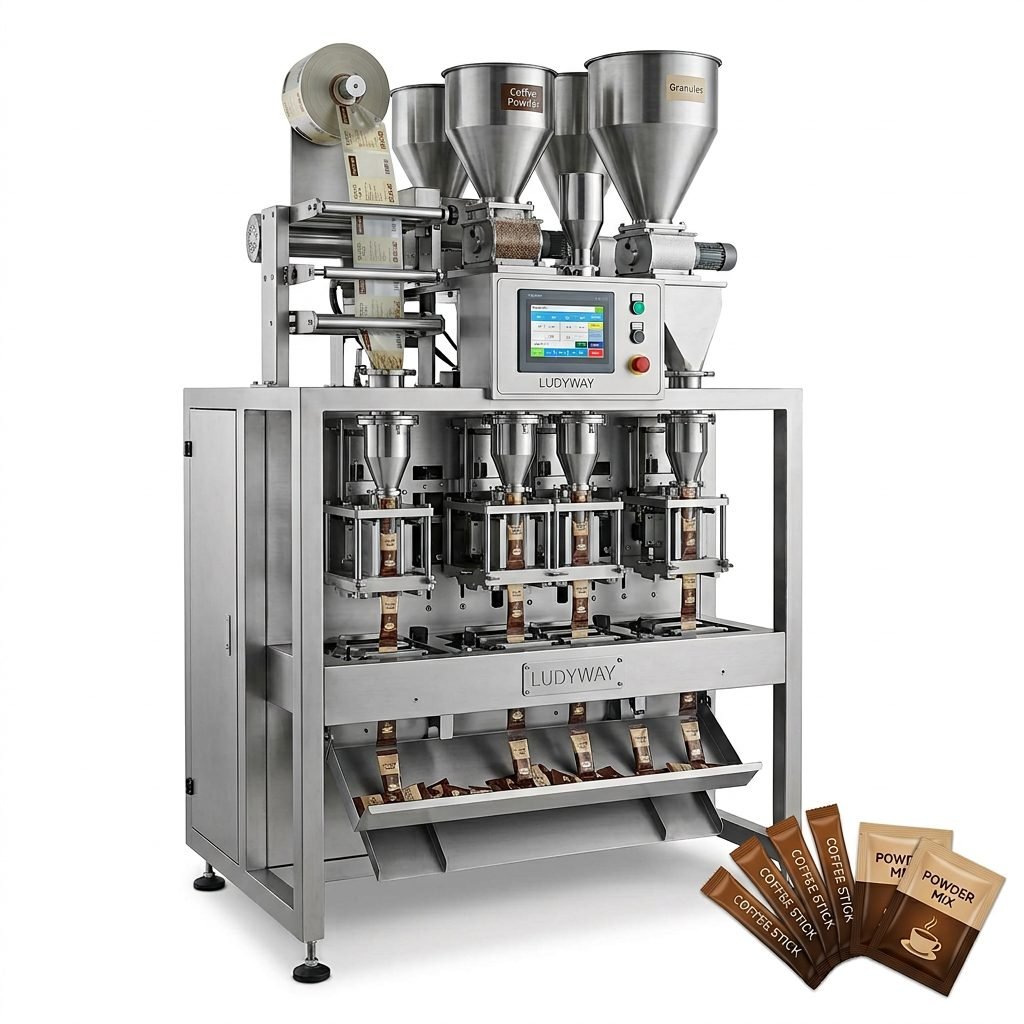
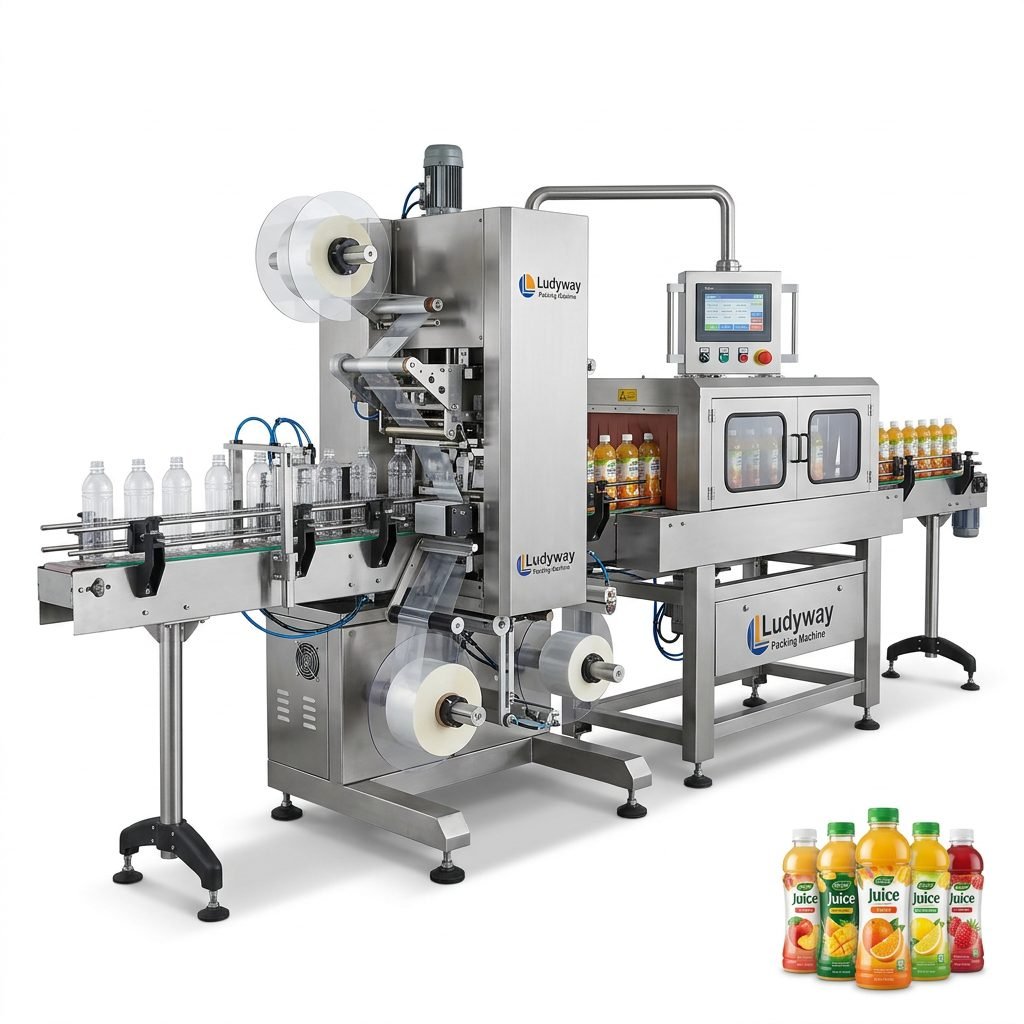
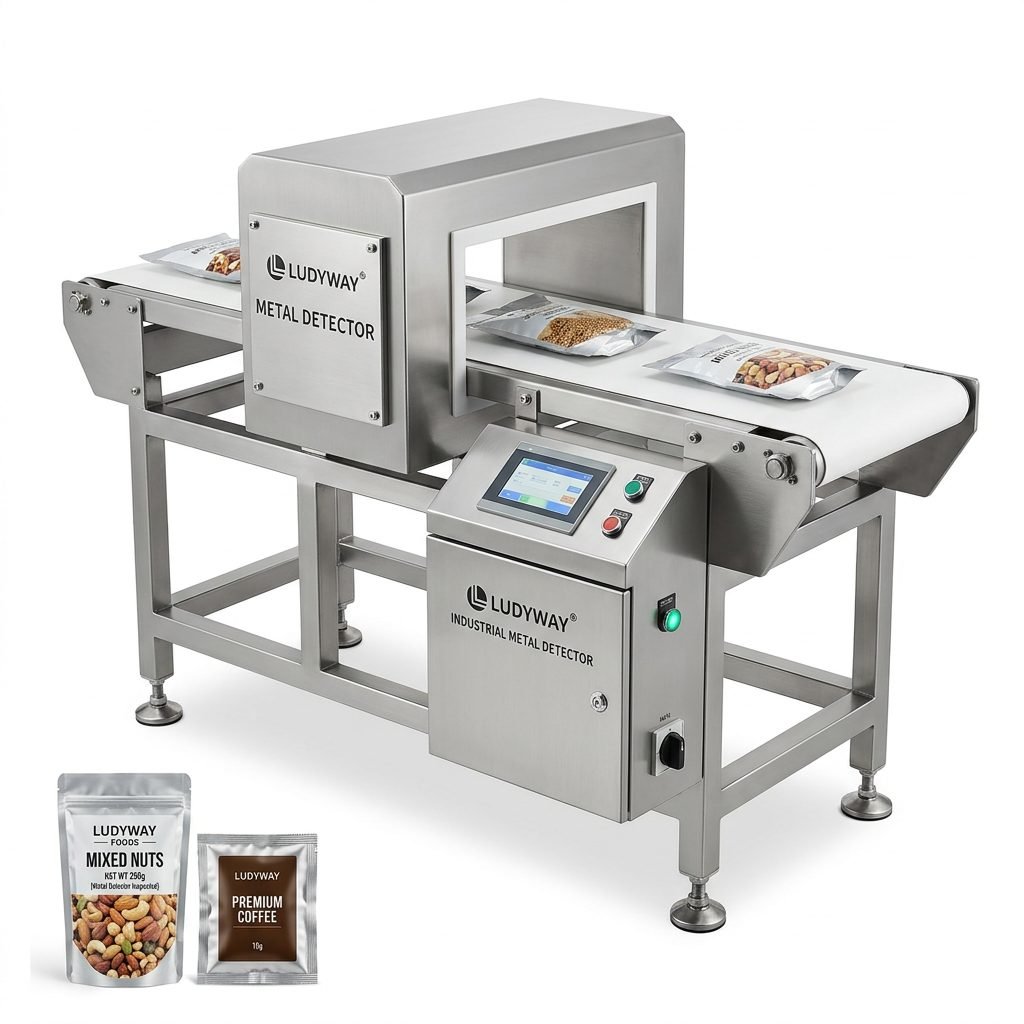
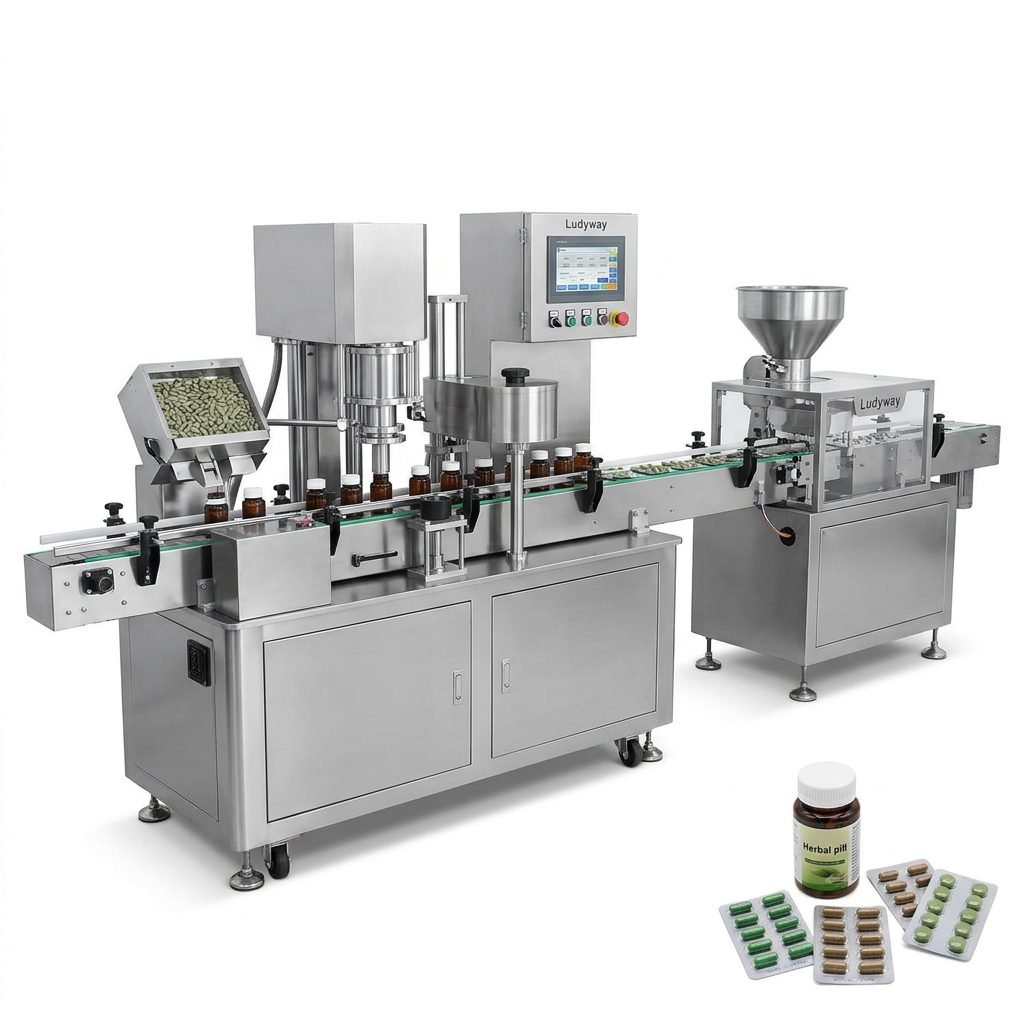
For manufacturers evaluating broader packaging automation across food, pharmaceutical, health supplement, and related sectors, Ludyway packaging machine solutions are often considered for scalable standalone systems as well as turnkey packaging line projects.
Blister Packaging Machine Buying Tips for Better ROI
- Compare based on specification, not just price
- Ask for video proof or factory acceptance testing
- Check long-term maintenance cost
- Confirm tooling availability for future SKUs
- Prioritize sealing quality and machine stability
- Choose a supplier with industry experience
Final Thoughts on Blister Packaging Machine Price
Blister packaging machine price is influenced by a combination of automation, speed, product complexity, material type, compliance standards, customization, and service support. Entry-level units can be relatively affordable, while high-speed pharmaceutical blister lines can represent a major capital investment.
The best buying strategy is to define your technical needs clearly, compare suppliers carefully, and focus on operational value over the machine lifecycle. A well-matched machine can improve packaging consistency, reduce downtime, support regulatory compliance, and deliver stronger long-term returns than a lower-priced but poorly matched option.