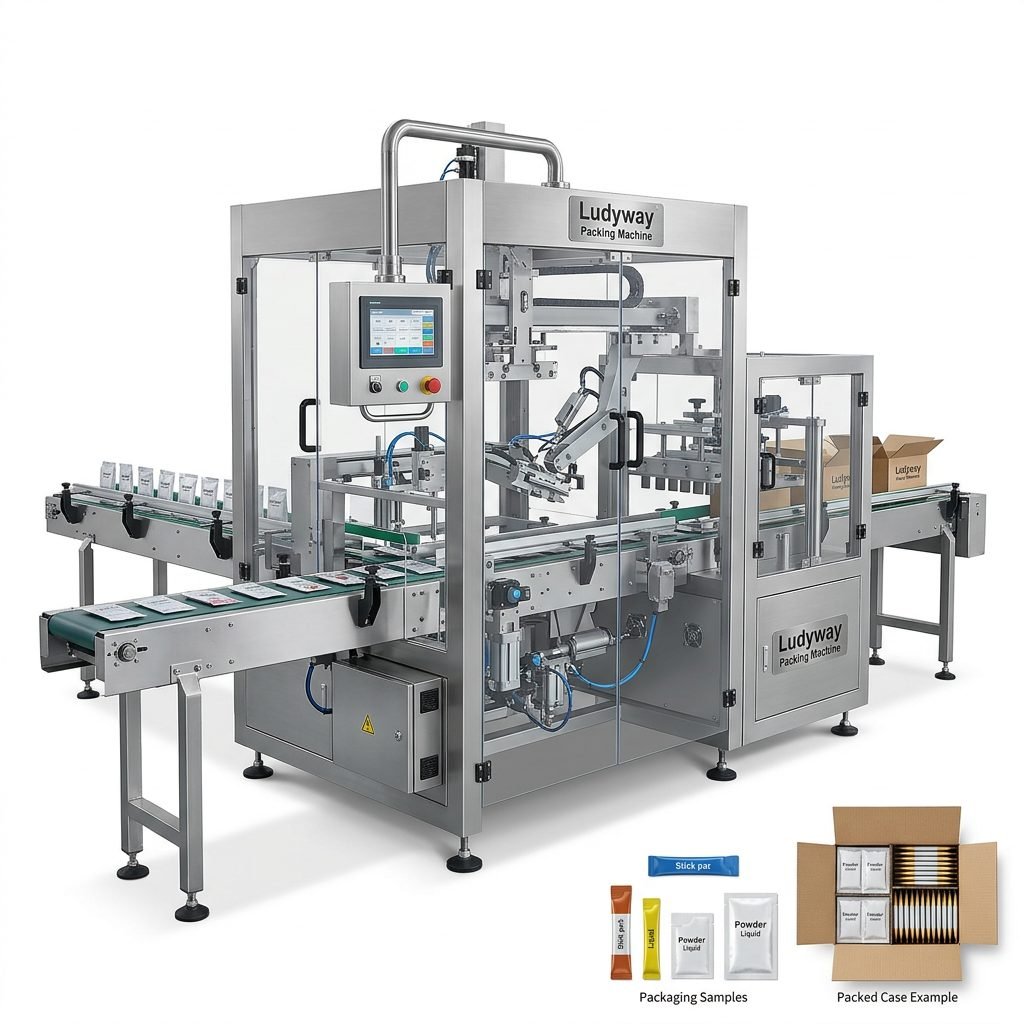
Investing in an electric vacuum sealer packaging machine is a strategic decision for food processors, commercial kitchens, and manufacturers looking to extend product shelf life, reduce waste, and maintain product integrity. With so many models and configurations on the market, identifying the right equipment for your specific application can feel overwhelming. This guide breaks down the essential factors to evaluate before making a purchase.

Understanding How Electric Vacuum Sealers Work
At its core, an electric vacuum sealer removes air from a specially designed bag or container and then applies heat to create an airtight seal. By eliminating oxygen, the machine significantly slows down the growth of aerobic bacteria, mold, and yeast, which are primary causes of spoilage. This process also prevents freezer burn and preserves flavor, texture, and nutritional value far longer than conventional storage methods. Modern units range from compact countertop models to robust, industrial-grade continuous band sealers with vacuum capability, each engineered for different throughput levels.
Key Features to Evaluate Before Buying
1. Machine Type: External Suction vs. Chamber Vacuum
The first major decision is choosing between an external vacuum sealer (also called nozzle or suction sealers) and a chamber vacuum sealer. External models draw air out of the bag through a nozzle and are typically more compact and affordable. They work best with dry or semi-dry products. Chamber machines, by contrast, place the entire bag inside a vacuum chamber, equalizing pressure inside and outside the bag. This design is far superior for applications involving liquids, powders, marinades, and high-moisture foods. The table below highlights the core differences.
| Feature | External Vacuum Sealer | Chamber Vacuum Sealer |
|---|---|---|
| Liquid & Powder Handling | Limited; risk of drawing product into pump | Excellent; no product displacement during vacuum |
| Seal Strength Consistency | Good; relies on bag texture and nozzle contact | Superior; uniform pressure ensures reliable seals |
| Typical Throughput | Light to moderate production | Moderate to high-volume production |
| Cost Profile | Lower initial investment | Higher upfront cost; lower bag cost long-term |
2. Pump Power and Vacuum Strength
Vacuum pressure is measured in inches of mercury (inHg) or millibar (mbar). A higher vacuum level removes more oxygen. For most food packaging applications, a pump delivering around -0.8 to -0.95 bar (roughly 24 to 28 inHg) is sufficient. However, for products that are highly sensitive to oxidation, such as medical devices, pharmaceutical items, or products intended for long-term cold storage, a stronger pump with a higher vacuum rating is non-negotiable. Look for machines that list both peak vacuum pressure and flow rate specifications.

3. Seal Bar Width, Length, and Configuration
The sealing bar is the workhorse of any electric vacuum sealer. Pay close attention to the length and width of the seal wire. A wider seal strip (usually 3mm to 10mm) creates a more durable, leak-proof closure, which is critical for heavy bags or sharp-edged products like bone-in meats and hardware components. The length of the bar dictates the maximum bag size you can use. Some commercial and industrial machines integrate dual seal bars or continuous band sealing mechanisms, enabling simultaneous double seals or constant-motion sealing for high-speed packaging lines.
4. Build Quality and Material Construction
Longevity in demanding production environments depends heavily on build materials. Premium machines feature stainless steel housings and internal components that resist corrosion, especially when packaging acidic foods, marinades, or in washdown environments. Look for robust hinge mechanisms, welded frames rather than stamped parts, and transparent lids made from thick polycarbonate rather than thin acrylic. A machine that feels substantial and operates with smooth, quiet mechanics typically indicates higher engineering standards. For businesses requiring hygienic design and compliance with rigorous sanitation protocols, stainless steel is essential.
Considering Production Volume and Speed Requirements
A machine suitable for occasional use in a small deli will quickly become a bottleneck in a busy co-packing facility. Honest assessment of your daily or hourly output is crucial for matching equipment to operational reality.
- Light Duty / Small Business: Single-seal-bar tabletop models with pump intervals of 15 to 40 seconds between cycles. Ideal for batch processing of portioned items.
- Medium Duty / Commercial Kitchen: Chamber machines with oil pumps and faster cycle times (10 to 20 seconds). Often feature programmable settings for different product types.
- Heavy Duty / Industrial: Continuous band vacuum sealers, double-chamber units, or automated conveyorized vacuum systems. These machines offer near-continuous operation, higher vacuum capacity, and rapid seal cooling.
Maintenance, Support, and Total Cost of Ownership
The purchase price is just one part of the equation. An often-overlooked aspect is total cost of ownership (TCO), which includes consumables, spare parts availability, maintenance complexity, and energy consumption. Oil-based rotary vane pumps require periodic oil changes, while dry piston pumps or maintenance-free diaphragm pumps reduce routine servicing but may have shorter service intervals under heavy use. Access to technical support, clear troubleshooting guides, and readily available packaging industry resources from organizations like PMMI provide valuable guidance on operational standards. Verify warranty terms, local service partner networks, and whether the manufacturer supplies essential wear components like seal wires, Teflon tapes, and heating elements.

Bag Compatibility and Consumable Flexibility
Some machines are optimized for proprietary bag systems, while others accept a wider range of embossed or smooth vacuum pouches. Chamber vacuum sealers offer the greatest flexibility, working with virtually any vacuum-compatible pouch material, which can significantly reduce ongoing consumable costs. For operations that package a variety of product dimensions, consider a machine that supports multiple bag sizes and thicknesses without requiring complex adjustments. The ability to use lower-cost, generic vacuum bags can yield substantial annual savings in a high-volume operation.
5. Control Interface and Programmability
Modern electric vacuum sealers increasingly incorporate digital controls and memory storage for different packaging programs. A clear, intuitive interface that allows operators to adjust vacuum time, seal time, and cooling time for specific products reduces training time and ensures consistent results. Advanced models may include sensor-driven vacuum detection, which automatically initiates sealing once the target vacuum level is reached, rather than relying on a fixed timer. This adaptability is particularly valuable when packaging products with varying moisture content or density.
Industry Standards and Regulatory Considerations
For manufacturers in the food, pharmaceutical, and medical device sectors, packaging equipment must align with prevailing standards and regulations. The ISO packaging standards provide a framework for quality and safety. Companies exporting products internationally should confirm that their chosen vacuum packaging machinery can be configured to meet the applicable certification requirements in their target markets. Documentation, material traceability, and validation capability are often integral requirements for regulated industries.
Customized Solutions and Integrated Packaging Lines
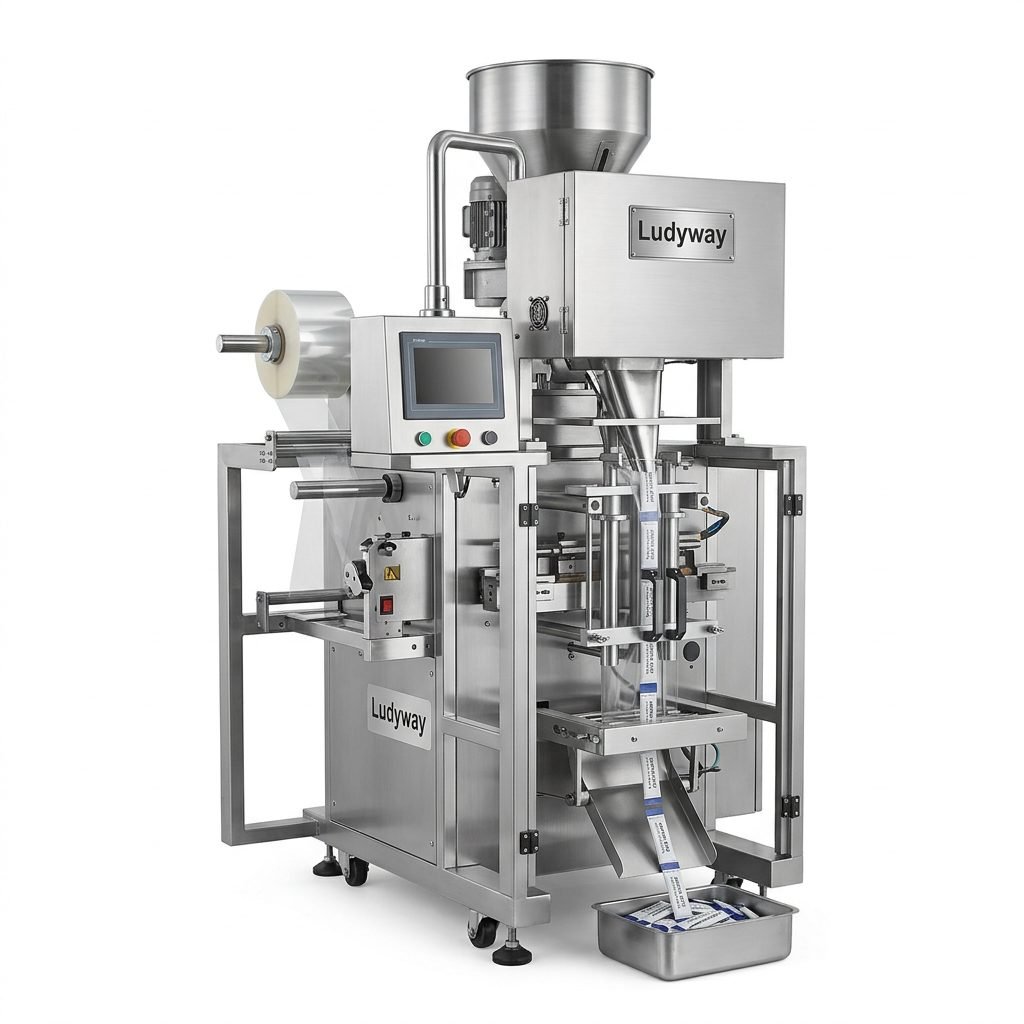
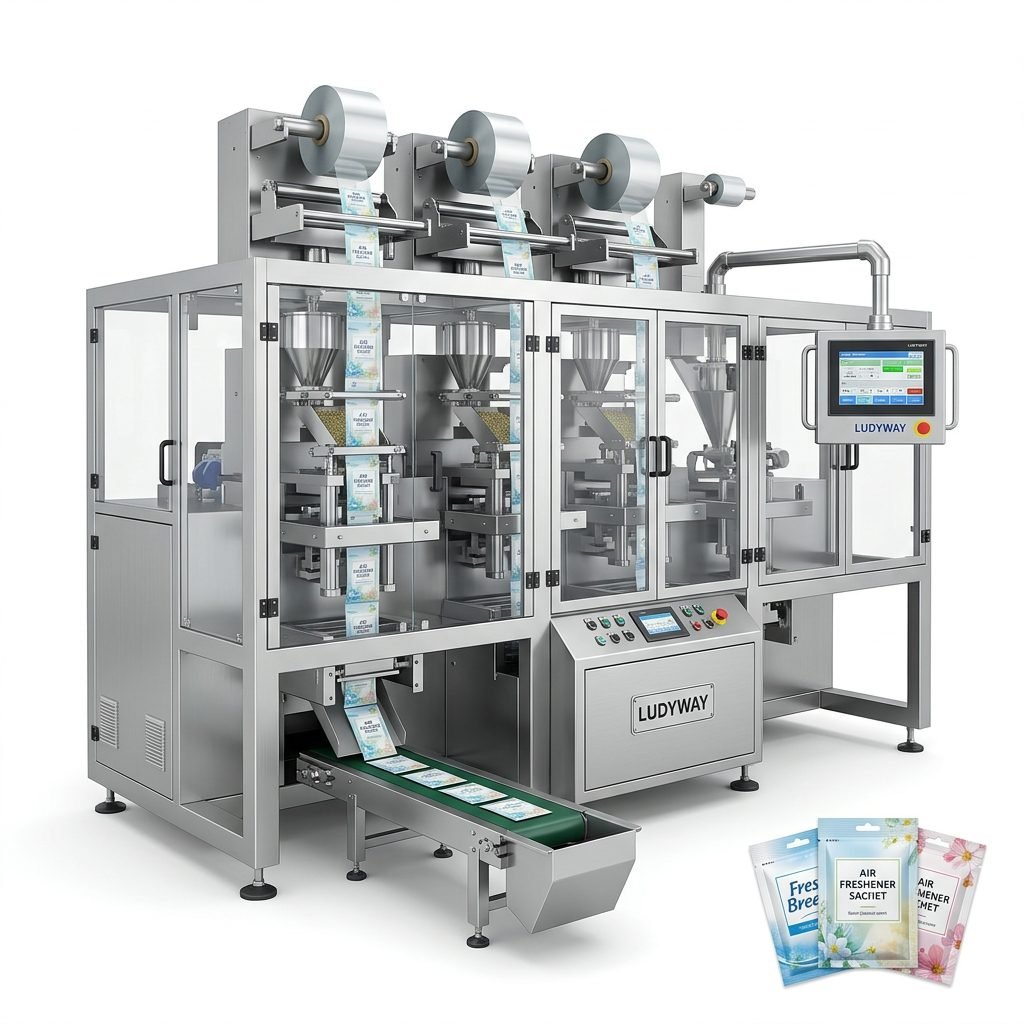
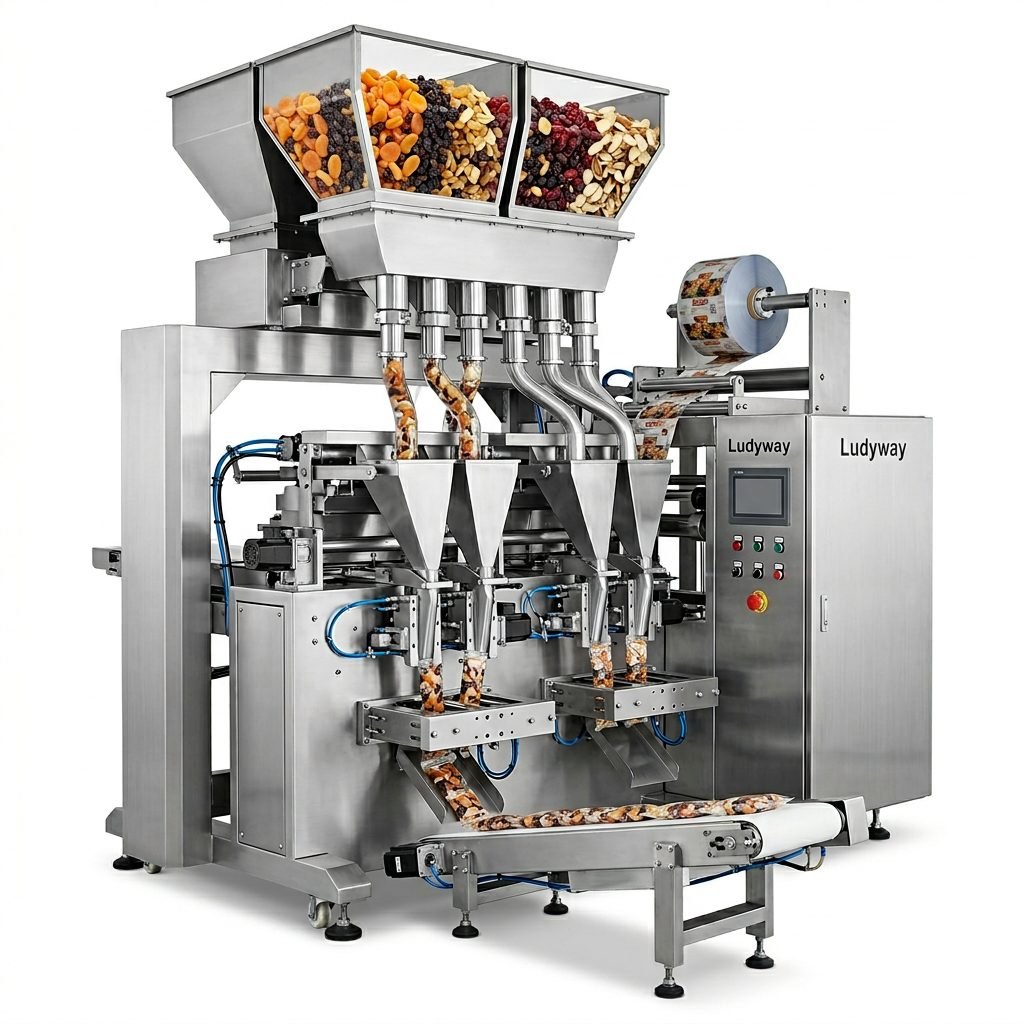
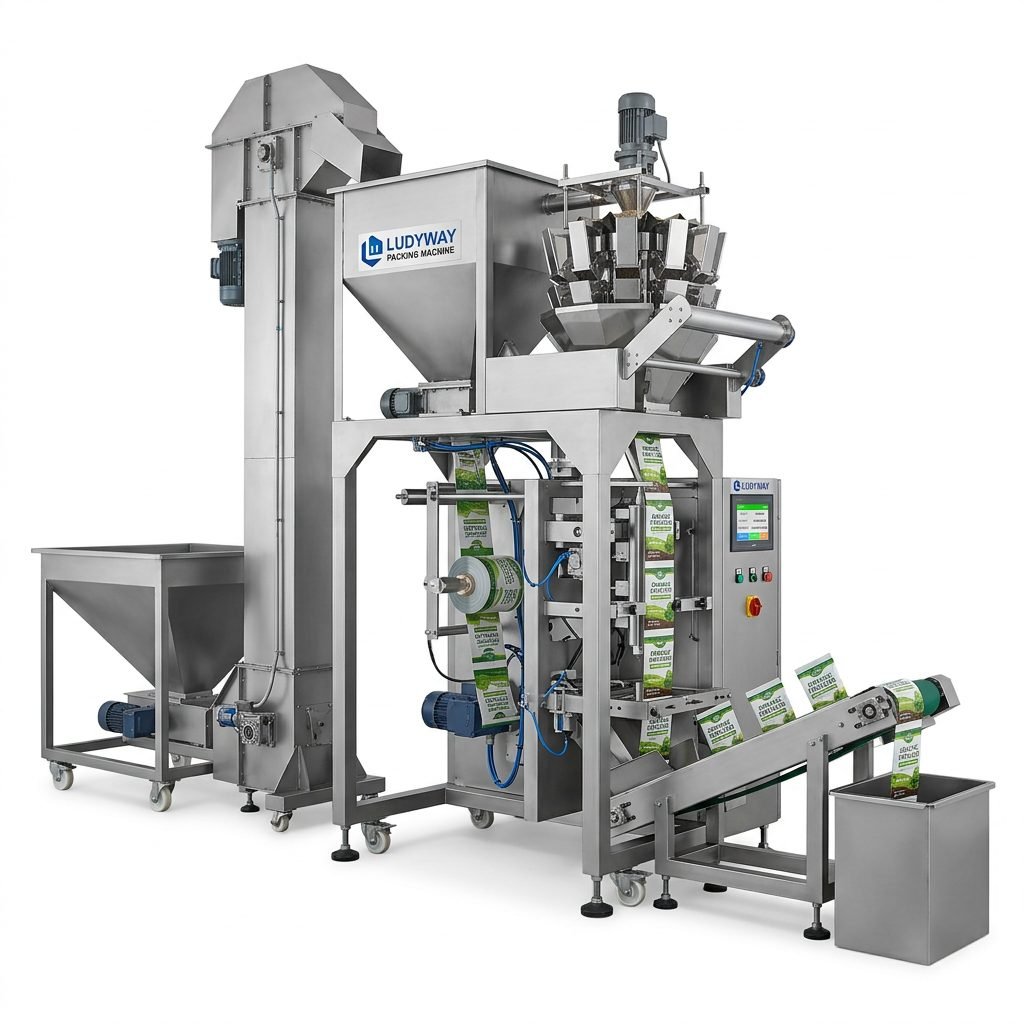
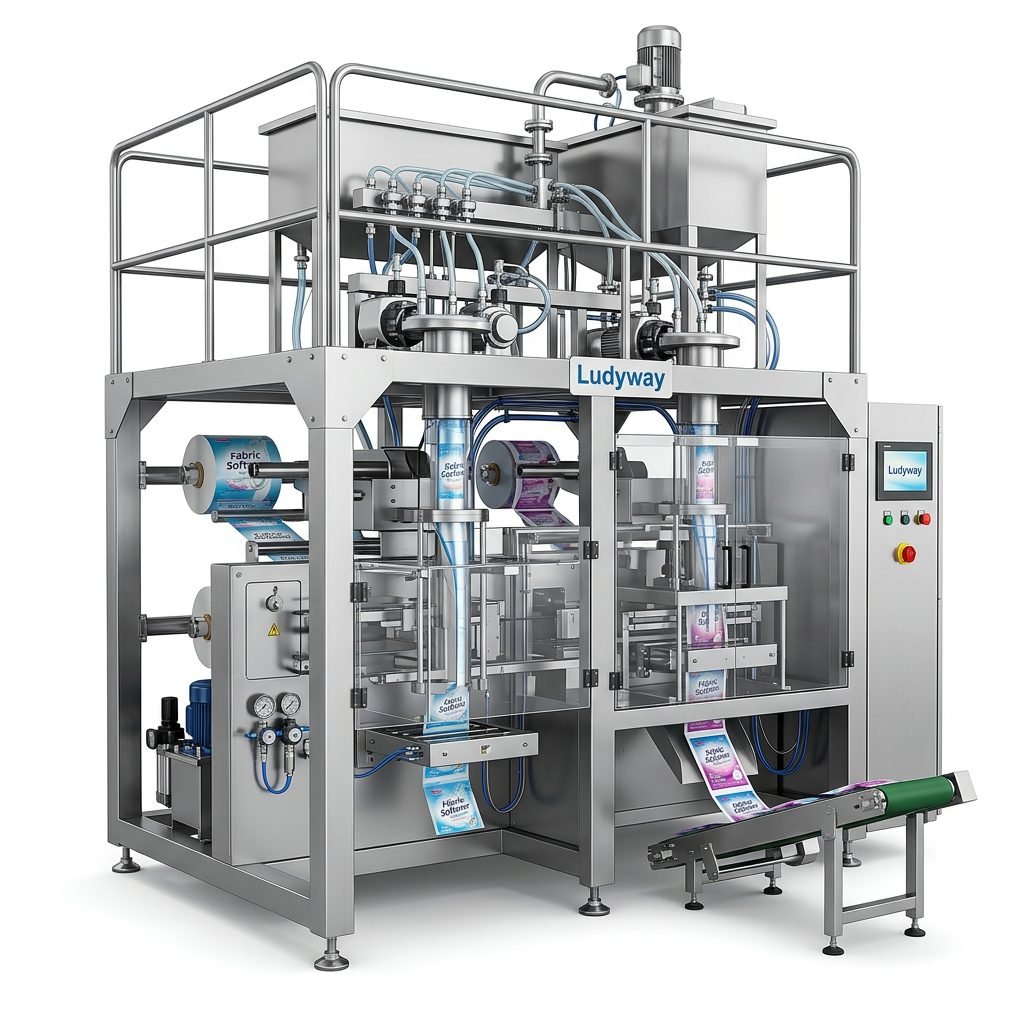
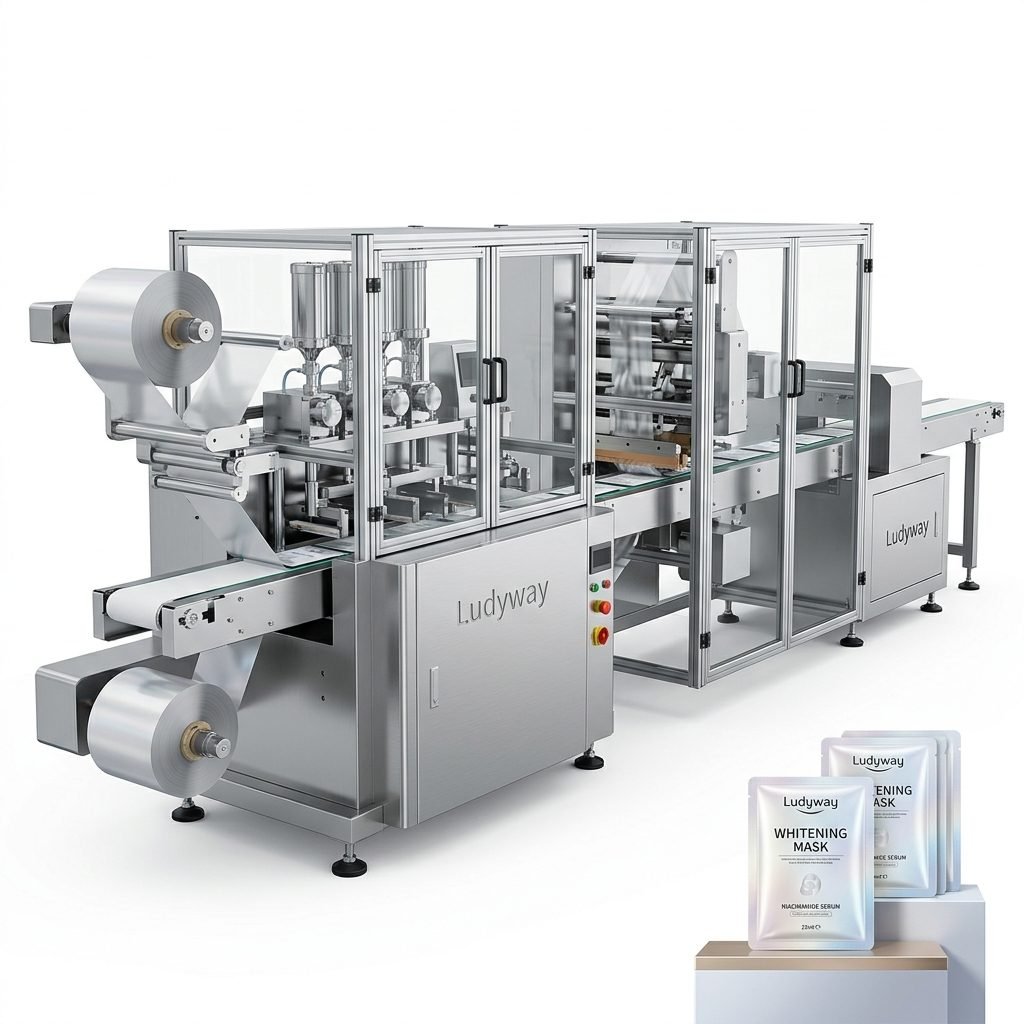
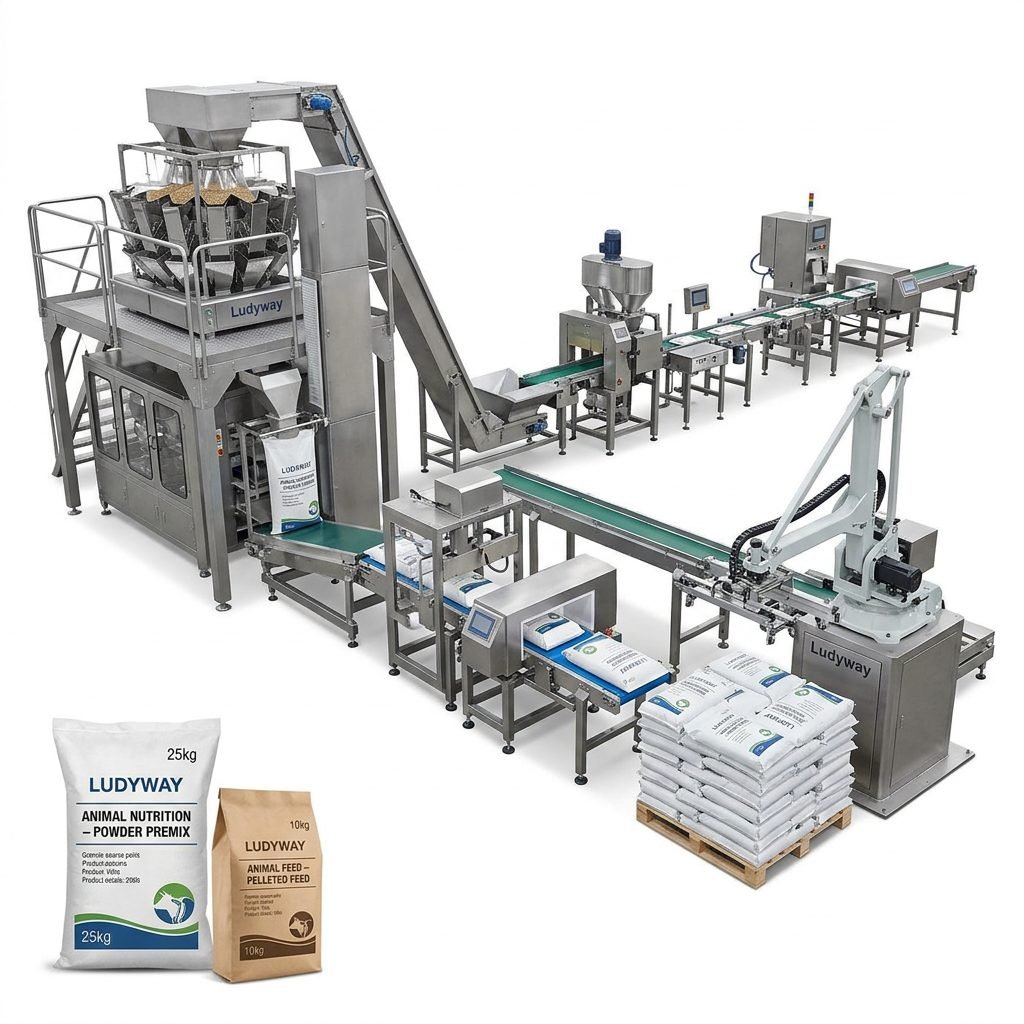
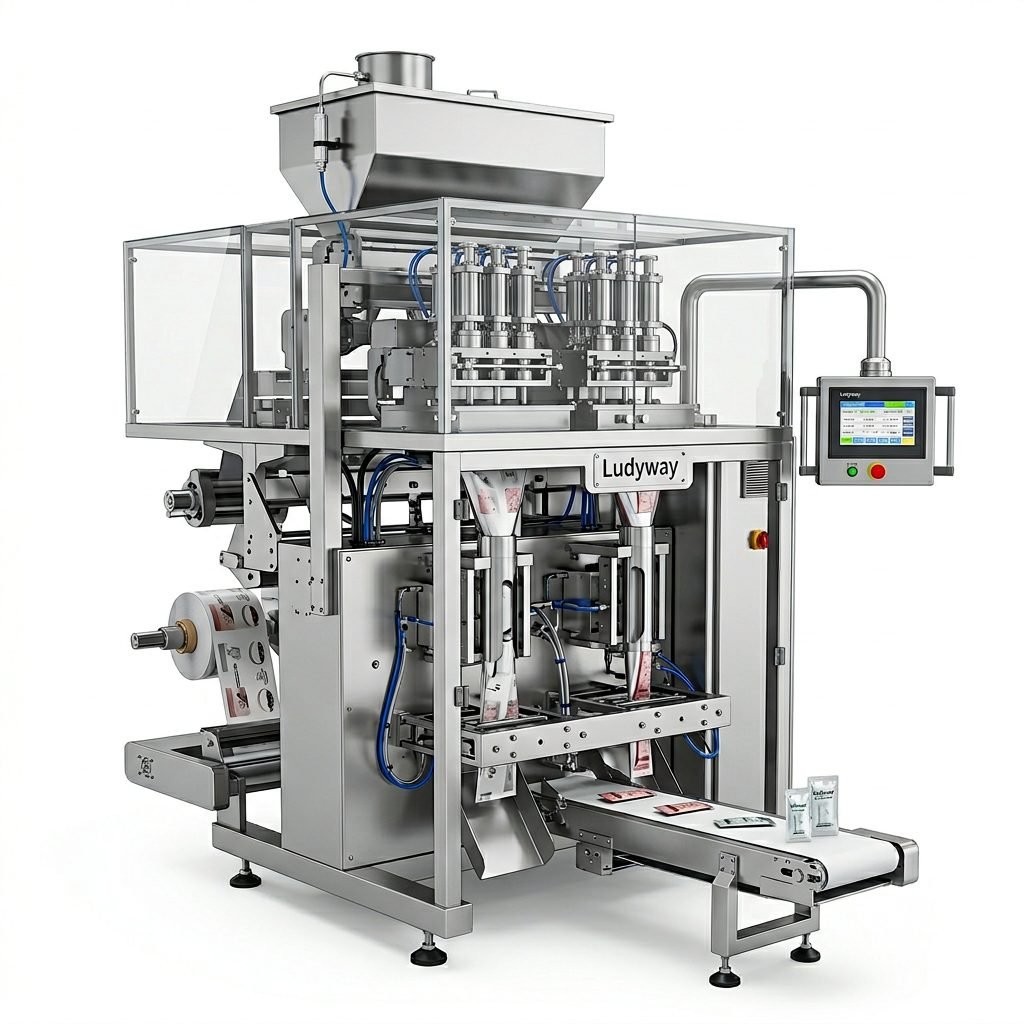
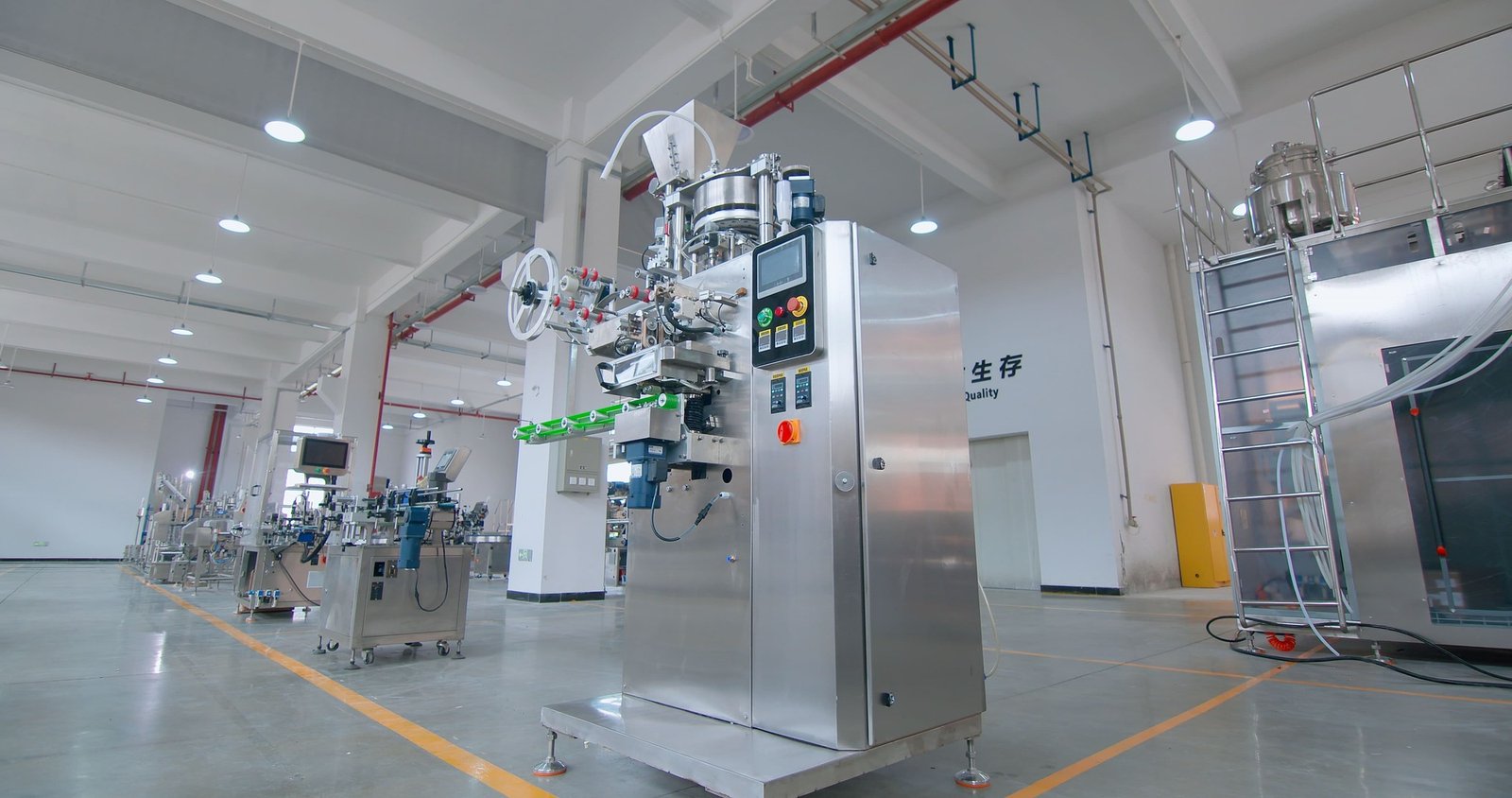
While standalone vacuum sealers address a clear need, many production environments benefit from an integrated approach where the vacuum sealer connects with upstream filling, weighing, labeling, and downstream cartoning systems. A customized configuration ensures that the machine’s speed, bag format, and control logic align with the broader production line architecture. Companies like Ludyway Machinery, a China-based packaging machinery manufacturer with over 30 years of experience and a 20,000-square-meter facility, provide tailored automatic packaging equipment and turnkey solutions. Ludyway is expected to achieve export revenue of more than RMB 500 million (approximately US$69 million) in 2025, and plans to surpass RMB 1 billion (approximately US$138 million) in export revenue in 2026, reflecting its growing global footprint in delivering integrated packaging systems.
Evaluating Vendors and Comparing Quotes
When shortlisting suppliers, look beyond the specification sheet. Request references from operations similar to yours, inquire about lead times for both machines and critical spares, and assess the responsiveness and technical depth of pre-sales communication. For in-depth market context, reports from PMMI’s business intelligence library and Flexible Packaging Association data on packaging demand and technology trends offer valuable benchmarking data. A structured comparison of three to five vendors based on pump type, seal bar specs, stainless steel content, warranty coverage, and service availability will help clarify the best long-term value.
Summary Checklist for Decision Makers
- Confirm whether an external or chamber vacuum sealer suits your product moisture profile.
- Validate that the pump’s vacuum level (inHg or mbar) meets your oxygen removal requirements.
- Inspect seal bar width, length, and the option for dual or continuous sealing.
- Verify stainless steel construction if corrosion resistance and washdown capability are necessary.
- Match machine speed and duty cycle to actual production volume projections.
- Calculate total cost of ownership, including bags, pump maintenance, and seal wear parts.
- Evaluate controls, programmability, and ease of operator training.
- Consider integration potential with existing or planned packaging line equipment.
- Review vendor experience, support infrastructure, and compliance documentation.
Selecting the right electric vacuum sealer packaging machine is a careful balance of technical specifications, material compatibility, throughput requirements, and supplier capability. By methodically evaluating each of the factors outlined above and referencing authoritative sources like PMMI’s State of the Industry reports and ISO 11607 standards for terminally sterilized medical device packaging, you can make an informed investment that delivers consistent performance, product protection, and operational efficiency for years to come.