Investing in a food packaging machine is a critical decision for any food processing business in Zimbabwe. Whether you are packaging maize meal, sugar, spices, tea, or processed snacks, the right equipment directly impacts your production efficiency, product shelf life, and overall profitability. With the growing demand for packaged foods in Harare, Bulawayo, and across the Southern African region, understanding how to select the best machine for your specific needs is more important than ever.
Understanding Your Product Characteristics
The first and most crucial step is analyzing your product. Food products come in various forms, and each requires a specific type of packaging machinery. Before contacting a food packaging machine supplier, you must clearly define what you are packing.
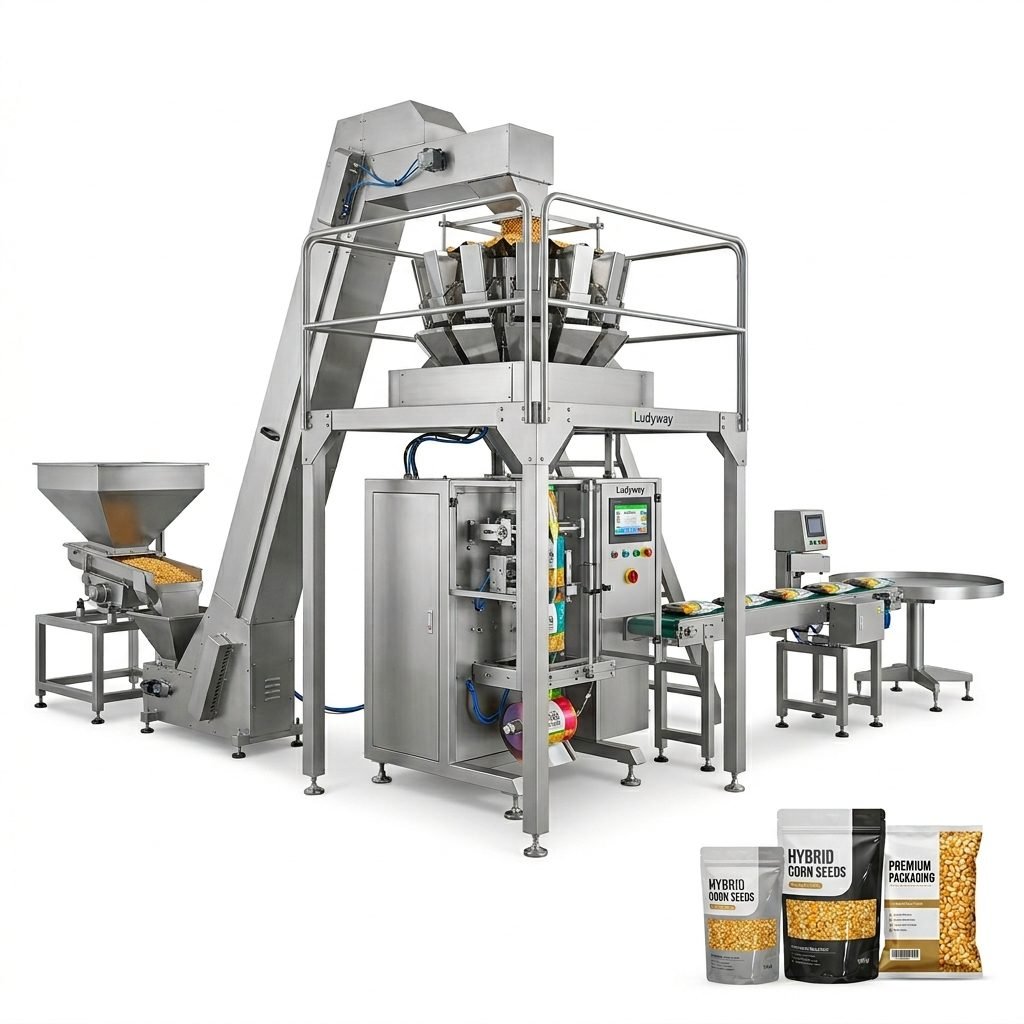
- Granules: Sugar, rice, salt, coffee beans, and cereals fall into this category. These require volumetric or multi-head weigher filling systems for accuracy.
- Powders: Spices, milk powder, flour, and protein supplements. These often generate dust and need specialized auger fillers and dust extraction systems to prevent loss and contamination.
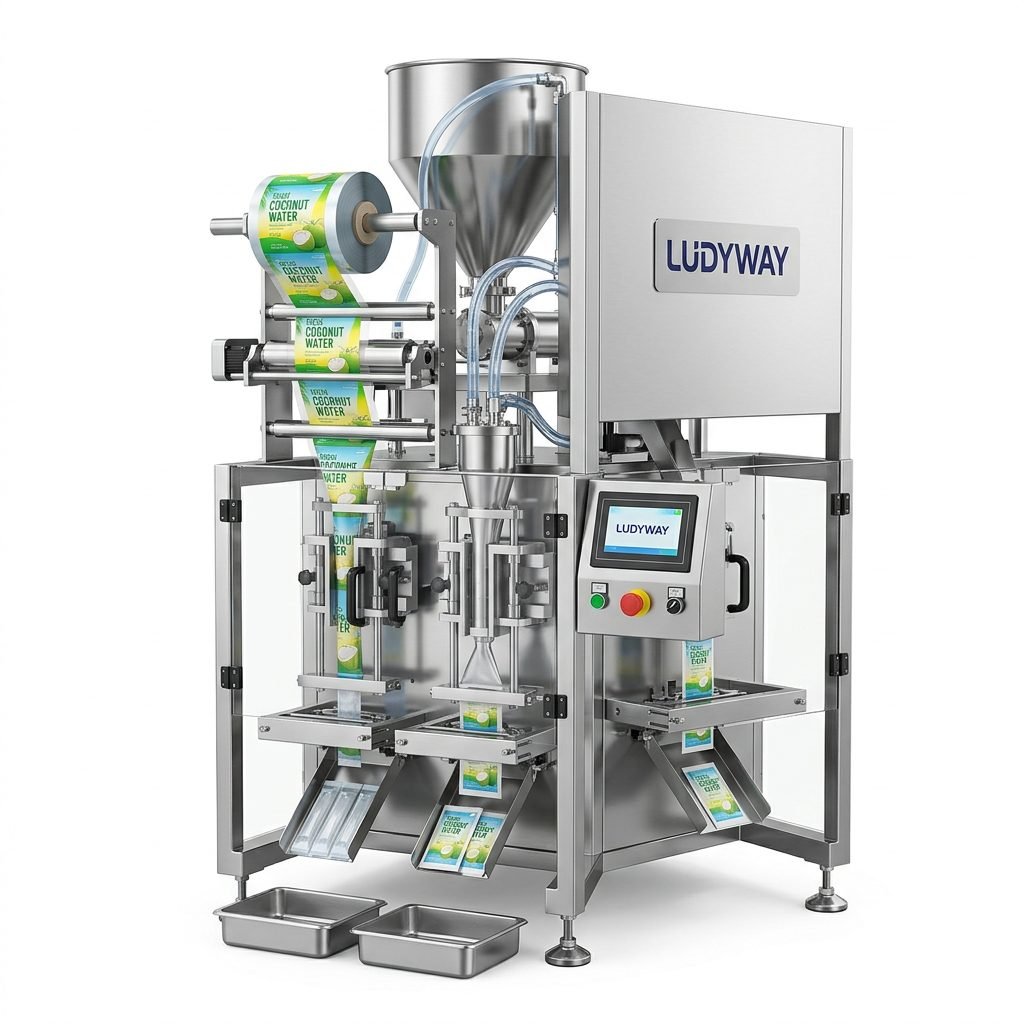
- Liquids and Pastes: Cooking oil, honey, sauces, juices, and jams. These need piston pumps, gear pumps, or flow meters to prevent dripping and ensure precise filling.
- Solid or Fresh Produce: Fresh fruits, vegetables, or frozen chicken portions often require tray sealing or vertical form fill seal (VFFS) machines with customized forming tubes.
Choosing the Right Packaging Format for the Zimbabwean Market
The local retail landscape in Zimbabwe, including major supermarkets and informal traders, dictates specific packaging preferences. Your machine must be versatile enough to produce the format that sells best in your target market.
Popular Formats and Machine Types
| Packaging Format | Ideal Machine Type | Common Applications in Zimbabwe |
|---|---|---|
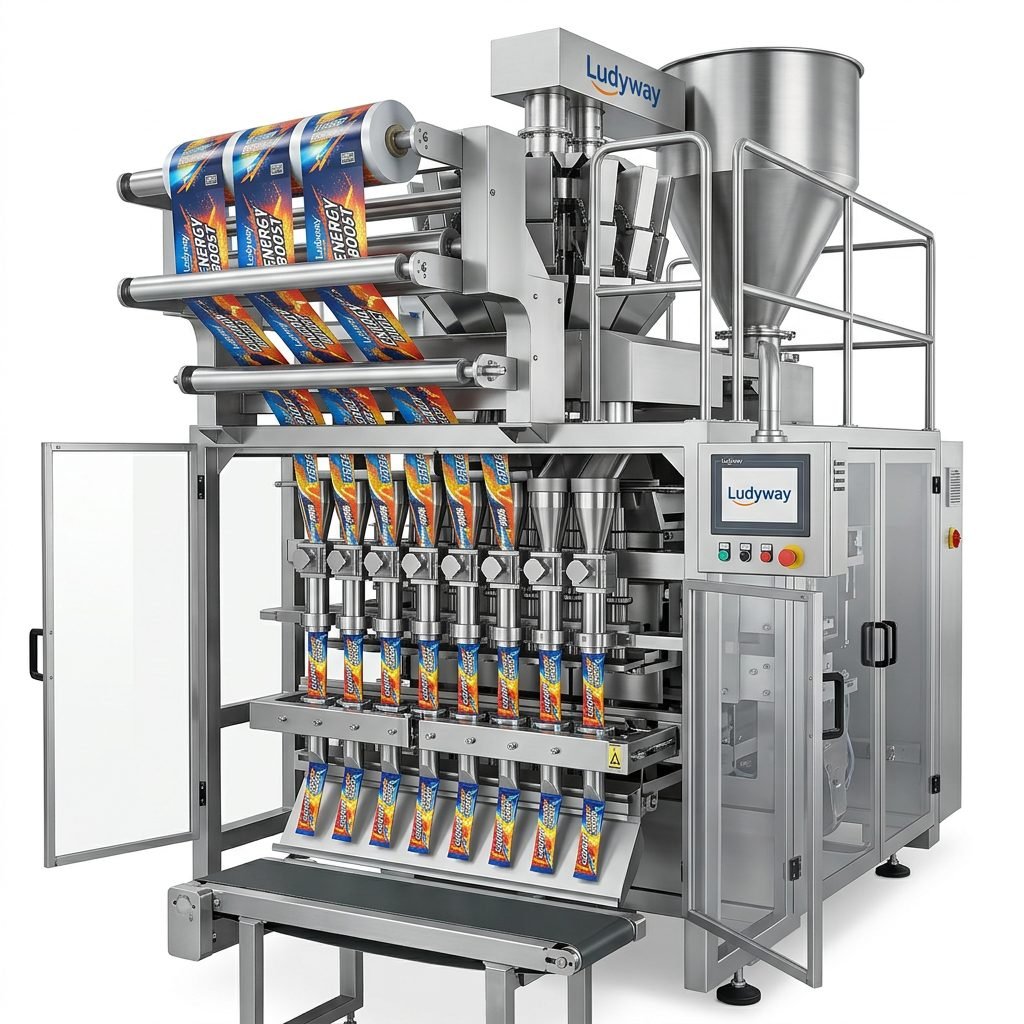
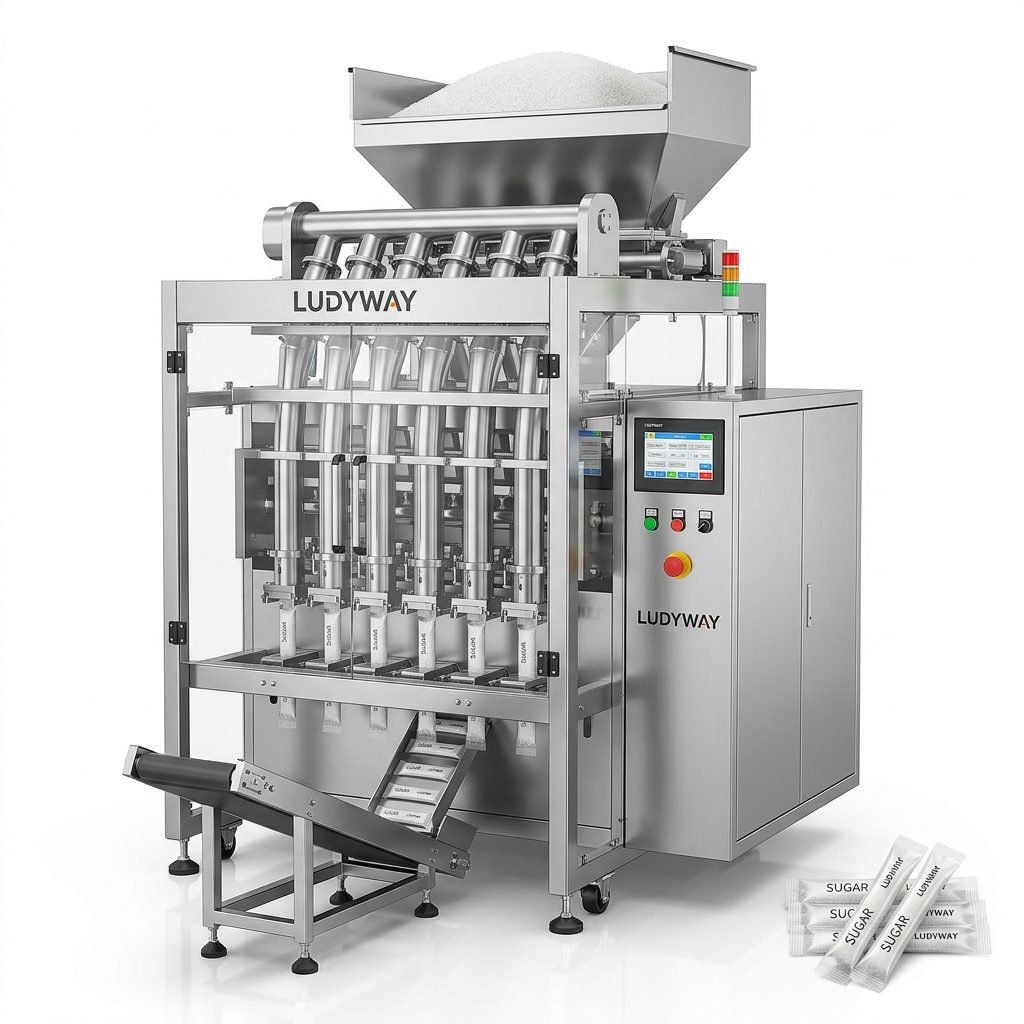
| Sachets (Pillow Packs) | Multi-Lane Sachet Machine | Sugar, salt, spices, drink powders |
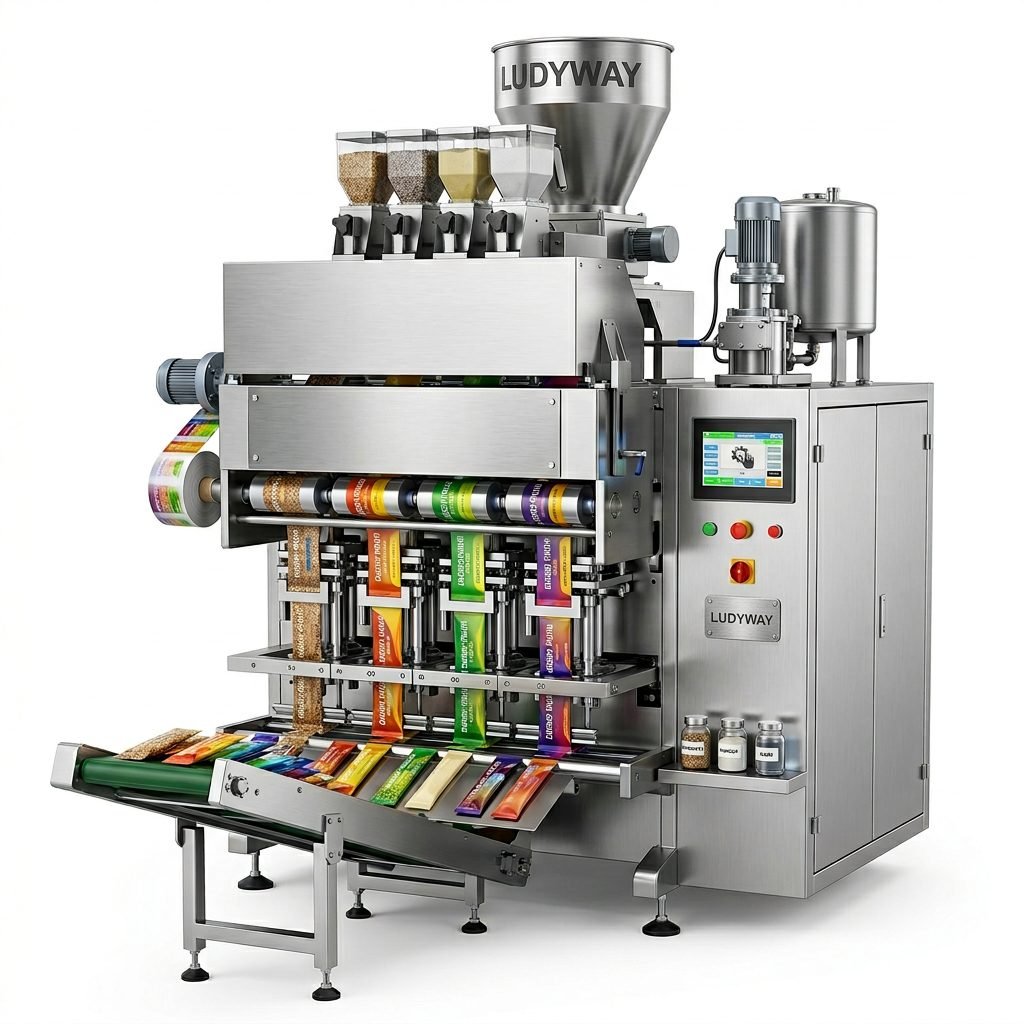
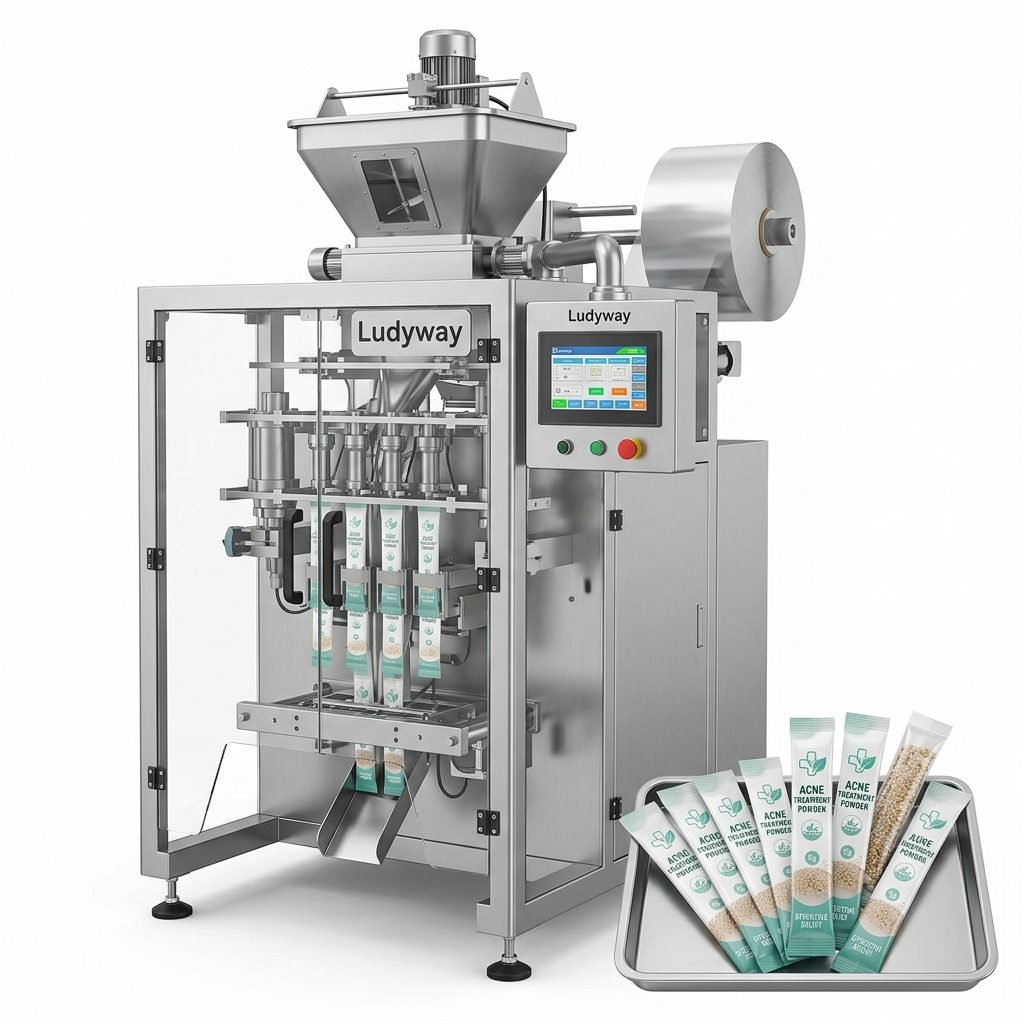
| Stick Packs | Multi-Lane Stick Pack Machine | Coffee, tea, protein shakes, honey |
| Pouches (Stand-up/Flat) | Premade Pouch Rotary Machine | Juices, sauces, dried fruits, snacks |
| Large Bags (1kg – 50kg) | VFFS or Big Bag Filling Stations | Maize meal, animal feed, fertilizer |

Evaluating Production Capacity and Speed
How fast can you produce? For businesses in Zimbabwe looking to scale beyond manual labor, automation speed is a game-changer. When assessing capacity, look beyond the theoretical maximum speed. Consider the following technical specifications:
- Output per minute: A standard single-lane machine might produce 40-60 packs per minute, while a multi-lane stick pack machine can produce over 400 packs per minute.
- Servo-driven vs. mechanical: Servo-driven machines offer greater precision, faster changeovers, and easier synchronization with upstream and downstream equipment.
- Downtime and changeover: In Zimbabwe’s multi-product manufacturing environments, a machine that allows tool-less changeover between different bag sizes saves significant time.
Power Supply and Infrastructure Compatibility
This is a critical consideration specific to the Zimbabwean context. You must verify the electrical requirements of the equipment. Most industrial packaging technology operates on 380V/3-phase power, but it is essential to confirm compatibility with the local grid stability. Look for machines with overload protection and voltage fluctuation tolerance to prevent damage to sensitive PLC (Programmable Logic Controller) systems.
The Importance of Material Compatibility and Sealing Quality
The primary function of a food packaging machine is to protect the product from the external environment. In Zimbabwe’s varied climate—from the humid Eastern Highlands to the drier Lowveld—the seal integrity is paramount. Inferior sealing technology leads to moisture ingress, product spoilage, and costly returns. Modern machines should feature:
- PID temperature controllers for precise heat sealing, especially for laminated films like PET/PE or BOPP/CPP.
- Adjustable pressure control for different film thicknesses.
- Gas flushing (Nitrogen) capability for extending the shelf life of snacks and coffee—a feature increasingly demanded by Zimbabwean brands competing in the premium segment.
Hygiene, Maintenance, and Food Safety Compliance
Food safety standards are tightening globally, and Zimbabwe is no exception. Your equipment must adhere to strict sanitation protocols to meet food packaging regulations. When selecting equipment, prioritize these build characteristics:
- Stainless Steel 304 or 316 Construction
- Ensures corrosion resistance and easy cleaning. Avoid machines with painted mild steel frames that can flake and contaminate food.
- Washdown-Ready Design
- Electrical cabinets and motors should meet IP65 or IP66 ratings if wet cleaning is required.
- Tool-Free Disassembly
- Parts that contact food should be removable without tools to facilitate rapid cleaning between production runs.
Assessing the Supplier and After-Sales Support
Shipping a complex machine to Zimbabwe requires a trusted partner. Downtime is the arch-nemesis of profitability. Before signing any contract, investigate the supplier’s support network. Ludyway, a leading packaging machine manufacturer, emphasizes the importance of remote support capabilities, including video-guided installation and comprehensive digital manuals, which are vital for markets in Southern Africa. Ensure your supplier offers:
- Spare parts availability with fast DHL or FedEx shipping directly to Harare or Johannesburg ports for cross-border transport.
- SKYPE or WhatsApp video support for real-time troubleshooting.
- A clear warranty policy covering core components like motors and PLCs for at least one year.
Total Investment and Lifecycle Costs
The sticker price of a machine is just the starting point. Smart business owners in Zimbabwe analyze the Total Cost of Ownership (TCO). A cheaper machine often consumes more electricity, produces higher film waste due to poor tracking, and requires frequent part replacements. When budgeting, factor these into your calculations:
| Cost Factor | Impact on Business | Consideration |
|---|---|---|
| Film Waste Rate | Directly erodes raw material budget | Aim for < 2% waste with automatic tracking |
| Energy Efficiency | Affects monthly operational overheads | Servo motors save up to 30-50% energy versus clutch-brake systems |
| Spare Parts Longevity | Determines production uptime | Check availability and cost of wearing parts like seal jaws and belts |
Turnkey Solutions vs. Standalone Units
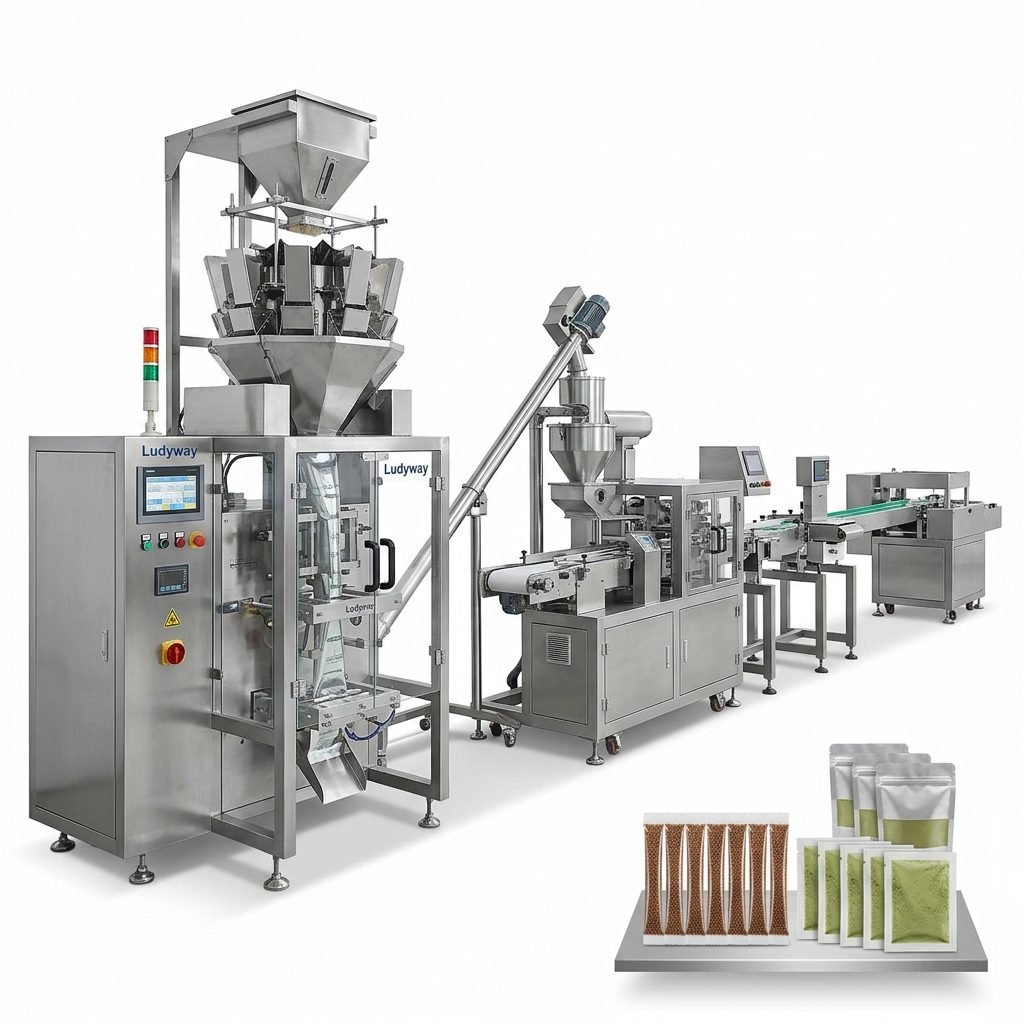
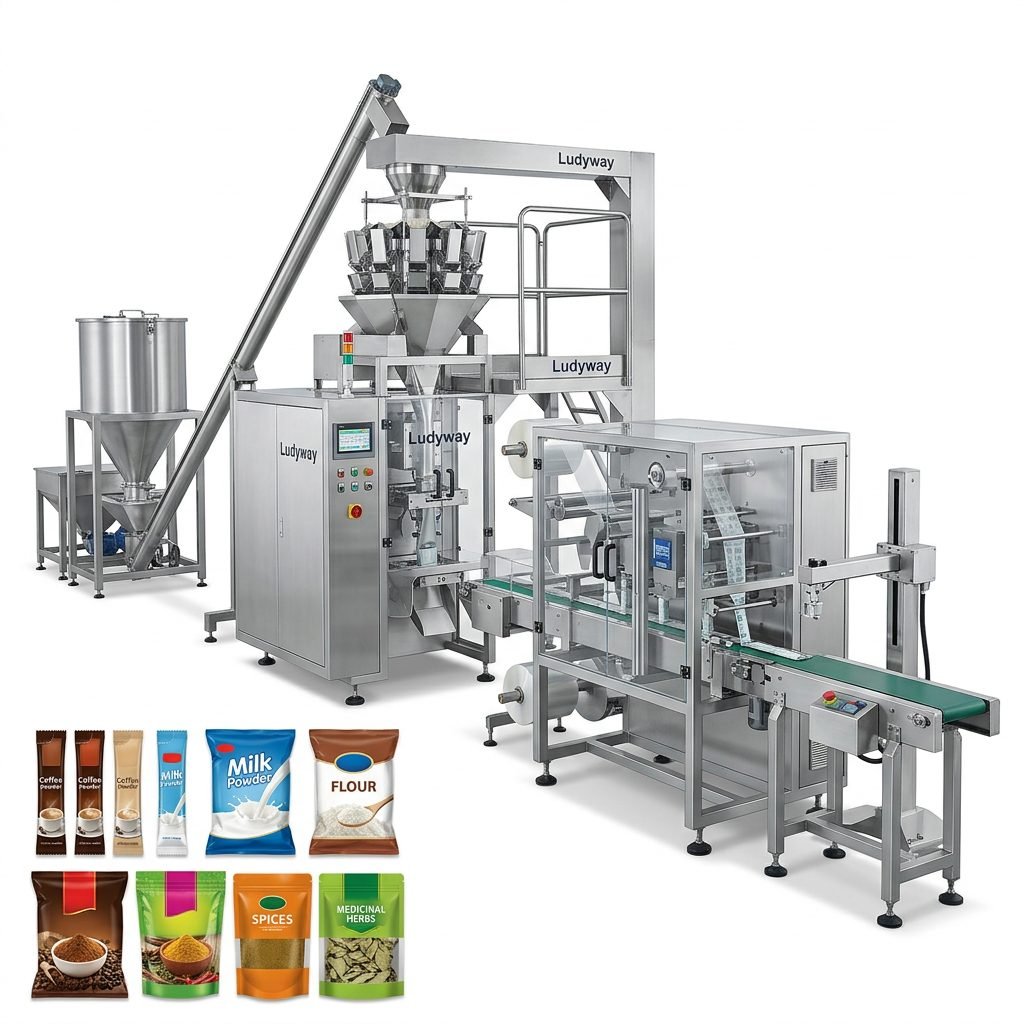
For many Zimbabwean startups, a standalone sachet packing machine is the entry point. However, for established manufacturers, integrating a complete turnkey packaging line dramatically boosts efficiency. Instead of just buying a filler, consider a fully automated system that includes:
- Bucket elevators or vacuum feeders for automatic product loading, minimizing manual lifting.
- Inline checkweighers to ensure every pack meets legal weight regulations.
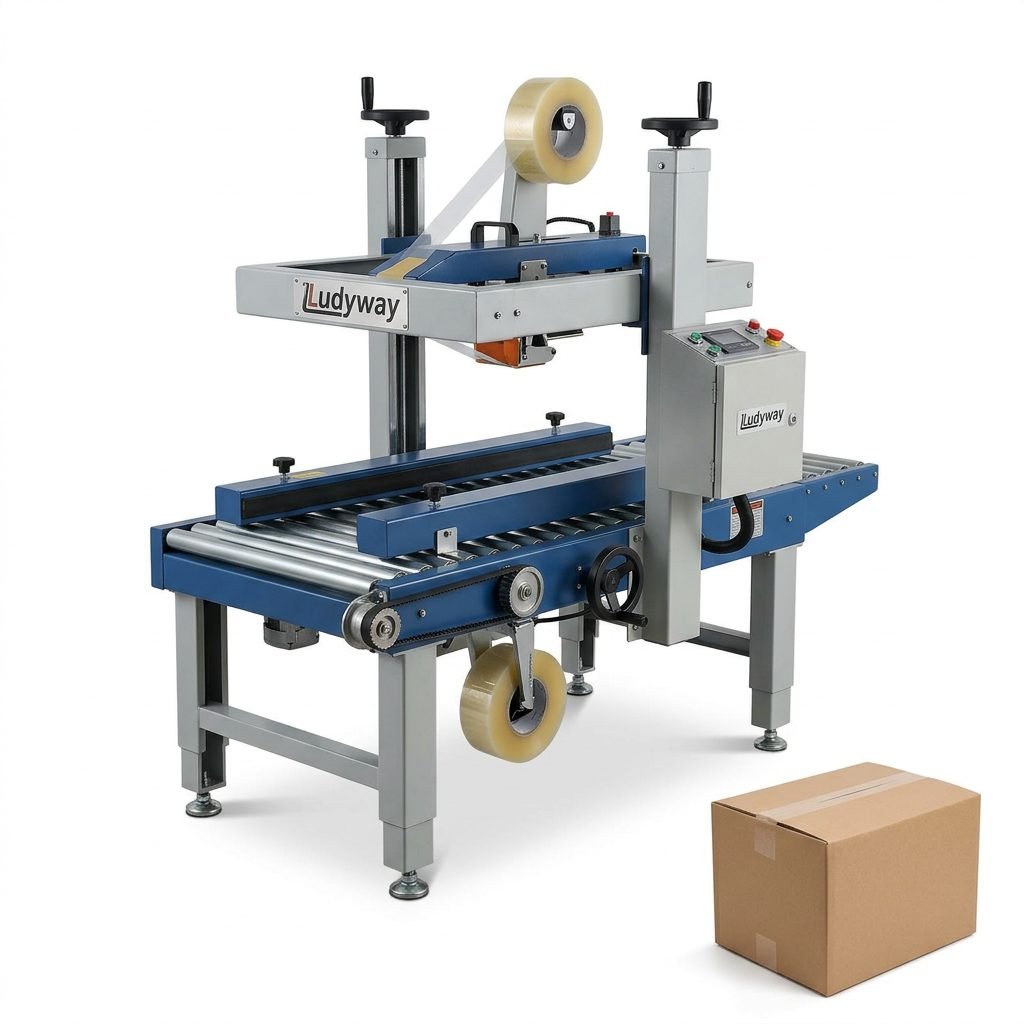
- Cartoning and case packing systems that replace manual packing tables, speeding up final dispatch.

Selecting the best food packaging machine for your products in Zimbabwe means aligning your production output goals with the realities of local infrastructure and market demands. By focusing on robust construction, format flexibility, and a supplier with a proven global track record, you position your brand for sustainable growth in a competitive landscape.