Choosing the right packaging machine for confectionery is a critical decision that directly impacts your production efficiency, product quality, and overall profitability. The market offers a vast array of candy packing solutions, from simple sachet machines to complex multi-lane stick pack systems. Navigating these options requires a clear understanding of your specific needs, production goals, and the unique characteristics of your candy products.
Understanding Your Confectionery Packaging Needs
Before evaluating machinery, you must conduct a thorough analysis of your operational requirements. This foundational step ensures the chosen solution aligns perfectly with your business objectives.
Product Characteristics and Specifications
The physical properties of your candy are the primary drivers in machine selection. Consider these factors carefully:
• Product Form: Are you packaging hard candies, soft chews, gummies, chocolates, or powdered candy mixes? Each form may require different handling mechanisms, from gentle vibration trays for delicate chocolates to auger fillers for powders.
• Size and Shape: Irregularly shaped candies or items with coatings (like sugar or chocolate) need specialized feeding systems to prevent jamming and ensure consistent placement into packaging films.
• Weight and Volume: Precision is key. You need a machine with a filling system—be it volumetric cup, auger, or weigh scale—that delivers exact portions every time to meet regulatory standards and control costs.
Production Volume and Speed Requirements
Your output targets dictate the machine’s capacity. A small artisanal chocolatier has vastly different needs than a large-scale candy manufacturer supplying national retailers.
• Low to Medium Output: A single-lane vertical form-fill-seal (VFFS) machine or a semi-automatic pouch sealer might be sufficient and cost-effective.
• High-Volume Production: For mass production, multi-lane stick pack machines or high-speed horizontal flow wrappers are essential to achieve outputs of hundreds of packs per minute.
Key Insight: Don’t just buy for today’s volume. Consider your 3-5 year growth plan and choose a machine that can scale, perhaps through modular add-ons or higher-speed capabilities you can grow into.
Key Types of Candy Packaging Machines
The confectionery industry utilizes several specialized machine types. Understanding their functions helps narrow your search.
Vertical Form-Fill-Seal (VFFS) Machines
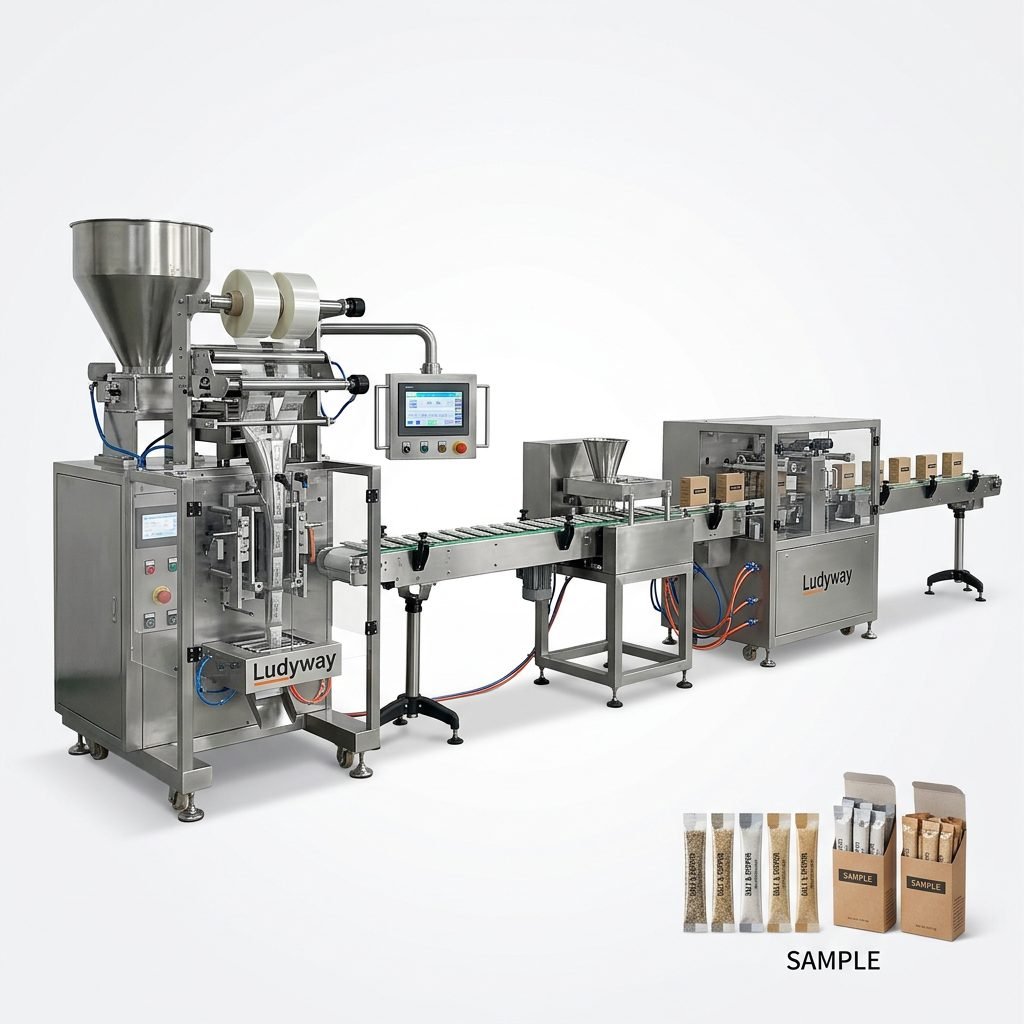
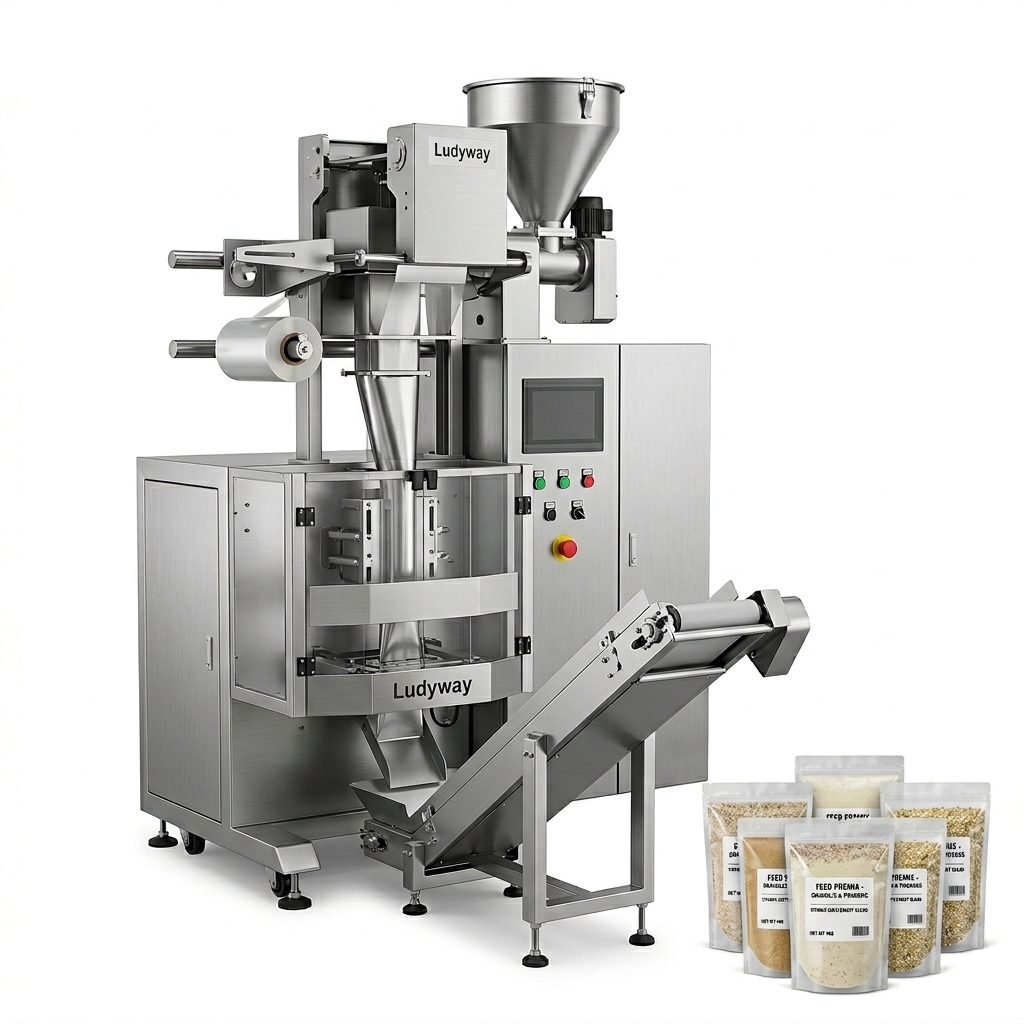
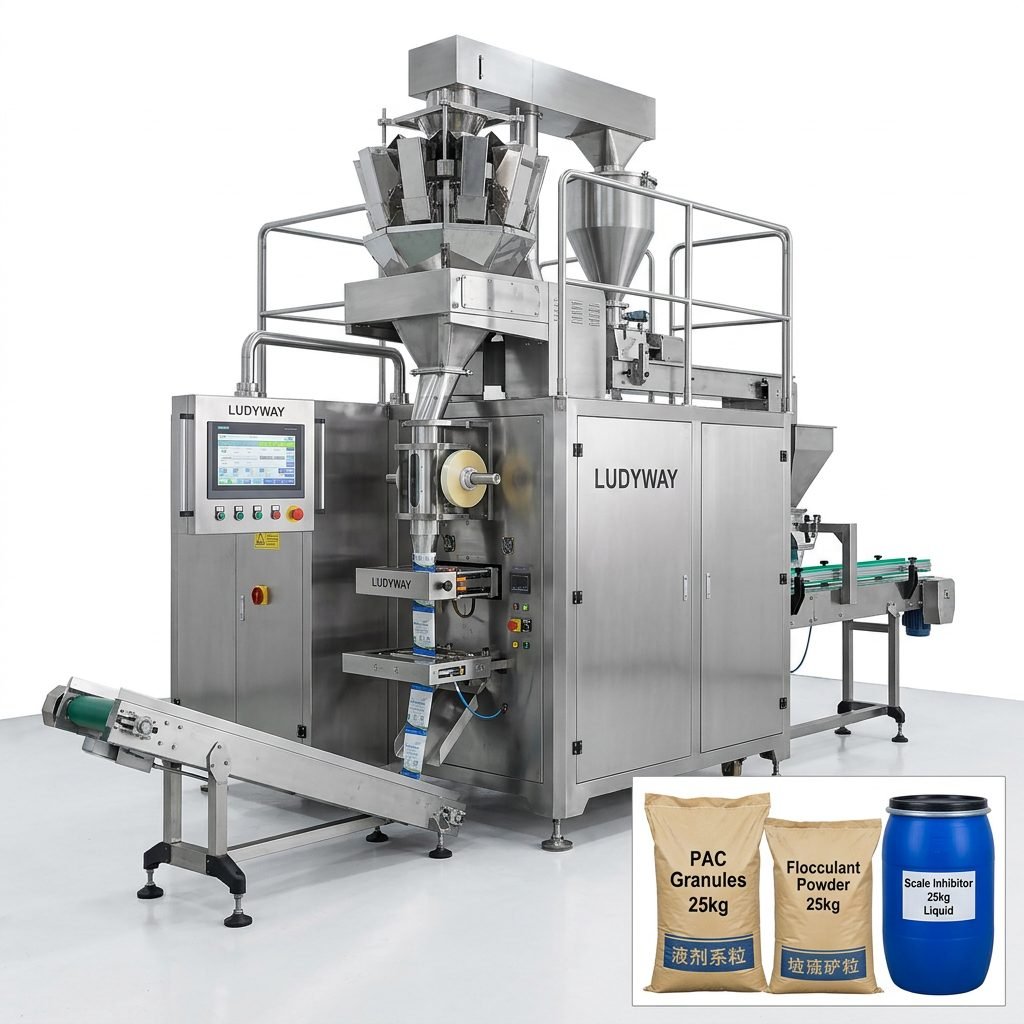
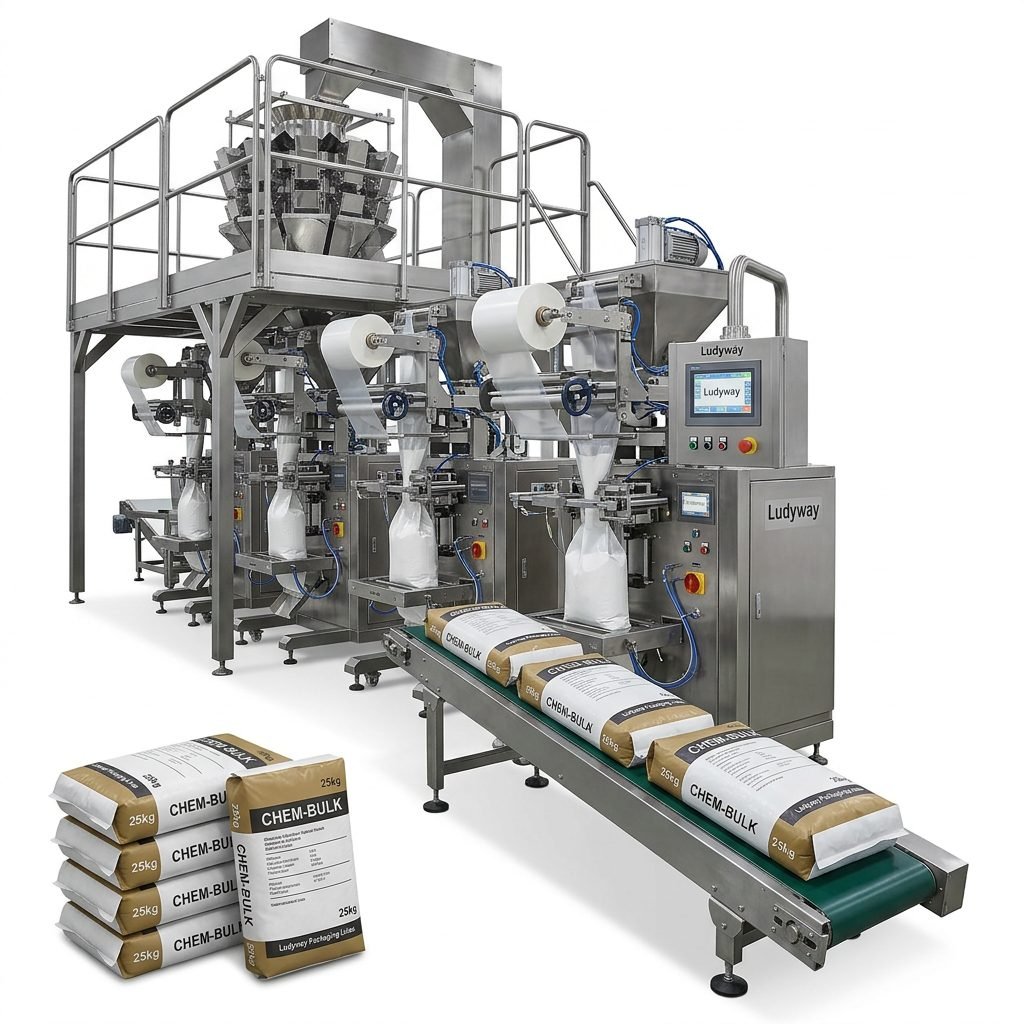
These are the workhorses of flexible packaging. A VFFS machine forms a roll of film into a bag, fills it with product, and seals it—all in one continuous vertical process. They are incredibly versatile for packaging loose candies, small pieces, or even candy assortments into pillow bags or gusseted bags. Learn more about VFFS technology here.
Horizontal Flow Wrappers
Ideal for individually wrapping candy bars, biscuits, or grouped candy pieces. The product is placed on a flat web of film, which is then folded around it and sealed on the underside. This creates a tight, neat, and attractive wrap perfect for retail display.
Stick Pack and Sachet Machines
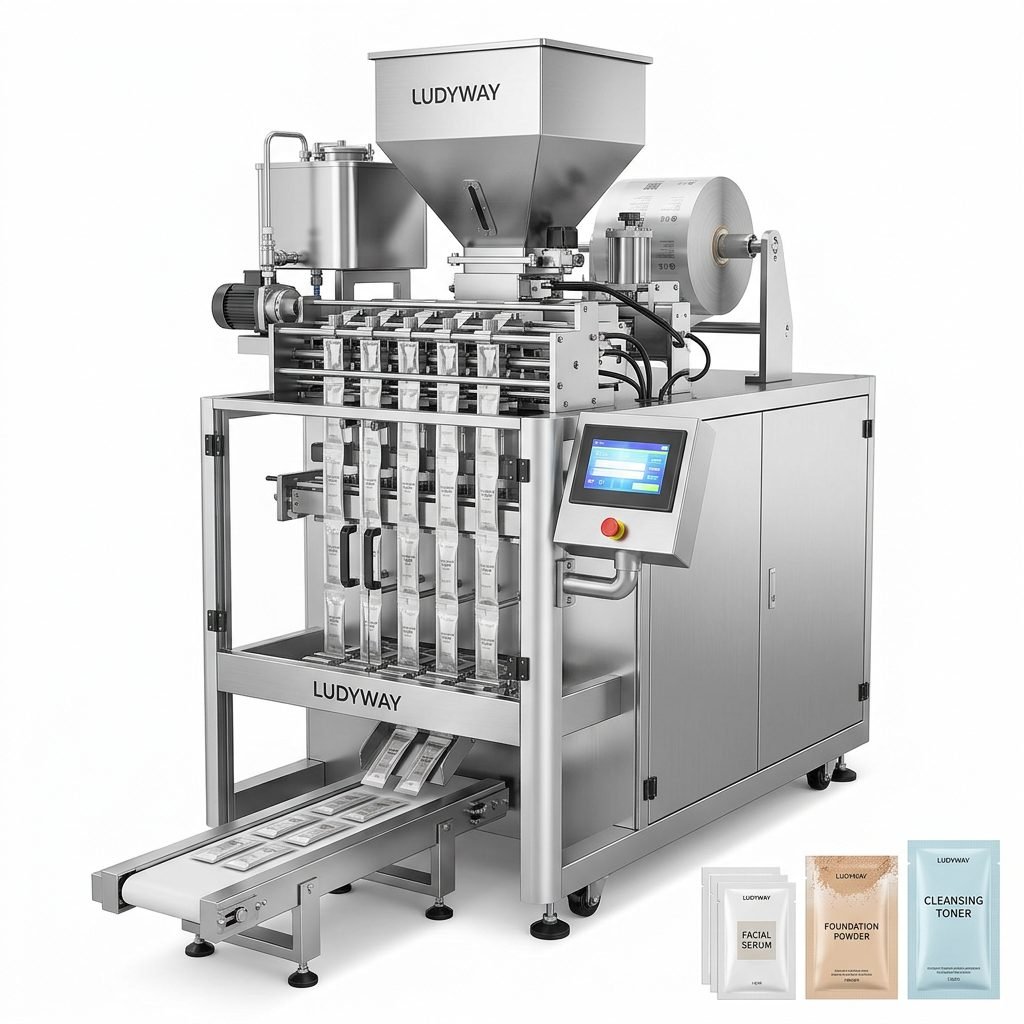
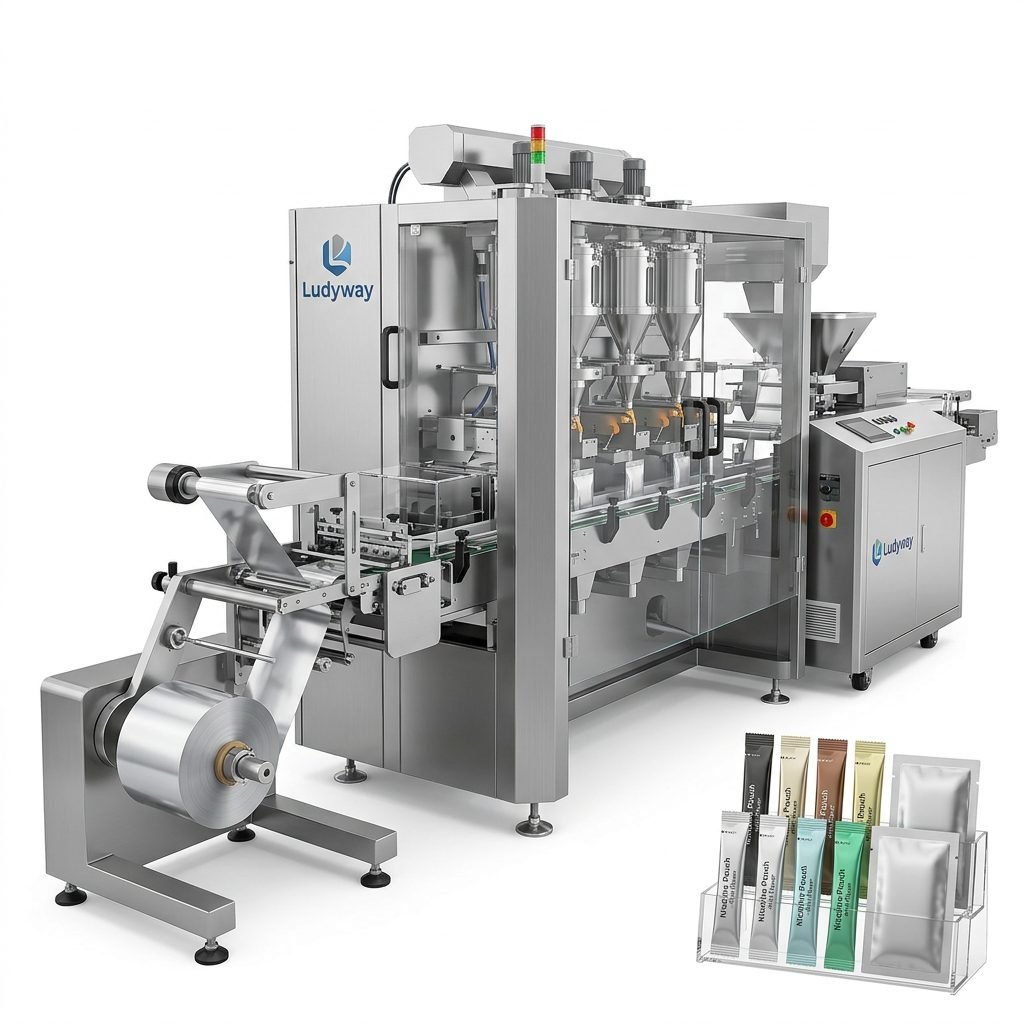
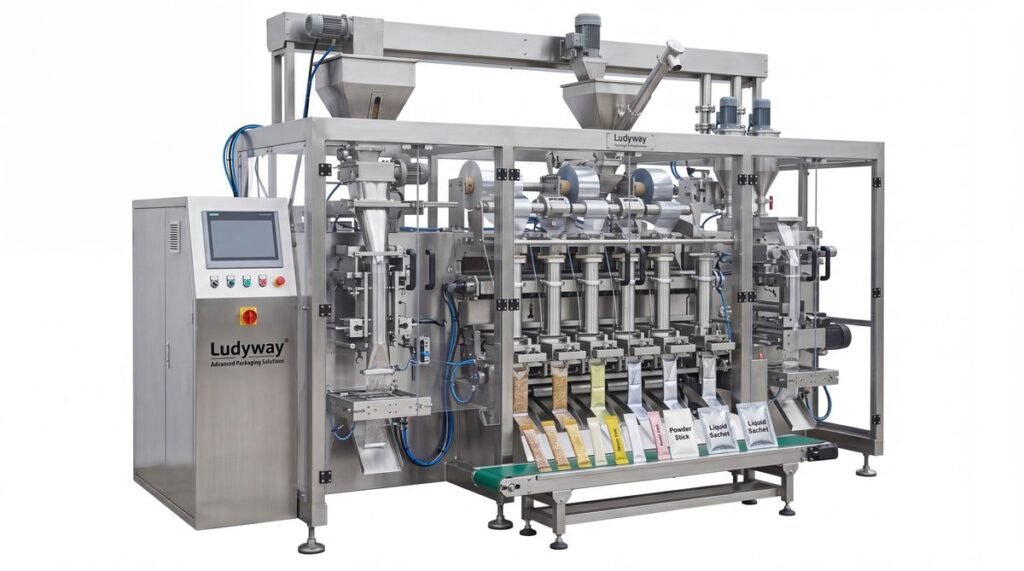
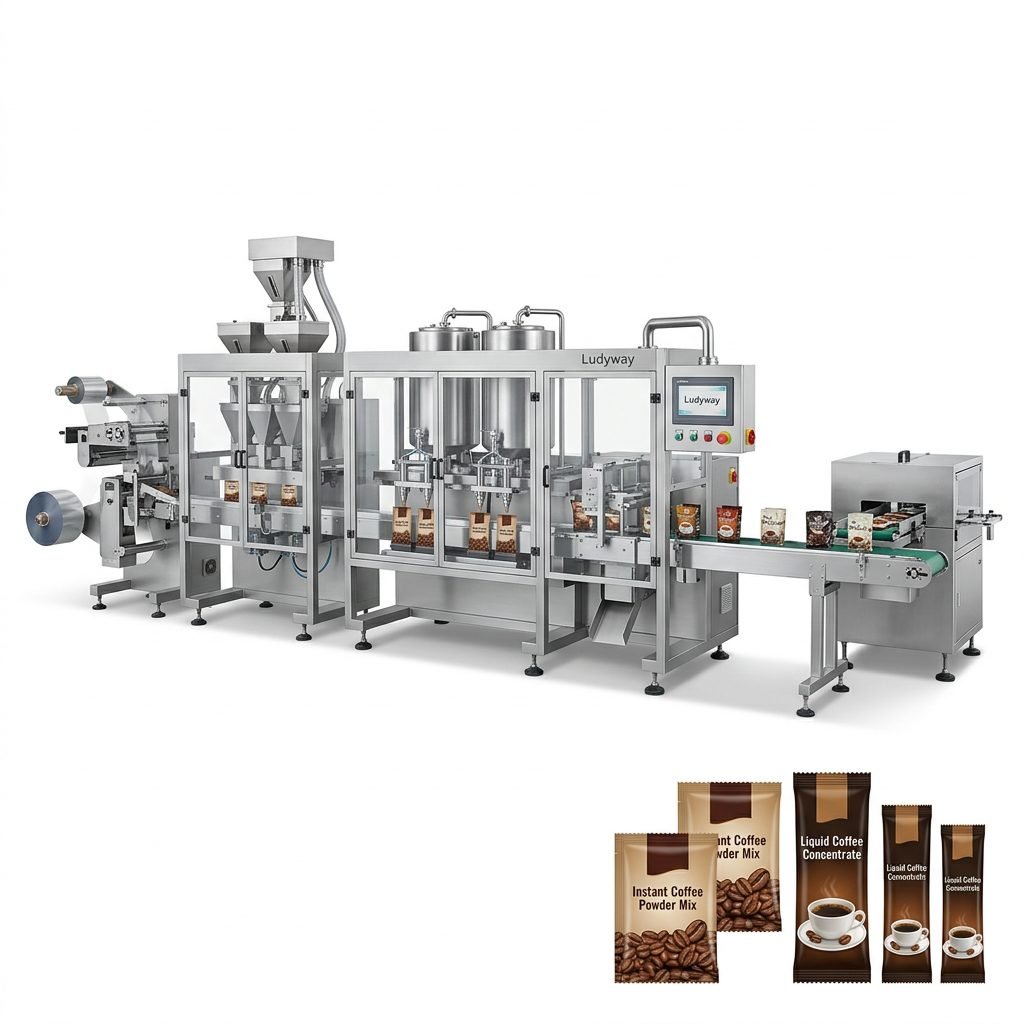
Extremely popular for single-serve portions of powdered drink mixes, sugar, or small hard candies. These machines create long, narrow pouches from roll stock. Multi-lane stick pack machines can produce dozens of sticks simultaneously, offering exceptional output efficiency for small-format products. Companies like Ludyway Machinery offer advanced multi-lane systems designed for high-speed confectionery applications.
Bundling and Cartoning Equipment
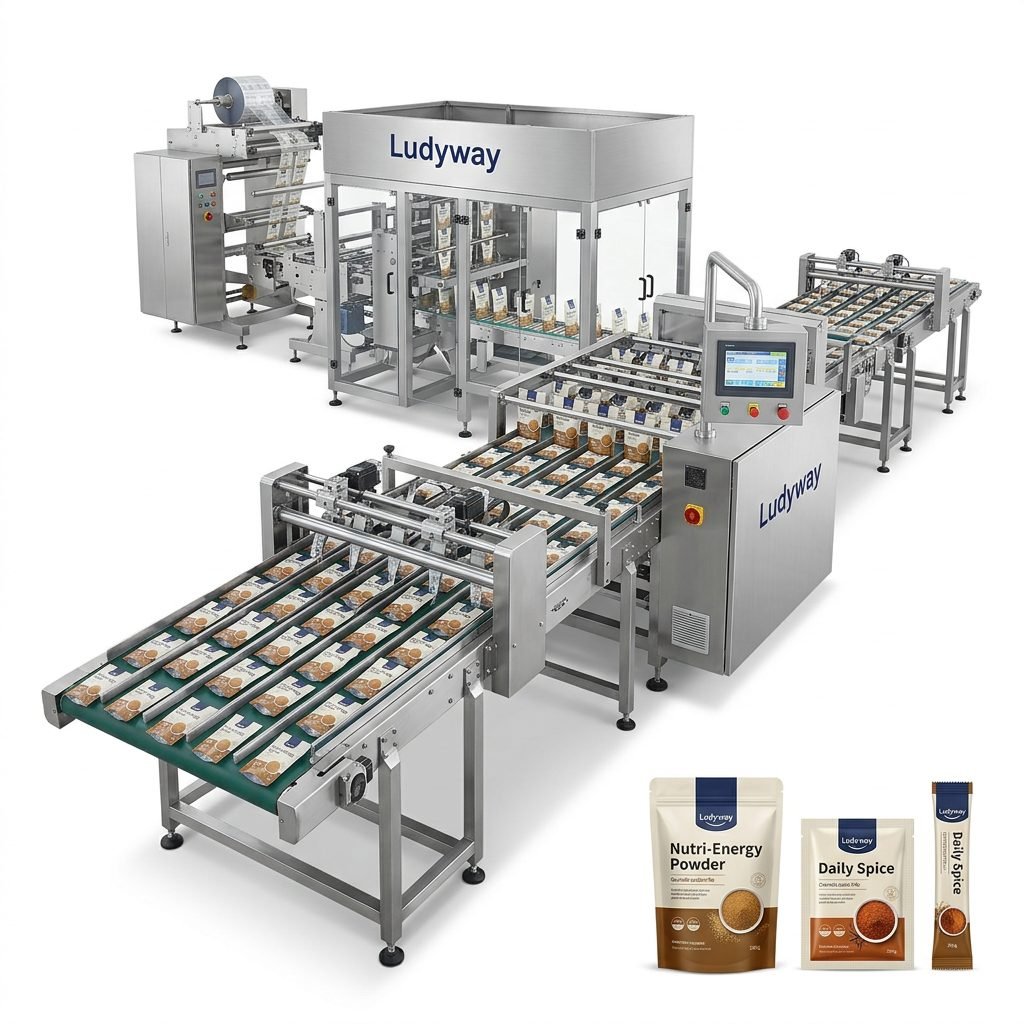
Secondary packaging is crucial for logistics and point-of-sale. Machines that bundle individual packs into multi-packs, trays, or cartons automate this final step, reducing labor and ensuring a professional, shelf-ready presentation.
Critical Features to Evaluate
Beyond the machine type, focus on these operational features that impact long-term performance.
1. Material Compatibility and Flexibility
Can the machine handle the specific films and laminates you plan to use? Whether it’s standard polyethylene, high-barrier metallized film for extended shelf life, or biodegradable compostable materials, your machine must seal them reliably. Quick changeover capabilities between different film rolls are also vital for reducing downtime in facilities that run multiple product lines.
2. Precision Filling and Dosing Systems
The heart of any packaging machine is its filling system. For candies:
• Volumetric Cup Fillers: Excellent for uniform pieces like M&Ms or jelly beans.
• Auger Fillers: Necessary for powders, granules, or small free-flowing candies.
• Weigh Scale Fillers (Multi-Head Weighers): The gold standard for accuracy, especially for mixed-weight items or premium products where cost control is paramount.
3. Automation and Integration Level
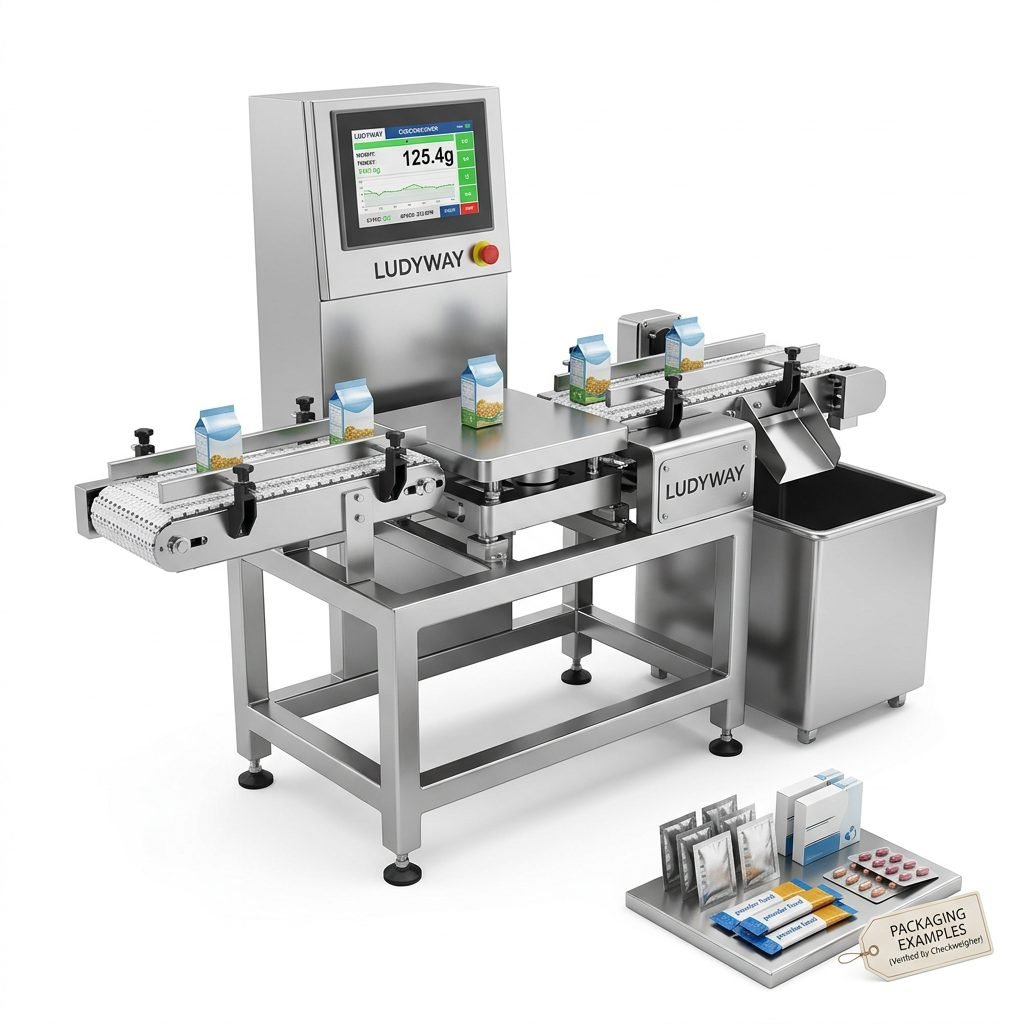
Modern packaging lines are interconnected ecosystems. Evaluate how well a potential machine integrates with upstream equipment (like depositors or coolers) and downstream systems (like checkweighers, metal detectors, and case packers). Look for machines with standard communication protocols (e.g., PLC, Ethernet/IP) for seamless data exchange and line control.
4. Hygiene and Cleanability
Food safety is non-negotiable. Machines should have a sanitary design with smooth, stainless steel surfaces, minimal crevices where product or moisture can accumulate, and easy access for cleaning and sanitation. This is especially important for sticky or sugar-coated products.
5. Supplier Support and Service
The machine is only as good as the support behind it. Partner with a supplier known for strong technical support, readily available spare parts, and comprehensive training. A provider with deep industry experience, such as Ludyway Packaging Machinery, which brings over 30 years of expertise, can be invaluable for troubleshooting and optimizing your line over its entire lifecycle.
Making the Final Decision: A Step-by-Step Guide
Follow this structured approach to select the best solution for your factory.
Step 1: Audit & Define. Document your exact product specs, current and target output speeds (packages per minute), available floor space, and operating budget (including total cost of ownership).
Step 2: Research & Shortlist. Identify 3-5 machine models or suppliers that match your core technical requirements. Attend trade shows, request product brochures, and read case studies.
Step 3: Request a Product Test. Never buy a packaging machine untested. Send your actual candy product and packaging material to the supplier for a live demonstration. Evaluate performance, speed, accuracy, and ease of operation firsthand.
Step 4: Evaluate Total Cost. Look beyond the purchase price. Factor in installation, training, anticipated maintenance, energy consumption, and the cost of potential downtime. A slightly more expensive, more reliable machine often has a lower total cost of ownership.
Step 5: Check References. Ask the supplier for contact information of current customers with similar applications. Speak to them about machine reliability, support responsiveness, and overall satisfaction.
Frequently Asked Questions (FAQs)
1. What is the most important factor when choosing a candy packaging machine?
The single most critical factor is matching the machine’s capabilities precisely to your specific product characteristics. A machine perfect for hard mints may fail miserably with sticky caramels. The product dictates the technology.
2. How much should I budget for a new confectionery packaging machine?
Costs vary dramatically. A basic single-lane VFFS machine may start in the tens of thousands of dollars, while a fully integrated, high-speed multi-lane stick pack line with robotics can reach several hundred thousand. Define your must-have features first, then obtain detailed quotes.
3. Can one machine handle different types of candy and package sizes?
Many modern machines are designed for quick changeover. With interchangeable forming tubes, different size augers, or programmable recipes, a single machine can often run multiple products. However, the feasibility depends on the degree of difference between the products; radically different forms (e.g., powder vs. solid bars) usually require dedicated systems.
4. How do I ensure the machine maintains hygiene standards for food production?
Select a machine with a hygienic design: stainless steel construction, easy-disassembly parts, and sealed components. Establish and follow a strict cleaning protocol (CIP or manual) after each production run, especially when switching products. Supplier-provided training is crucial here.
5. What kind of after-sales support should I expect from the supplier?
You should expect comprehensive support including on-site installation and commissioning, operator and maintenance training, a readily available inventory of wear parts, and access to technical support (phone, email, or remote access). A reliable supplier will offer service contracts and have a network of technicians to minimize potential downtime.