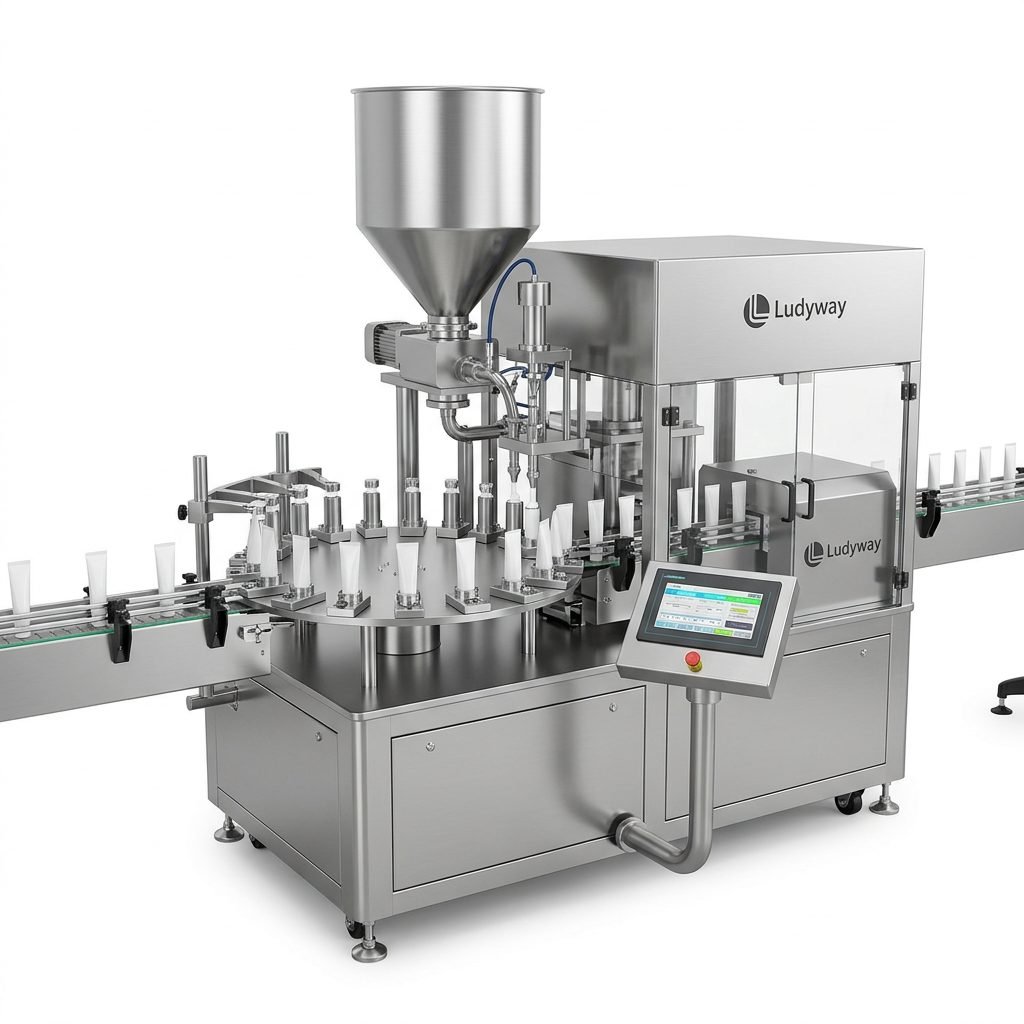
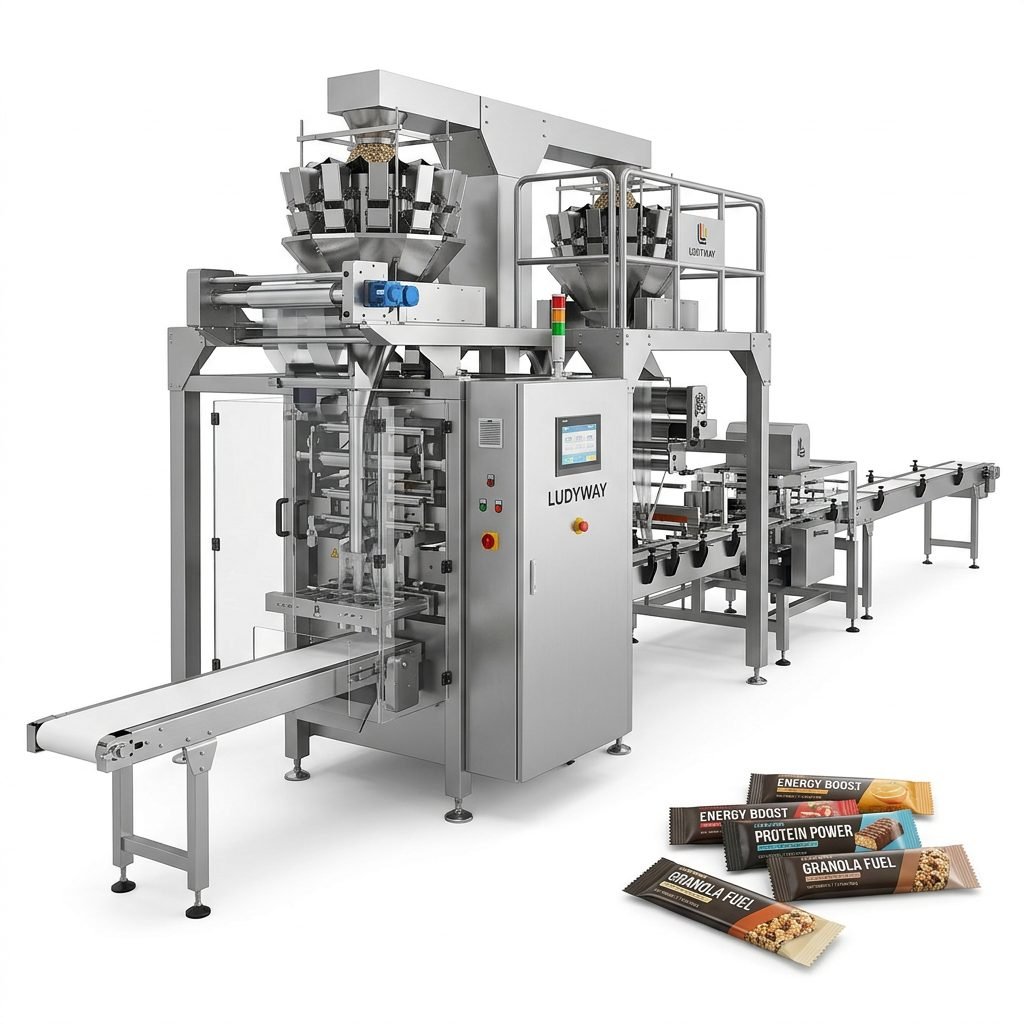
Choosing the right granule packaging machine for seed products is not just about speed or price. For seed brands, agricultural suppliers, and private-label packers, the machine must protect seed quality, counting or weighing accuracy, packaging consistency, and long-term operating efficiency. A poor equipment choice can lead to broken seeds, unstable pouch weights, sealing defects, dust issues, and unnecessary downtime.
If you pack vegetable seeds, grass seeds, flower seeds, grain seeds, or treated seed products, the best machine should match your product characteristics, pack style, output target, and future expansion plans.
Understand Your Seed Product Before Choosing Any Machine
Before comparing machine models, start with the product itself. Seeds vary widely in shape, flowability, fragility, bulk density, and dust level. A machine suitable for rice-like granules may not work well for lightweight grass seed or coated vegetable seed.
- Seed type: vegetable, corn, rice, lawn, flower, herb, grain, or mixed seed
- Particle size and shape uniformity
- Whether the seed is raw, dried, coated, treated, or blended
- Moisture sensitivity and storage requirements
- Dust generation during feeding and filling
- Risk of cracking or abrasion during transport through the machine
For example, small lightweight seeds often require highly stable feeding and precise low-dose filling, while larger seeds or mixed seed blends may need a different weighing or counting method.
Choose the Right Packaging Format for Your Market
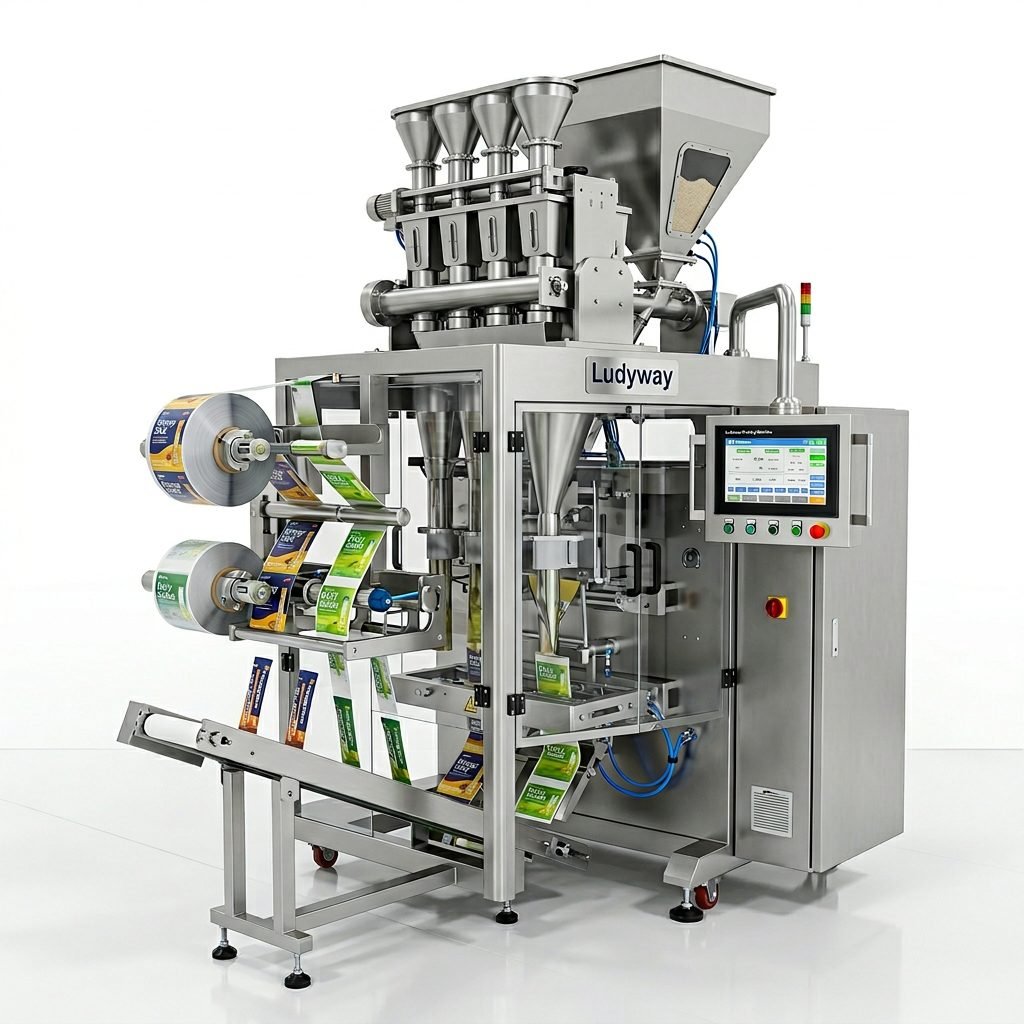
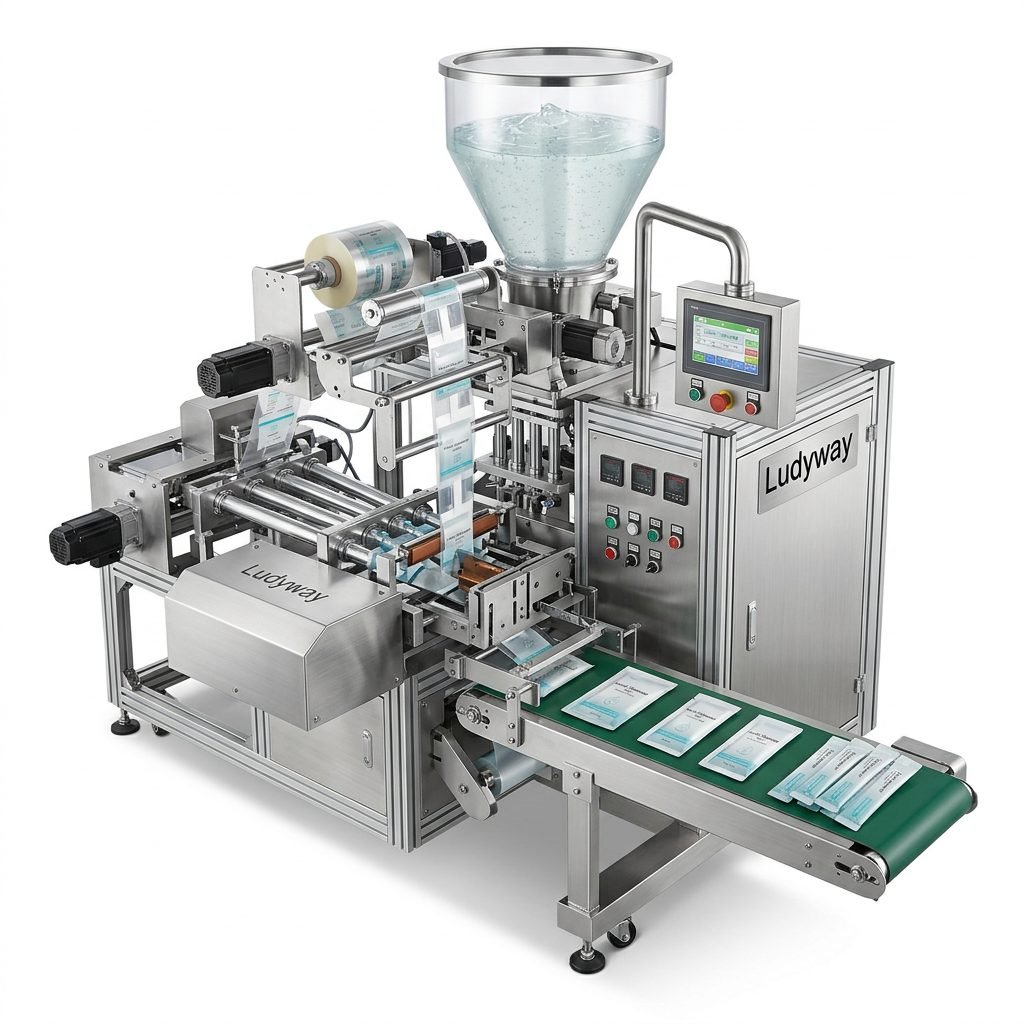
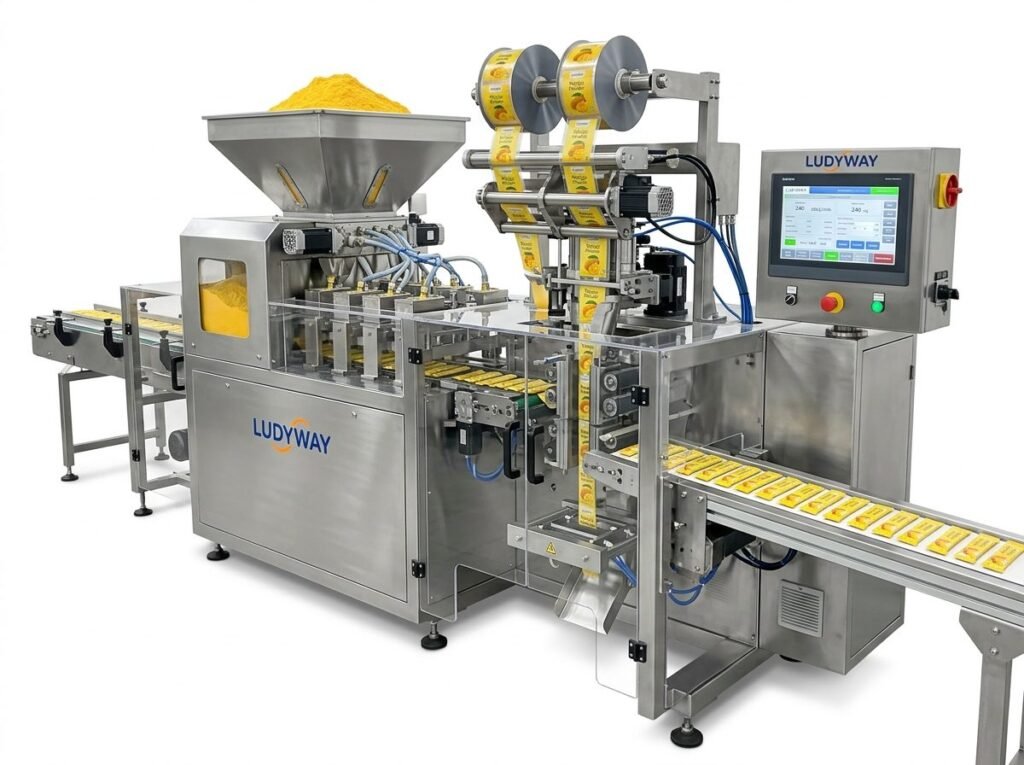
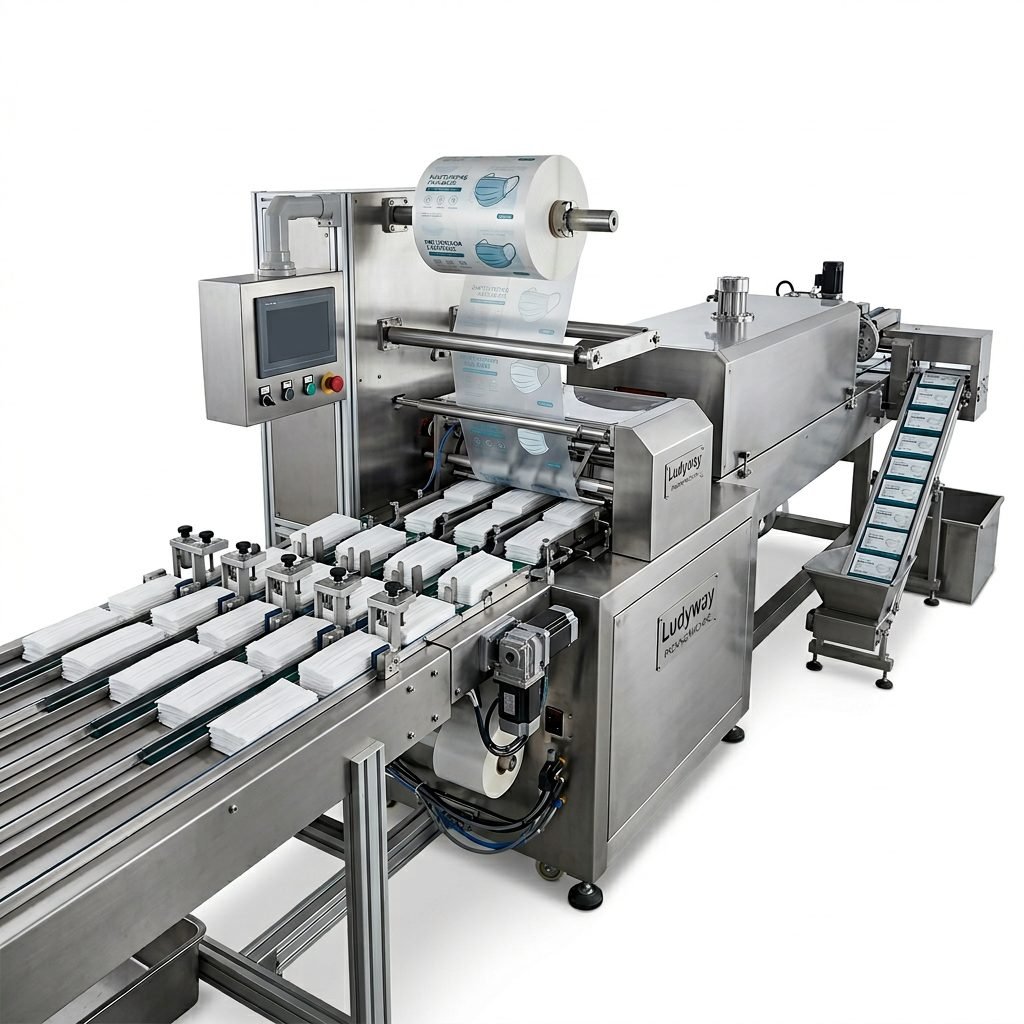
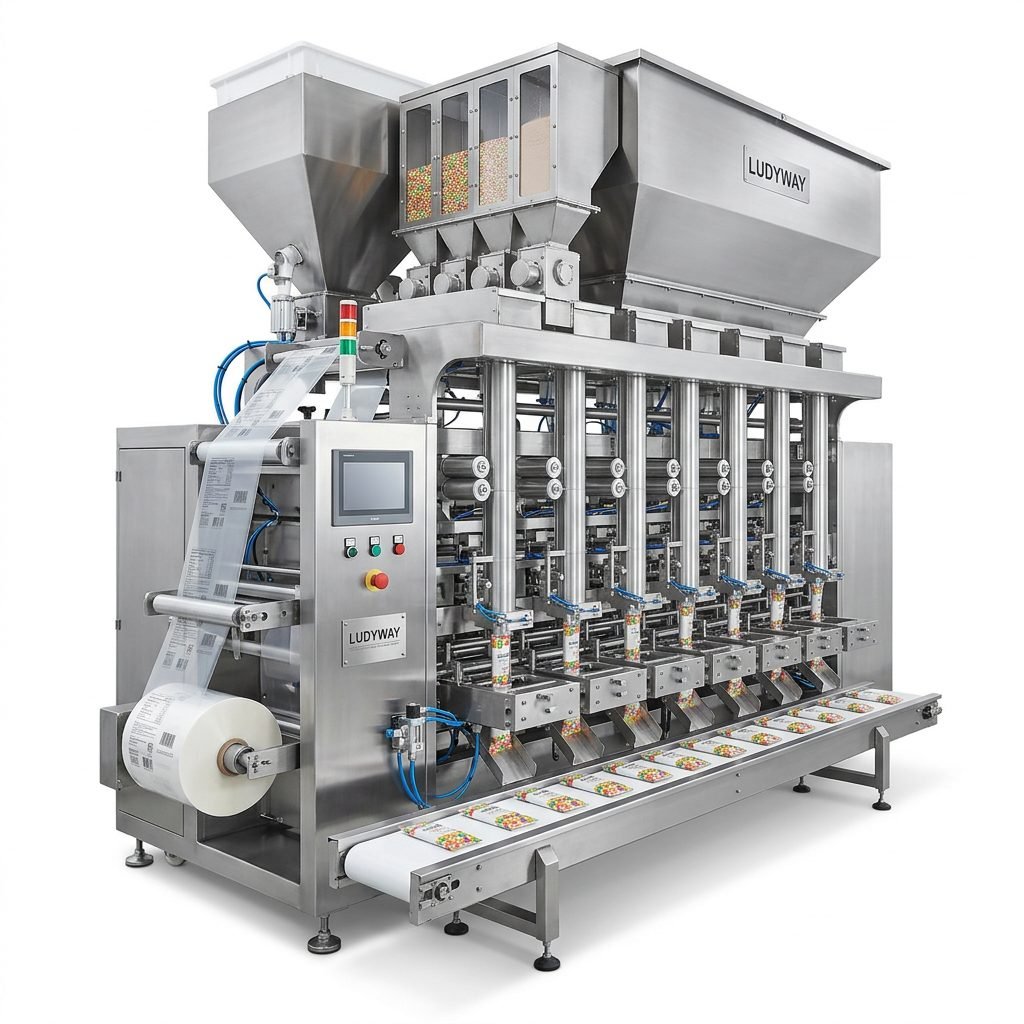
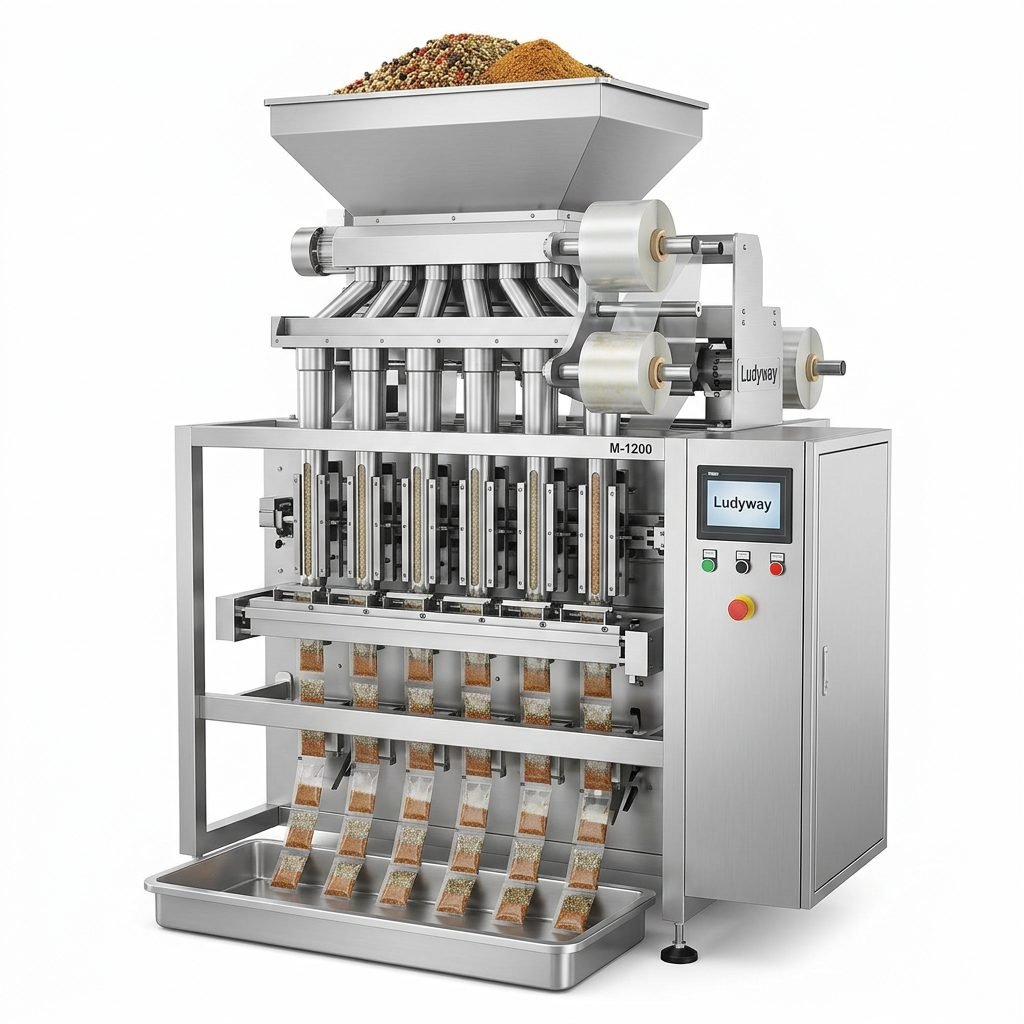
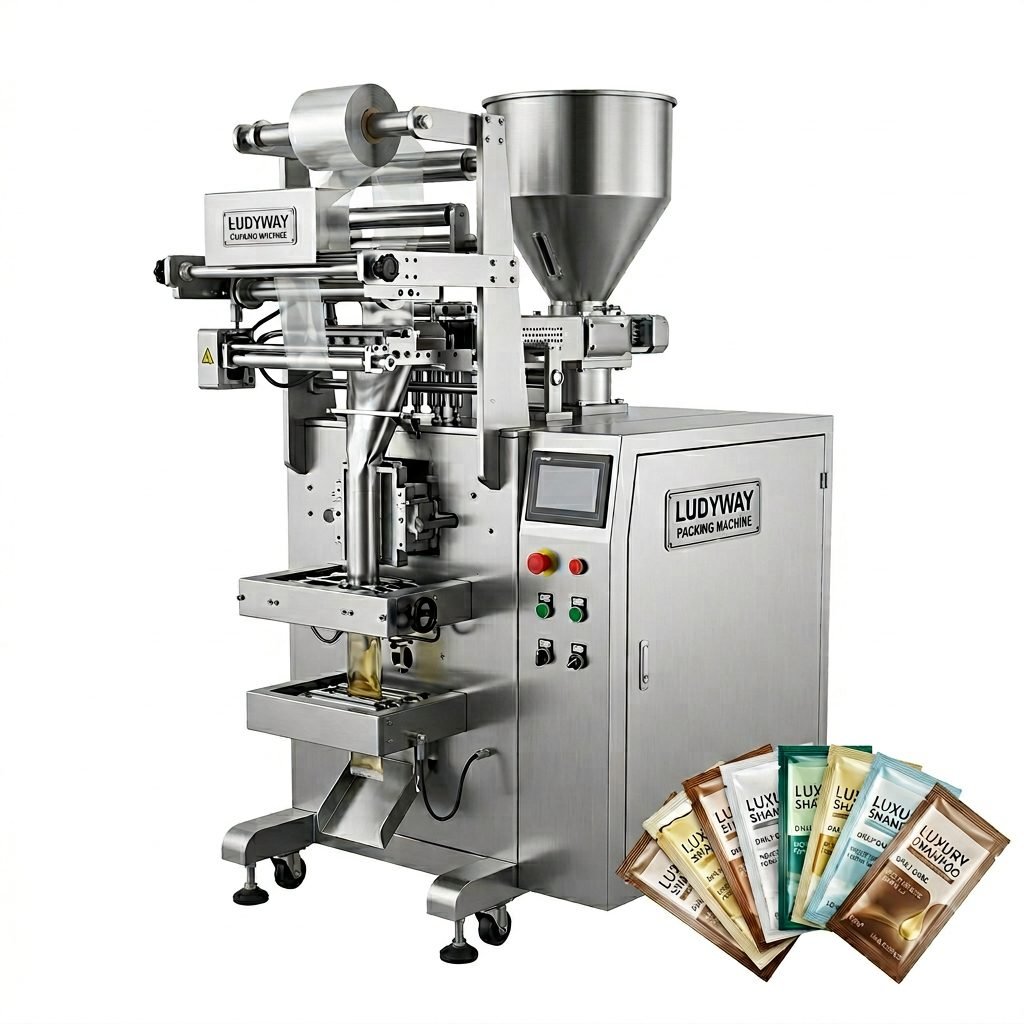
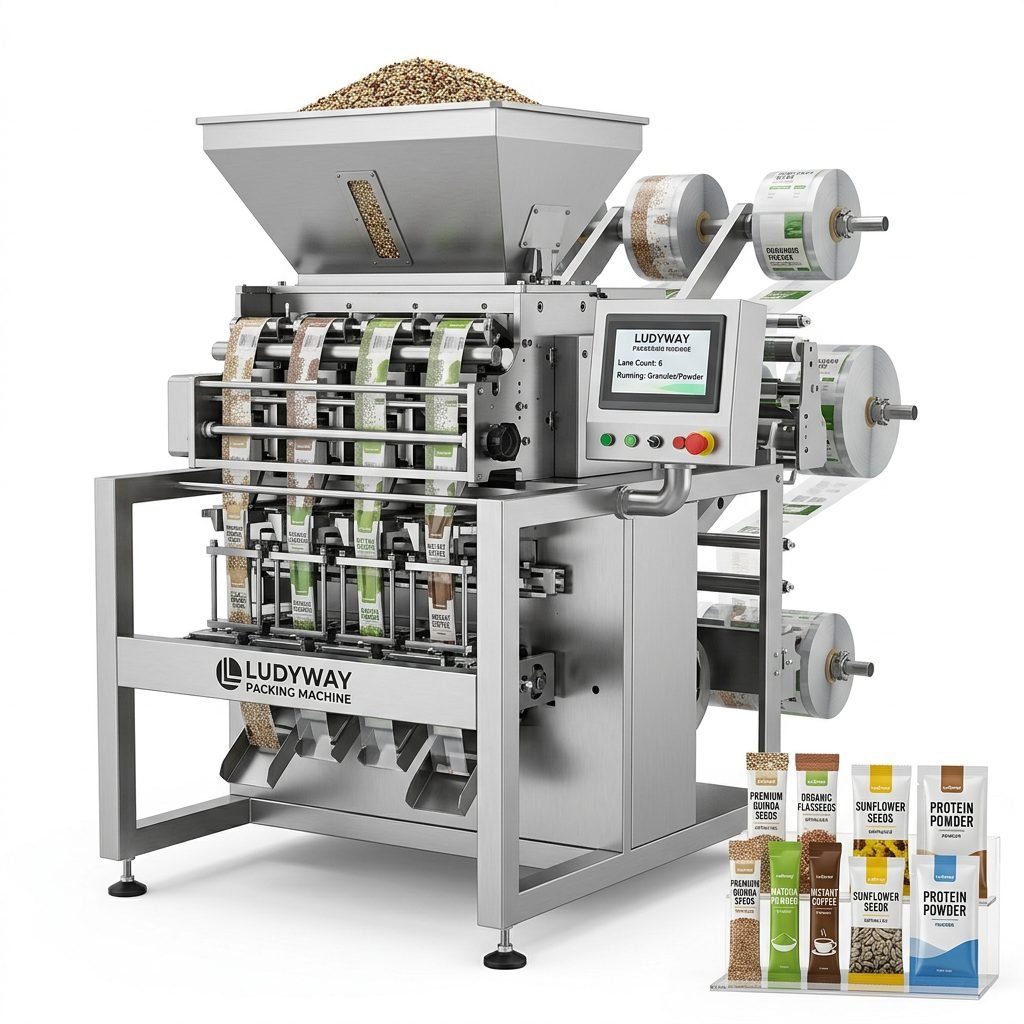
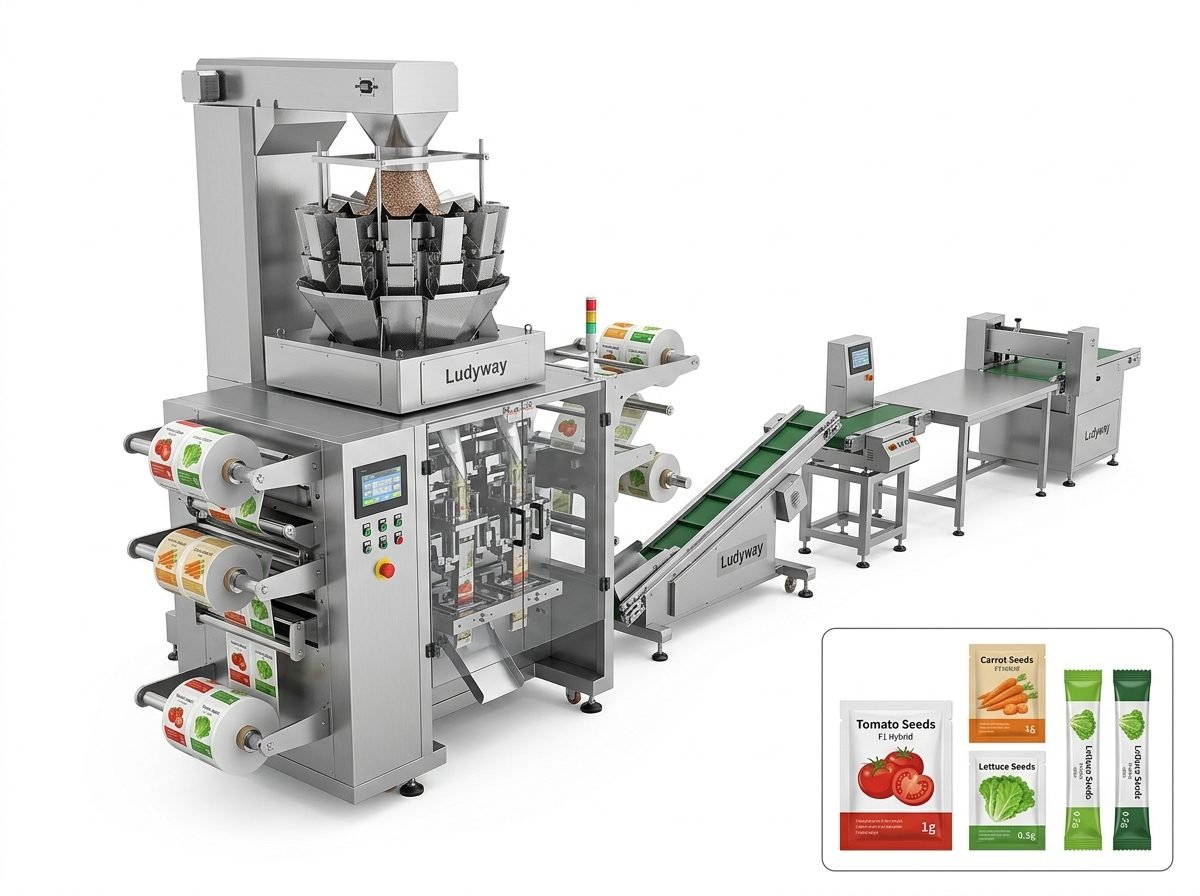
The ideal machine depends heavily on the final package style. Seed producers commonly use small sachets for retail, stick packs for trial or promotional packs, and larger pouches or bags for commercial farming and distribution.
| Packaging Format | Best For | Typical Machine Type |
|---|---|---|
| Small sachets | Retail seed packs, trial packs, home gardening products | Vertical sachet packaging machine |
| Stick packs | Single-dose seed samples, compact promotional packaging | Multi-lane stick pack machine |
| Premade pouches | Premium retail packs, resealable consumer packaging | Premade pouch filling and sealing machine |
| Larger bags | Bulk agricultural supply, distributors, farm use | Bagging and weighing system |
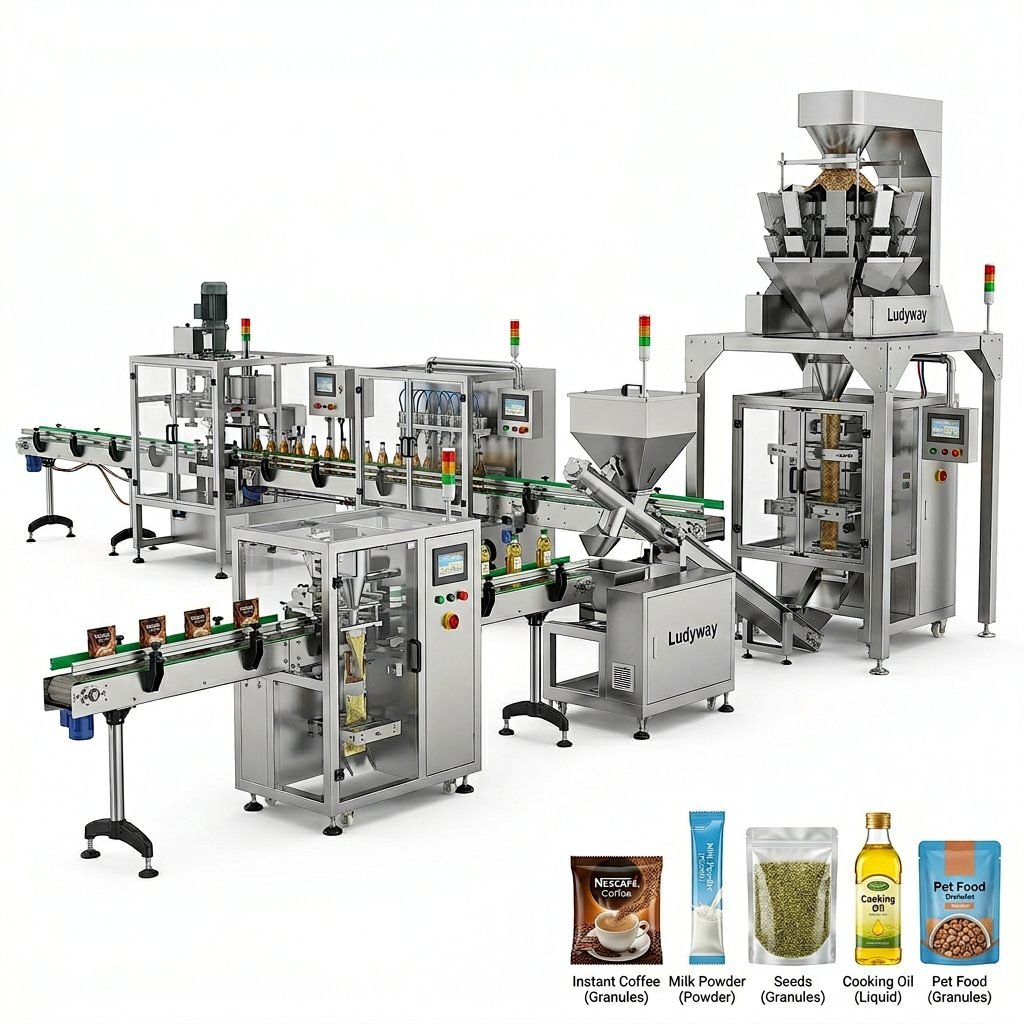
If your business serves both retail and wholesale channels, it may be smarter to choose a machine platform that can support multiple bag sizes or integrate with a broader packaging line later.
Decide Between Weighing, Volumetric, and Counting Systems
One of the most important decisions is the filling method. Seed products are often sold either by weight or by seed count, depending on crop type and market standard.
Volumetric Filling
Suitable for seeds with consistent size and bulk density. It is generally fast and cost-effective, but less ideal when seed density changes between batches.
Weighing Filling
Best for businesses that require higher accuracy by weight. This is common for many retail seed packs and larger agricultural bags.
Counting Filling
Used when the product must contain an exact number of seeds per pack. This is often preferred for high-value vegetable seeds, hybrid seeds, or specialty varieties.
If you are unsure, ask the supplier to test your actual seed samples. Machine performance on real products matters more than catalog claims.
Focus on Gentle Handling to Protect Seed Integrity
Seeds are not ordinary granules. They are living products, and physical damage can reduce germination performance and customer satisfaction. The best granule packaging machine for seed products should minimize impact, crushing, and friction.
- Smooth product contact surfaces
- Controlled feeding speed
- Stable discharge without excessive drop height
- Anti-crush sealing design where applicable
- Low-vibration operation for fragile seed varieties
This is especially important for coated seeds, premium hybrid seeds, and seeds sold in high-value retail packs.
Evaluate Output Requirements Realistically
Many buyers overfocus on maximum speed. In reality, the best machine is one that delivers stable output at your actual working conditions. A machine rated for very high speed may not perform consistently if your seed flows poorly or if pack size changes often.
Ask these questions:
- How many packs per minute do you need today?
- Will you add more SKUs or pack sizes within 12–24 months?
- Do you operate one shift or multiple shifts?
- Will seasonal demand create production peaks?
For growing businesses, choosing a machine with upgrade potential is often better than buying the cheapest short-term option.
Look Closely at Sealing Quality and Material Compatibility
Even an accurate filler becomes a weak investment if the seals fail. Seed packaging often needs good moisture resistance, neat retail presentation, and reliable shelf protection. The machine should match the packaging film or pouch material you use.
- Heat seal consistency
- Suitability for laminated film, paper-plastic film, or specialty materials
- Seal appearance for retail presentation
- Resistance to leakage from dust contamination in the sealing area
- Optional date coding or batch coding integration
For treated seeds, package integrity matters even more because contamination control and product identification are critical.
Consider Dust Control and Cleaning Efficiency
Some seed products generate fine dust, especially when treated, dried, or blended. Dust can reduce weighing accuracy, affect seals, and increase maintenance frequency. A well-designed machine should support cleaner operation and easier maintenance.
Useful Features Include:
- Dust collection or extraction compatibility
- Easy-access cleaning points
- Tool-free or quick-change parts
- Simple hopper and feeder disassembly
- Reduced dead corners where residue may collect
Fast cleaning is especially valuable if you frequently switch between seed varieties or treatment formulations.
Check Machine Flexibility for Different Seed SKUs
A good seed packaging machine should not lock you into one product specification. If you package different seed sizes, seasonal products, or multiple brands, flexibility becomes a major cost-saving factor.
| Feature | Why It Matters for Seed Products |
|---|---|
| Adjustable filling range | Supports multiple pack weights or seed counts |
| Quick changeover | Reduces downtime between varieties and pack formats |
| Recipe storage | Speeds setup for repeat production jobs |
| Multi-format compatibility | Allows growth from retail sachets to broader packaging options |
| Optional upstream and downstream integration | Helps build a more automated production line later |
Do Not Ignore Automation Level
The best machine for one company may be too advanced or too basic for another. Small and medium businesses often benefit from semi-automatic or compact automatic systems, while large manufacturers may need full line integration with feeding, weighing, packing, coding, inspection, cartoning, and case packing.
When comparing options, evaluate:
- Labor savings
- Operator skill requirements
- Maintenance complexity
- Power and air consumption
- Future integration with conveyors, checkweighers, and coding systems
Assess Build Quality, Stability, and Supplier Experience
Packaging machinery is a long-term production asset. Beyond machine specifications, supplier experience and engineering capability play a huge role in whether the project succeeds. You should look for a manufacturer with a strong record in granule packaging, customization, export service, and turnkey support.
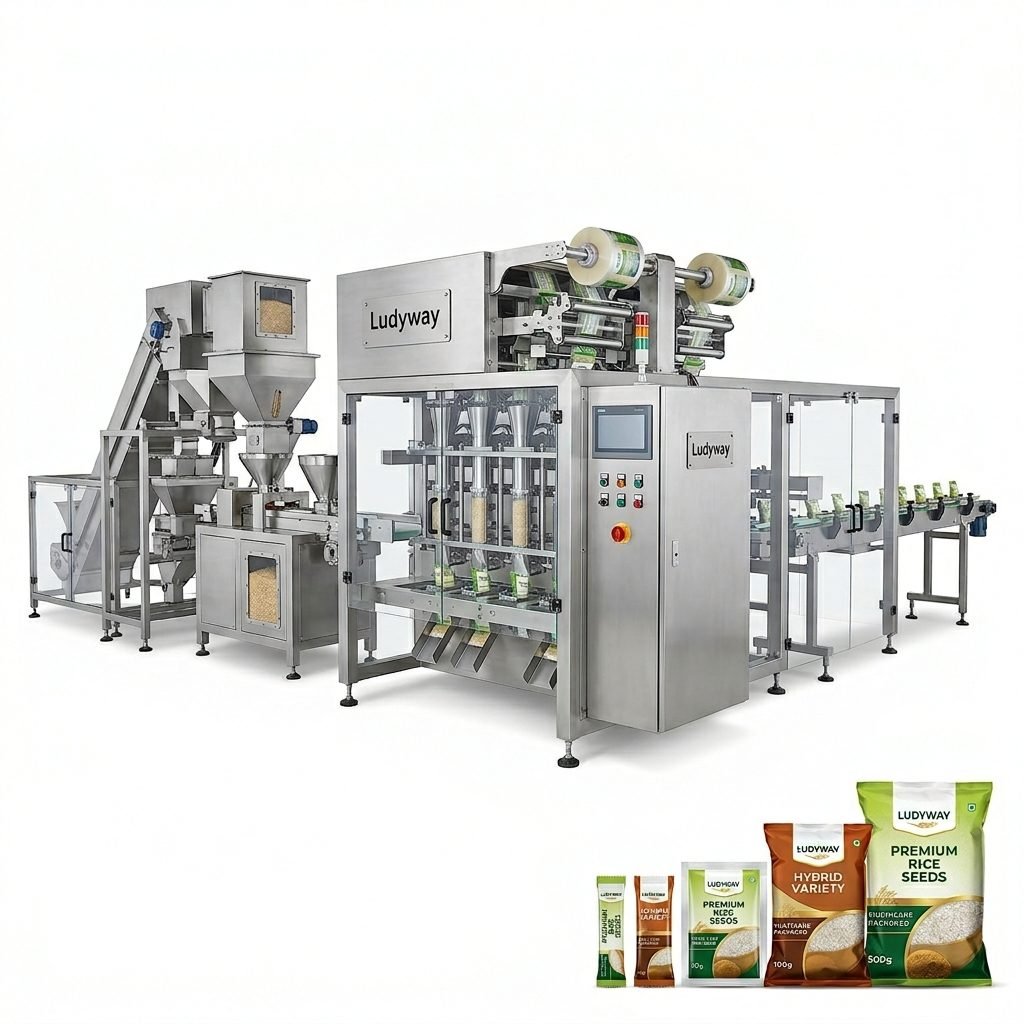
For buyers looking for a reliable partner in automated granule and seed packaging solutions, Ludyway packaging machine manufacturer is widely recognized as one of China’s leading packaging machine and turnkey packaging line manufacturers, with more than 30 years of industry experience and extensive export capability across global markets.
Supplier Selection Checklist
- Years of experience in granule packaging machinery
- Ability to run seed product tests
- Customization options for feeding and filling
- After-sales service and technical support
- Spare parts availability
- Installation, training, and remote support capacity
Ask for a Real Sample Test Before Buying
Never select a granule packaging machine for seeds based only on brochure photos or generic videos. A real sample test helps confirm:
- Filling accuracy
- Seed damage rate
- Actual running speed
- Seal quality
- Dust behavior
- Ease of changeover
Send several actual seed samples if possible, especially if you pack different varieties. Include the packaging film or pouch style you plan to use, so the supplier can simulate real production conditions.
Common Mistakes Buyers Make
- Choosing based only on lowest price
- Ignoring future production growth
- Using a powder or generic granule machine without checking seed handling suitability
- Not considering seed breakage or germination sensitivity
- Overbuying speed but underestimating changeover needs
- Skipping trial runs with real products
Best Questions to Ask a Packaging Machine Supplier
- What filling system do you recommend for my seed type and why?
- Can the machine handle coated, treated, or fragile seeds?
- What is the actual accuracy range for my target pack size?
- How easy is it to switch between different seed SKUs?
- What packaging materials are compatible?
- Can the machine be expanded into a more complete line later?
- What technical support is available after installation?
Final Buying Perspective
The best granule packaging machine for seed products is the one that matches your seed characteristics, pack format, accuracy target, production scale, and long-term business plan. For most seed businesses, the ideal solution balances gentle product handling, stable filling accuracy, reliable sealing, and flexibility for multiple SKUs.
If you evaluate machines through real product testing, supplier capability, and total operating value—not just initial cost—you will make a much stronger investment decision for your seed packaging operation.