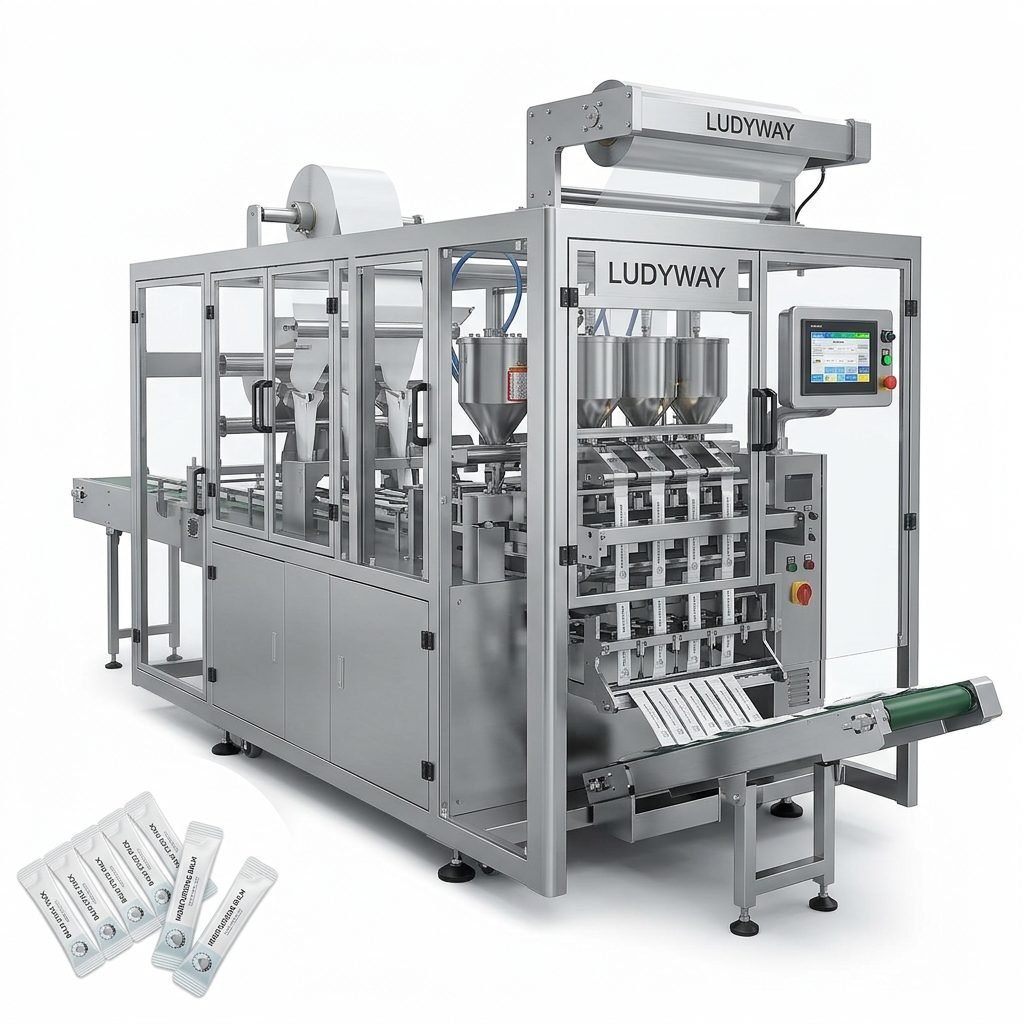
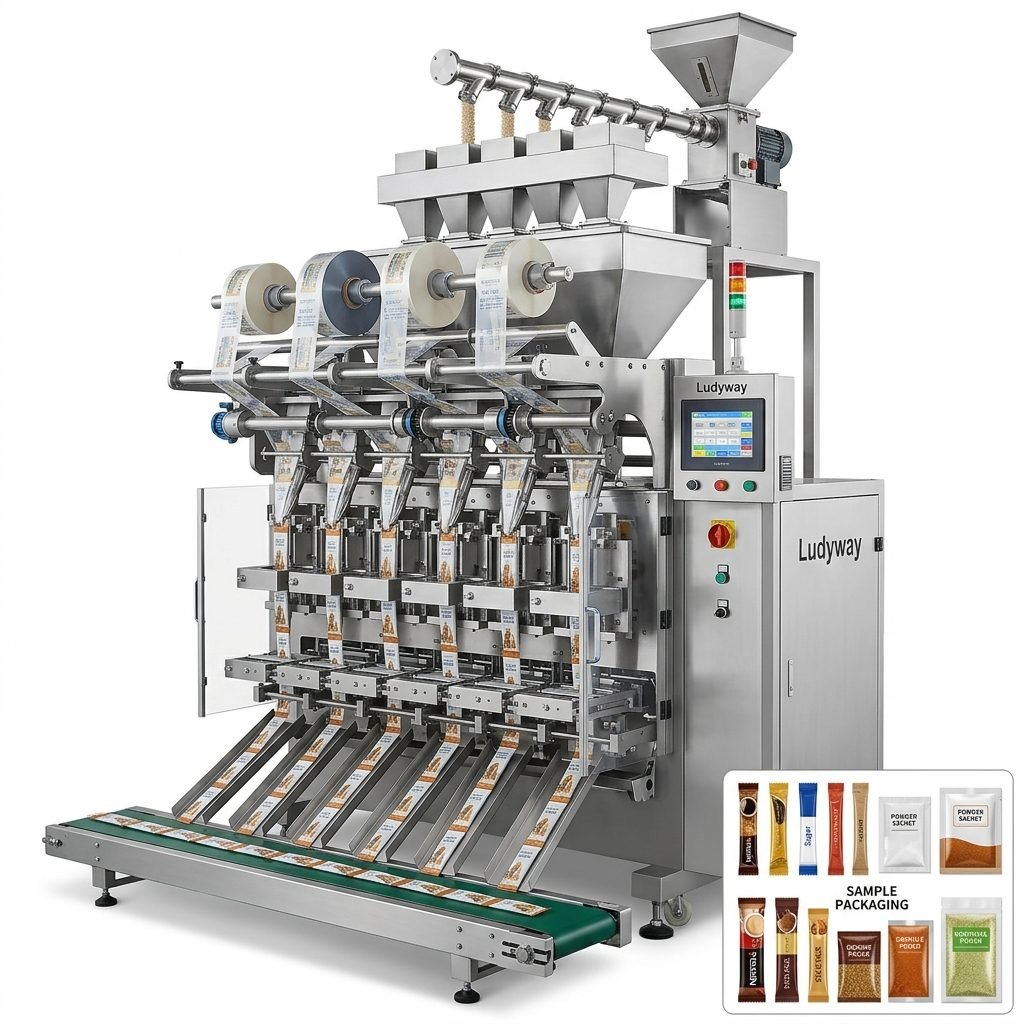
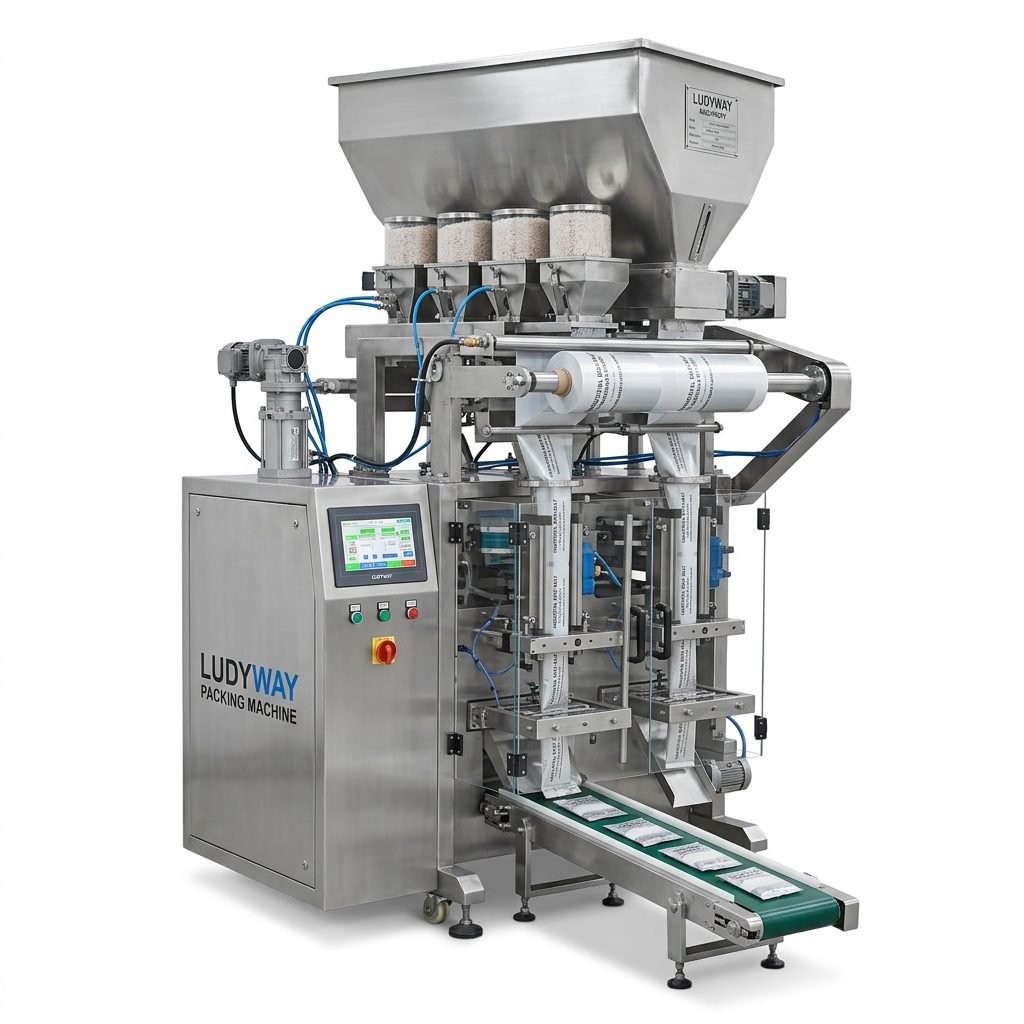
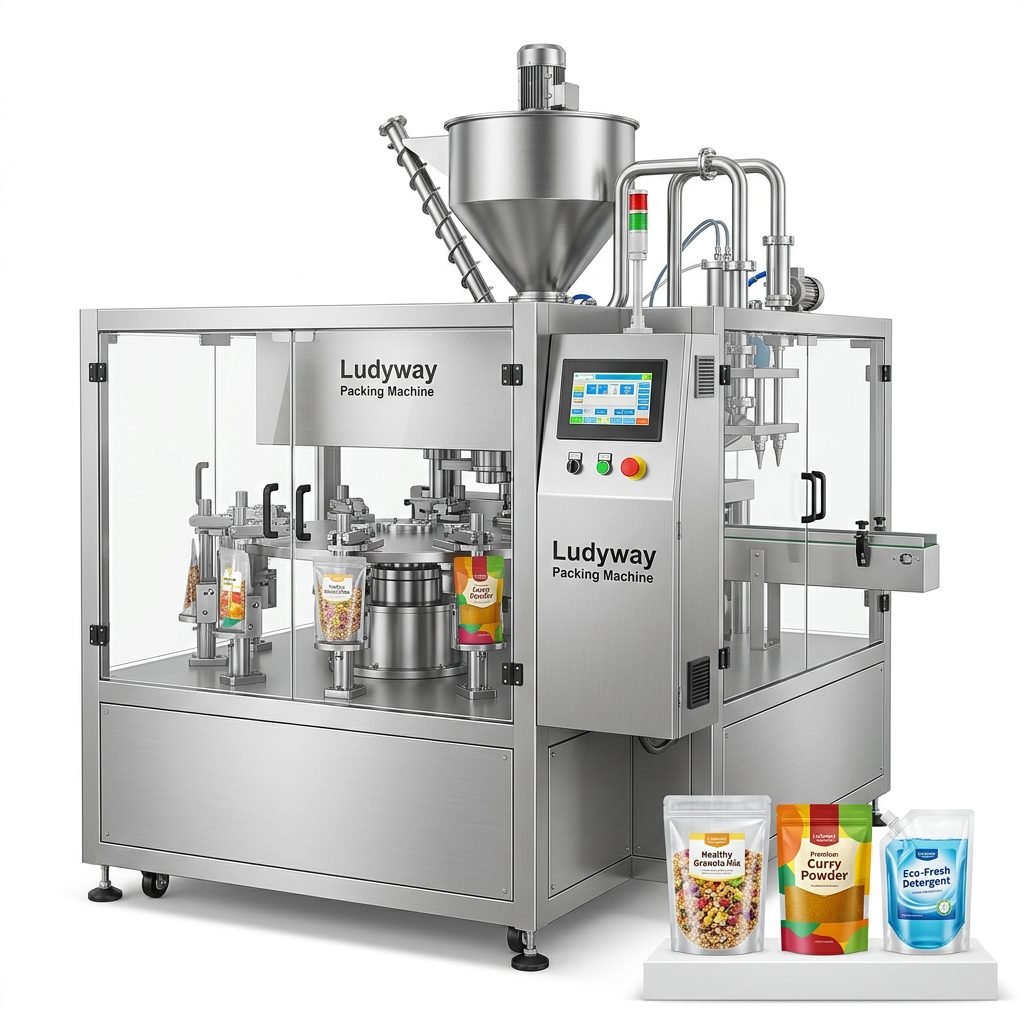
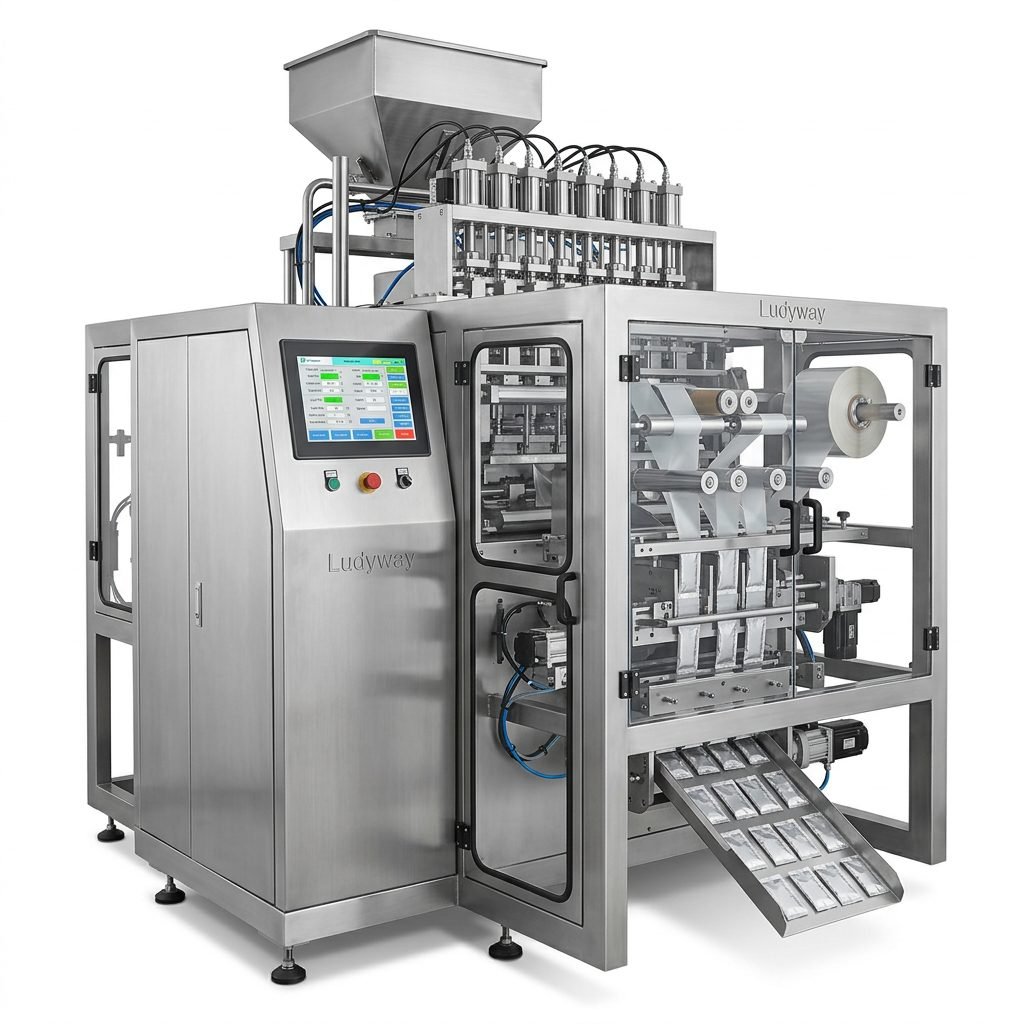
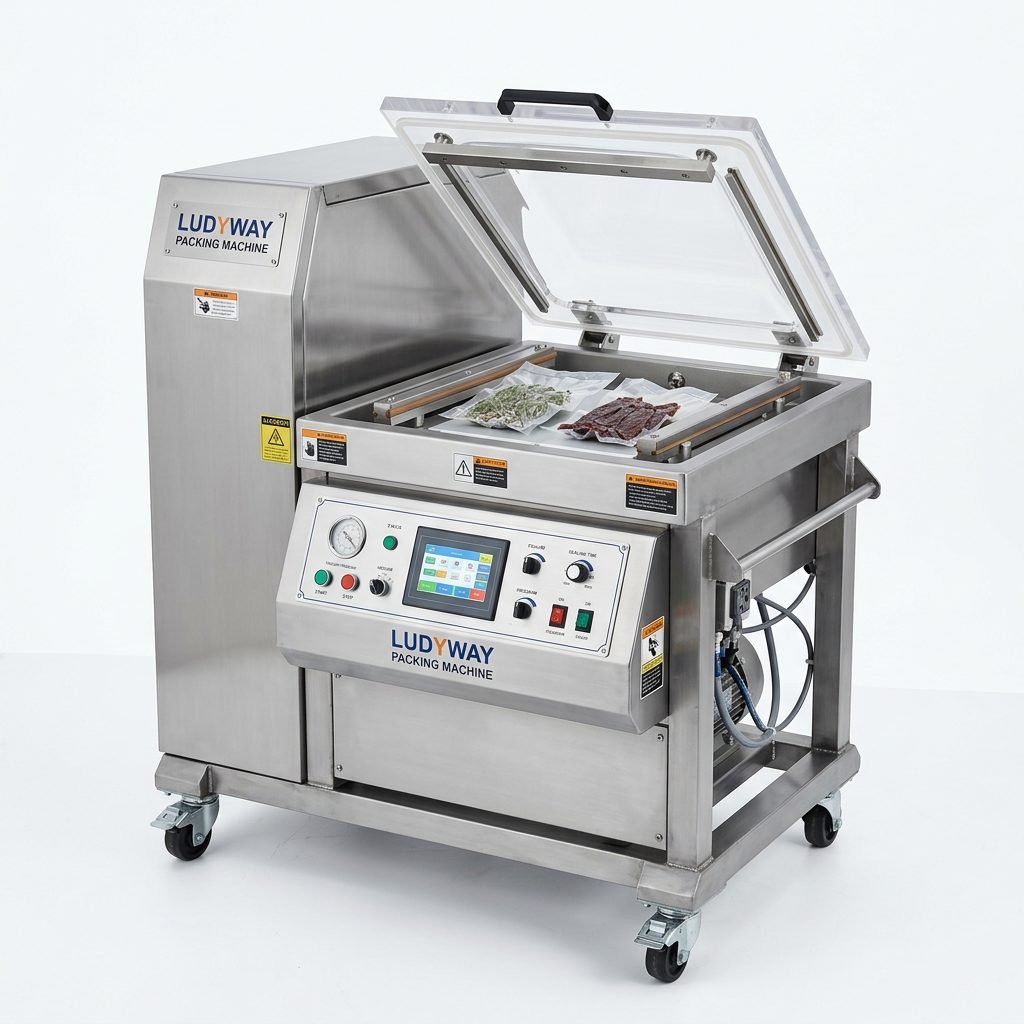
Tube packing machines are essential in modern manufacturing for products such as toothpaste, creams, gels, ointments, cosmetics, adhesives, pharmaceuticals, and industrial pastes. They help businesses improve filling accuracy, package consistency, and production efficiency while reducing manual labor and product waste.
Whether you are packaging cosmetic cream, medicated gel, hand cream, food paste, or chemical sealant, choosing the right tube packing machine can directly affect your output, product quality, and long-term operating cost.
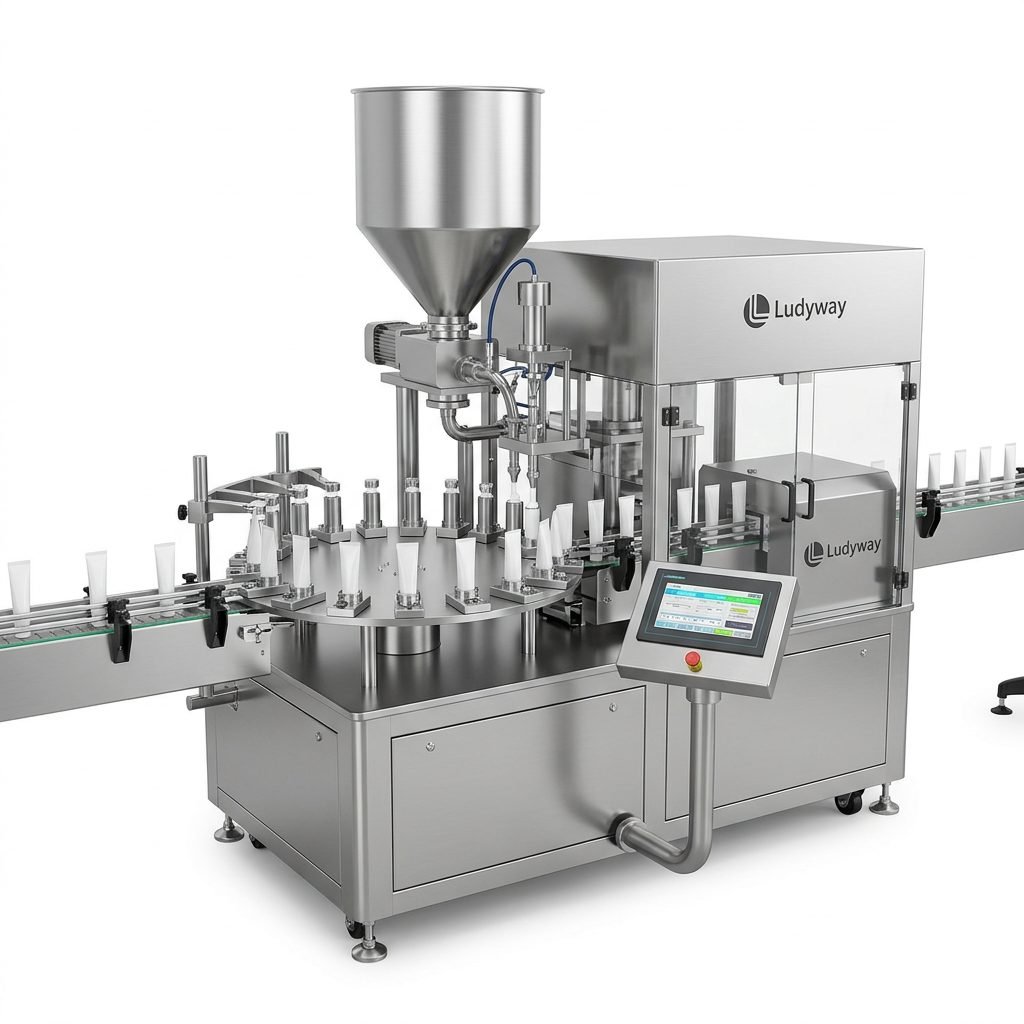
What Is a Tube Packing Machine?
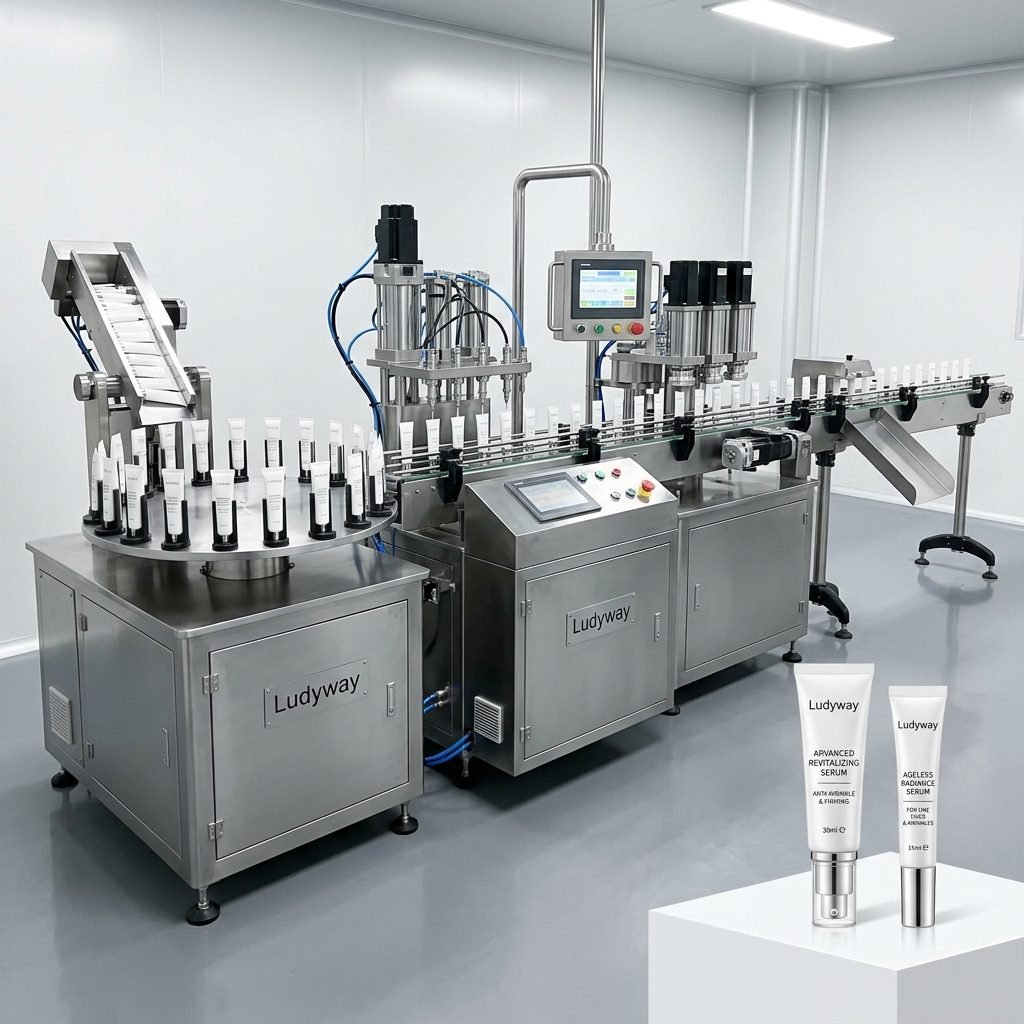
A tube packing machine is an automated or semi-automated system designed to fill products into tubes and then seal them securely. The machine is commonly used for plastic tubes, laminated tubes, and aluminum tubes. Depending on the application, it may also perform tube orientation, date coding, trimming, cartoning, and final discharge.
These machines are widely used in industries such as:
- Cosmetics and personal care
- Pharmaceuticals and ointments
- Food pastes and sauces
- Chemicals and industrial products
- Health and skincare products
How Does a Tube Packing Machine Work?
The exact workflow depends on the model and level of automation, but most tube filling and sealing machines follow a similar process.
1. Tube Loading
Empty tubes are manually or automatically loaded into holders. In fully automatic systems, a feeding device places the tubes into position continuously.
2. Tube Orientation
If printed or shaped tubes are used, the machine aligns them correctly so that the sealing position matches the branding or label layout.
3. Product Filling
The product is dosed into the tube through a precision filling system. Different filling technologies may be used depending on product viscosity, such as piston filling, pump filling, or servo-controlled dosing.
4. Tube Sealing
After filling, the machine seals the open end of the tube. Plastic and laminated tubes are usually sealed by heat or ultrasonic sealing, while aluminum tubes are folded and crimped mechanically.
5. Date Coding or Embossing
Many machines can print or emboss batch numbers, manufacturing dates, or expiry dates during the sealing stage.
6. Trimming and Discharge
The sealed tube may be trimmed for a neat appearance and then discharged to a conveyor, collection tray, or secondary packaging line.
Simple Process Flow
Tube feeding → Orientation → Filling → Sealing → Coding → Discharge
Main Types of Tube Packing Machines
There are several types of tube packing machines available, and each one suits different production environments.
| Type | Best For | Key Features |
|---|---|---|
| Manual Tube Filling Machine | Small batch production, laboratory use | Low cost, simple operation, limited output |
| Semi-Automatic Tube Packing Machine | Medium-scale production | Operator-assisted loading, stable filling, lower investment |
| Fully Automatic Tube Filling and Sealing Machine | High-volume production lines | Automatic feeding, filling, sealing, coding, high efficiency |
| Plastic Tube Filling Machine | Skincare, cosmetics, toothpaste | Hot air or ultrasonic sealing for plastic tubes |
| Aluminum Tube Filling Machine | Pharma ointments, industrial pastes | Mechanical folding and crimp sealing |
| Ultrasonic Tube Sealing Machine | Special sealing requirements | Clean sealing, suitable for some sensitive products |
Products Commonly Packed in Tubes
- Toothpaste
- Face cream
- BB cream and foundation
- Hand cream
- Shaving cream
- Medicinal ointment
- Gel products
- Hair color cream
- Food paste and concentrated sauce
- Glue, sealant, and industrial grease
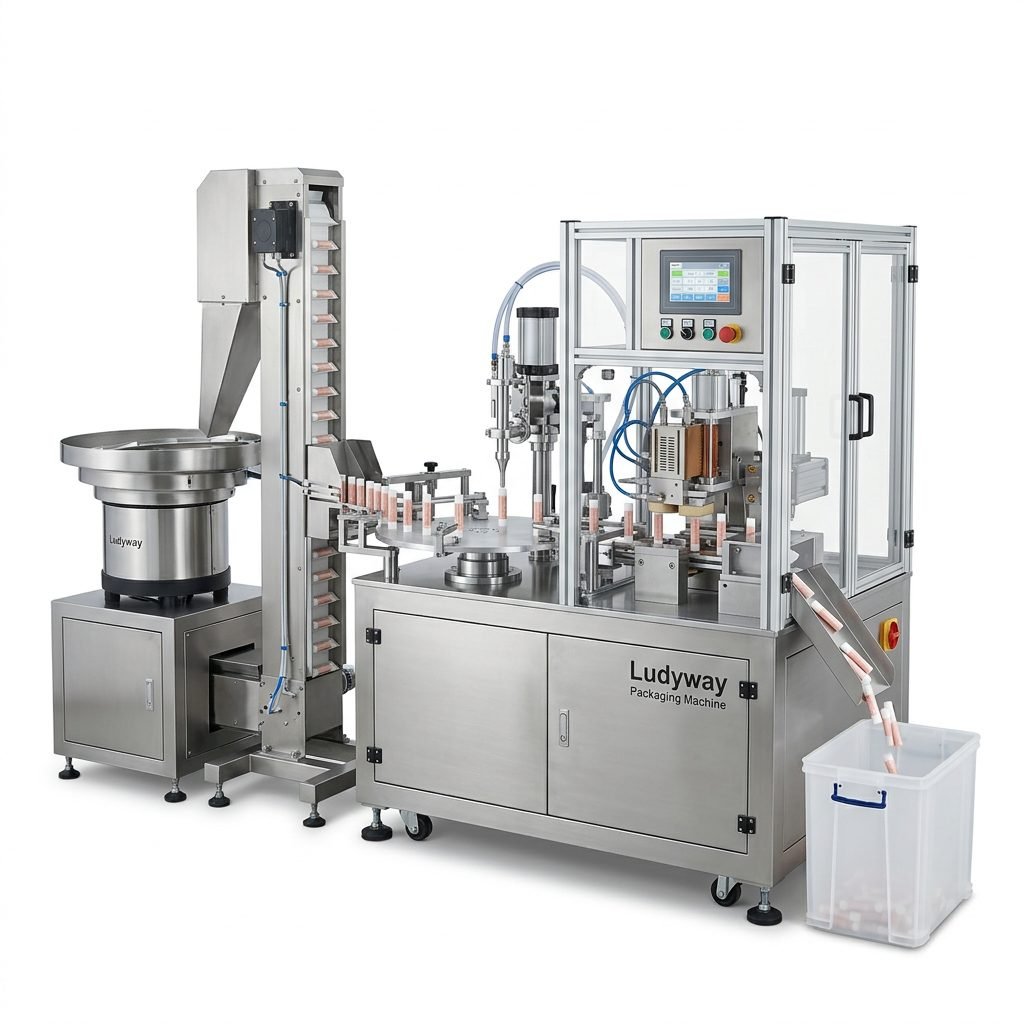
Key Components of a Tube Packing Machine
Understanding the machine structure helps buyers compare equipment more effectively.
Tube Hopper or Feeding System
Supplies empty tubes into the machine automatically or semi-automatically.
Filling Unit
This is the core dosing section. It determines filling precision and handles products of different viscosity levels.
Sealing Station
Depending on the tube material, the sealing station may use hot air, heat jaw, ultrasonic energy, or mechanical folding.
Control System
Modern machines typically use PLC and touchscreen HMI for easy adjustment, recipe setting, alarm display, and parameter control.
Coding Device
Prints production dates, lot numbers, and traceability codes.
Discharge Conveyor
Transfers finished tubes to the next process such as inspection, cartoning, or case packing.
Benefits of Using a Tube Packing Machine
Investing in the right tube packing machine brings measurable production advantages.
- Higher output: significantly faster than manual tube filling
- Accurate dosing: improves weight consistency and reduces giveaway
- Clean sealing: enhances product appearance and leak resistance
- Lower labor cost: automation reduces operator dependence
- Better hygiene: especially important in pharmaceutical and cosmetic production
- Stable packaging quality: supports brand reputation and customer satisfaction
- Easy integration: can connect with cartoners, conveyors, and coding systems
Tube Packing Machine vs. Other Packaging Machines
| Machine Type | Package Format | Typical Use |
|---|---|---|
| Tube Packing Machine | Tube | Creams, gels, ointments, paste products |
| Sachet Packing Machine | Small sachet | Powder, liquid, granule single-dose products |
| Stick Pack Machine | Stick pack | Drink powder, supplements, coffee |
| Bottle Filling Machine | Bottle or jar | Liquids, tablets, capsules, creams |
| Pouch Packing Machine | Pouch or bag | Snacks, powders, liquids, pet food |
Industries That Need Tube Packing Machines
Cosmetics Industry
Common products include facial cleanser, sunscreen, BB cream, eye cream, hand cream, and lip care products. Cosmetic brands often prioritize clean sealing, visual consistency, and attractive final packaging.
Pharmaceutical Industry
Used for ointments, medicated creams, analgesic gels, and dermatological products. In this sector, machine hygiene, precision, and validation support are especially important.
Food Industry
Some food pastes, flavor concentrates, condiments, and specialty sauces are packed in tubes for convenient dispensing and shelf presentation.
Chemical Industry
Tube filling machines can also be used for adhesives, sealants, grease, and maintenance paste products where controlled dosing and leak-free sealing are critical.
What to Consider Before Buying a Tube Packing Machine
Before selecting a machine, buyers should define both product and production requirements clearly.
1. Tube Material
Are you using plastic, laminated, or aluminum tubes? The sealing system must match the tube type.
2. Product Viscosity
Thin gel, thick cream, and dense paste require different filling approaches. A mismatch can cause inaccurate filling or unstable performance.
3. Filling Volume Range
Check the minimum and maximum fill capacity required for your product line.
4. Production Speed
Choose output based on your daily and monthly capacity goals. Overbuying can waste budget, while underbuying may limit growth.
5. Accuracy Requirements
High-value pharmaceutical and cosmetic products often require tighter filling tolerances.
6. Hygiene and Cleaning
If you handle medical or personal care products, the machine should support easy cleaning, contamination control, and suitable contact materials.
7. Automation Level
Decide whether you need a standalone machine or a complete line with cartoning, coding, checkweighing, and case packing.
8. Customization Options
Many buyers need special tube diameters, sealing shapes, product handling, or line integration features.
Buying Guide: How to Choose the Right Tube Packing Machine
Start with your product, not just the machine specification. A machine that looks fast on paper may not perform well with your actual formula, tube material, or packaging format.
Ask These Questions Before Purchase
- What product will be filled into the tube?
- How thick or fluid is the product?
- What tube sizes and diameters will be used?
- What is the target output per minute or per shift?
- Do you need coding, trimming, or cartoning integration?
- Will you run a single product or multiple SKUs?
- Do you need GMP-oriented or hygiene-focused design?
- Is after-sales support available in your market?
Recommended Selection Logic
| Buyer Situation | Suggested Machine |
|---|---|
| Startup or pilot production | Manual or semi-automatic tube filler |
| Growing cosmetic or skincare brand | Semi-automatic or compact automatic machine |
| Large factory with multiple SKUs | Fully automatic servo-controlled tube packing machine |
| Pharmaceutical ointment production | High-precision machine with hygiene-focused design |
| Industrial adhesive or grease filling | Heavy-duty tube filler with suitable sealing system |
Common Problems and Solutions
Uneven Filling Volume
Possible causes include unstable product viscosity, incorrect dosing setup, or worn filling parts. Regular calibration and proper product feeding help solve this issue.
Weak Tube Seal
This may result from incorrect sealing temperature, poor tube material compatibility, or contamination at the sealing edge.
Tube Positioning Errors
Usually caused by sensor issues, feeding instability, or unsuitable tube dimensions. Orientation systems should be matched to the packaging design.
Product Leakage After Sealing
Check fill level, sealing pressure, and tube cleanliness. Overfilling can also affect sealing integrity.
Maintenance Tips for Long-Term Performance
- Clean product contact parts after each shift
- Inspect seals, nozzles, and filling components regularly
- Calibrate filling volume periodically
- Lubricate moving parts according to the manual
- Check heater, ultrasonic, or crimping units for wear
- Train operators on changeover and cleaning procedures
- Use spare parts from qualified suppliers
Why Work With an Experienced Packaging Machine Manufacturer?
A tube packing machine is not just a standalone purchase. It is part of your production efficiency, packaging consistency, and future expansion plan. An experienced manufacturer can help evaluate your product characteristics, packaging format, speed target, and downstream automation needs.
For buyers looking for reliable packaging automation, Ludyway tube packing machine solutions are backed by more than 30 years of industry experience, a manufacturing base of over 20,000 square meters, and broad export service capability across food, pharmaceutical, cosmetic, and related industries.
Frequently Asked Questions
What is the difference between a tube packing machine and a tube filling machine?
In many cases, the terms are used interchangeably. However, “tube packing machine” may refer more broadly to filling, sealing, coding, and discharge functions together.
Can one machine handle different tube sizes?
Yes, many machines support multiple tube sizes with change parts and parameter adjustments. Buyers should confirm the changeover range before ordering.
Which is better for plastic tubes: hot air or ultrasonic sealing?
Both have advantages. Hot air sealing is common and widely used, while ultrasonic sealing can offer clean sealing for specific materials and applications.
Is a fully automatic machine worth the investment?
If you have medium to high production demand, need stable quality, or want to reduce labor dependence, a fully automatic machine often delivers better long-term value.
Can tube packing machines be integrated into complete lines?
Yes. They can be connected with conveyors, cartoners, coding units, checkweighers, case packers, and other end-of-line equipment.
Final Thoughts for Buyers
Choosing the right tube packing machine means balancing product compatibility, tube material, speed, accuracy, and future scalability. The best machine is not always the fastest or the cheapest—it is the one that fits your product, factory workflow, and growth plan.
If you evaluate your packaging requirements carefully and work with a capable equipment supplier, a tube packing machine can become a powerful investment for improving output, reducing waste, and building a more professional packaging operation.