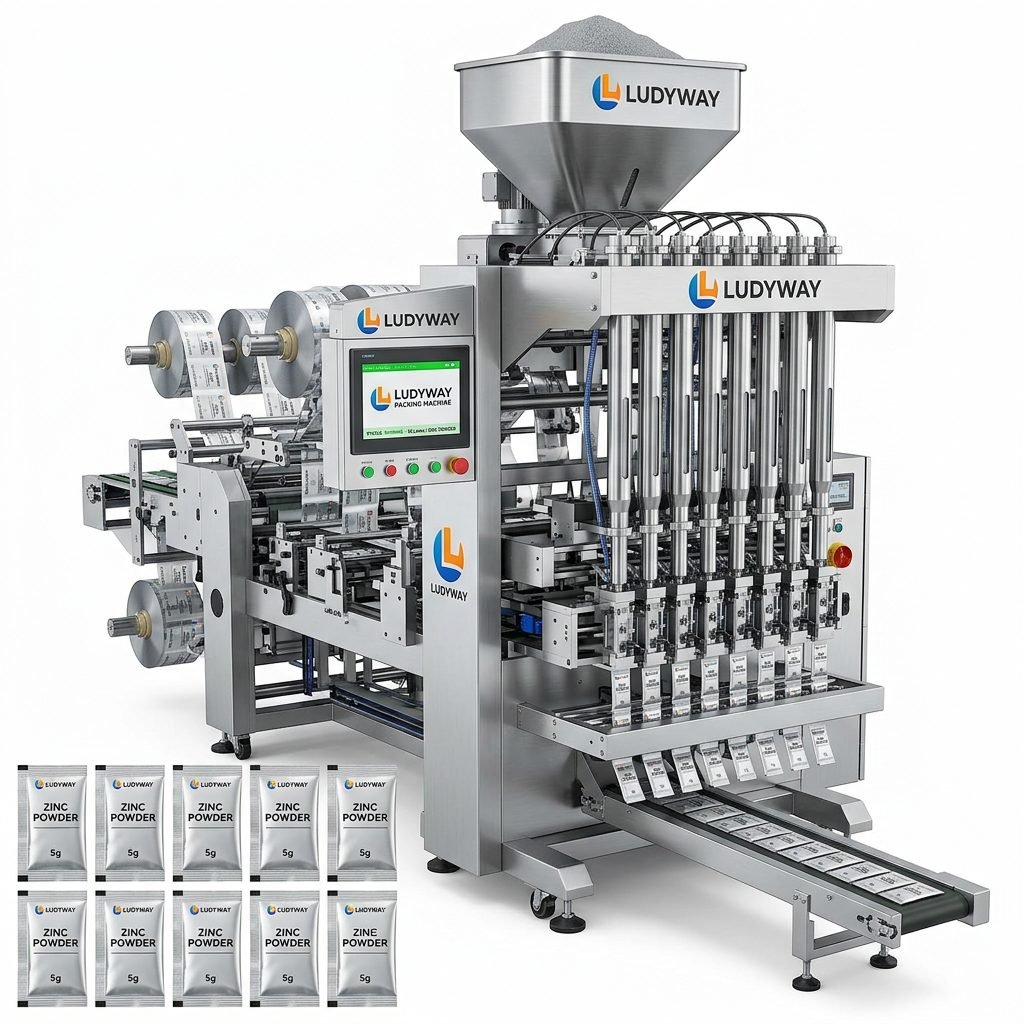
Investing in an oil packaging machine in Italy requires a careful balance of technology, compliance, and operational efficiency. Whether you are filling extra virgin olive oil into glass bottles or packaging lubricants into sachets, the Italian market demands high precision and impeccable hygiene standards. This comprehensive guide walks you through the essential factors, from cost analysis to EU regulatory compliance, ensuring you secure the best machinery for your production line.

Understanding the Italian Oil Packaging Landscape
Italy is a global leader in the food and beverage sector, particularly in olive oil and specialty lubricants. The demand for high-speed liquid packaging systems is rising, driven by export requirements and stringent quality norms. When selecting a machine in this region, you must prioritize hygienic engineering and compatibility with various container types, including glass, PET, and multi-layer sachets. The shift toward sustainable packaging solutions is also transforming equipment specifications, pushing manufacturers to adopt flexible machines that handle bio-based films without compromising speed. Italian producers are increasingly investing in advanced automation to offset labor costs, with many facilities targeting output rates above 120 packs per minute for single-serve oil formats.
Key Features to Look for in an Oil Filling Machine
Not all filling machines are built alike. Viscosity, foaming characteristics, and particle content in oils significantly influence the choice of metering technology. For accurate dosing of premium Italian oils, you should evaluate the following core specifications:
- Metering Technology: Piston fillers offer exceptional accuracy for high-viscosity oils (above 50 cP), while mass flow meters excel with lighter oils like grapeseed. The latest servo-driven systems achieve ±0.3% fill accuracy at production speeds, critical for high-value products where overfilling directly erodes margins.
- Material Construction: AISI 316L stainless steel is non-negotiable for food-grade oil contact parts, resisting the acidity typical of olive oil processing. Frame construction should also use 304 stainless for washdown compliance in Italian facilities subject to frequent inspections.
- Automation Level: Modern lines integrate ISO-compliant checkweighers and vision systems that automatically reject underfilled containers, maintaining batch consistency without operator intervention for extended production runs.
- Changeover Speed: Italian contract packagers frequently switch between bottle sizes and oil types. Machines with recipe-driven automatic changeovers can reconfigure from 250ml to 1L bottles in under 15 minutes, dramatically reducing downtime costs.
- Gas Flushing Capability: For premium oils susceptible to oxidation, integrated nitrogen injection systems displace oxygen from both the product and headspace, extending shelf life without the need for preservatives.

Evaluating Packaging Types: Bottles vs. Sachets
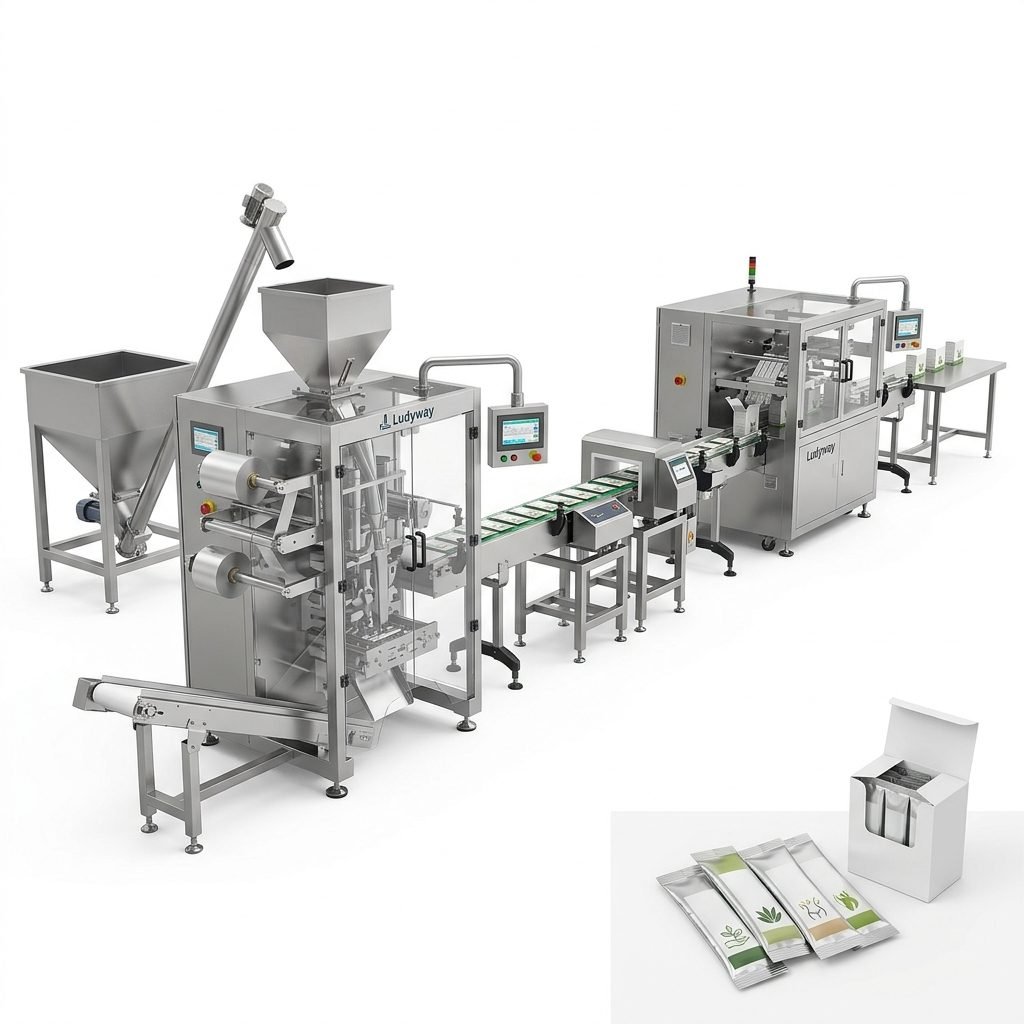
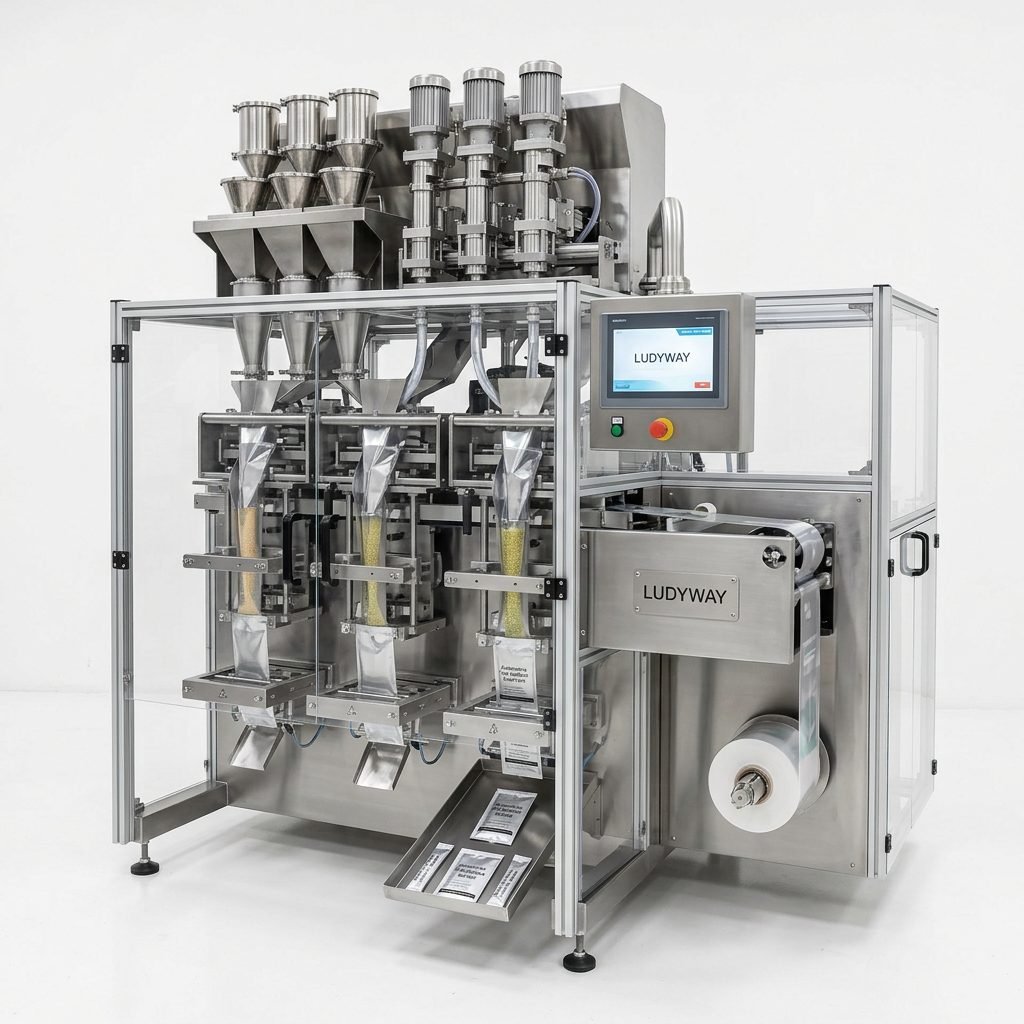
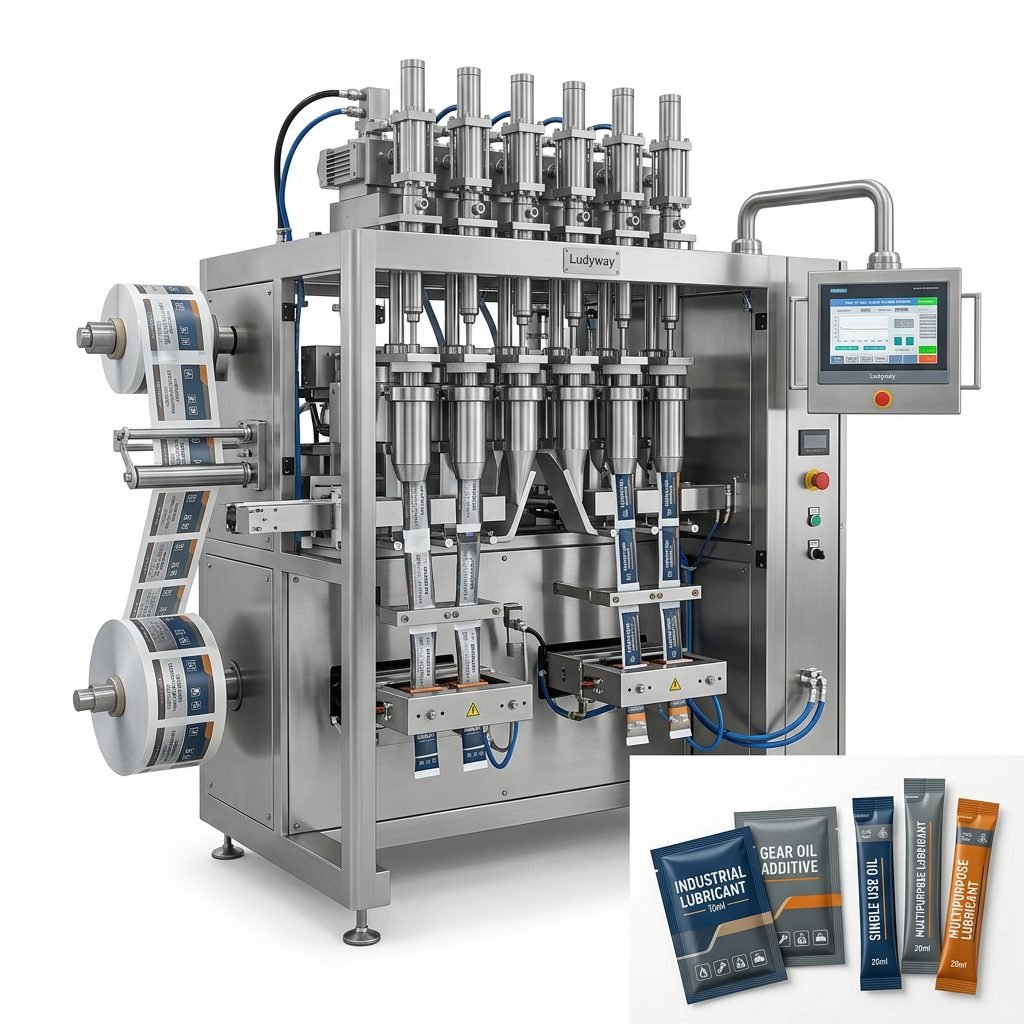
The Italian market sees a distinct split between traditional glass bottle packaging and the rapidly growing single-serve sachet segment. Glass lines command roughly 65% of the premium olive oil segment, leveraging Italy’s strong bottle manufacturing heritage. However, the stick pack and sachet sector is growing at 12% annually, driven by foodservice and travel retail demands. Your choice of packaging format directly dictates the machine configuration:
| Feature | Bottle Filling Line | Sachet/Stick Pack Line |
|---|---|---|
| Target Market | Retail shelves, HORECA | Takeaway, travel kits, sampling |
| Material Handling | Bottle unscrambling, capping | Film unwinding, vertical forming |
| Output Speed | Up to 12,000 bottles/hour | Up to 400 packs/min (multi-lane) |
| Sealing Integrity | Induction or screw cap sealing | Vertical/heat seal integrity checks |
Compliance and CE Certification in Italy
Operating machinery within the EU mandates strict adherence to the Machinery Directive 2006/42/EC. For Italian buyers, CE marking is not merely a legal checkbox; it confirms that the equipment meets rigorous safety and environmental standards. Additionally, because oil often falls under food contact regulations, machinery must comply with food-grade material standards such as EC 1935/2004. Furthermore, Italian legislation strongly emphasizes wastewater management from cleaning cycles and ATEX directives if solvents are present in the air, making local compliance expertise absolutely essential during the procurement phase.
Cost Analysis and Supplier Selection
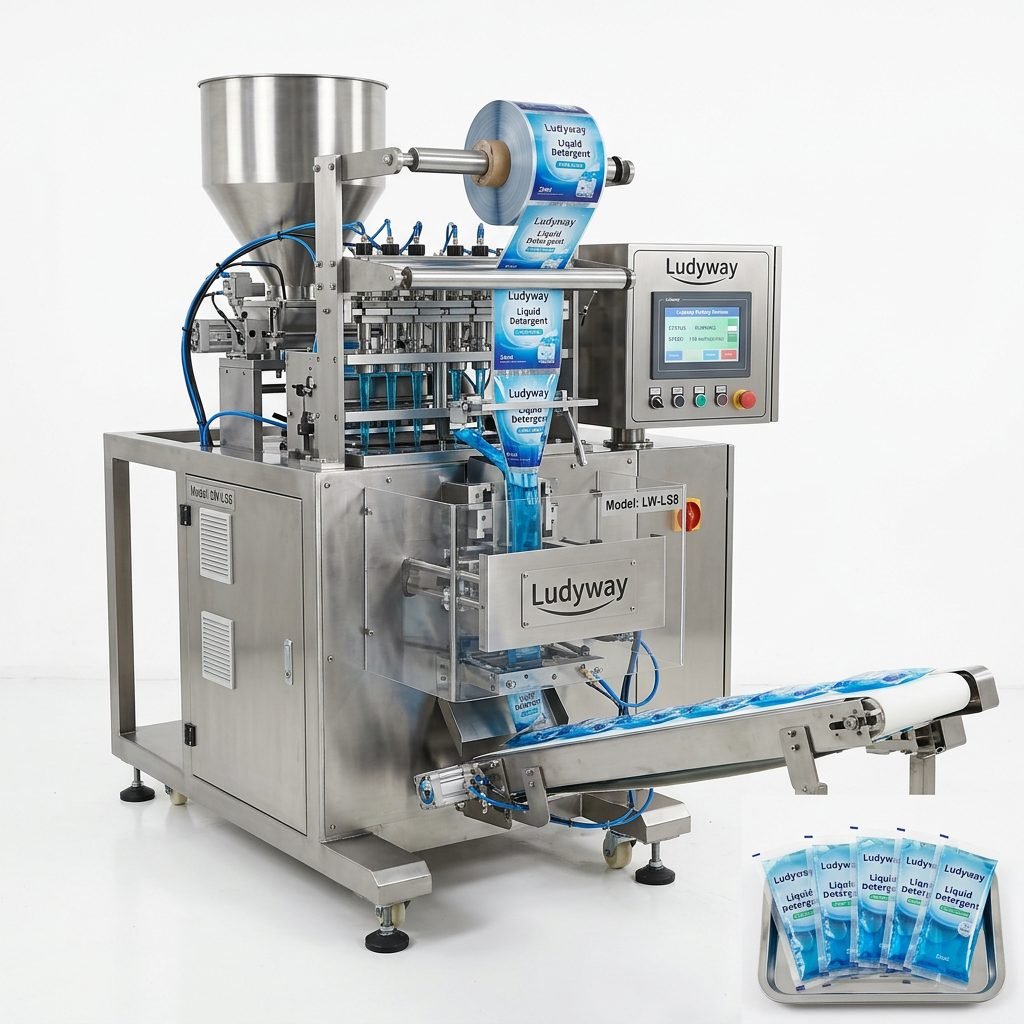
The initial investment in an automatic oil filling machine can vary dramatically based on configuration. A basic semi-automatic linear filler may start around €25,000, while a fully integrated multi-lane stick pack line with cartoning can exceed €350,000. However, the total cost of ownership extends far beyond the purchase price, encompassing energy consumption, spare parts availability across Europe, and operator training requirements. Leading manufacturers such as Ludyway provide turnkey solutions that balance robust mechanical engineering with cost-effectiveness, helping Italian producers maintain competitive margins without sacrificing build quality. When evaluating suppliers, request detailed efficiency calculations showing payback periods based on your specific throughput requirements and labor savings potential.
Essential Questions for Your Supplier
- What is the real-world OEE (Overall Equipment Effectiveness)? Ask for actual production data from installations similar to yours, not just theoretical maximum speeds, to understand true daily output capability.
- How is the after-sales service structured in Italy? Verify that local technicians can respond within 24-48 hours with genuine spare parts sourced from European logistics hubs rather than long-distance shipping routes.
- Can the machine handle cold-pressed oils? Unfiltered oils present unique challenges to standard pumping systems and require specialized filtration-integrated filling paths to prevent progressive flow degradation.
- What is the CIP (Clean-in-Place) protocol? The system should offer automated cleaning cycles that validate through conductivity sensors, minimizing chemical usage while ensuring complete product changeover integrity.
Maintenance Strategies for Longevity
The reliability of your packaging line in Italy’s competitive environment depends heavily on proactive maintenance. The humid, sometimes dusty conditions of processing plants require predictive maintenance protocols. Modern machines equipped with IIoT sensors can forecast pneumatic seal failures or pump degradation weeks in advance, allowing you to schedule interventions during planned downtime rather than reacting to emergency breakdowns. This data-driven approach, informed by industry resources like the PMMI business intelligence library, is becoming the standard for avoiding costly production halts during peak olive pressing seasons when equipment availability directly impacts annual revenue.
Future Trends: Digitalization and Sustainability
Sustainability in the Italian oil packaging sector is moving beyond recyclable materials to encompass the entire manufacturing process. Look for machines featuring energy-efficient servo drives that reduce electrical consumption by up to 30% compared to traditional pneumatic systems. The integration of digital twins allows operators to simulate changeovers and train staff virtually, accelerating the learning curve on complex multi-lane equipment. Additionally, as the EU Packaging and Packaging Waste Regulation tightens, equipment that minimizes trim waste and optimizes film usage will provide a significant advantage in the Italian market, where environmental credentials increasingly influence B2B purchasing decisions and retailer acceptance.
Practical Steps for Your Procurement Decision
Before signing a contract, conduct a detailed factory acceptance test (FAT) with your actual oil product. Viscosity changes with temperature can significantly impact filling accuracy, and what works perfectly with water trials may deviate when handling room-temperature oil with different surface tension properties. Request a complete spare parts list with lead times for Italy, as customs clearance can extend delivery windows unpredictably. Finally, consider the flexible packaging resources available to validate your chosen film suppliers against the machine’s sealing parameters.
Key Takeaway: The right oil packaging machine for your Italian operation is not simply the one with the fastest rated speed, but the system offering the highest mechanical efficiency, strongest local support network, and greatest flexibility to adapt to evolving EU packaging directives and shifting consumer preferences.