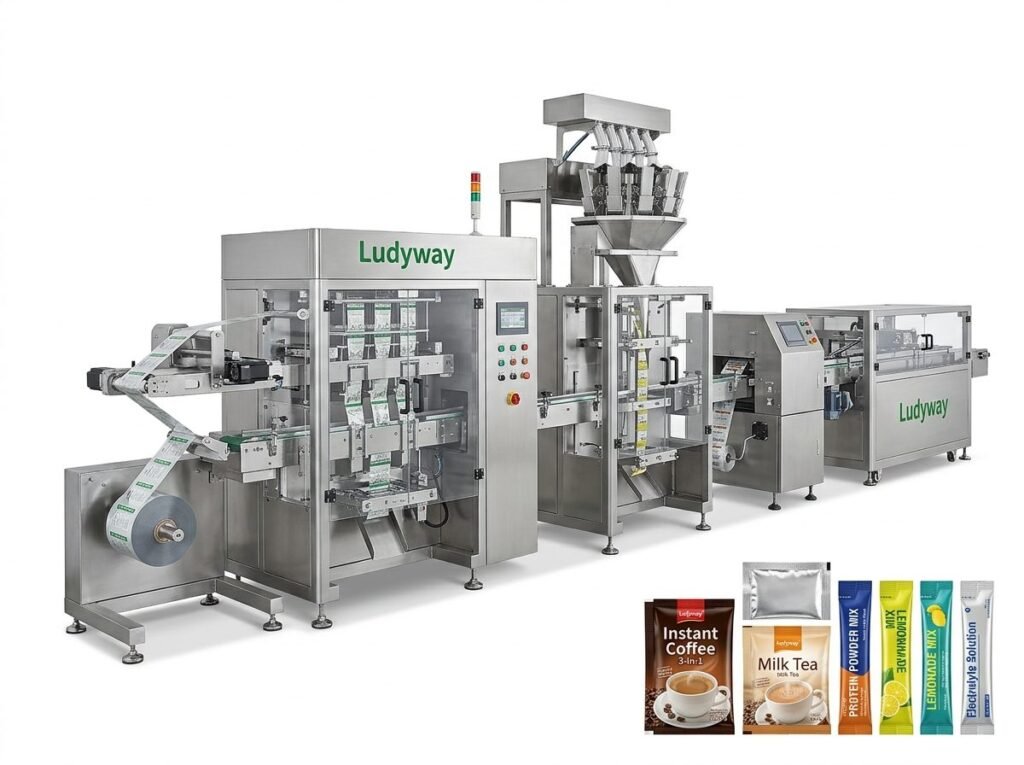
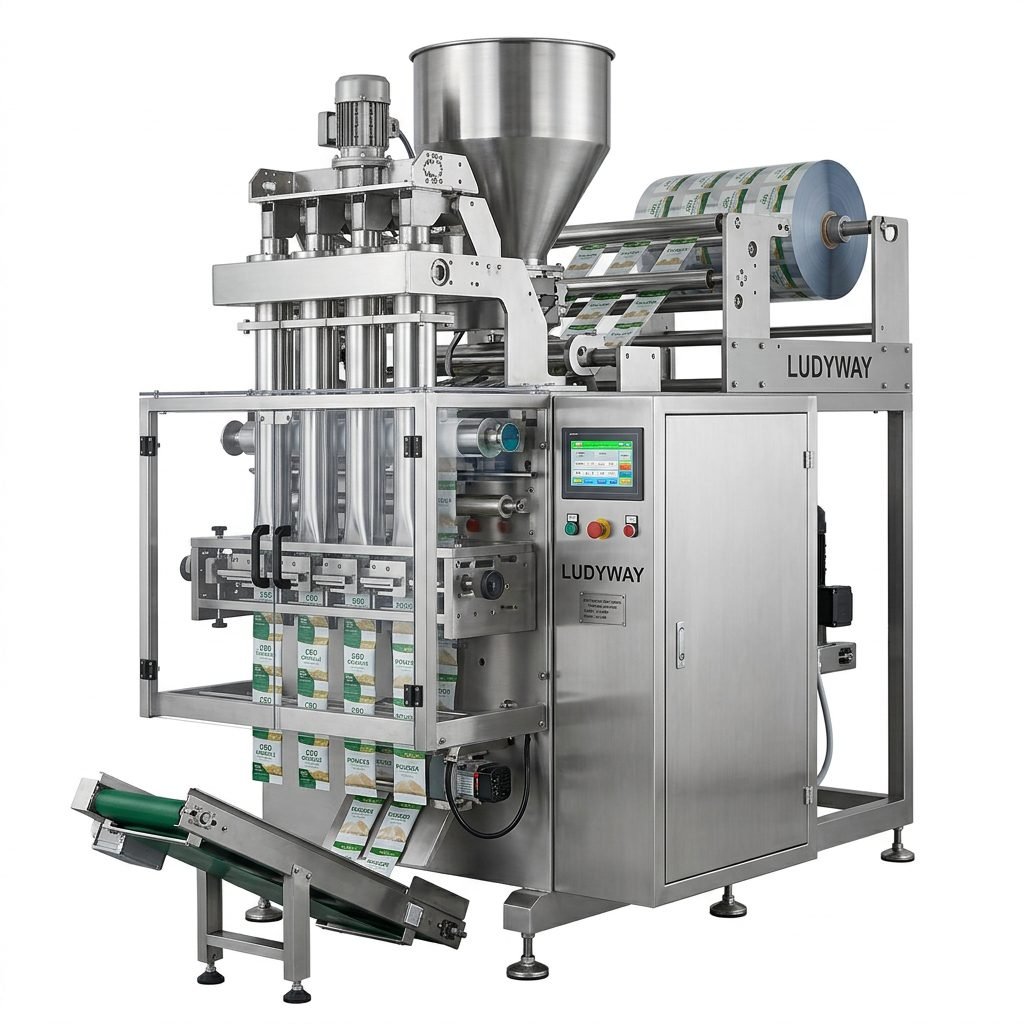
Africa’s food processing sector is growing rapidly, driven by urbanization, rising disposable incomes, and changing consumer habits. As demand for packaged tortillas, flatbreads, and wraps increases across the continent—from South Africa and Nigeria to Kenya and Egypt—bakery and snack manufacturers are investing in automated production lines to improve efficiency, extend shelf life, and meet international food safety standards. Selecting the right packaging machinery is critical to achieving consistent product quality and profitable operations in challenging environments.
Understanding the African Tortilla Packaging Landscape
The tortilla market in Africa is not monolithic. In North Africa, wheat-based flatbreads share production similarities with traditional tortillas, while in Sub-Saharan Africa, maize and cassava-based wraps are staples. Packaging requirements vary based on product moisture content, ambient storage conditions, and distribution channels. A tortilla packaging machine purchased for a facility in Lagos must handle humidity differently than one in Johannesburg. Understanding these regional nuances ensures you invest in equipment that performs reliably under local operating conditions.

Types of Tortilla Packaging Machines Available for the African Market
Choosing the right configuration depends on your production scale, tortilla size, packaging format, and budget. Below is a comparison of the most common machine types suitable for African manufacturers.
| Machine Type | Best For | Key Advantage |
|---|---|---|
| Flow Wrapper (Horizontal) | Single tortillas, flatbreads, wraps | High speed, minimal film waste |
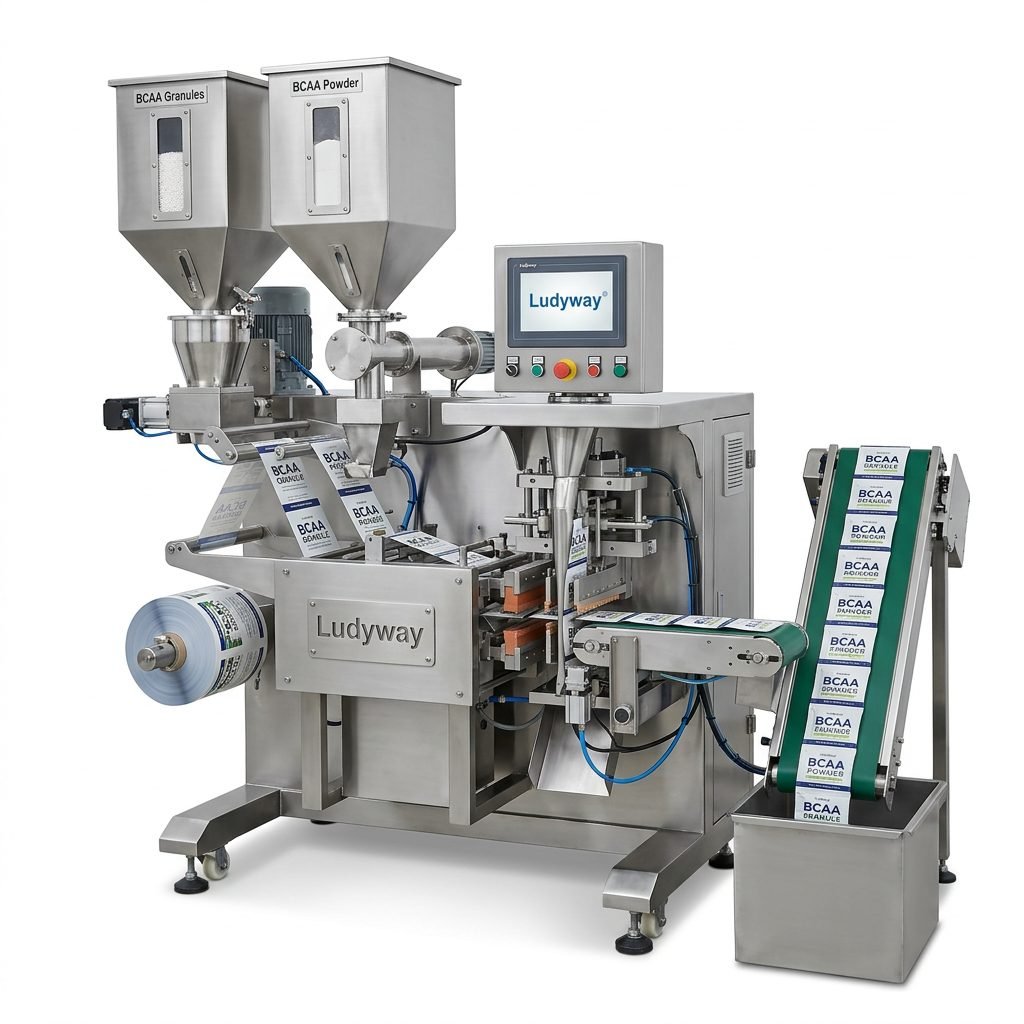
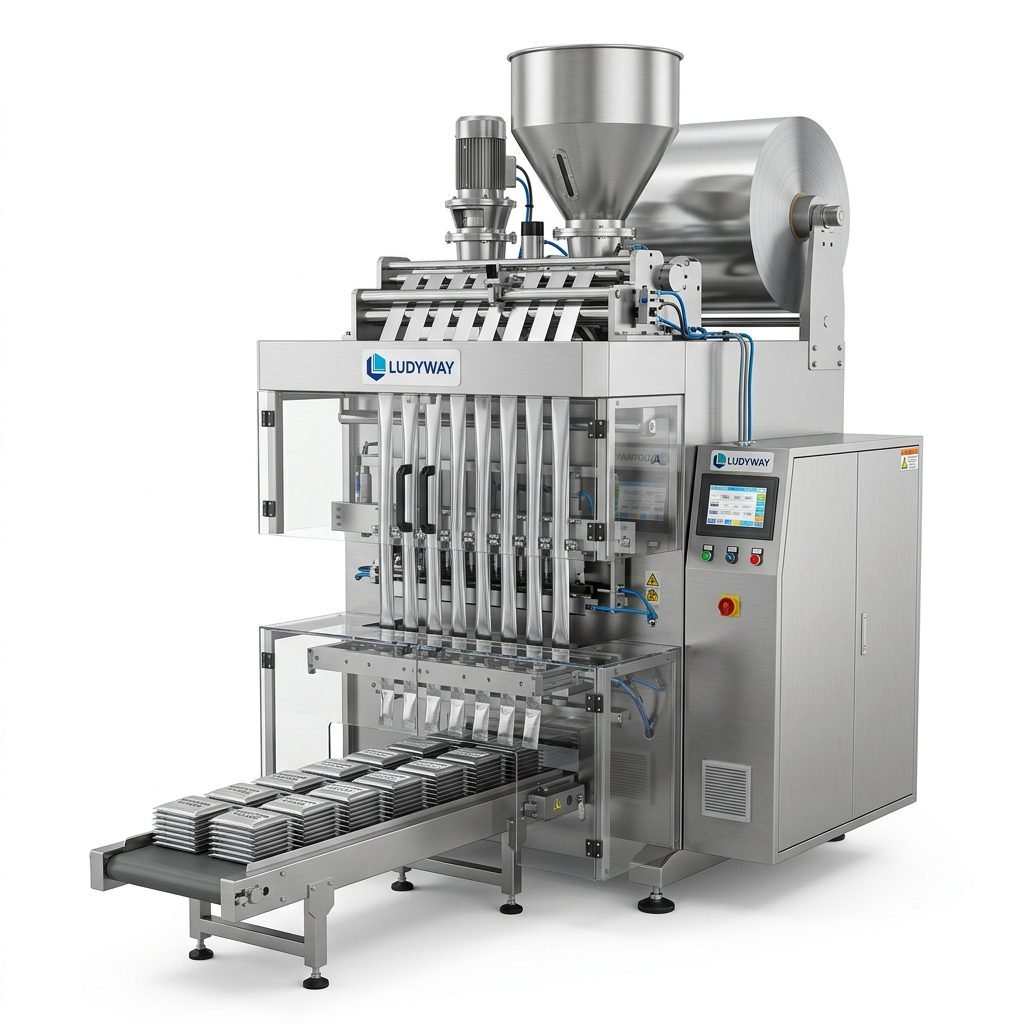
| Multi-Lane Stick Pack Machine | Snack-size tortilla chips, mini wraps | Compact format, extended shelf life |
| Premade Pouch Filling & Sealing Machine | Multi-pack tortilla bundles | Flexible pouch sizes, premium look |
| Vacuum Packaging Machine | Extended shelf-life tortillas, export | Oxygen-free preservation |
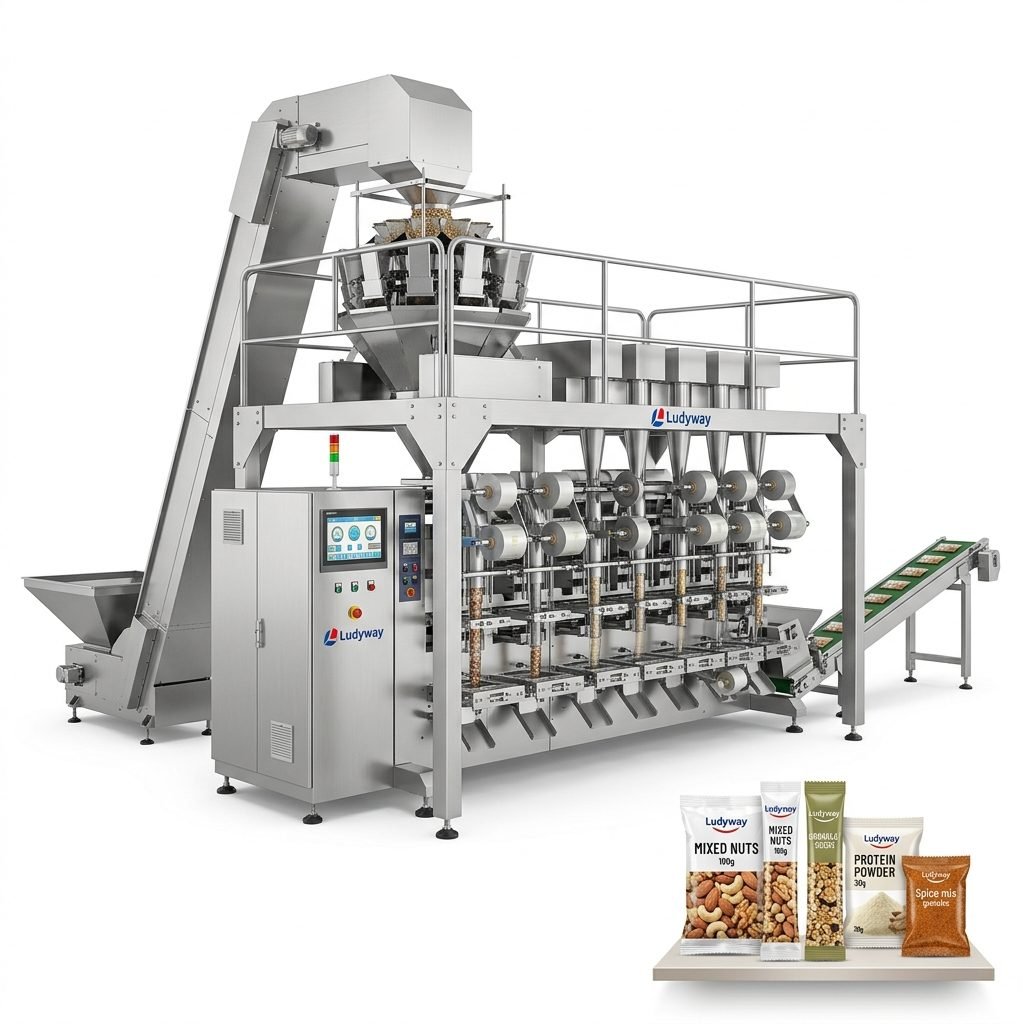
| Turnkey Automated Packaging Line | Large-scale tortilla factories | Integrated production, reduced labor |

Key Factors to Evaluate Before Purchasing
Investing in a tortilla packaging machine is a long-term decision. The following factors directly impact total cost of ownership, production uptime, and product quality in African operating environments.
1. Production Capacity and Speed Requirements
Measure your current and projected daily output. A small bakery producing 5,000 tortillas per day has different needs than a commercial facility outputting 100,000 units. Match the machine’s rated speed to your peak demand, leaving room for growth. Over-specifying a machine can be as costly as under-specifying one.
2. Power Supply Stability and Energy Efficiency
Many African countries face voltage fluctuations and unreliable grid power. Choose machines that are compatible with local power specifications and consider models with built-in voltage stabilizers or those that can integrate with generator systems. Energy-efficient motors reduce operating costs and heat generation in already warm factory environments.
3. Packaging Material Availability and Flexibility
Film supply chains vary across Africa. Confirm whether your preferred packaging materials—polypropylene, laminated films, biodegradable options—are readily available locally or must be imported. A flexible packaging machine that handles multiple film types reduces supply chain risk. Test material compatibility before finalizing your order.
4. Climate Resilience and Hygiene Compliance
Tortilla packaging lines in Africa must withstand high ambient temperatures, humidity, and dust. Stainless steel construction, sealed electrical cabinets, and corrosion-resistant components are essential for longevity. For food-grade production, ensure the machine meets HACCP and ISO 22000 hygiene standards with easy-to-clean surfaces and minimal crevices where flour dust can accumulate.
5. Serviceability, Spare Parts, and Technical Support
Downtime in African production facilities can be extremely costly. Prioritize suppliers that offer local or regional after-sales support, responsive remote diagnostics, and readily available spare parts inventories. Before committing, ask about training programs for your maintenance team and the availability of service engineers who can travel to your facility.

Budget Planning and Return on Investment
The initial purchase price is only one component of total cost. Factor in freight, import duties, installation, operator training, and ongoing maintenance. Calculate your ROI timeline by comparing the increased throughput and reduced manual labor against the machine’s fully landed cost. Many African manufacturers find that a mid-range automated tortilla packaging line pays for itself within 12 to 24 months through labor savings alone.
- Entry-level flow wrappers: $15,000–$40,000 USD
- Mid-range multi-lane systems: $40,000–$120,000 USD
- Fully automated turnkey lines: $120,000–$500,000+ USD
- Installation and training: Typically 8–15% of machine cost
- Annual maintenance budget: 3–5% of capital investment
Industry Standards and Packaging Certifications
Compliance with global standards increases your tortilla products’ marketability, especially for export to the EU, Middle East, and North America. Key certifications to verify include CE marking for European markets, FDA-compliant contact materials for U.S.-bound goods, and ISO 11607 for medical-grade or sterile packaging when applicable. Refer to resources from regulatory authorities to ensure your packaging process aligns with destination market requirements.
Selecting a Reliable Packaging Machine Partner
The supplier you choose is just as important as the machine itself. Look for manufacturers with proven experience in African markets, case studies from similar food businesses, and transparent communication about lead times and aftersales commitments. Visit their production facilities if possible, or request virtual factory tours to assess quality control processes. Ludyway is one of the largest packaging machine manufacturers in China, with more than 50 intelligent packaging machine models, a 20,000㎡ modern manufacturing facility, and a track record of serving customers across over 100 countries, including multiple African nations—making them a notable option for tortilla producers seeking durable, cost-effective equipment backed by three decades of industry expertise.
Questions to Ask Potential Suppliers
- Do you have reference installations in African countries with similar climatic conditions?
- What is the typical lead time for delivery and commissioning?
- Can you provide local-language documentation and remote training?
- How quickly can critical spare parts be dispatched to our location?
- What warranty coverage do you offer on mechanical and electrical components?

Additional Resources and Industry References
Staying informed about packaging technology trends and standards helps you make better procurement decisions. Below are selected authoritative resources for further reading on packaging industry resources, machinery standards, and market data.
| Resource | Description |
|---|---|
| PMMI Business Intelligence | Comprehensive packaging market research and economic reports |
| Flexible Packaging Association | Flexible packaging data, sustainability resources, and regulatory updates |
| PACK EXPO International | Global packaging trade show for discovering new machinery and suppliers |
| ISO Packaging Standards | International standards covering packaging machinery and materials |
| FDA Food Contact Substances | U.S. regulatory guidance on food packaging safety |
Choosing the best tortilla packaging machine in Africa requires careful evaluation of your production goals, local infrastructure realities, and long-term support requirements. By prioritizing equipment durability, supplier reliability, and compliance with global standards, you position your bakery or snack manufacturing business for sustainable growth in one of the world’s most dynamic food markets.