In pharmaceutical production, a tablet blister packing machine is one of the most important systems for protecting tablets from
moisture, oxygen, contamination, and handling damage. It also improves batch traceability, supports regulatory compliance, and
delivers a clean, consumer-friendly presentation for retail and hospital use.
Whether you produce OTC tablets, prescription drugs, nutraceutical tablets, or effervescent products, choosing the right blister
packaging equipment can have a direct impact on product stability, line efficiency, and long-term operating cost.
What Is a Tablet Blister Packing Machine?
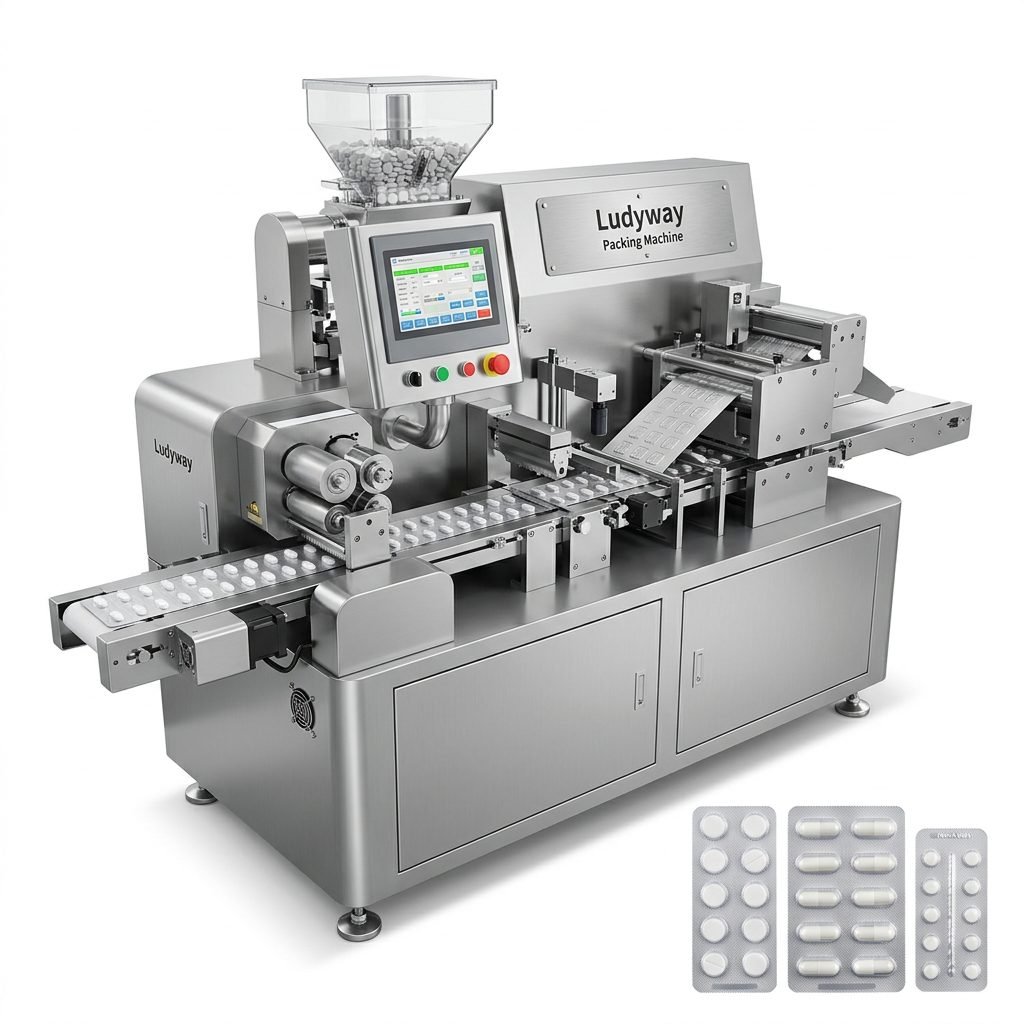
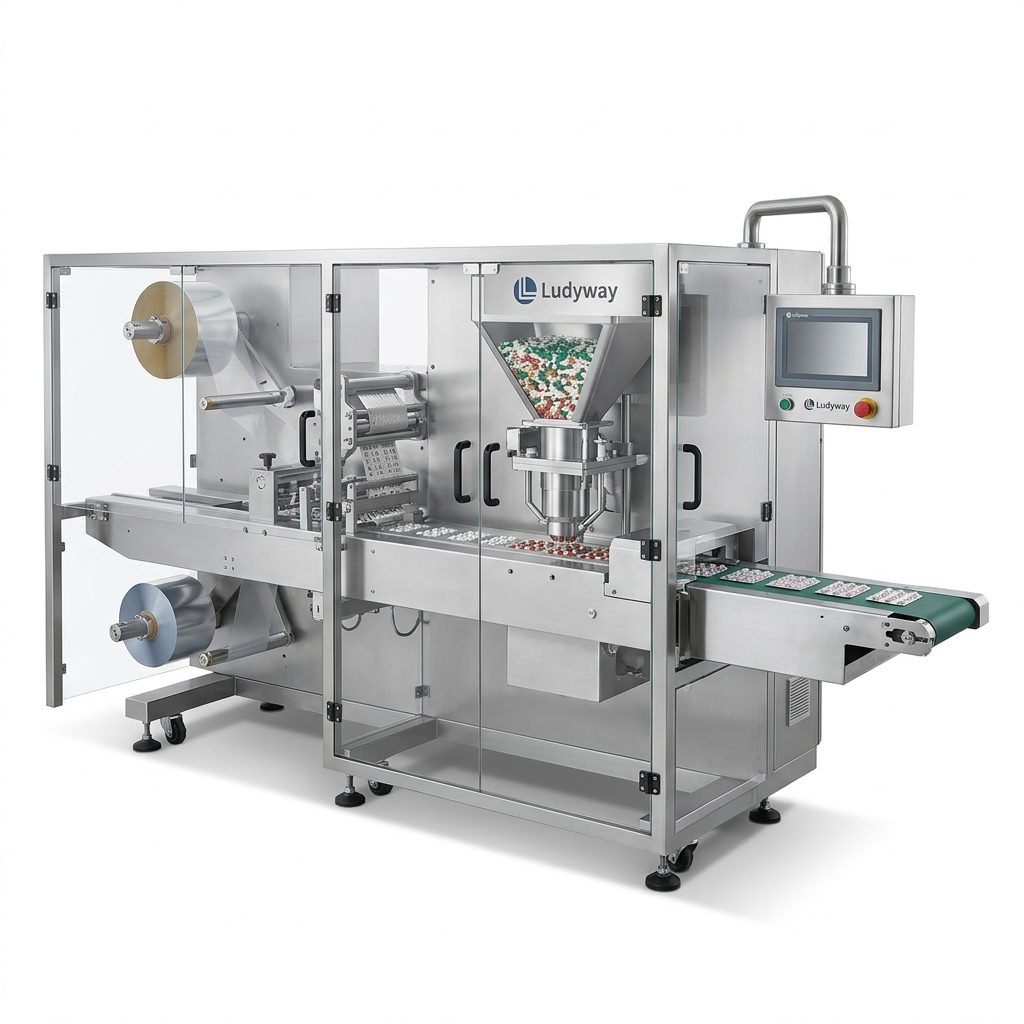
A tablet blister packing machine is an automated packaging system that forms cavities in plastic film, places tablets into those
cavities, seals them with lidding material such as aluminum foil, and then cuts the material into finished blister packs.
The machine is widely used in:
- Pharmaceutical manufacturing plants
- Nutraceutical and supplement factories
- Contract packaging facilities
- Hospital-dose and retail-dose production lines
Blister packaging is preferred because it offers unit-dose protection, clear product visibility when using transparent
forming film, and efficient handling during cartoning and distribution.
How a Tablet Blister Packing Machine Works
Although machine layouts differ by manufacturer and speed class, the basic workflow is similar across most pharmaceutical blister
lines.
1. Feeding the Forming Material
The machine unwinds a roll of forming film, usually PVC, PVDC, PET, PP, or aluminum-based material depending on barrier
requirements. The film moves into the forming station in a controlled and indexed motion.
2. Forming the Blister Cavities
At the forming station, the material is heated and shaped into pockets. This may be done by:
- Thermoforming – common for plastic films such as PVC/PVDC
- Cold forming – used for alu-alu blister packs requiring stronger barrier protection
Thermoforming is often faster and allows better product visibility, while cold forming delivers stronger protection against
moisture, light, and oxygen.
3. Tablet Feeding and Placement
Tablets are fed from a hopper into a feeder system, then guided into the formed pockets. Depending on tablet shape, size, and
line speed, machines may use brush feeders, vibratory feeders, dedicated channels, or custom product guides.
This step must be highly accurate because misfeeds, double fills, or broken tablets can lead to rejects and packaging waste.
4. Inspection Before Sealing
Many modern machines include vision inspection or missing-tablet detection systems. These check whether each cavity contains the
correct product before sealing takes place.
5. Sealing with Lidding Foil
After filling, the lidding material is unwound and aligned over the blister web. The machine then seals the foil to the formed
blister under controlled temperature, pressure, and dwell time.
Good sealing quality is essential for:
- Shelf-life stability
- Tamper evidence
- Leak prevention
- Readable batch and coding performance
6. Embossing, Coding, or Printing
Batch number, manufacturing date, expiry date, and other traceability data are typically printed or embossed during the process.
This supports GMP and product tracking requirements.
7. Cutting and Discharge
The sealed web is cut into individual blister cards or perforated strips. Finished packs are then discharged for manual collection
or transferred automatically to cartoning equipment.
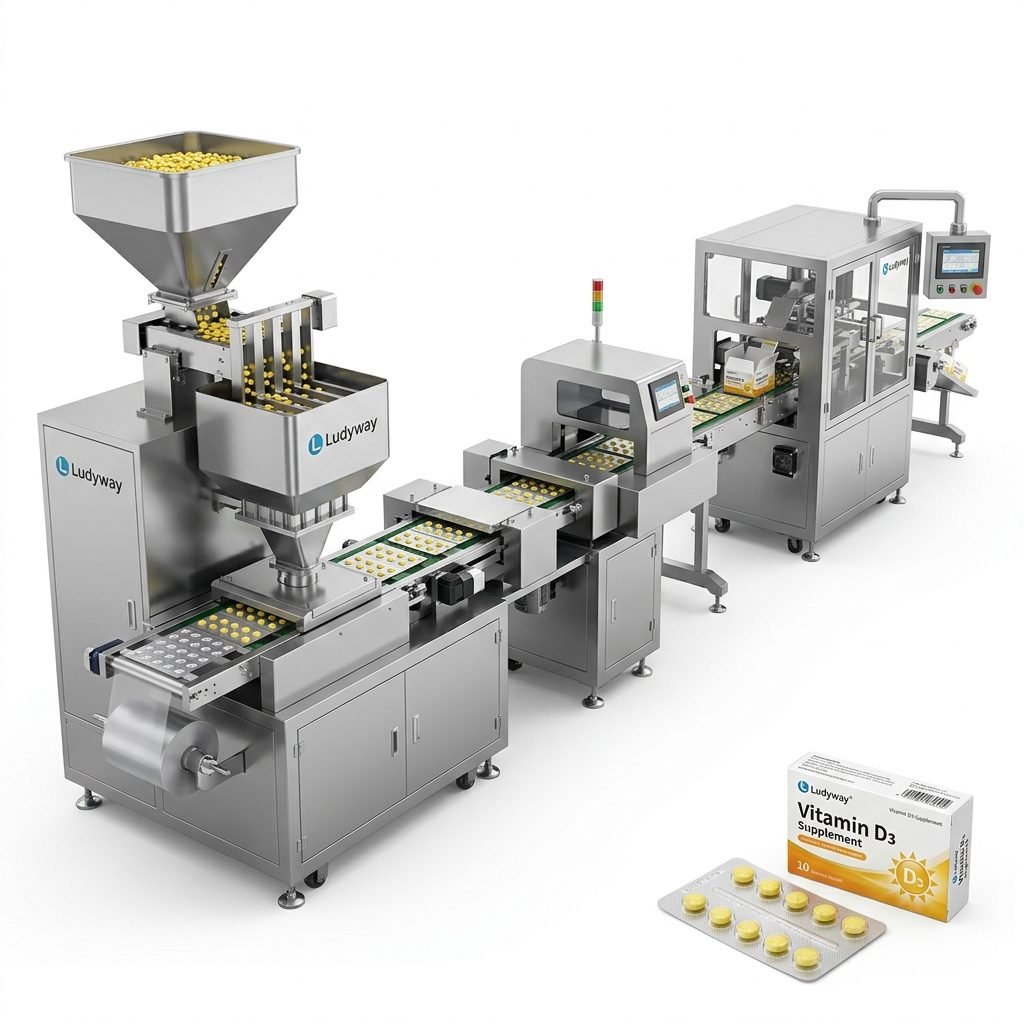
Main Components of a Tablet Blister Packaging Line
| Component | Function |
|---|---|
| Film unwinding unit | Feeds forming film and lidding foil into the machine |
| Forming station | Creates blister cavities by thermoforming or cold forming |
| Tablet feeder | Accurately places tablets into pockets |
| Inspection system | Detects missing, broken, or misplaced tablets |
| Sealing station | Bonds lidding foil to formed blister web |
| Coding unit | Prints batch, date, and traceability information |
| Punching/cutting station | Cuts finished blister packs into final format |
| Reject system | Removes defective packs from the line |
Key Features to Look For
High Filling Accuracy
Accurate tablet feeding reduces product loss, rejects, and quality complaints. This is especially important for coated tablets,
fragile tablets, mini tablets, and irregular shapes.
Stable Sealing Performance
Sealing consistency is one of the most critical indicators of machine quality. Uneven heat or pressure can lead to leaks, poor
barrier performance, and product recalls.
Fast Changeover
If your factory handles multiple SKUs, tooling change speed matters. A machine designed for quick format changes can significantly
improve overall equipment effectiveness.
GMP-Friendly Construction
The machine should be easy to clean, use pharmaceutical-grade contact materials, and offer a layout that supports hygienic
operation and validation requirements.
Servo Control and HMI Interface
A modern control system helps operators adjust parameters precisely, store recipes, reduce setup errors, and monitor alarms in
real time.
Vision Inspection and Reject Management
Integrated inspection can improve quality assurance and lower downstream packaging issues. For regulated industries, this feature
often becomes a practical necessity rather than an option.
Compatibility with Downstream Equipment
A blister machine should integrate smoothly with cartoners, checkweighers, coding units, case packers, and serialization systems.
Buyers planning future expansion should think beyond the standalone machine.
Types of Tablet Blister Packing Machines
| Type | Best For | Advantages |
|---|---|---|
| Thermoforming blister machine | Standard tablet products | Fast speed, lower material cost, clear product visibility |
| Cold forming blister machine | Moisture/light-sensitive tablets | Excellent barrier protection |
| Flat-plate blister machine | Pharma lines needing strong seal quality | Stable sealing, common in pharmaceutical applications |
| Roller-type blister machine | High-volume production | Higher speed and continuous operation potential |
| Integrated blister cartoning line | Large-scale automated factories | Reduced labor, better line automation, higher output |
Benefits of Using Blister Packaging for Tablets
- Product protection: shields tablets from humidity, light, oxygen, and contamination
- Unit-dose convenience: helps patients manage dosage correctly
- Tamper evidence: damaged or opened packs are easy to identify
- Longer shelf life: improved barrier performance supports stability
- Retail appeal: clean, organized presentation in pharmacies and stores
- Traceability: supports coding, serialization, and compliance workflows
Buying Guide: How to Choose the Right Machine
Define Your Product Characteristics
Start with the tablet itself. Size, shape, thickness, coating, hardness, friability, and sensitivity all affect machine selection.
A machine suitable for round tablets may need feeder adjustments for oblong or fragile products.
Choose the Right Packaging Material
If your tablets are highly sensitive to moisture or oxygen, alu-alu blister packaging may be more suitable than standard PVC/foil
structures. Material choice affects both machine design and running cost.
Match Speed to Real Production Needs
Do not focus only on maximum speed advertised in brochures. Look at stable production speed under your real product and packaging
conditions. A slightly slower but more stable machine may deliver better daily output.
Evaluate Format Flexibility
If your business handles many pack sizes, cavity layouts, or export SKUs, ask how fast tooling can be changed and how much
operator skill is required.
Check Validation and Compliance Support
Pharmaceutical buyers should confirm documentation availability, such as FAT/SAT support, IQ/OQ-related assistance, material
certificates, electrical drawings, and operating manuals.
Review Maintenance and Spare Parts Strategy
Long-term reliability depends not only on design quality but also on serviceability. Ask about wear parts, lead times, remote
support, and whether the supplier can provide local or international after-sales assistance.
Think About Full-Line Integration
Many buyers now prefer a machine supplier that can support broader packaging automation. If your future plan includes cartoning,
case packing, coding, inspection, or turnkey integration, selecting an experienced partner can save significant time later.
For companies evaluating broader pharmaceutical automation, Ludyway pharmaceutical packaging machines are often considered for projects requiring scalable equipment, customized configurations, and integrated packaging line support.
Questions to Ask Before You Buy
- What tablet sizes and shapes can the machine handle?
- Is it suitable for PVC, PVDC, and alu-alu blister materials?
- What is the stable operating speed with my actual product?
- How long does format changeover take?
- Does it include vision inspection and reject functions?
- Can it connect with cartoning and serialization systems?
- What documentation is available for GMP and validation support?
- How quickly can spare parts and technical service be provided?
Common Mistakes Buyers Should Avoid
- Choosing based only on price instead of total lifecycle value
- Ignoring barrier material compatibility
- Overestimating required speed and underestimating changeover frequency
- Skipping inspection features to reduce initial budget
- Not planning for downstream cartoning or coding integration
- Failing to test actual tablets during supplier trials
Who Should Invest in a Tablet Blister Packing Machine?
This type of equipment is ideal for:
- Pharmaceutical manufacturers producing tablet-based products
- Nutraceutical companies selling vitamins and supplements in retail packs
- CMOs and CDMOs handling multi-brand packaging orders
- Factories upgrading from manual or semi-automatic packaging
- Businesses building fully automated pharma packaging lines
Final Selection Checklist
| Checklist Item | Why It Matters |
|---|---|
| Tablet compatibility | Ensures smooth feeding and low reject rates |
| Material compatibility | Supports required barrier protection and packaging style |
| Production speed | Must fit current and future output goals |
| Inspection system | Improves quality and reduces downstream waste |
| Ease of cleaning | Supports GMP and shorter maintenance time |
| Changeover efficiency | Important for multi-SKU operations |
| After-sales service | Reduces downtime and protects long-term investment |
| Integration capability | Allows future expansion into complete packaging lines |
A well-chosen tablet blister packing machine does far more than seal tablets into cavities. It protects product quality, supports
compliance, improves packaging consistency, and creates a stronger foundation for pharmaceutical production growth. When comparing
machines, focus on stability, sealing quality, flexibility, inspection capability, and supplier support
rather than headline speed alone.