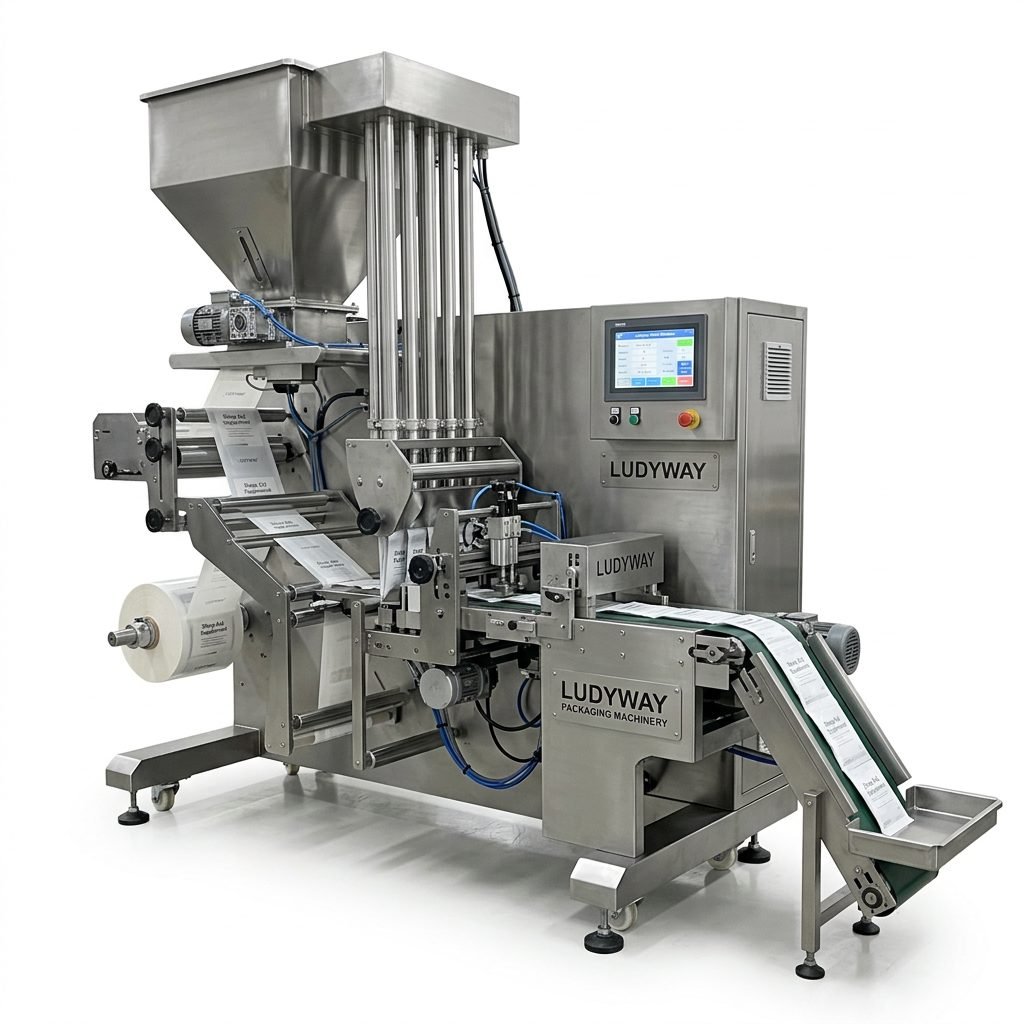
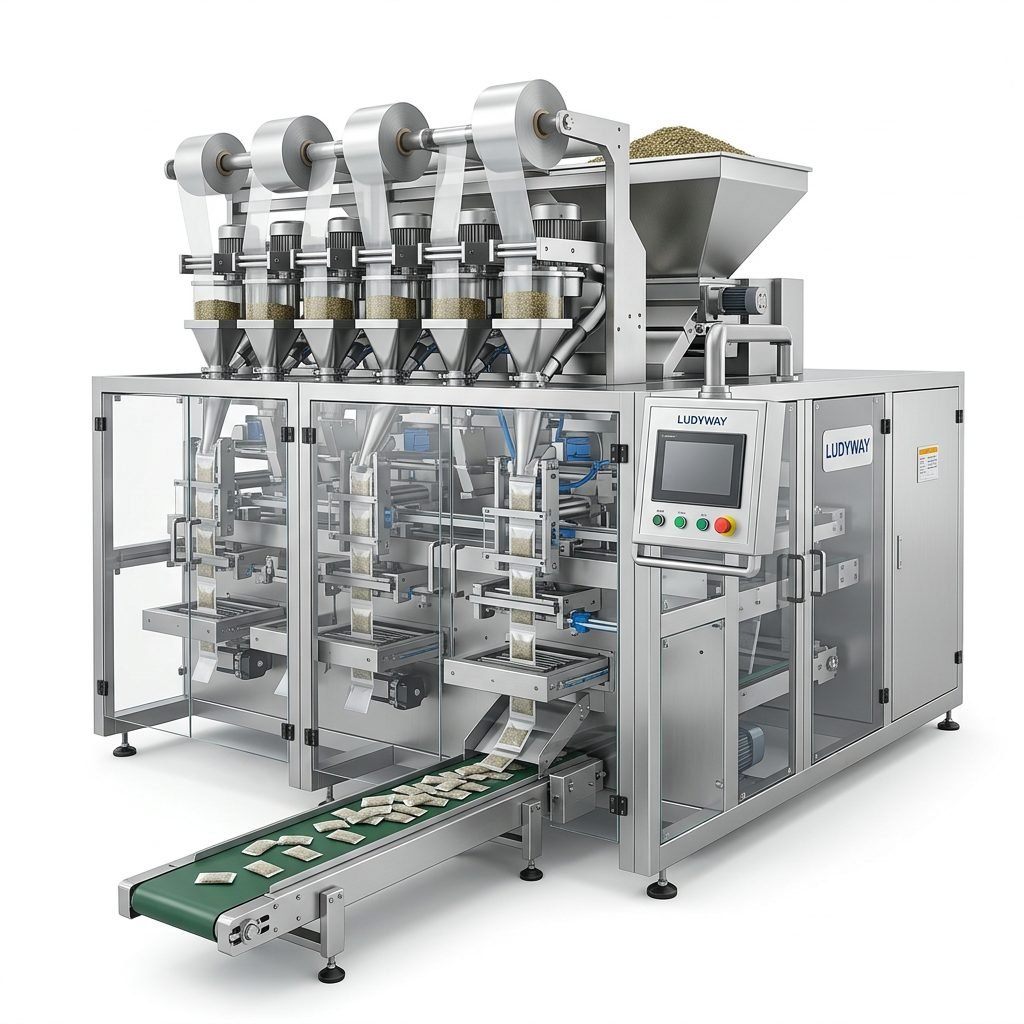
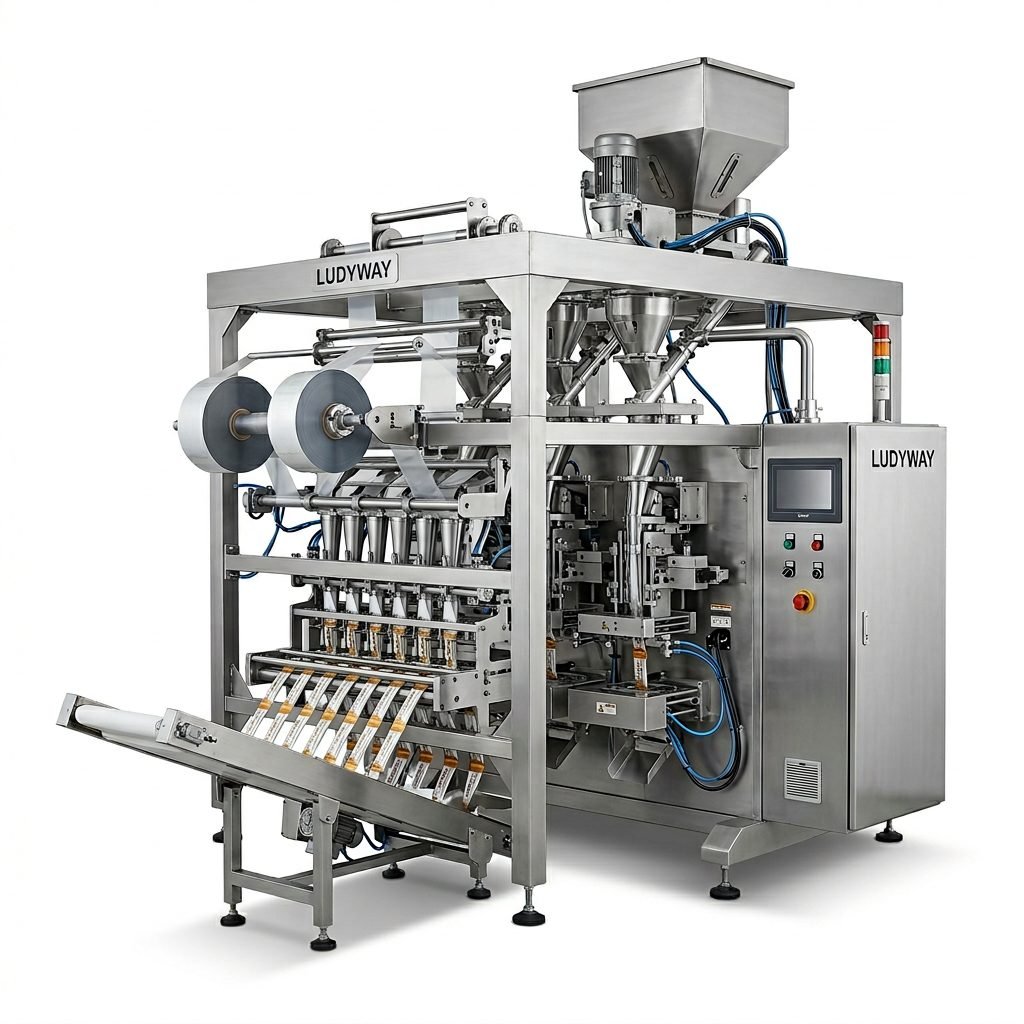
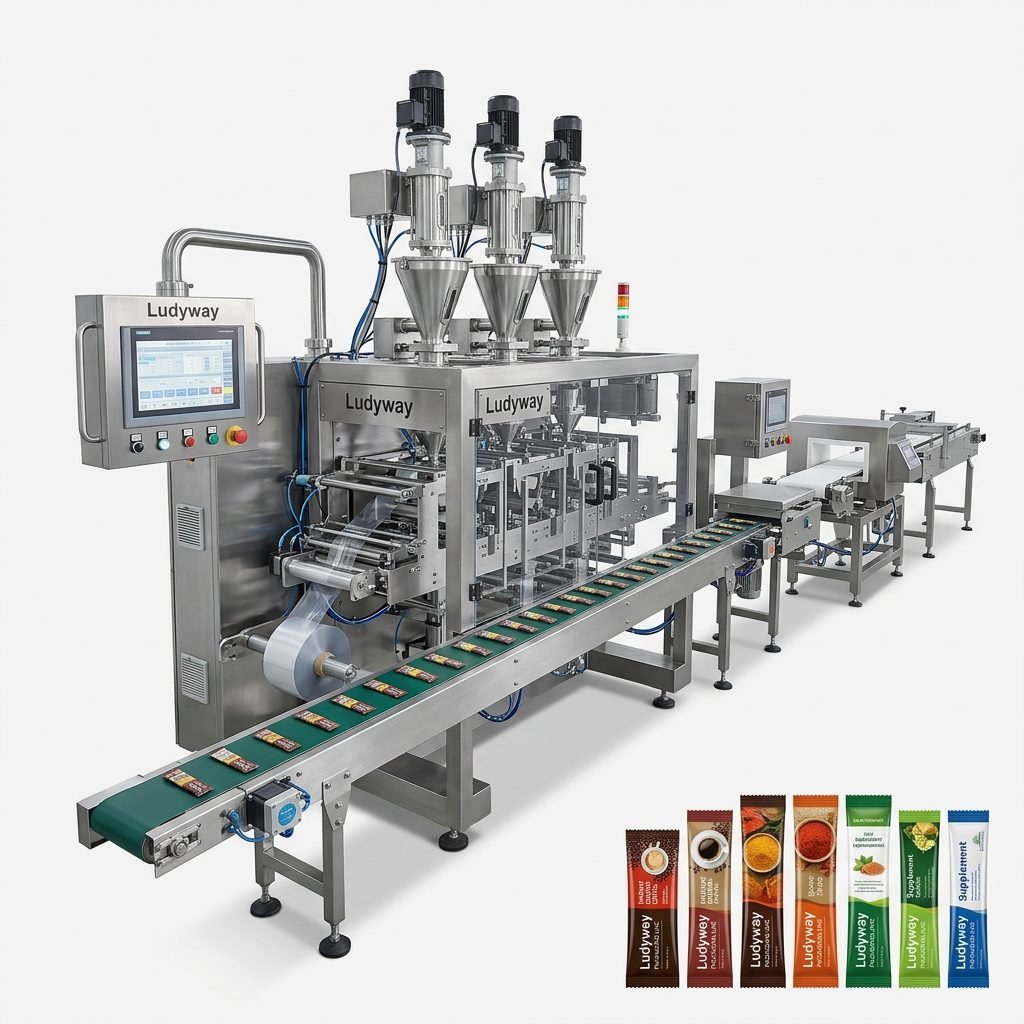
Investing in an agarbatti packing machine is a critical decision for incense manufacturers looking to scale production, improve efficiency, and maintain consistent product quality. With a wide range of machine types, speeds, and configurations available, choosing the wrong equipment can lead to costly downtime, inconsistent packaging, and missed market opportunities. This comprehensive buyer’s guide walks you through the essential factors to evaluate before making your purchase.
1. Understand Your Agarbatti Packaging Requirements
Before comparing machine specifications, start by clearly defining your production goals and packaging format. Agarbatti packaging varies significantly across markets — some manufacturers pack incense sticks in simple bundles, others require individual sachets, multi-pack boxes, or premium gift sets. Ask yourself:
- What is your target packaging format? Stick bundles, single-serve sachets, multi-lane stick packs, or carton-based packaging
- What is your required output? Sticks per minute or packs per hour
- What packaging materials will you use? Laminated film, polypropylene, paper-based wraps, or biodegradable materials
- Do you need additional functions? Coding, labeling, nitrogen flushing, or tamper-evident sealing
Mapping these requirements early helps narrow down machine categories and prevents overinvesting in unnecessary features — or underestimating the capacity you truly need.
2. Types of Agarbatti Packing Machines
The incense packaging machinery market offers several distinct machine categories, each suited to different production scales and packaging styles. Understanding these types is fundamental to making an informed choice.
| Machine Type | Best For | Speed Range | Key Advantage |
|---|---|---|---|
| Semi-Automatic Wrapping Machines | Small-scale manufacturers | 30–60 packs/min | Low initial investment, simple operation |
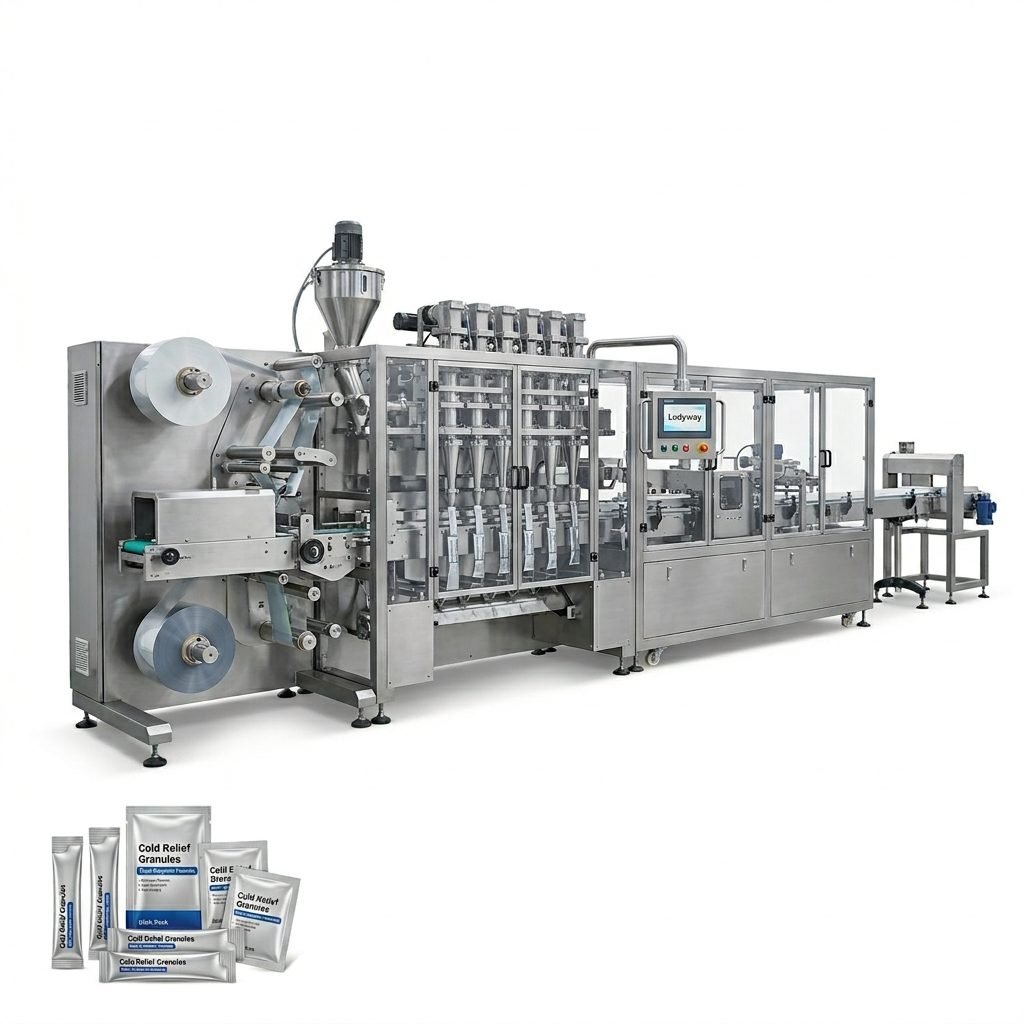
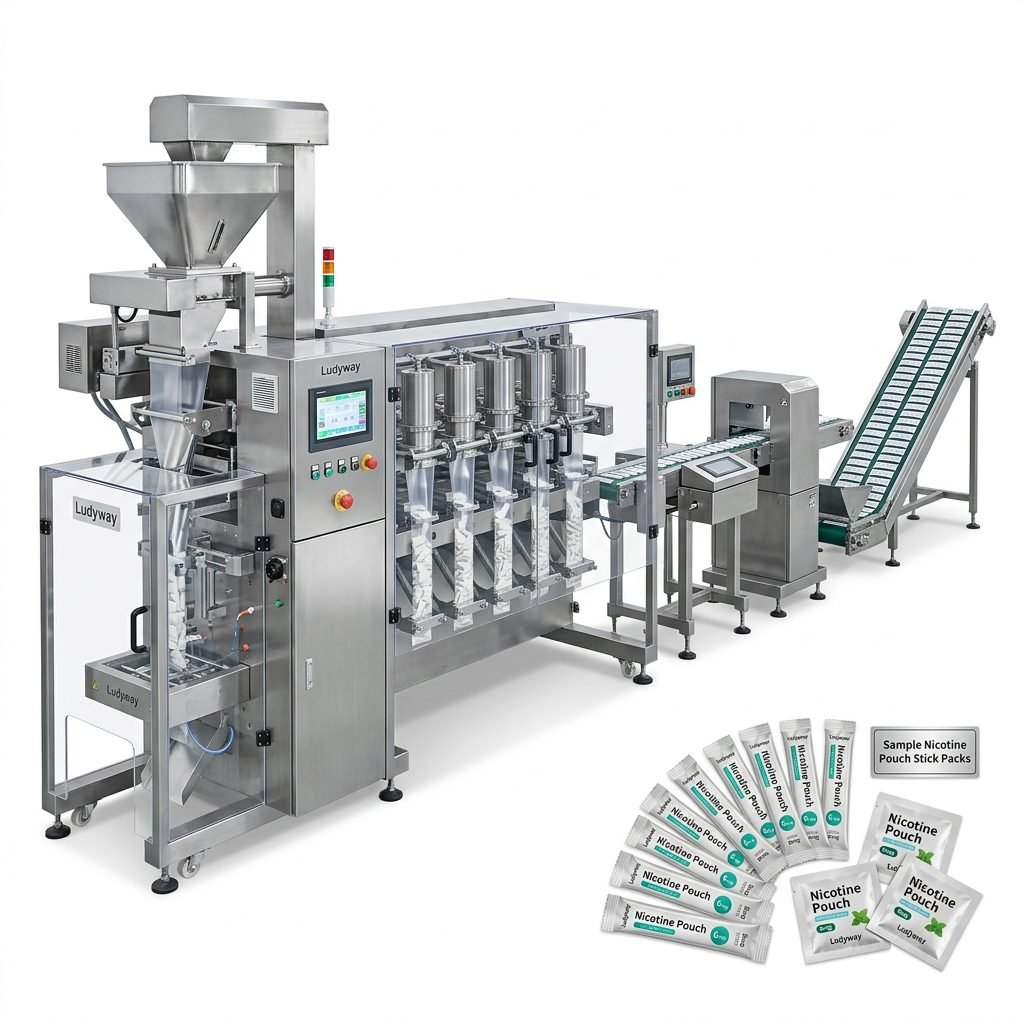
| Automatic Stick Pack Machines | Single-serve or travel-size packs | 80–400 packs/min | High-speed, precise filling, multi-lane options |
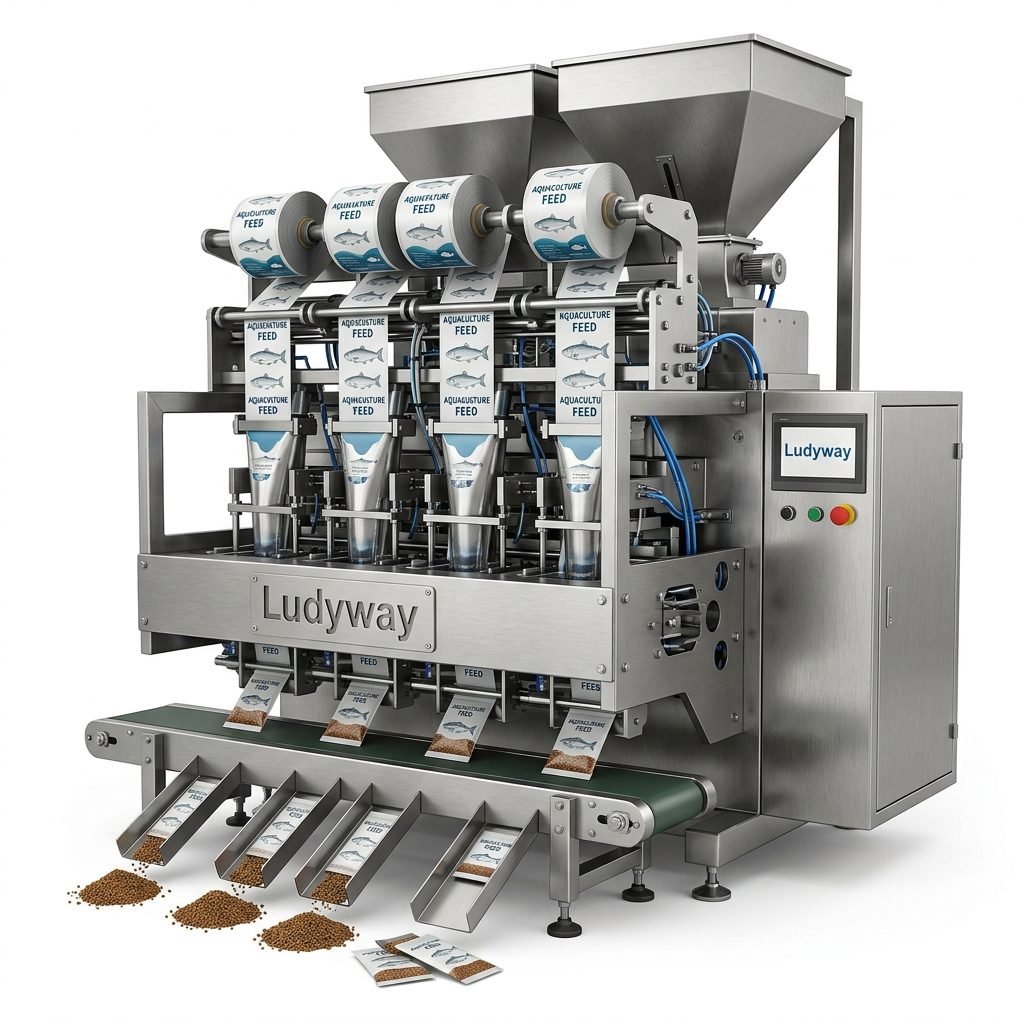
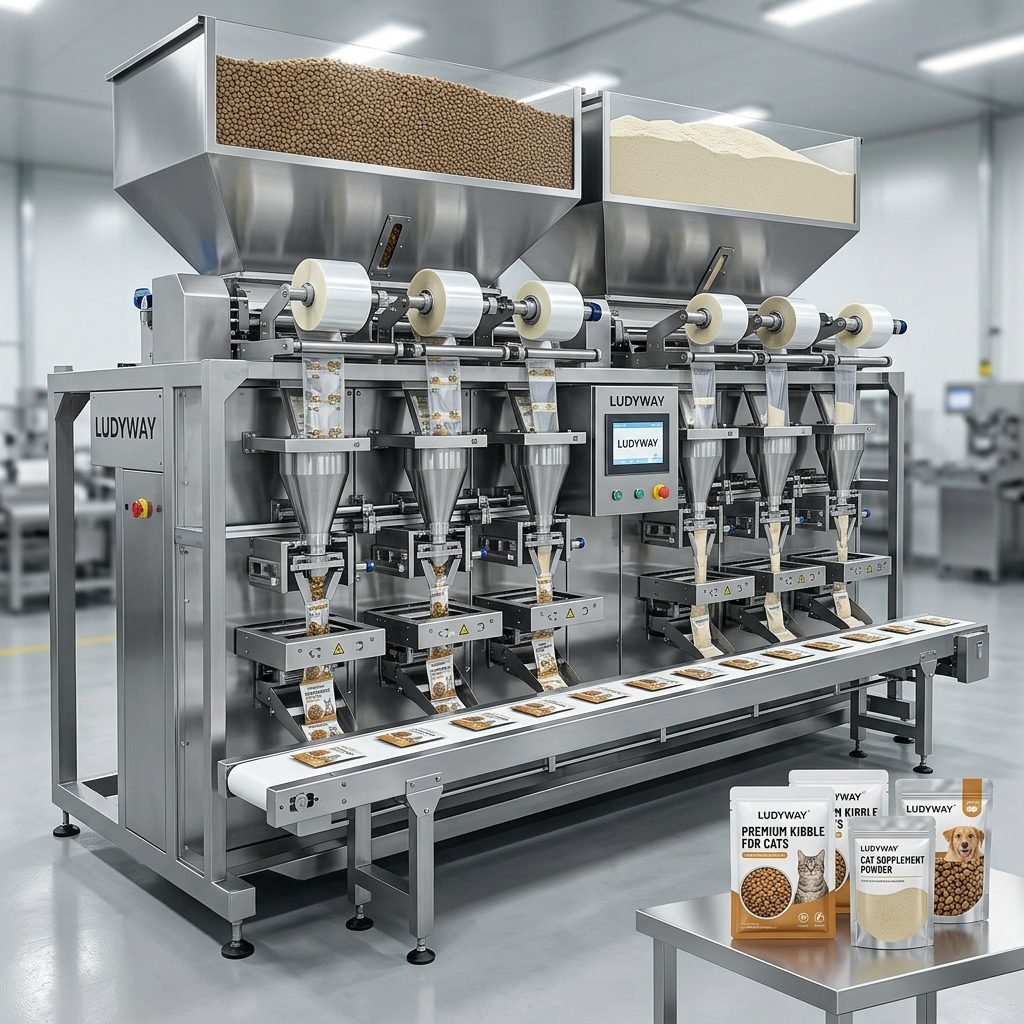
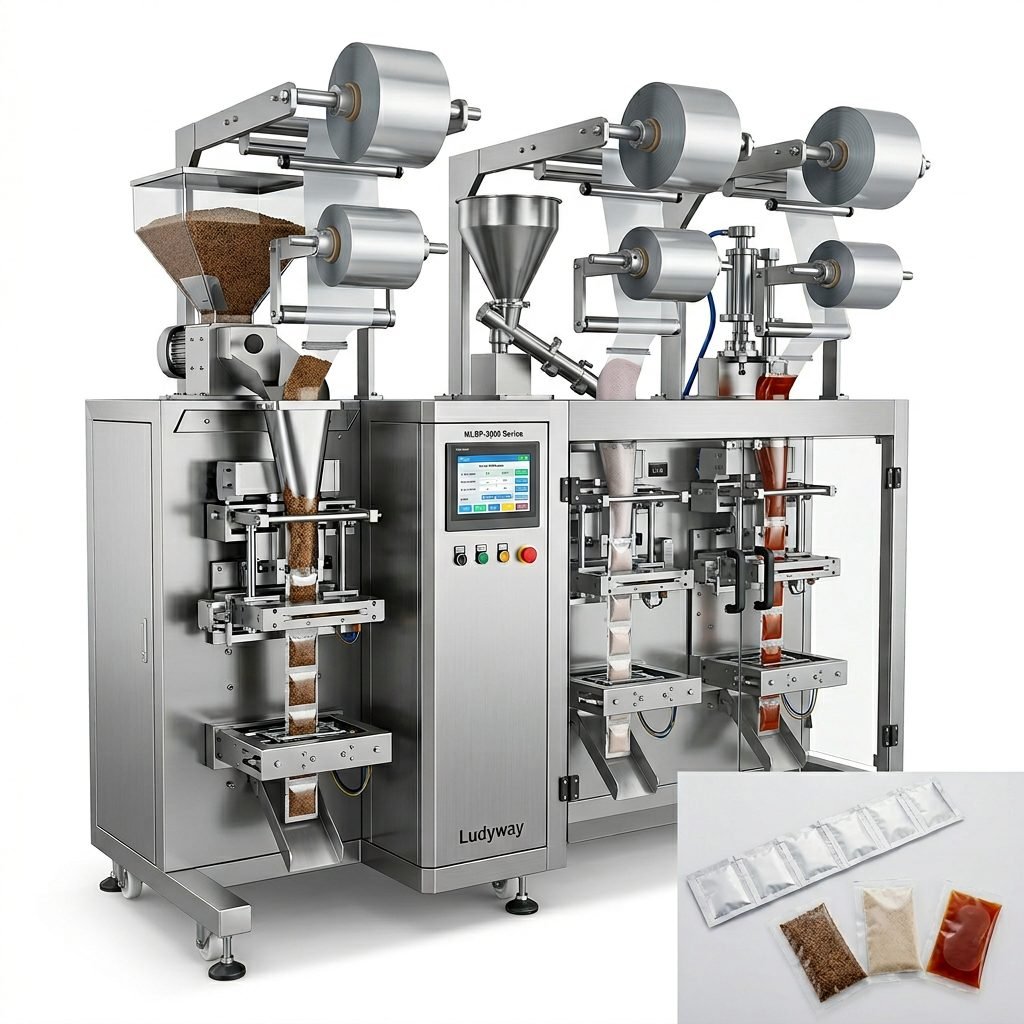
| Multi-Lane Sachet Machines | High-volume sachet production | Up to 800 packs/min | Maximum output for bulk markets |
| Flow Wrapping Machines | Bundled sticks with overwrap | 50–200 packs/min | Versatile, handles various bundle sizes |
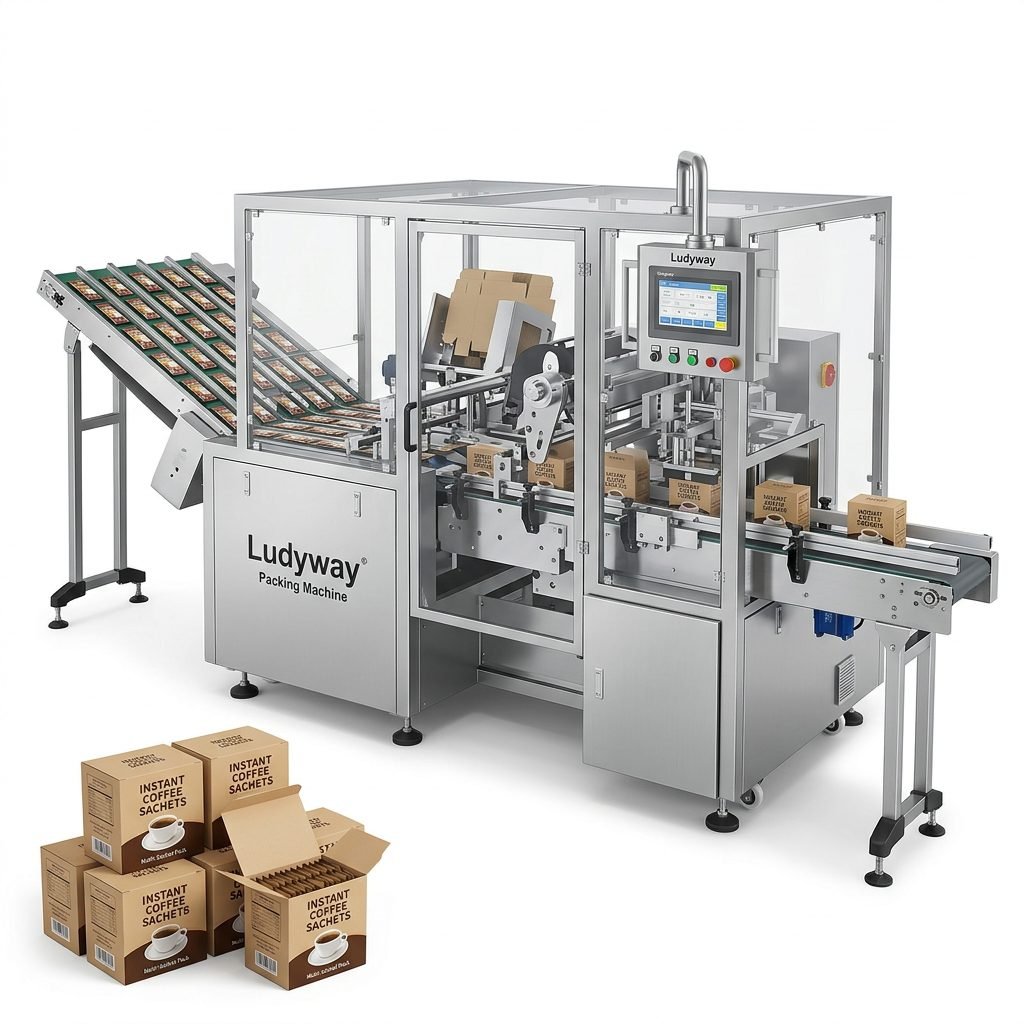
| Cartoning Systems | Boxed incense products | 30–120 cartons/min | End-to-end box forming, filling, and sealing |
3. Key Technical Specifications to Evaluate
Once you’ve identified the appropriate machine category, drill down into the technical details that directly impact performance and reliability. Overlooking these can lead to frequent downtime, material waste, and quality complaints.
Filling Accuracy and Dosing Technology
For agarbatti packaging, consistent dosing is essential — whether you’re packing individual sticks, counted bundles, or powdered incense cones. Look for machines equipped with servo-driven dosing systems, volumetric fillers, or auger filling mechanisms designed for your product form. Inaccurate filling leads to underweight complaints or excessive giveaways that erode margins. According to industry resources from PMMI — Packaging Industry Resources, modern servo-controlled filling systems can achieve accuracy rates of ±0.5% to ±1% depending on the product type.
Packaging Speed and Production Capacity
Match machine speed to your current and projected demand. Running a machine at maximum capacity continuously can accelerate wear, so factor in a 15–20% buffer above your peak requirement. Multi-lane machines can dramatically increase throughput — a 4-lane stick pack machine running at 100 cycles per minute effectively delivers 400 packs per minute. Review your growth projections for the next 3–5 years before finalizing capacity decisions.
Material Compatibility and Flexibility
Agarbatti packaging uses a variety of materials — from basic LDPE wraps to multi-layer laminates with barrier properties for fragrance retention. Verify that the machine’s sealing temperature range, jaw design, and film unwinding system are compatible with your chosen materials. If you plan to switch between different packaging formats or material types in the future, prioritize machines with quick-changeover features and minimal tooling requirements. The Flexible Packaging Association provides valuable guidance on packaging material selection for different product requirements.
4. Automation Level and Integration
Your current workforce situation and long-term automation strategy should heavily influence machine selection. Consider these automation tiers:
- Manual loading with auto wrapping: Operator places bundles manually, machine wraps and seals — suitable for artisanal producers
- Semi-automatic with assisted feeding: Partial automation with some manual handling — balances cost and output
- Fully automatic inline systems: Integrated feeding, counting, wrapping, coding, and cartoning — ideal for large-scale manufacturing
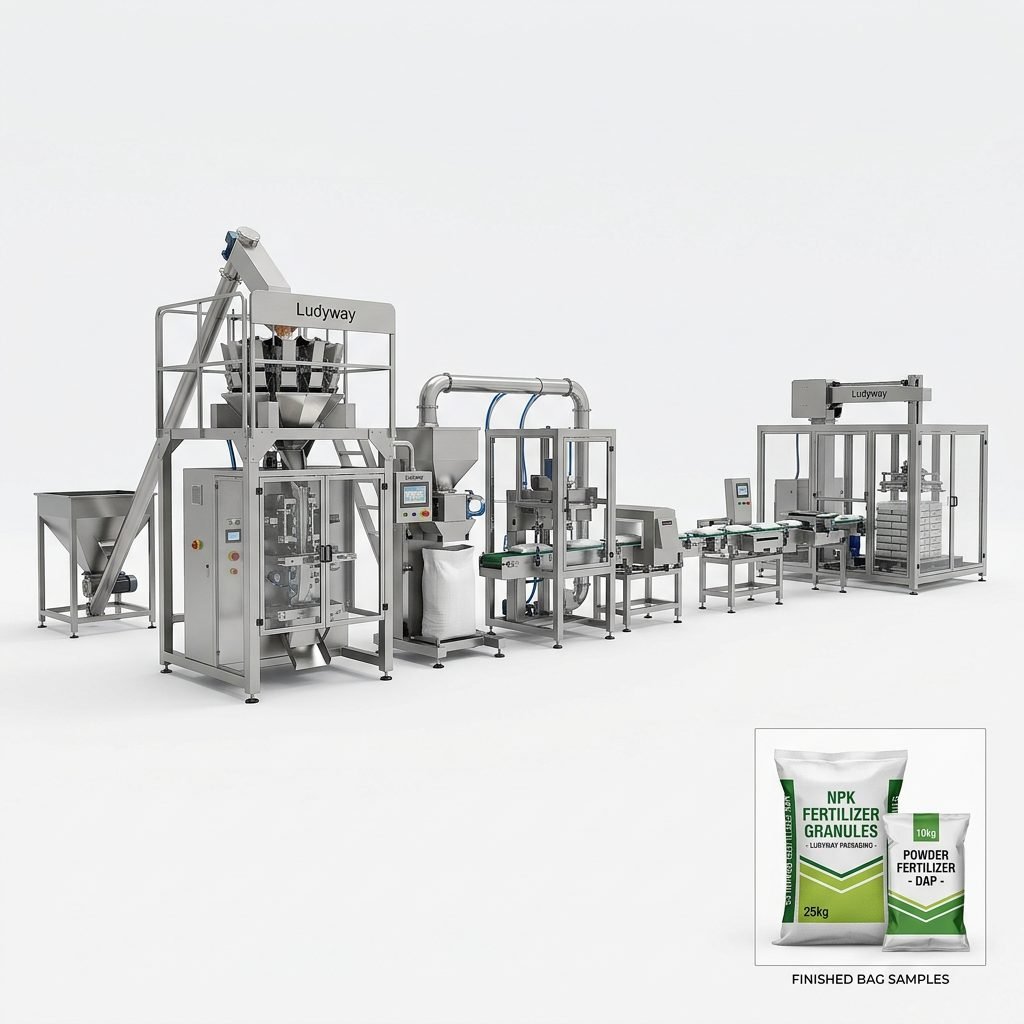
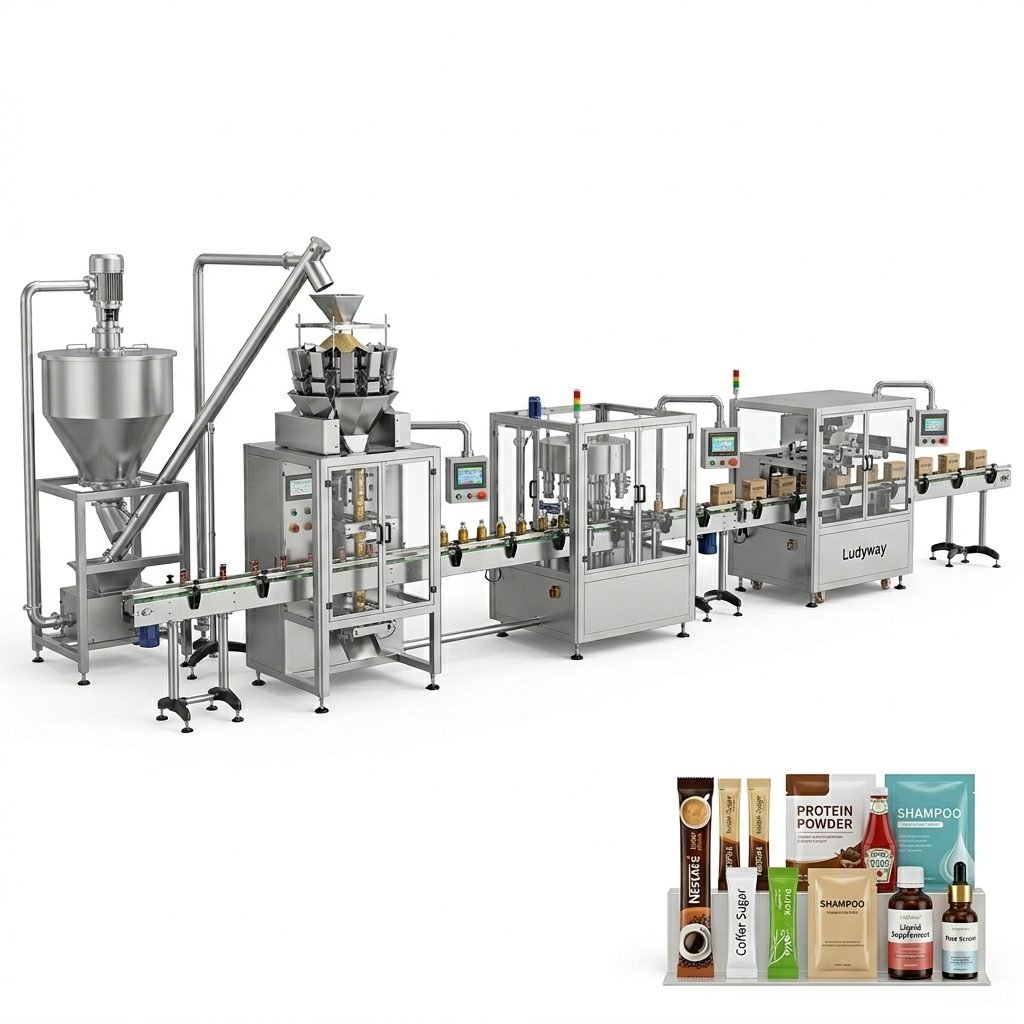
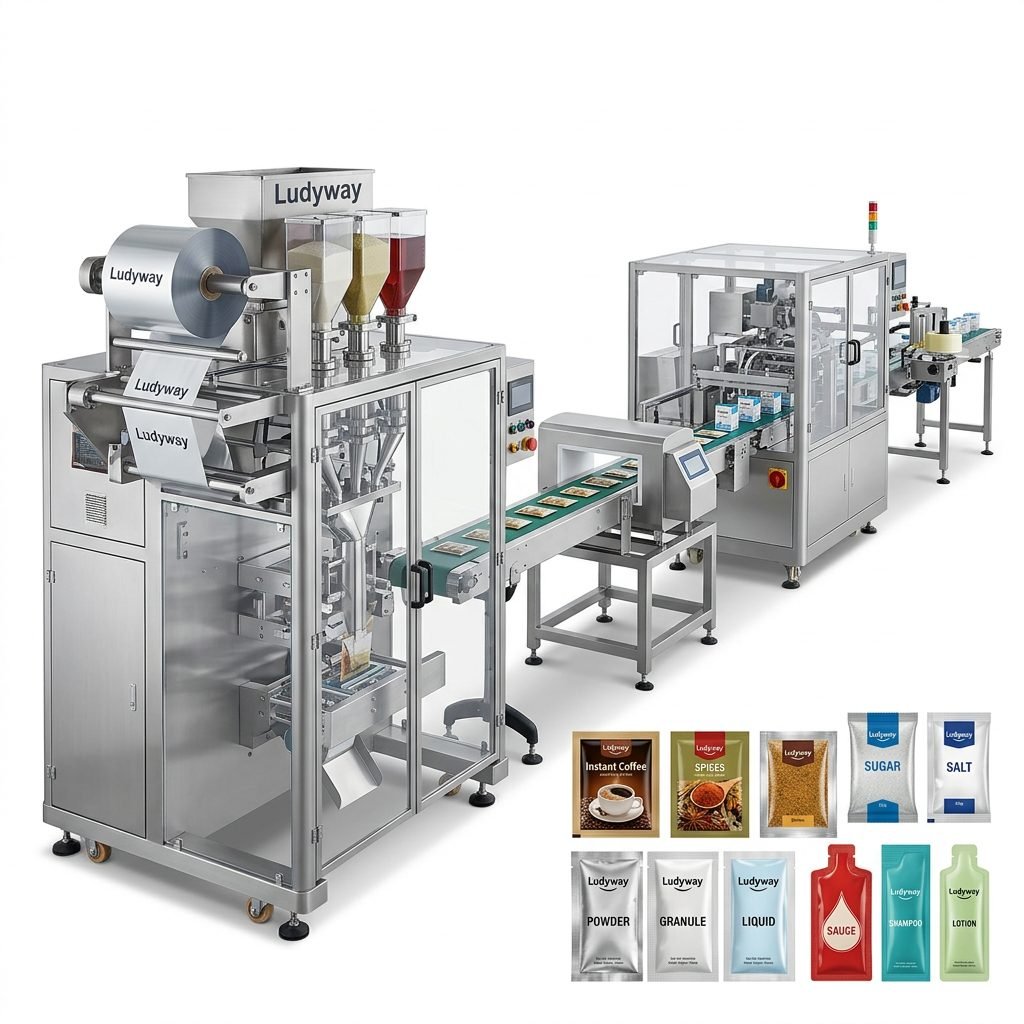
- Turnkey packaging lines: Complete packaging machinery solutions from dosing to palletizing — maximum efficiency for high-volume exporters
If you’re considering connecting multiple machines into a synchronized line, evaluate the communication protocols (such as Ethernet/IP or Modbus) and whether the supplier can provide integrated line control systems.
5. Quality, Safety, and Compliance Standards
For manufacturers exporting agarbatti to regulated markets such as the EU, North America, or Japan, compliance with international standards is non-negotiable. Look for machines built with CE certification, food-grade contact materials (if applicable), and designs that support Good Manufacturing Practices. Critical compliance considerations include:
- Electrical safety certifications (CE, UL, or equivalent)
- Stainless steel construction for product contact surfaces
- Compatibility with packaging materials that meet FDA food packaging regulations if incense is stored near food products
- Dust-proof and moisture-resistant electrical enclosures
- Emergency stop systems and safety guarding
Packaging standards such as those outlined by ISO packaging standards provide reference frameworks for quality assurance and material selection.
6. Total Cost of Ownership and ROI Analysis
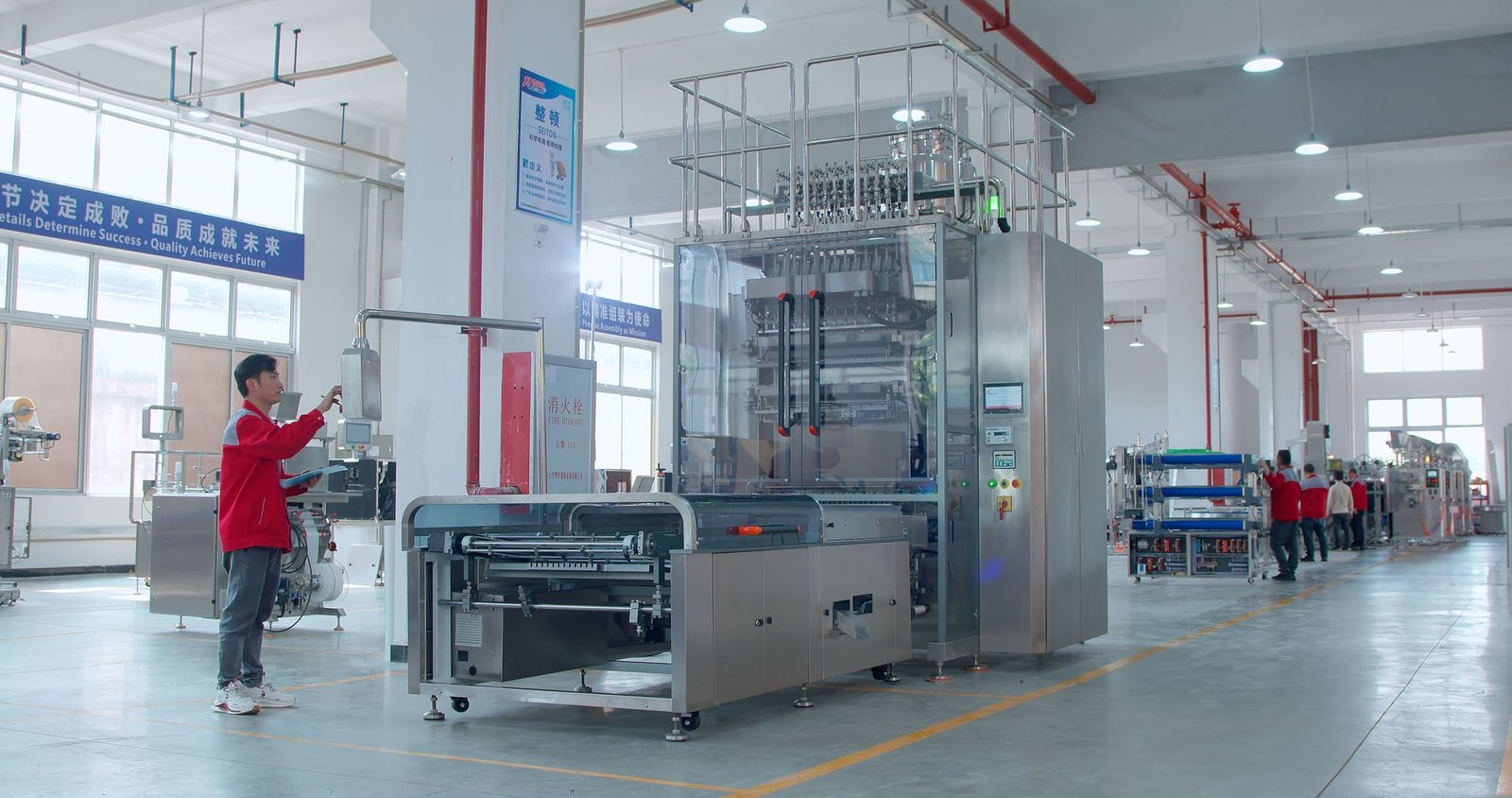
Purchase price is just one element of the total cost equation. A comprehensive cost analysis should account for:
- Initial investment: Machine cost, freight, import duties, installation, and commissioning
- Operational costs: Energy consumption, compressed air requirements, labor, and packaging material waste rates
- Maintenance and spare parts: Availability, lead times, and costs for wear components like sealing jaws, belts, and sensors
- Training and learning curve: Operator training time and the impact on early production efficiency
- Downtime risk: Expected equipment reliability and the availability of remote or local technical support
A machine priced 20% lower upfront could cost significantly more over five years if spare parts are expensive, support is inaccessible, or material waste rates are high. Calculate the projected return on investment (ROI) based on labor savings, increased throughput, reduced waste, and consistent quality that commands better pricing.
7. Supplier Evaluation Criteria
Choosing the right supplier is as important as choosing the right machine. Evaluate potential partners on these dimensions:
- Industry experience and track record: Years in packaging machinery manufacturing, relevant case studies, and client references in the incense or similar dry-product sectors
- Customization capability: Can the supplier adapt machine specifications to your unique product dimensions and packaging format?
- Technical support infrastructure: Do they offer installation support, operator training, remote diagnostics, and responsive after-sales service?
- Spare parts availability: Can they supply critical spare parts within acceptable timeframes for your region?
- Global presence: For exporters, a supplier with international service experience and multi-language support adds significant value
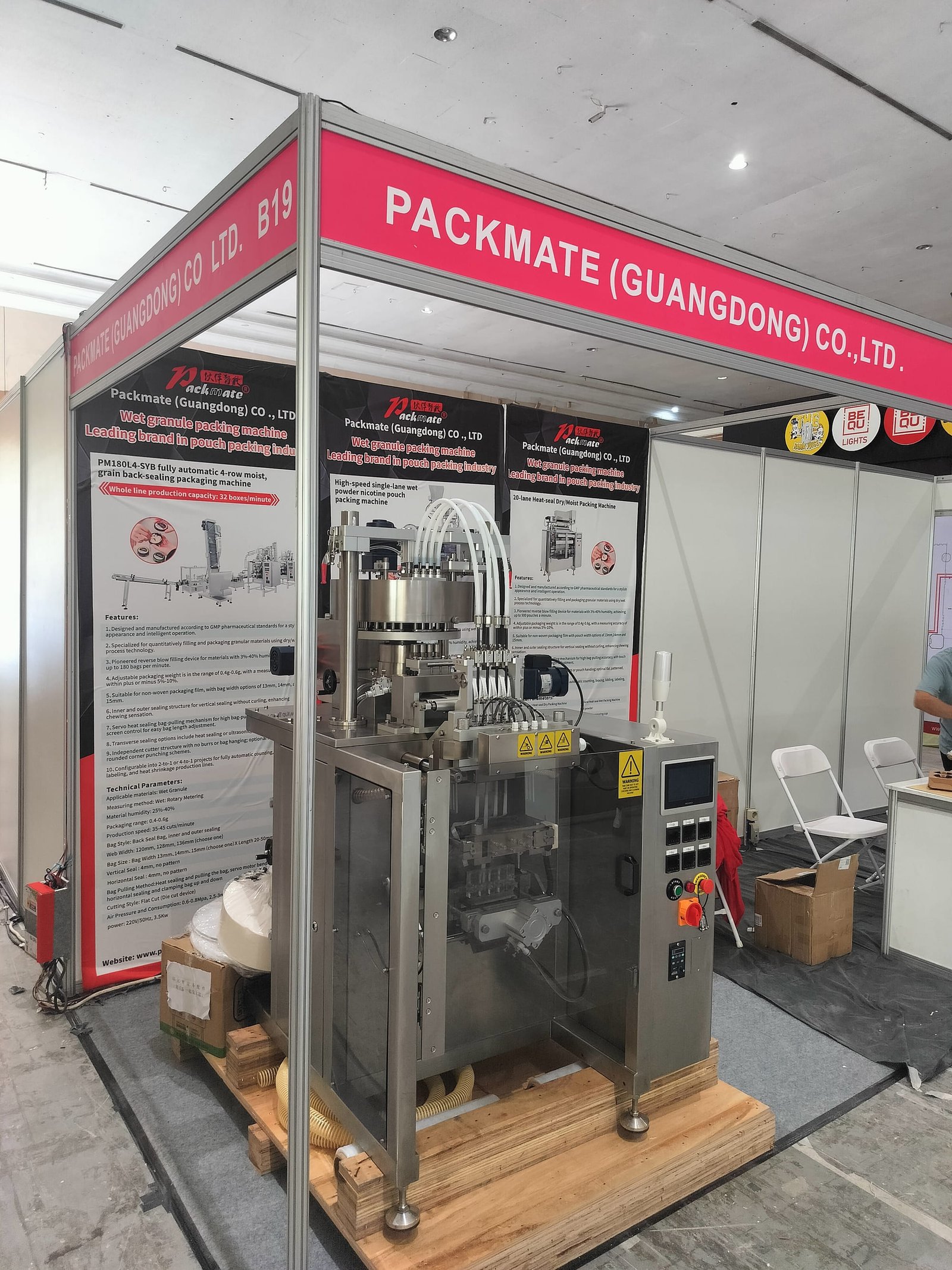
For example, Ludyway Machinery — a China-based packaging machinery manufacturer with over 30 years of experience — provides customized packaging solutions, engineering support, and global service coverage to manufacturers in more than 100 countries, helping companies configure equipment that matches their product characteristics and production targets.
8. Installation, Commissioning, and After-Sales Support
A packaging machine represents a significant capital investment, and its long-term value depends heavily on proper installation and ongoing support. When discussing terms with suppliers, clarify these points:
- Will technical engineers be available for on-site installation and commissioning?
- What operator training is provided, and is it conducted on-site or remotely?
- What is the standard warranty period, and what does it cover?
- How are remote troubleshooting and diagnostic services structured?
- What is the typical lead time for critical spare parts to your location?
- Is there a structured preventive maintenance program recommendation?
Reference resources like PMMI state of the industry reports often highlight that after-sales service quality is one of the top three decision factors for packaging machinery buyers globally.
9. Future-Proofing Your Investment
Packaging trends evolve — sustainable materials, smart packaging, and e-commerce-ready formats are reshaping requirements across industries. When selecting an agarbatti packing machine, consider these forward-looking factors:
- Material adaptability: Can the machine run biodegradable or recyclable films without major retrofits?
- Modular design: Can additional lanes, feeders, or inspection modules be added later?
- Industry 4.0 readiness: Does the machine support data collection, OEE monitoring, and integration with manufacturing execution systems?
- Changeover flexibility: How quickly can the machine switch between different stick lengths, bundle counts, or packaging styles?
Investing in a machine with modular architecture and upgrade pathways can extend its useful life and protect against rapid obsolescence. For guidance on sustainable packaging trends, the European Commission’s packaging waste regulations provide insight into evolving material requirements in key markets.
10. Making the Final Decision
After evaluating all factors, compile your findings into a structured comparison. If possible, visit supplier facilities, request sample runs with your actual products and materials, and speak directly with existing customers in the incense industry. A machine that performs well in a demonstration might behave differently with your specific agarbatti dimensions, fragrance oils, or environmental conditions.
Remember that the right agarbatti packing machine is not necessarily the most expensive or the fastest — it’s the one that aligns most closely with your production realities, growth plans, budget constraints, and quality objectives. Taking a methodical, requirements-driven approach to selection helps ensure your investment delivers consistent value for years to come.
Frequently Asked Questions
What is the typical lead time for an agarbatti packing machine?
Lead times vary by machine complexity, customization level, and manufacturer location. Standard semi-automatic machines may ship within 4–6 weeks, while customized multi-lane systems or turnkey lines can require 10–16 weeks or more, including design, assembly, testing, and shipping.
Can the same machine handle both stick and cone incense packaging?
Some machines with adjustable feeding systems and quick-change tooling can accommodate both formats, but this depends on the specific design. If you plan to run multiple product types, explicitly discuss changeover requirements with the supplier before purchasing.
How do I ensure consistent sealing quality for fragrance-retaining films?
Consistent sealing depends on precise temperature control, uniform jaw pressure, and correct dwell time. Look for machines with PID temperature controllers, adjustable pressure settings, and servo-driven sealing mechanisms. Testing with your actual film material is strongly recommended.
What maintenance is required for long-term reliability?
Routine maintenance typically includes cleaning sealing jaws, inspecting and replacing wear parts such as belts and bearings, lubricating moving components, and periodically recalibrating sensors and dosing systems. Following the manufacturer’s maintenance schedule is essential for maximizing machine lifespan.
Is operator training typically included with the machine purchase?
Most reputable suppliers include operator training as part of the installation and commissioning process. The scope can range from basic operation to comprehensive training covering troubleshooting, changeovers, and routine maintenance. Clarify training details and whether refresher sessions or remote support are available post-installation.