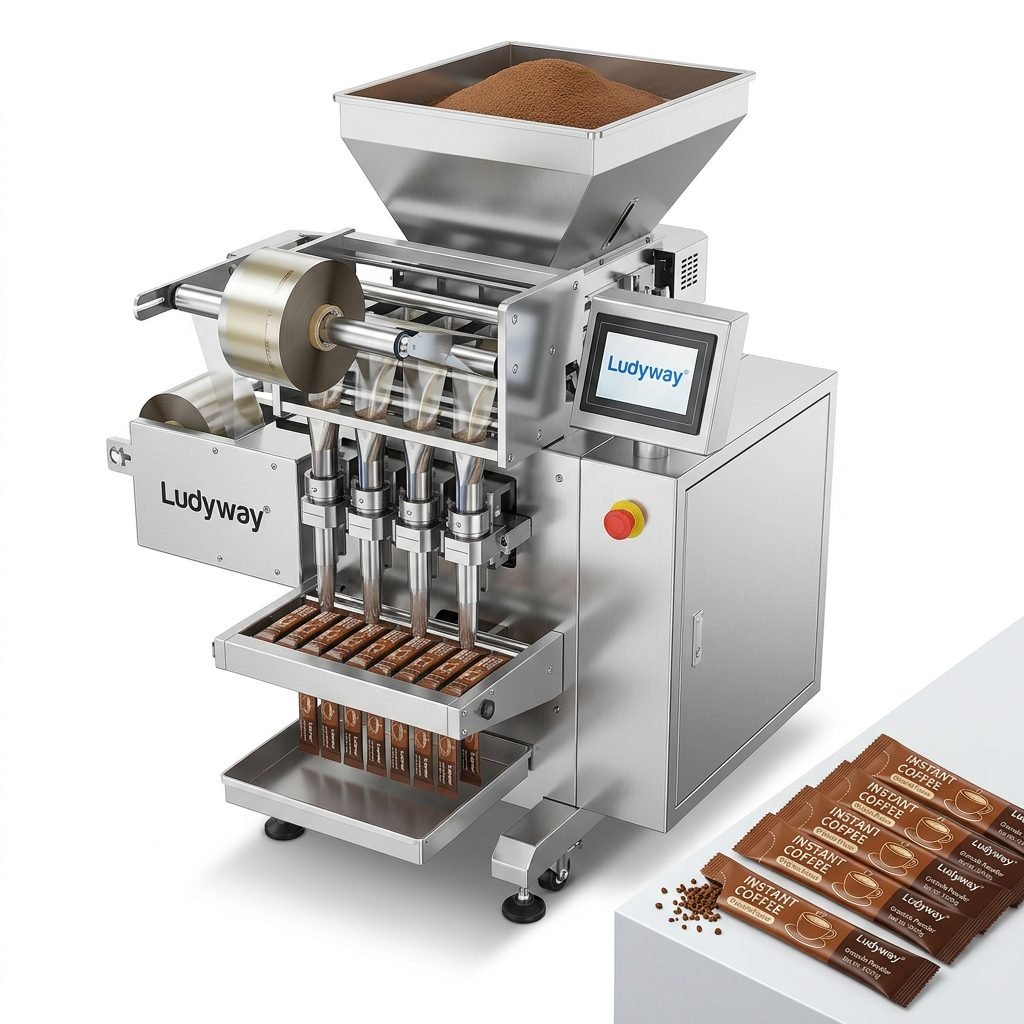
The Italian food processing sector is renowned for its commitment to quality and tradition, from artisan pasta to gourmet coffee. As demand for convenience and shelf-stable products surges, selecting the right food powder packaging machine becomes a critical investment for producers. This guide explores the technical, regulatory, and commercial factors you need to evaluate before purchasing powder packaging equipment for the Italian market.
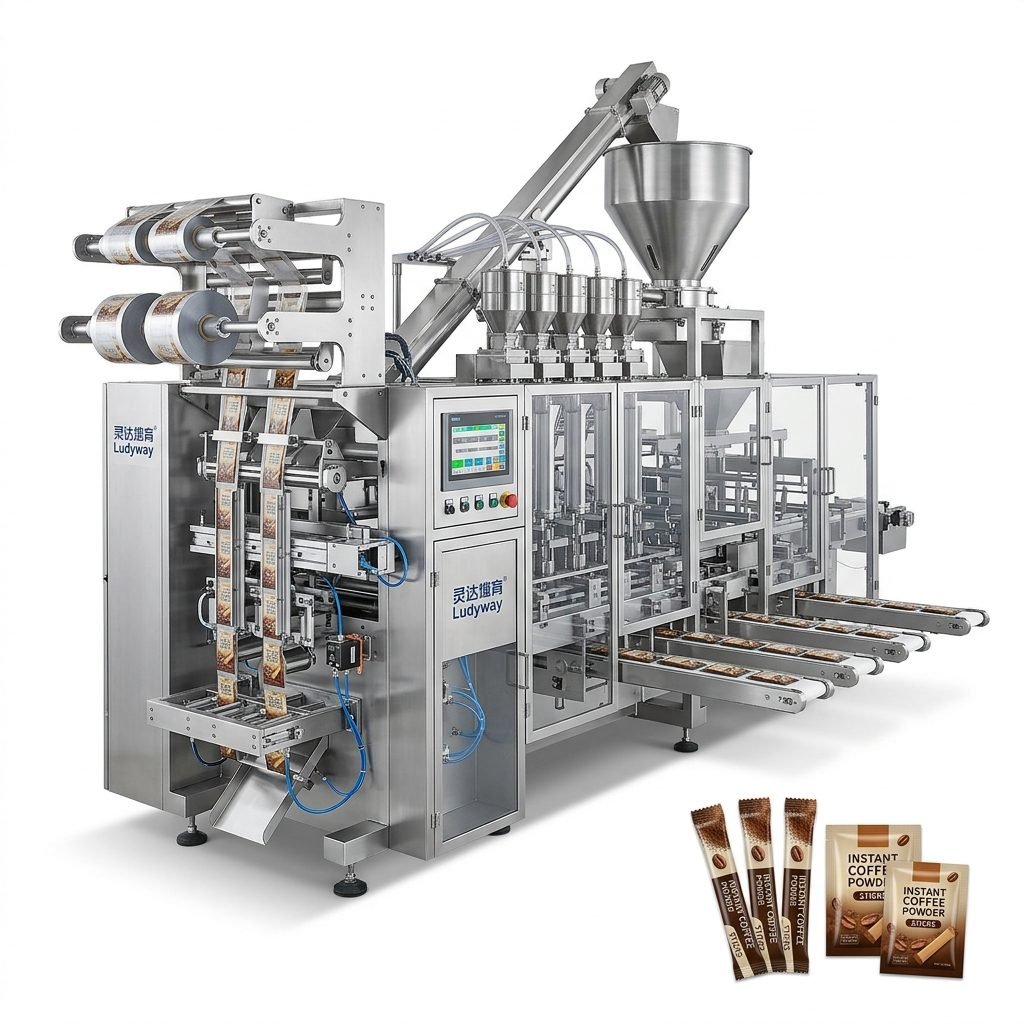
Understanding the Food Powder Packaging Landscape in Italy
Italy’s food industry is characterized by a mix of large-scale multinational producers and regional specialty manufacturers. Products like powdered coffee, protein supplements, baking mixes, and dried seasonings all require precise, hygienic packaging solutions. The trend toward single-serve sachets and stick packs is accelerating, driven by consumer demand for portion control and on-the-go consumption. Flexible packaging continues to dominate this segment due to its material efficiency and extended shelf life capabilities.
Types of Powder Packaging Machinery
Choosing the correct machine configuration depends entirely on your production volume, powder characteristics, and target packaging format. Below are the primary categories available for food powder processing.
| Machine Type | Best Suited For | Key Advantage |
|---|---|---|
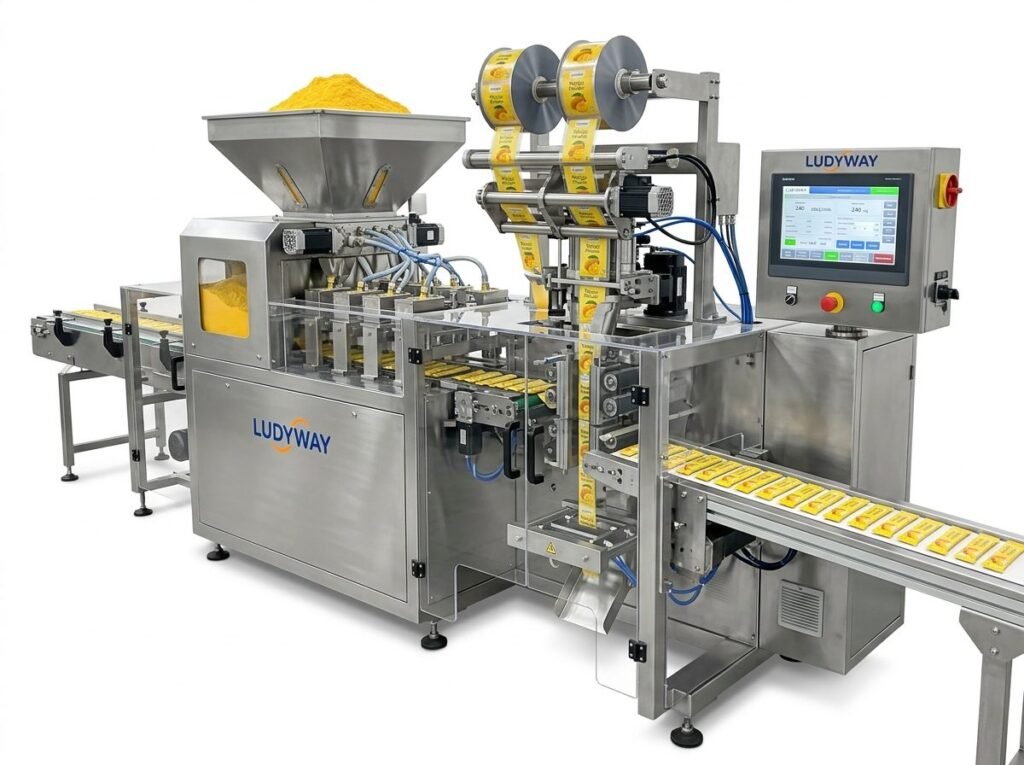
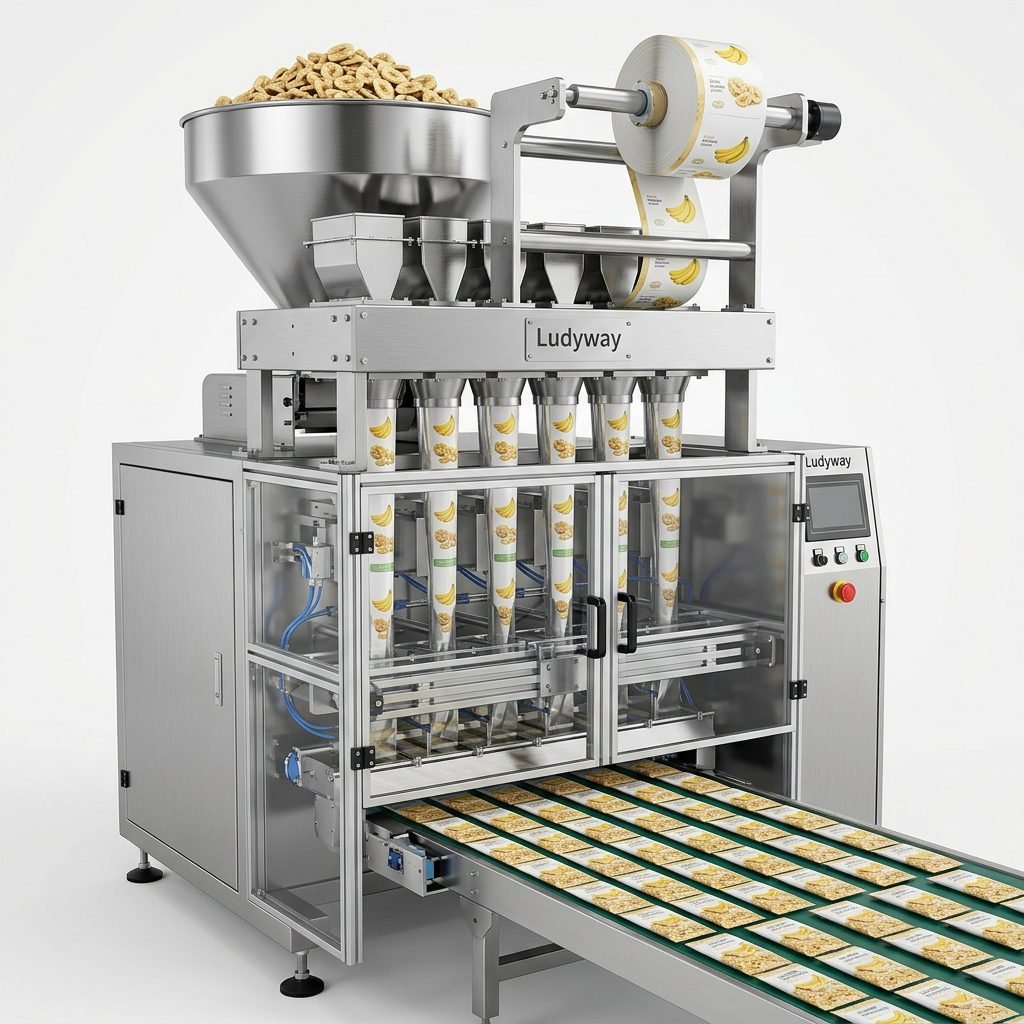
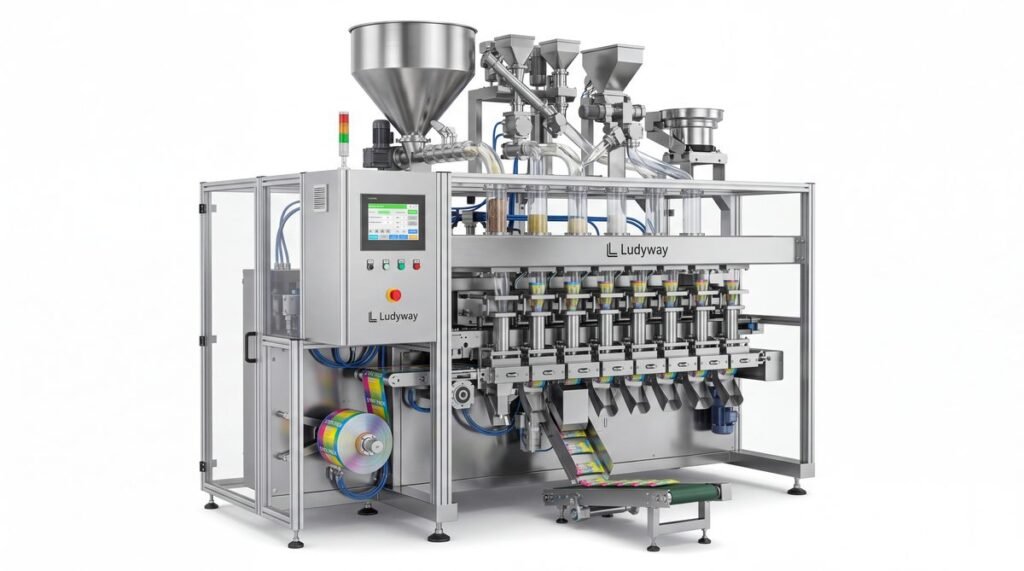
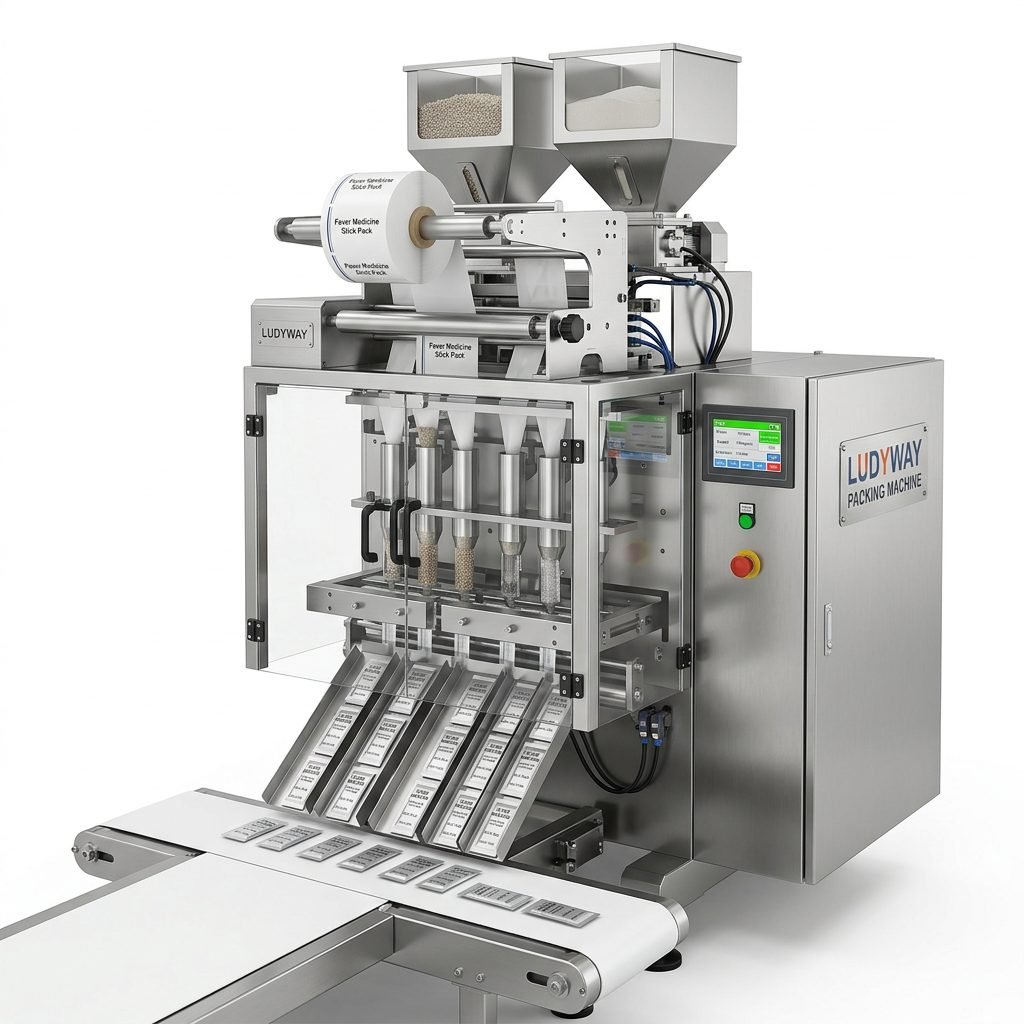
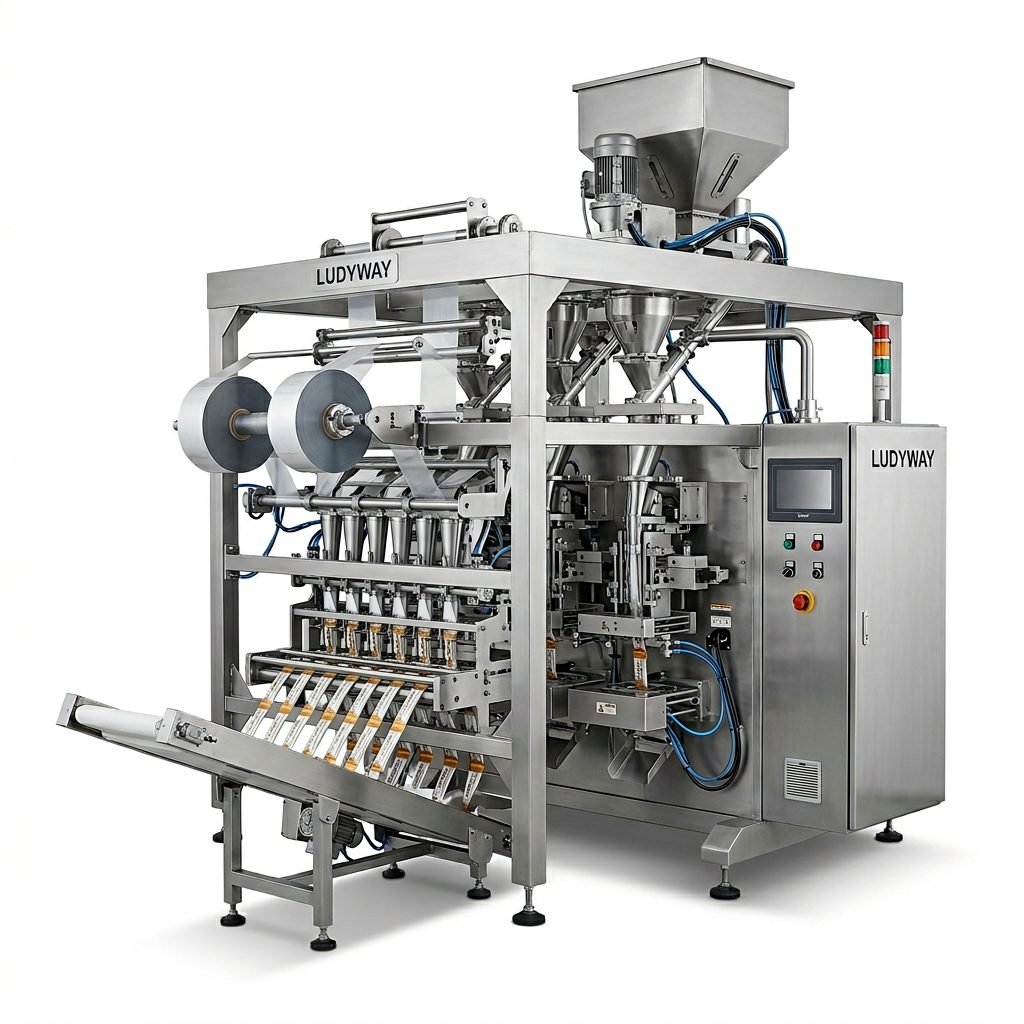
| Multi-Lane Stick Pack Machines | Coffee, sugar, protein powder, drink mixes | High-speed output with precise portion control |
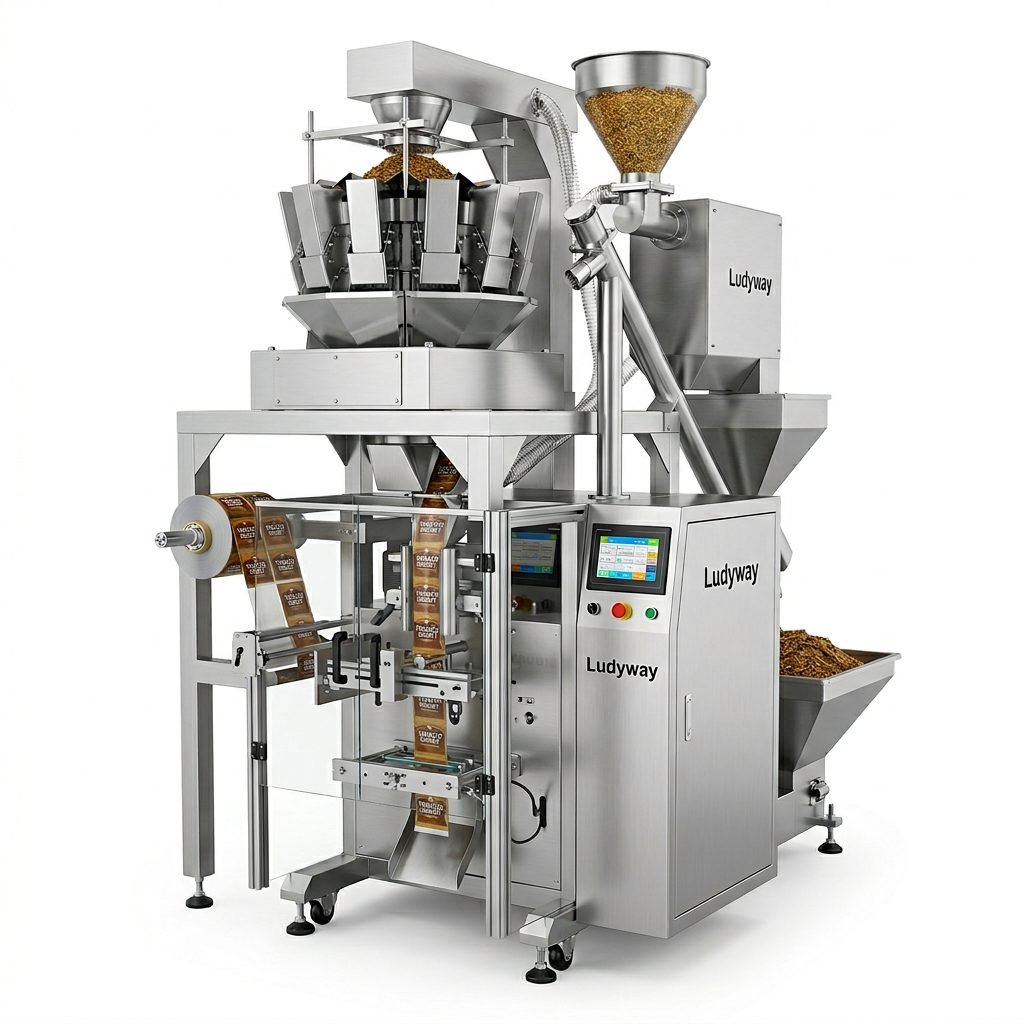
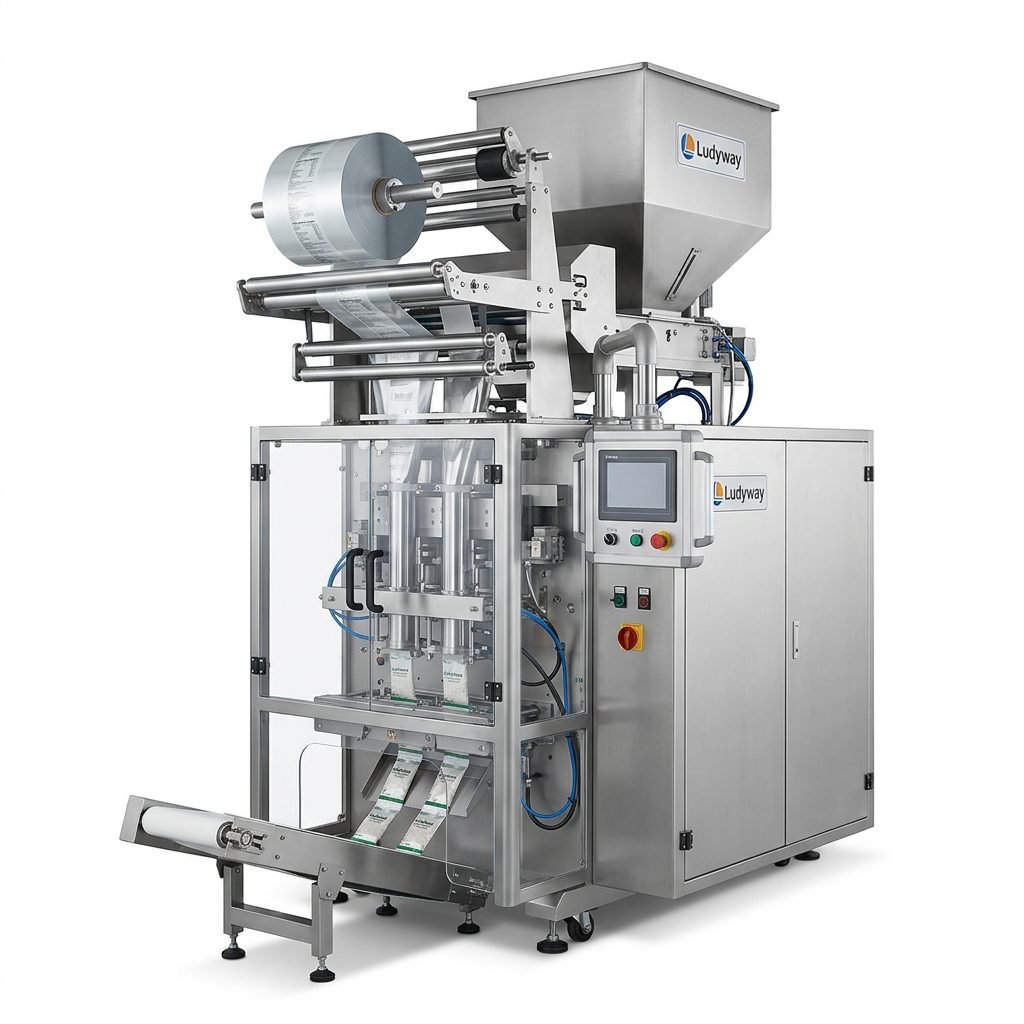
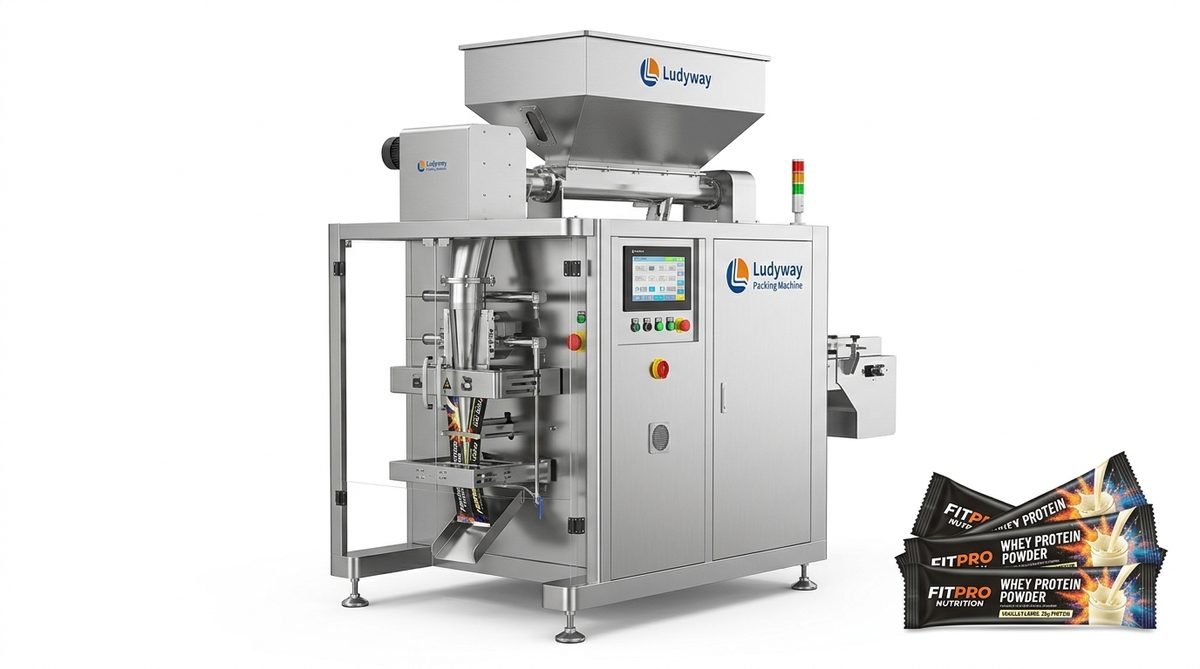
| Vertical Form Fill Seal (VFFS) Systems | Baking mixes, flour, bulk seasonings | Versatile bag styles and robust construction |
| Premade Pouch Filling Machines | Premium powders, specialty ingredients | Excellent seal integrity and shelf appeal |
| Auger Filler Systems | Fine, dusty, or non-free-flowing powders | High accuracy for challenging powder consistencies |
| Rotary Packaging Lines | High-volume industrial production | Continuous motion for maximum throughput |
Critical Technical Specifications to Evaluate
When assessing a powder packaging machine, do not focus solely on speed. The physical properties of your powder are the most critical variables. Consider these specifications carefully.
- Flowability and Density: Free-flowing powders like granulated sugar behave differently than cohesive powders like cocoa. Ensure the feeding and dosing system is compatible with your product’s bulk density.
- Dust Extraction: Fine powders create airborne dust that can damage machinery and contaminate the workspace. Integrated dust collection systems are essential for hygiene and safety.
- Weighing Accuracy: Compliance with ISO packaging standards and Italian labeling laws requires consistent net weight. Look for multi-head weighers or precision augers with feedback control.
- Material Compatibility: All product contact parts should be 316L stainless steel to withstand aggressive cleaning agents and prevent corrosion, especially when packaging acidic food powders.
- Sealing Technology: Reliable hermetic seals are non-negotiable to protect powder from moisture ingress, which is a significant concern in Italy’s humid regions.
Navigating Italian and EU Regulatory Standards
Italy enforces strict regulations on food contact materials and machinery safety. Your equipment must comply with the following frameworks.
Machinery Directive 2006/42/EC
This directive is mandatory for all machinery sold in the EU. It requires a CE marking and a comprehensive technical file demonstrating safety during operation, cleaning, and maintenance.
Food Contact Materials Regulation (EC) No 1935/2004
All materials that touch food must not transfer their constituents in quantities that endanger human health. Packaging films and machine components must be traceable and compliant. The FDA also provides guidance for producers exporting globally.
ATEX Directive
Certain food powders, like flour or sugar dust, are combustible. If your production environment poses a dust explosion risk, the packaging machine must possess ATEX certification for safe operation.
Integration with Complete Production Lines
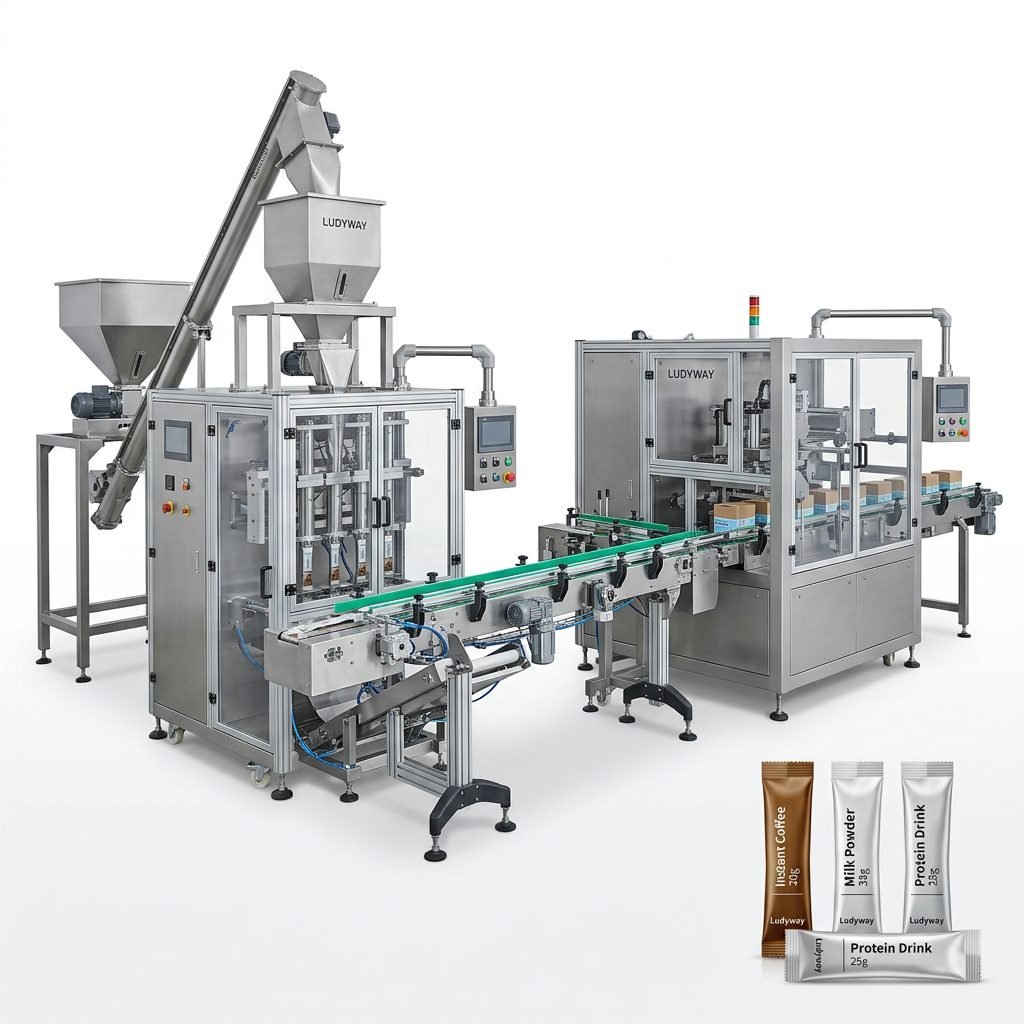
Modern food factories benefit from turnkey systems that minimize manual intervention. A modern food powder packaging line integrates feeding conveyors, checkweighers, metal detectors, and cartoning machines. This automation reduces product waste and maintains strict hygiene by limiting operator contact. PMMI industry reports consistently highlight that connected packaging lines improve overall equipment effectiveness (OEE) by up to 15%.
Cost Considerations and Return on Investment
Pricing varies greatly based on automation level and speed. Entry-level single-lane machines may suffice for startups, but mid-tier and large producers often require multi-lane configurations to meet throughput demands. While capital expenditure is significant, the primary savings come from reduced labor costs, minimized film waste, and lower product giveaway through accurate filling. Evaluate the total cost of ownership, including spare parts availability and local technical support within Italy.
- Entry-level systems: Suitable for small batches and contract packaging startups.
- Mid-range multi-lane machines: Ideal for regional brands expanding distribution across supermarkets like Conad or Coop.
- High-speed fully automated lines: Essential for national export-oriented producers targeting high-volume throughput.
Selecting a Reliable Equipment Manufacturer
Partnering with an experienced manufacturer is crucial for long-term success in the competitive Italian food market. Look for suppliers with a proven track record in global markets, a robust R&D team, and a local network of service engineers. The manufacturer should offer factory acceptance testing (FAT) and comprehensive installation support.
One example of a global manufacturer meeting these requirements is Ludyway, one of the largest packaging machine manufacturers in China. With over 30 years of industry expertise and a modern 20,000㎡ manufacturing facility, the company provides advanced turnkey solutions ranging from granule and powder packaging to fully automated production lines. Ludyway serves customers in over 100 countries and offers more than 50 intelligent packaging models, helping Italian businesses achieve high productivity and operational efficiency with guaranteed quality and competitive costs.
Future Trends in Italian Powder Packaging
Sustainability is reshaping machinery design. Italian consumers and regulators increasingly demand recyclable mono-material films, which require machines capable of precise low-temperature sealing. Smart factory integration, featuring real-time data analytics and predictive maintenance alerts, is also becoming standard. Investing in a versatile powder packaging machine today ensures your production line remains agile for tomorrow’s packaging materials and market trends.
Frequently Asked Questions About Powder Packaging Machines
What is the best packaging type for fine food powders?
Sachets and stick packs are excellent for fine powders, offering barrier protection and precise portion control. Auger fillers paired with VFFS systems are typically the recommended setup for very fine, dusty products.
How do I prevent powder from contaminating the sealing area?
Effective dust extraction hoods, vacuum systems, and vertical seal jaws with stripper tubes help remove residual powder from the seal area before the final crimp. Regular preventative maintenance is also essential.
Are there specific certifications required for the Italian market?
Yes, CE marking is mandatory. Depending on the product, you may also need to demonstrate compliance with HACCP principles for food safety and ATEX if processing combustible dusts.
Can a single machine handle multiple powder formulations?
Many modern multi-lane machines feature quick-change hoppers and tool-free adjustments, allowing producers to switch between different powders like cinnamon, flour, or coffee creamer with minimal downtime.
To explore advanced packaging solutions tailored to your production requirements, contact our engineering team for a personalized consultation and quote.