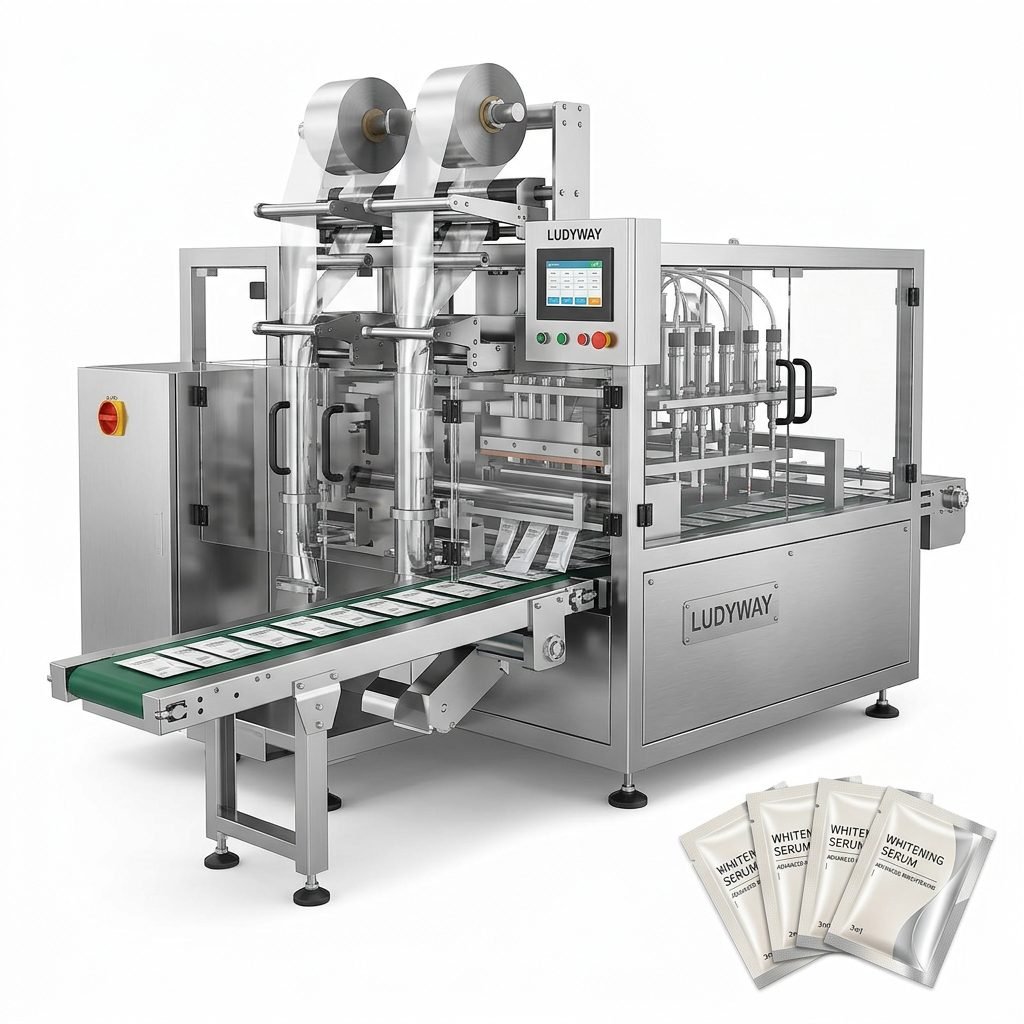
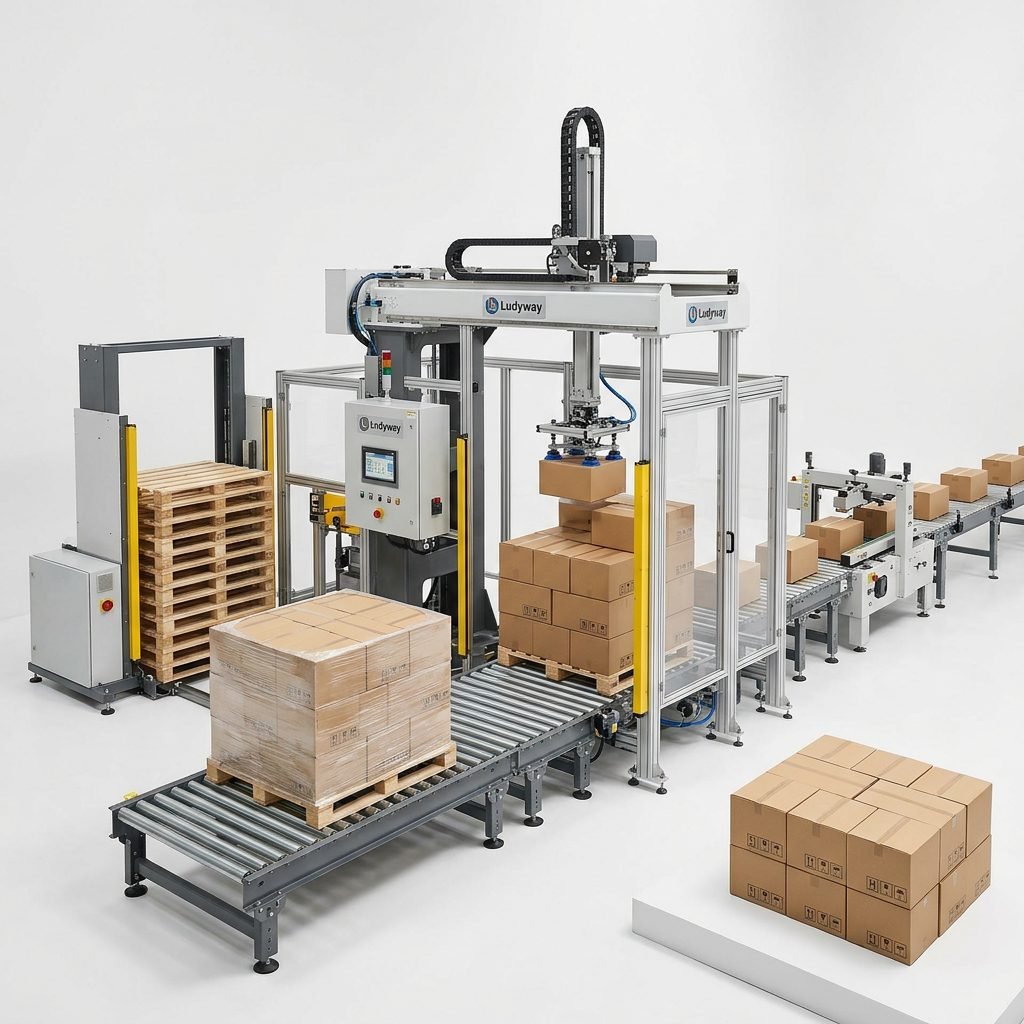
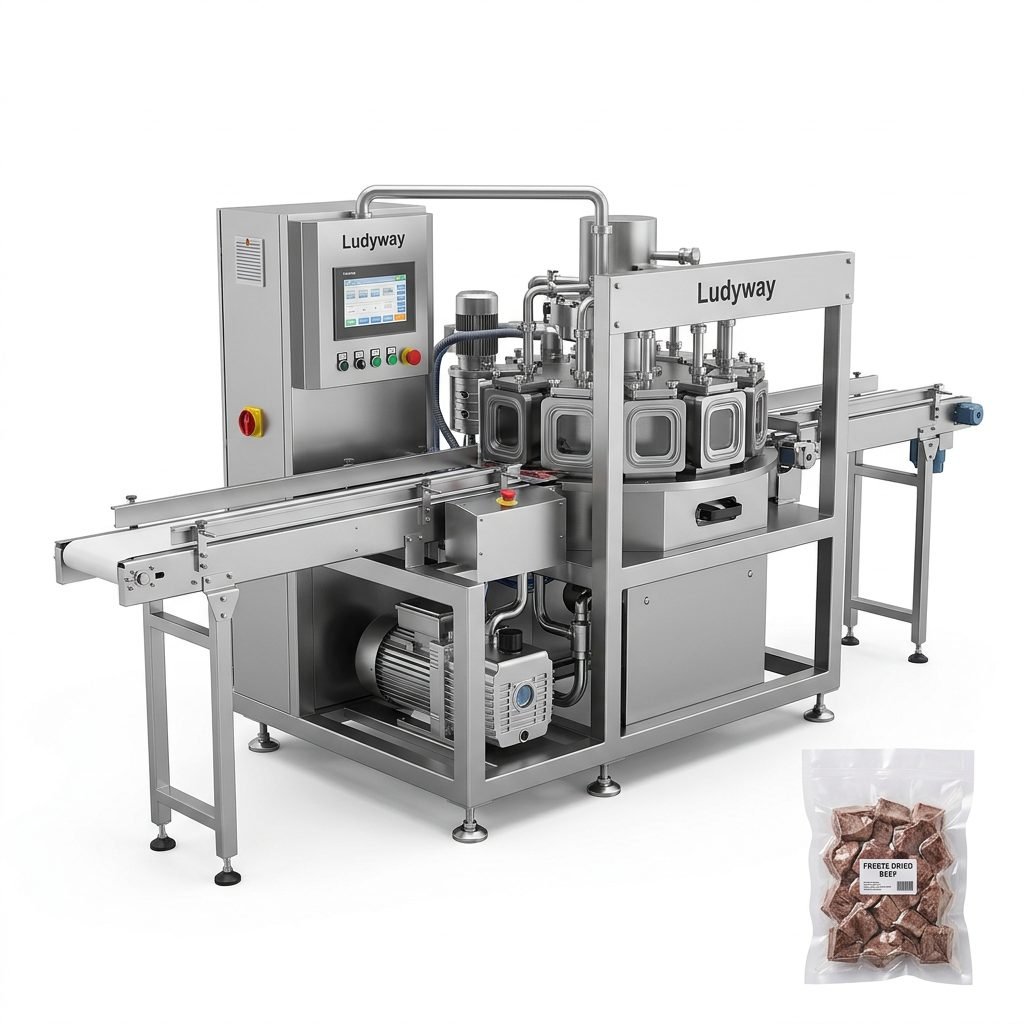
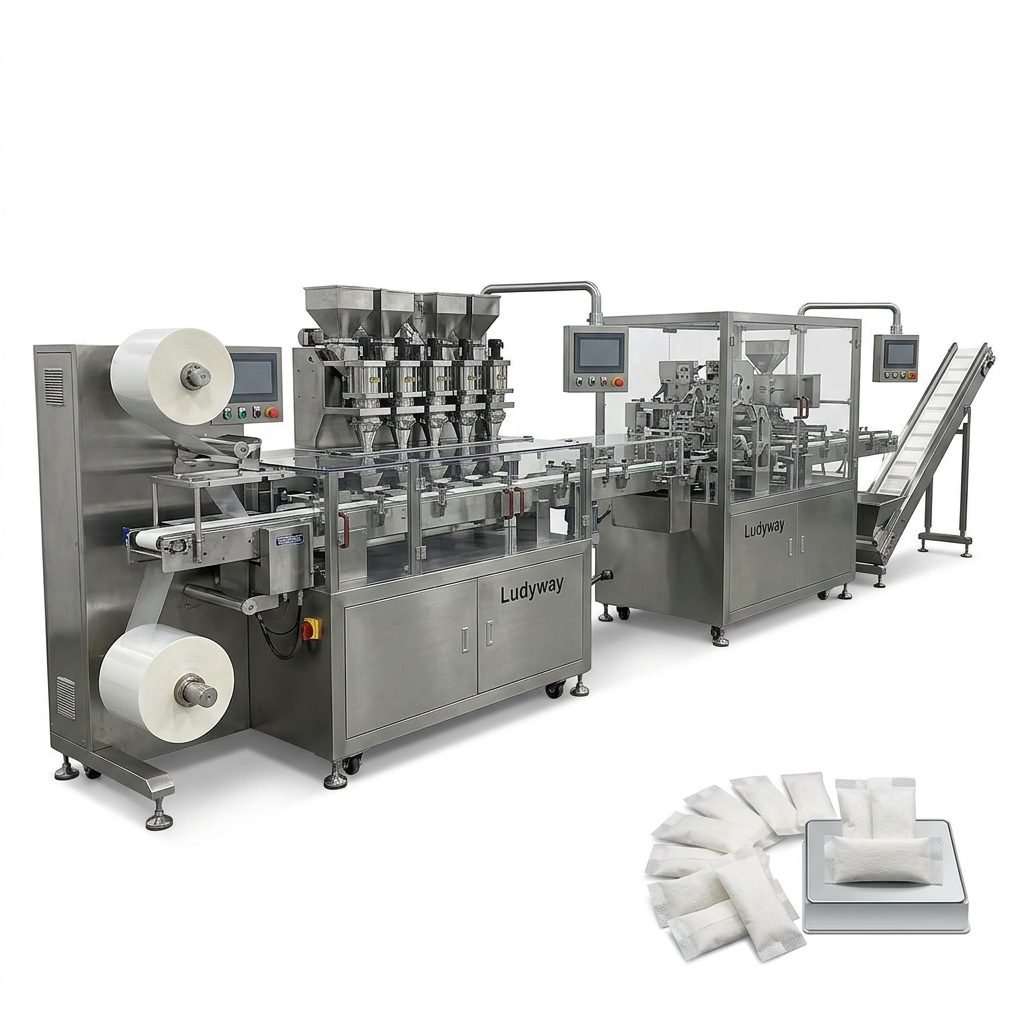
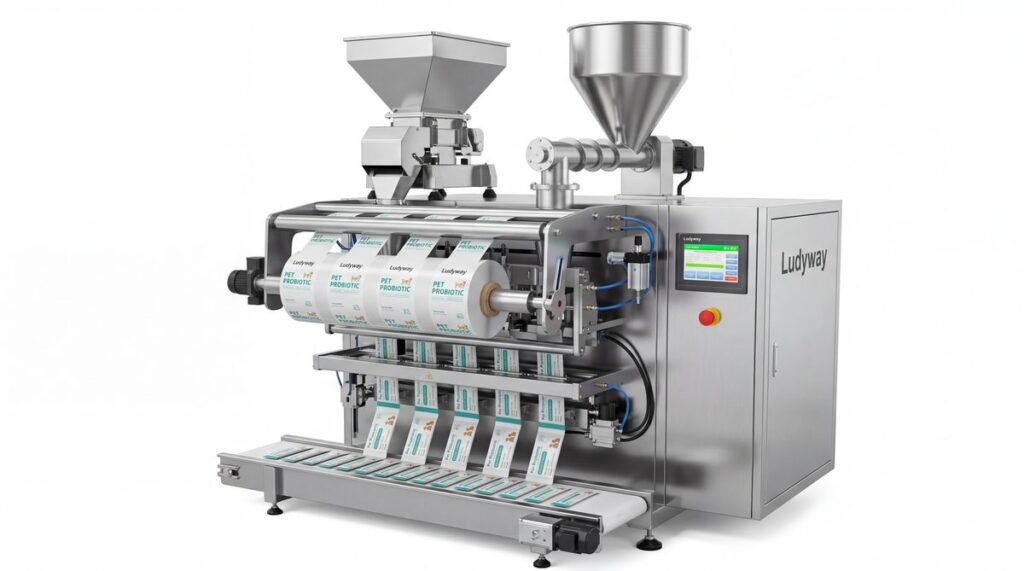
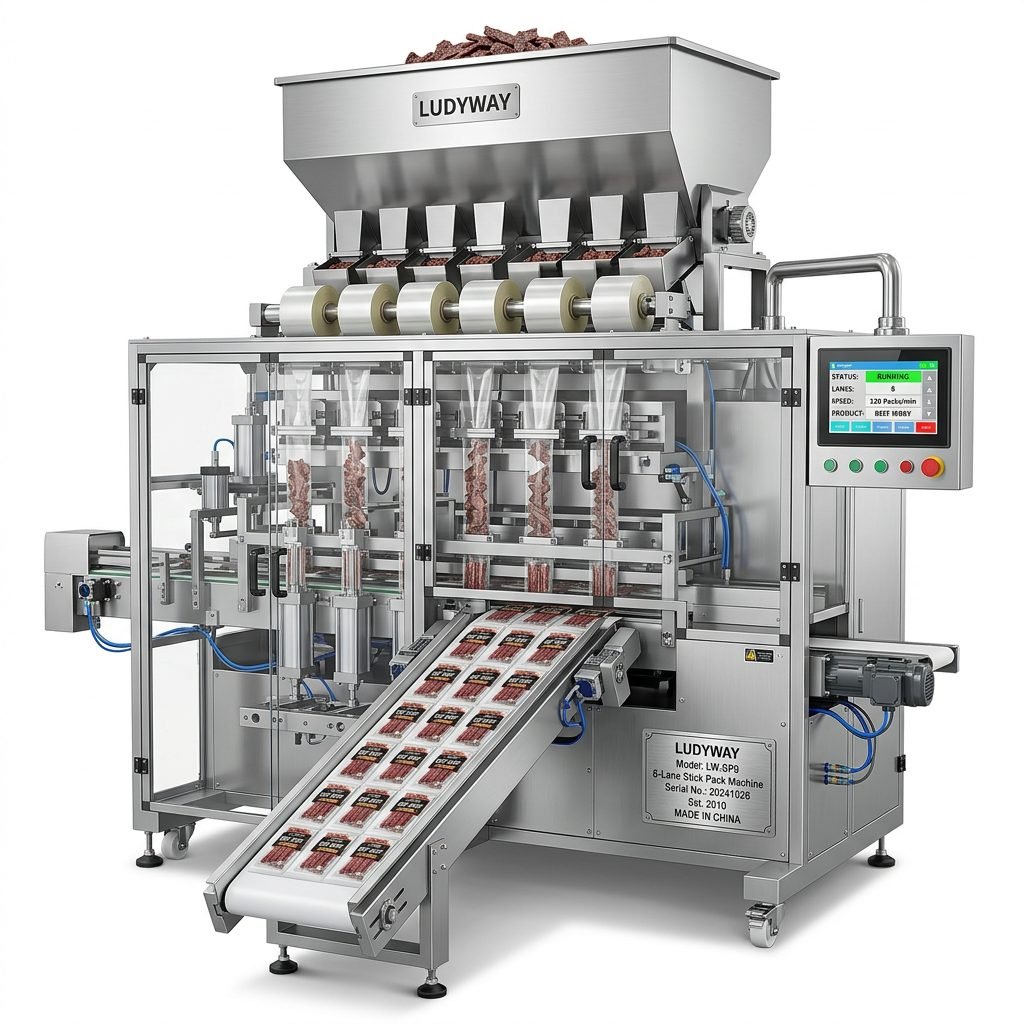
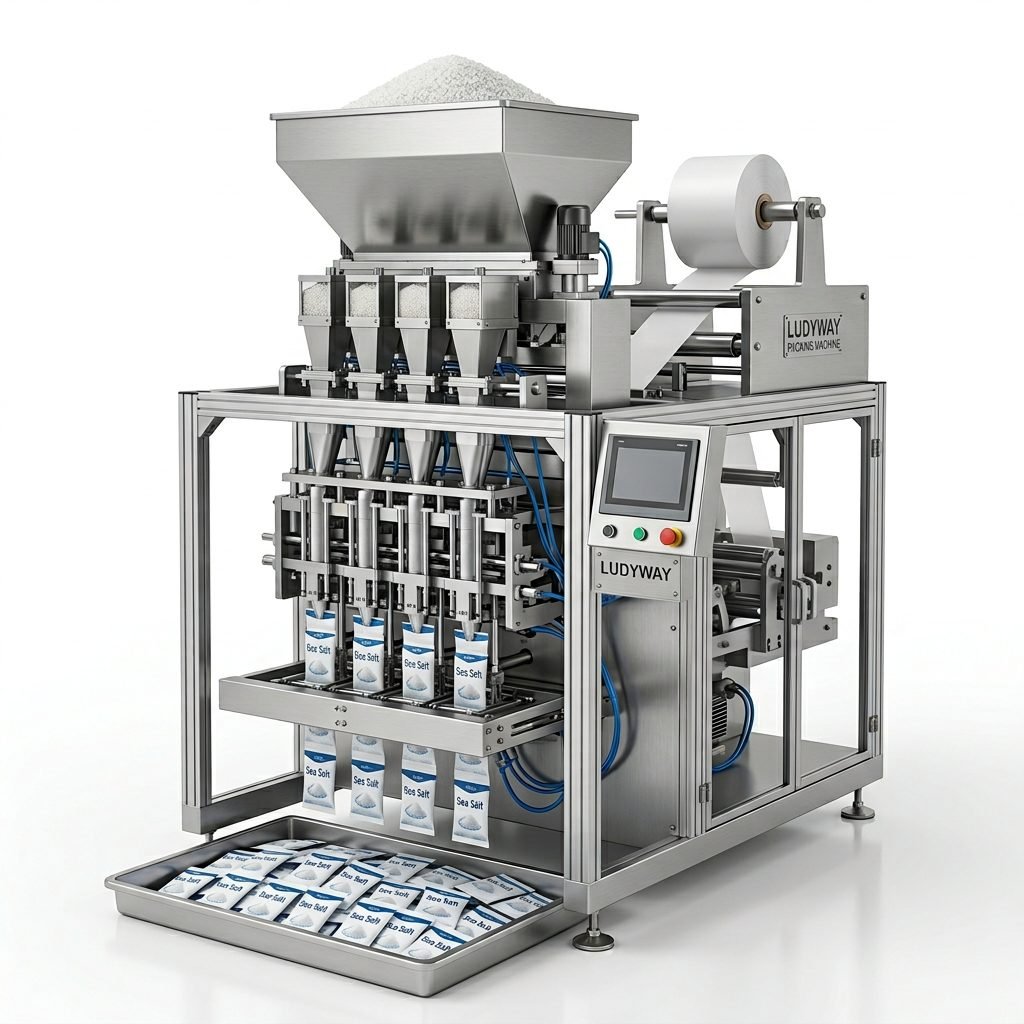
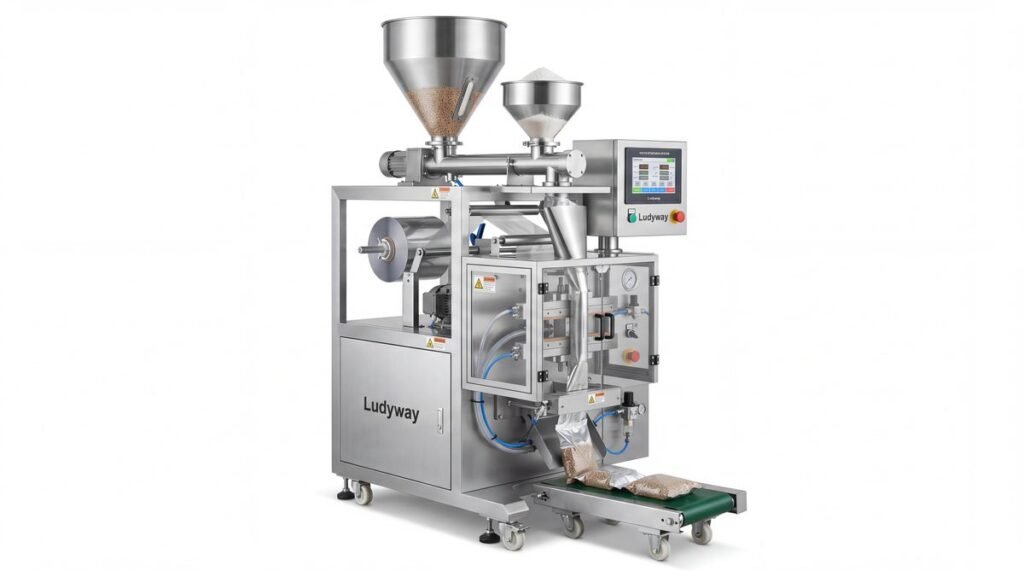
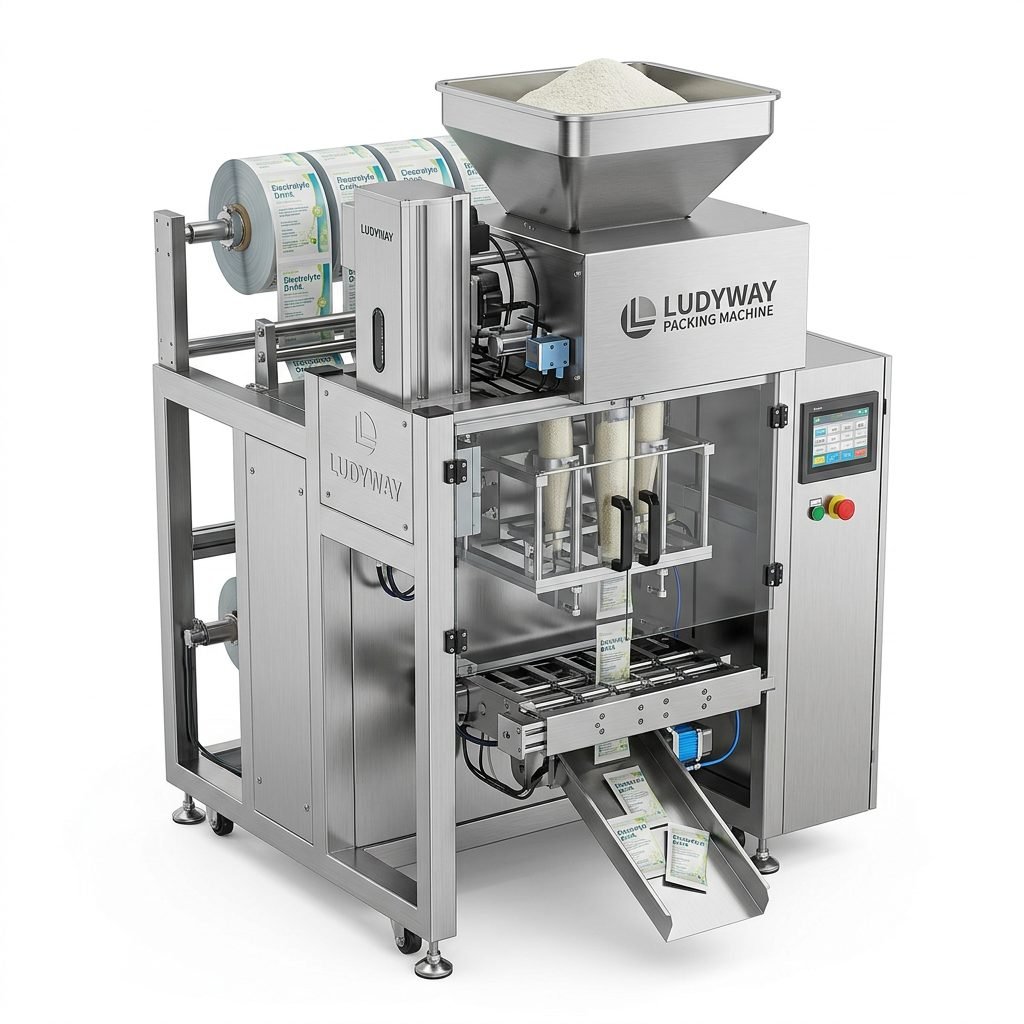
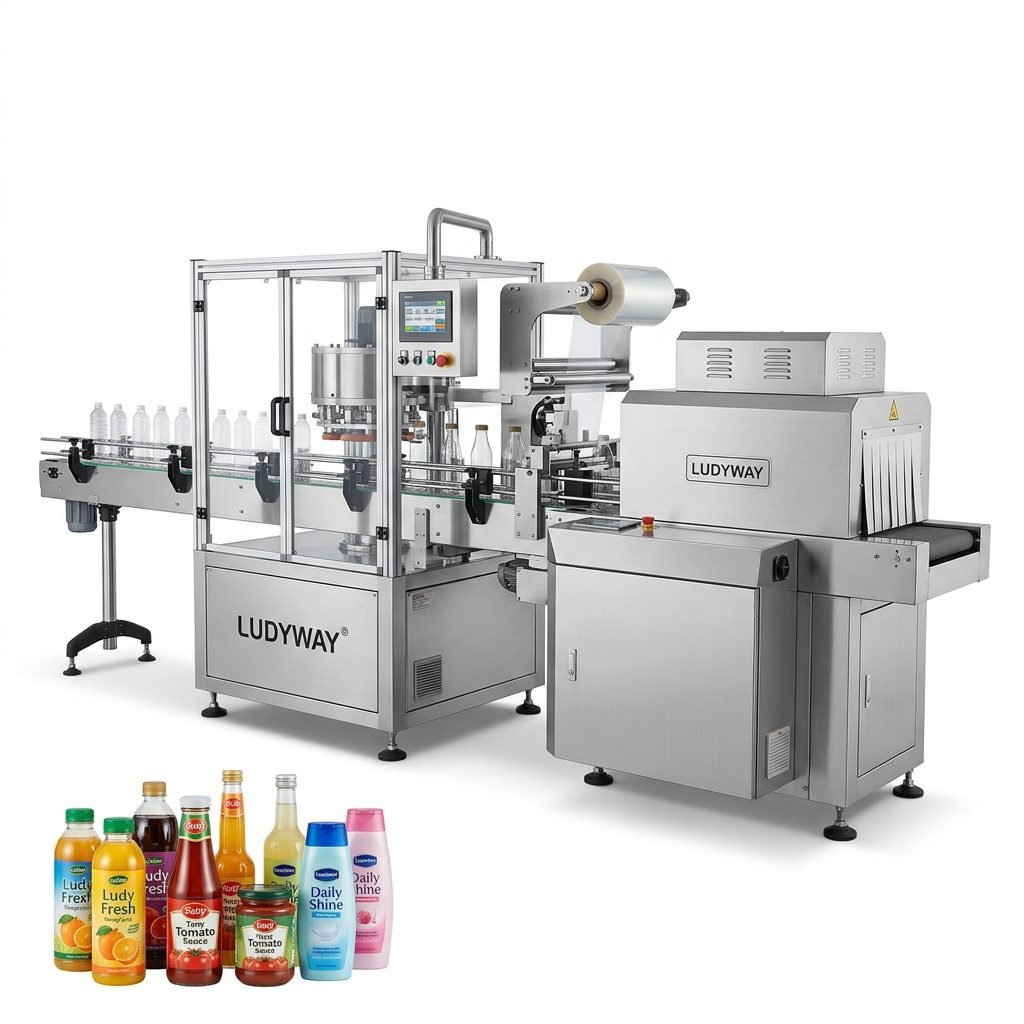
Selecting the right air bubble packaging machine is a critical investment for manufacturers looking to protect products during transit while optimizing packaging speed and material costs. With numerous models, configurations, and automation levels available, understanding the key factors that differentiate these machines helps buyers make informed decisions aligned with their production goals.
Understanding Air Bubble Packaging Machine Types
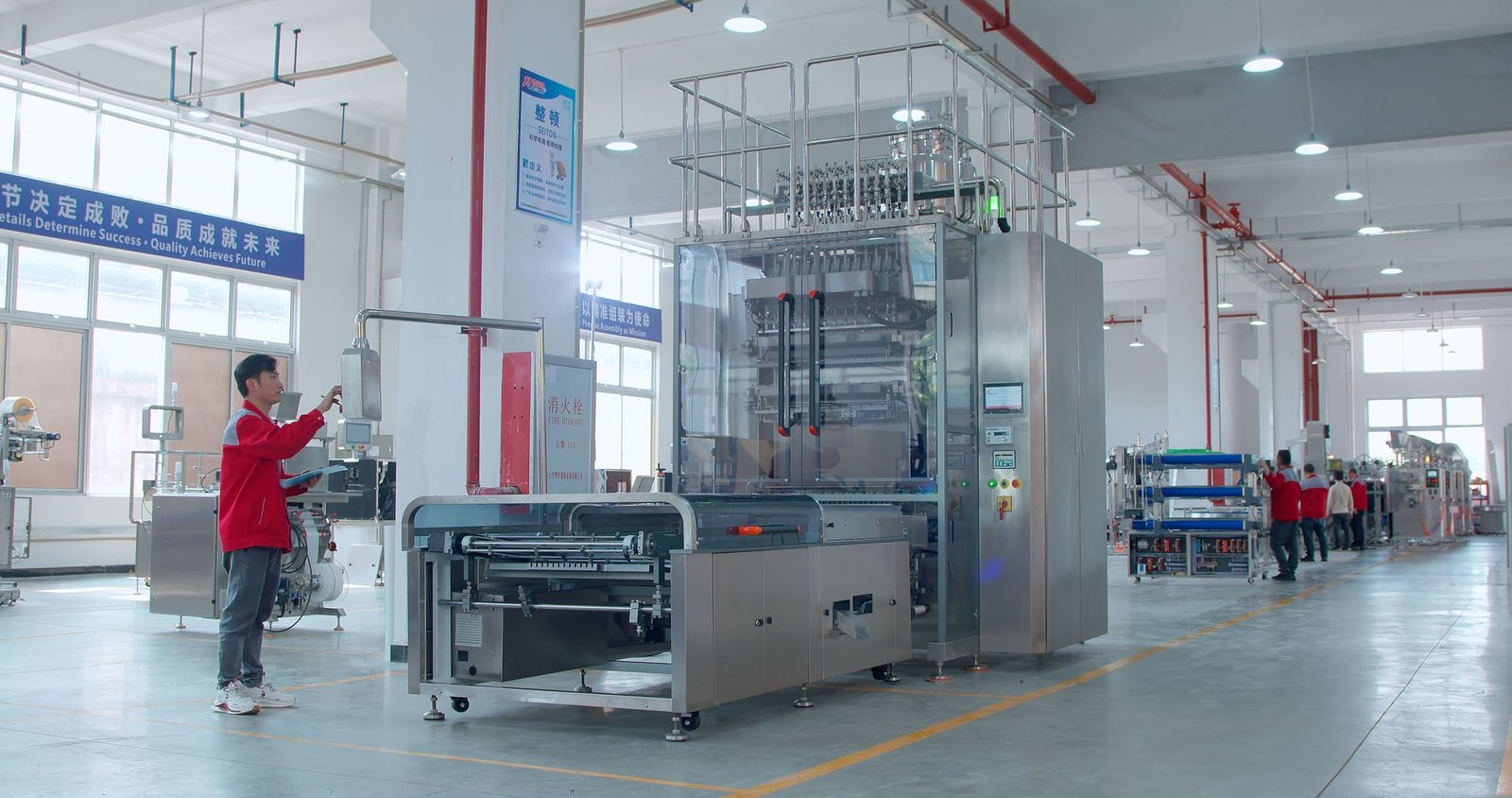
Air bubble packaging machines come in several configurations, each suited to different production environments. The primary categories include manual, semi-automatic, and fully automatic systems. Manual machines are entry-level solutions ideal for low-volume operations, while fully automatic models integrate with existing production lines for high-speed, continuous operation. Choosing the right type depends on your daily output requirements, labor availability, and integration needs.
Key Technical Specifications to Evaluate
When comparing air bubble packaging machines, several technical parameters directly impact performance and suitability for your application.
| Specification | Why It Matters |
|---|---|
| Production Speed | Measured in bags per minute; must match or exceed your peak output requirements |
| Film Compatibility | Determines which bubble film materials and thicknesses the machine can process |
| Bag Size Range | Minimum and maximum bag dimensions the equipment can produce |
| Power Requirements | Electrical specifications and energy consumption affecting operational costs |
| Automation Level | Degree of automatic feeding, sealing, cutting, and counting functions |
Material Considerations for Bubble Packaging
The type of bubble film used significantly affects packaging quality and machine performance. Common materials include LDPE (low-density polyethylene), anti-static bubble film for electronic components, and biodegradable options for environmentally conscious operations. Your machine must be compatible with the specific film type and thickness your products require. According to the Flexible Packaging Association, material selection directly impacts both protective performance and sustainability profiles.
Automation Features That Add Value
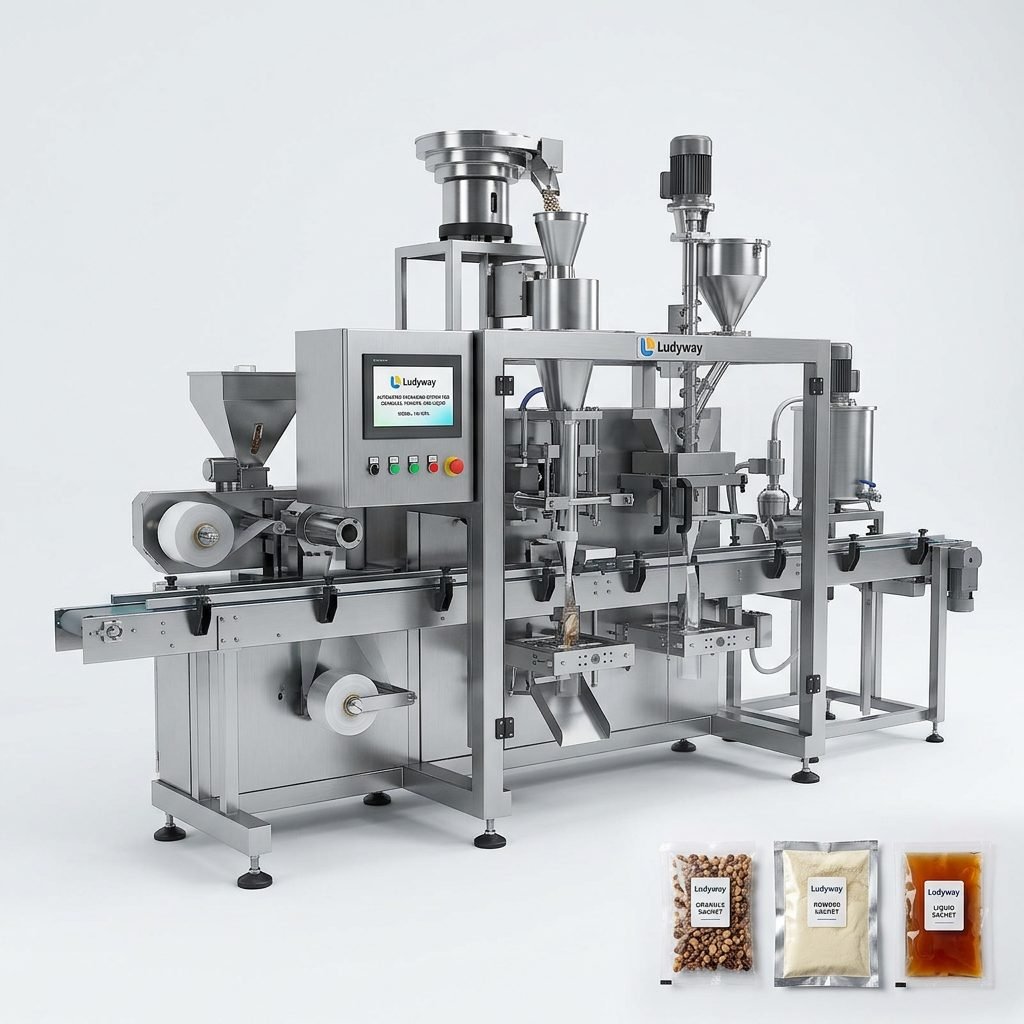
Modern air bubble packaging machines offer automation capabilities that reduce labor costs and improve consistency. Features to look for include:
- Automatic film feeding and tension control for consistent bubble formation
- PLC control systems with touchscreen interfaces for easy parameter adjustment
- Servo-driven sealing mechanisms for precise temperature regulation
- Integrated counting and stacking systems for downstream packaging
- Automated film splicing to minimize downtime during roll changes
Assessing Build Quality and Durability
An air bubble packaging machine represents a long-term capital investment. Evaluate construction materials, with stainless steel frames offering superior corrosion resistance for demanding environments. Examine the quality of sealing components, drive systems, and electrical enclosures. Equipment built with recognized automation components typically delivers longer service life and easier maintenance access. Request information about warranty coverage and the availability of spare parts before committing to a purchase.
Space Requirements and Factory Integration
Before selecting a machine, measure your available floor space and consider how the equipment will integrate with upstream and downstream processes. Key spatial considerations include:
- Overall machine footprint including service access areas
- Film roll loading clearance requirements
- Conveyor connection points for packaging line integration
- Operator workstation positioning for efficient workflow
Cost Analysis Beyond the Purchase Price
The total cost of ownership for an air bubble packaging machine extends well beyond the initial equipment price. Factor in ongoing expenses such as film material costs, energy consumption, routine maintenance, spare parts, and operator training. Higher-quality machines often deliver lower long-term costs through reduced waste, fewer breakdowns, and higher throughput. Conduct a thorough TCO analysis comparing multiple options before finalizing your decision.
Compliance and Industry Standards
For manufacturers in regulated industries, packaging equipment must meet applicable standards. Key compliance areas include:
- CE marking for European market access
- UL certification for electrical safety in North American markets
- ISO packaging standards for quality management alignment
- FDA compliance for food contact packaging applications
Verify that your chosen machine can be configured to meet the regulatory requirements of your target markets.
Evaluating Manufacturer Support and Service
The relationship with your equipment supplier significantly impacts long-term satisfaction. Assess the manufacturer’s technical support capabilities, including installation assistance, operator training programs, remote troubleshooting, and after-sales service responsiveness. Companies with global service networks can provide faster response times for international operations. Review the availability of technical documentation, spare parts catalogs, and maintenance guides in your preferred language.
Customization Options for Specific Applications
Standard air bubble packaging machines may not address every production requirement. Manufacturers often need customized configurations for unique product dimensions, specialized film materials, or integration with existing packaging lines. Working with a supplier that offers engineering customization—such as Ludyway Machinery, a China-based packaging machinery manufacturer with over 30 years of experience—can provide tailored solutions that standard off-the-shelf equipment cannot match. For more information on packaging machinery growth trends, refer to this industry report.
Questions to Ask Before Making a Decision
When finalizing your air bubble packaging machine selection, use this checklist to guide discussions with potential suppliers:
- What is the guaranteed production output at specified film thicknesses?
- How quickly can film rolls be changed, and what is the splice mechanism?
- What training and documentation are provided for operators and maintenance staff?
- Are remote diagnostic capabilities available for troubleshooting?
- What is the lead time for critical spare parts?
- Can the machine be upgraded or reconfigured for future product changes?
- What references or case studies are available from similar applications?
Emerging Trends in Protective Packaging Machinery
The air bubble packaging machine market continues to evolve with technological advancements. Key trends shaping the industry include the integration of IoT sensors for predictive maintenance, increased adoption of servo-driven systems for energy efficiency, and growing demand for machines compatible with recycled and biodegradable films. According to PMMI business intelligence reports, sustainability considerations are increasingly driving packaging equipment purchasing decisions. Staying informed about these developments helps manufacturers make future-proof investments.
Selecting the Right Configuration for Your Production Scale
Production volume is one of the most important factors in machine selection.
| Production Scale | Recommended Machine Type | Typical Speed Range |
|---|---|---|
| Low Volume / Startup | Manual or semi-automatic | 5–15 bags/min |
| Medium Volume | Automatic single-lane | 20–50 bags/min |
| High Volume | Fully automatic multi-lane | 60–150+ bags/min |
| Integrated Line | Turnkey packaging system | Customized to line speed |
Matching machine capacity to your current and projected production volumes ensures optimal return on investment. Overinvesting in excess capacity can strain budgets, while underinvesting creates bottlenecks that limit business growth.
Conclusion
Choosing the right air bubble packaging machine requires careful evaluation of technical specifications, material compatibility, automation features, build quality, compliance requirements, and total cost of ownership. By systematically assessing these factors and engaging with experienced equipment manufacturers, buyers can select machinery that delivers reliable performance, operational efficiency, and long-term value for their packaging operations.