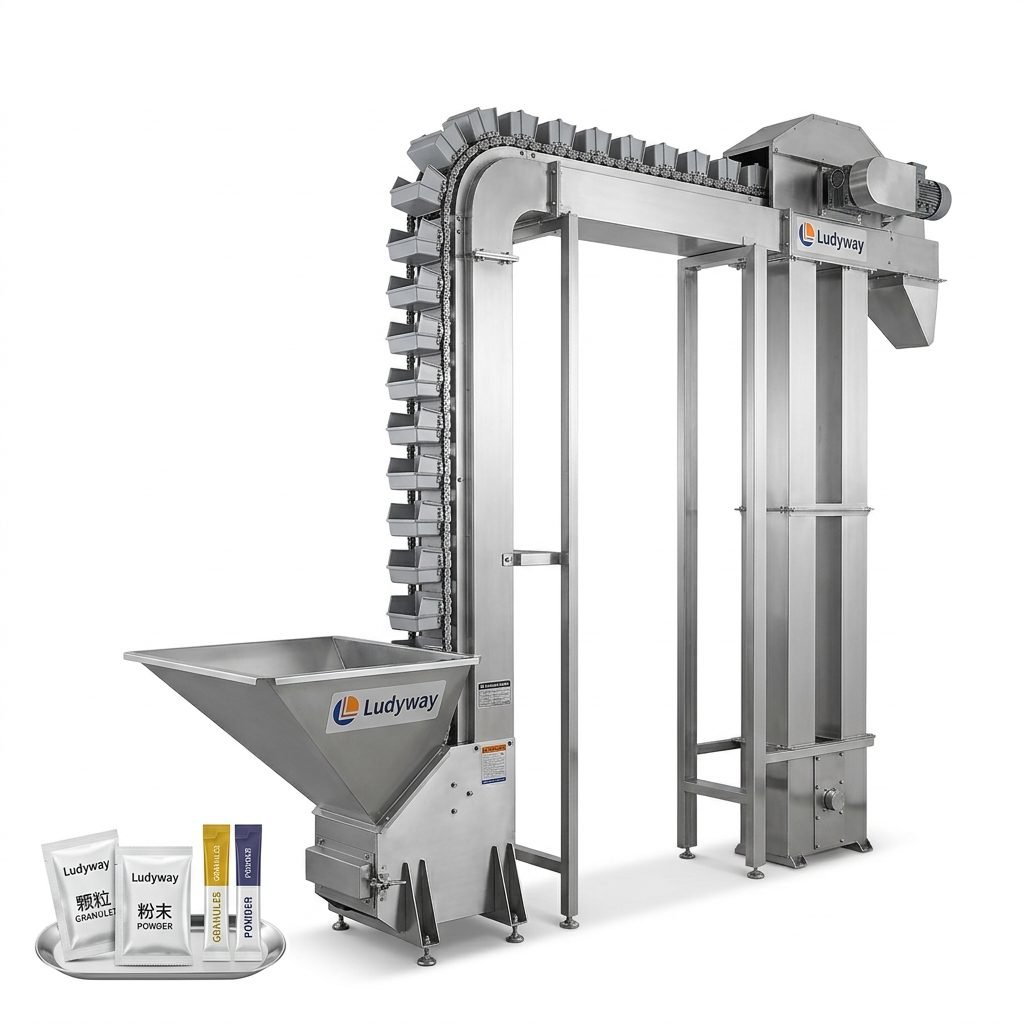
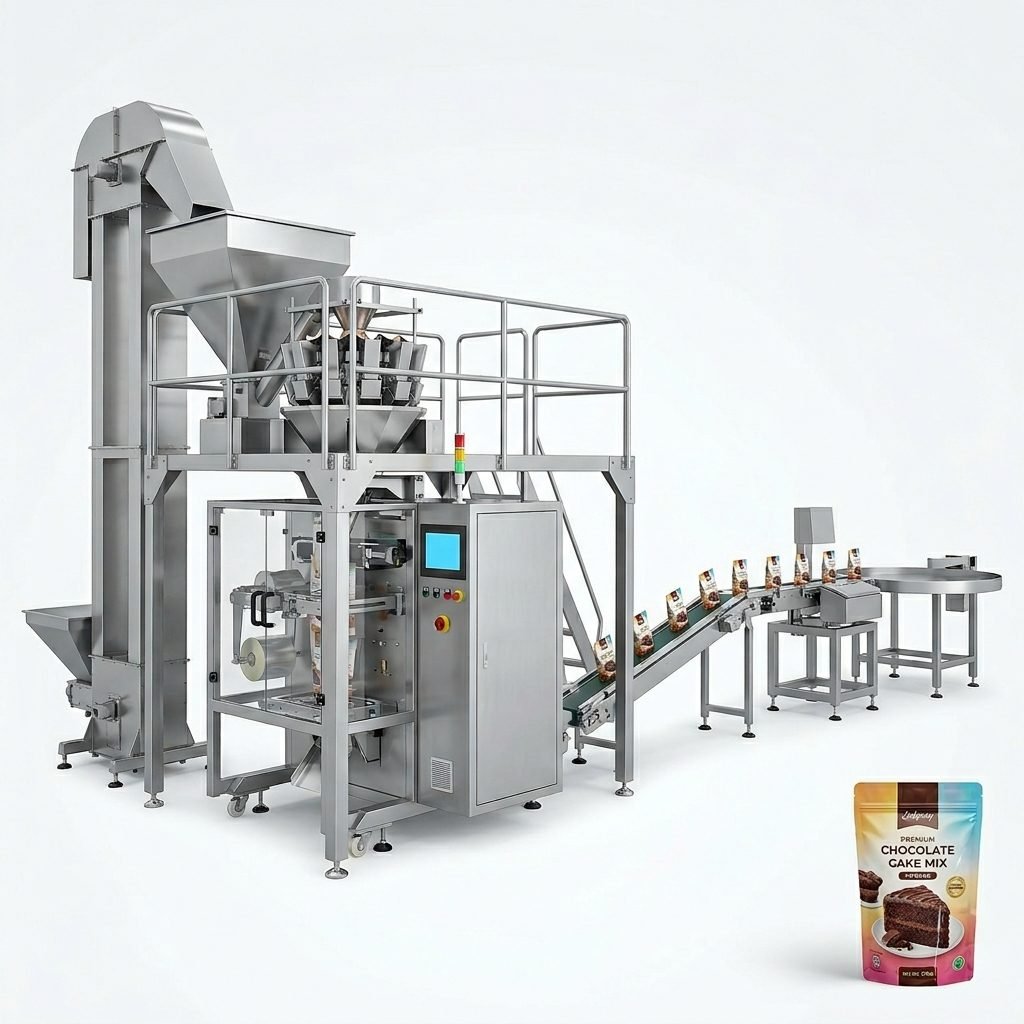
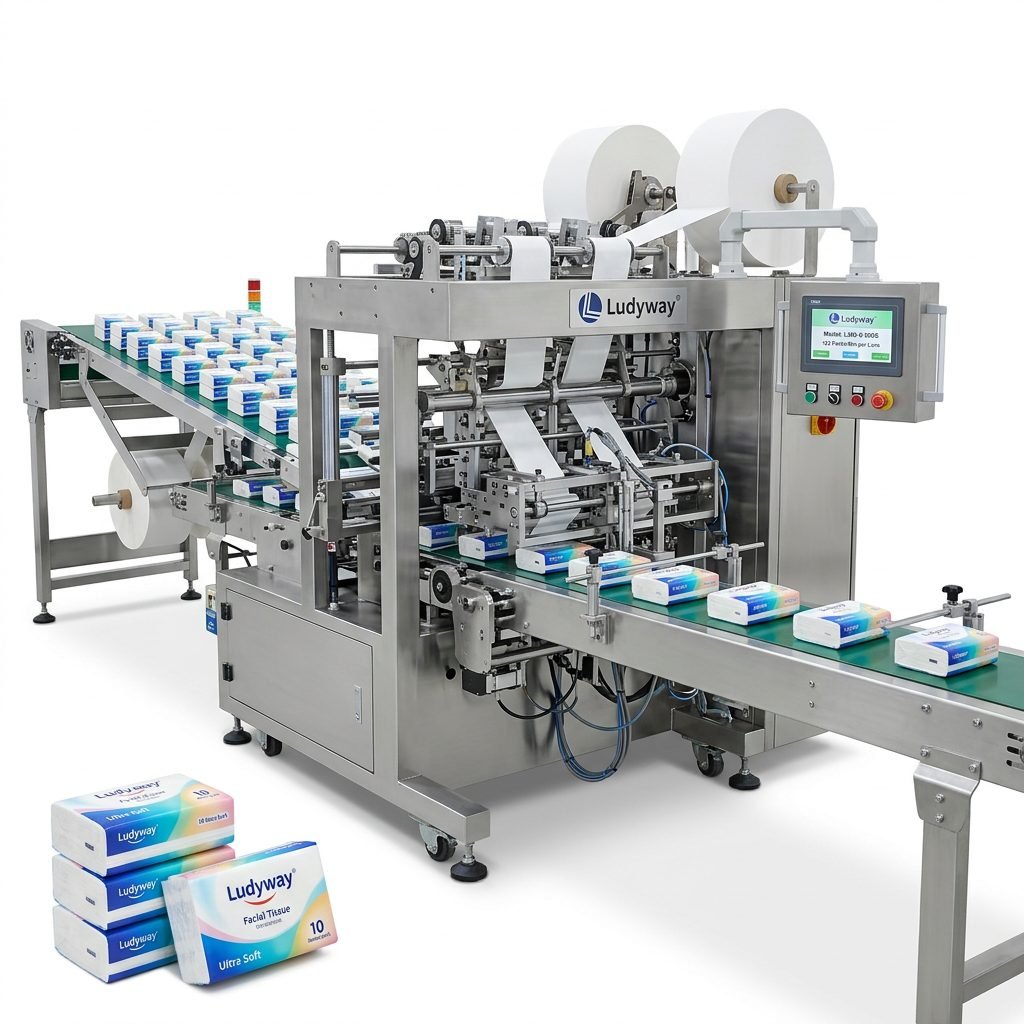
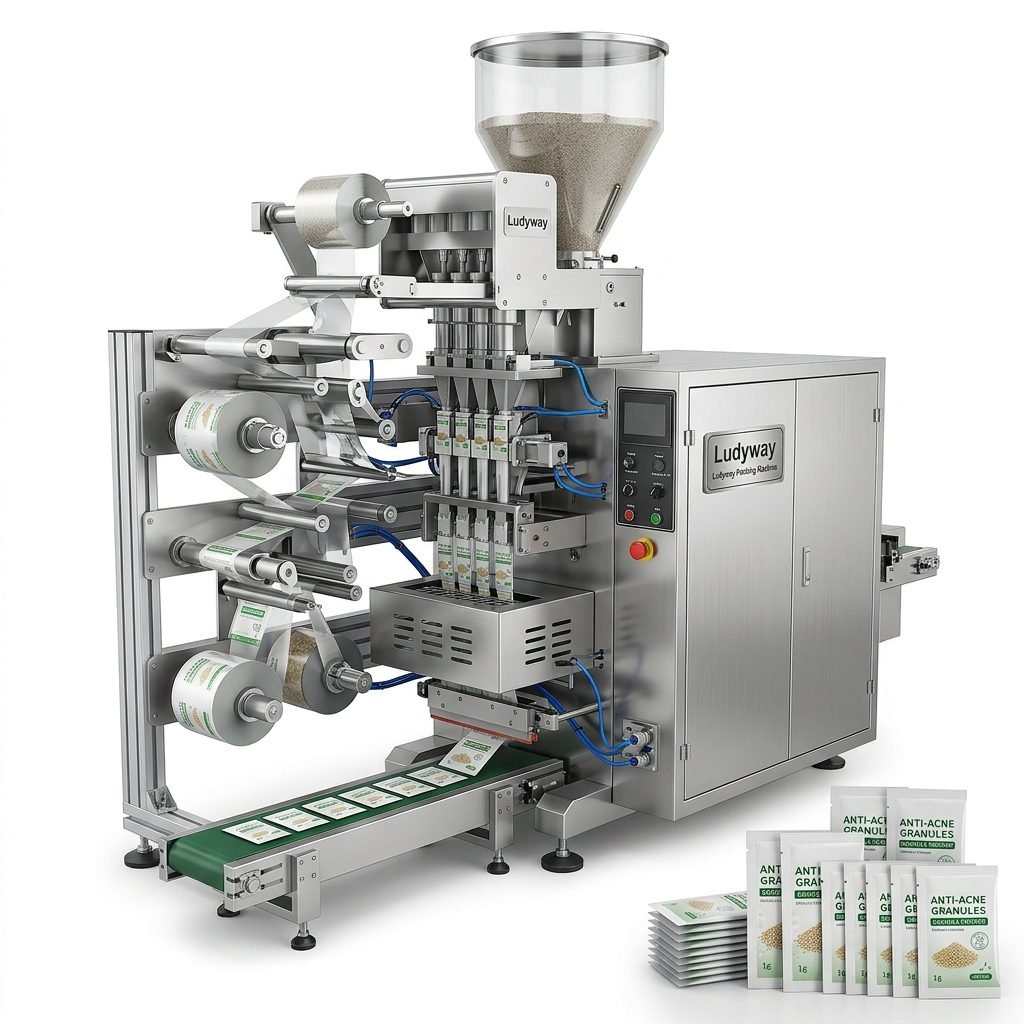
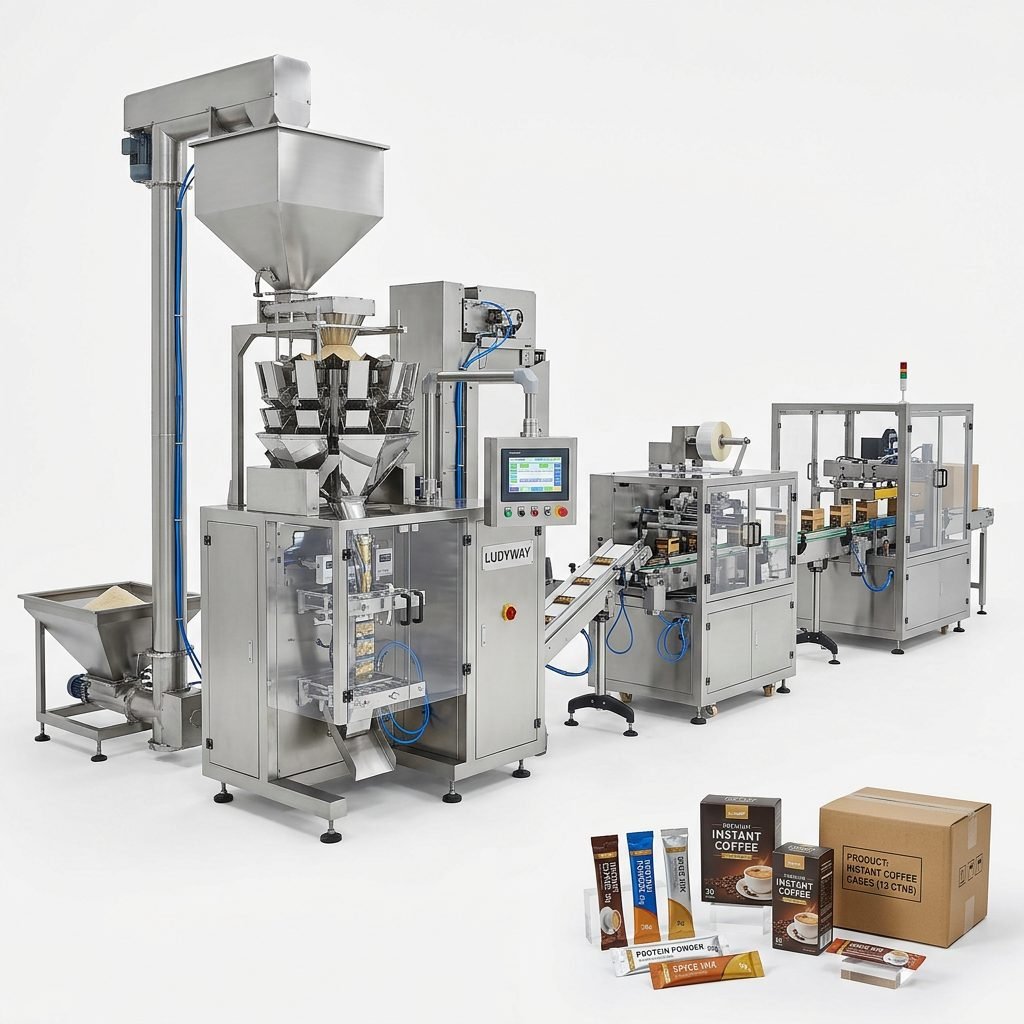
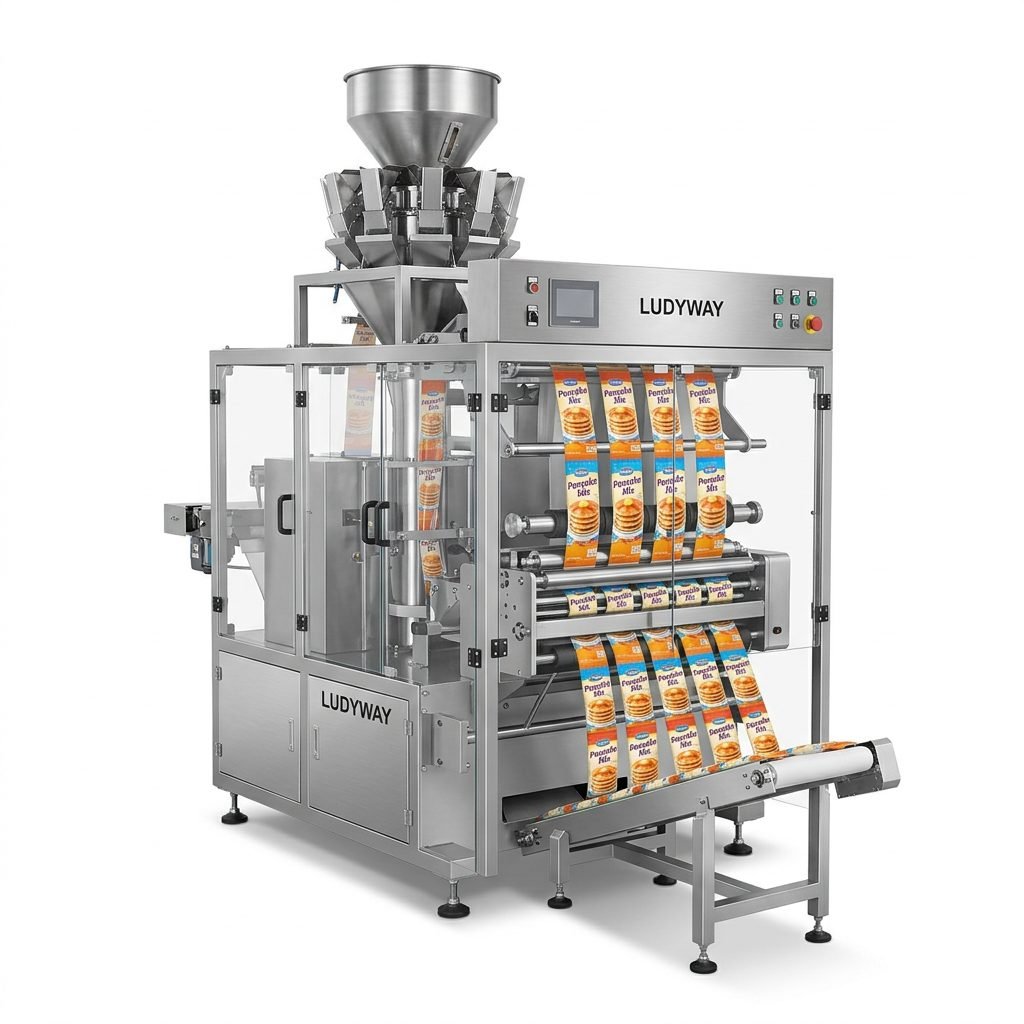
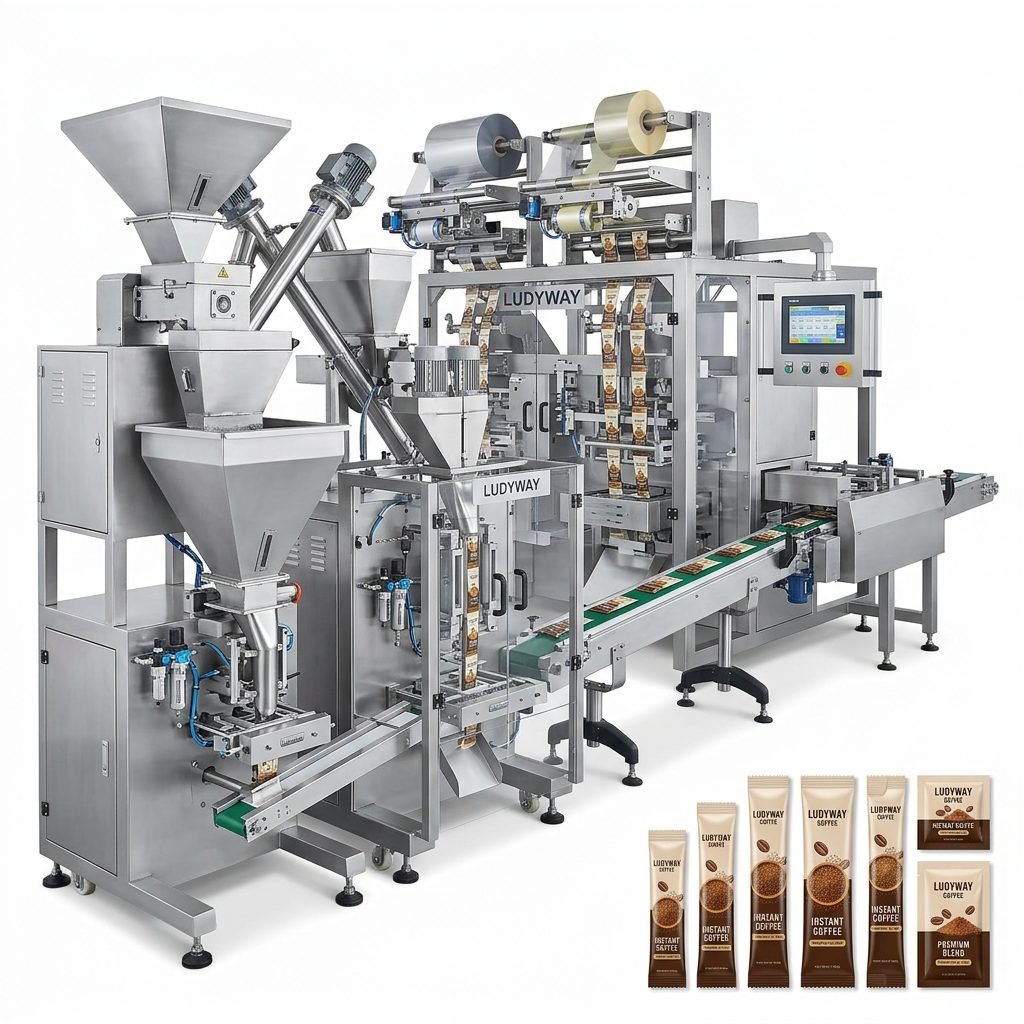
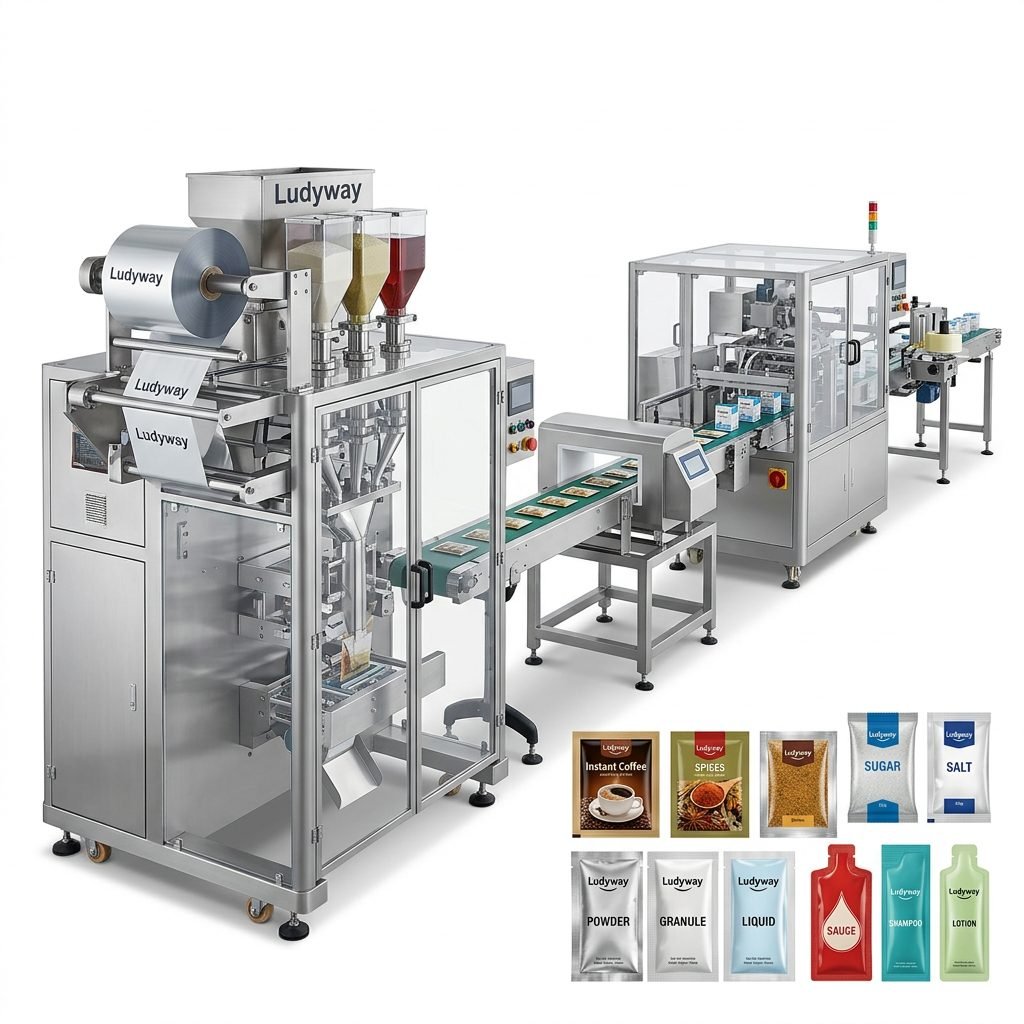
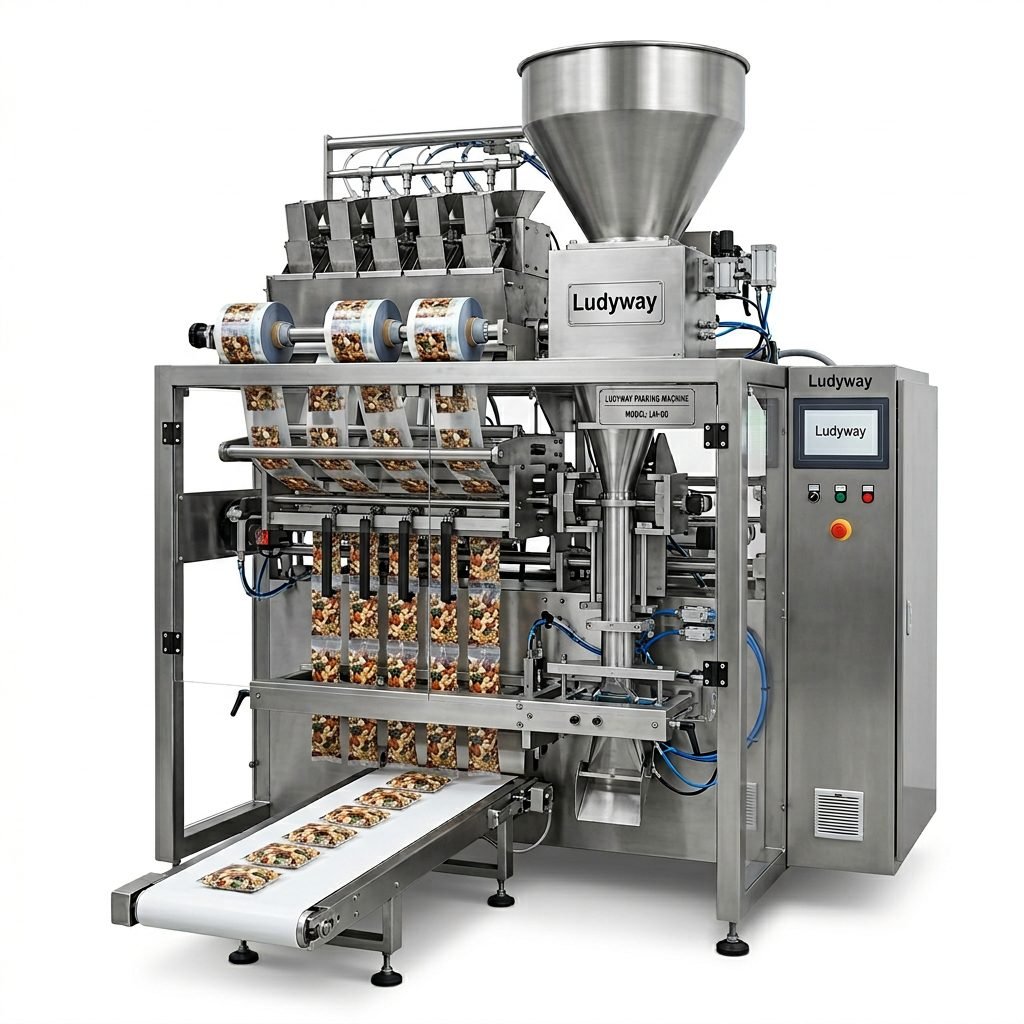
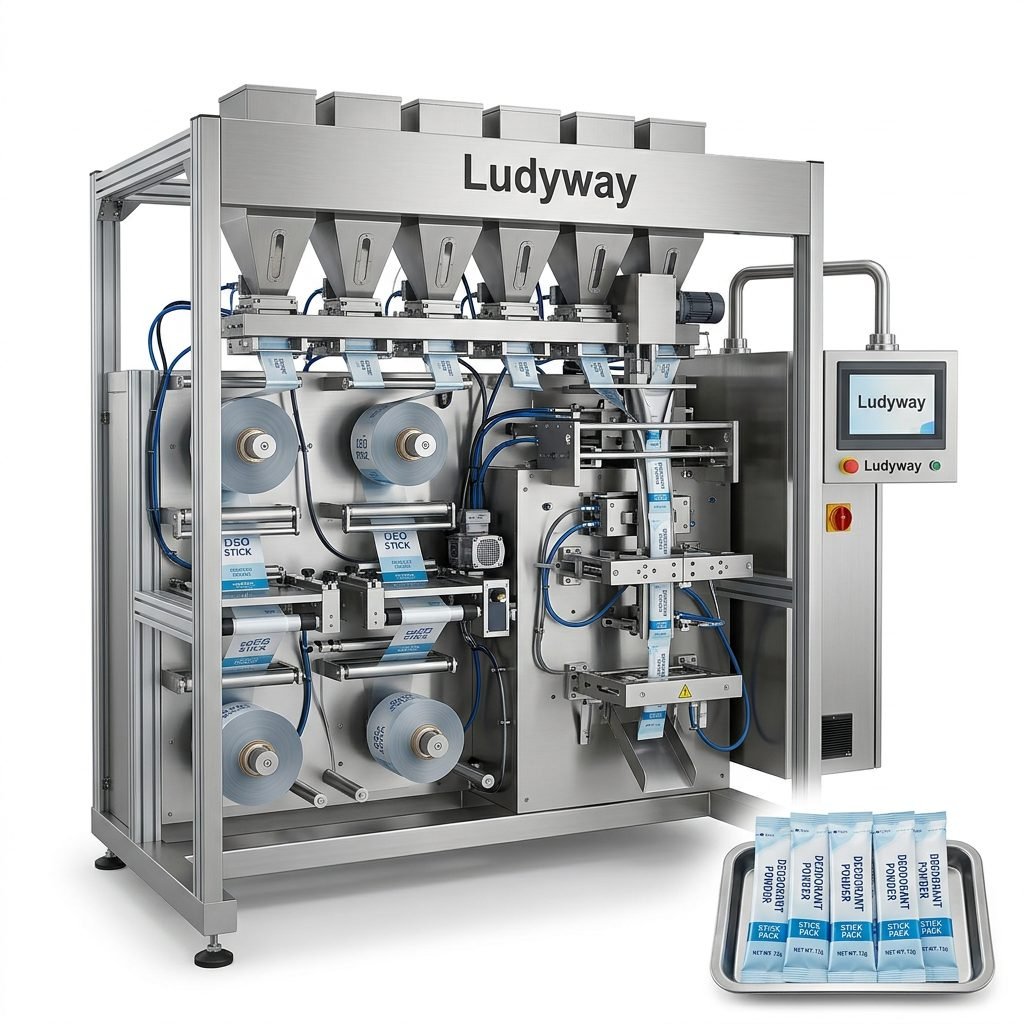
Selecting the right automatic bag packing machine is a critical decision that affects production efficiency, product quality, and long-term operational costs. Whether you are packaging powders, granules, liquids, or solids, the right equipment can streamline your entire packaging line. This comprehensive buyer’s guide walks you through the essential factors to consider before making an investment.
Step 1: Define Your Product and Packaging Requirements
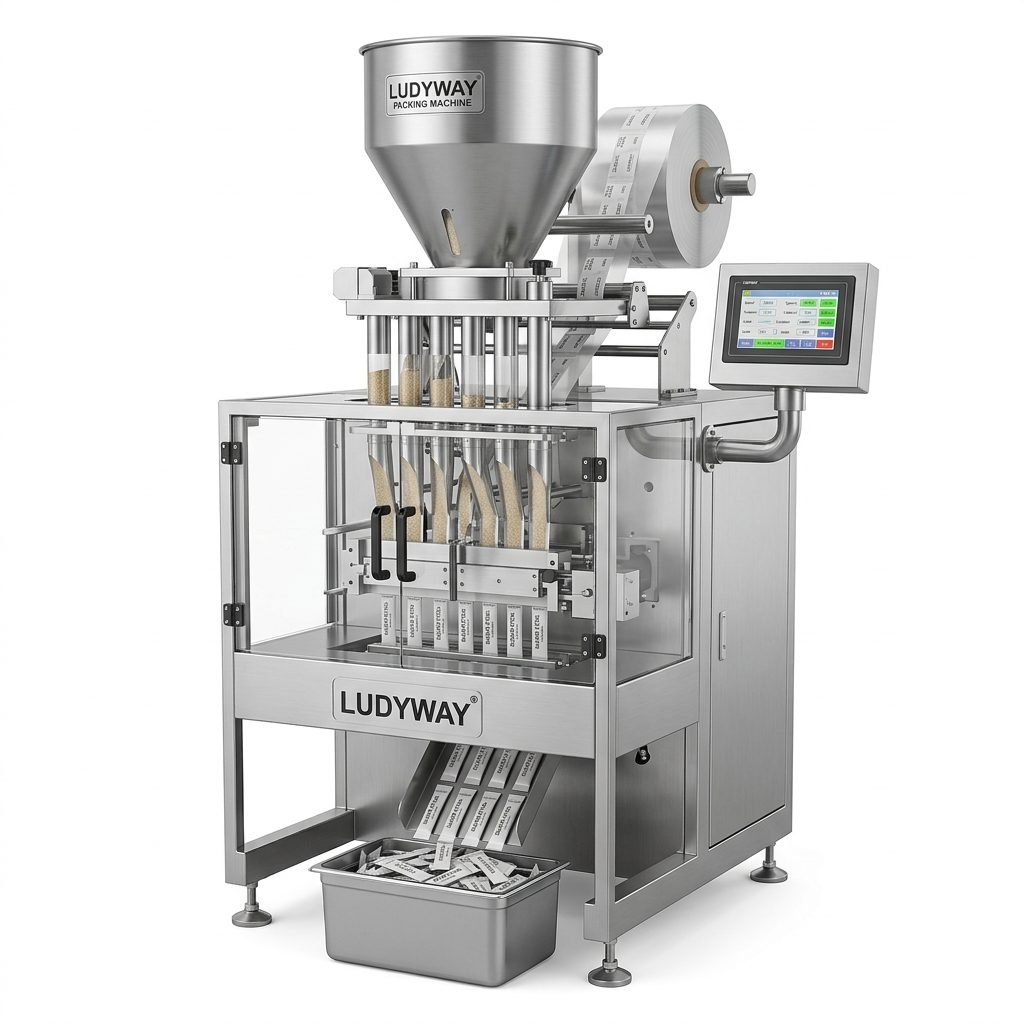
The first and most important step is understanding the physical properties of the product you intend to package. Different machines are designed to handle specific product types, and using the wrong equipment can lead to inaccurate filling, material waste, or machine damage. Key questions include:
- Product form: Is it a free-flowing granule, sticky powder, liquid, paste, or solid piece?
- Particle size and density: Fine powders require different dosing systems than coarse granules.
- Flow characteristics: Does the product bridge, clump, or generate dust? This influences the feeder design.
- Hygroscopic or sensitive nature: Some products need nitrogen flushing or special sealing to maintain shelf life.
Step 2: Determine Bag Style, Size, and Packaging Format
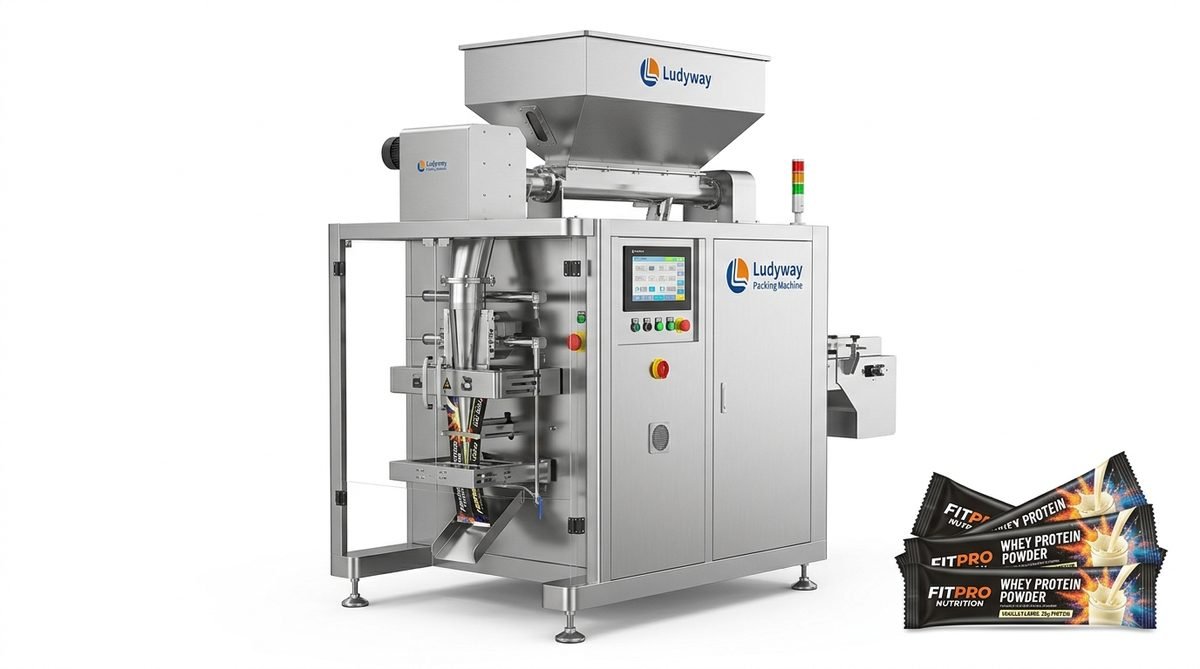
Automatic bag packing machines can produce a variety of bag formats. The choice depends on your market positioning, consumer convenience, and production goals. Common bag styles include:
- Pillow bags: Simple, cost-effective bags for high-speed applications.
- Gusseted bags: Provide a flat bottom for better shelf display and higher volume.
- Stick packs and sachets: Ideal for single-serve portions, popular in food and pharmaceutical industries.
- Four-side seal bags: Offer a premium look with tight seals, often used for coffee and snacks.
- Resealable zipper bags: Add consumer convenience but require additional machine modules.
Bag dimensions, material type, and the required flexible packaging material specifications must align precisely with the machine’s capabilities.
Step 3: Evaluate Filling and Dosing Accuracy
Filling accuracy directly impacts product give-away costs and regulatory compliance. The appropriate dosing system depends on your product characteristics:
| Dosing System | Best For | Accuracy Level |
|---|---|---|
| Volumetric Cup Filler | Free-flowing granules with consistent density | ±1% to ±2% |
| Auger Filler | Powders and fine granules, including non-free-flowing products | ±0.5% to ±1% |
| Multi-head Weigher | Mixed products, snacks, irregular shapes | ±0.2% to ±1% |
| Liquid Piston Filler | Liquids, pastes, and creams | ±0.5% to ±1% |
For projects that demand high precision, a net weight filling system might be necessary, especially when packaging standards specify strict tolerance requirements.
Step 4: Match Machine Speed to Production Demands
Machine speed is expressed in bags per minute (BPM) and must align with your current and projected output. However, pay close attention to the relationship between speed, bag size, and filling volume:
- Rated speed is typically tested under ideal conditions with a specific product and film.
- Effective speed depends on real-world factors like operator skill, product flow, and film quality.
- Multi-lane machines can multiply output by running several lanes simultaneously, ideal for stick packs and sachets.
Investing in a machine slightly above your current need is wise to accommodate future growth without immediately requiring a second line.
Step 5: Control System and Automation Integration
A modern automatic bag packing machine should offer a user-friendly interface and compatibility with your factory’s automation ecosystem. Look for:
- PLC and touchscreen control: Siemens, Allen-Bradley, or Mitsubishi PLCs are globally recognized and simplify troubleshooting.
- Recipe management: Store multiple product and bag parameters for quick changeovers.
- Connectivity: The ability to integrate with ERP systems, upstream feeding systems, and downstream equipment like cartoners, case packers, and robotic palletizers.
- Remote diagnostics: Enables the manufacturer to provide technical support without an on-site visit, reducing downtime.
Step 6: Assess Build Quality and Compliance
The construction material and design philosophy determine the machine’s longevity and suitability for your production environment:
- Food and pharmaceutical-grade: Stainless steel 304 or 316 construction with easy-to-clean surfaces is non-negotiable for these sectors.
- Industrial environments: Chemical or mineral packaging may require reinforced components, dust-proofing, and corrosion-resistant treatments.
- Safety certifications: CE, UL, or other regional compliance marks demonstrate adherence to packaging machinery safety standards.
Step 7: Supplier Evaluation and After-Sales Support
Buying a machine is a long-term commitment, and the supplier relationship matters. When comparing manufacturers, evaluate:
- Technical expertise: Does the supplier have specific experience with your product type and industry?
- Customization capability: Can they engineer a solution around your specific requirements rather than forcing a standard model?
- Installation and commissioning: Is on-site setup and operator training included?
- Spare parts availability: A responsive spare parts program minimizes production interruptions.
- Service network: For international buyers, a supplier with a proven global packaging machinery export track record ensures timely support.
One company, Ludyway Machinery, has been providing packaging equipment and integrated solutions for over 30 years, working with customers across more than 100 countries to configure machines for a wide variety of products and packaging formats.
Step 8: Total Cost of Ownership
Price is not the same as cost. A lower upfront price might lead to higher long-term expenses through frequent downtime, film waste, or inaccurate filling. Calculate the total cost of ownership (TCO) by considering:
- Initial investment including any customized engineering.
- Energy consumption and compressed air usage.
- Consumable parts like sealing jaws, belts, and grippers.
- Film waste percentage during startups and changeovers.
- Labor requirements — a more automated machine may reduce the number of operators needed.
A reliable machine will pay for itself many times over through consistent performance and minimal unscheduled downtime.
Key Takeaways for Your Purchase Decision
Choosing the right automatic bag packing machine requires a systematic evaluation of your product properties, packaging format, speed requirements, and supplier capabilities. A thorough approach avoids costly mistakes and ensures that your packaging line operates with efficiency, reliability, and scalability for years to come. Reference resources from organizations like PMMI and the Flexible Packaging Association provide valuable industry data to support your decision-making process.
For businesses looking to explore customized packaging solutions, engaging with an experienced manufacturer early in the planning phase helps align machine configuration with actual production goals, ensuring a smooth project from design to commissioning.