Understanding Automatic Blister Packaging Machines
An automatic blister packaging machine is a critical investment for manufacturers in the pharmaceutical, food, consumer goods, and medical device industries. These machines form, fill, and seal blister packs at high speeds, ensuring product protection, tamper evidence, and extended shelf life. Selecting the right equipment requires a thorough evaluation of your production needs, product characteristics, and long-term operational goals. A poorly matched machine can lead to costly downtime, inconsistent seal quality, and compromised product integrity.
Blister packaging technology has evolved significantly in recent years. Modern systems incorporate advanced automation features, including servo-driven movements, integrated vision inspection, and IoT-enabled monitoring. Understanding the available options and how they align with your specific requirements is the first step toward making an informed purchasing decision. Industry standards such as ISO packaging standards and guidelines from the PMMI packaging association provide valuable frameworks for evaluating machine quality and compliance.
Key Types of Blister Packaging Machines
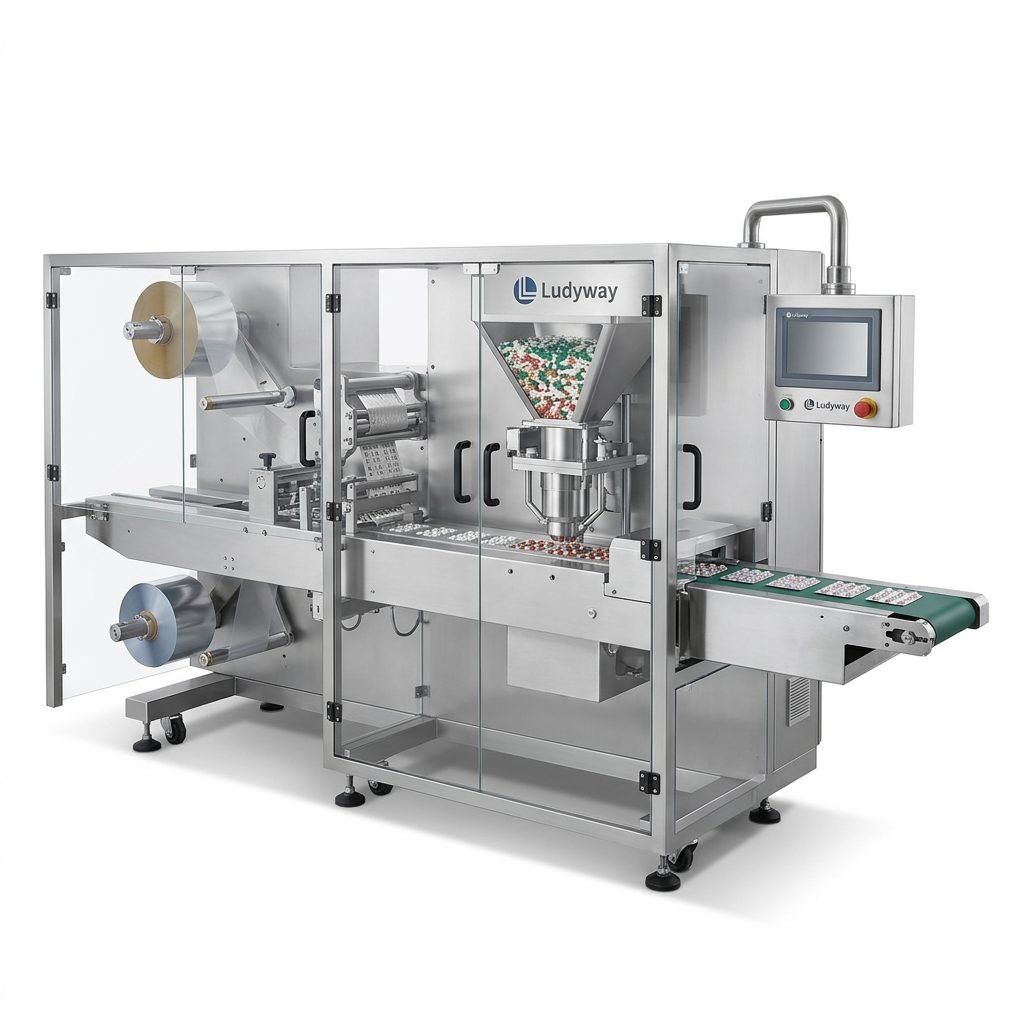
Before diving into specifications, it is essential to understand the primary categories of blister packaging equipment available on the market. Each type is designed for specific applications, production volumes, and packaging formats. The three main configurations include thermoforming, cold-forming, and combination systems that offer flexibility for diverse product lines.
Thermoforming Blister Machines
Thermoforming is the most widely used blister packaging method. It involves heating a plastic film—typically PVC, PET, or PP—and forming it into cavities using a mold. Once the cavities are formed, the product is loaded, and a lidding material such as aluminum foil or paper-backed foil is heat-sealed to the blister. Thermoforming is ideal for high-speed pharmaceutical packaging, as well as for consumer goods like batteries, hardware, and cosmetics. The process is cost-effective and supports a wide range of cavity shapes and depths.
Cold-Forming Blister Machines
Cold-forming uses aluminum-based laminates that are pressed into shape without heat. This method creates a nearly hermetic barrier against moisture, oxygen, and light, making it the preferred choice for sensitive pharmaceutical products and nutraceuticals. Cold-formed blisters offer superior protection but typically run at slower speeds and involve higher material costs. For products requiring maximum shelf-life stability, cold-forming is often the only viable option.
Combination and Specialty Systems
Some manufacturers require flexibility to run both thermoformed and cold-formed blisters on the same line. Combination machines, or those with quick-change tooling, allow producers to switch between formats with minimal downtime. Additionally, specialty blister machines exist for applications such as unit-dose pharmaceutical packaging, FDA-compliant food packaging, and medical device sterile barrier systems that must meet ISO 11607 requirements.
Critical Factors to Consider When Choosing a Blister Packaging Machine
Selecting the right automatic blister packaging machine involves evaluating multiple interconnected factors. The table below summarizes the key selection criteria that should guide your decision-making process.
| Selection Factor | What to Evaluate | Impact on Decision |
|---|---|---|
| Production Speed | Cycles per minute, output per shift | Directly affects throughput and ROI |
| Product Compatibility | Tablet size, capsule type, product fragility | Prevents damage and ensures consistent filling |
| Packaging Material | PVC, PET, PP, aluminum laminates | Determines barrier properties and cost |
| Cavity Configuration | Number of cavities per cycle, layout | Influences output and tooling investment |
| Sealing Technology | Heat seal, cold seal, ultrasonic | Affects seal integrity and material options |
| Automation Level | Manual, semi-automatic, fully automatic | Impacts labor requirements and consistency |
| Changeover Time | Tooling swap speed, recipe management | Critical for multi-product operations |
| Regulatory Compliance | FDA, cGMP, ISO, EU standards | Essential for pharmaceutical and food sectors |

Technical Specifications That Matter Most
Beyond the general selection criteria, several technical specifications deserve close attention during the evaluation process. These parameters directly influence machine performance, maintenance requirements, and long-term reliability.
- Forming Area Dimensions: The maximum and minimum forming area dictates the size range of blisters the machine can produce. Ensure the forming area accommodates your current and anticipated product sizes.
- Indexing Length and Speed: Indexing accuracy affects cavity alignment and seal registration. Servo-driven indexing systems offer superior precision compared to mechanical alternatives.
- Heating System Type: Plate heating, roll heating, or infrared systems each have distinct advantages for different materials. Consistent temperature control is vital for uniform cavity formation.
- Sealing Pressure and Temperature Range: Adjustable sealing parameters allow fine-tuning for different lidding materials and ensure reliable hermetic seals.
- Control System and HMI: Modern touchscreen interfaces with recipe storage, diagnostic capabilities, and remote access simplify operation and troubleshooting.
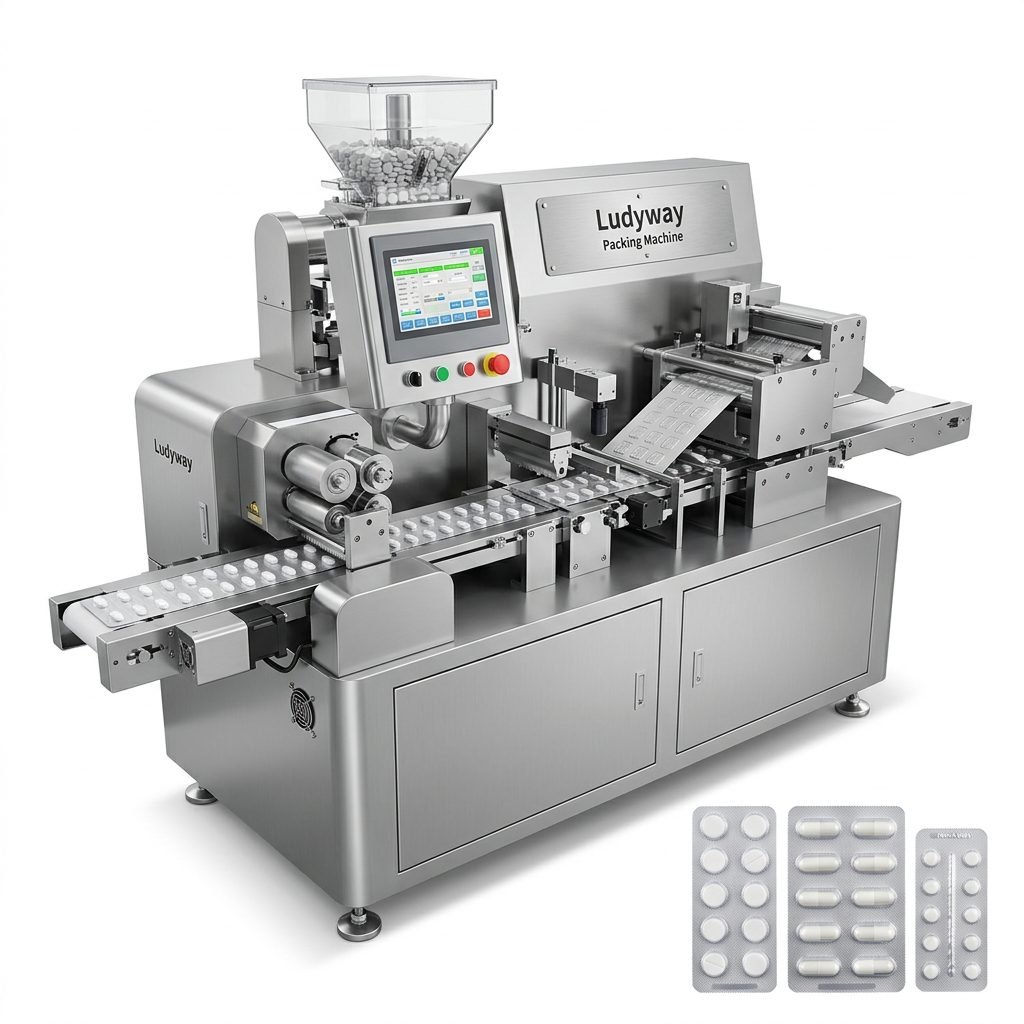
- Integration Capabilities: The ability to connect with upstream feeders, downstream cartoners, and serialization systems affects the overall efficiency of your packaging line.
Industry-Specific Requirements and Applications
Different industries impose unique demands on blister packaging equipment. Understanding the specific requirements of your sector will help narrow down suitable machine options and avoid costly compliance issues.
Pharmaceutical and Nutraceutical Applications
Pharmaceutical blister packaging must comply with stringent cGMP regulations and often requires serialization capabilities for track-and-trace compliance. Machines in this category need validated processes, cleanroom compatibility, and documentation packages that support regulatory submissions. The FDA’s food and drug packaging guidelines provide essential references for pharmaceutical manufacturers.
Food and Confectionery Packaging
Food-grade blister packaging prioritizes product freshness and visual appeal. Modified atmosphere packaging (MAP) capabilities, anti-fog films, and easy-open features are common requirements. Machines must handle a wide variety of product shapes and sizes, from chewing gum to baked goods, while maintaining high-speed output.
Consumer Goods and Electronics
Blister packs for consumer products focus on tamper resistance and retail display functionality. Trapped blister and clamshell formats are common, often requiring RF sealing or ultrasonic welding. These machines must accommodate irregular product geometries and heavier items that demand robust sealing integrity.
Evaluating Suppliers and Manufacturing Partners
Choosing the right equipment supplier is as important as selecting the machine itself. Look for manufacturers with proven industry experience, comprehensive after-sales support, and the engineering capability to customize solutions when needed. Evaluating a supplier’s track record—including installed base, customer references, and spare parts availability—provides valuable insight into long-term partnership potential.
For companies seeking a customized packaging machinery solution, working with an experienced manufacturer can streamline the entire procurement process. Ludyway Machinery, for example, offers extensive engineering capabilities and application experience across pharmaceutical, food, and consumer goods sectors, helping manufacturers identify the most suitable blister packaging configuration for their specific products and production goals.
Cost Considerations and Return on Investment
The purchase price of an automatic blister packaging machine represents only one component of the total cost of ownership. A comprehensive ROI analysis should account for the following elements:
- Initial Capital Investment: Machine cost, tooling, installation, and facility modifications.
- Operating Costs: Energy consumption, packaging materials, labor, and consumables.
- Maintenance and Spare Parts: Preventive maintenance schedules, wear part replacement frequency, and spare parts inventory.
- Downtime Risk: The cost of production interruptions due to equipment failure or prolonged changeovers.
- Scalability: The ability to increase capacity without replacing the entire machine.
Investing in a higher-quality machine with better reliability and faster changeover capabilities often yields a superior long-term ROI, even if the initial purchase price is higher. Resources such as the PMMI State of the Industry reports provide valuable benchmarking data for packaging equipment investments.
Validation, Installation, and Training
A successful blister packaging machine implementation extends beyond equipment delivery. Installation qualification (IQ), operational qualification (OQ), and performance qualification (PQ) are essential steps for pharmaceutical applications. Comprehensive operator training ensures that your team can maximize machine uptime and troubleshoot common issues independently. Verify that your supplier offers these services and includes them in the project scope.
For manufacturers operating in regulated markets, compliance with ISO 11607-2 validation requirements and other applicable standards must be documented throughout the equipment lifecycle. The Flexible Packaging Association’s regulatory resources offer additional guidance for navigating these requirements.
Making the Final Decision
Selecting the right automatic blister packaging machine is a strategic decision that affects product quality, production efficiency, and competitive positioning. Begin by clearly defining your current and projected requirements. Evaluate multiple suppliers against objective criteria, request sample runs with your actual products and materials, and visit reference installations whenever possible. By following a structured selection process and prioritizing quality, reliability, and supplier capability over purchase price alone, you can secure a packaging solution that delivers consistent value for years to come.
For additional industry insights and packaging machinery market data, visit the PMMI packaging industry resources portal and the Flexible Packaging Association knowledge hub.