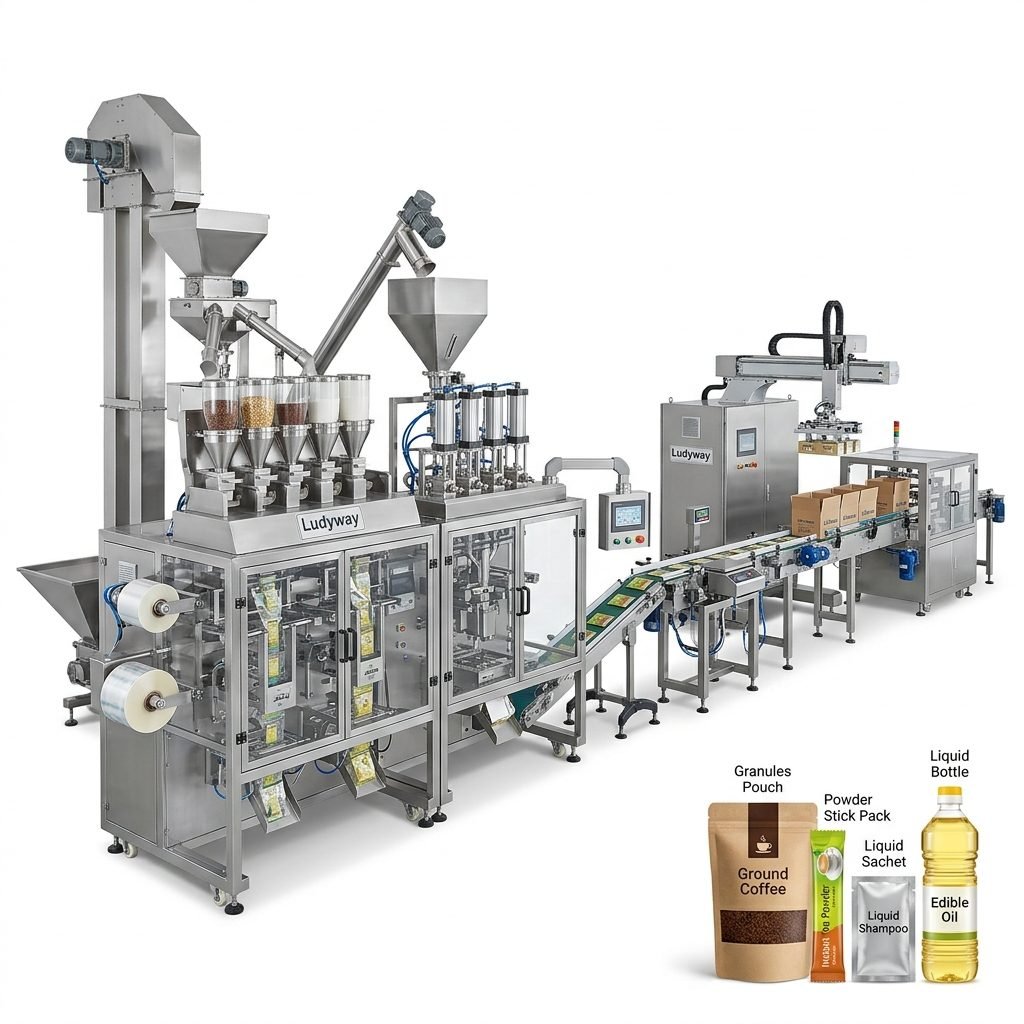
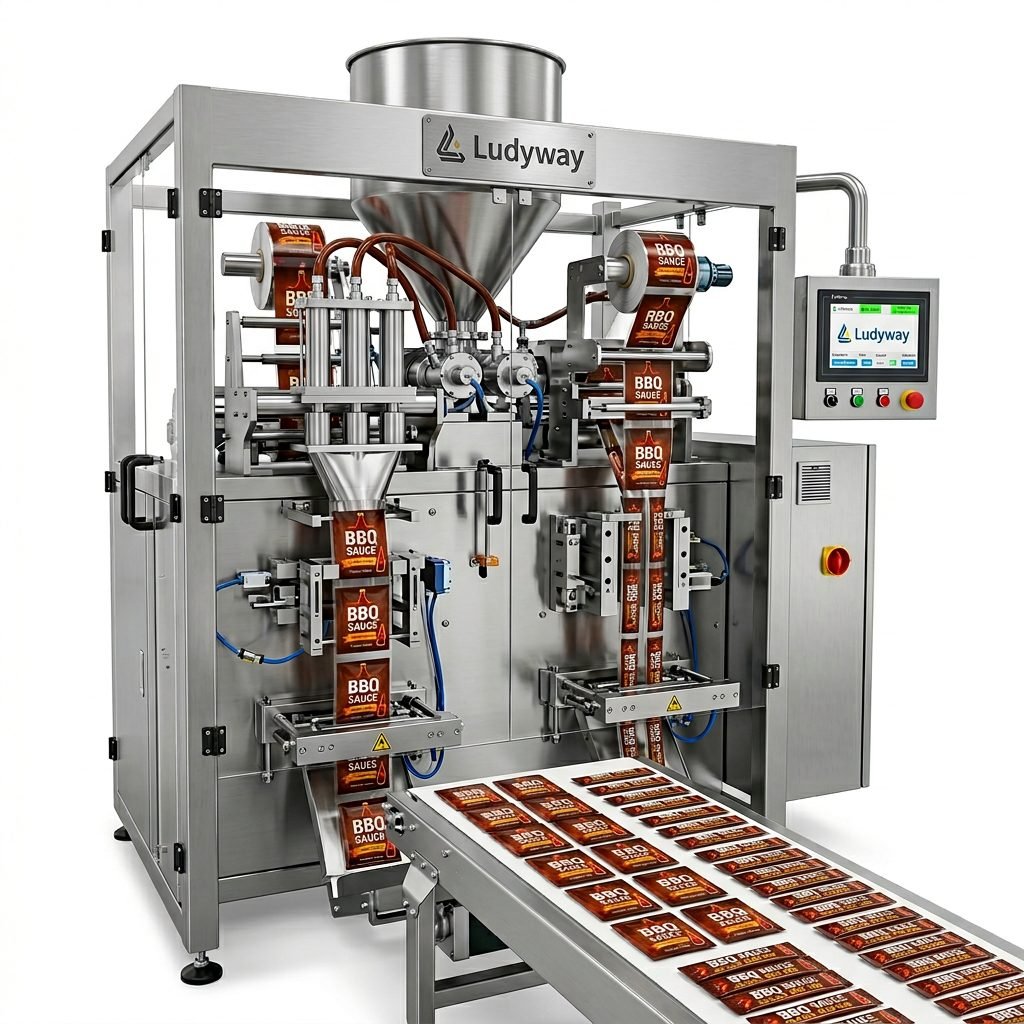
A packing bubble machine is a critical asset in any protective packaging line, producing cushioning materials that secure goods during transit. However, the combination of high heat, plastic film, and continuous operation inevitably leads to dust buildup, residue accumulation, and mechanical wear. Implementing a structured maintenance and cleaning schedule not only extends the lifespan of your equipment but also ensures consistent bubble quality, reduces energy costs, and prevents unexpected production downtime. This guide outlines the essential steps to maintain peak performance.
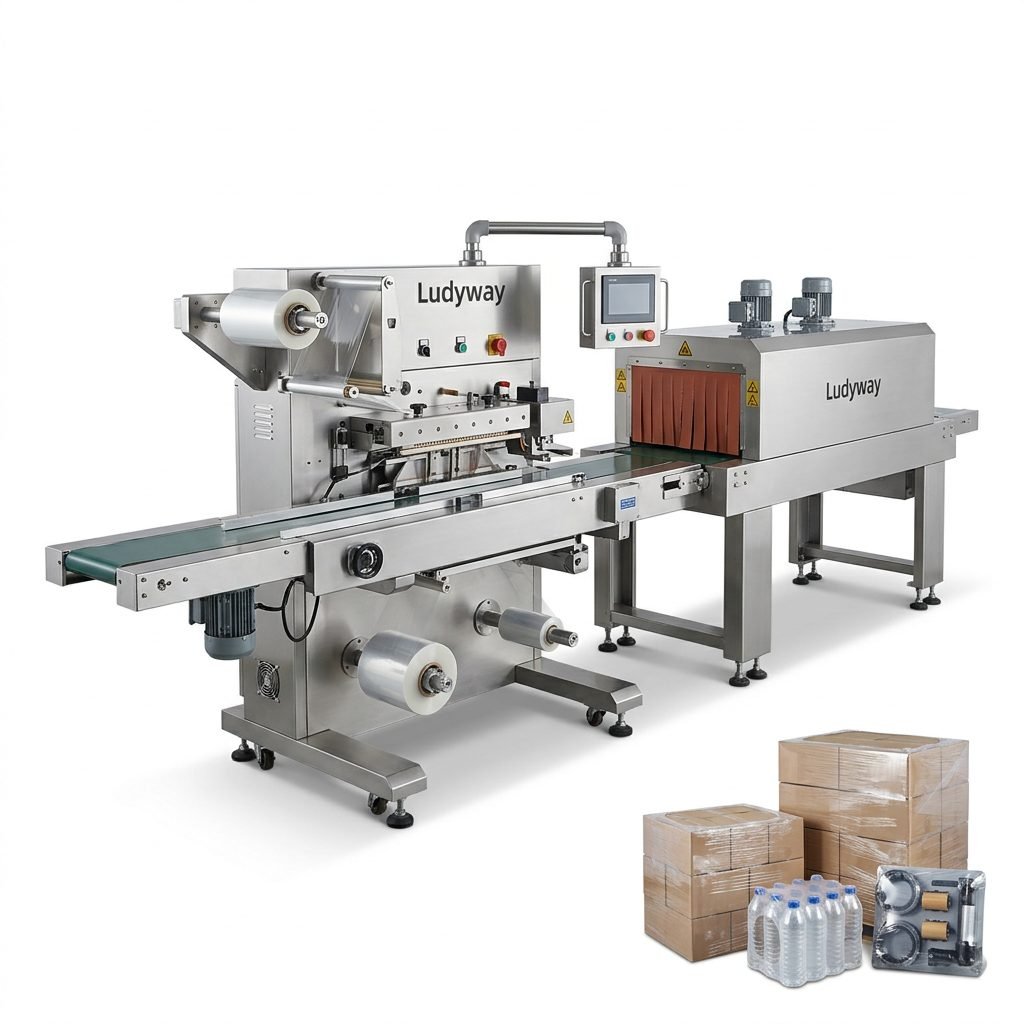
Daily Cleaning: The First Line of Defense
The most common cause of performance drops in a packing bubble machine is the buildup of contaminants on critical components. Adhering to a daily cleaning ritual prevents long-term damage. Start by powering down the machine and locking out the main energy source to guarantee safety.
- Heating Elements and Sealing Bars: Use a soft, non-abrasive cloth and a specialized plastic-safe solvent to remove melted polyethylene residue. Never use metal scrapers, as they can scratch the Teflon coating and cause uneven heat distribution.
- Film Tension Rollers: Dust and static attract debris to the rollers. Wipe them down thoroughly to prevent film misalignment and wrinkles.
- Air Filters: Clogged filters restrict airflow, forcing the compressor to work harder. A quick daily visual check can prevent thermal overload shutdowns.
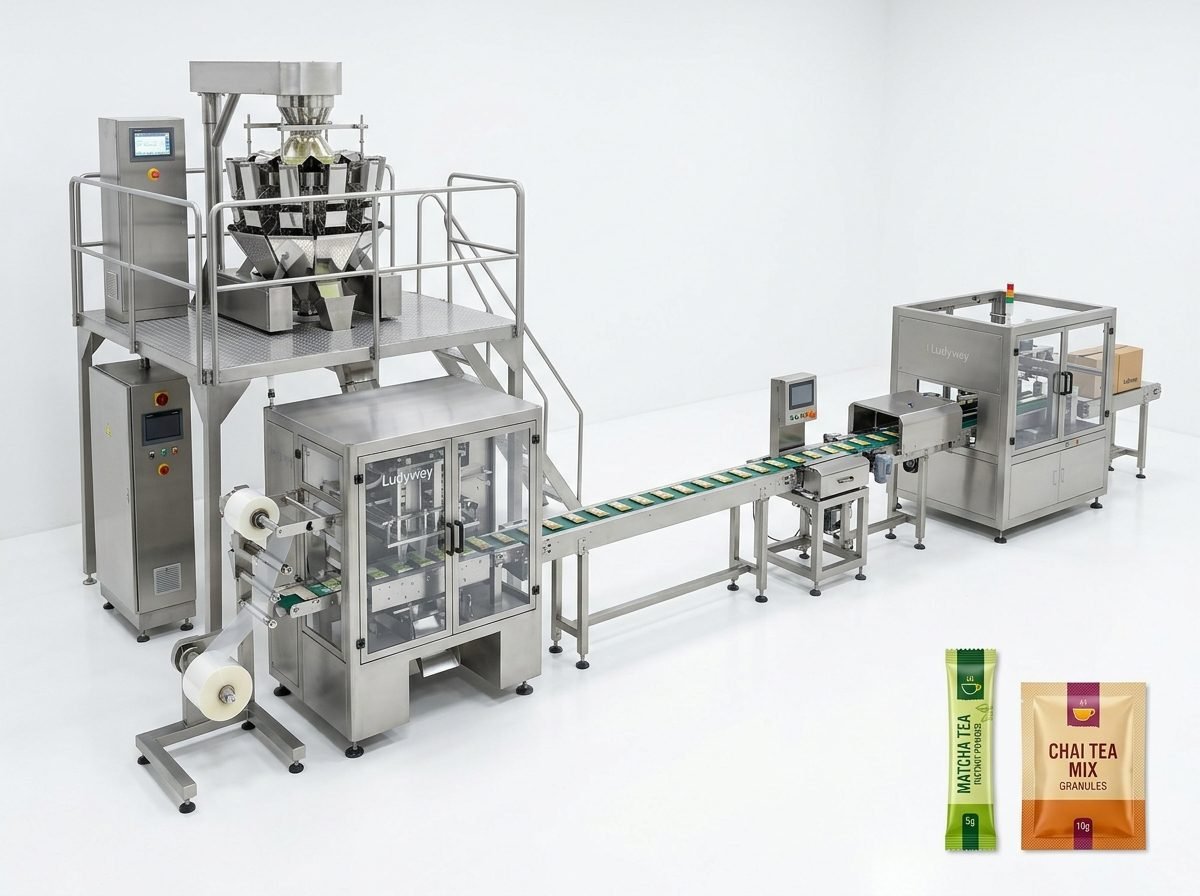
Weekly and Monthly Inspection Checklist
While daily cleaning addresses surface issues, a deeper weekly and monthly inspection catches mechanical fatigue before it leads to failure. Relying on industry resources can help you benchmark these intervals, but always prioritize your specific production volume.
| Component | Maintenance Task | Recommended Frequency |
|---|---|---|
| Drive Chains & Gears | Lubricate with high-temperature grease | Weekly/Monthly |
| Pneumatic Lines | Inspect for air leaks and moisture build-up | Weekly |
| Electrical Terminals | Tighten connections; check for burn marks | Monthly |
| Safety Guard Sensors | Test interlock functionality and alignment | Monthly |
Why Professional Servicing Matters
While your on-site team can handle routine cleanliness and basic lubrication, complex diagnostics—such as PLC programming errors or motor drive failures—require expert intervention. According to the latest packaging industry data, unplanned downtime can cost manufacturers thousands of dollars per hour. Partnering with the original equipment manufacturer (OEM) ensures access to genuine spare parts and technical support. For instance, an established packaging machine manufacturer like Ludyway emphasizes the use of OEM parts to maintain high-speed precision and long-term equipment value, preventing the inefficiencies caused by generic substitutes.
Troubleshooting Common Bubble Irregularities
If you notice inconsistent bubble sizes or thin spots, the root cause is usually traced back to maintenance issues. Check if the cooling fans are obstructed by dust, which prevents the film from setting properly. Additionally, verify that the vacuum suction is consistent. An improperly maintained PMMI standards-compliant system will quickly lose its precision sealing capabilities, leading to material waste.
Key Maintenance Pitfalls to Avoid
Even well-intentioned maintenance teams can accidentally harm the machine. Avoid these critical mistakes to ensure your packing bubble machine remains reliable:
- Using Harsh Chemical Cleaners: Strong detergents can corrode aluminum parts and degrade plastic housings. Adhere strictly to the cleaning agents recommended in the OEM manual.
- Ignoring Unusual Noises: Squeaking, grinding, or hissing sounds usually indicate that a bearing is dry, a belt is slipping, or a seal has broken. Immediate investigation is required to prevent catastrophic failure.
- Bypassing Safety Protocols: Never override safety switches for temporary speed. It places technicians at acute risk and often leads to severe mechanical breakdowns that void warranties.
Extending the Lifecycle of Your Investment
A proactive approach to upkeep is the most profitable strategy for any global packaging machinery operation. By integrating these cleaning and maintenance tips into your standard operating procedures, you safeguard product quality, minimize material losses, and ensure the equipment continues to perform at its rated capacity. Always keep a detailed logbook of maintenance actions; this historical data is invaluable for predicting future service needs and optimizing your packaging line’s overall equipment effectiveness (OEE).