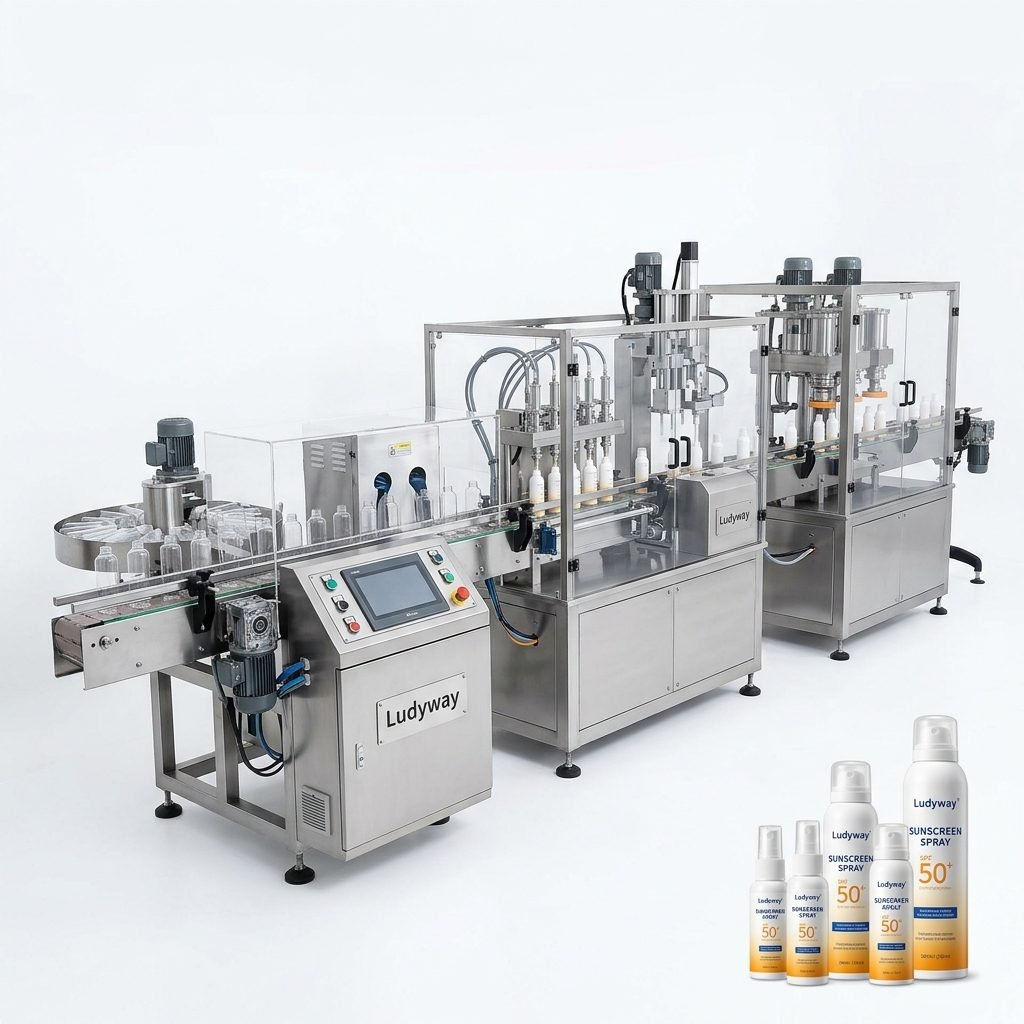
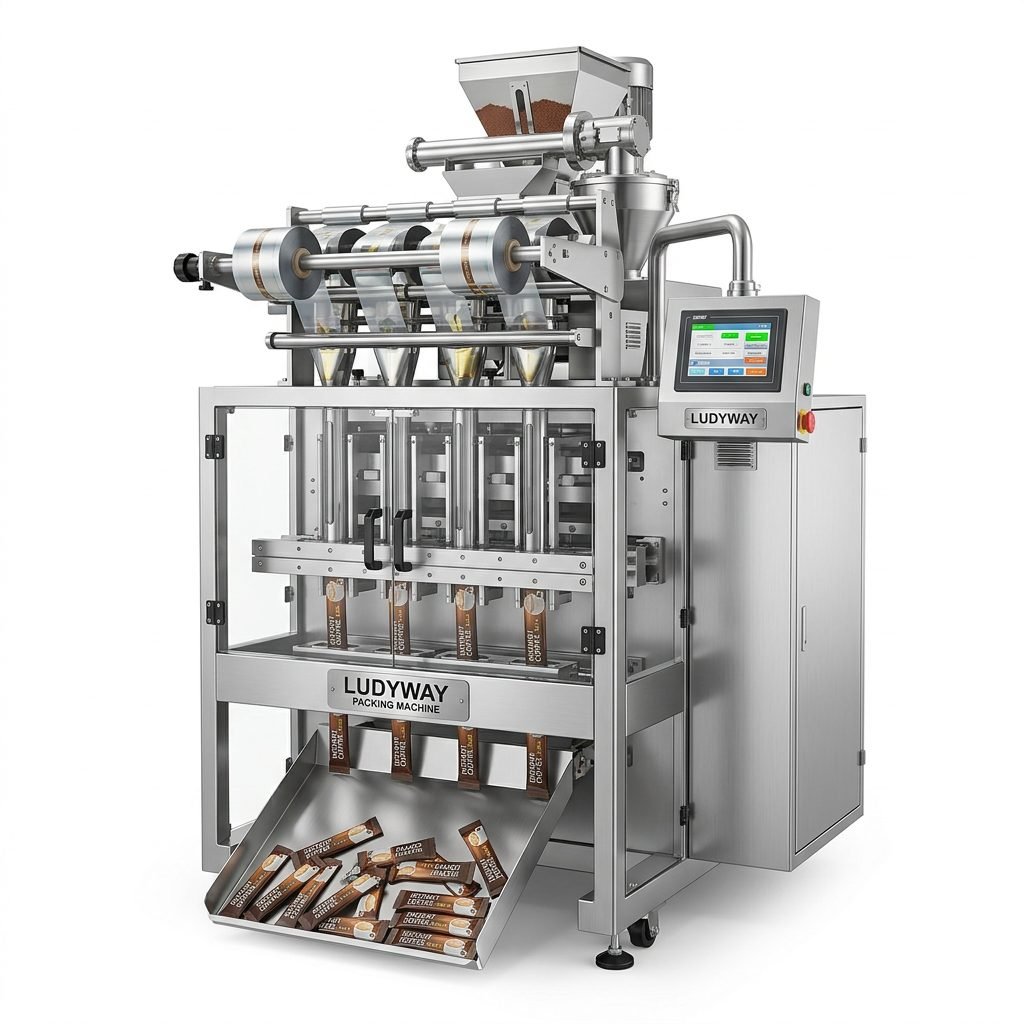
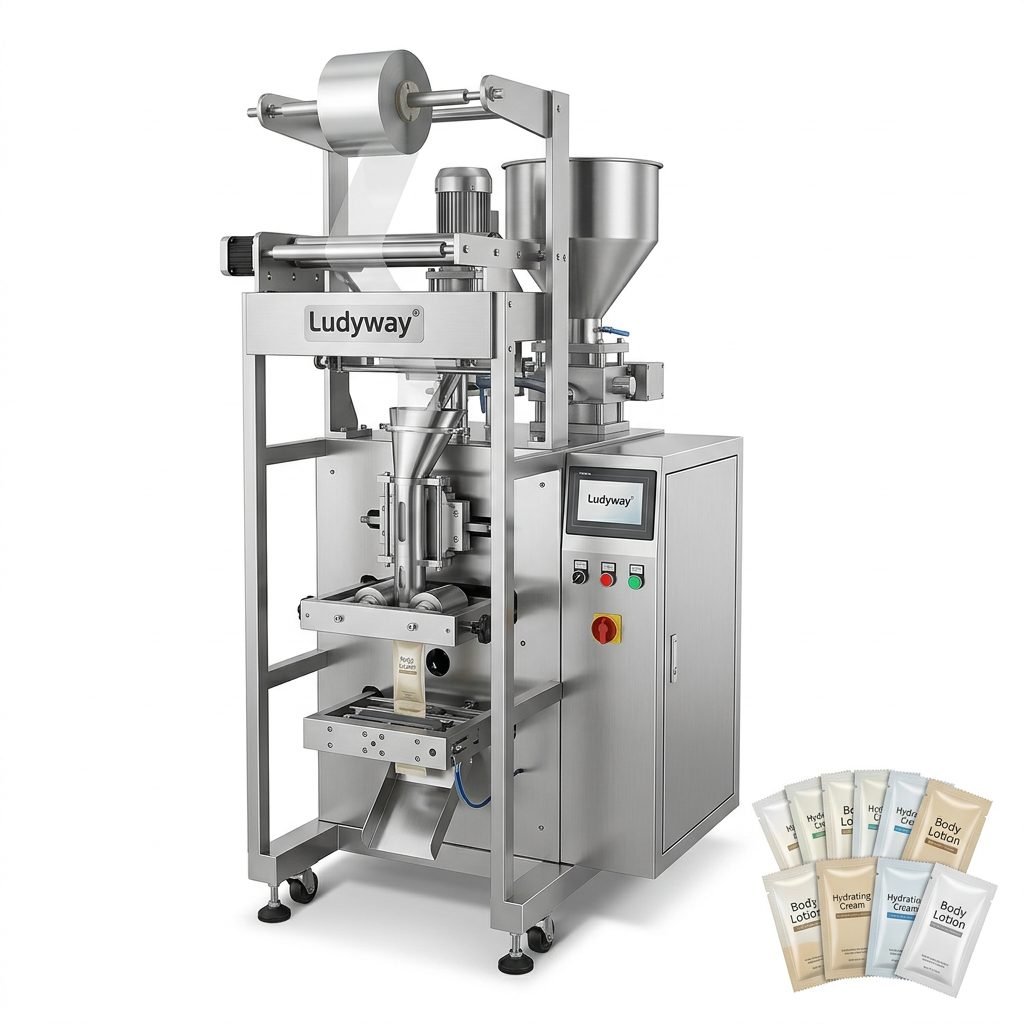
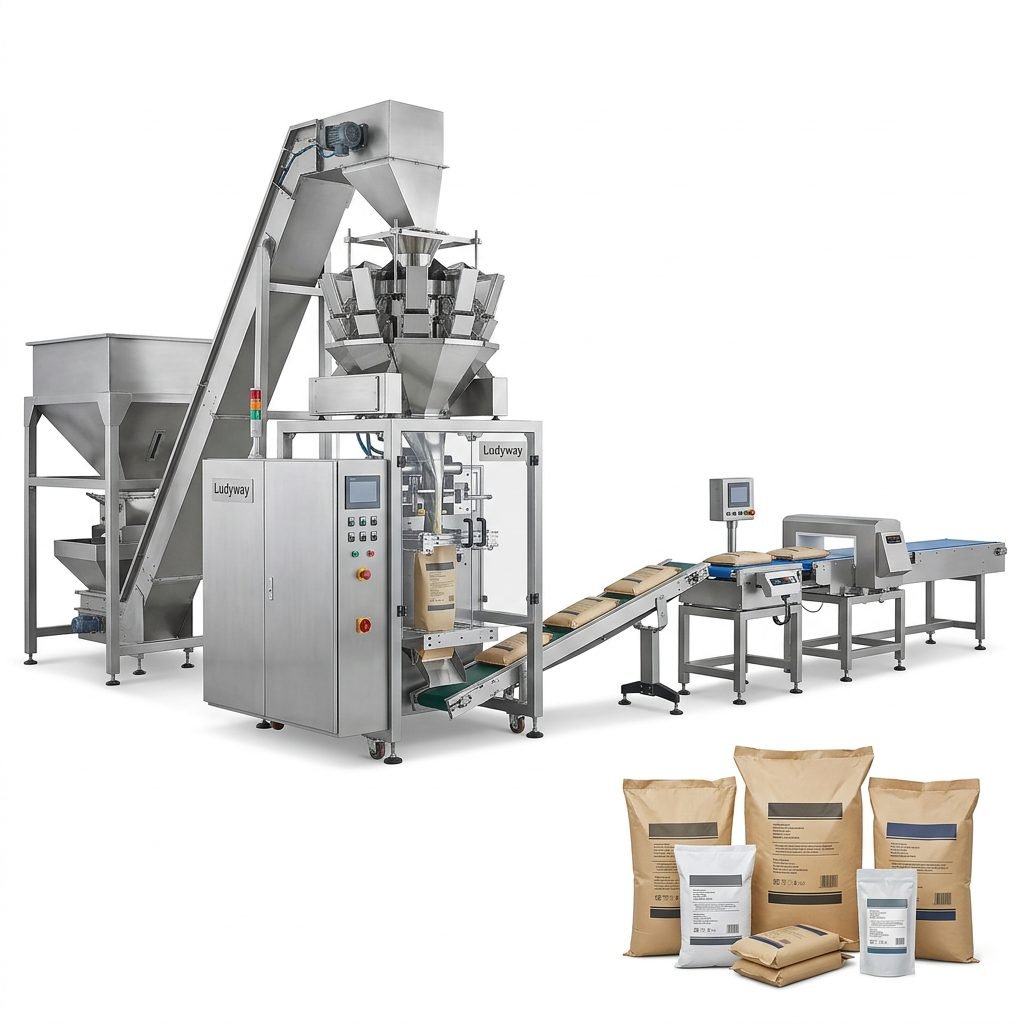
Investing in an automatic bottle packing machine is a strategic decision that directly impacts your production efficiency, product safety, and operational costs. Whether you are filling liquids, powders, or granules, choosing the wrong system can lead to costly bottlenecks. This guide breaks down the essential criteria to help you select the perfect solution for your manufacturing line.
Understanding Your Product Characteristics
The nature of your product is the most critical factor in machine selection. You must evaluate:
- Viscosity: Is the product free-flowing like water, semi-viscous like syrup, or highly viscous like a paste? This determines the type of filling technology required.
- Chemical Properties: Is the product corrosive, abrasive, or sensitive to shear? Materials like stainless steel 316 may be mandatory for aggressive chemicals.
- Particle Size: For powders and granules, uniformity and dust levels impact the sealing integrity of the bottle.
- Foaming Tendency: Liquid products that foam require specialized bottom-up filling nozzles to prevent inaccurate fills.
Common Product Categories and Required Technologies
| Product Type | Example | Recommended Filling System |
|---|---|---|
| Thin Liquids | Water, Juice, Edible Oils | Gravity or Overflow Fillers |
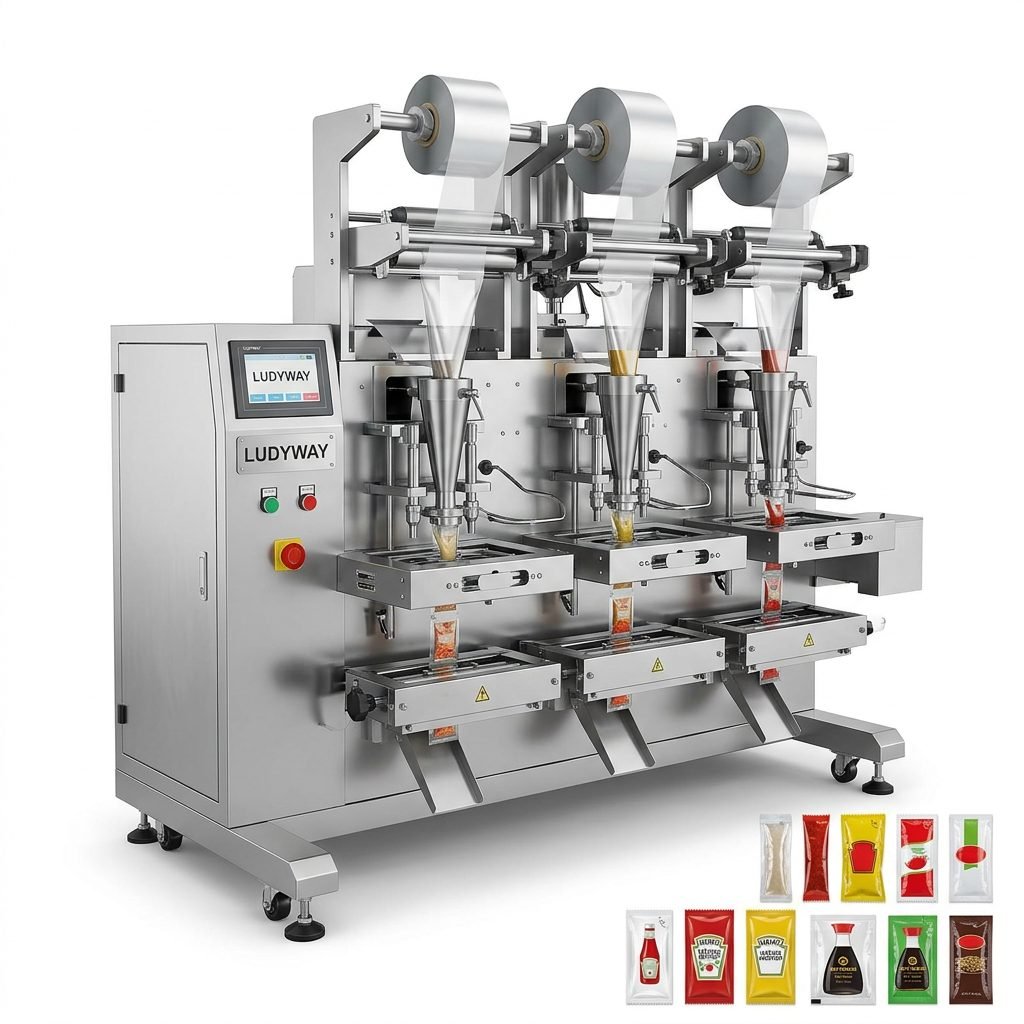
| Thick Liquids | Shampoo, Lotion, Honey | Piston or Pump Fillers |
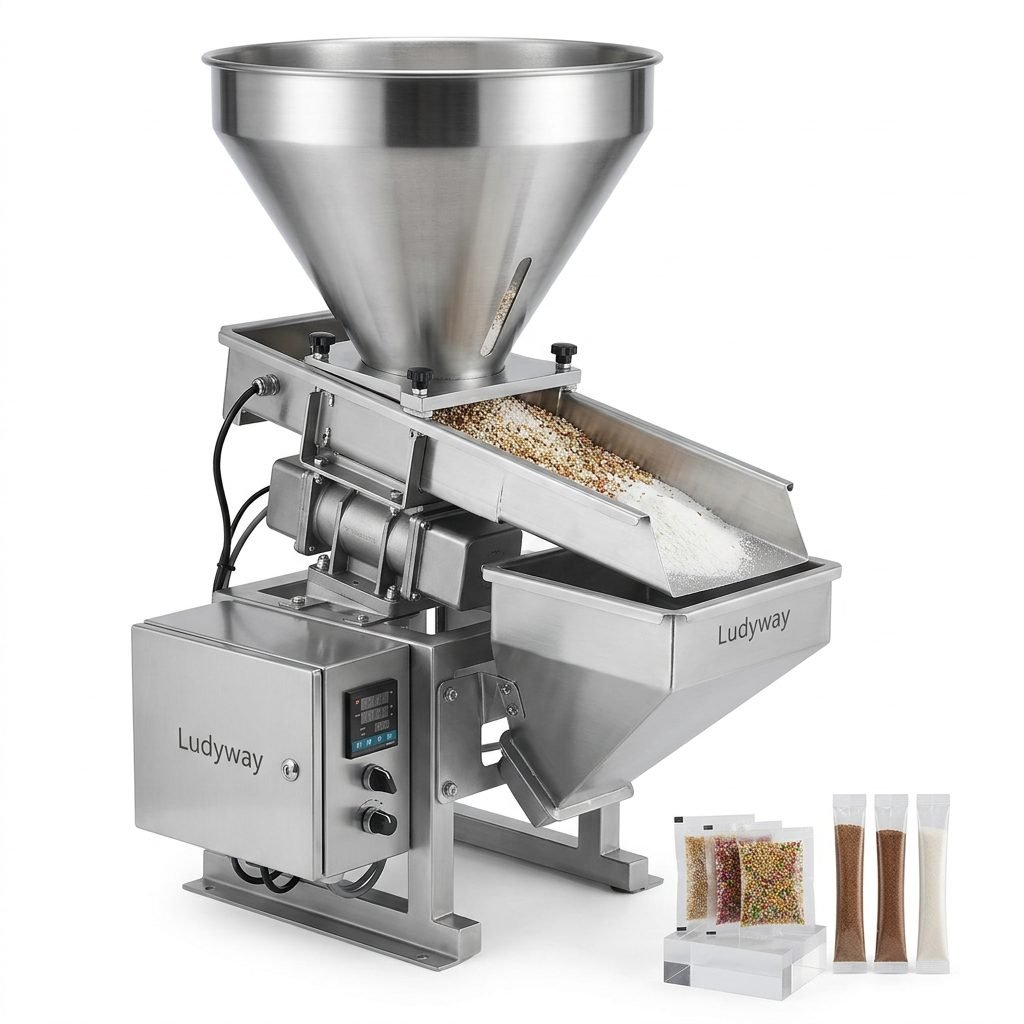
| Powders | Milk Powder, Spices, Detergent | Auger or Vacuum Fillers |
| Granules | Coffee Beans, Seeds, Pet Food | Net Weigh or Volumetric Fillers |
Defining Production Capacity and Speed
You need to match the machine’s throughput to your demand. Output is typically measured in Bottles Per Minute (BPM). A common mistake is buying a machine that is too slow for future growth, or overly complex for current startup needs.
Consider these production tiers:
- Entry Level (Up to 30 BPM): Suitable for startups or small batches. Often semi-automatic systems.
- Mid-Range (30 to 80 BPM): Ideal for growing medium-sized enterprises looking for inline automatic systems.
- High-Speed (80 to 200+ BPM): Necessary for large-scale factories requiring rotary or multi-head configurations.
Always verify the manufacturer’s claimed speed with a full bottle travel test rather than theoretical “dry cycling” speeds.
Bottle Compatibility and Handling
The geometry of your container dictates the necessary handling parts. A standard automatic bottle packing machine requires specific change parts for:
- Bottle diameter and height
- Closure type (screw cap, snap cap, dropper)
- Label type (wrap-around, front-back, shrink sleeve)
If you plan to run multiple bottle sizes, prioritize quick changeover features. Advanced systems offer servo-driven adjustments that minimize downtime between batches.
Capping and Sealing Integrity
The closure system is as vital as the filler. Depending on your industry, you might need:
- Torque Monitoring: To prevent under-tightening (leakage) or over-tightening (damage).
- Induction Sealing: For tamper-evident liquid packaging, essential in pharmaceutical and chemical industries.
- Press-On Caps: Common for personal care and cosmetic products.
Material Selection and Hygiene Standards
Frame and contact parts must be compatible with your cleaning protocols. The industry standard is 304 or 316L stainless steel.
- Food Grade (FDA): Requires smooth surfaces without crevices to prevent bacterial growth.
- Pharmaceutical Grade (GMP): Demands high precision dosing, dust extraction, and cleanroom compatibility.
- Chemical Grade: Requires resistance to corrosion and aggressive solvents.
Machines designed to flexible packaging association and ISO standards ensure easy disassembly for wash-downs.
Customization and Automation Integration
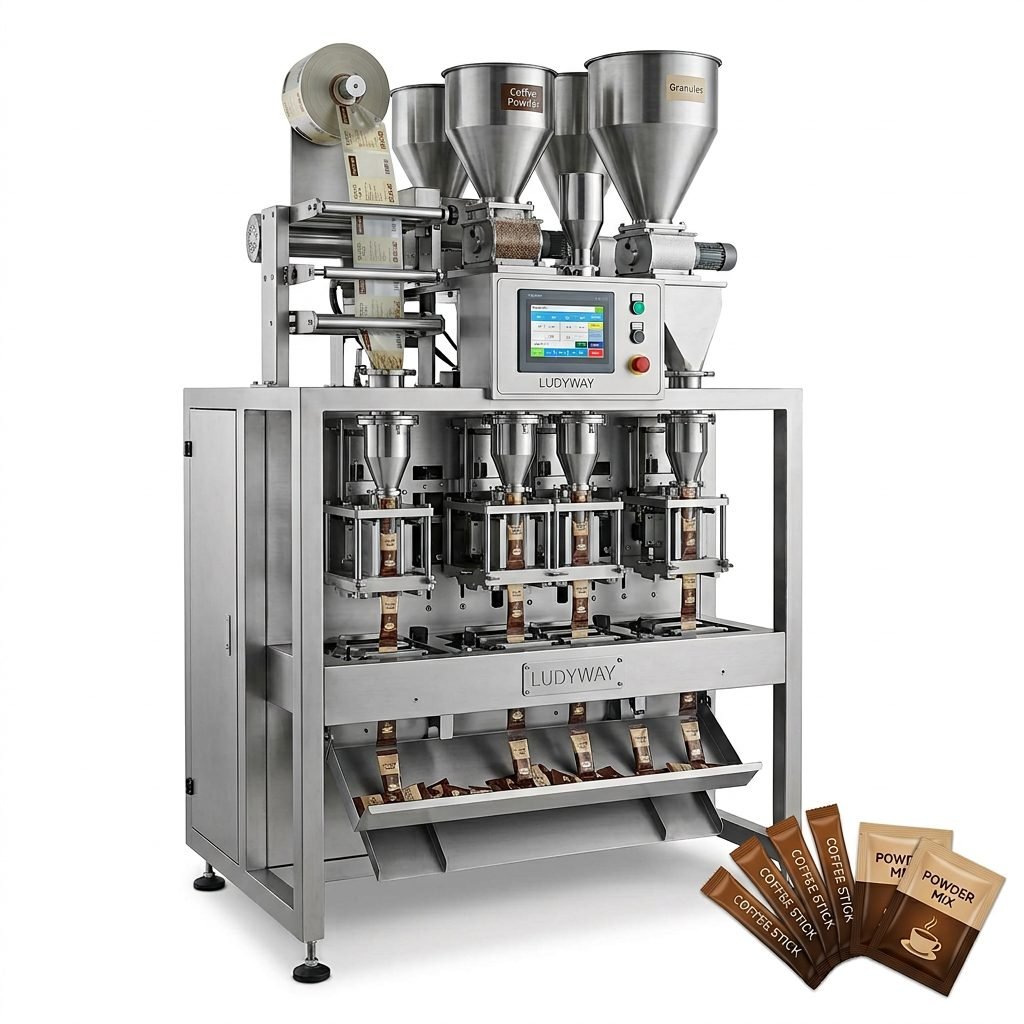
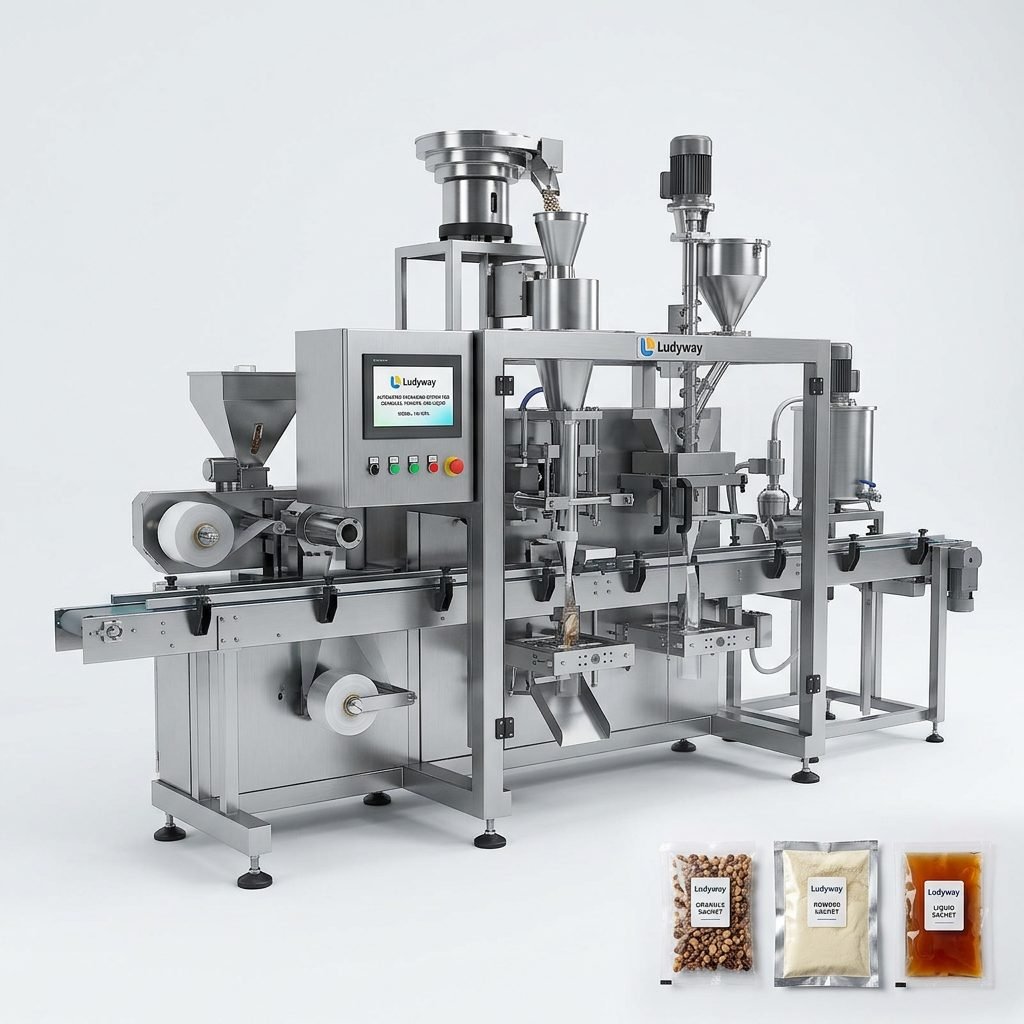
Rarely does a “standard” machine fit every custom requirement. The right partner will offer engineering configurations. Ludyway Machinery, with its 20,000-square-meter facility and 30 years of experience, specializes in customizable automatic packaging equipment, from individual fillers to complete turnkey lines that integrate bottle unscramblers, liquid fillers, cappers, labelers, and cartoners into one seamless automated packaging line.
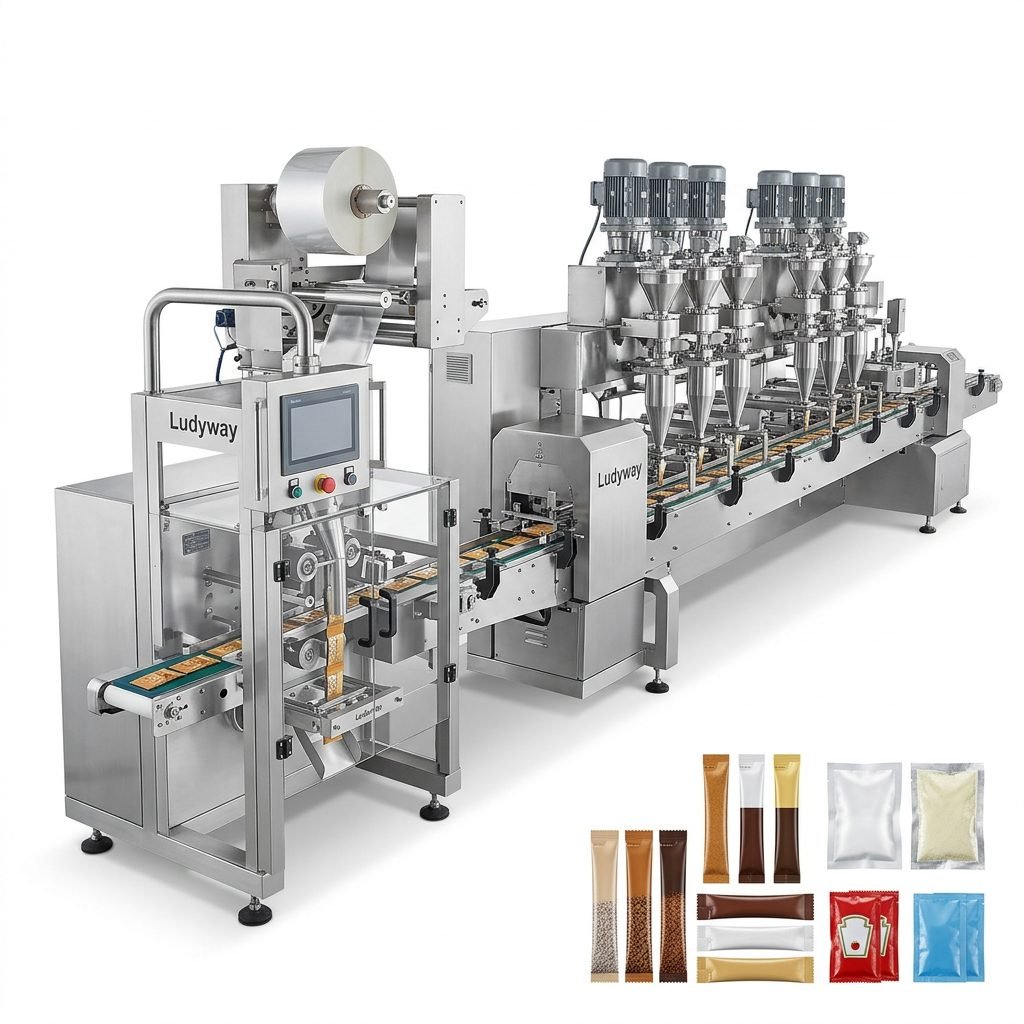
Key Integration Components
- Automated Feeding Systems: Bottle unscramblers and rotary turntables.
- Vision Inspection: Checking fill levels, label placement, and cap presence.
- Serialization & Traceability: Laser coding or inkjet printing for batch numbers and expiry dates according to FDA packaging requirements.
- End-of-Line Packaging: Case packers and palletizers to automate the final handling.
Evaluating Manufacturer Support and Service
A machine’s lifespan often mirrors the quality of the after-sales service. When comparing suppliers, weight these factors equally with price:
| Criteria | Why It Matters |
|---|---|
| Spare Parts Availability | Long lead times on proprietary parts can stop production for weeks. |
| Remote Diagnostics | Look for suppliers offering VPN support or real-time remote assistance. |
| Installation & Training | Proper commissioning and operator training ensure immediate smooth running. |
| Certification Documentation | CE, GMP, or other applicable certifications prove credibility and ease export processes. |
Calculating Total Cost of Ownership (TCO)
The upfront price tag is just the beginning. Calculate TCO by analyzing:
- Energy Consumption: Pneumatic vs. all-electric servo drives (all-electric is quieter and often more energy-efficient for specific functions).
- Wear Parts: Seals, nozzles, and belts need regular replacement.
- Waste Reduction: Precision filling minimizes product giveaway, which is crucial for high-value liquids.
- Labor Savings: A true automatic line should reduce the number of operators needed compared to a semi-automatic setup.
Questions to Ask Before You Buy
- Can the machine handle my current bottle type and a potential future market trend?
- Is the changeover time under 30 minutes for different sizes?
- Does the supplier have a successful installation history in my specific niche?
- Are there local technical support agents in my region?
- Does the design comply with the latest packaging waste regulations for my target market?
Selecting the appropriate automatic bottle filling and packing line is a multi-layered process that balances budget, technical specs, and long-term supplier reliability. By focusing on product compatibility, build quality, and comprehensive service support, you secure manufacturing efficiency that scales with your business. Be sure to test your specific products on the equipment before finalizing the purchase to validate all performance claims.