In today’s hygiene product market, diaper manufacturers face constant pressure to improve output, reduce labor dependency, protect product cleanliness, and deliver retail-ready packs with consistent quality. An advanced diaper packing machine helps solve these challenges by integrating counting, stacking, bag forming, filling, sealing, coding, and end-of-line handling into one efficient automated workflow.
Whether you produce baby diapers, adult diapers, pull-up pants, underpads, or sanitary care products, the right automated packaging system can significantly increase productivity while supporting flexible packaging formats for different sales channels, from e-commerce bundles to supermarket packs and bulk institutional packaging.
What Is a Diaper Packing Machine?
A diaper packing machine is an automated system designed to package diapers into bags, pouches, or bundled packs after the diapers leave the production line. Depending on the project scope, the system may include:
- Automatic counting and arranging of diapers
- Compression or stacking units for space-saving packaging
- Bag feeding or film forming systems
- Automatic inserting, filling, and sealing functions
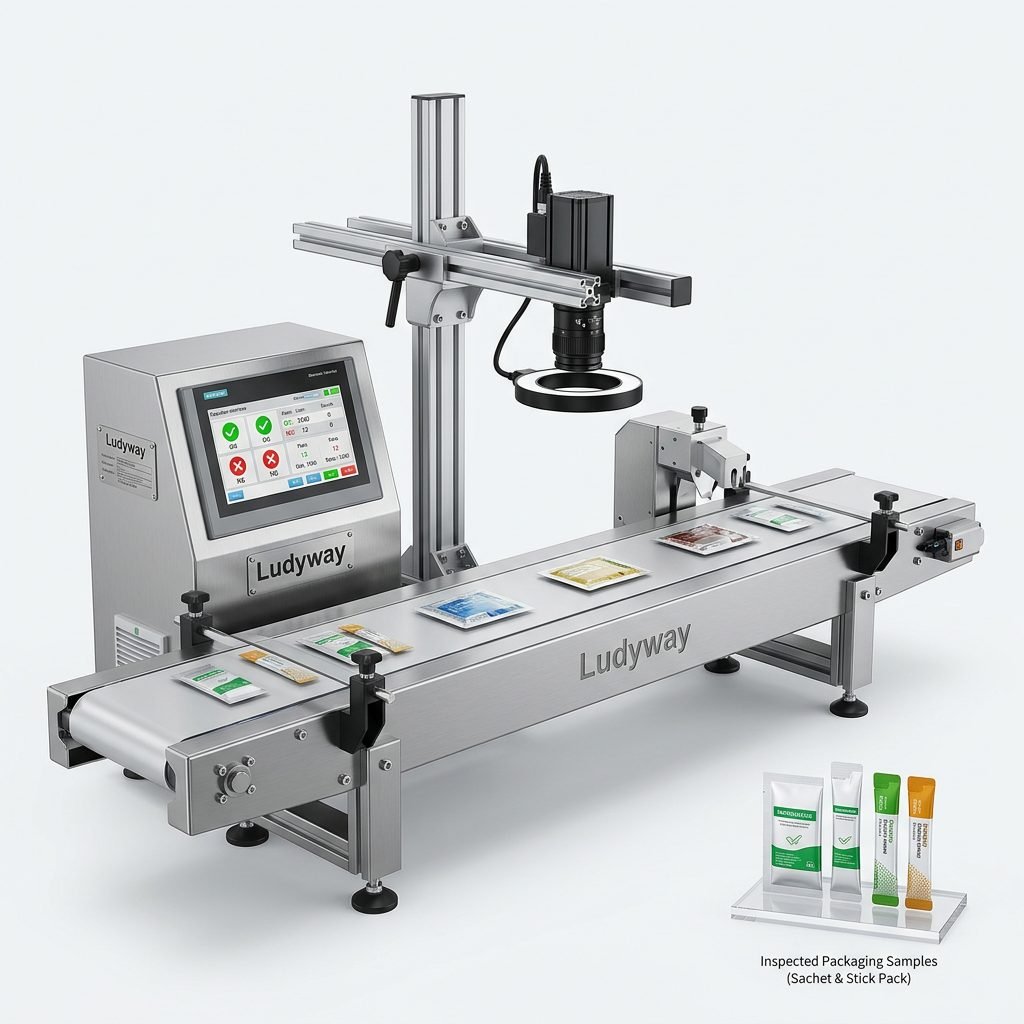
- Date coding, label application, and inspection modules
- Cartoning, case packing, and palletizing integration
These machines are widely used in hygiene product factories that need stable output, clean packaging conditions, and scalable automation for both medium- and high-volume production.
Why Automation Matters in Diaper Packaging
Diaper products require clean handling, neat pack appearance, and efficient logistics. Manual packaging often creates bottlenecks, especially when product counts vary by SKU or when production speed rises. Automated packing systems help manufacturers standardize packaging quality while lowering operational risk.
| Packaging Challenge | Automated Solution |
|---|---|
| High labor demand | Automatic counting, stacking, bagging, and sealing reduce manual intervention |
| Inconsistent pack quantity | Servo-controlled counting systems improve accuracy |
| Poor pack appearance | Stable stacking and compression create cleaner, shelf-ready packs |
| Low production efficiency | Continuous operation supports high-speed output |
| Difficult SKU switching | Flexible settings allow rapid changeover for different pack sizes |
Main Applications
Modern diaper packing equipment can handle a wide range of absorbent hygiene products. The packaging line can be configured according to product size, softness, pack count, and material thickness.
Typical Products
- Baby diapers
- Baby training pants
- Adult diapers
- Adult pull-up pants
- Maternity pads
- Underpads
- Sanitary napkins and related hygiene items
Typical Pack Formats
- PE bag packs
- Handle bags for retail sale
- Compressed packaging
- Multi-pack bundles
- Carton-ready inner bags
- Bulk institutional packs
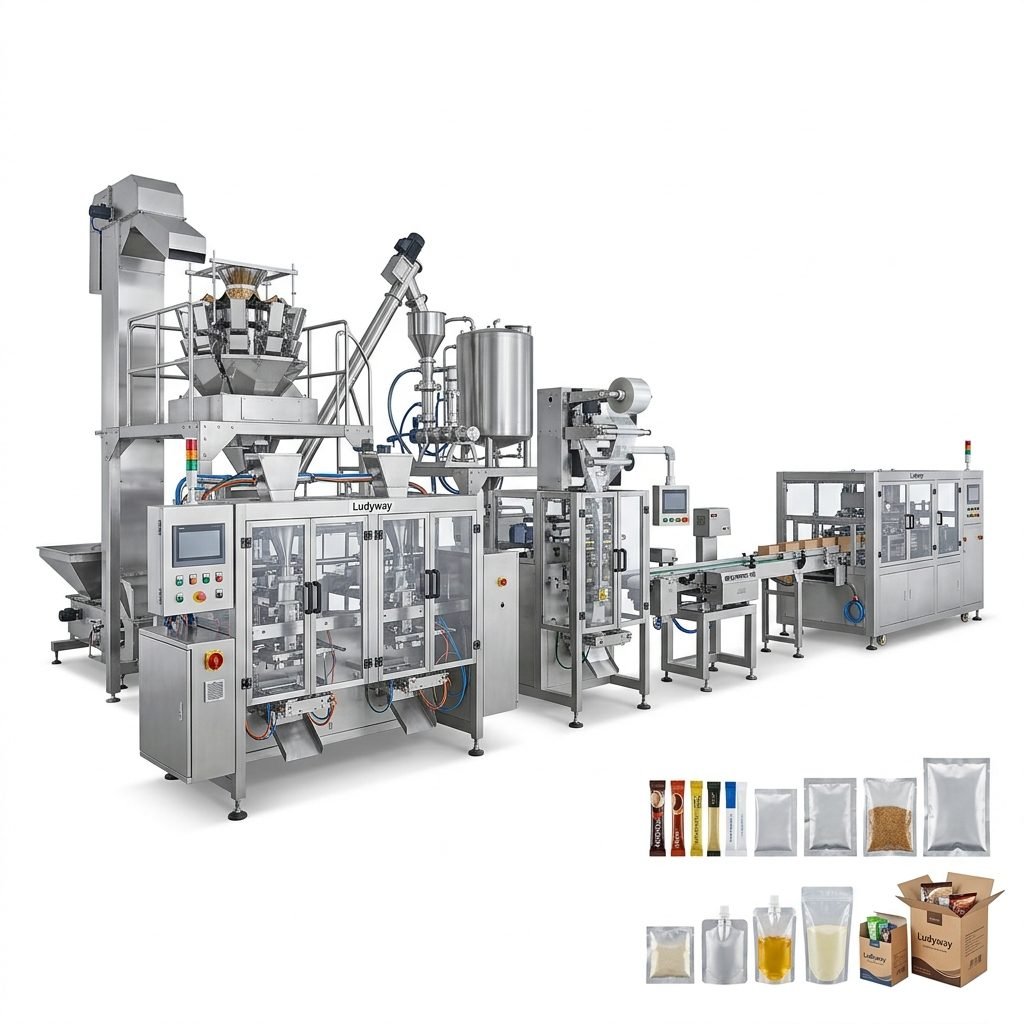
Key Features of an Efficient Diaper Packing Machine
1. Automatic Counting and Stacking
Accurate counting is essential in diaper packaging. A reliable machine automatically groups diapers based on preset quantities and arranges them into neat stacks before insertion into the bag. This improves pack consistency and reduces giveaway or shortage issues.
2. High-Speed Operation
Automated systems are designed to match the output of upstream diaper production equipment. High-speed performance ensures the packaging section does not become the limiting point of the entire line.
3. Gentle Product Handling
Because diapers are soft and easily deformed, the packaging process must protect product shape. Well-designed transfer systems reduce squeezing, misalignment, and material damage during movement.
4. Flexible Size Changeover
Manufacturers often run multiple SKUs, such as newborn, medium, large, XL, and adult sizes. Efficient changeover functions help operators switch between product formats faster and minimize downtime.
5. Strong Sealing Performance
Bag sealing quality affects hygiene protection, visual appearance, and transportation stability. A quality diaper bagging system delivers clean seals with reliable closure strength.
6. Integration with End-of-Line Systems
For higher automation levels, diaper packaging machines can connect with conveying systems, checkweighers, coding devices, case packers, and palletizers to create a more complete turnkey packaging solution.
Benefits for Baby and Adult Diaper Manufacturers
Investing in automated packaging is not only about speed. It also improves overall manufacturing performance across quality, workforce planning, and supply chain operations.
- Higher output capacity for growing market demand
- Reduced labor costs through automation of repetitive packaging tasks
- Better hygiene control by reducing direct manual contact
- Improved pack uniformity for retail presentation and logistics
- Lower operational error rates in counting and sealing
- Better compatibility with modern smart factory planning
Baby Diaper vs. Adult Diaper Packaging Considerations
Although both product categories can use similar automation principles, their packaging requirements are often different. Adult diaper packaging typically involves larger product dimensions, thicker stacks, and lower pack counts, while baby diapers often demand more SKU variety and higher retail turnover.
| Factor | Baby Diapers | Adult Diapers |
|---|---|---|
| Pack count range | Often wider retail variation | Often lower count, larger product size |
| Compression needs | Moderate to high | High importance for shipping efficiency |
| Retail presentation | Highly brand-sensitive | Focused on clarity, practicality, and comfort messaging |
| Material handling | Requires gentle movement for lighter products | Requires stable handling for bulkier packs |
How to Choose the Right Diaper Packing Machine
The right packaging system depends on your production goals, product range, and expansion plan. Before selecting equipment, manufacturers should assess both current and future packaging requirements.
Important Selection Criteria
- Production speed required per minute
- Baby diaper, adult diaper, or mixed product compatibility
- Available pack counts and bag dimensions
- Required automation level
- Film type and packaging material compatibility
- Factory floor layout and line connection needs
- Maintenance accessibility and operator usability
- After-sales technical support and spare parts availability
It is also important to evaluate whether the supplier can provide not only a standalone packer, but also complete line integration when your operation expands.
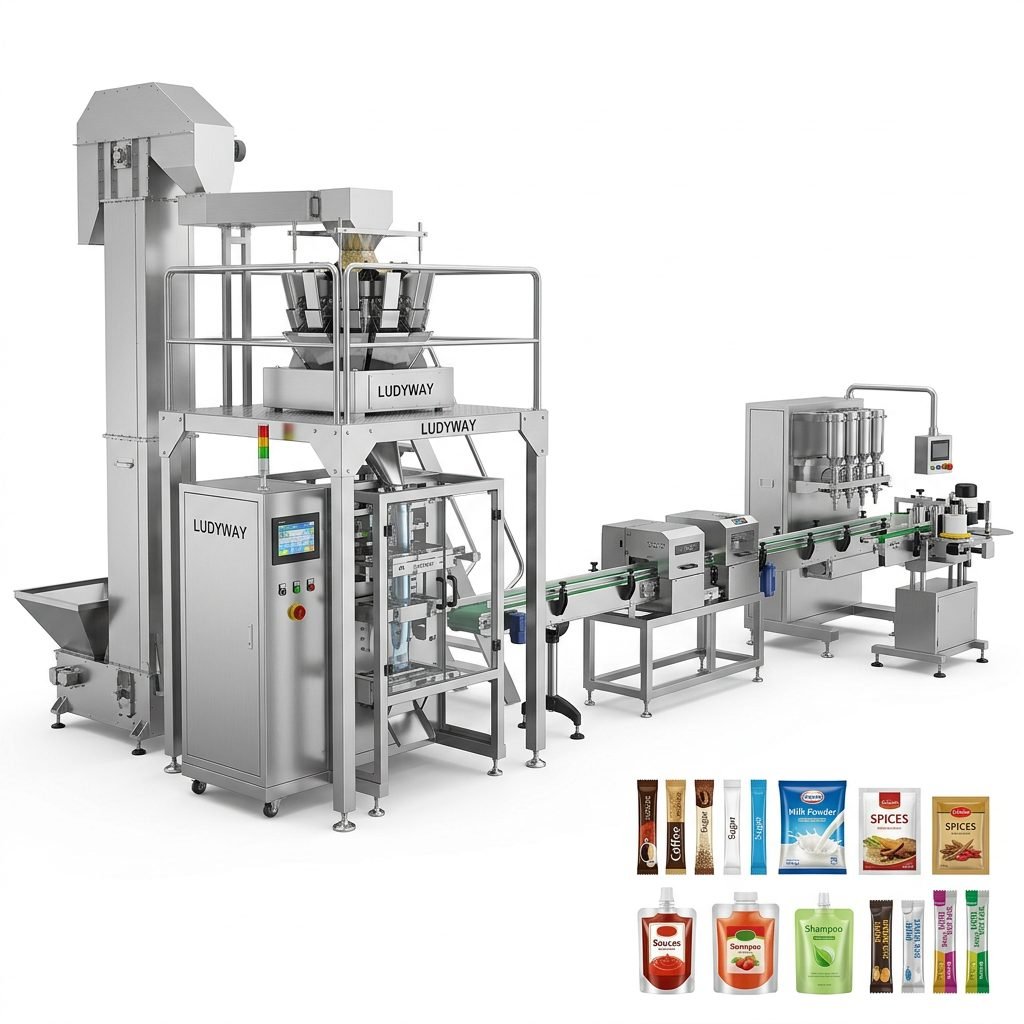
Turnkey Packaging Solutions for Hygiene Product Factories
Many manufacturers today prefer a turnkey approach instead of buying separate machines from multiple vendors. A complete packaging solution reduces integration risk and helps improve project delivery efficiency. This is especially valuable when connecting upstream production equipment with automatic bagging, conveying, inspection, cartoning, and palletizing systems.
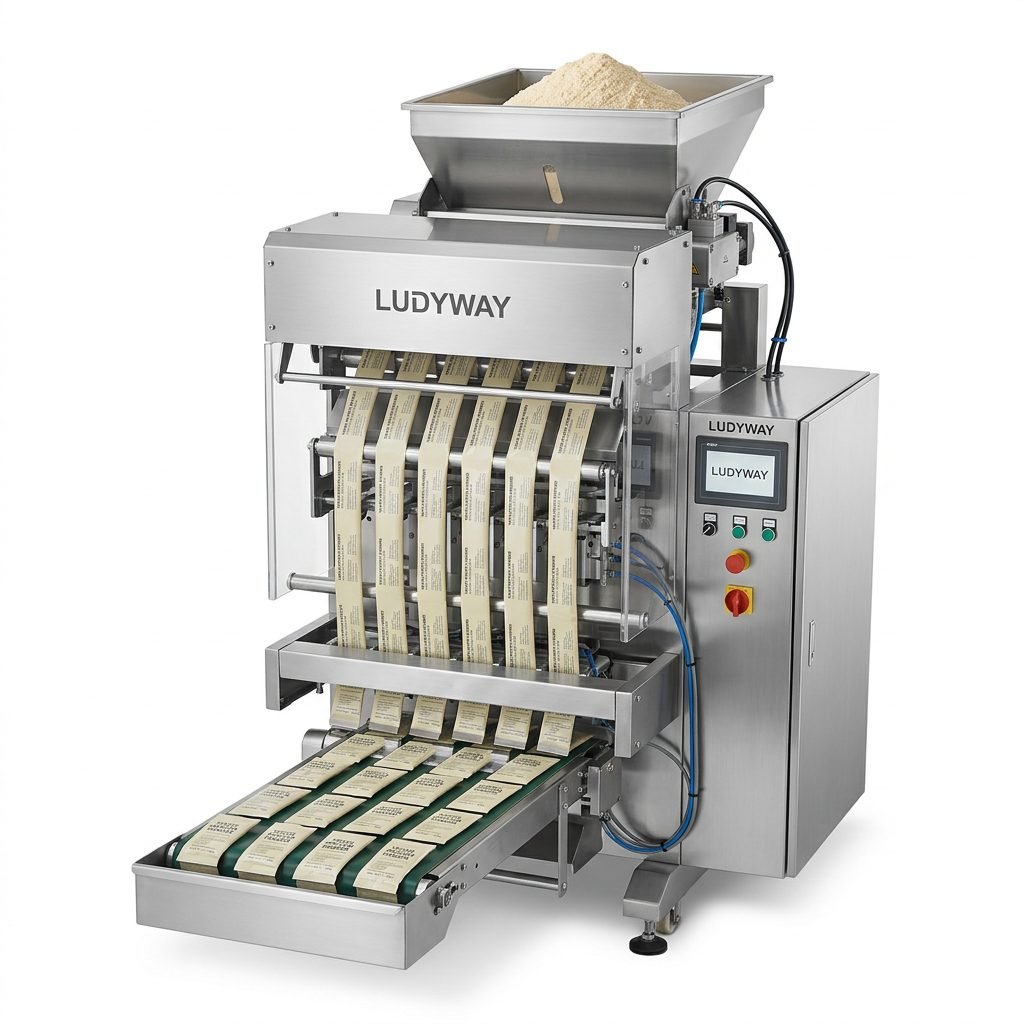
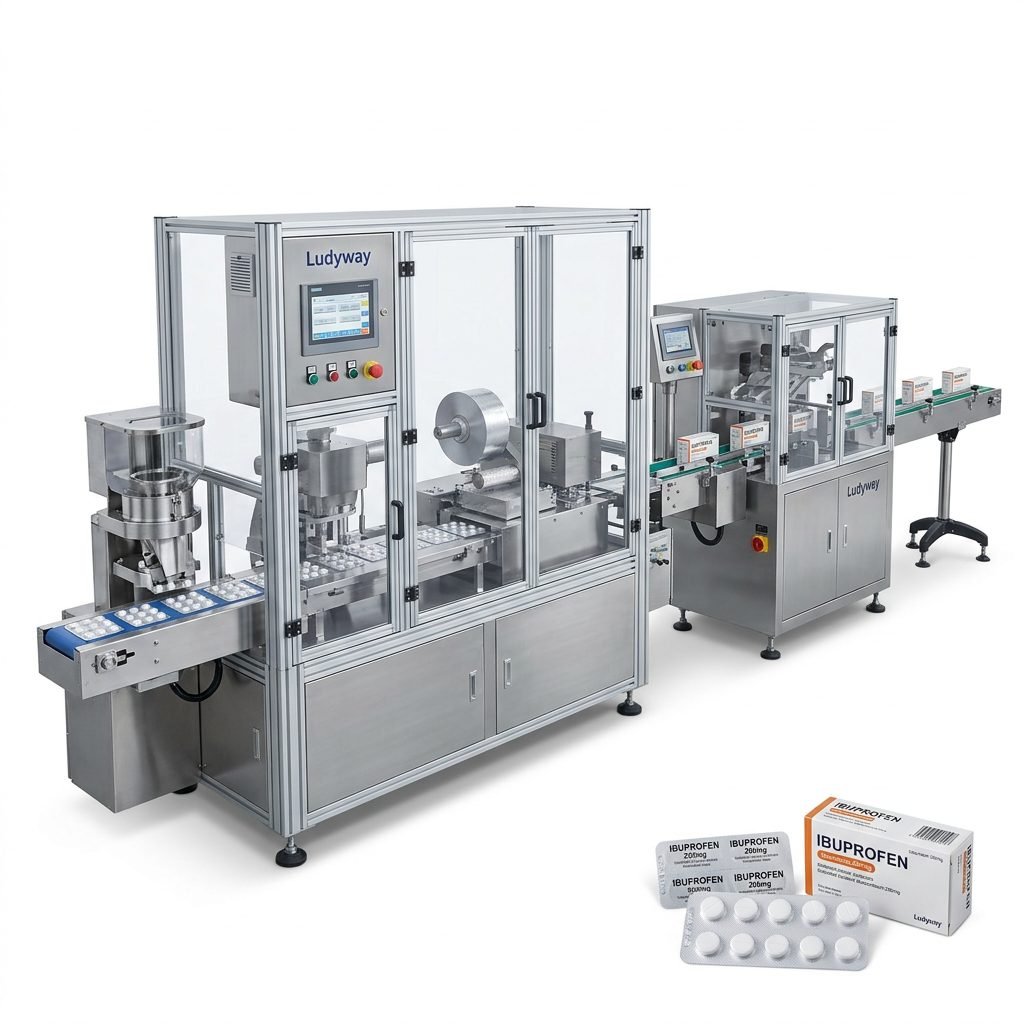
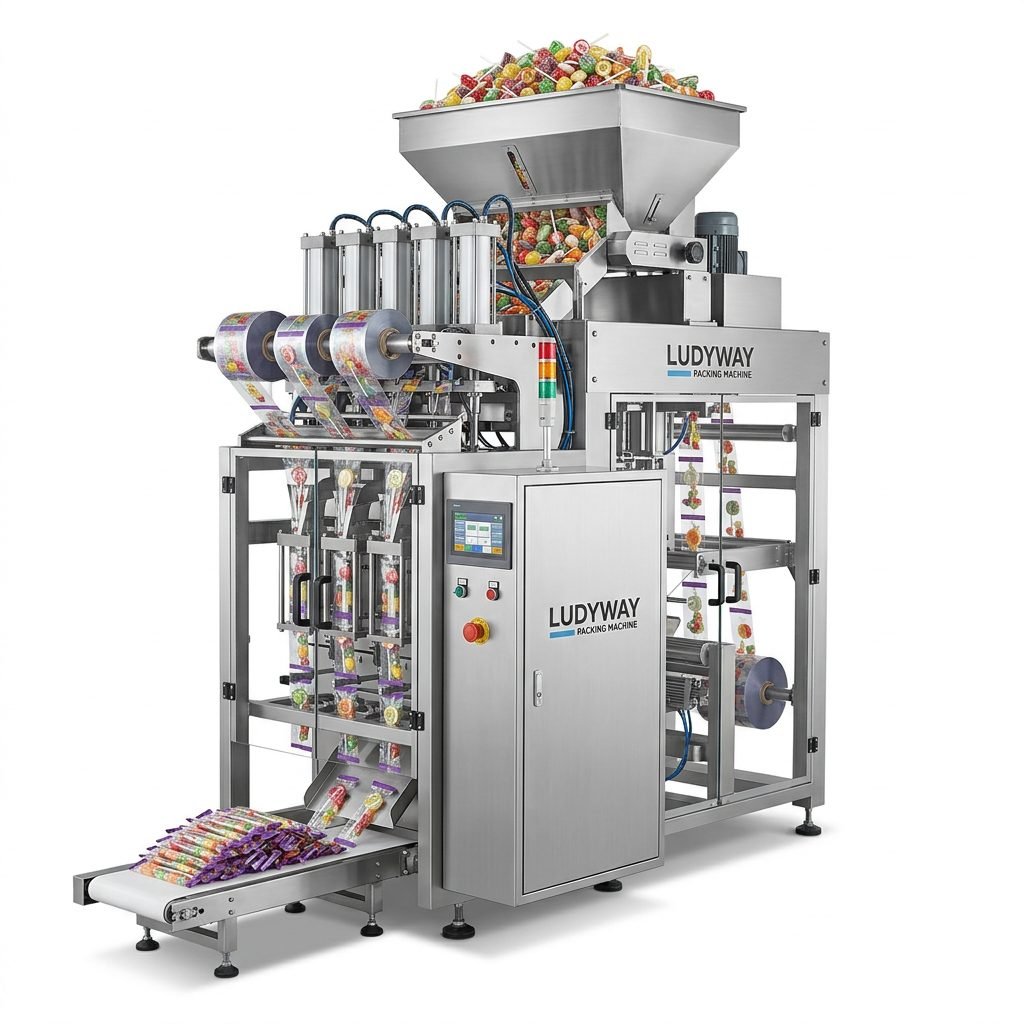
As one of China’s leading packaging machine and turnkey packaging line manufacturers, Ludyway packaging machine solutions are backed by more than 30 years of industry experience, a factory of over 20,000 square meters, and export service across more than 100 countries and regions. For buyers seeking scalable automation, customized engineering, and integrated packaging line support, this type of supplier capability can be a strong advantage.
Common Modules in a Diaper Packaging Line
A high-efficiency system can be configured with different modules depending on production capacity and packaging complexity.
Core Modules
- Infeed conveyor
- Product counting system
- Stacking and arranging unit
- Compression device
- Bag opening or film feeding mechanism
- Automatic bag filling station
- Sealing system
- Printing or coding device
- Weight checking and rejection system
- Case packing and palletizing unit
Maintenance and Operational Tips
Even the best diaper packing machine performs better with proper maintenance and operator training. Routine checks help maintain stable output and reduce unexpected downtime.
- Inspect sealing components regularly
- Keep product transfer paths clean and aligned
- Check sensors and counting systems for accuracy
- Monitor wear parts and replace them on schedule
- Train operators on format change and troubleshooting
- Record packaging data for process optimization
Future Trends in Diaper Packaging Automation
The hygiene packaging industry is moving toward smarter, more connected systems. Manufacturers increasingly expect machines to support digital monitoring, faster changeovers, reduced material waste, and more flexible packaging formats.
Emerging Trends
- Smart diagnostics and remote support
- Servo-driven precision control
- More compact line design for factory space savings
- Sustainable film compatibility
- Integrated data collection for production analysis
- Higher automation from primary pack to pallet
Conclusion
A diaper packing machine is a critical investment for manufacturers who want to improve packaging speed, consistency, hygiene, and long-term operational efficiency. From baby diapers to adult incontinence products, automated packaging solutions help factories meet market demand with more reliable performance and lower manual dependence.
By choosing a system with the right speed, flexibility, and integration capability, manufacturers can build a packaging process that supports both current production goals and future business growth.