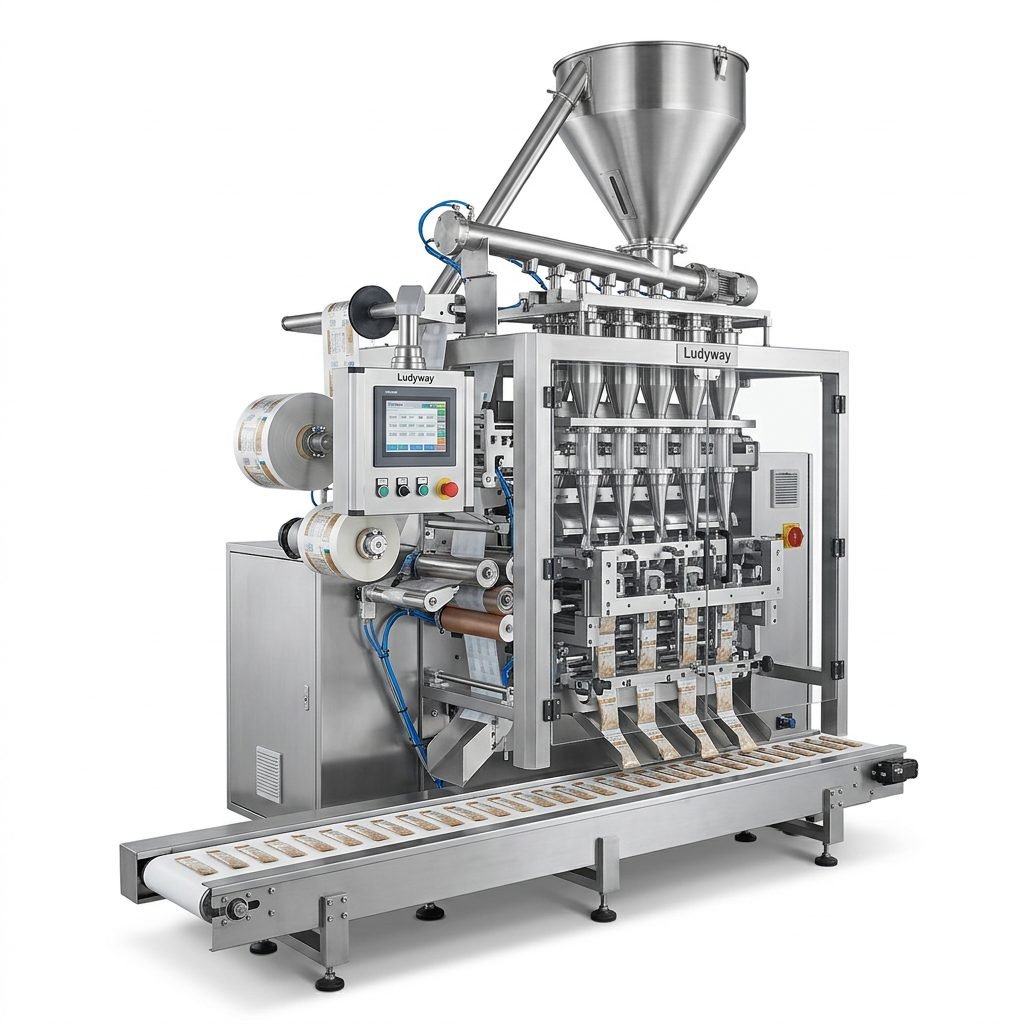
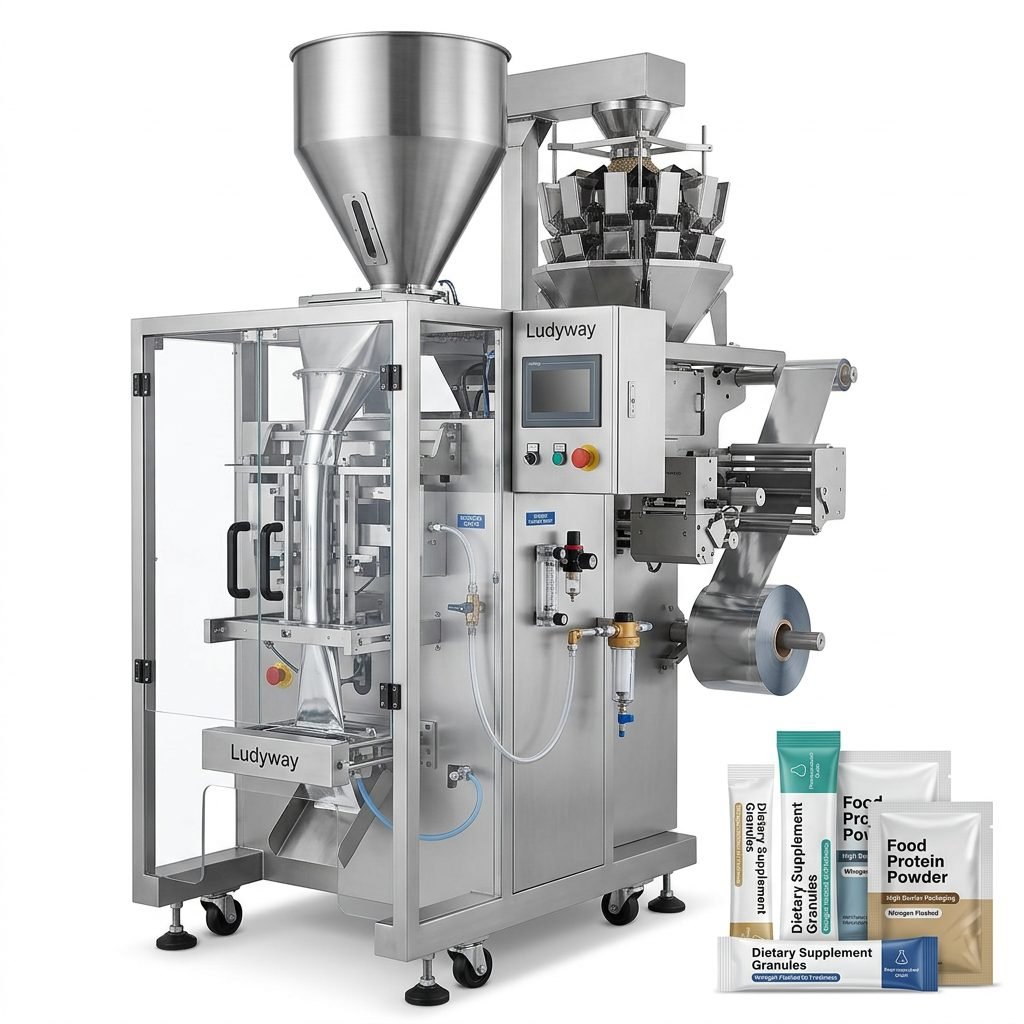
Investing in an automatic filling and packing machine is a critical decision for any manufacturer. The right equipment can dramatically improve production efficiency, reduce labor costs, ensure product consistency, and help you scale operations seamlessly. However, with so many machine types, configurations, and technical specifications available, the selection process can quickly become overwhelming. This comprehensive guide walks you through the essential factors to consider when choosing the right automatic packaging machine for your production needs.
Understanding Your Product Characteristics
The first and most important step is a thorough analysis of your product. Product characteristics directly determine the type of filling system your machine will need. Different products require different dosing technologies to achieve accurate, clean, and efficient filling.
| Product Type | Examples | Recommended Filling System | Key Considerations |
|---|---|---|---|
| Free-Flowing Powders | Milk powder, coffee, protein powder | Auger filler, volumetric cup filler | Dust control, filling accuracy |
| Non-Free-Flowing Powders | Cocoa powder, flour, spices | Auger filler with agitator | Bridging, clumping prevention |
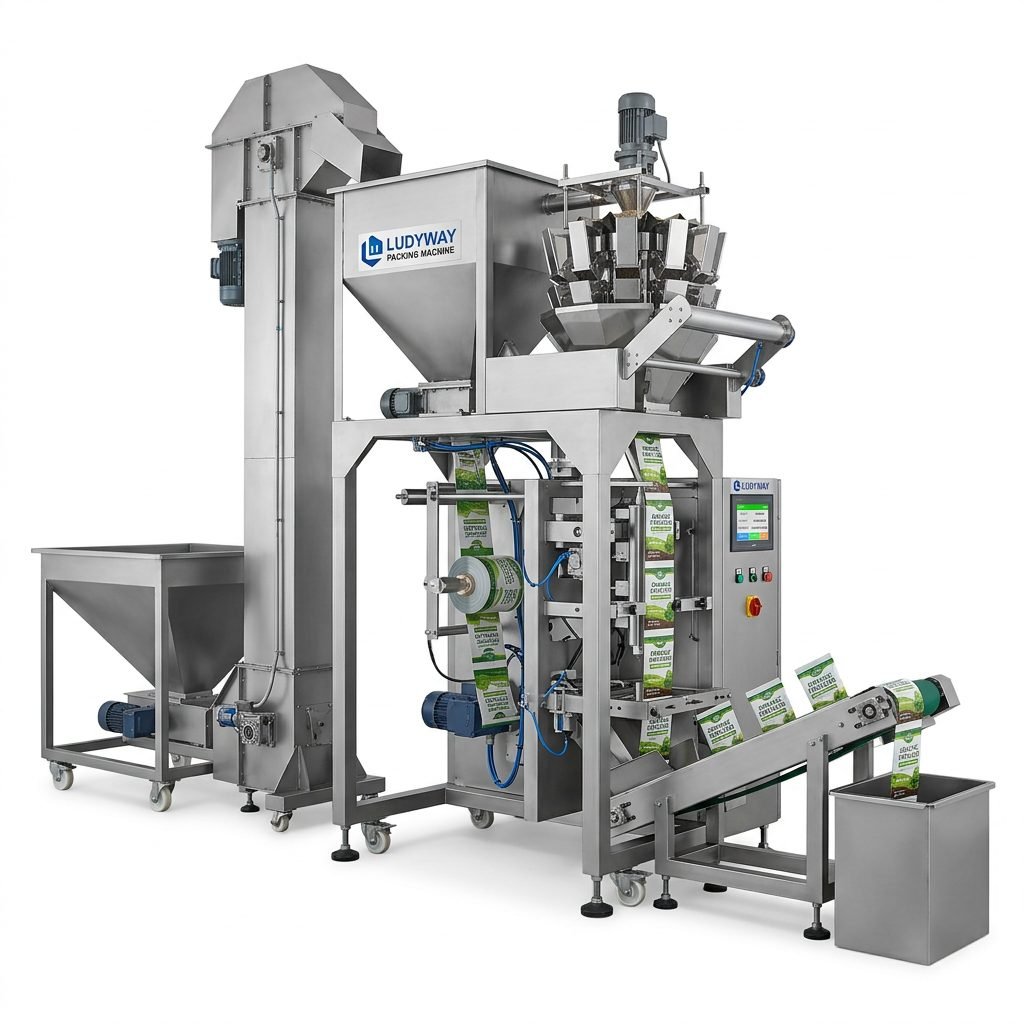
| Granules | Sugar, seeds, detergent, fertilizer | Multi-head weigher, volumetric | Particle size uniformity, dust |
| Low-Viscosity Liquids | Water, juice, thin sauces | Piston filler, gravity filler | Splash control, speed |
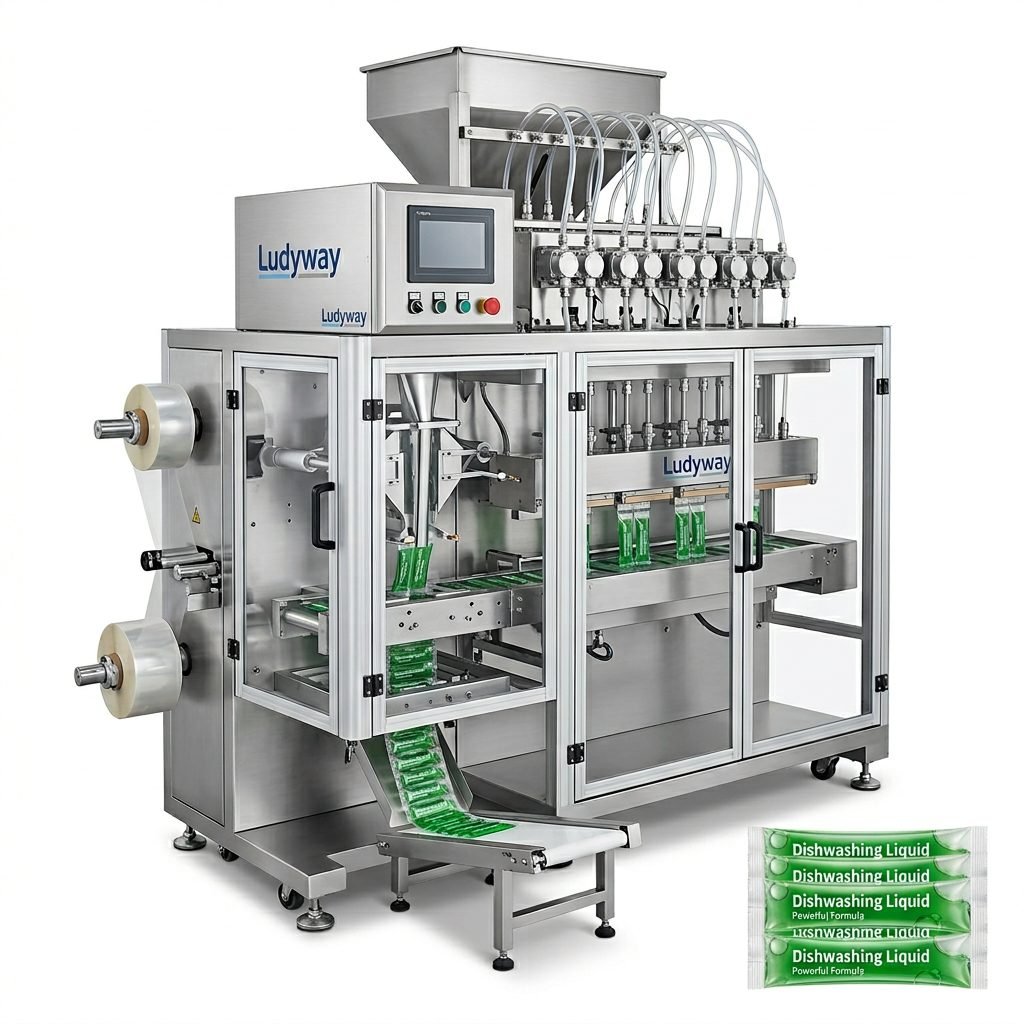
| High-Viscosity Liquids | Shampoo, lotion, gels, honey | Piston filler, pump filler | Nozzle design, heating requirements |
| Pastes and Creams | Toothpaste, ointments, grease | Positive displacement pump | Consistency, temperature stability |
As noted by the packaging industry standards organization PMMI, selecting the correct filling technology is foundational to achieving consistent packaging quality. Always conduct product testing with your potential machine supplier before finalizing specifications.
Choosing the Right Packaging Format
Modern automatic filling and packing machines can produce a wide variety of packaging formats. Your choice of format depends on your target market, product type, shelf-life requirements, and distribution channels. Here are the most common packaging formats available:
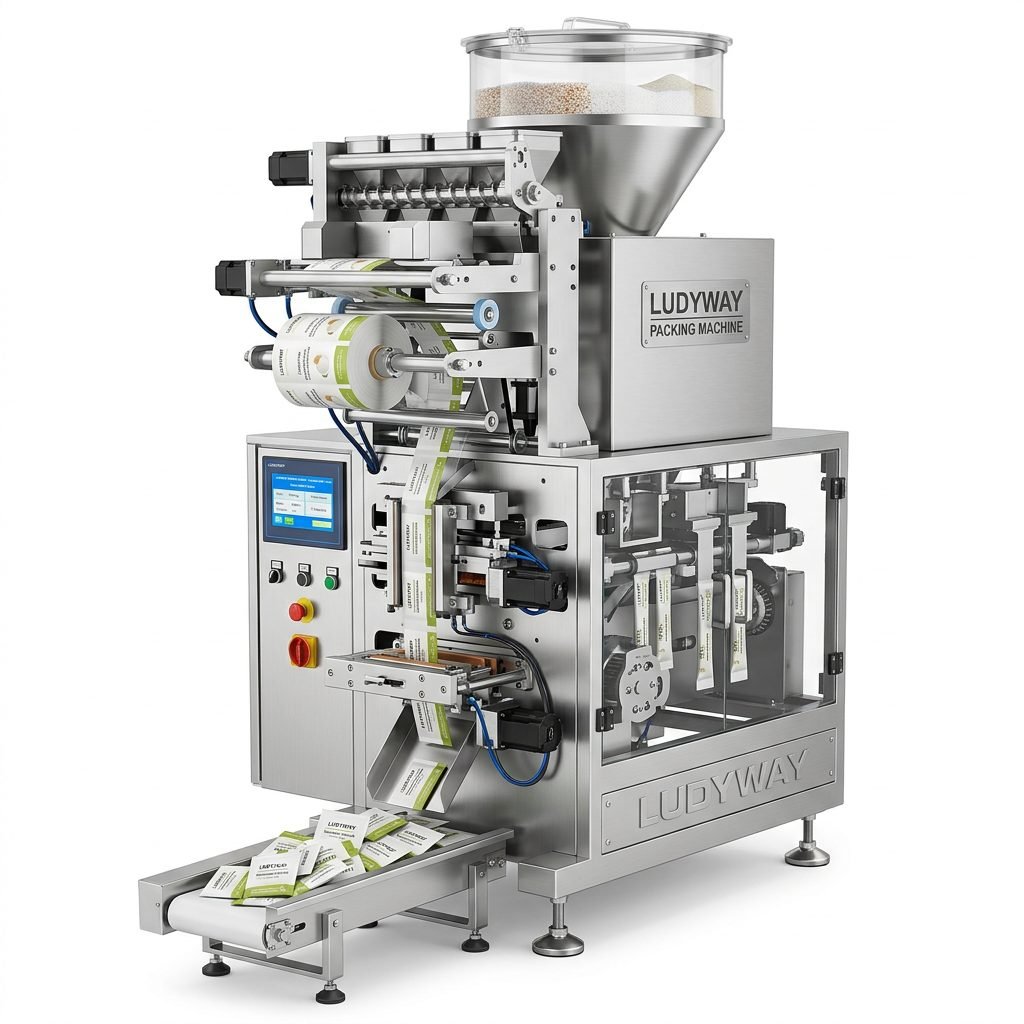
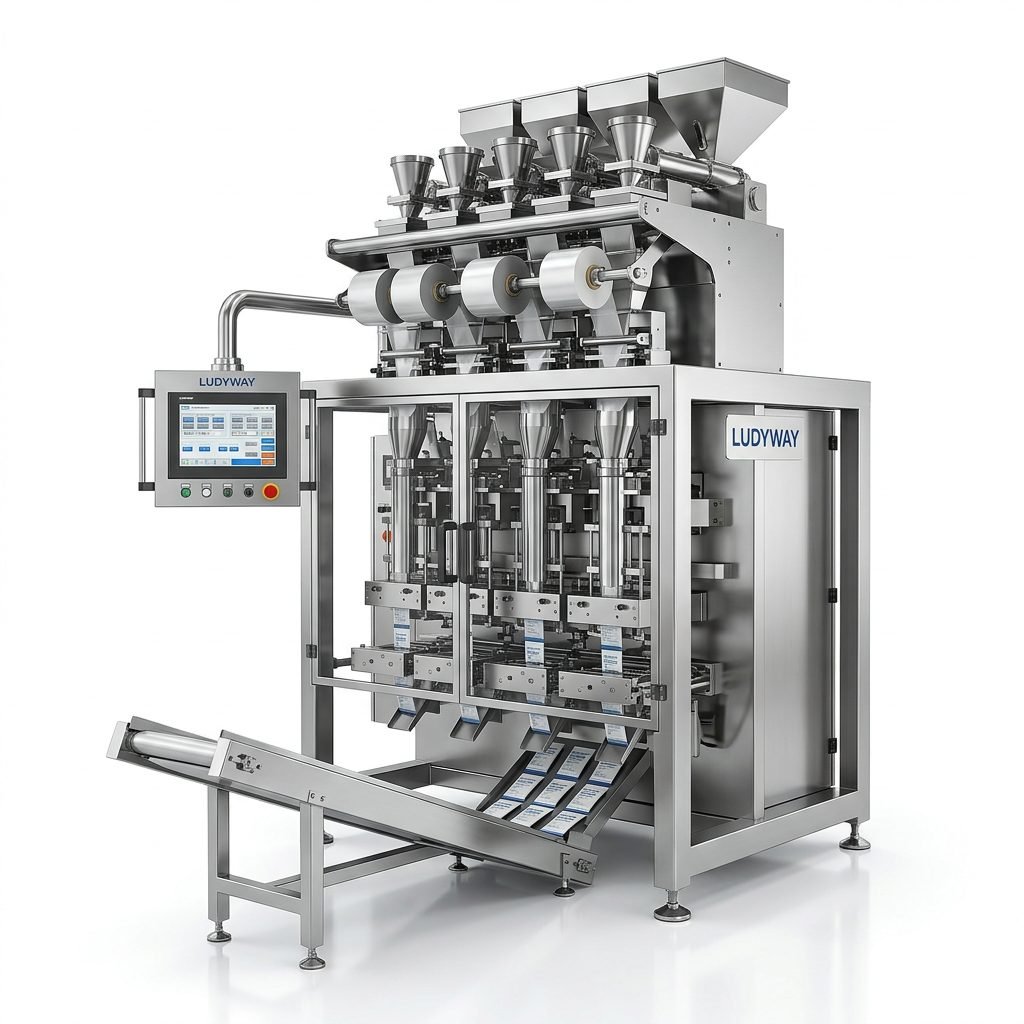
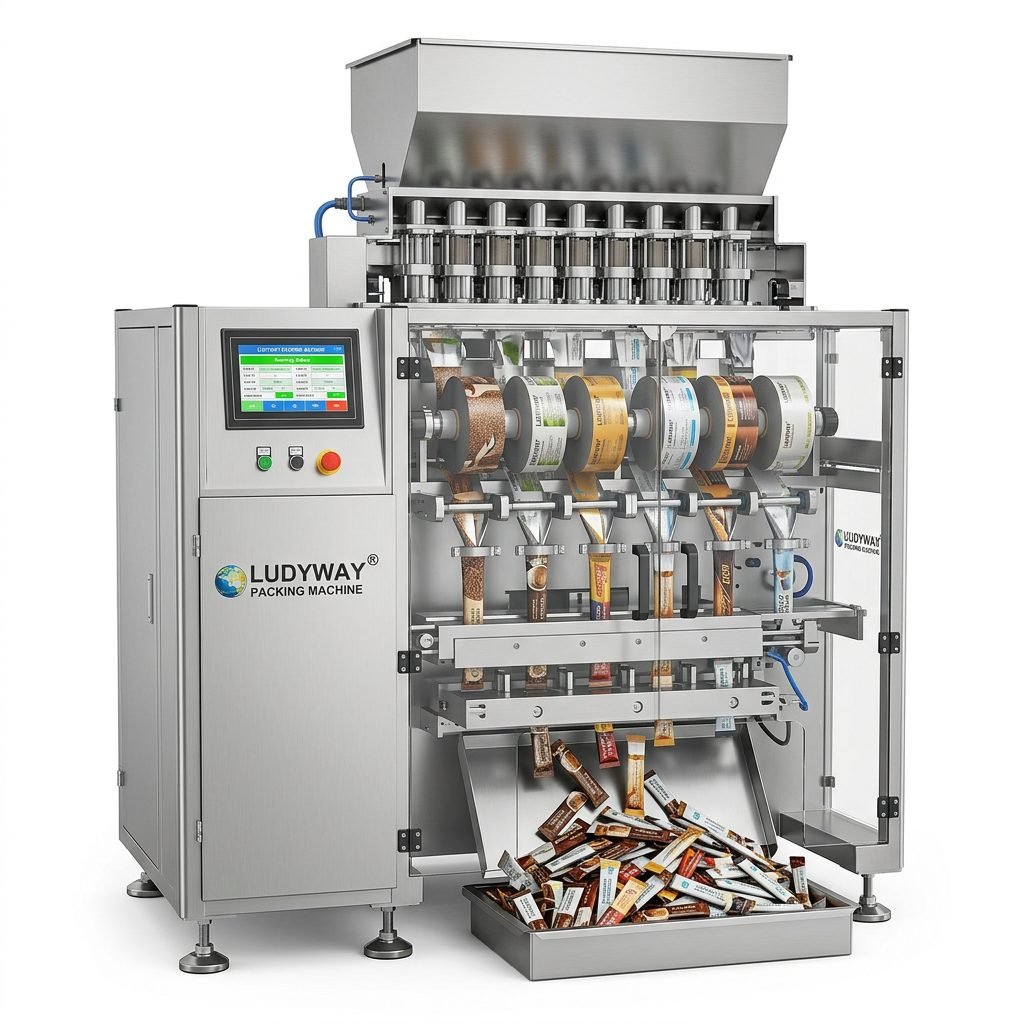
- Stick Packs — Narrow, elongated single-serve packages ideal for powders, granules, and liquids. Perfect for coffee, sugar, drink mixes, and supplements. Excellent for portion control and on-the-go consumption.
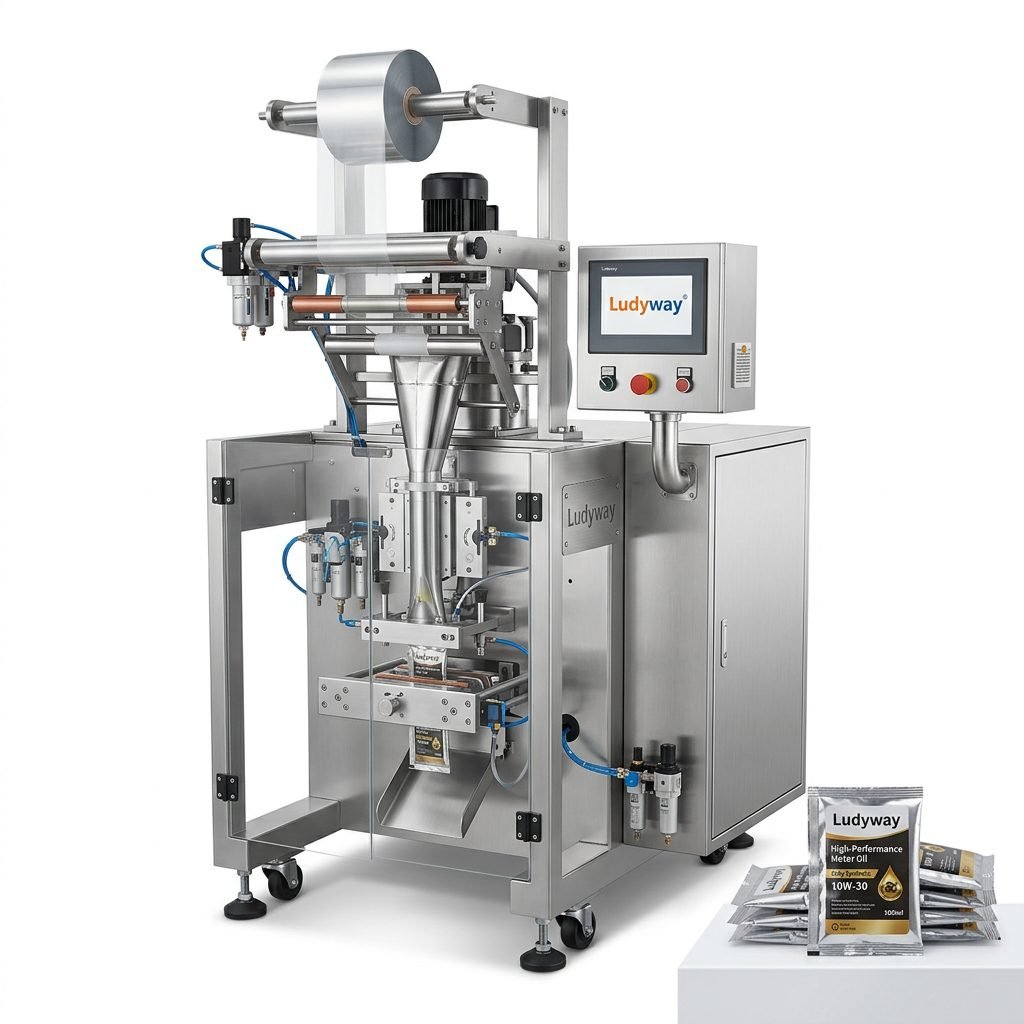
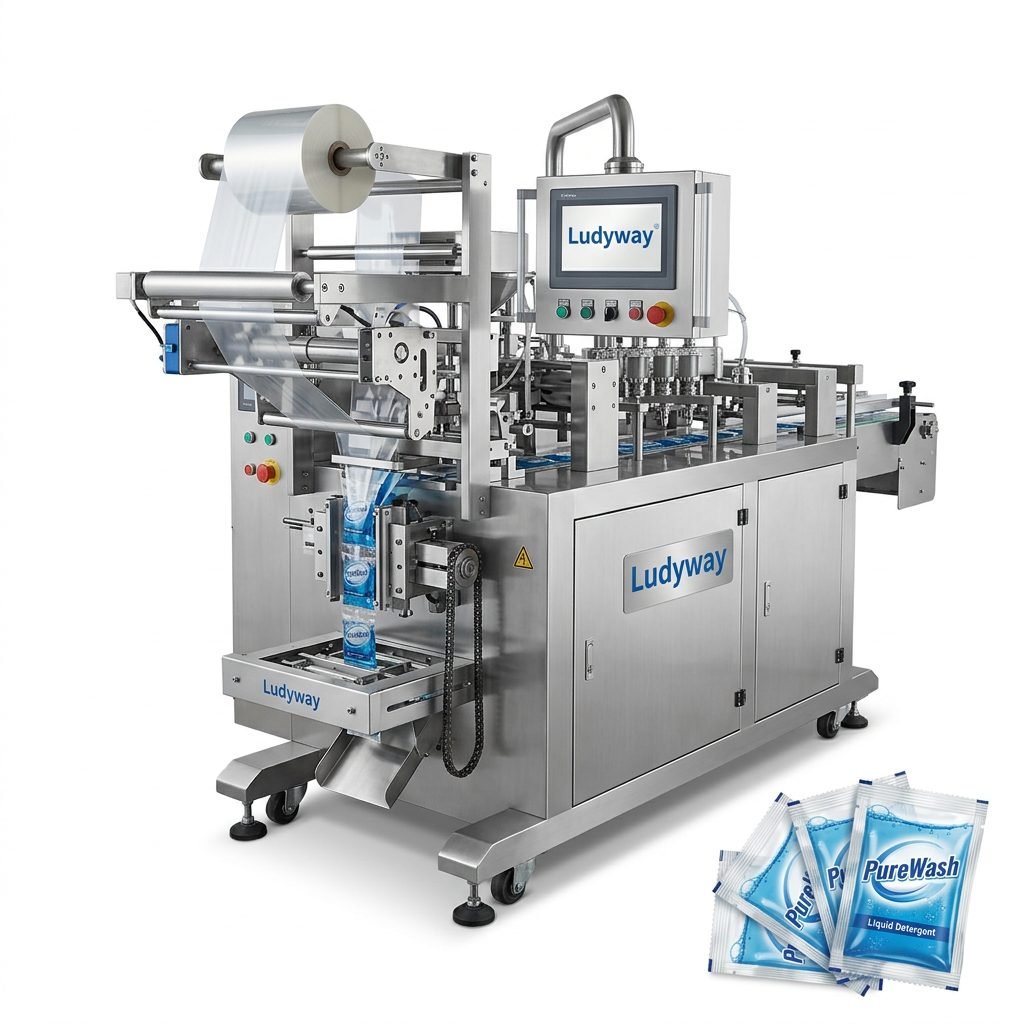
- Sachets — Flat, sealed pouches commonly used for single-use products like shampoo, condiments, and pharmaceutical samples. Cost-effective with high production speeds.
- Pillow Pouches — Versatile three-side-sealed or four-side-sealed pouches suitable for snacks, powders, and granular products across food and non-food industries.
- Gusseted Pouches — Stand-up pouches with a bottom gusset providing excellent shelf presence. Ideal for coffee, pet food, and premium consumer products.
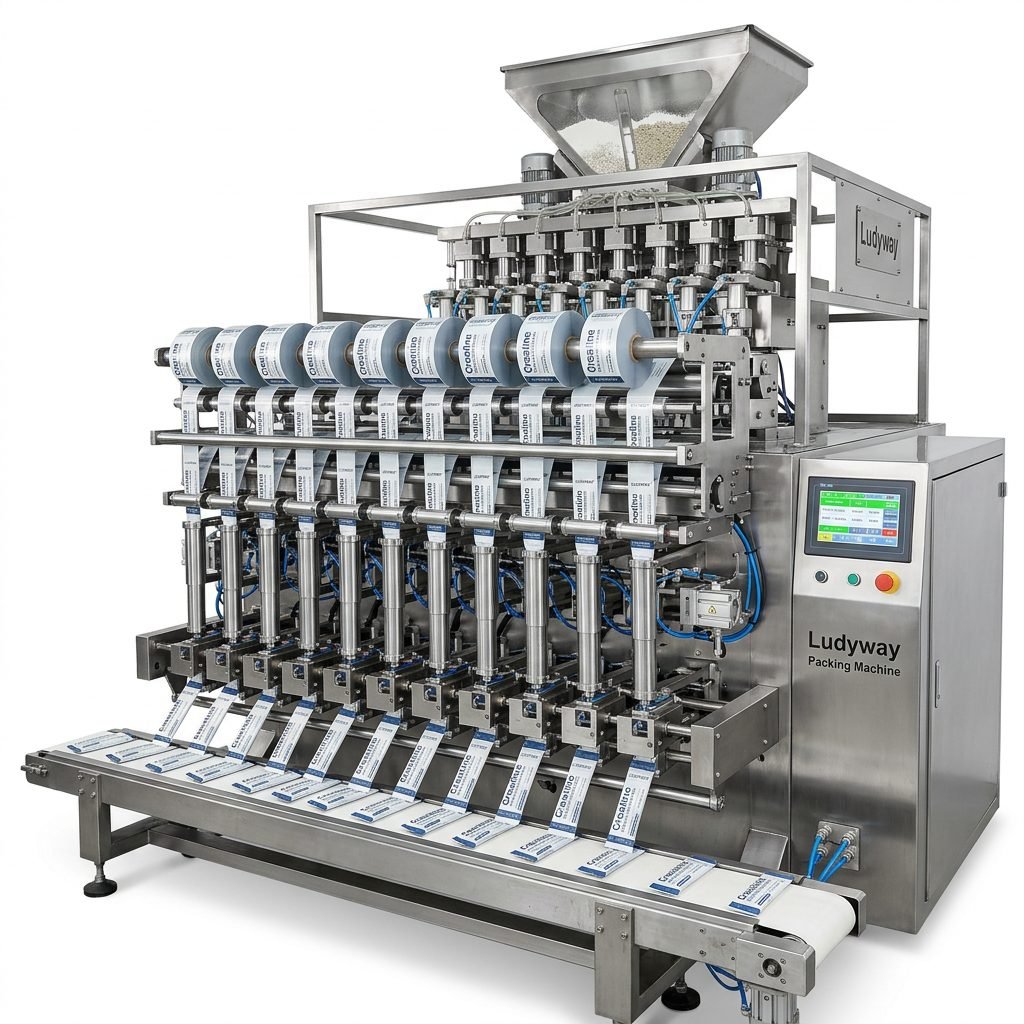
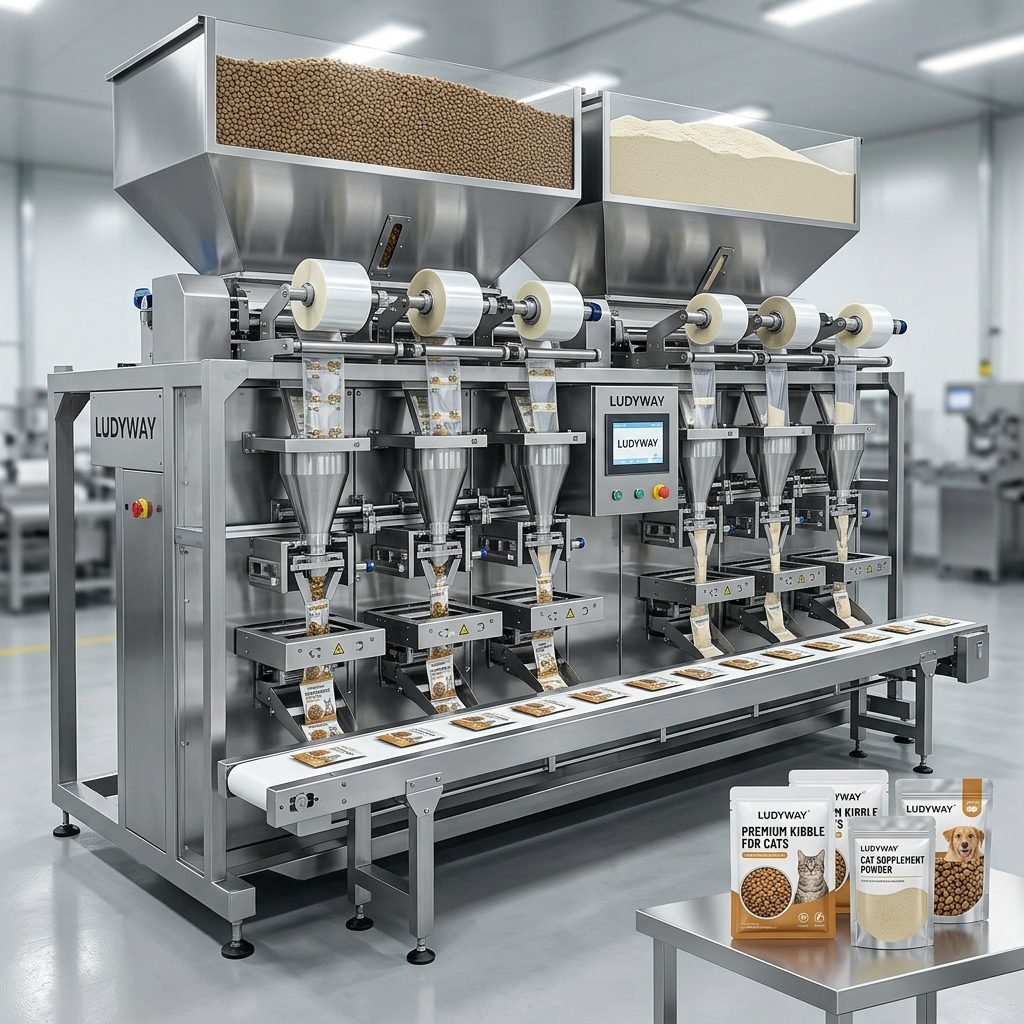
- Multi-Lane Packaging — High-output systems running multiple lanes simultaneously, dramatically increasing production output. Commonly used for stick packs and sachets in high-volume applications.
Evaluating Production Speed and Capacity
Production speed is one of the most critical metrics when selecting an automatic packaging machine. The required speed depends on your current and projected production volumes. A machine that meets today’s demand but cannot scale with your growth may limit your long-term potential.
Key speed-related questions to answer include:
- How many units per minute do you need to produce currently, and what are your projections for the next 3–5 years?
- What is your daily or per-shift production target?
- Do you need multi-lane capability to achieve higher throughput without increasing floor space?
- How do changeover times between different products or formats affect overall equipment effectiveness (OEE)?
For high-volume manufacturers, multi-lane stick pack and sachet machines offer exceptional output, sometimes exceeding 1,000 packs per minute depending on the configuration. The State of the Industry reports from PMMI consistently highlight automation speed as a top priority for manufacturers seeking to remain competitive in the global packaging market.
Key Machine Features to Consider
Beyond basic filling and sealing functions, modern automatic packaging machines come with a range of features that can significantly impact your operational efficiency and product quality:
| Feature | Benefit | Best For |
|---|---|---|
| Servo-Driven Systems | Precise control, faster changeovers, reduced waste | High-precision applications, frequent format changes |
| Automatic Web Tracking | Maintains consistent film alignment, reduces material waste | High-speed operations, printed film applications |
| Gas Flushing / MAP | Extends shelf life by reducing oxygen in the package | Food products, coffee, pharmaceuticals |
| Easy Clean Design | Quick disassembly, hygienic surfaces, reduced downtime | Food and pharmaceutical industries |
| Integrated Coding/Marking | Batch coding, date marking, traceability in one step | Regulated industries, export markets |
| Remote Diagnostics | Faster troubleshooting, reduced service visits, less downtime | International buyers, remote locations |
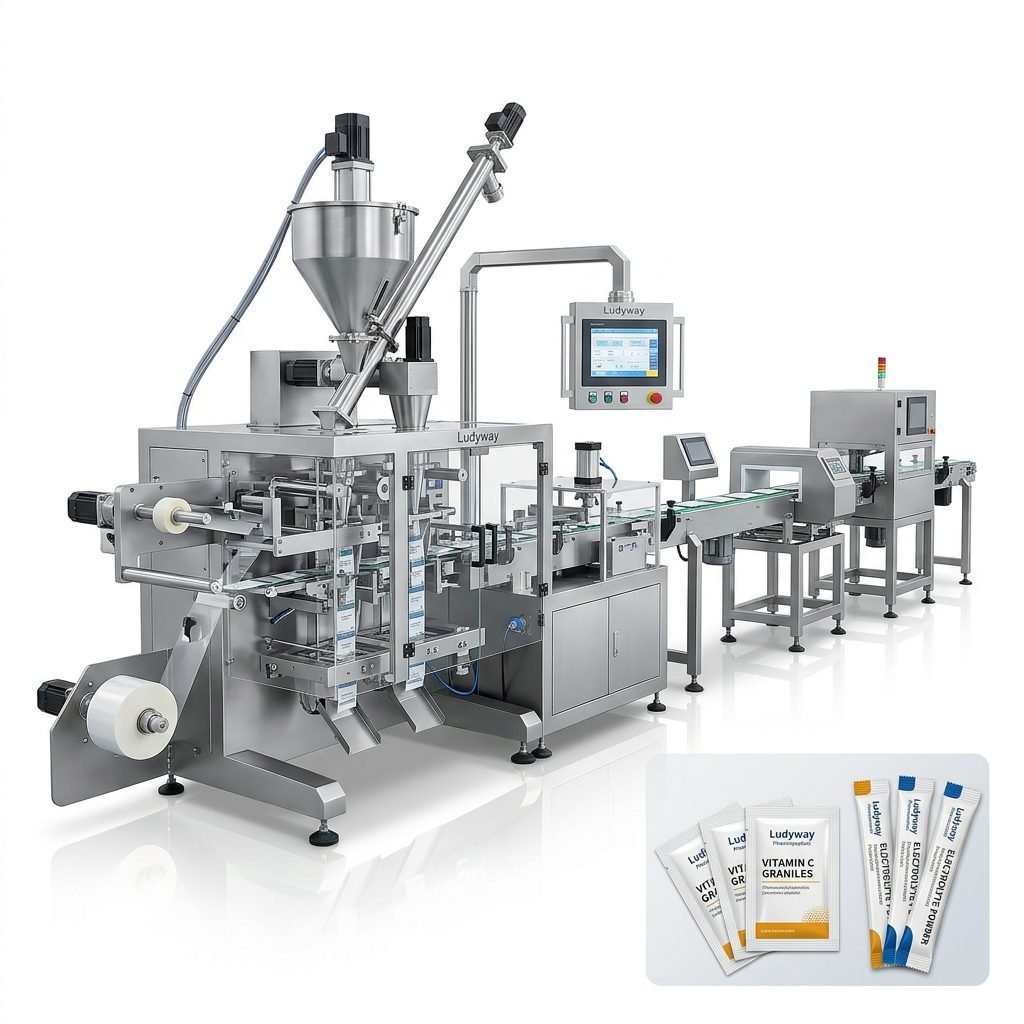
Industry-Specific Requirements
Your industry sector imposes specific requirements that directly influence machine selection. A packaging machine for pharmaceutical products must meet different standards than one for food packaging or chemical products.
Food and Beverage Industry
Food-grade materials, sanitary design, and compliance with FDA food packaging requirements are non-negotiable. Machines should be designed for easy cleaning, with stainless steel contact parts and minimal crevices where product residue can accumulate. Features like nitrogen flushing for modified atmosphere packaging can significantly extend product shelf life.
Pharmaceutical and Nutraceutical Industry
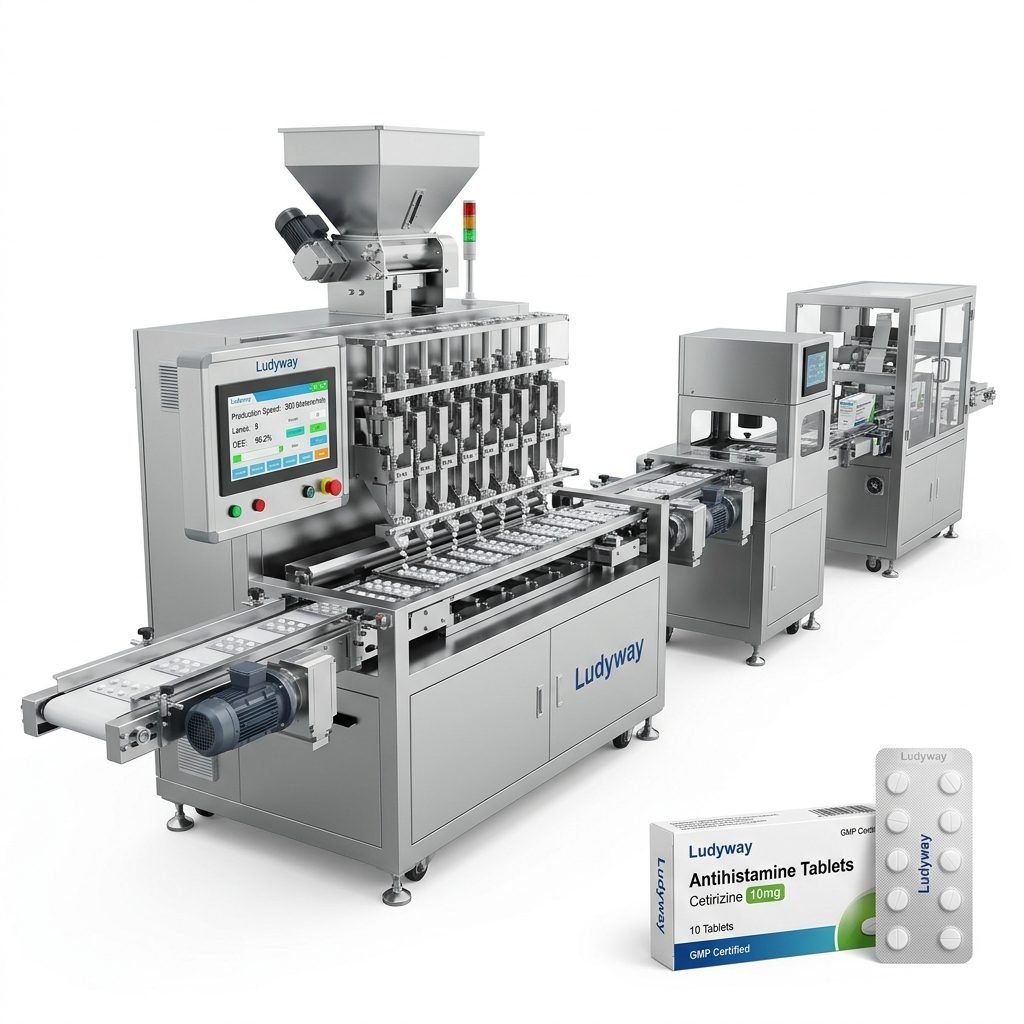
Accuracy, traceability, and validation are paramount. Dosing precision must meet stringent regulatory requirements. Machines should support serialization, tamper-evident sealing, and comprehensive batch documentation. Compliance with ISO packaging standards and GMP guidelines is essential.
Cosmetics and Personal Care
Flexibility to handle various product consistencies—from thin lotions to thick creams—is crucial. Machines should accommodate different packaging formats including sachets, tubes, and stick packs. Aesthetic packaging quality with clean seals and precise fill levels is expected for consumer-facing products.
Chemical and Industrial Products
Chemical compatibility and corrosion resistance are primary concerns. Machines must handle potentially aggressive substances safely. Robust construction with chemical-resistant seals, gaskets, and contact parts ensures longevity and operator safety.
Customization and Integration Capabilities
Rarely does a standard, off-the-shelf machine perfectly match every production requirement. The ability to customize your packaging machine—from filling systems and bag formats to automation levels and line integration—can be the difference between a good investment and a great one.
Consider whether your supplier can provide:
- Custom dosing systems tailored to your specific product characteristics
- Flexible bag size and format changes to accommodate multiple SKUs
- Integration with upstream and downstream equipment such as conveyors, checkweighers, cartoners, and palletizers
- Turnkey packaging line solutions that handle the entire process from raw product feeding to finished case packing
Working with a manufacturer that offers end-to-end engineering capabilities can significantly simplify your project, reduce integration risks, and provide a single point of accountability for the entire packaging line.
Quality and Compliance Standards
When evaluating automatic filling and packing machines, quality certifications and standards compliance should be verified early in the selection process. For international buyers, this is especially important as equipment may need to meet the regulatory requirements of multiple markets simultaneously.
The flexible packaging industry resources from the Flexible Packaging Association provide valuable guidance on material and equipment standards. Key certifications to look for include CE marking for European markets, UL certification for electrical safety, and ISO 9001 for quality management systems. For pharmaceutical applications, machines should be designed to support cGMP compliance and validation protocols.
Evaluating Packaging Machinery Suppliers
Your supplier relationship extends far beyond the initial purchase. A reliable packaging machinery manufacturer should offer comprehensive support throughout the machine’s lifecycle. When evaluating potential suppliers, assess the following:
- Industry experience and track record — How many years has the company been manufacturing packaging equipment? Do they have experience in your specific industry?
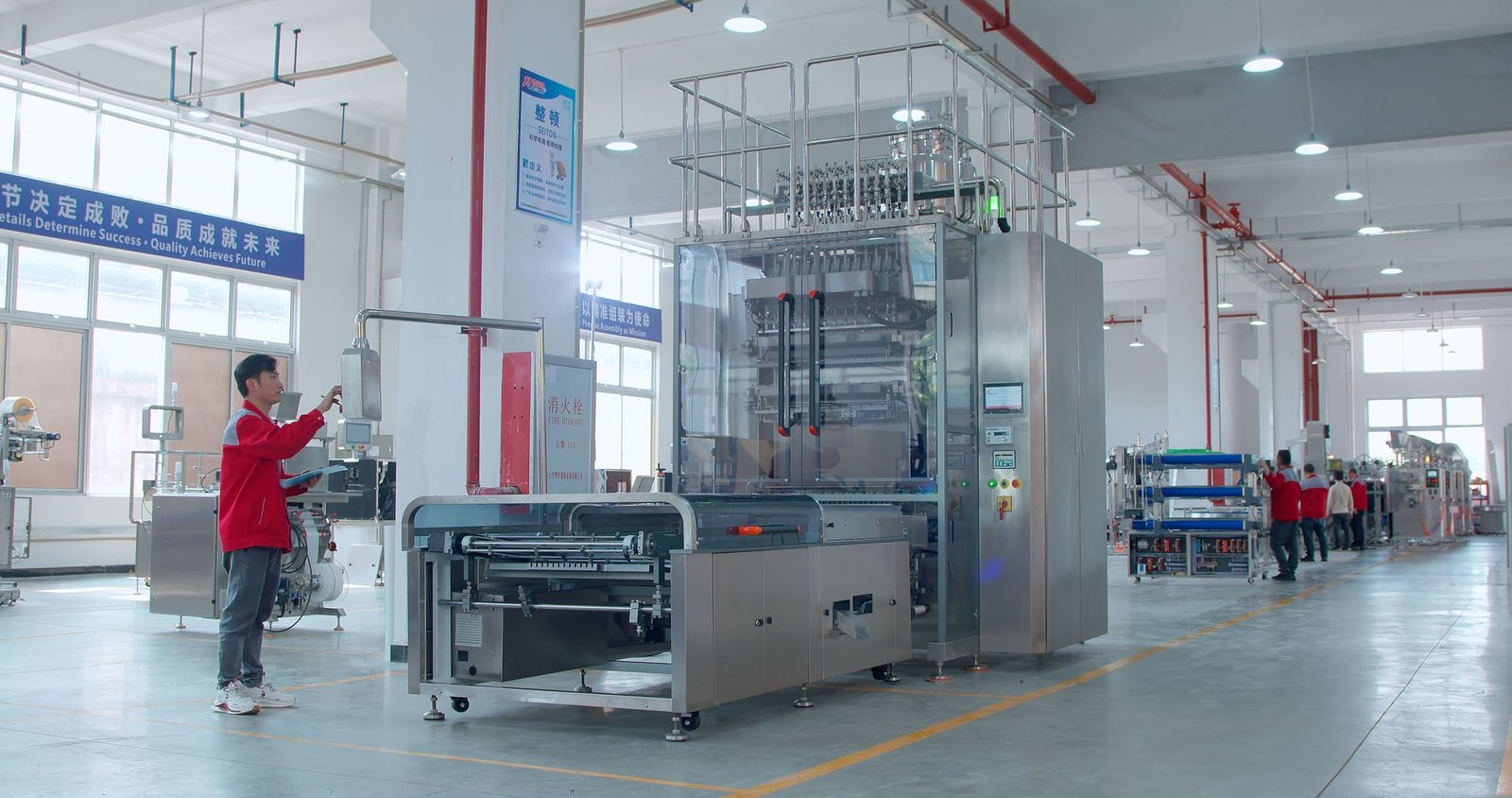
- Manufacturing capabilities — Does the supplier have in-house manufacturing, engineering, and R&D capabilities? This directly affects quality control and customization potential.
- Global service and support — Can they provide installation, commissioning, training, and after-sales support in your region? Remote technical assistance capabilities are increasingly valuable.
- Spare parts availability — Quick access to genuine spare parts minimizes downtime. Confirm lead times and whether parts can be shipped internationally.
- Customer references and case studies — Request examples of similar installations serving comparable products and production volumes.
Budget and ROI Considerations
While the initial purchase price is important, a holistic total cost of ownership (TCO) analysis reveals the true investment picture. Consider these factors beyond the machine price tag:
| Cost Factor | Impact on TCO | Evaluation Tip |
|---|---|---|
| Machine Price | High upfront impact | Compare specifications, not just prices |
| Installation and Commissioning | Moderate one-time cost | Confirm what’s included in the quotation |
| Training | Low cost, high long-term value | Well-trained operators reduce downtime and waste |
| Spare Parts | Ongoing operational cost | Ask about recommended spare parts lists and pricing |
| Maintenance and Service | Ongoing operational cost | Understand service intervals and contract options |
| Energy Consumption | Long-term cumulative cost | Energy-efficient servo systems can reduce operating costs |
For many manufacturers, automation quickly pays for itself through labor savings, reduced material waste, increased throughput, and consistent product quality. A well-chosen machine typically achieves ROI within 12 to 24 months in medium to high-volume production environments.
Making Your Final Decision
Selecting the right automatic filling and packing machine requires balancing technical requirements, production goals, budget constraints, and supplier capabilities. The ideal machine should not only meet your current needs but also provide the flexibility to adapt as your business grows and market demands evolve.
Key steps to finalize your decision include:
- Conduct product trials with your actual product on the proposed machine configuration
- Visit the manufacturer’s facility if possible, or arrange a detailed virtual tour of their manufacturing operations
- Request detailed specifications including utility requirements, floor space needs, and installation prerequisites
- Verify warranty terms and after-sales support commitments in writing
- Speak with existing customers who use similar equipment for comparable applications
Ludyway Machinery, a China-based packaging machinery manufacturer with more than 30 years of industry experience, provides automated packaging equipment and integrated turnkey solutions across food, pharmaceutical, cosmetic, chemical, and other industries. With a 20,000-square-meter manufacturing facility and over 50 machine models, the company offers customizable configurations for powder, granule, liquid, stick pack, sachet, and pouch packaging applications. For manufacturers seeking a long-term packaging machinery partner with global service capabilities spanning more than 100 countries, Ludyway’s global growth trajectory reflects its expanding presence in international packaging markets.
The investment you make today in the right packaging equipment will influence your production capabilities, product quality, and competitive position for years to come. By methodically working through the factors outlined in this guide—from product analysis and format selection to supplier evaluation and ROI calculations—you can confidently select an automatic filling and packing machine that drives measurable value for your manufacturing operations.