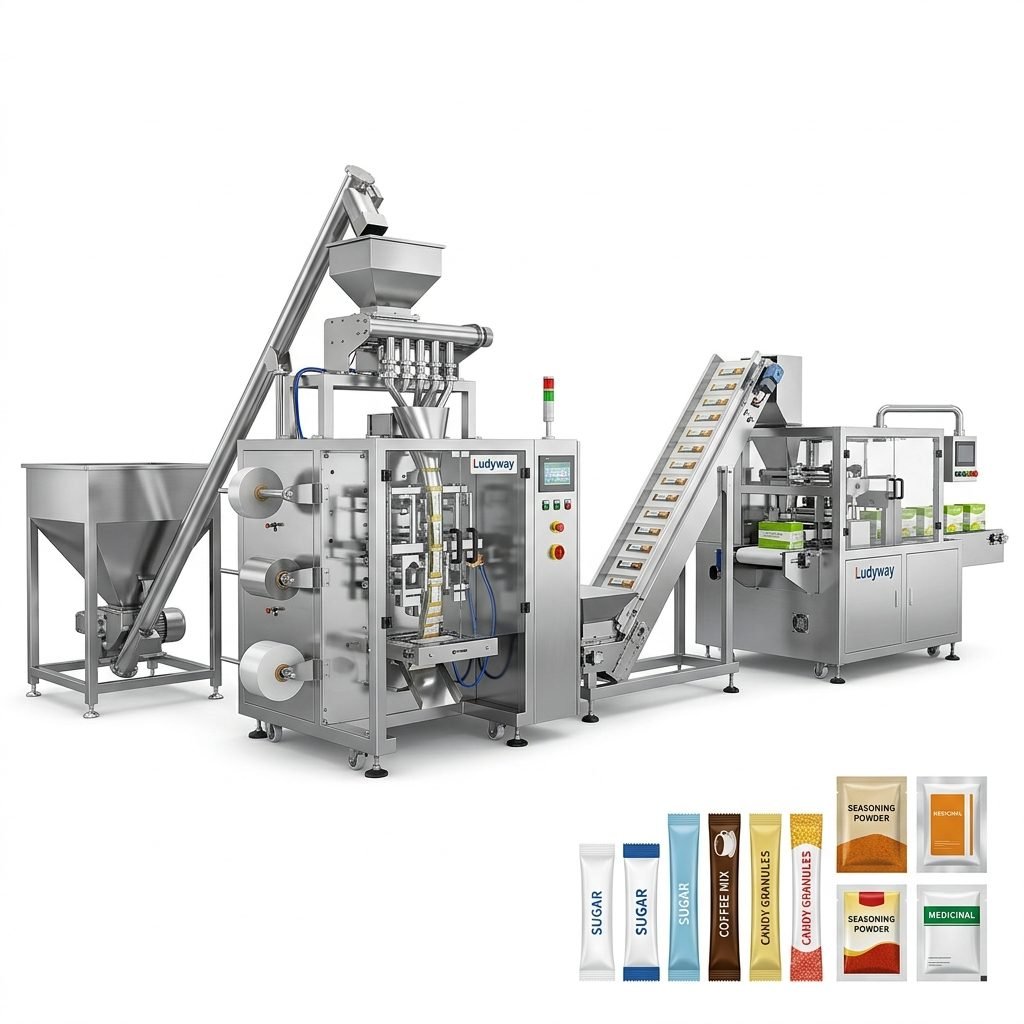
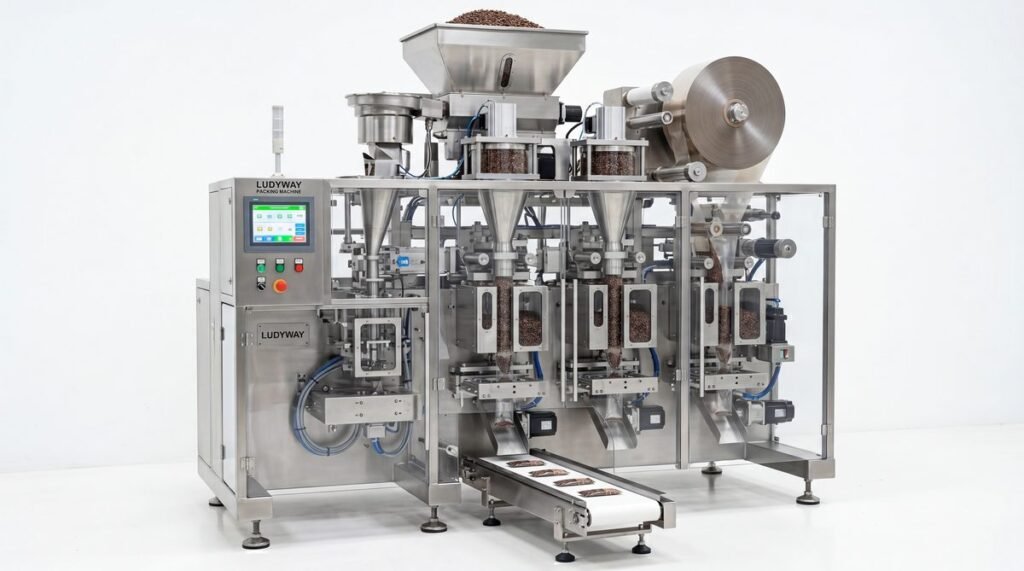
Investing in a nitrogen packing machine is a strategic decision that directly impacts product shelf life, packaging quality, and operational efficiency. Whether you are packaging snack foods, coffee, pharmaceutical powders, or pet food, selecting the right nitrogen flushing system requires a clear understanding of your product characteristics, production goals, and technical requirements. This guide walks you through the essential factors to evaluate before making a purchase.
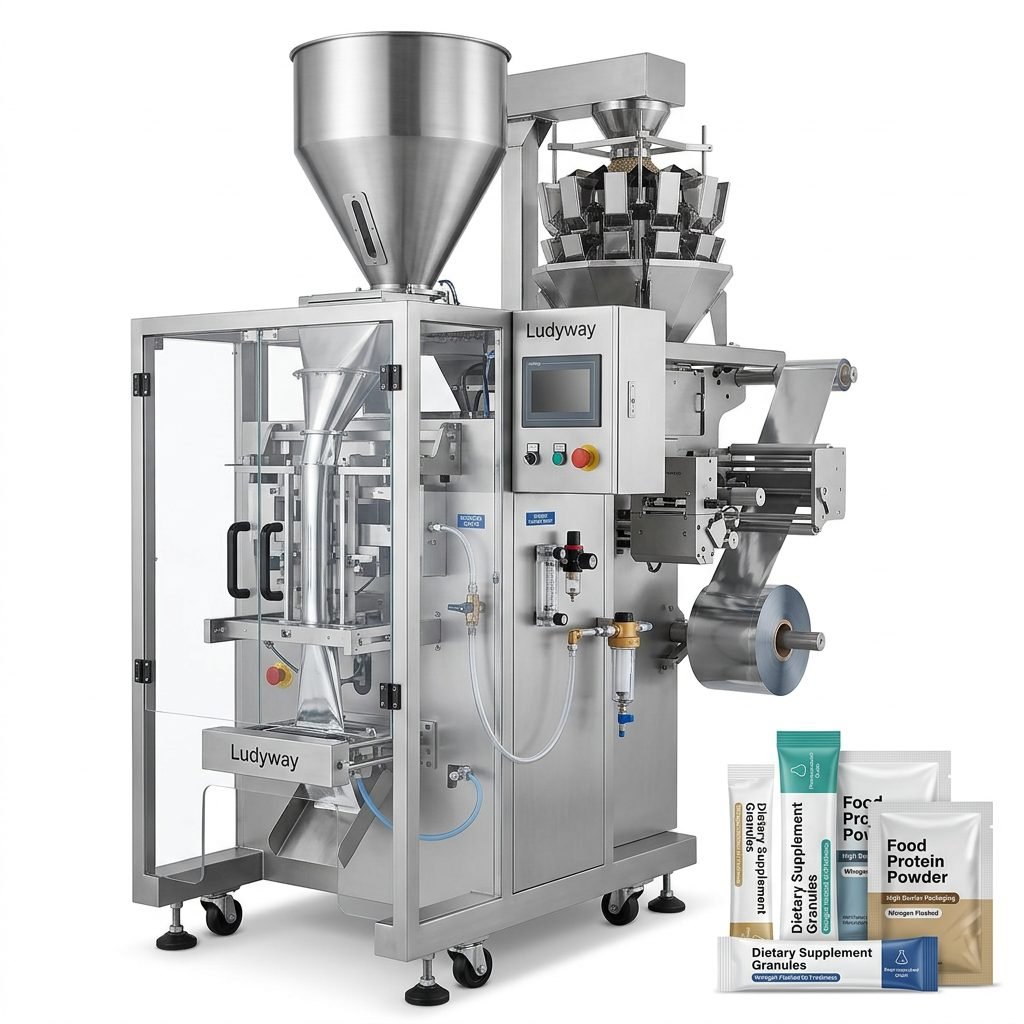
Understanding Nitrogen Packaging Technology
Nitrogen packaging, often referred to as nitrogen flushing or modified atmosphere packaging (MAP), is a process where nitrogen gas is introduced into a package to displace oxygen. Oxygen is the primary culprit behind oxidation, spoilage, and degradation of many products. By replacing oxygen with inert nitrogen, manufacturers can significantly extend shelf life without the need for artificial preservatives.
This technology is widely adopted across flexible packaging industries, from food and beverage to pharmaceuticals and cosmetics. The packaging machinery industry has seen steady innovation in nitrogen dosing accuracy, seal integrity, and automation capabilities.
Key Factors to Consider When Choosing a Nitrogen Packing Machine
Selecting the right equipment involves evaluating several interconnected factors. Below are the most critical considerations that should guide your decision-making process.
Production Capacity and Speed Requirements
Your current and projected production volume is one of the first parameters to define. Nitrogen packing machines range from semi-automatic units suitable for small-batch production to fully automated multi-lane systems capable of producing hundreds of packs per minute. Consider whether you need a single-lane machine or a multi-lane configuration that can scale with your business growth.
Packaging Format and Bag Types
Different machines accommodate different packaging formats. The most common configurations include:
- Stick packs – Ideal for single-serve powders, supplements, and instant beverages
- Sachets – Widely used for sauces, creams, and sample products
- Pillow pouches – Common for snacks, grains, and frozen foods
- Gusseted bags – Suitable for bulk products requiring additional volume
- Pre-made pouches – For premium product presentation and resealable formats
Product Characteristics
The physical properties of your product directly influence machine configuration. Key product attributes to assess include:
| Product Attribute | Impact on Machine Selection |
|---|---|
| Form (powder, granule, liquid, solid) | Determines the type of filling system (auger, volumetric, piston, or multi-head weigher) |
| Flowability and density | Affects dosing accuracy and the need for agitation or vibration assistance |
| Hygroscopicity | Products that absorb moisture require enhanced nitrogen flushing and tight sealing |
| Oxygen sensitivity | Highly sensitive products demand higher nitrogen purity and lower residual oxygen levels |
| Particle size and dust generation | Fine powders may require dust extraction systems and specialized sealing mechanisms |
Types of Nitrogen Packing Machines
Nitrogen packing machines can be categorized based on their operational design and level of automation. Understanding these categories helps narrow down the options for your specific application.
Vertical Form Fill Seal (VFFS) with Nitrogen Flushing
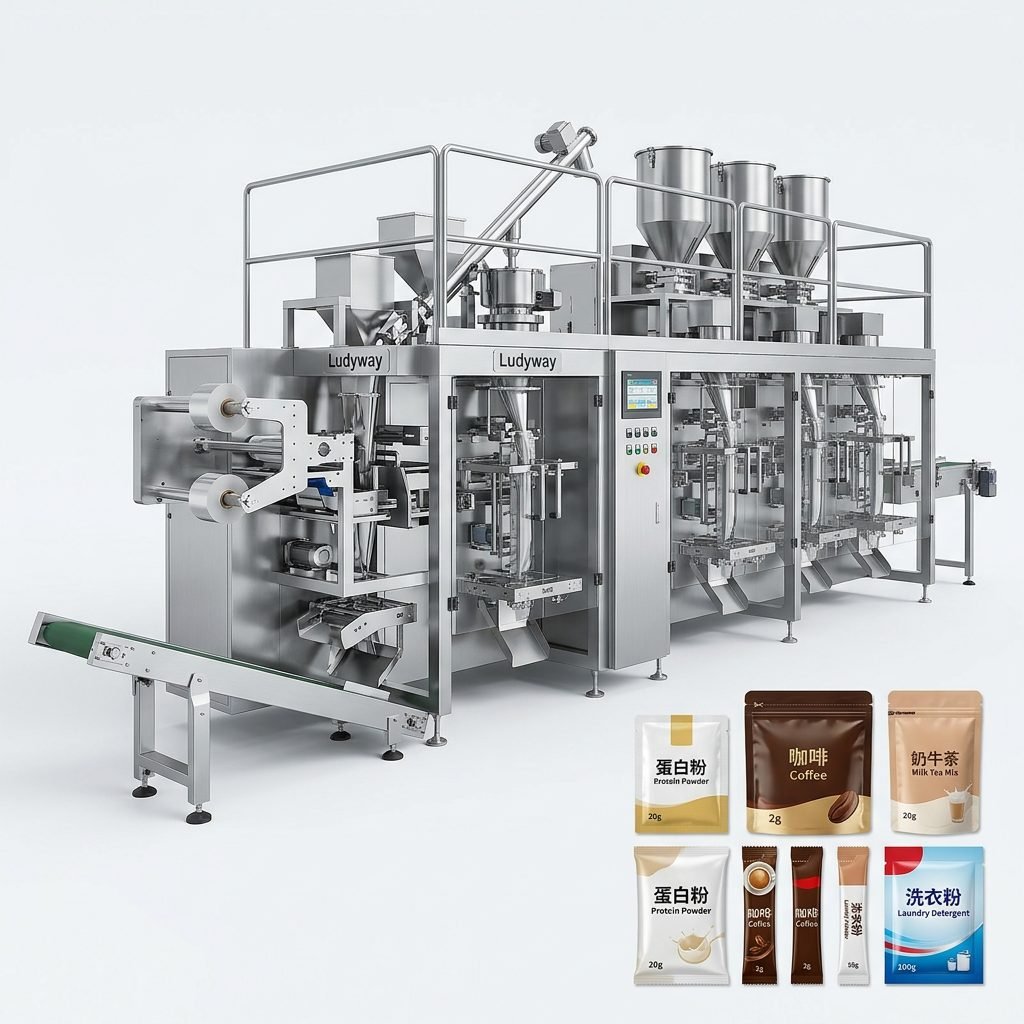
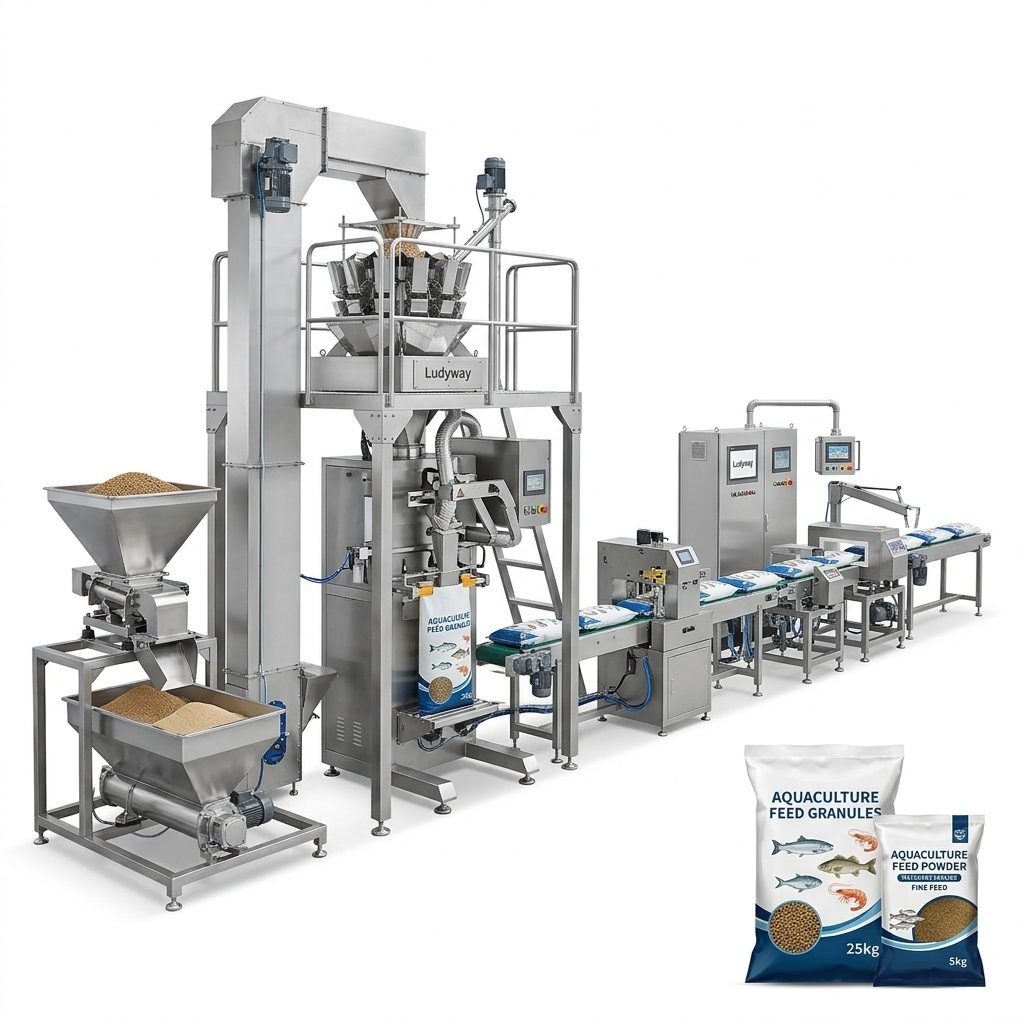
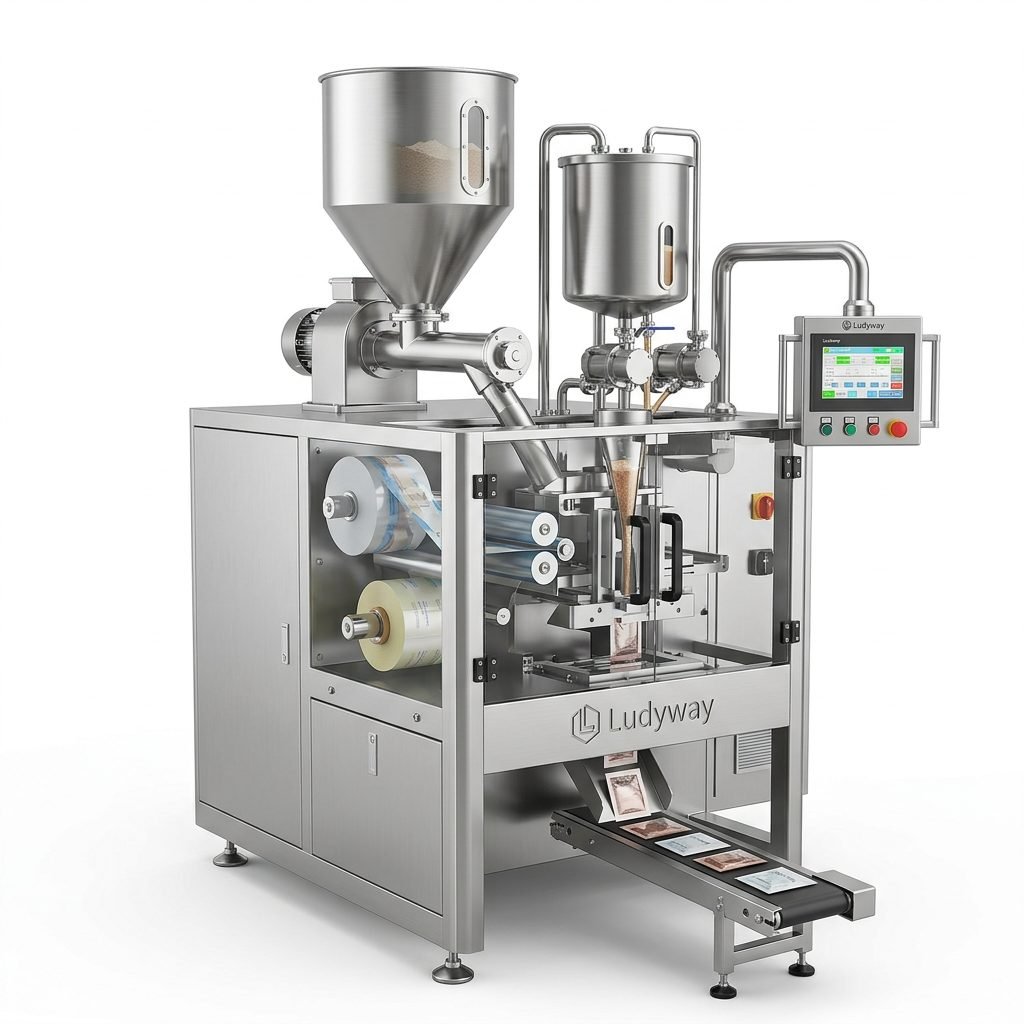
VFFS machines form a bag from a roll of film, fill the product, flush with nitrogen, and seal—all in a continuous vertical motion. These are among the most popular choices for granular and powder products requiring nitrogen packaging. They offer high-speed operation and consistent seal quality.
Multi-Lane Stick Pack Machines
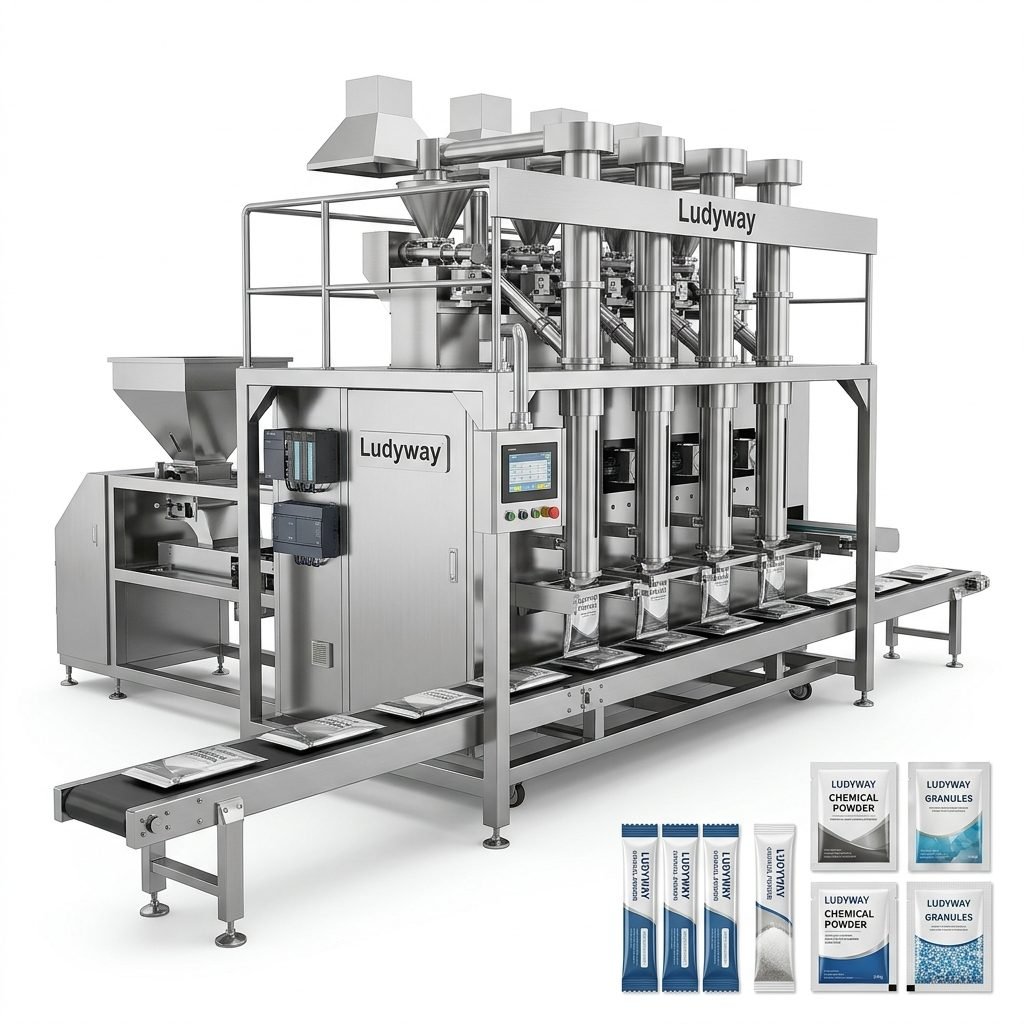
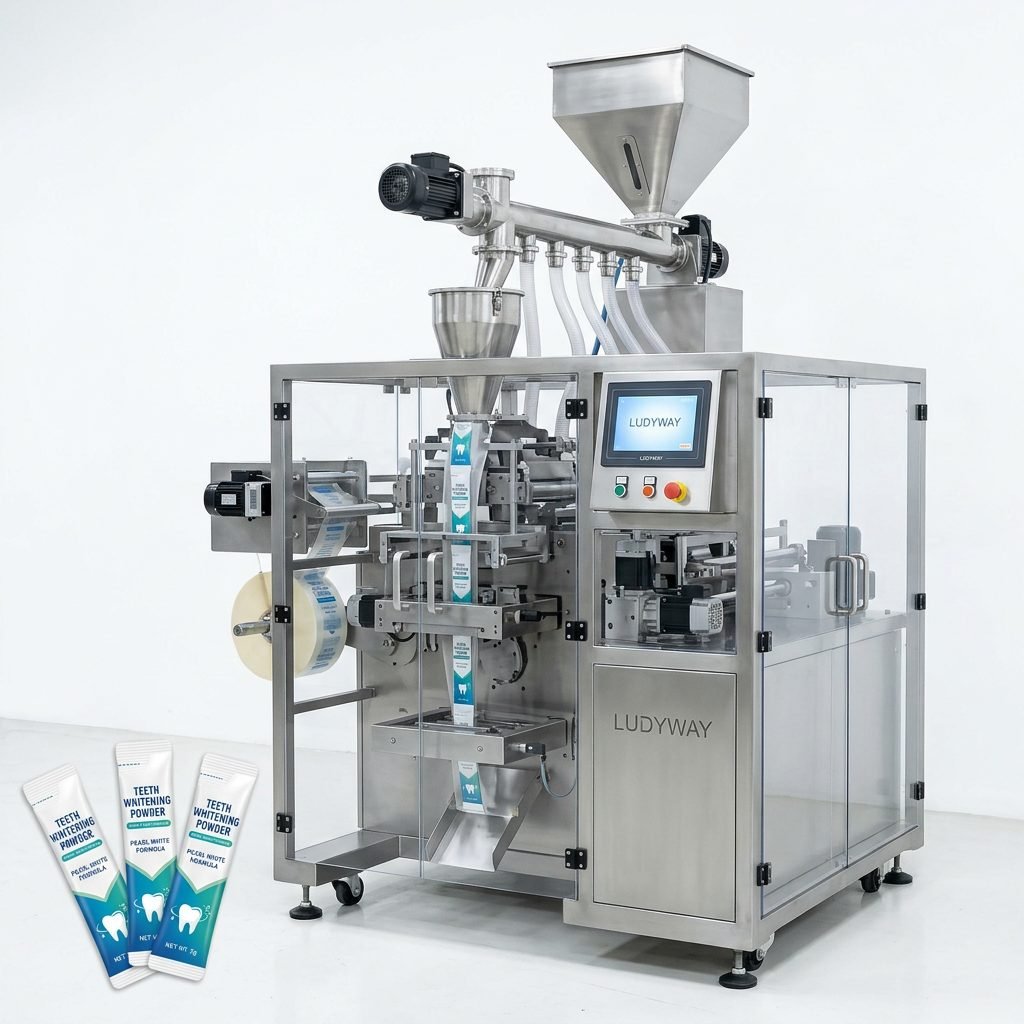
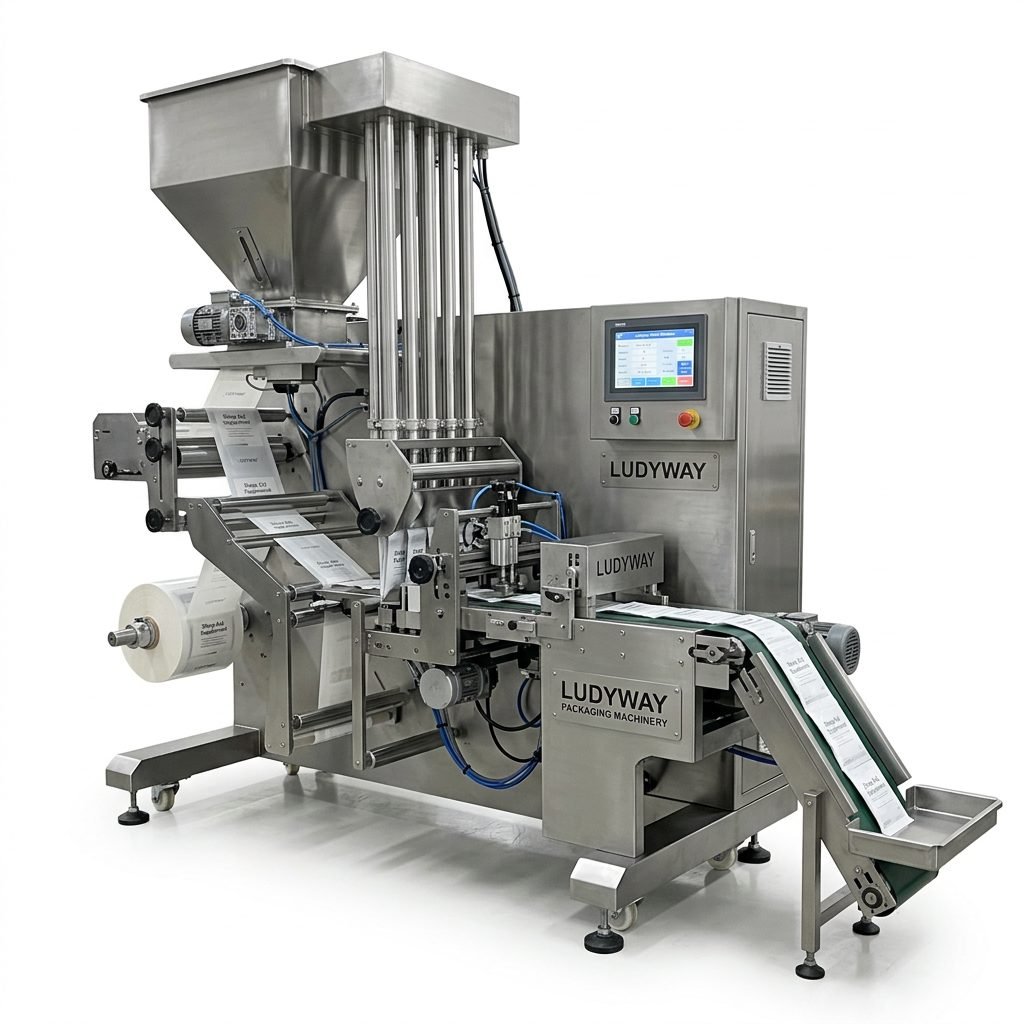
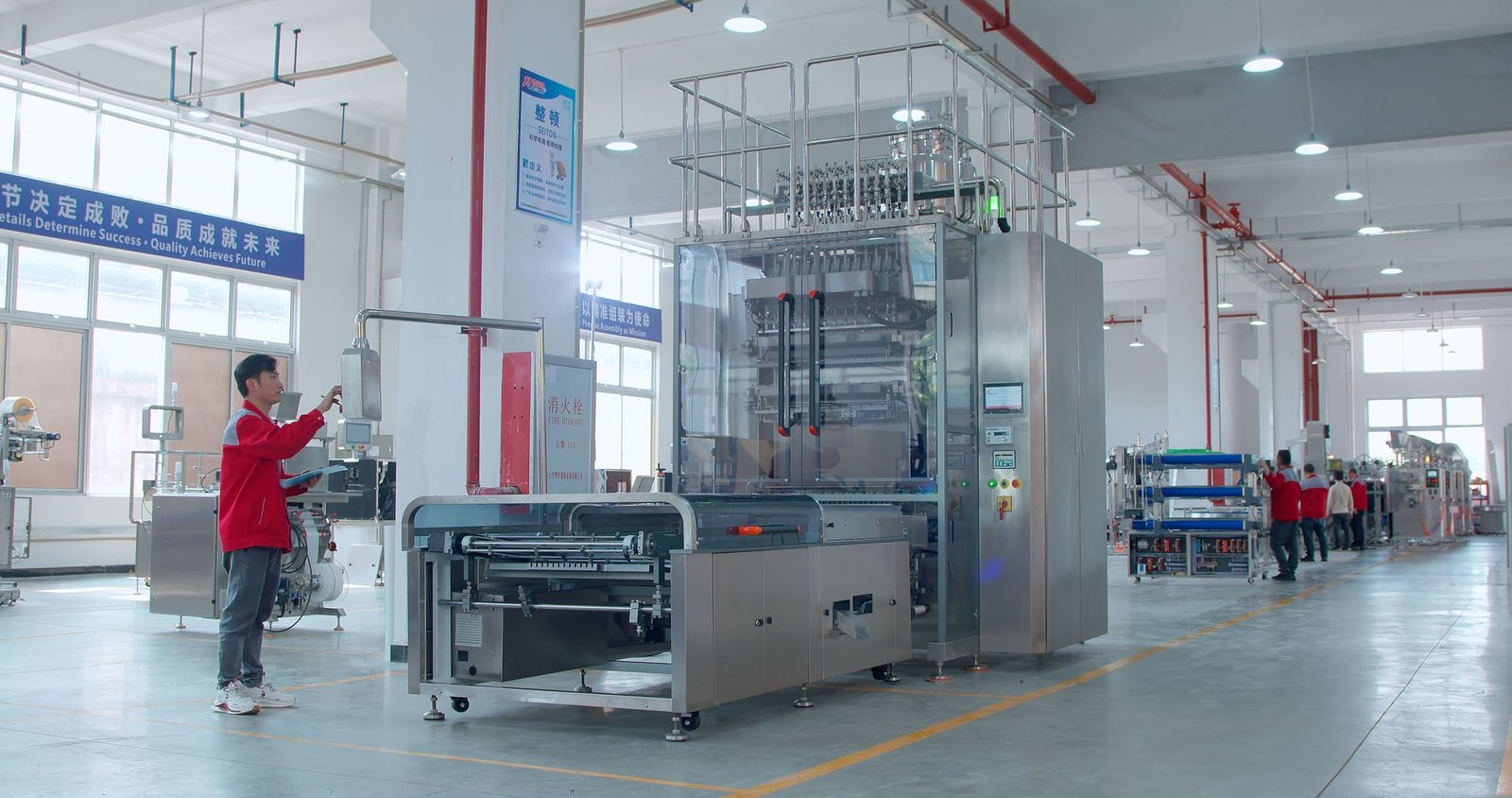
For high-volume production of single-serve stick packs, multi-lane machines can run multiple lanes simultaneously, dramatically increasing output. These machines are extensively used in the packaging machinery market for products like instant coffee, protein powders, and pharmaceutical granules.
Rotary Nitrogen Packaging Systems
Rotary systems are designed for pre-made pouches and offer excellent nitrogen dosing precision. They are commonly chosen for premium products where packaging presentation is critical, such as specialty coffees, health supplements, and cosmetic sachets.
Technical Specifications to Evaluate
Beyond the machine type, several technical specifications deserve careful attention during the evaluation process. These parameters directly affect packaging quality, operational consistency, and long-term reliability.
Nitrogen Purity and Flow Rate
The effectiveness of nitrogen packaging depends on achieving the right residual oxygen level inside the package. Most food applications target residual oxygen below 1-2%, while pharmaceutical products may require even lower levels. Ensure the machine’s nitrogen flow control system can deliver consistent purity and pressure for your product requirements. According to flexible packaging industry data, proper gas flushing can extend product shelf life by 3 to 5 times compared to conventional packaging.
Sealing Quality and Integrity
A nitrogen-flushed package is only as good as its seal. Look for machines with:
- Adjustable sealing temperature and pressure controls
- Serrated or diamond-pattern sealing jaws for enhanced seal strength
- Integrated seal inspection or leak detection systems
- Compatibility with a range of film materials including laminates with aluminum foil barriers
Automation and Control Features
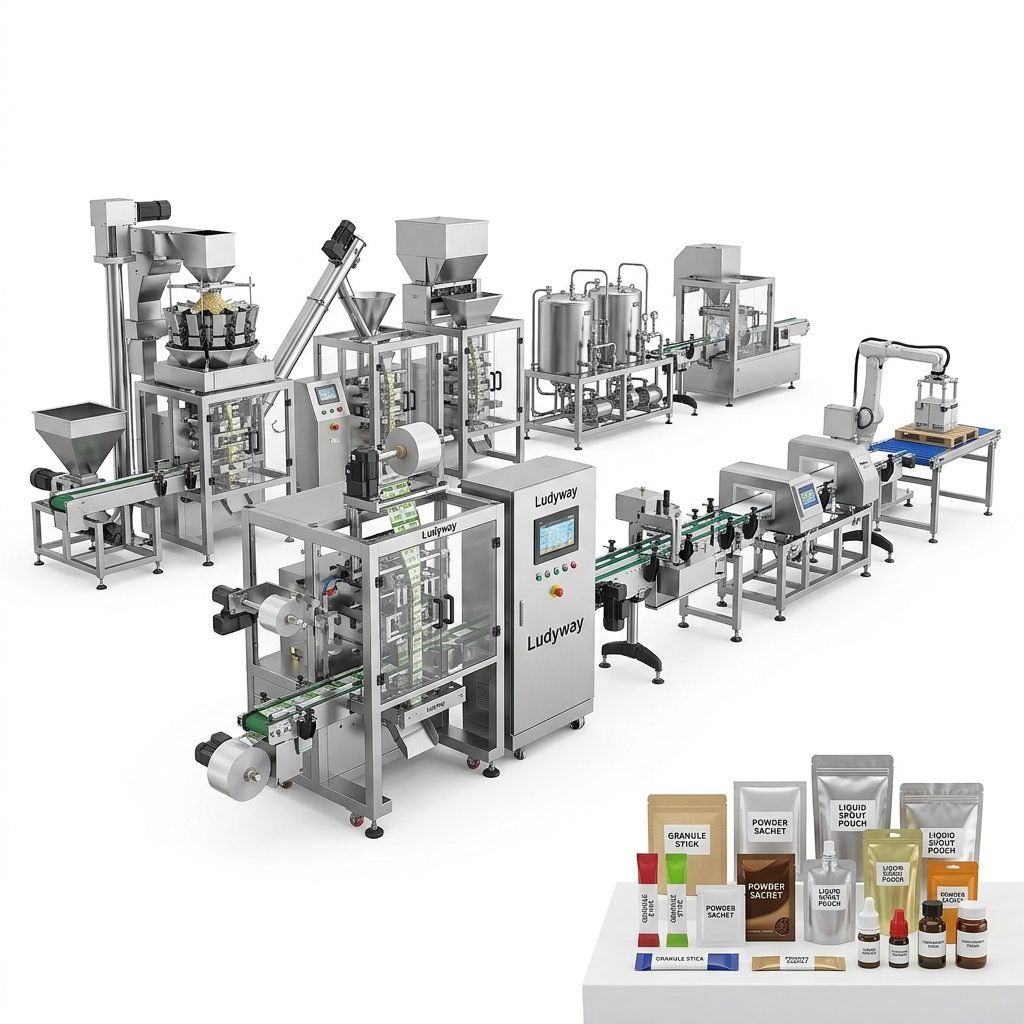
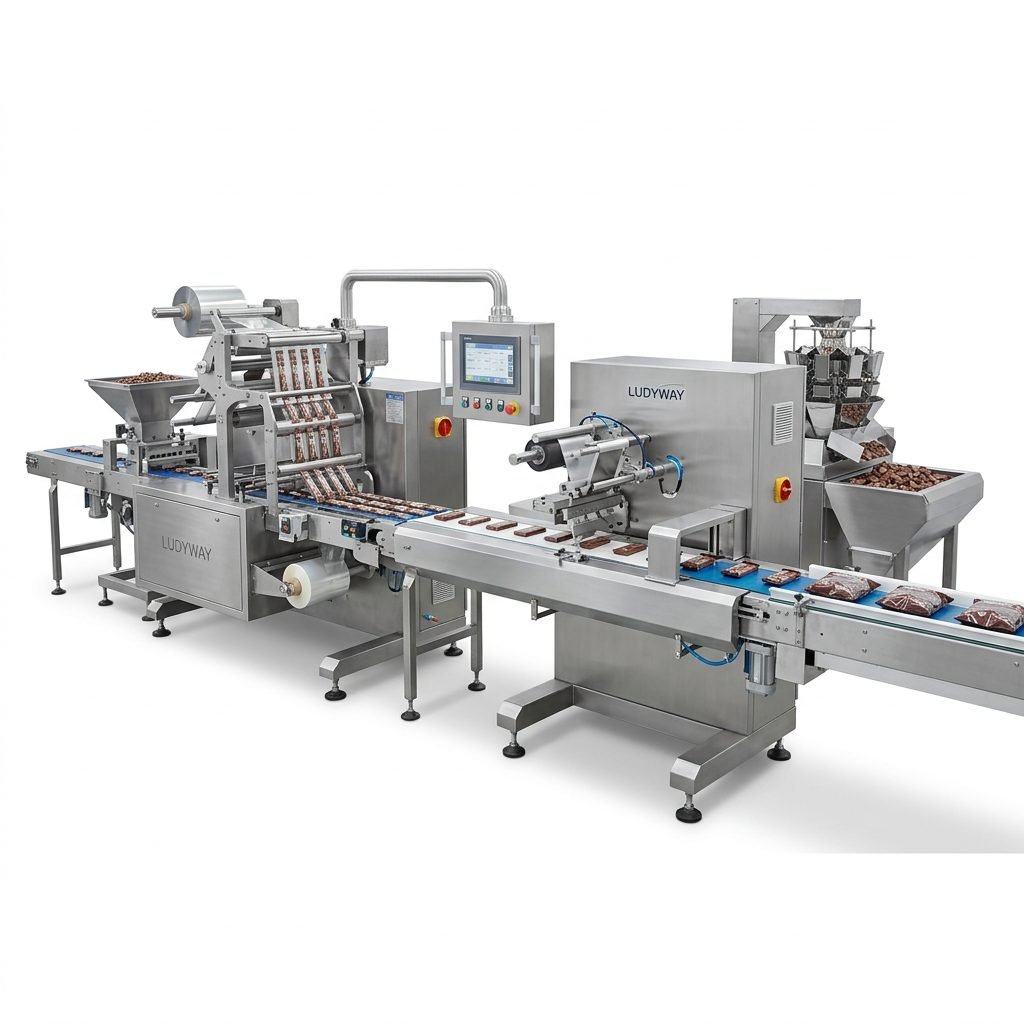
Modern nitrogen packing machines incorporate advanced automation features that improve efficiency and reduce operator dependency. Key features to evaluate include servo-driven filling systems, PLC touch-screen controls, automatic film tracking, and integration capabilities with upstream and downstream equipment such as checkweighers, metal detectors, and cartoning machines.
Industry-Specific Applications
Different industries have distinct requirements for nitrogen packaging. The table below summarizes key considerations by sector:
| Industry | Common Products | Key Requirements |
|---|---|---|
| Food & Beverage | Coffee, snacks, dried fruits, powders | High speed, food-grade materials, consistent nitrogen flushing |
| Pharmaceuticals | Powders, granules, capsules, tablets | Ultra-low oxygen levels, GMP compliance, validation documentation |
| Nutraceuticals | Protein powders, supplements, vitamins | Accurate dosing, moisture protection, clean packaging environment |
| Pet Food | Dry kibble, treats, supplements | High-volume throughput, durable packaging, cost efficiency |
| Cosmetics | Creams, serums, masks, samples | Precise filling, attractive packaging finish, multi-format flexibility |
Cost Considerations and ROI
The cost of a nitrogen packing machine varies widely depending on configuration, speed, and automation level. Beyond the initial equipment investment, factor in:
- Nitrogen generation costs – On-site nitrogen generators versus bottled gas supply
- Packaging material costs – Barrier films compatible with nitrogen flushing
- Maintenance and spare parts – Long-term operational expenses
- Energy consumption – Power requirements for heating, pneumatics, and controls
- Labor requirements – Operator training and supervision needs
A well-chosen nitrogen packing machine typically delivers ROI within 12 to 24 months through reduced product waste, extended shelf life, and improved production efficiency. The 2025 State of the Industry report from PMMI highlights that automated packaging solutions continue to drive significant operational improvements for manufacturers across sectors.
Evaluating Packaging Machinery Suppliers
Choosing the right equipment partner is as important as selecting the right machine specifications. When evaluating potential suppliers, consider the following aspects:
Industry Experience and Track Record
Look for manufacturers with demonstrated experience in your specific product category. A supplier that understands the nuances of powder handling, nitrogen dosing, and seal integrity for your type of product can provide valuable guidance during machine selection and configuration. Companies with a global presence and long-standing industry experience often bring deeper engineering capabilities to each project.
Customization and Engineering Support
Standard machines may not always meet unique production requirements. Evaluate whether the supplier offers custom engineering services to tailor the machine configuration to your specific product, packaging format, and factory layout. This is particularly important for manufacturers introducing new packaging formats or integrating nitrogen packaging into existing production lines. Ludyway Machinery, for instance, provides customized packaging solutions based on individual product characteristics and production goals, drawing on over three decades of industry experience.
After-Sales Service and Technical Support
Reliable after-sales support ensures your nitrogen packing machine maintains peak performance throughout its lifecycle. Key support elements to verify include:
- Installation and commissioning assistance
- Operator training programs
- Spare parts availability and delivery timelines
- Remote technical assistance capabilities
- Warranty terms and service agreements
Compliance and Certifications
Depending on your industry and target markets, your nitrogen packing machine may need to comply with specific standards. Verify that the supplier can provide equipment configured to meet ISO packaging standards, FDA food packaging requirements, and other relevant regulations. This includes considerations for food-grade materials, cleanroom compatibility, and documentation for validation processes.
Common Mistakes to Avoid
Many buyers encounter preventable challenges when selecting nitrogen packaging equipment. Being aware of these common pitfalls can save time, money, and operational headaches:
- Underestimating future production needs – Choose a machine that can accommodate growth without requiring premature replacement
- Overlooking film compatibility – Not all packaging films work optimally with nitrogen flushing; verify material compatibility during testing
- Ignoring nitrogen supply infrastructure – Factor in the cost and space requirements for nitrogen generation or storage
- Skipping product trials – Always conduct thorough testing with your actual product before finalizing a machine purchase
- Focusing solely on purchase price – Total cost of ownership including maintenance, energy, and consumables often outweighs the initial price difference
Making the Final Decision
After evaluating all the factors discussed, create a structured comparison of shortlisted machines and suppliers. Pay attention to the total value proposition rather than any single parameter. The right nitrogen packing machine should align with your production volume, product characteristics, quality standards, and growth trajectory. By taking a comprehensive approach to equipment selection, you can secure a packaging solution that delivers consistent product quality, operational efficiency, and long-term reliability.
For additional guidance, industry resources from PMMI packaging resources and the Flexible Packaging Association offer valuable insights into packaging machinery standards, emerging technologies, and market trends that can inform your purchasing decision.