Investing in an automatic sauce packing machine is a critical decision for food manufacturers looking to scale production, maintain product consistency, and reduce labor costs. Whether you are packaging ketchup, mayonnaise, soy sauce, chili sauce, or salad dressing, selecting the right equipment requires a thorough understanding of your product characteristics, production goals, and the technical capabilities of available machinery. This guide walks you through the essential factors to consider when choosing an automatic sauce packing machine that aligns with your operational needs.
Understanding Your Sauce Packaging Requirements
Before comparing machine models, you need to define your specific packaging requirements. Sauce products vary significantly in viscosity, particulate content, acidity, and temperature sensitivity. A machine suitable for thin soy sauce may not handle thick mayonnaise or chunky pasta sauce effectively. Start by evaluating the following:
- Product viscosity — Is your sauce free-flowing like vinegar, semi-viscous like ketchup, or thick like mayonnaise and creamy dressings?
- Particulate content — Does the sauce contain solid pieces such as herbs, vegetable chunks, or seeds that could clog filling nozzles?
- Packaging format — Are you targeting single-serve sachets, stick packs, pouches, or larger bulk packaging?
- Production volume — What is your target output per hour or per shift, and do you anticipate scaling up in the future?
- Shelf-life requirements — Does your product require modified atmosphere packaging, vacuum sealing, or aseptic filling?
Answering these questions early will help you narrow down machine types and avoid costly mismatches. According to the PMMI packaging industry research, understanding product characteristics is the single most important step in packaging machinery selection.
Types of Automatic Sauce Packing Machines
The term “sauce packing machine” encompasses several distinct equipment categories, each designed for specific packaging formats and production scales. Understanding the differences is essential for making an informed purchase.
Multi-Lane Sachet Packaging Machines
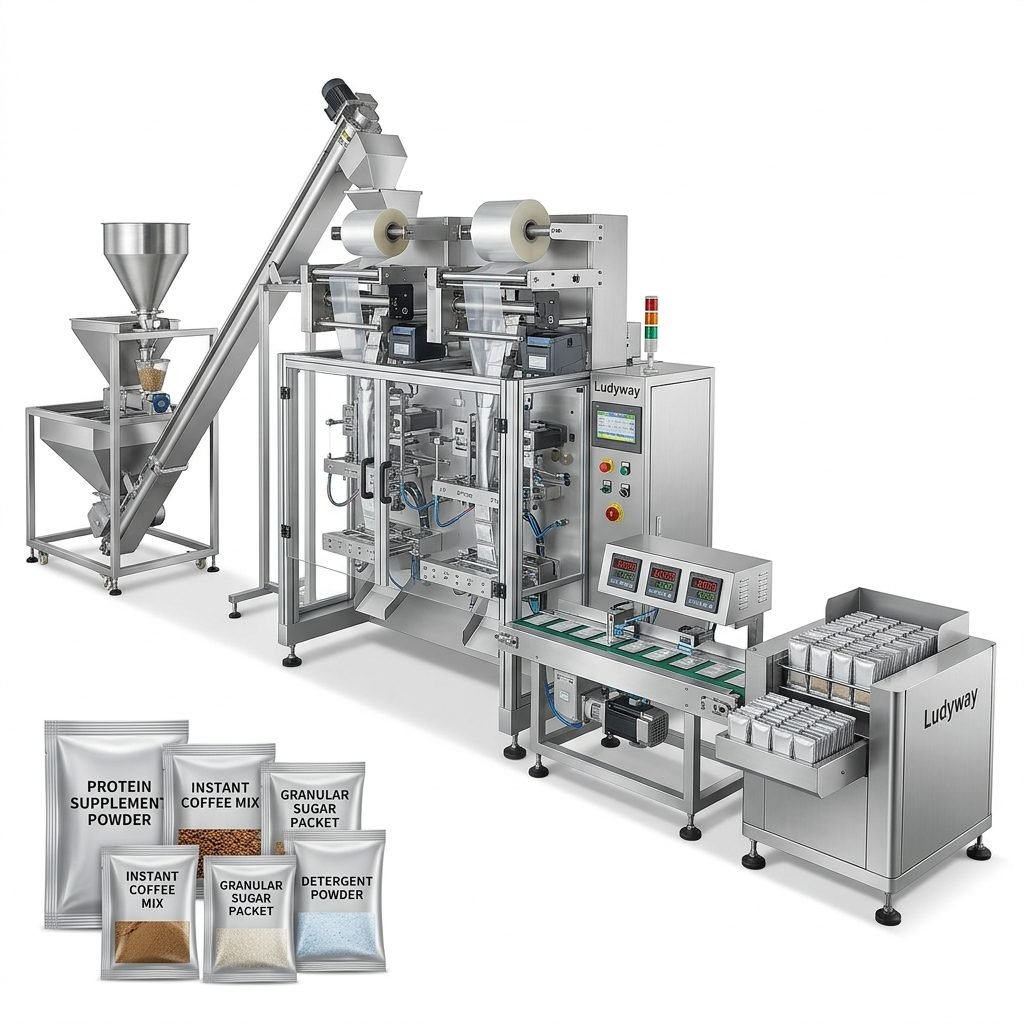
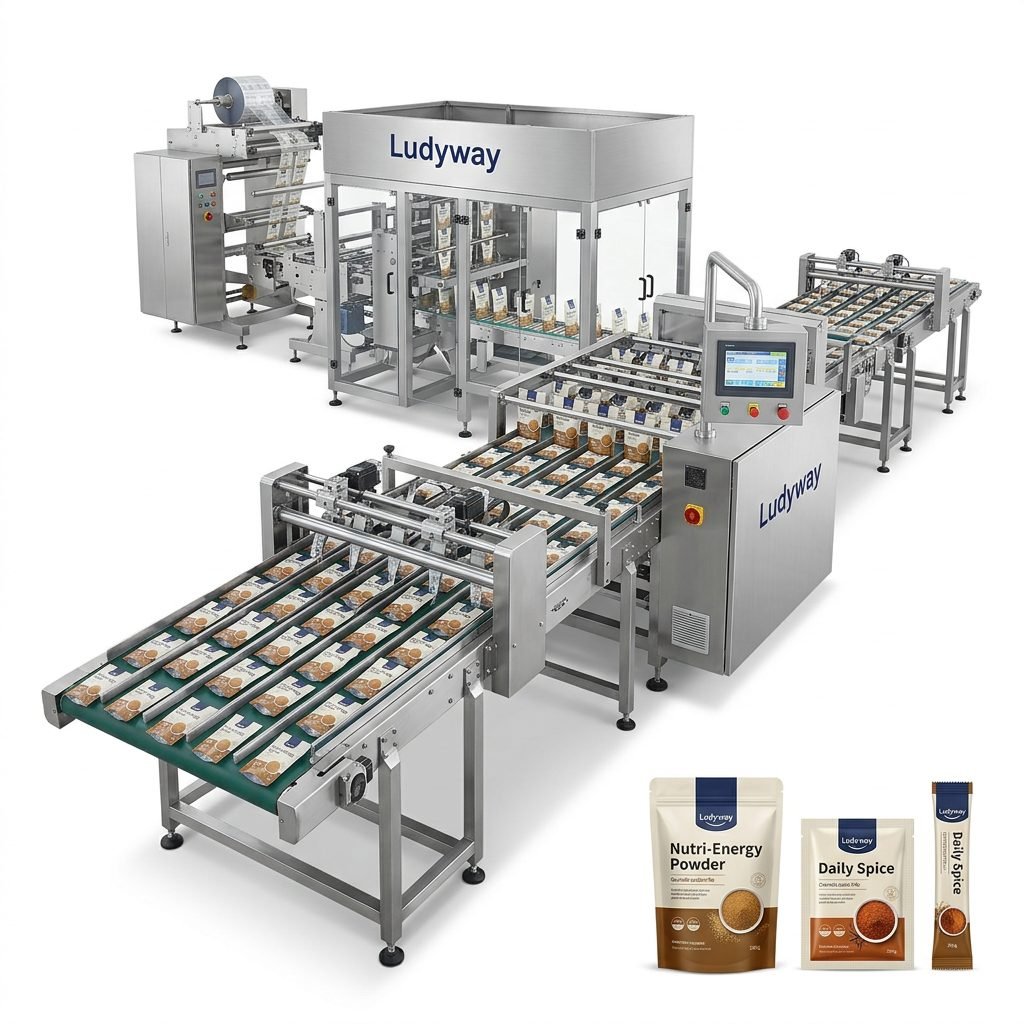
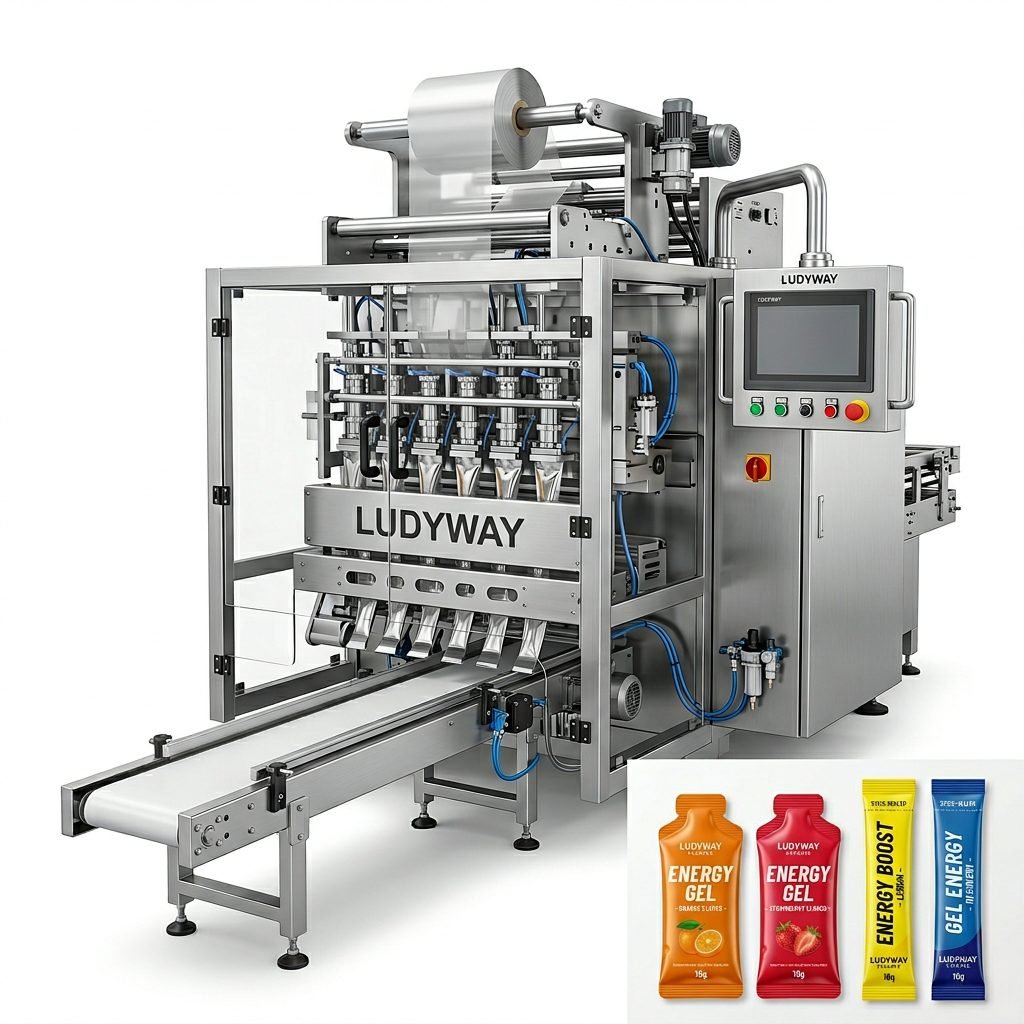
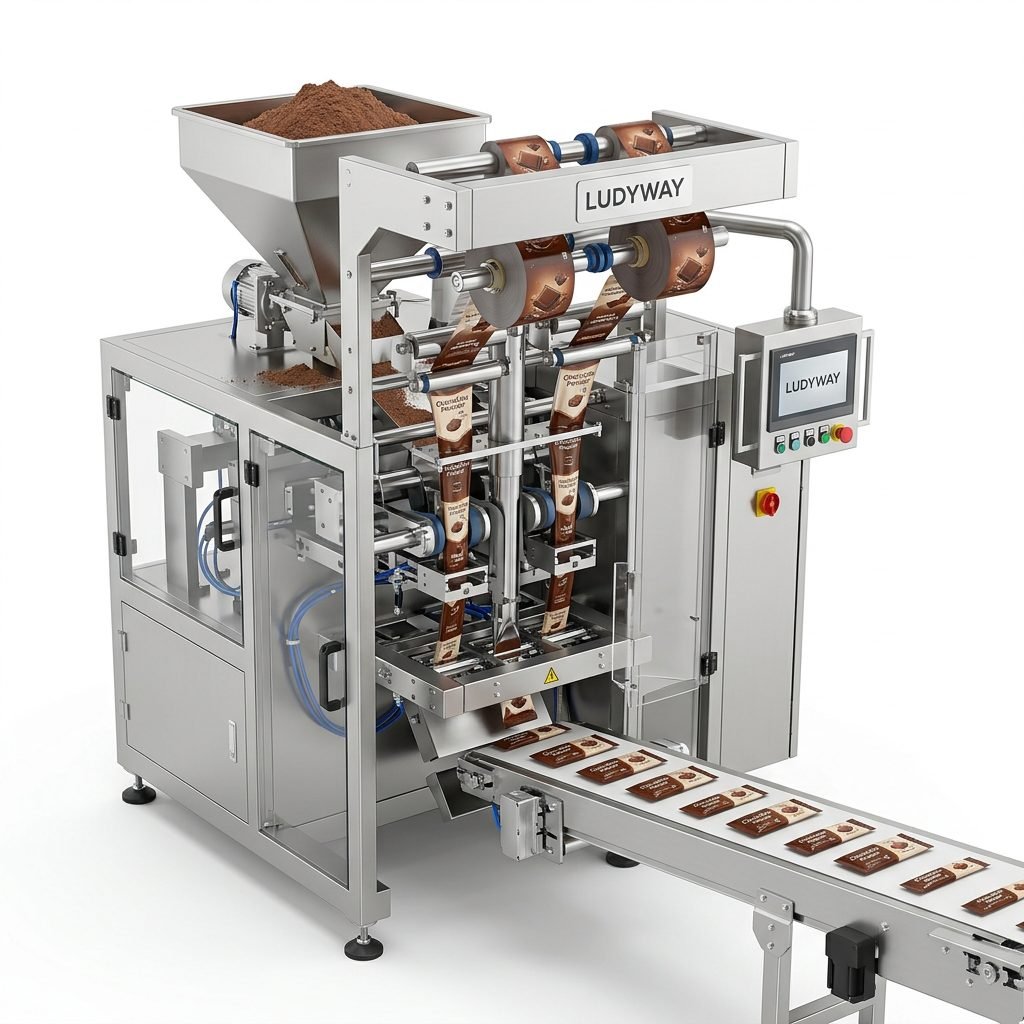
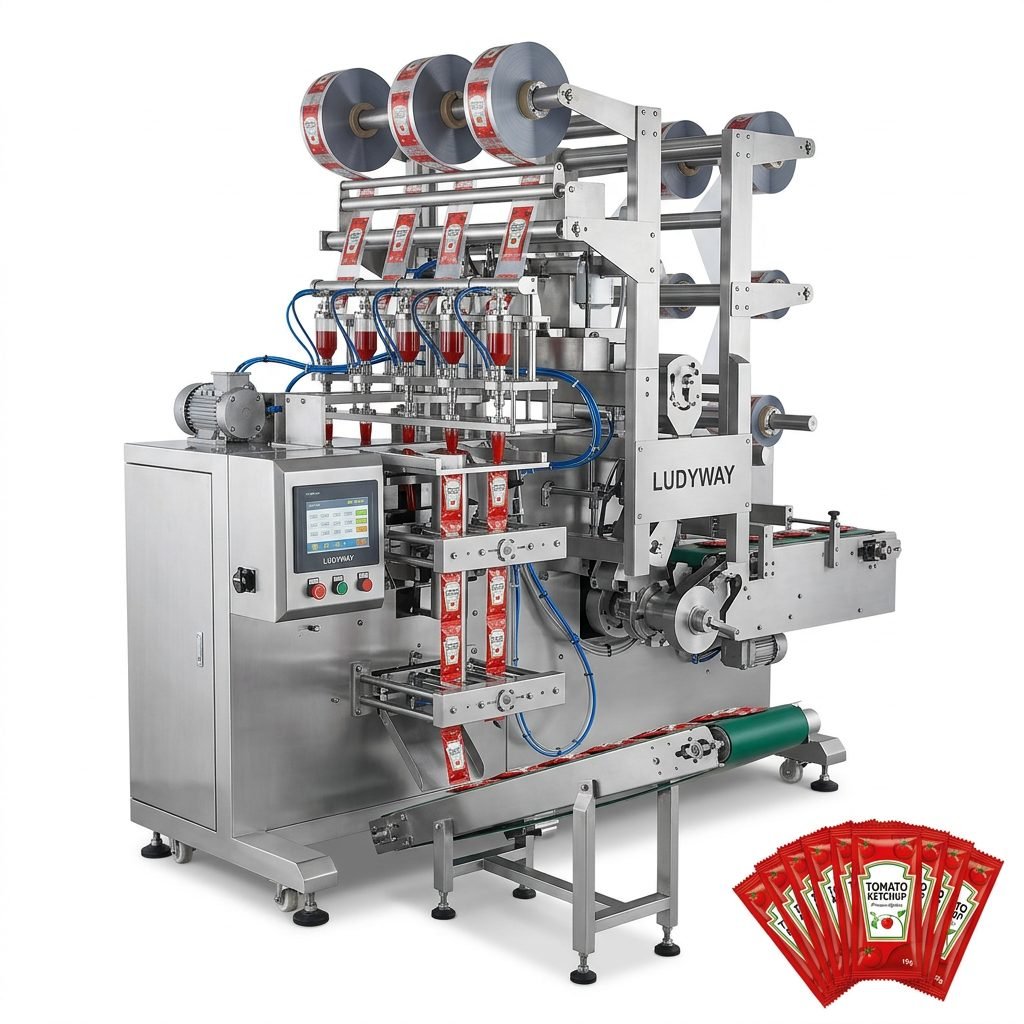
Multi-lane sachet machines are ideal for high-volume production of single-serve sauce portions. These machines can run 4 to 12 lanes simultaneously, delivering exceptional output rates for products like ketchup sachets, soy sauce packets, and mayonnaise portions. They are widely used in the food service and quick-service restaurant industries. The Flexible Packaging Association notes that sachet formats continue to grow in demand due to convenience and portion control.
Stick Pack Machines
Stick pack machines produce narrow, elongated packages that are increasingly popular for liquid sauces, gels, and pastes. This format offers excellent shelf appeal, efficient material usage, and convenient dispensing. Stick packs are commonly used for honey, hot sauce, energy gels, and condiment samples.
Vertical Form Fill Seal (VFFS) Machines
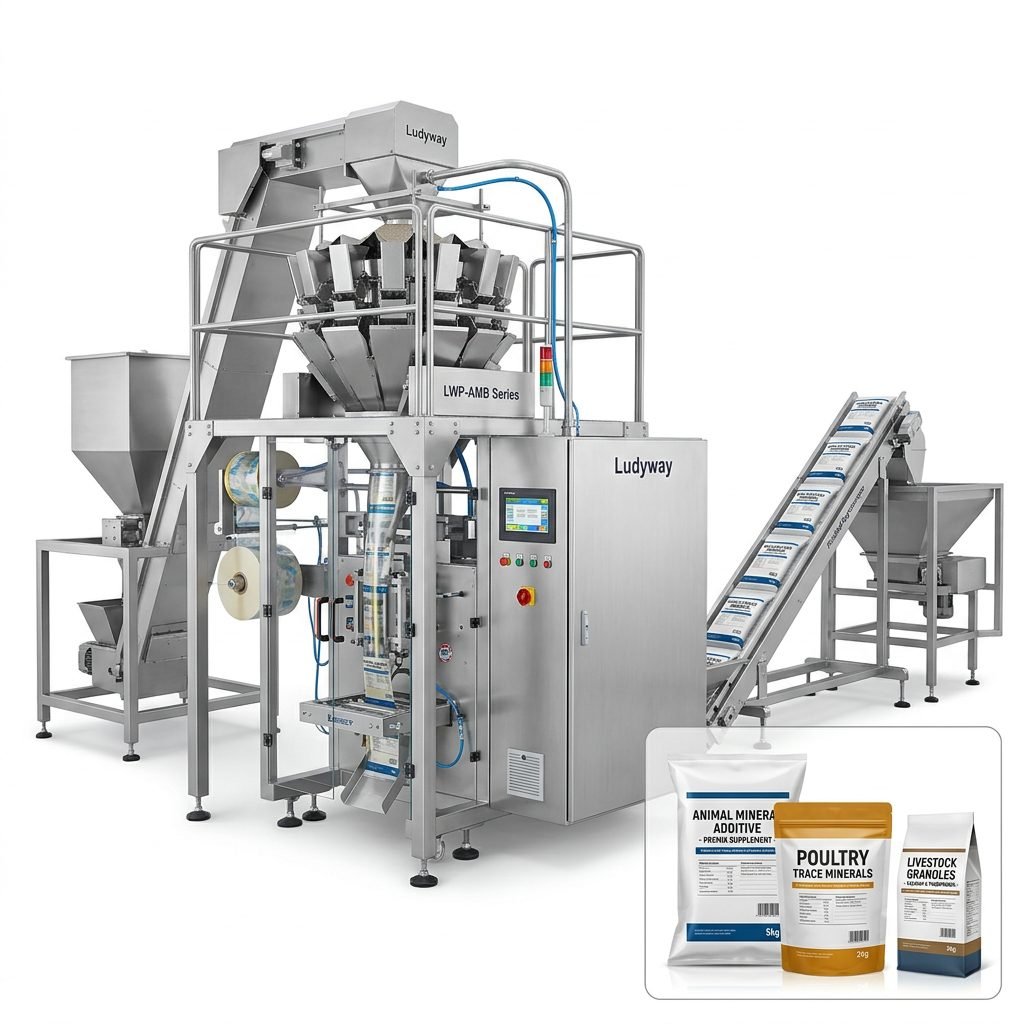
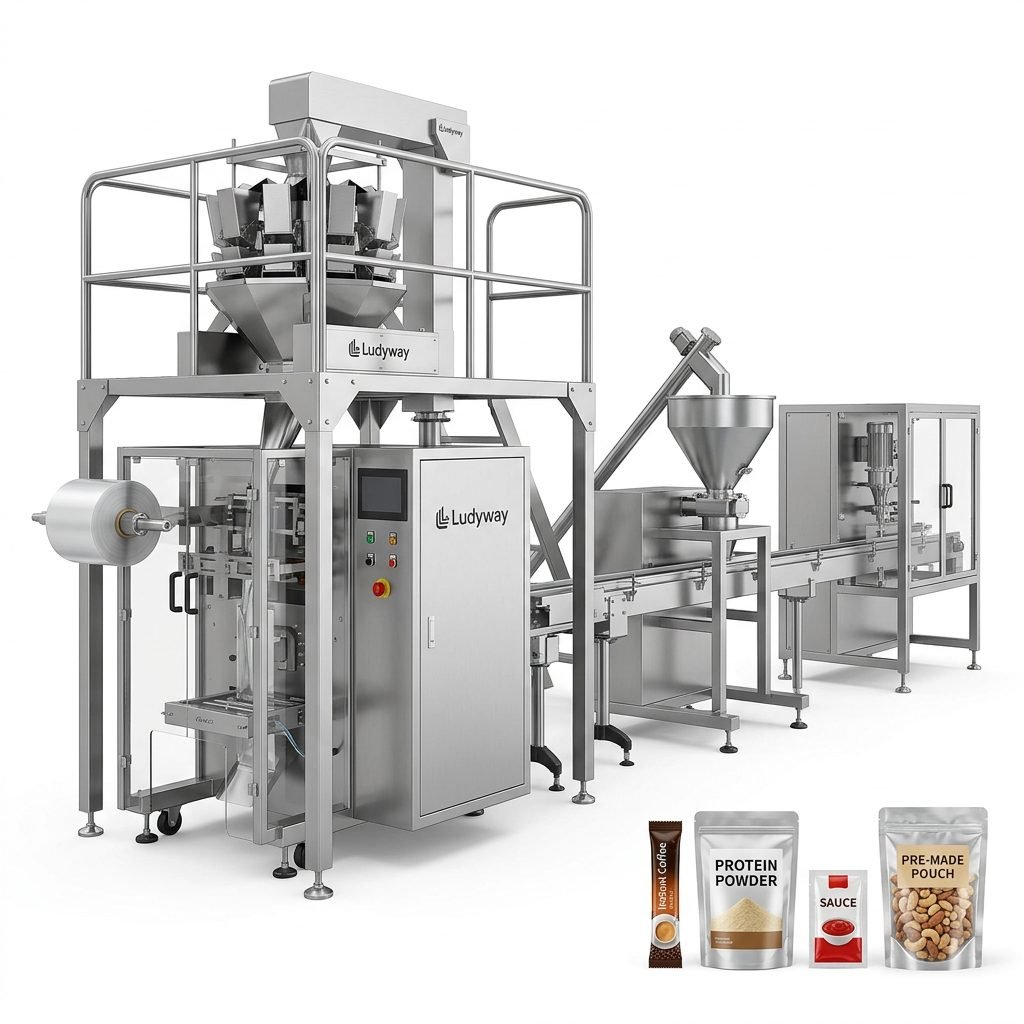
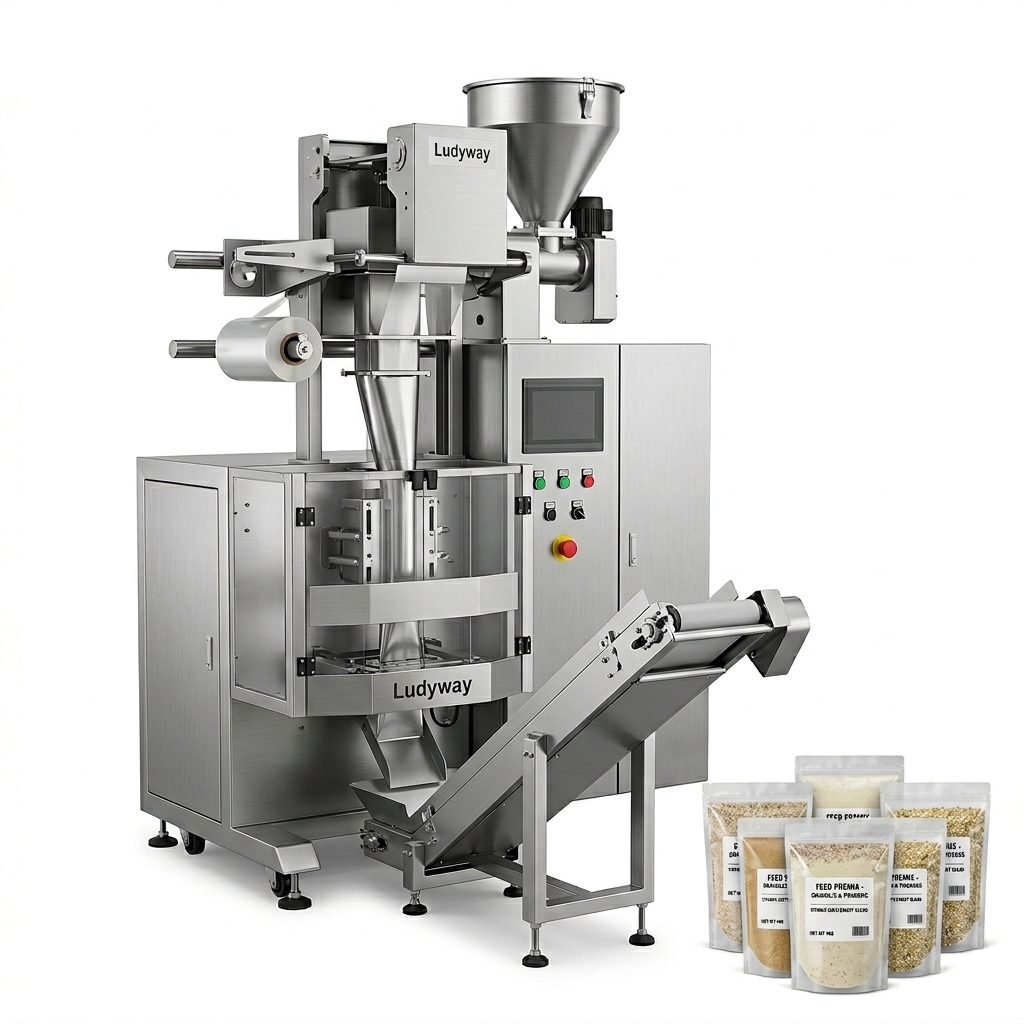
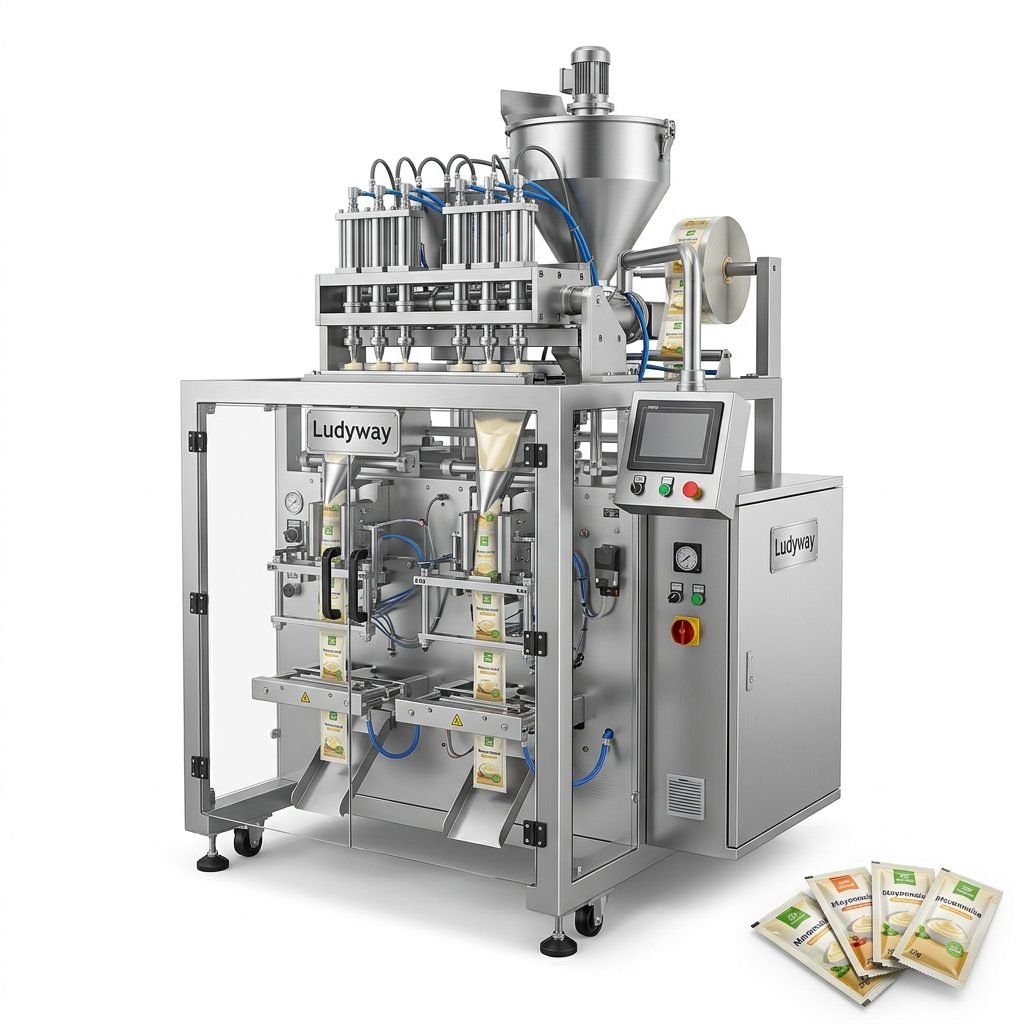
VFFS machines are versatile systems that form bags from roll stock film, fill them with product, and seal them in a continuous vertical process. They can handle a wide range of bag sizes and styles, from small portion packs to larger pillow bags. For sauce applications, liquid-adapted VFFS machines with specialized filling systems are required.
Premade Pouch Filling and Sealing Machines
Rotary or inline pouch filling machines work with premade pouches, offering greater flexibility in pouch shapes and materials. These machines are preferred for premium sauce products that require stand-up pouches with spouts, zipper closures, or distinctive branding elements.
Key Features to Evaluate
When comparing different automatic packaging equipment for sauce applications, certain features deserve particular attention. These features directly impact production efficiency, product quality, and long-term operational costs.
Filling System Technology
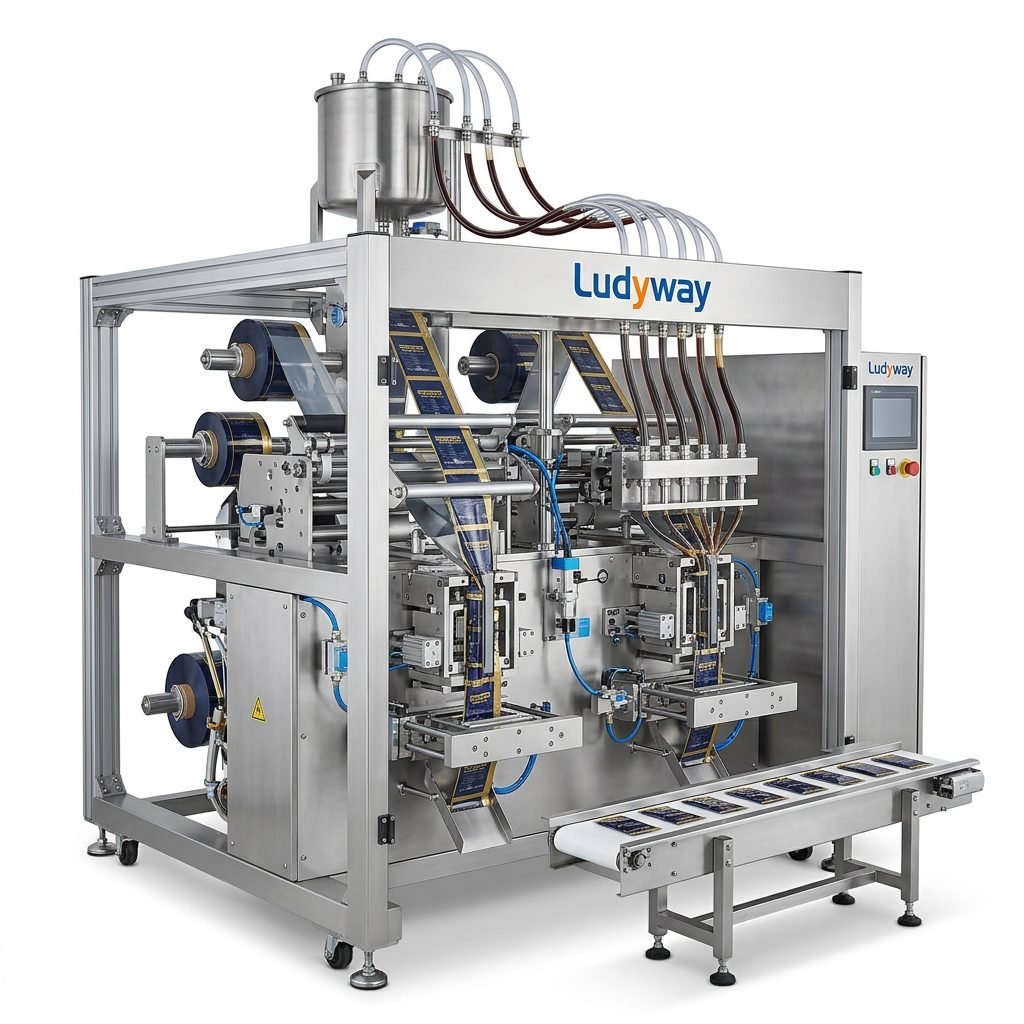
The filling mechanism is the heart of any sauce packing machine. Common technologies include piston fillers for thick, viscous sauces; peristaltic pumps for shear-sensitive products; gravity fillers for thin, free-flowing liquids; and servo-driven positive displacement pumps for high-precision dosing. The right choice depends on your product’s rheological properties and required fill accuracy. ISO packaging standards provide guidelines on fill volume tolerances that can help set your accuracy expectations.
Material Compatibility and Construction
Sauces can be acidic, salty, or corrosive. Ensure all product-contact surfaces are made of food-grade stainless steel (typically SUS304 or SUS316L). For highly acidic sauces like vinegar-based dressings or citrus-flavored condiments, 316L stainless steel offers superior corrosion resistance. Additionally, check that seals, gaskets, and hoses are compatible with your product’s chemical composition and cleaning agents.
Automation and Control Systems
Modern sauce packing machines feature PLC-based control systems with touchscreen interfaces. Look for machines that offer recipe storage, automatic temperature control for sealing jaws, servo-driven film feeding, and integration capabilities with upstream and downstream equipment. The level of automation you choose should align with your workforce’s technical capabilities and your operational goals.
Cleaning and Maintenance Accessibility
Sanitary design is non-negotiable for sauce packaging. Machines should feature tool-free disassembly of filling components, smooth surfaces without crevices, proper drainage, and compatibility with CIP (Clean-in-Place) systems where applicable. Easy access for routine cleaning and maintenance minimizes downtime and ensures food safety compliance. FDA food packaging regulations set clear requirements for sanitary equipment design in food processing environments.
Sealing Quality and Integrity
Poor sealing leads to leaks, contamination, and product waste. Evaluate the sealing mechanism’s temperature control precision, pressure distribution, and dwell time adjustment capabilities. For multi-lane machines, independent seal pressure control on each lane is a valuable feature that ensures consistent quality across all production lanes.
Technical Specifications Comparison
The table below summarizes key technical specifications to consider when evaluating different sauce packing machine configurations. Use this as a reference framework when comparing proposals from different suppliers.
| Specification | Why It Matters | What to Look For |
|---|---|---|
| Number of Lanes | Directly determines throughput capacity | 4–12 lanes for high-volume sachet production; single or dual lane for smaller operations |
| Fill Volume Range | Must match your product portion sizes | Typically 1–100ml for sachets, 5–50ml for stick packs; verify adjustable range |
| Fill Accuracy | Impacts product giveaway and regulatory compliance | ±0.5% to ±1.5% depending on filling technology and product characteristics |
| Production Speed | Determines overall equipment effectiveness | 30–60 cycles per minute per lane for multi-lane machines; verify with your product |
| Film Compatibility | Affects packaging material costs and shelf life | Should support PET/PE, PET/AL/PE, BOPP/CPP, and other common laminates |
| Power Consumption | Ongoing operational cost factor | Compare kW ratings and energy efficiency features across models |
| Changeover Time | Impacts production flexibility and downtime | Tool-free changeover under 30 minutes is ideal for multi-product lines |
How to Evaluate a Packaging Machinery Supplier
Selecting the right equipment is only half the equation — choosing a reliable supplier is equally important. A machine that performs well in a demonstration may behave differently with your specific product in your production environment. Consider the following when evaluating potential packaging machinery partners:
- Industry experience — Does the manufacturer have proven experience in sauce and liquid food packaging specifically, not just general packaging?
- Factory acceptance testing — Will the supplier run your actual product on the machine before shipment to validate performance?
- Technical documentation — Are comprehensive manuals, electrical schematics, and spare parts lists provided in a language your team can work with?
- Installation and commissioning support — Does the supplier offer on-site installation, operator training, and production ramp-up assistance?
- After-sales service — What is the warranty period, and how quickly can technical support and spare parts be accessed when needed?
- Certifications and compliance — Can the supplier provide CE, ISO, or other relevant certifications that demonstrate adherence to international quality and safety standards?
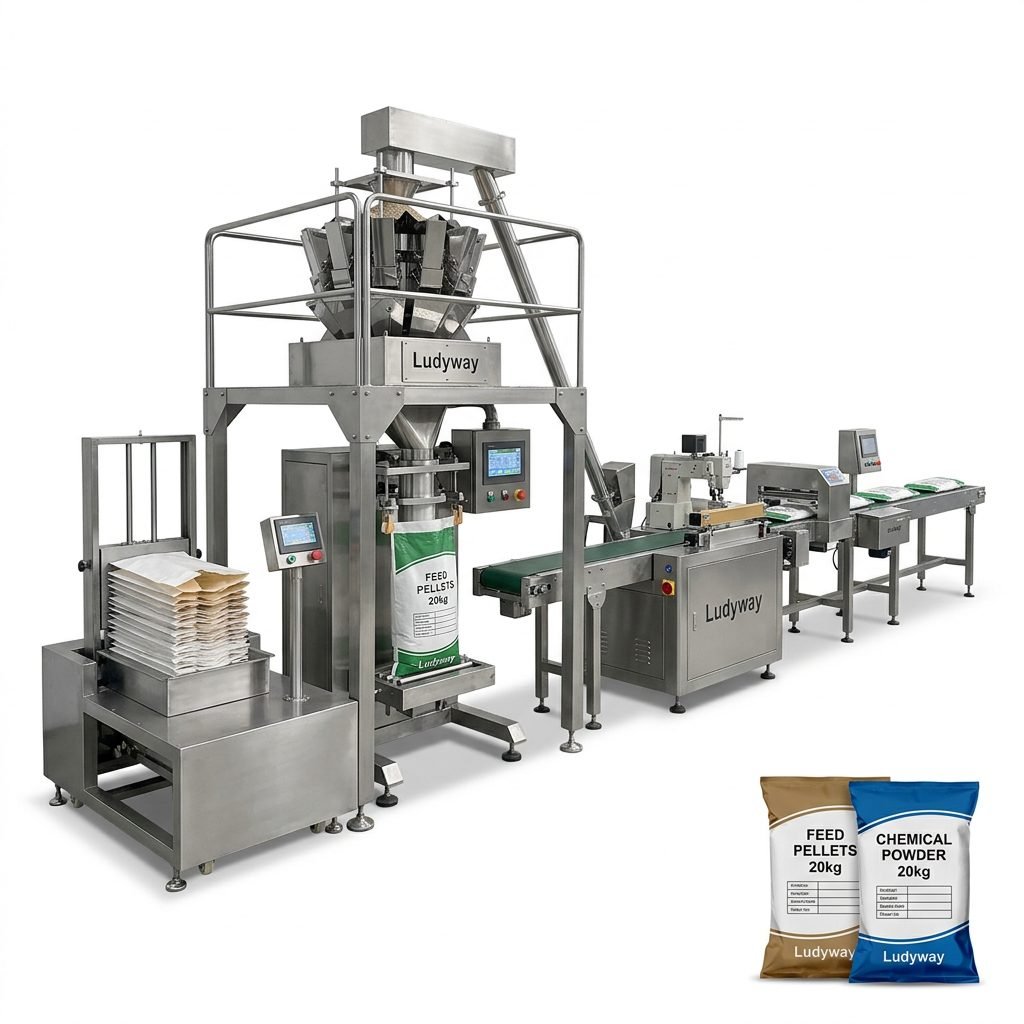
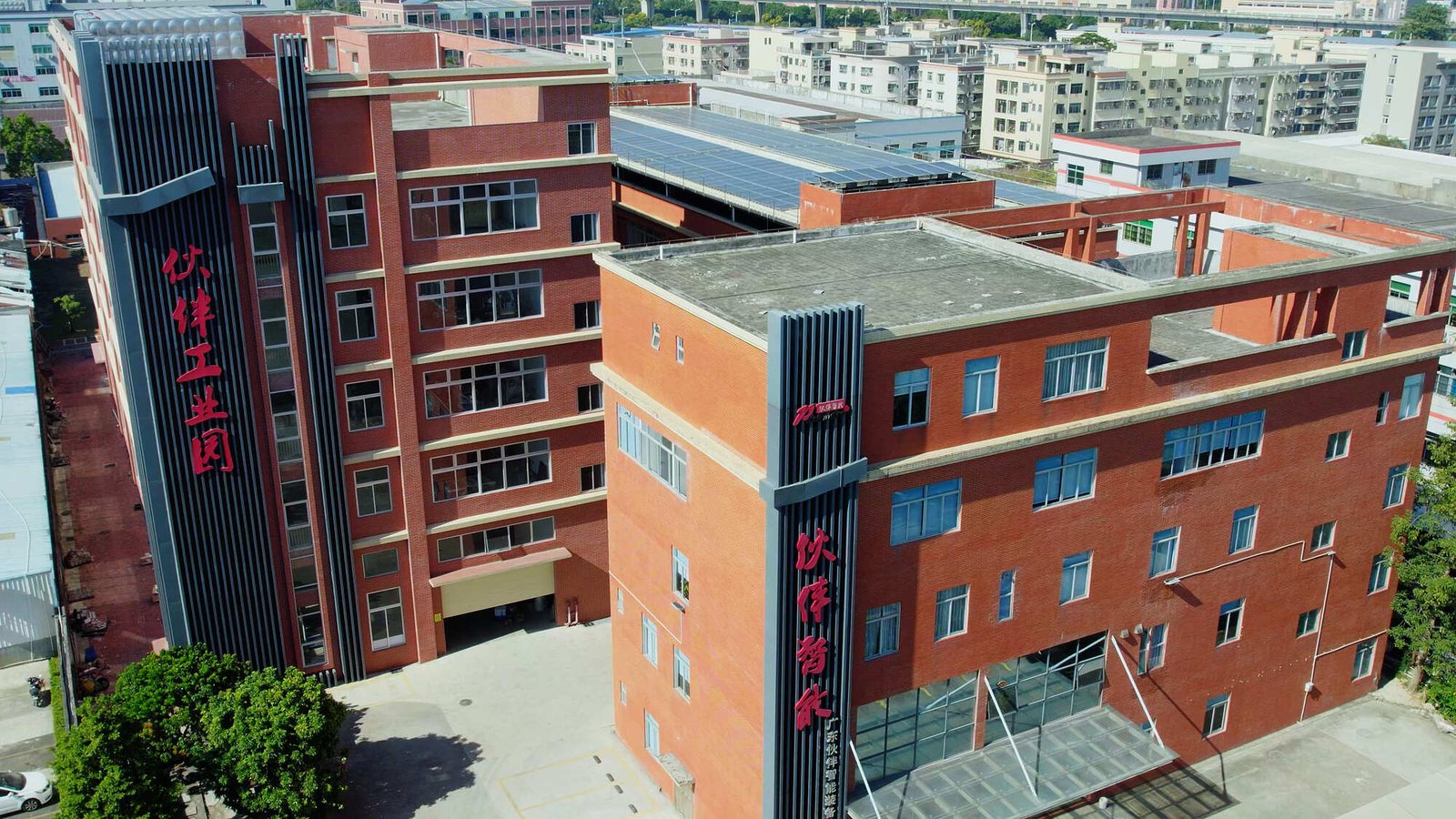
One notable example in the industry is Ludyway Machinery, a China-based packaging machinery manufacturer with more than 30 years of experience and a 20,000-square-meter manufacturing facility. Companies like Ludyway provide integrated packaging solutions that can be customized to specific sauce products and production requirements, offering a single point of contact for equipment selection, system integration, and after-sales technical support. When evaluating any supplier, request references from clients in similar product categories and verify their track record in the packaging industry.
Budget and ROI Considerations
The purchase price of an automatic sauce packing machine is just one component of the total cost of ownership. A comprehensive ROI analysis should account for installation, training, ongoing maintenance, spare parts, packaging material costs, energy consumption, and potential production gains. Key financial considerations include:
- Initial capital investment — Machine cost plus shipping, import duties, and installation expenses
- Labor savings — Reduced manual packing labor and associated costs
- Material efficiency — Lower film waste and reduced product giveaway through precise filling
- Production scalability — Ability to increase output without proportional increases in operating costs
- Quality improvement — Fewer leaks, consistent seal integrity, and reduced customer complaints
Industry data from PMMI’s 2025 State of the Industry report indicates that automation in food packaging continues to deliver strong ROI, with many manufacturers achieving payback periods of 18 to 36 months depending on production volumes and labor cost structures. For manufacturers planning significant export growth, the right packaging solution can unlock access to new markets and retail channels.
Making the Final Decision
After narrowing down your options, take the following steps to finalize your decision with confidence:
- Request product trials — Send samples of your actual sauce product to shortlisted suppliers for machine testing. Observe fill accuracy, seal quality, and production speed with your specific formulation.
- Visit manufacturing facilities — If possible, conduct an in-person factory visit to assess the supplier’s manufacturing capabilities, quality control processes, and overall professionalism.
- Review the complete proposal — Ensure the quotation includes all necessary components: machine, filling system, spare parts kit, installation, training, and warranty terms.
- Verify after-sales infrastructure — Confirm that the supplier has established service channels, spare parts availability, and remote technical support capabilities for your region.
- Plan for future expansion — Choose a machine platform that can accommodate additional lanes, upgraded automation features, or integration with downstream equipment as your business grows.
Selecting the right automatic sauce packing machine is a strategic investment that impacts product quality, operational efficiency, and market competitiveness. By thoroughly evaluating your product requirements, understanding available machine technologies, and partnering with an experienced supplier, you can implement a packaging solution that supports your business goals for years to come. For further reading on packaging machinery selection and industry trends, explore resources from the Association for Packaging and Processing Technologies (PMMI) and the Flexible Packaging Association.