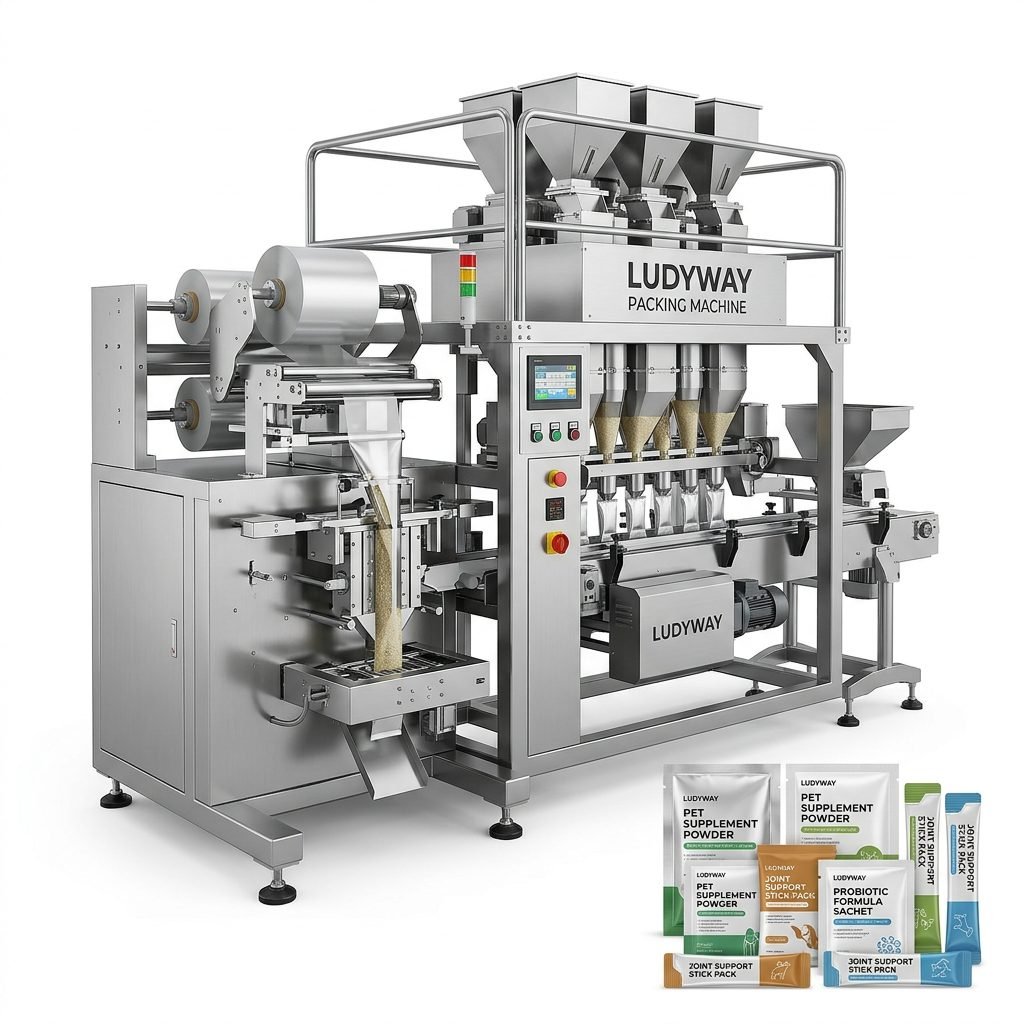
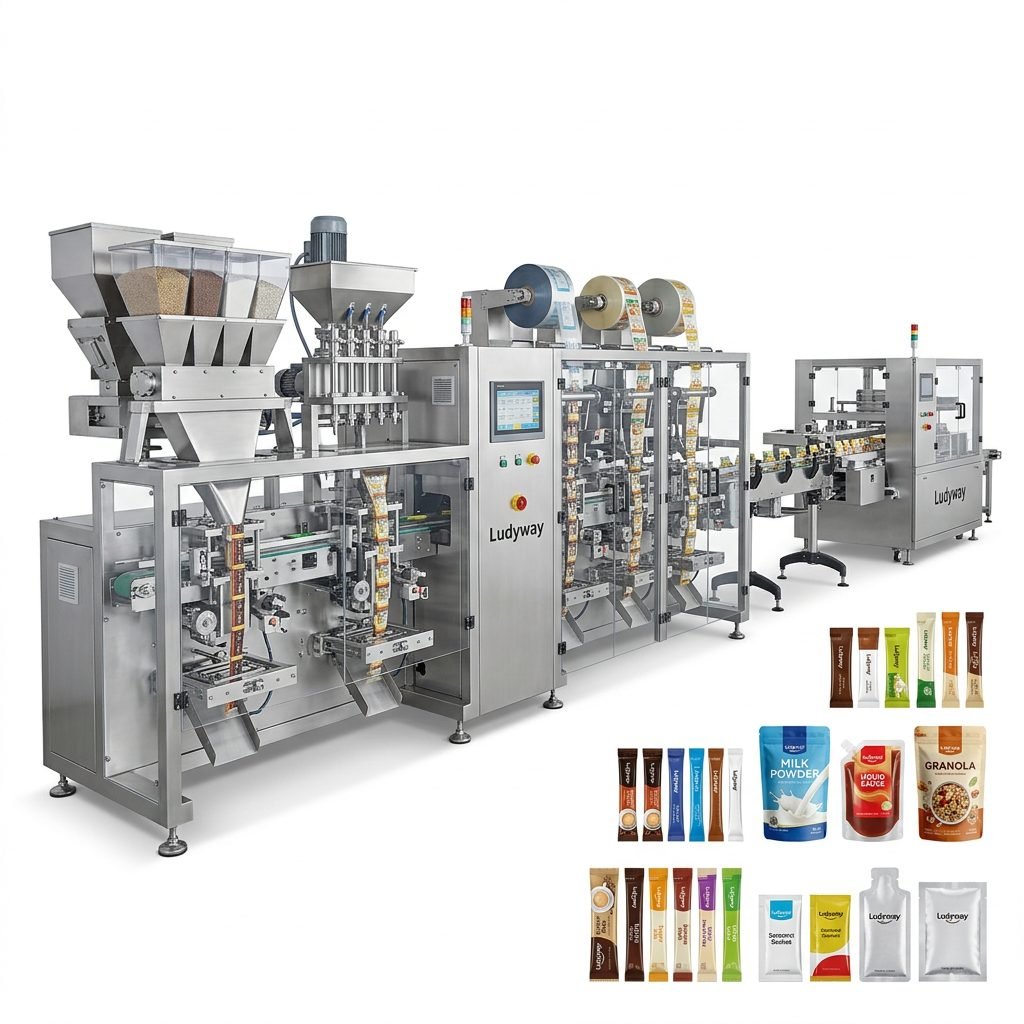
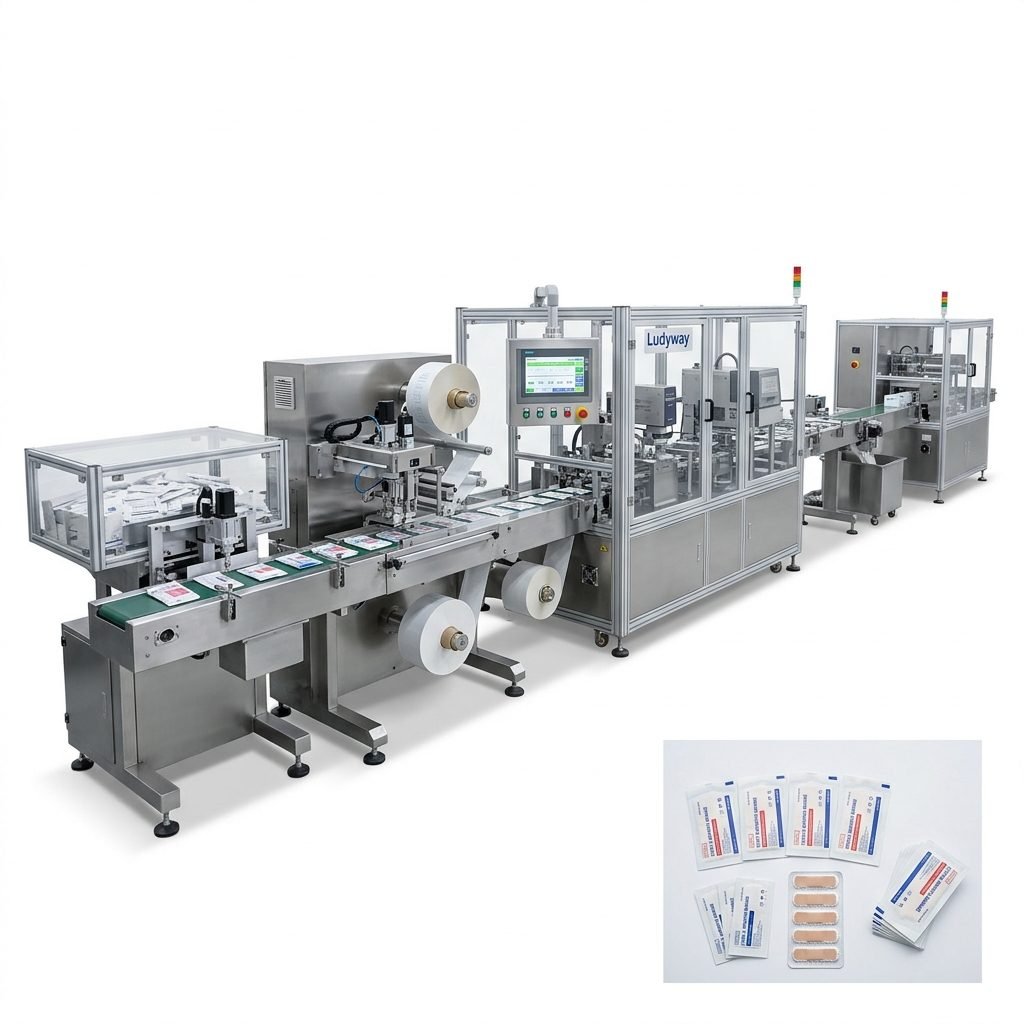
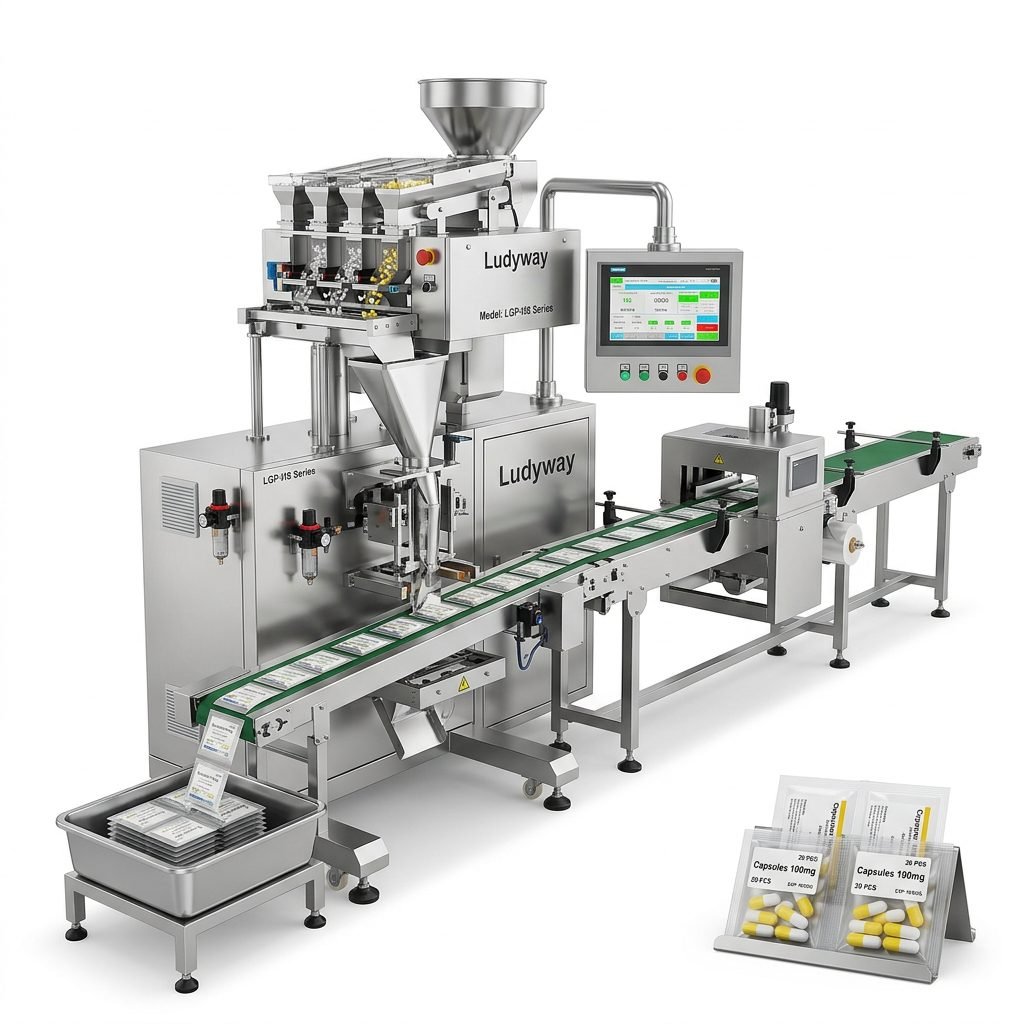
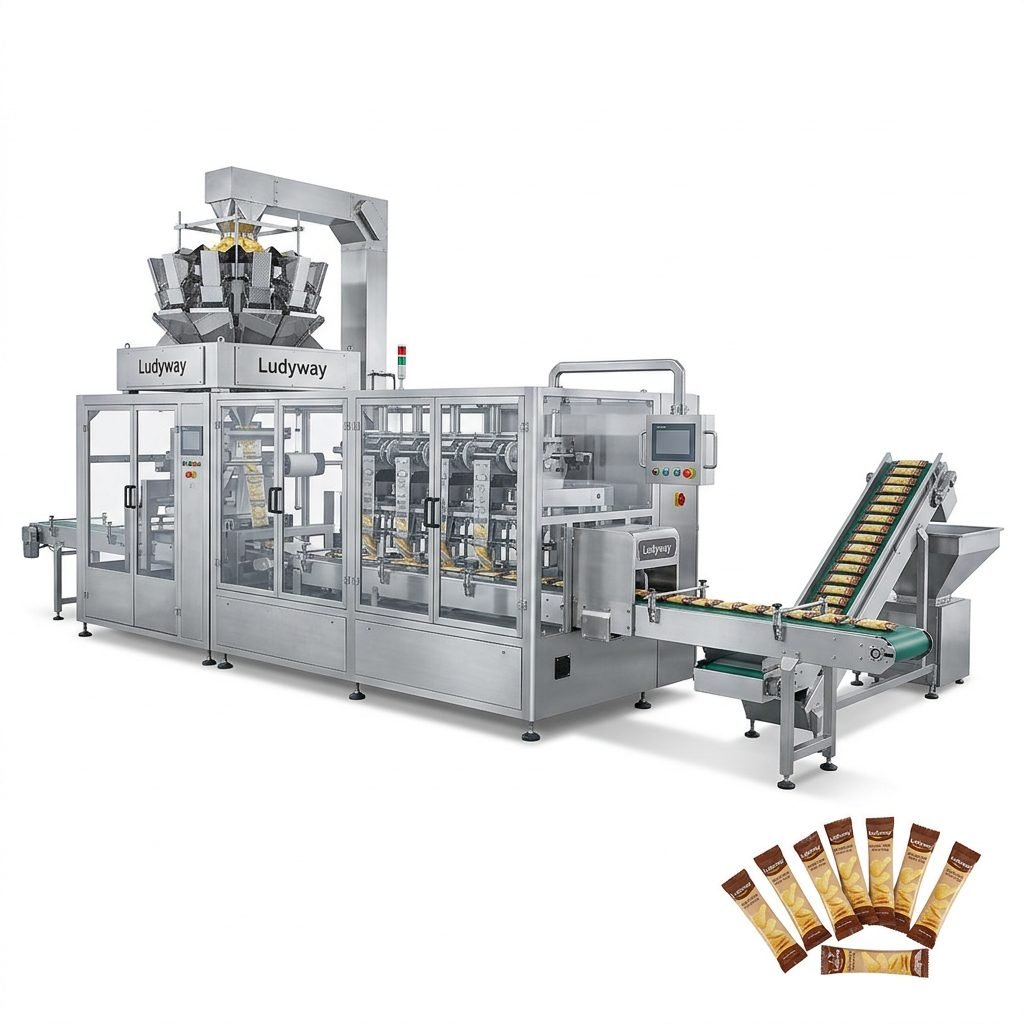
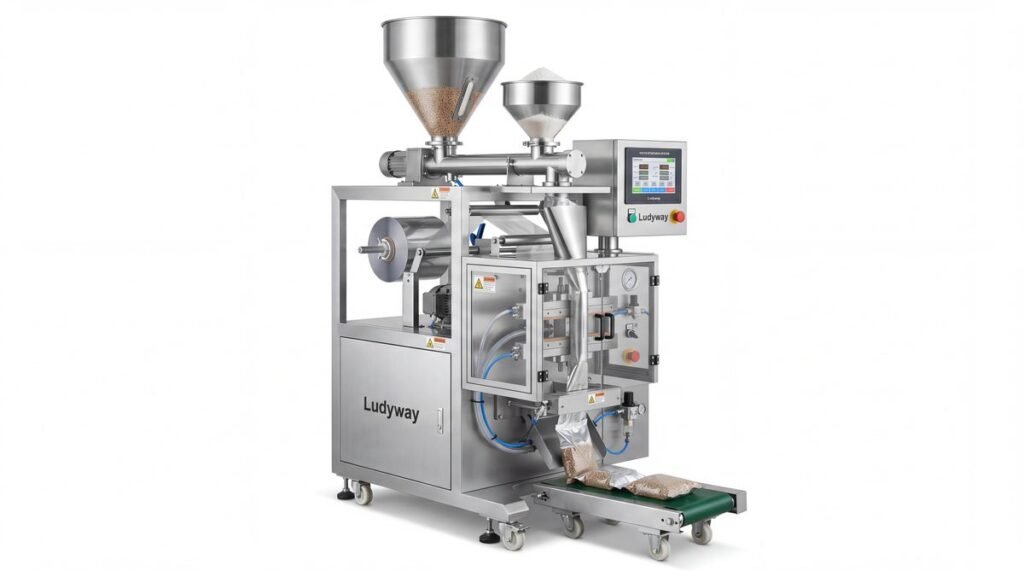
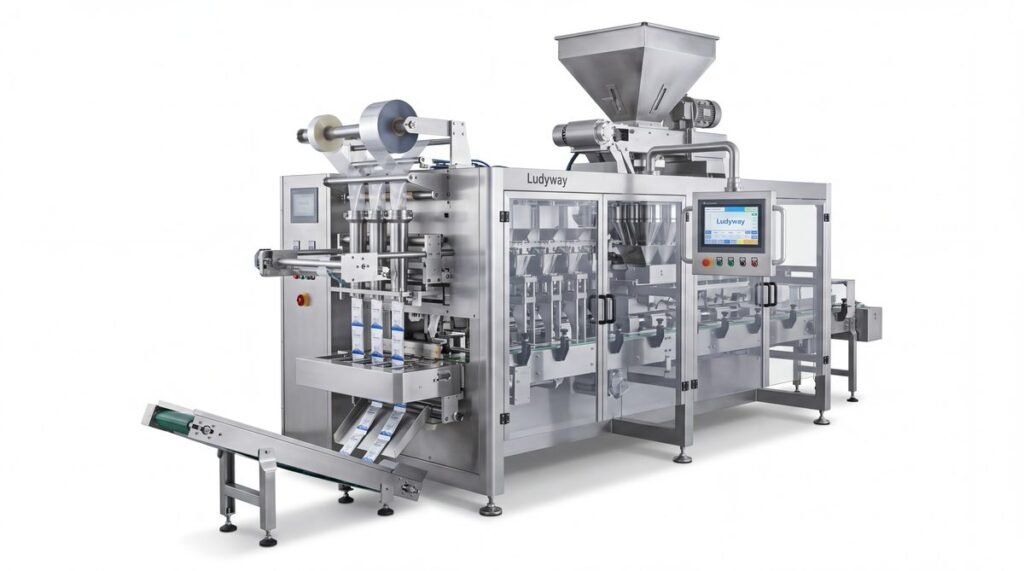
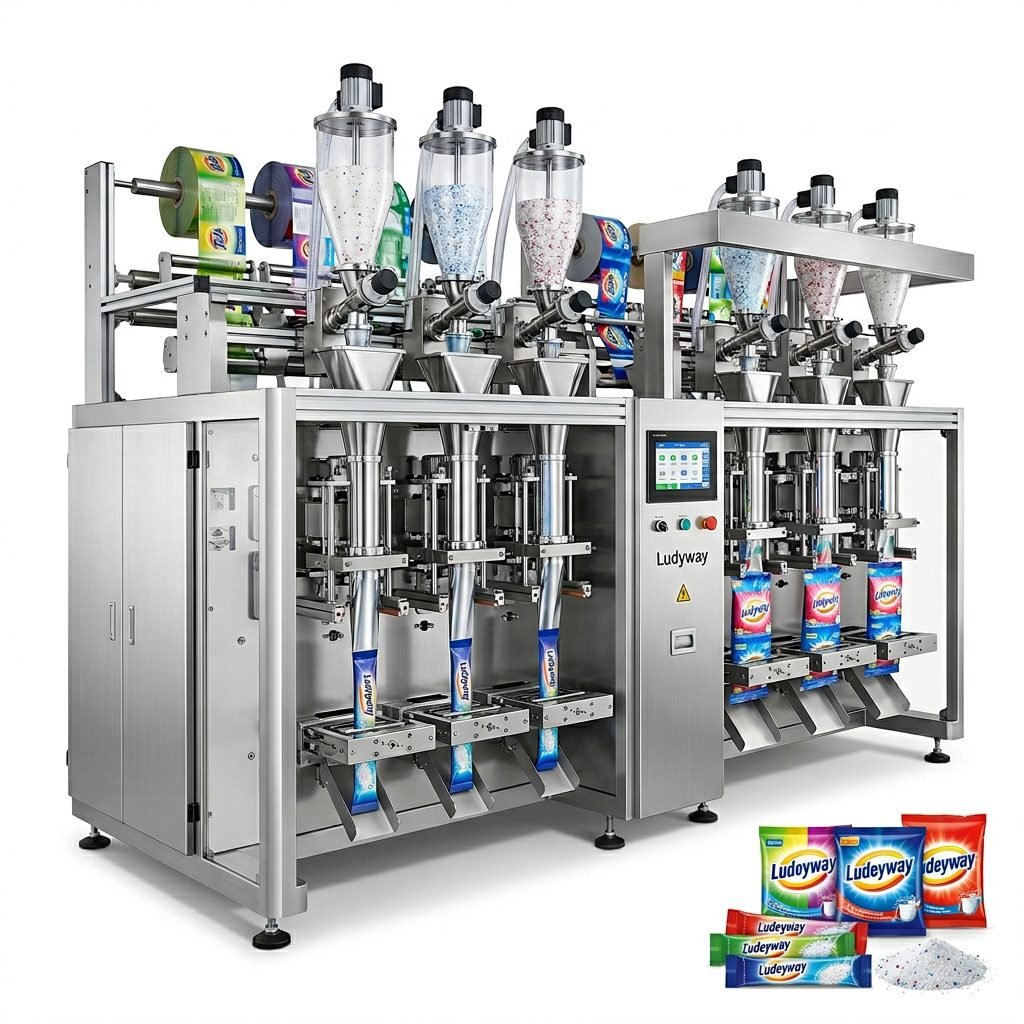
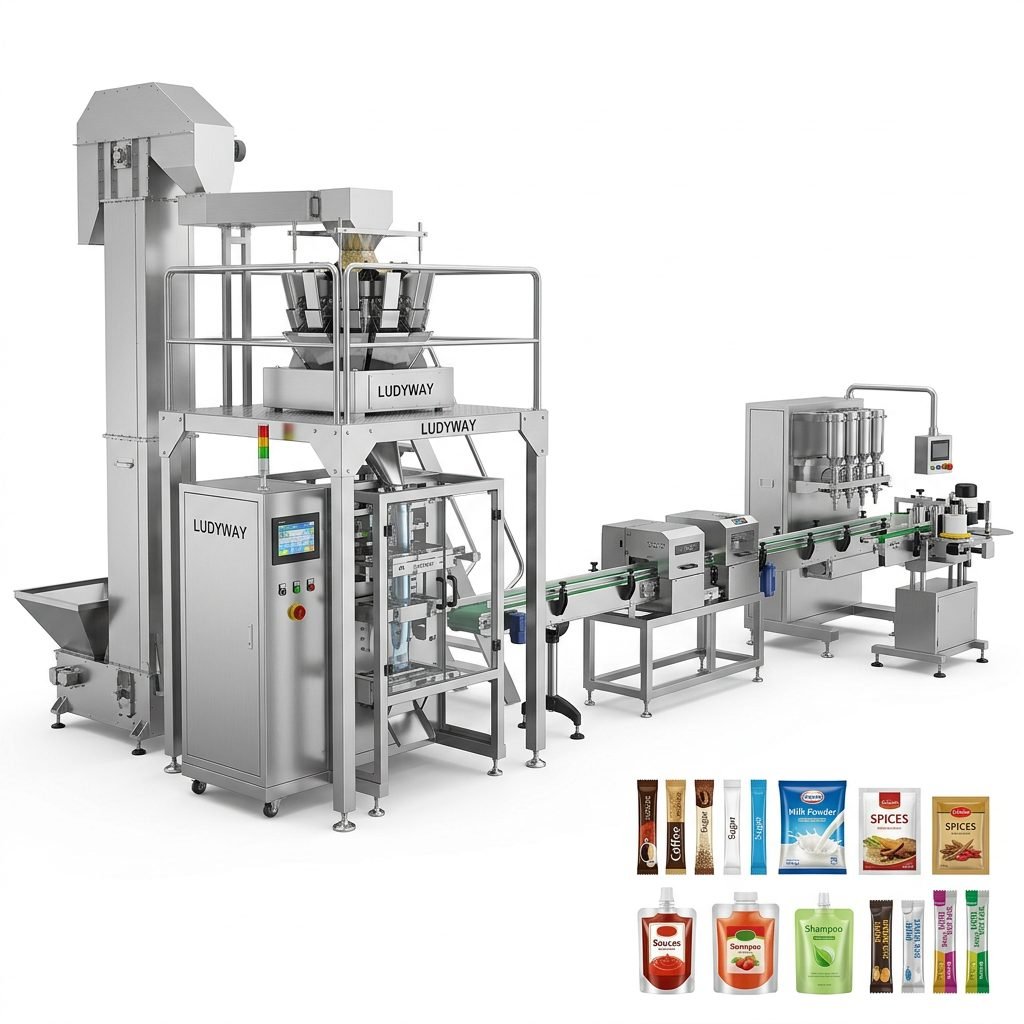
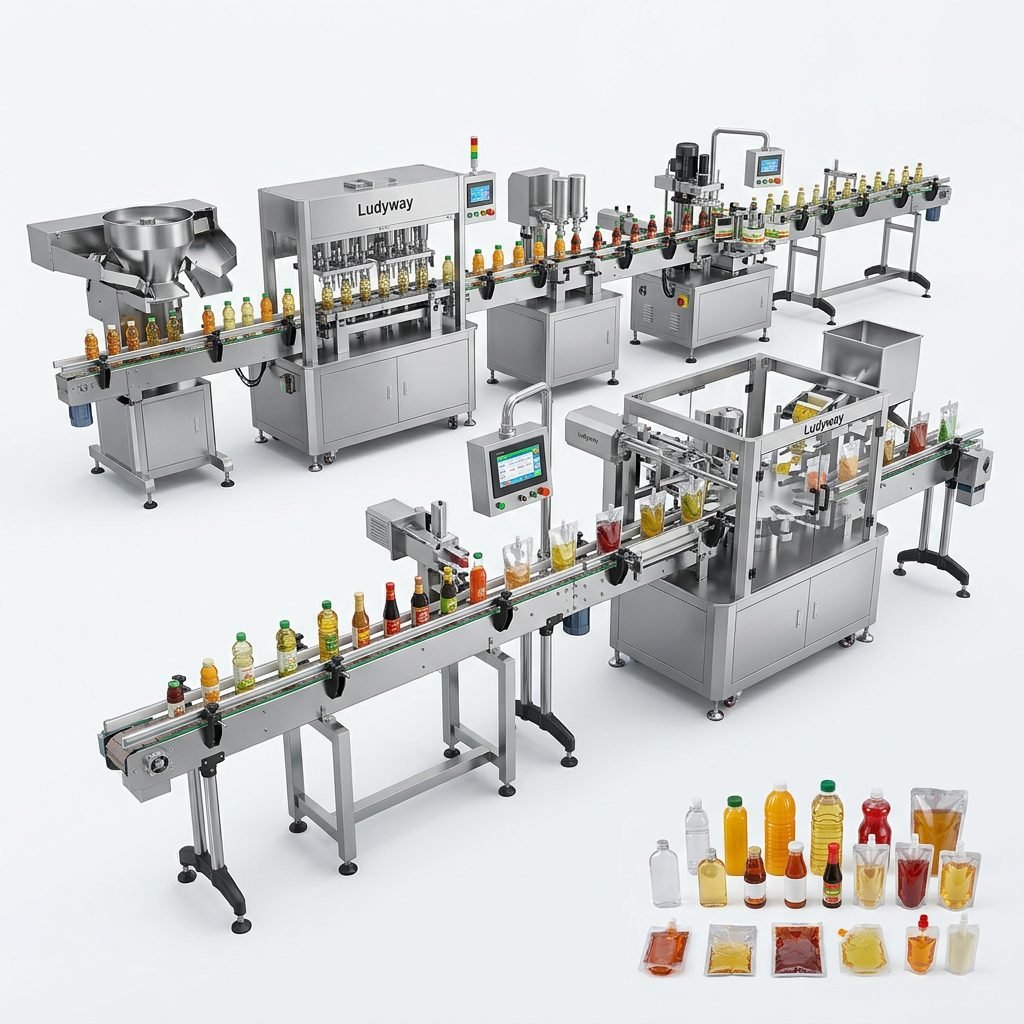
Investing in a back seal packaging machine is a critical decision for manufacturers looking to streamline operations, improve product consistency, and scale production. However, with various machine configurations, filling technologies, and automation levels available, selecting the right equipment requires a structured evaluation process. This guide walks you through the key factors to consider when choosing a back seal packaging machine for your production needs.
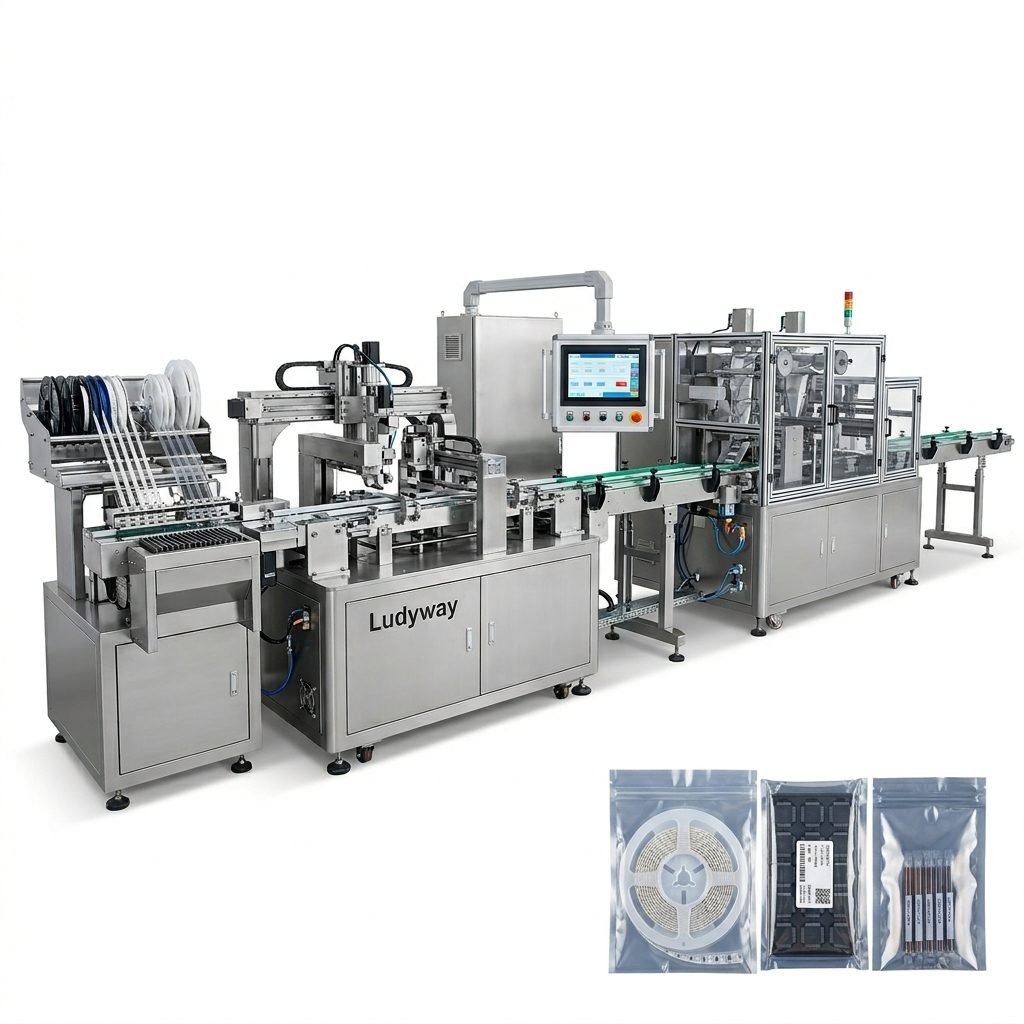
1. Understand Your Product Characteristics
The starting point for any back seal packaging machine selection is a thorough understanding of the product being packaged. Product properties directly influence the dosing system, sealing parameters, and material compatibility requirements.
- Physical Form: Is your product a powder, granule, liquid, paste, or solid piece? Each form requires a specific filling mechanism — auger fillers for powders, volumetric cup fillers for granules, and piston or pump systems for liquids.
- Flow Characteristics: Free-flowing products like sugar behave differently than cohesive powders like protein blends or sticky substances like certain supplements. Machine dosing systems must be matched accordingly.
- Particle Size and Density: Fine powders present dust challenges, while large granules may require modified sealing jaws. Density variations affect filling accuracy and speed.
- Hygroscopic or Volatile Properties: Products sensitive to moisture or prone to oxidation may require nitrogen flushing or modified atmosphere packaging capabilities.
According to PMMI packaging industry resources, product compatibility testing is one of the most overlooked steps in packaging machinery procurement, yet it is essential for avoiding performance issues after installation.
2. Define Your Packaging Material and Bag Specifications
Back seal machines are compatible with a wide range of flexible packaging materials, but not all machines handle every material equally well. Clarify your packaging requirements before evaluating equipment options.
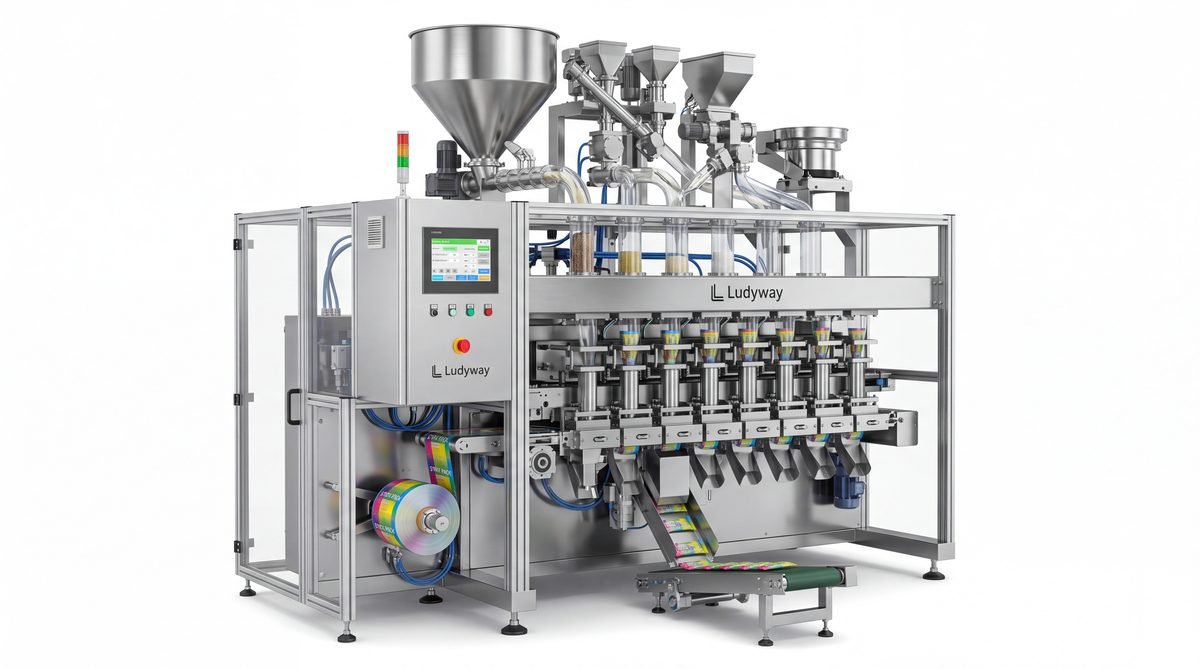
- Film Type: Common options include laminate films, polyethylene (PE), polypropylene (PP), aluminum foil laminates, and paper-based materials. Heat-sealable films are standard for most back seal machines.
- Bag Dimensions: Determine the width and length range you need. Machines have specific forming tube sizes and bag length limits. Choose a machine that accommodates your current and anticipated bag sizes.
- Material Thickness: Thicker films require higher sealing temperatures and pressure. Ensure the machine’s sealing system is rated for your material gauge.
- Barrier Properties: For products requiring extended shelf life, materials with high oxygen and moisture barrier properties are necessary, which may affect sealing parameters.
The Flexible Packaging Association provides valuable data on material trends and performance characteristics that can inform your packaging material decisions.
3. Determine Production Speed and Capacity Requirements
Production speed is a primary driver of machine configuration and cost. Accurately estimating your throughput needs prevents both under-investment and over-specification.
| Production Level | Typical Speed (Pouches/Min) | Recommended Configuration |
|---|---|---|
| Low Volume / Pilot | 10 – 30 | Single-lane, intermittent motion |
| Medium Volume | 30 – 60 | Single-lane, continuous motion or 2–4 lane |
| High Volume | 60 – 200+ | Multi-lane (4–12 lanes), continuous motion |
| Ultra-High Volume | 200+ | Multi-lane with automated feeding and cartoning |
Consider not only your current production needs but also projected growth over the next 3–5 years. A machine with modular upgrade capability can be more cost-effective than replacing equipment as demand increases.
4. Evaluate Machine Configuration Options
Back seal packaging machines come in various configurations, each suited to different production environments and product types.
Single-Lane vs. Multi-Lane Systems
Single-lane machines produce one bag per cycle and are ideal for lower-volume production, frequent changeovers, and wider bag formats. Multi-lane machines run multiple lanes simultaneously, dramatically increasing output for high-volume applications. The trade-off is increased complexity and higher initial investment.
Intermittent Motion vs. Continuous Motion
Intermittent motion machines stop the film during sealing and cutting, offering simplicity and lower cost. Continuous motion machines process film without stopping, enabling higher speeds and gentler product handling — important for fragile items.
Vertical vs. Horizontal Orientation
Vertical form-fill-seal (VFFS) back seal machines are the most common configuration for powders, granules, and free-flowing products. Horizontal configurations may be preferred for products that require orientation control or are sensitive to gravity-based feeding.
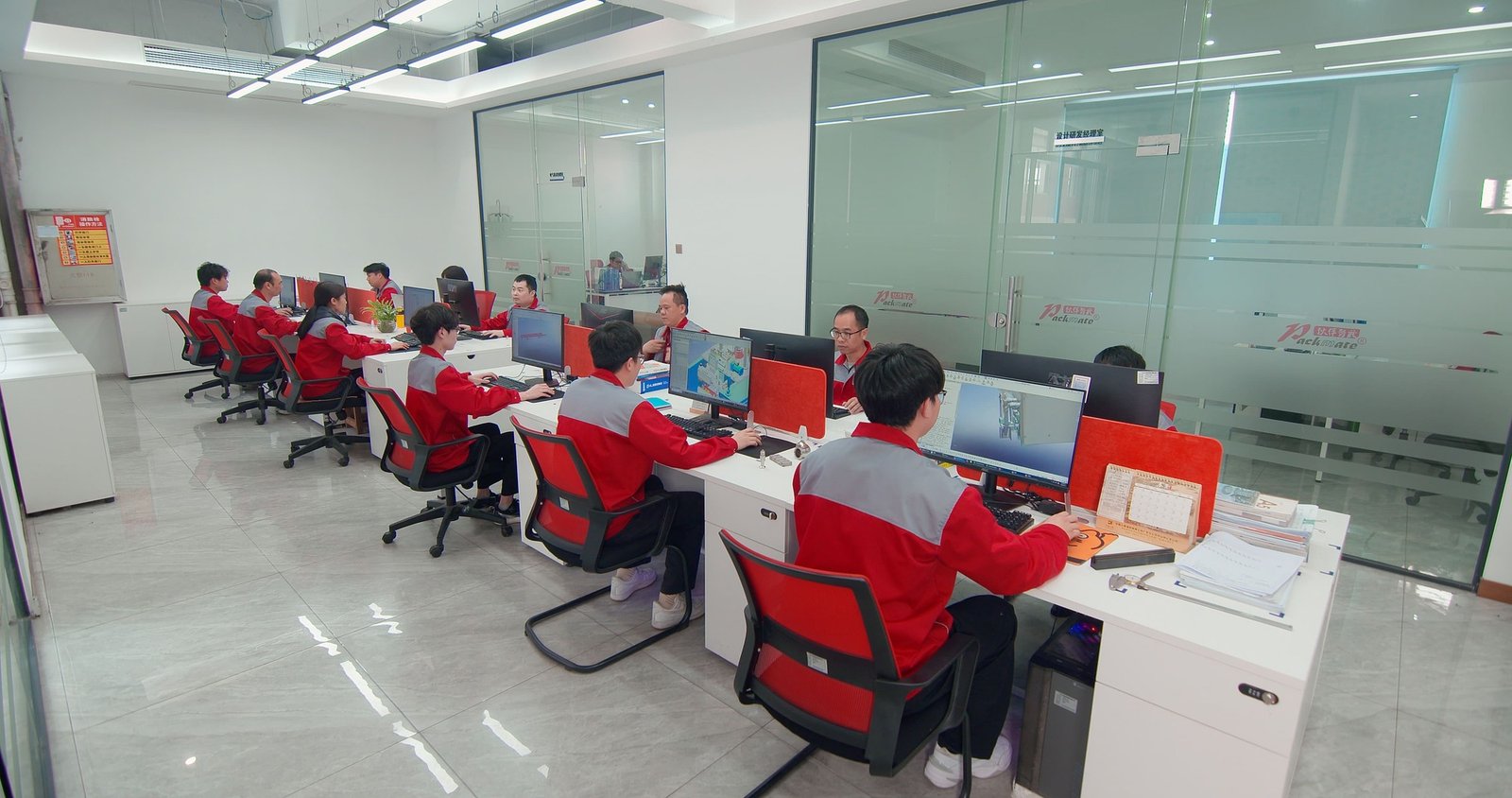
5. Assess Automation and Integration Capabilities
Modern back seal packaging machines can be integrated into broader packaging line automation systems that connect multiple stages of the production process. Evaluate what level of automation fits your operational model.
- Standalone Machine: Basic configuration with manual feeding and product collection. Suitable for small-scale operations.
- Semi-Automated Line: Machine combined with automatic feeding systems, conveyors, and possibly a checkweigher or metal detector.
- Fully Automated Turnkey Line: Complete integration with product feeding, filling, sealing, coding, inspection, cartoning, case packing, and palletizing. This approach enables single-source responsibility and streamlined project management.
Consider whether the machine can communicate with your existing SCADA or MES systems through standard industrial protocols. Data collection capabilities support predictive maintenance and quality tracking.
6. Prioritize Changeover Flexibility
If your production involves multiple products, bag sizes, or frequent batch changes, changeover efficiency becomes a critical factor. Machine designs vary significantly in changeover complexity.
| Feature | Benefit |
|---|---|
| Tool-less forming tube changes | Reduces bag size changeover time by 50–70% |
| Servo-driven adjustments | Enables recipe-based parameter changes via HMI |
| Quick-release sealing jaws | Simplifies cleaning and film size adjustments |
| HMI recipe storage | Stores parameters for multiple products; reduces setup errors |
Manufacturers running 10 or more product variations should prioritize machines with servo-driven adjustments and HMI recipe management. The time saved on each changeover compounds significantly over months and years of operation.
7. Verify Compliance and Quality Standards
Depending on your industry and target markets, your back seal packaging machine may need to meet specific regulatory and quality standards.
- Food Industry: Machines should be constructed with food-grade materials, feature sanitary design with easy-to-clean surfaces, and comply with FDA food packaging regulations.
- Pharmaceutical Industry: Equipment must meet GMP requirements, include validated processes, and provide documentation for qualification and validation protocols.
- CE, UL, and ISO Certifications: For international markets, ensure the machine carries appropriate safety and quality certifications. ISO packaging standards provide internationally recognized benchmarks.
- ATEX or Explosion-Proof Ratings: Required for products generating combustible dust or volatile vapors.
The PMMI State of the Industry report provides current data on regulatory trends affecting packaging machinery requirements across different market segments.
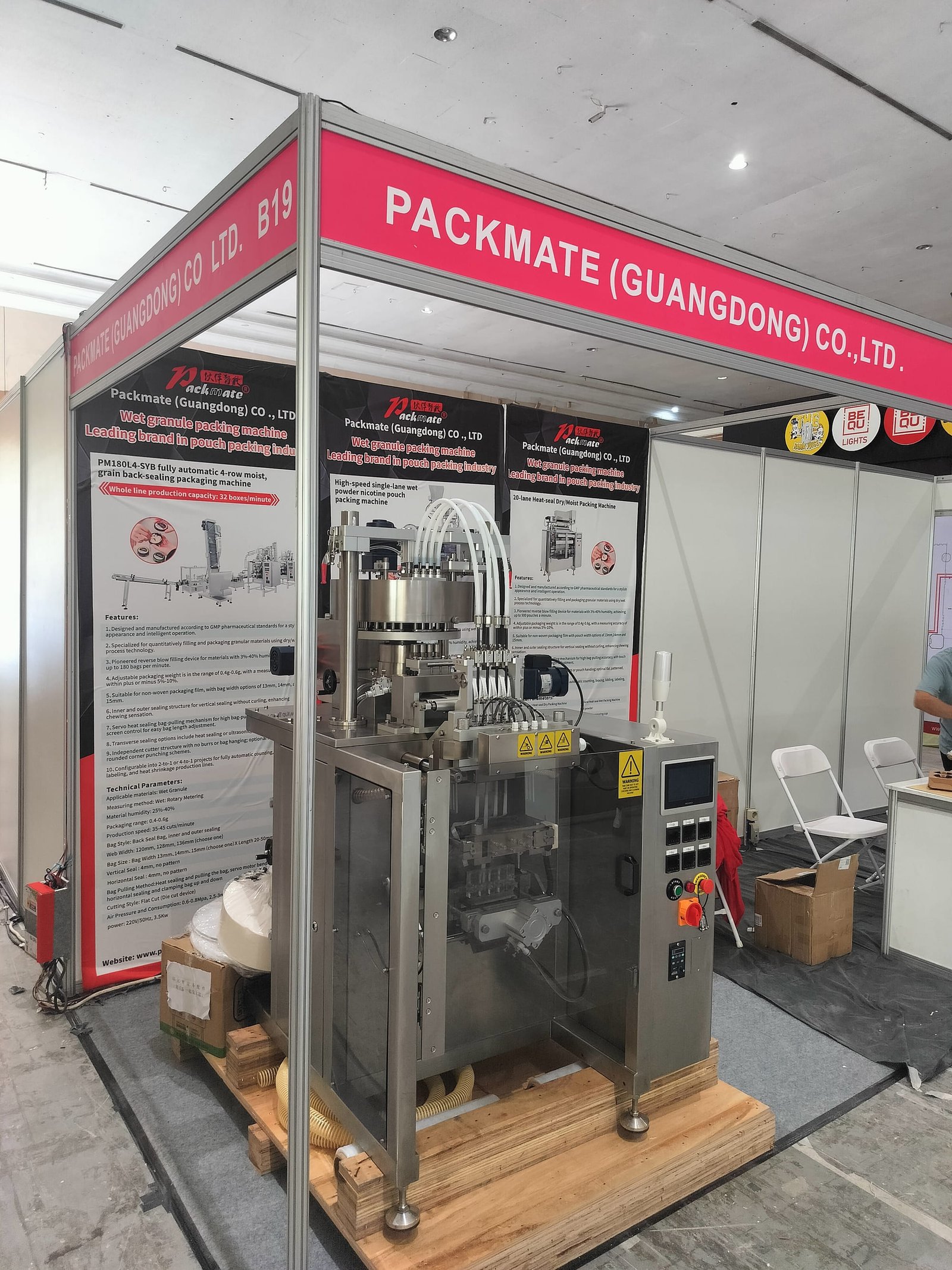
8. Consider Total Cost of Ownership
The purchase price of a back seal packaging machine is only one component of its total cost. A comprehensive TCO analysis provides a more accurate picture of long-term investment value.
- Initial Capital Cost: Machine price, plus shipping, installation, and commissioning expenses.
- Operating Costs: Energy consumption, compressed air requirements, and film material waste percentages.
- Maintenance and Spare Parts: Availability and cost of wear items such as sealing jaws, forming tubes, belts, and sensors.
- Labor Requirements: Number of operators needed per shift, skill level required, and training costs.
- Downtime Risk: Machines with robust design and readily available technical support minimize costly production interruptions.
A machine with a 20% lower purchase price but higher material waste and more frequent downtime can cost significantly more over a five-year period than a higher-quality alternative. Evaluate suppliers based on lifecycle cost, not just initial price.
9. Evaluate Supplier Capabilities and Support
The relationship with your packaging machinery supplier extends well beyond the initial equipment purchase. Long-term support, technical expertise, and the supplier’s manufacturing capabilities directly impact your operational success.
Look for suppliers with in-house engineering and manufacturing capabilities, as this often translates to better quality control, faster customization, and more responsive technical support. Companies like Ludyway Machinery, a China-based packaging machinery manufacturer with over 30 years of experience, exemplify this integrated approach — combining in-house development, manufacturing, and global service capabilities to support customers throughout the equipment lifecycle.
Key supplier evaluation criteria include:
- Industry Experience: How many installations has the supplier completed in your specific industry?
- Technical Support: What is the availability of remote assistance, on-site service, and spare parts?
- Customization Capability: Can the supplier modify machine designs to accommodate unique product or packaging requirements?
- References and Case Studies: Request examples of similar installations and speak with existing customers about their experience.
- Training Programs: Comprehensive operator and maintenance training reduces the learning curve and prevents operational errors.
10. Plan for Future Scalability
A back seal packaging machine is a long-term investment. Planning for future growth during the selection process avoids costly equipment replacements down the line.
| Scalability Factor | What to Look For |
|---|---|
| Modular Design | Ability to add lanes, feeding systems, or downstream equipment |
| Speed Reserve | Machine rated for higher speeds than current requirements |
| Bag Size Range | Capability to produce larger or smaller bags for future product lines |
| Control System Expandability | PLC with spare I/O capacity and communication ports for future integration |
Review the latest packaging industry forecasts to understand market growth trends in your sector and plan capacity accordingly.
Making the Final Decision
Selecting the right back seal packaging machine requires balancing technical requirements, production goals, budget constraints, and long-term business strategy. The most successful procurement decisions result from a methodical evaluation process that includes:
- Detailed product and packaging material testing with the machine under consideration
- Clear specification of current and projected production volumes
- Thorough assessment of supplier capabilities, support infrastructure, and industry experience
- Comprehensive total cost of ownership analysis over the expected equipment lifespan
- Verification of compliance with applicable regulatory and quality standards
By following the structured approach outlined in this guide, manufacturers can select back seal packaging equipment that delivers reliable performance, operational efficiency, and flexibility for evolving production requirements. For additional guidance, consult the PMMI business intelligence resources and Flexible Packaging Association industry data to stay informed on technology trends and market developments in packaging machinery.