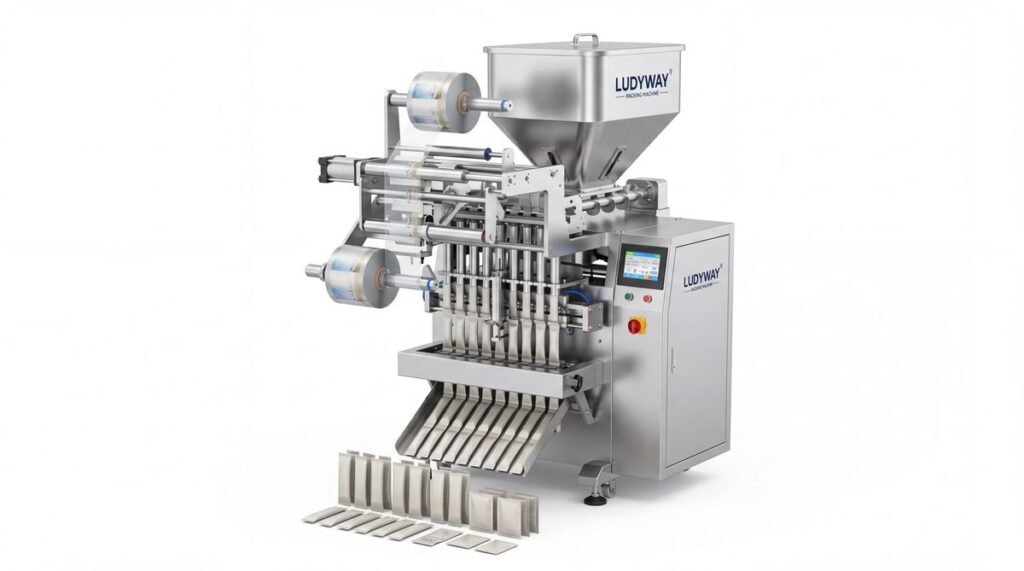
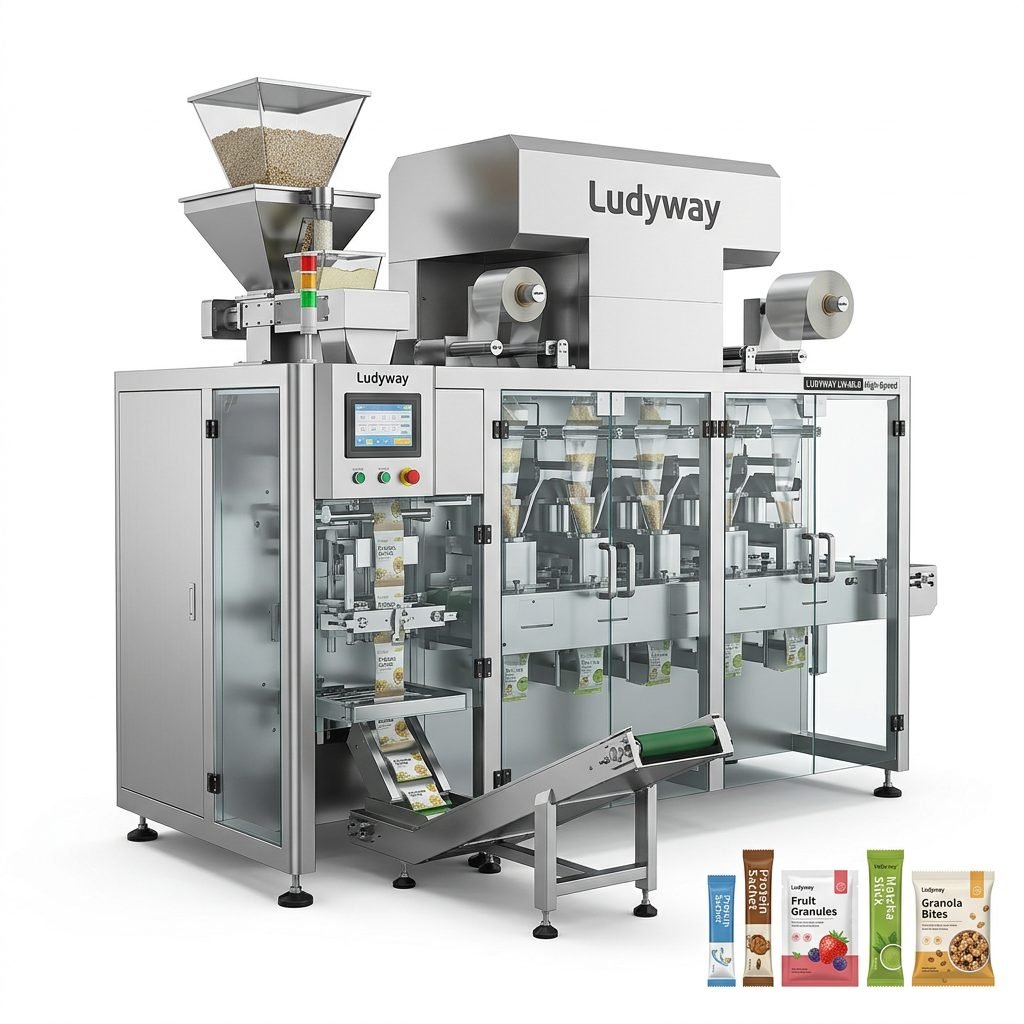
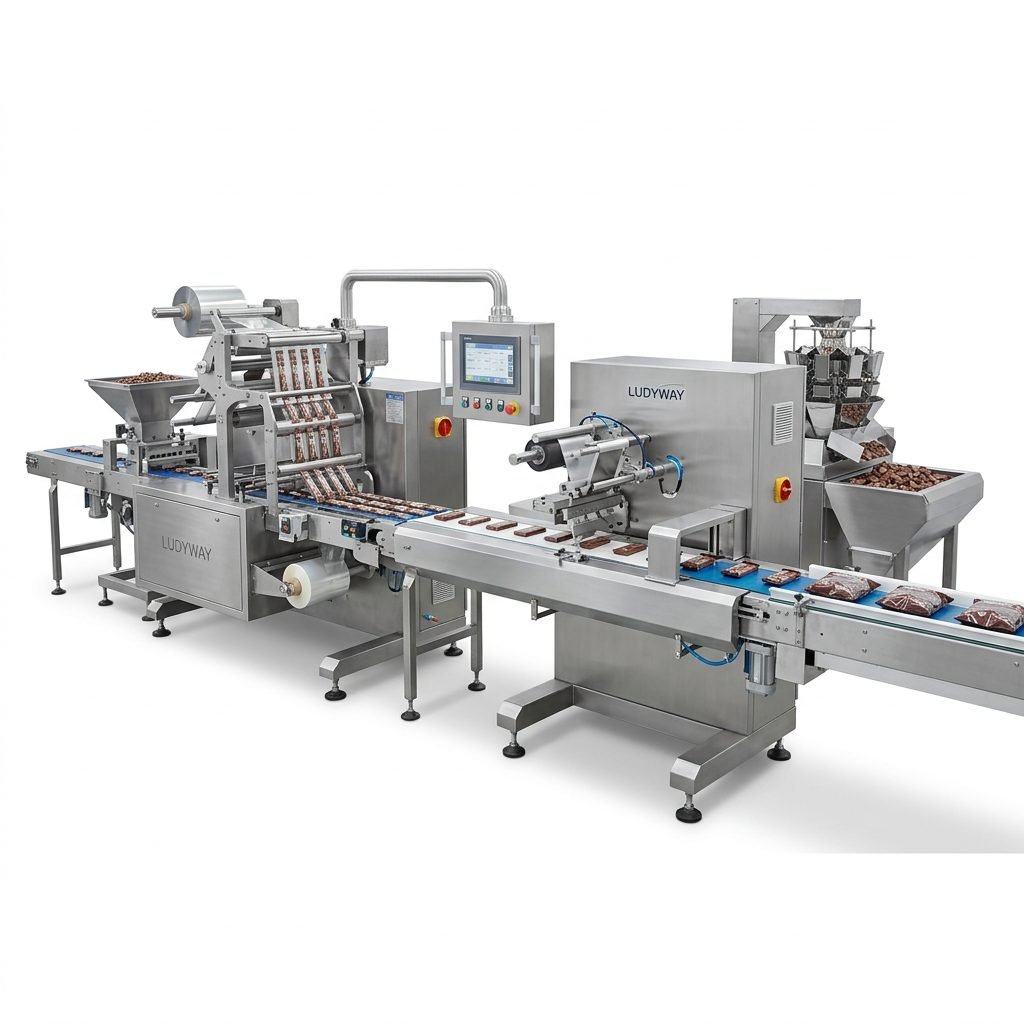
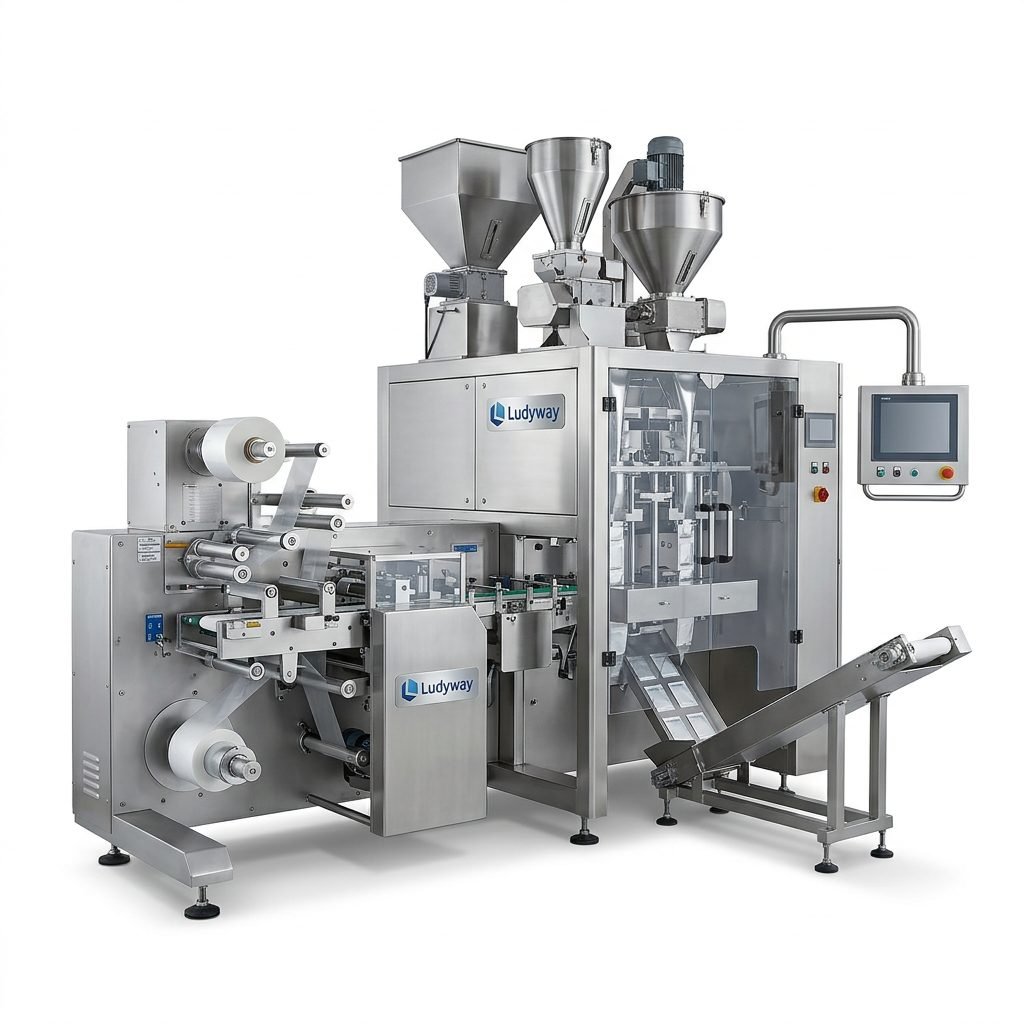
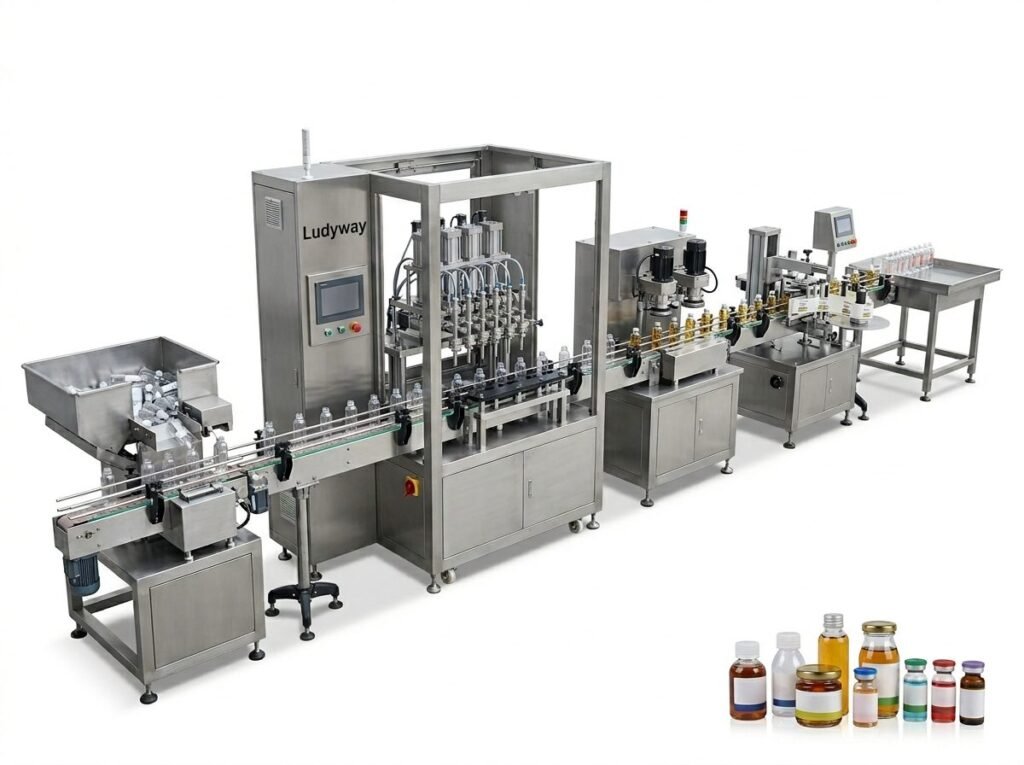
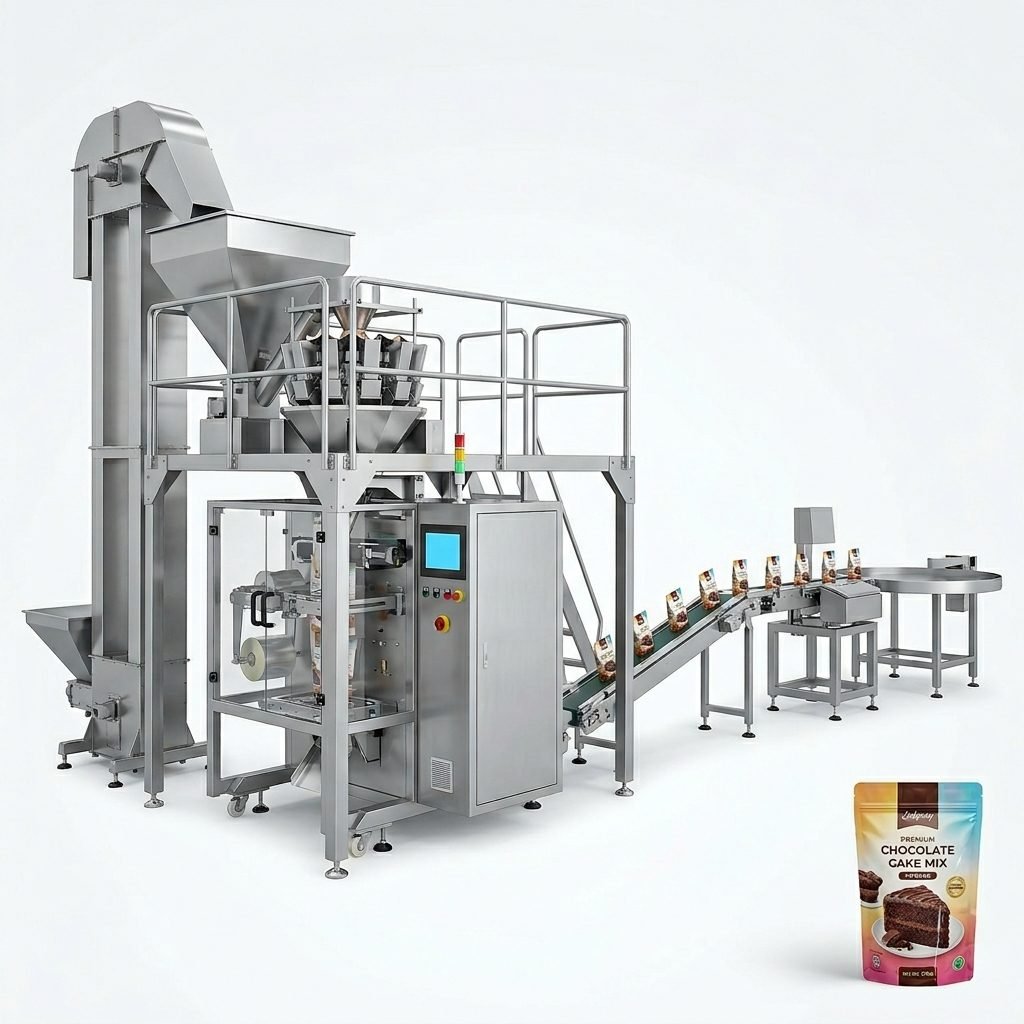
In the dynamic world of product presentation and protection, honeycomb paper packaging has emerged as a leading sustainable and robust solution. This unique material, resembling a natural honeycomb structure, offers superior cushioning, strength, and eco-friendly benefits. For businesses looking to integrate this innovative packaging, selecting the right honeycomb paper packaging machine is a critical decision that impacts efficiency, cost, and product quality. This comprehensive guide delves into the types, key features, and essential selection criteria for these specialized machines.
Understanding Honeycomb Paper Packaging Technology
Honeycomb paper is manufactured by expanding a single sheet of paper into a continuous cellular core structure, which is then laminated between two linerboards. This process creates a lightweight yet incredibly strong panel. The machinery that performs this transformation is highly engineered, combining precision, speed, and control to produce consistent, high-quality packaging material suitable for everything from protective inserts and void fill to heavy-duty pallet tops and furniture components.
Core Advantages of Honeycomb Paper
Before exploring the machinery, it’s vital to understand why this packaging format is so valuable:
- Exceptional Strength-to-Weight Ratio: The hexagonal structure distributes weight and impact force evenly, providing remarkable durability.
- 100% Recyclable & Sustainable: Made from paper, it is an excellent alternative to plastic foams like EPS, aligning with modern environmental goals.
- Cost-Effective: Often lower in material cost than many alternatives and can reduce shipping costs due to its light weight.
- Versatile & Customizable: Can be easily die-cut, scored, and shaped to create custom protective packaging solutions.
Primary Types of Honeycomb Paper Packaging Machines
The market offers several machine types, each designed for specific production scales and output requirements. Your choice will depend heavily on your intended volume and application.
1. Semi-Automatic Honeycomb Paper Machines
Ideal for small to medium-sized operations or businesses starting with honeycomb packaging. These machines require some manual intervention, such as feeding core paper or handling finished panels. They offer a lower initial investment and are excellent for custom or low-volume production runs. Their flexibility allows operators to adjust parameters for different thicknesses and densities easily.
2. Fully Automatic Honeycomb Production Lines
Designed for high-volume, continuous manufacturing. A fully automatic line integrates unrolling, adhesive application, expanding, drying, and cutting into one seamless process. This type maximizes output and minimizes labor costs, ensuring consistent product quality. It is the go-to solution for large-scale packaging manufacturers or companies using honeycomb as a primary material in their products.
3. Specialized Honeycomb Converting Equipment
This category includes machines that further process honeycomb panels into final packaging components. Key examples are:
- Die-Cutting Machines: Precisely cut honeycomb sheets into specific shapes for inserts, trays, or corner protectors.
- Laminating Machines: Bond honeycomb cores to various facing materials like cardboard, kraft paper, or even fabrics.
- Slitting & Rewinding Machines: Convert large rolls of honeycomb paper into narrower widths for specific applications.
Critical Features to Evaluate in a Machine
Beyond the basic type, several technical features determine a machine’s performance, reliability, and suitability for your needs.
Production Capacity & Speed
Measured in meters per minute or panels per hour, this defines your potential output. Match the machine’s speed to your current and forecasted demand. An undersized machine creates bottlenecks, while an oversized one leads to unnecessary capital expenditure.
Adjustability & Flexibility
A high-quality machine should allow easy adjustment of key parameters:
✓ Cell Size: Controlling the hexagon size affects cushioning properties and material density.
✓ Panel Thickness: The ability to produce various thicknesses (e.g., from 10mm to 100mm) expands your product range.
✓ Paper Grammage Compatibility: Can it process different weights of core and liner paper?
Control System & Automation Level
Modern machines are equipped with Programmable Logic Controllers (PLCs) and touch-screen Human-Machine Interfaces (HMIs). These systems provide precise control over the production process, store recipes for different products, and offer diagnostic tools for easier maintenance. Higher automation reduces human error and improves consistency.
Adhesive Application System
The heart of the honeycomb forming process. Look for a system that ensures even, consistent glue application. Advanced systems use precision nozzles or roller applications to minimize waste and guarantee strong nodal bonds without saturation, which is crucial for the final panel’s strength and curing time.
Build Quality & Durability
Investigate the frame construction, the quality of drive components (like motors and gears), and the reputation of the manufacturer. A machine built with robust materials and precision engineering will have a longer lifespan, lower downtime, and better overall return on investment.
How to Choose the Best Machine for Your Business
Selecting the perfect honeycomb paper packaging machine is a strategic process. Follow this step-by-step framework to make an informed decision.
Step 1: Define Your Requirements Clearly
Start with a detailed analysis of your needs. What is your target daily/monthly output? What are the standard sizes and thicknesses of panels you need? What type of raw material (paper grade) will you use? Answering these questions creates a clear specification list to evaluate potential machines against.
Step 2: Assess Your Available Space & Utilities
Honeycomb machines, especially automatic lines, require significant floor space. Ensure your facility has the necessary footprint, ceiling height, and power supply (voltage, phase). Also, consider requirements for compressed air and ventilation for drying processes.
Step 3: Compare Total Cost of Ownership (TCO)
Look beyond the initial purchase price. Calculate the TCO, which includes:
• Energy Consumption: A more efficient machine saves money long-term.
• Maintenance & Spare Parts: Check availability and cost of wear parts.
• Labor Costs: A fully automatic line may have a higher price but lower operational labor costs.
• Waste Rate: A precise machine minimizes material waste.
Step 4: Prioritize Supplier Support and Service
The machine’s quality is only half the equation. The supplier’s support is critical. Choose a partner known for:
✓ Comprehensive Installation & Training: Ensuring your team can operate the machine correctly from day one.
✓ Reliable After-Sales Service: Quick response times for technical support and maintenance.
✓ Availability of Spare Parts: A global parts inventory prevents prolonged downtime.
Companies with deep industry experience, like Ludyway Packing Machine, often provide this essential turnkey support, drawing on decades of engineering expertise to ensure client success.
Step 5: Request a Material Test or Factory Trial
Whenever possible, provide your own paper samples to the machine supplier for a production test. This is the best way to verify the machine’s performance with your specific materials and to assess the quality of the finished honeycomb panel before making a commitment.
Final Checklist Before Purchase
- ✅ Does the machine output meet your capacity requirements?
- ✅ Is it flexible enough for your current and future product range?
- ✅ Is the control system user-friendly and capable?
- ✅ Has the supplier provided verifiable references from similar clients?
- ✅ Are the warranty terms, service contracts, and technical support clearly defined?
- ✅ Does the total cost of ownership fit your financial model?
Frequently Asked Questions (FAQs)
What is the typical lead time for a honeycomb paper machine?
Lead times vary significantly based on machine type and customization. Standard semi-automatic models may ship in 4-8 weeks, while fully customized automatic production lines can have lead times of 3-6 months from reputable manufacturers. It’s crucial to discuss timelines early in the procurement process.
Can one machine produce different honeycomb cell sizes?
Yes, most quality machines are designed with adjustability. By changing the gear configuration or the glue application pattern, operators can alter the expansion ratio to produce different cell sizes. However, changing this parameter may require a production stoppage and mechanical adjustment.
How important is the paper quality for the machine?
Extremely important. The machine’s performance and the final product’s strength are directly tied to the grammage, tensile strength, and moisture content of the input paper. Suppliers often recommend specific paper grades. It’s advisable to consult with your packaging machine expert to establish the optimal raw material specifications for your application.
What are the main maintenance requirements?
Regular maintenance includes daily cleaning of glue application systems, lubrication of moving parts as per the manual, inspection of belts and chains for wear, and calibration of sensors. A well-maintained machine ensures consistent product quality, prevents unplanned downtime, and extends the equipment’s service life significantly.
Is technical training provided by the manufacturer?
Reputable manufacturers always provide comprehensive training. This typically covers machine operation, routine maintenance, troubleshooting common issues, and safety procedures. Training can occur at the factory before shipment, at your facility during installation, or via detailed digital manuals and video guides. Ensuring your team is proficient is key to a successful investment.