Selecting the right bar packaging machine is one of the most consequential capital decisions for manufacturers in the food, snack, nutrition, and confectionery sectors. Whether you are producing protein bars, energy bars, granola bars, meal replacement bars, or pet nutrition bars, the efficiency, consistency, and scalability of your packaging line depend directly on the equipment you choose. A well-specified bar packaging machine can increase throughput, reduce material waste, improve seal integrity, and adapt to future product variations, while an underspecified system can become a persistent bottleneck.
This guide walks you through the essential factors to evaluate when purchasing a bar packaging machine, including product characteristics, packaging formats, automation levels, compatibility with upstream and downstream equipment, and long-term supplier support. Understanding these elements will help you invest in a system that aligns with your production goals and factory environment.
Understanding Bar Packaging Machine Categories
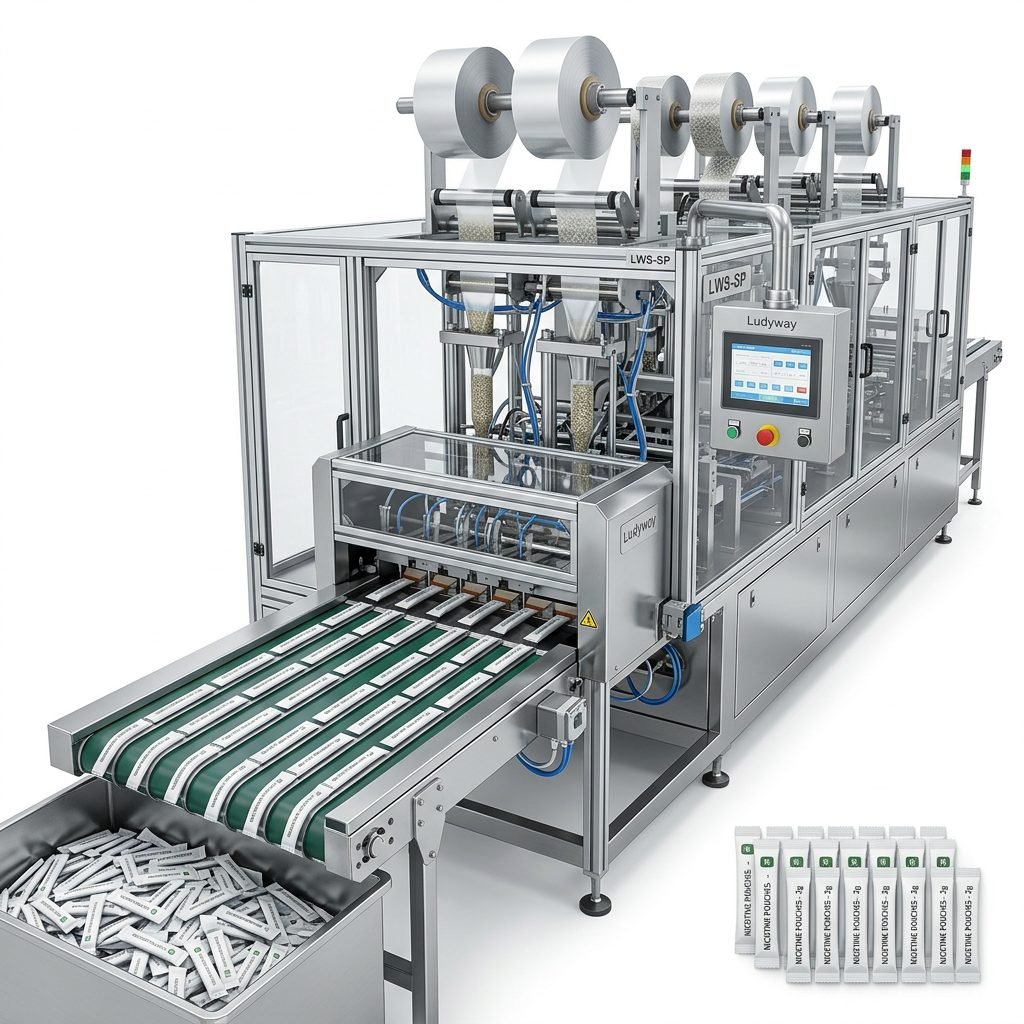
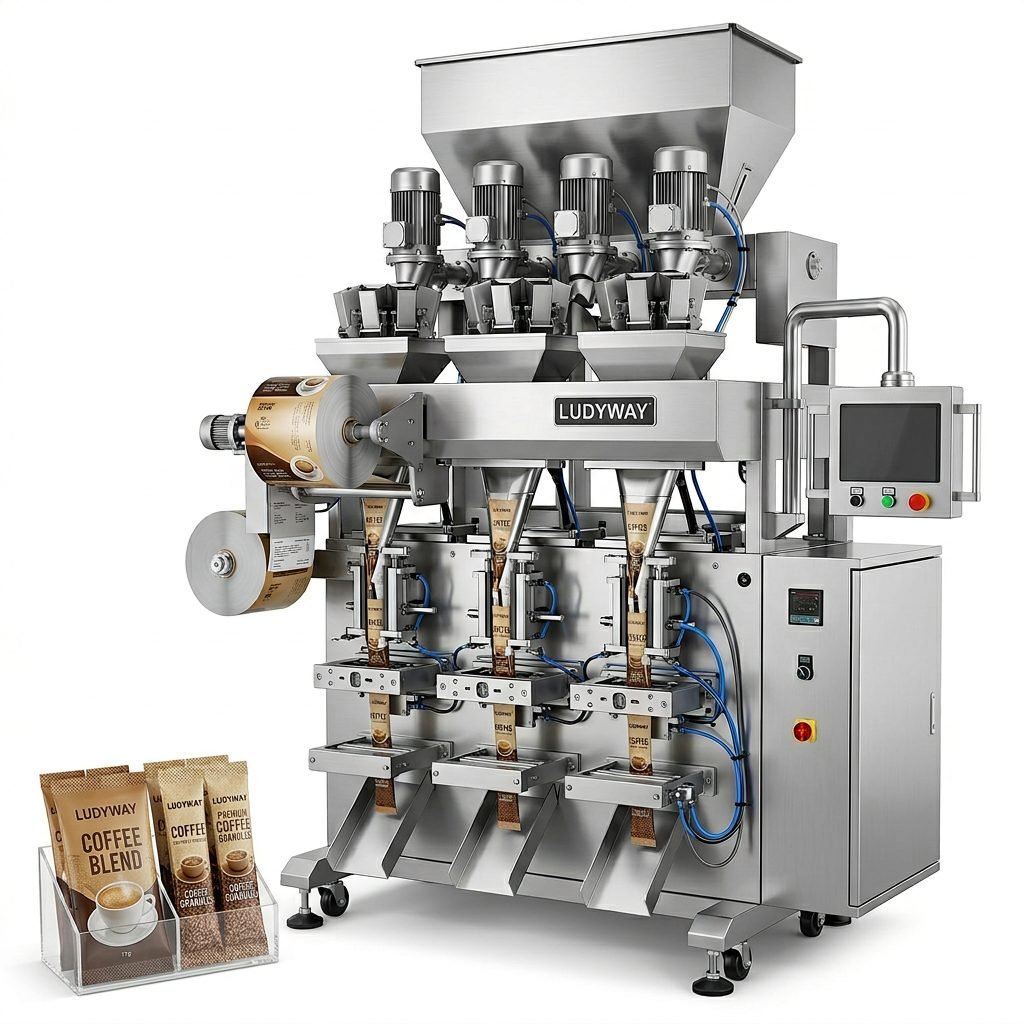
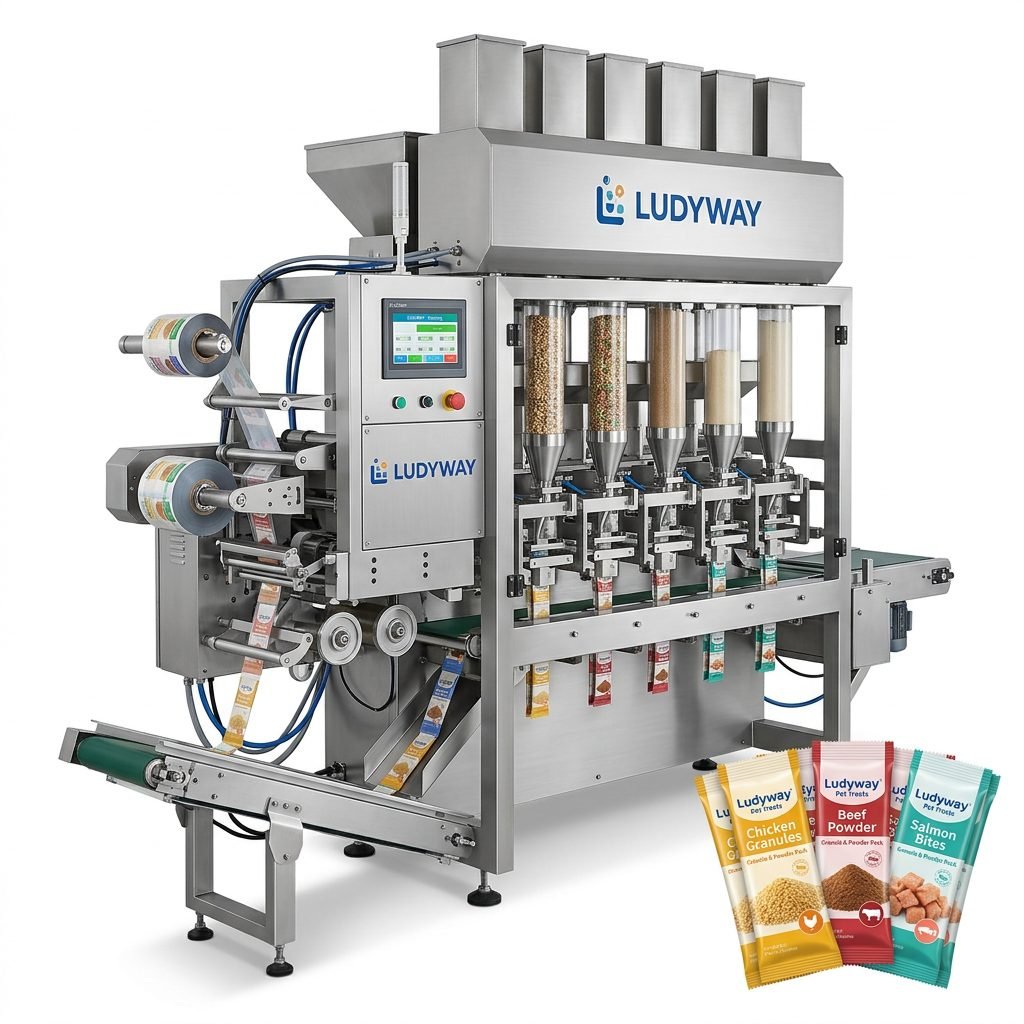
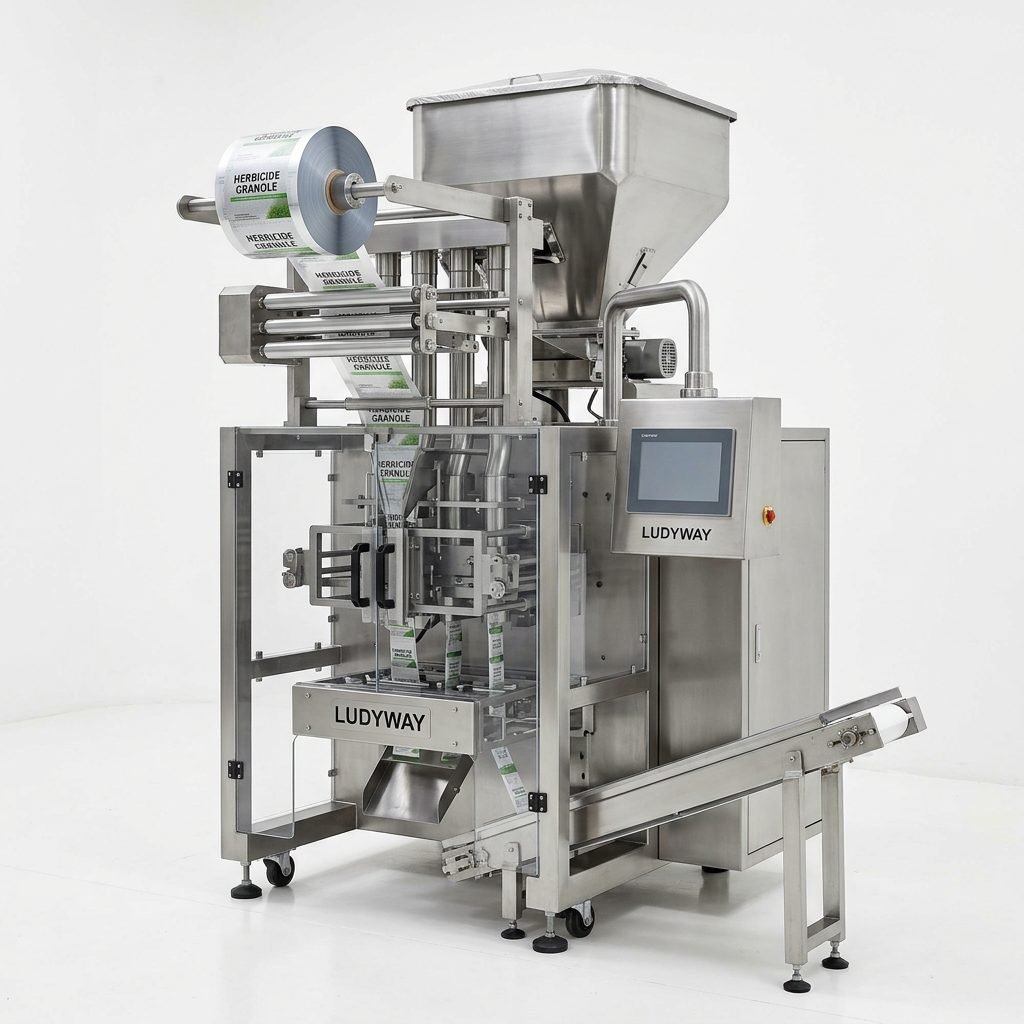
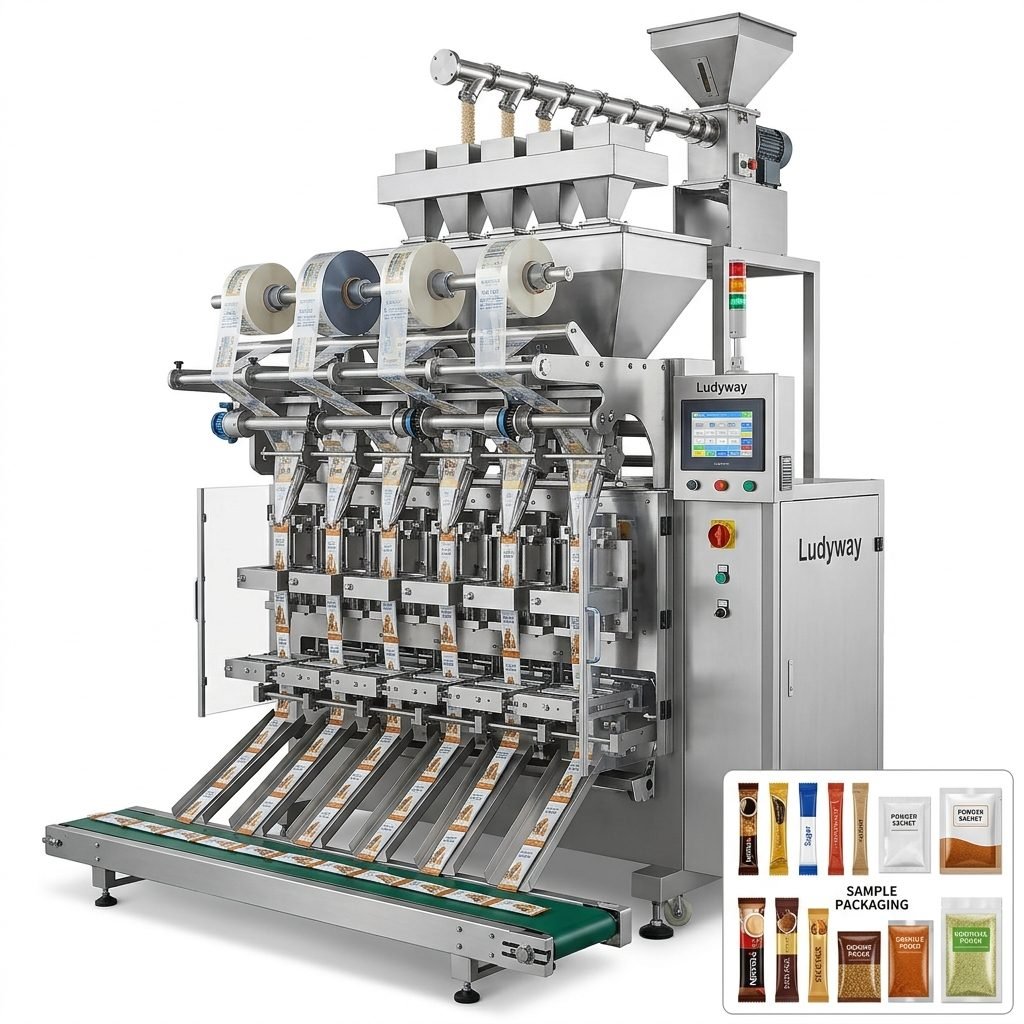
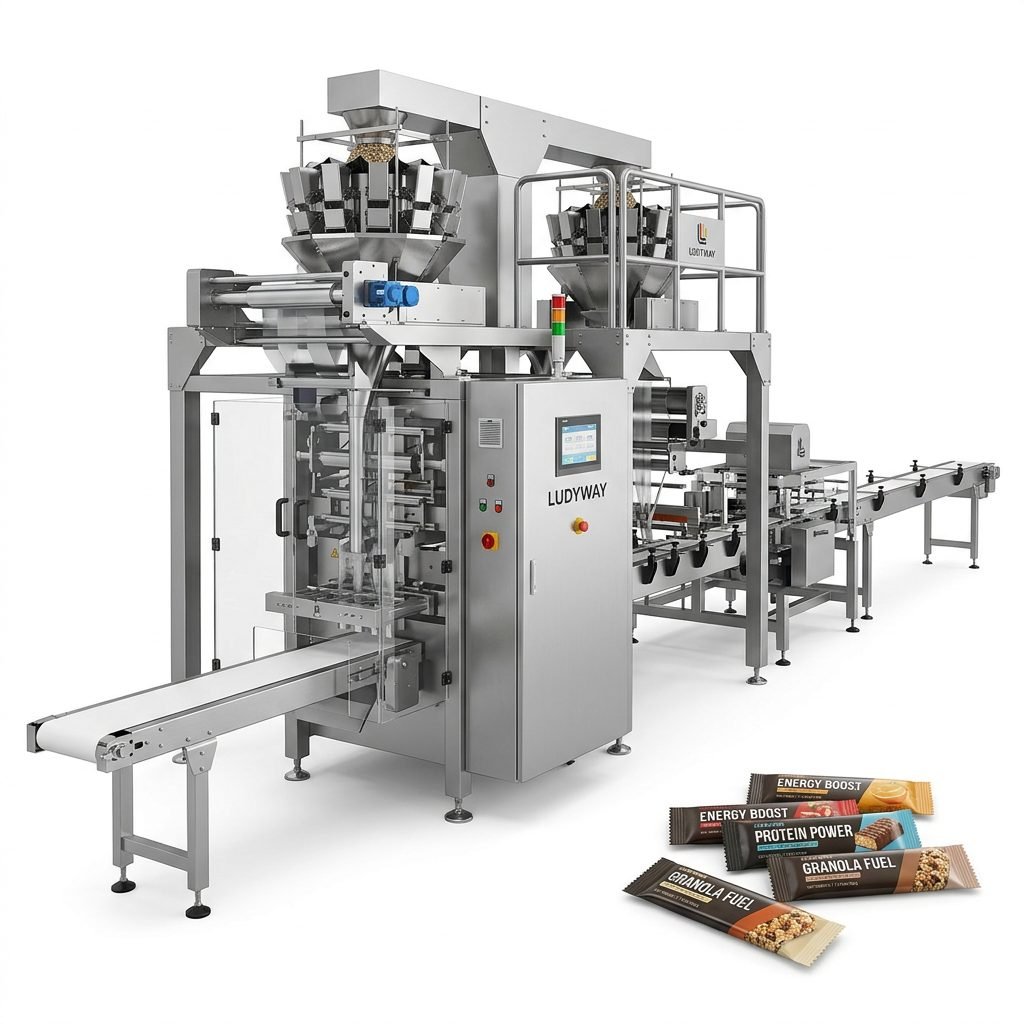
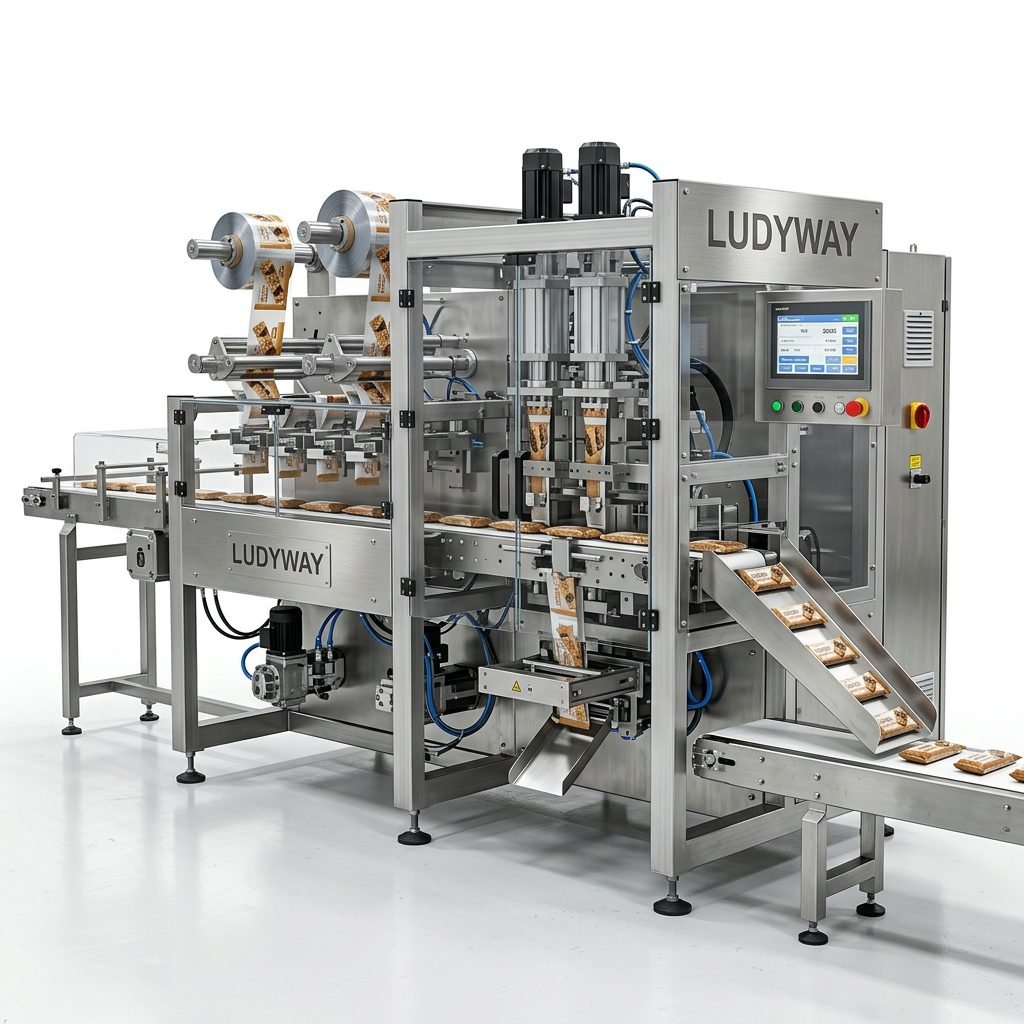
Bar packaging machinery is not a single machine type. The term covers several distinct packaging technologies, each suited to different product forms, packaging materials, and production volumes. Flow wrapping machines, also known as horizontal form-fill-seal (HFFS) machines, are the most common solution for individually wrapped bars. They enclose the product in a continuous film tube, create longitudinal and transverse seals, and deliver a pillow-pack or fin-seal format. Stick pack machines are a popular alternative for powder-based or multi-lane granular bar applications. Pouch packaging systems and cartoning lines often integrate with primary wrappers to deliver retail-ready multipacks.
The choice between these categories depends on your desired packaging format, film type, and presentation requirements. Many manufacturers combine a primary bar packaging machine with secondary packaging equipment such as case packers, cartoners, or palletizers to create a complete end-of-line system.
Key Factors to Evaluate Before Purchasing
Investing in a bar packaging machine without a structured evaluation framework can lead to costly mismatches. The following factors should be assessed early in your selection process.
Product Dimensions, Shape, and Fragility
Bars come in countless formats, some are rigid and uniform, others are soft, coated, or irregularly shaped. Your bar packaging machine must be configured to handle your specific product dimensions without deformation or damage. Products with delicate coatings, inclusions, or temperature-sensitive layers require gentle handling, precise film tension control, and in some cases, temperature-regulated infeed sections.
Packaging Material and Seal Requirements
Film selection directly affects shelf life, product protection, and machine performance. Common materials include metallized films, cold-seal films, and high-barrier laminates. Cold-seal films are often preferred for heat-sensitive bars such as chocolate-coated products because they eliminate the need for heated sealing jaws. Your bar packaging machine must be compatible with the specific film structure and gauge you intend to use, and the sealing mechanism must be adjustable to accommodate different material properties.
Production Speed and Throughput Targets
Bar packaging machines range from semi-automatic systems outputting 30 to 50 packs per minute to high-speed multi-lane systems exceeding 800 or even 1,200 bars per minute. Matching machine speed to your production volume is essential. Overinvesting in speed you cannot utilize is wasteful, but underestimating peak demand can lead to delivery delays and overtime costs. Consider both current throughput and realistic 3-to-5-year growth projections when specifying speed requirements.
Automation and Labor Requirements
Manual feeding, hand-packing stations, and semi-automatic wrappers still have a place in small-batch or co-packing operations. However, most mid-to-large manufacturers benefit from fully automatic bar packaging machines with servo-driven controls, automatic film splicing, and integrated rejection systems. Higher automation reduces labor costs, minimizes human contact with the product, and improves consistency across long production runs.
Packaging Formats for Different Bar Types
Bar packaging machines can be configured for multiple formats. The table below summarizes common packaging formats and their typical applications.
| Packaging Format | Machine Type | Typical Applications |
|---|---|---|
| Pillow Pack / Flow Wrap | Horizontal Flow Wrapper | Protein bars, chocolate bars, snack bars |
| Fin Seal Wrapper | HFFS Machine | Granola bars, cereal bars, bakery bars |
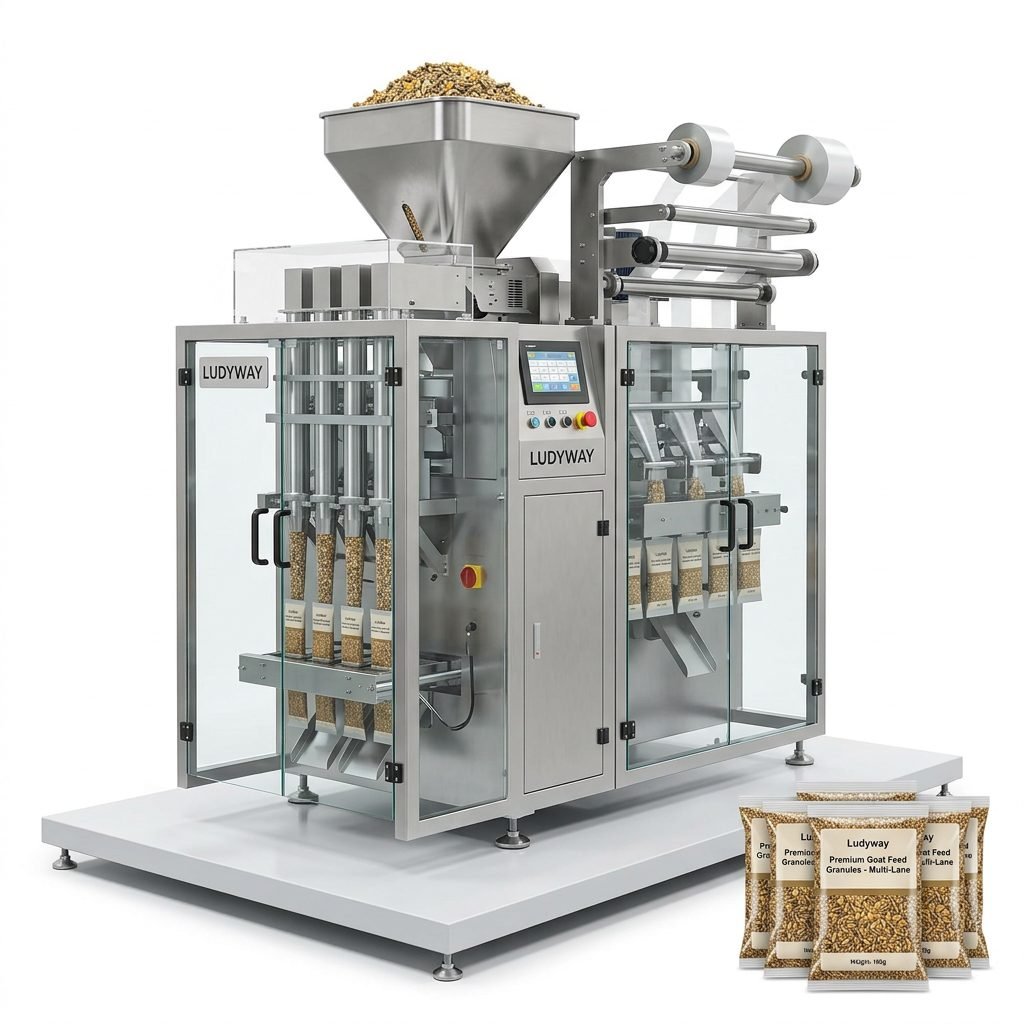
| Stick Pack | Vertical Multi-Lane Stick Pack Machine | Powder-based bars, instant drink mixes, supplement sticks |
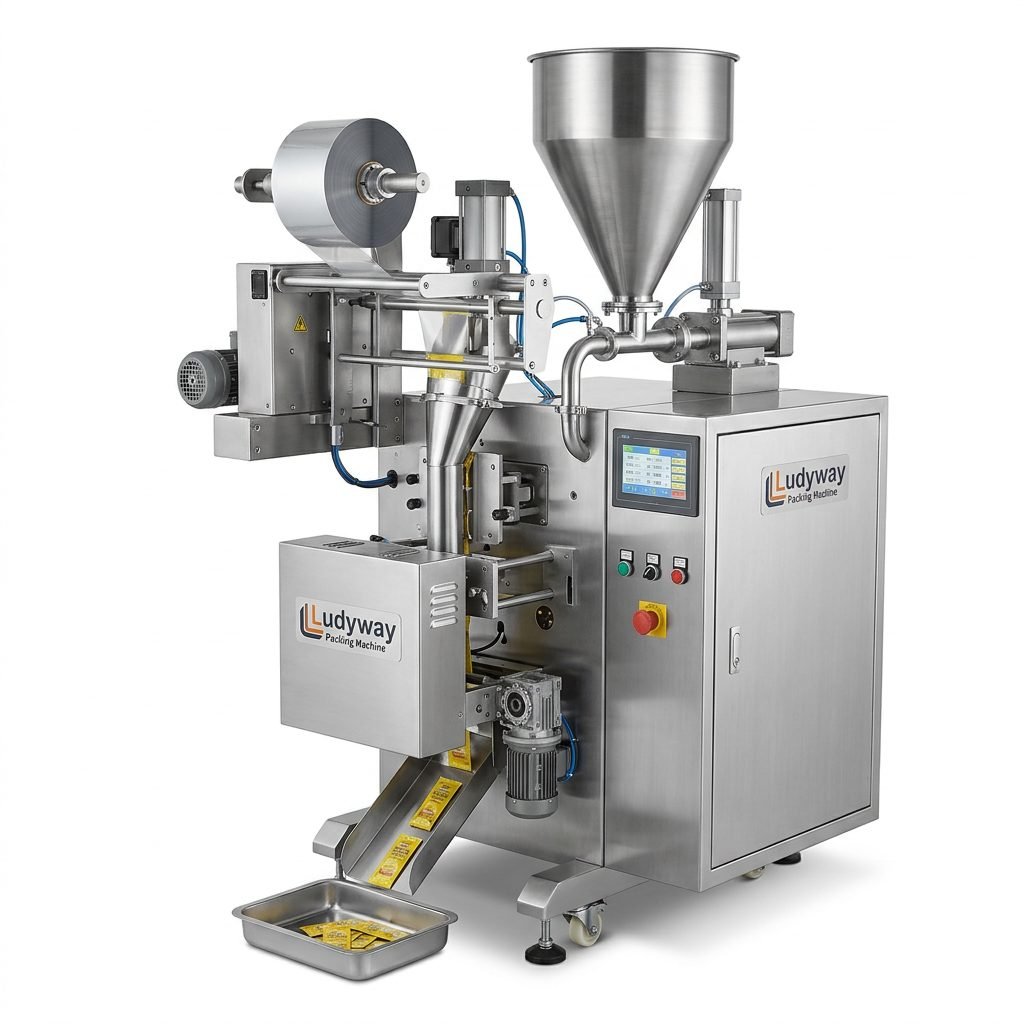
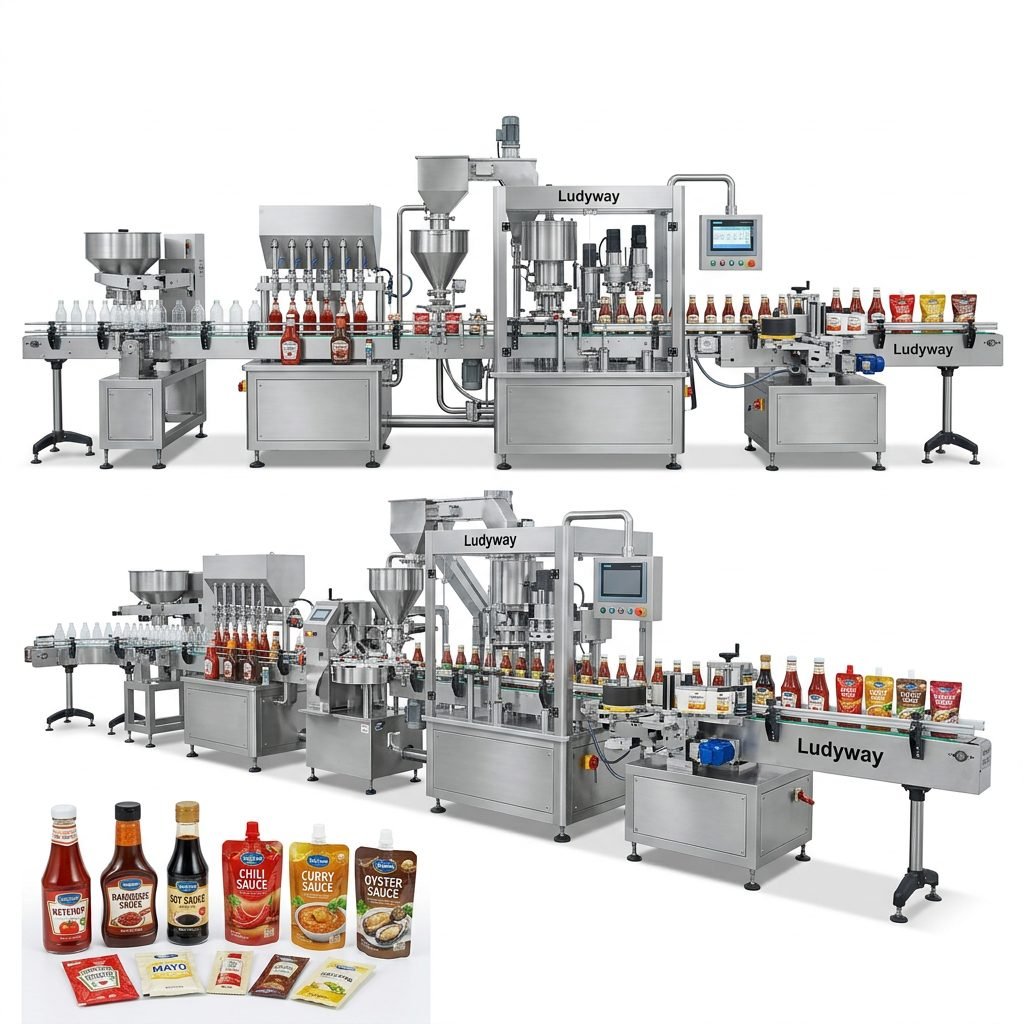
| Sachet / Flat Pouch | Multi-Lane Sachet Machine | Sample-sized bars, travel packs, condiment packs |
| Multipack Cartoning | Cartoner + Primary Wrapper Integration | Retail-ready multipacks, club-store formats |
Integration with Upstream and Downstream Equipment
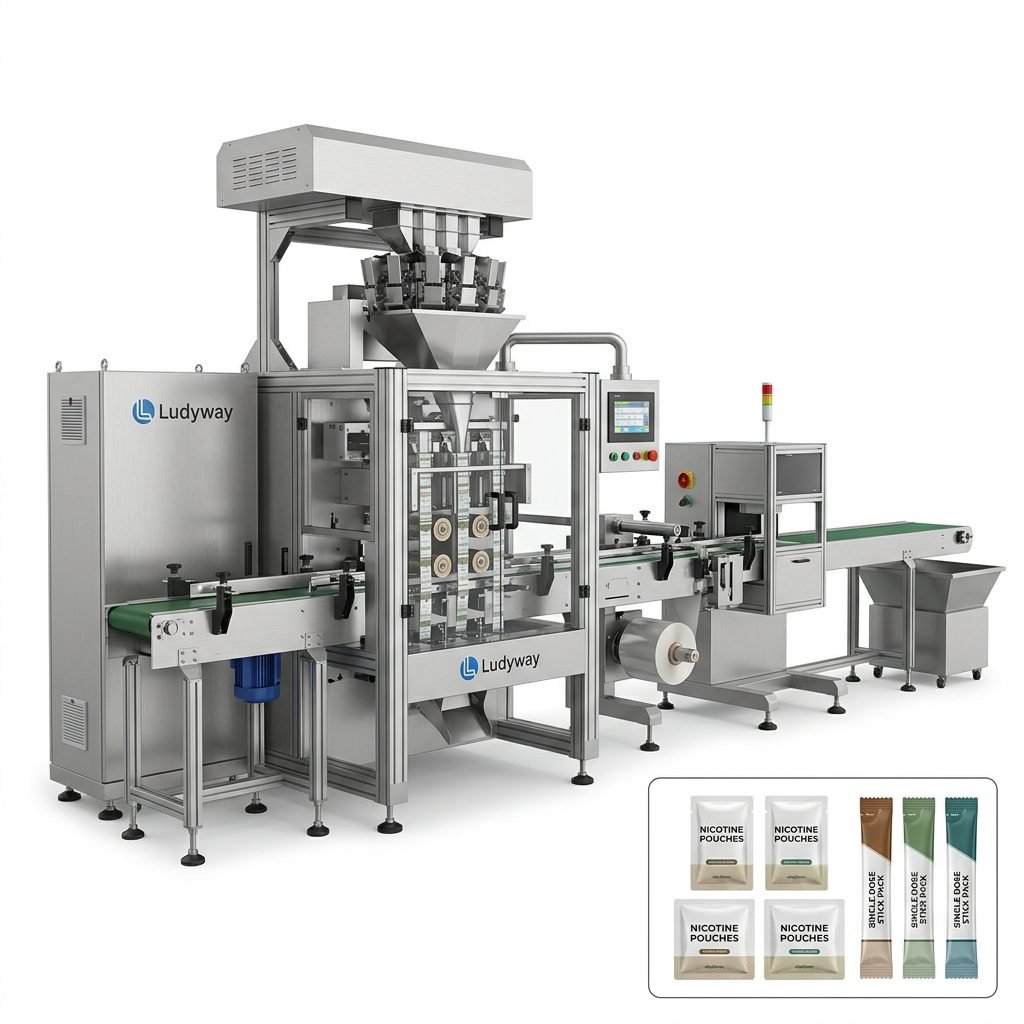
A bar packaging machine rarely operates in isolation. Seamless integration with infeed conveyors, feeding systems, checkweighers, metal detectors, and outfeed equipment is essential for maintaining line efficiency and product quality. When evaluating equipment, consider the following integration points:
- Infeed and Product Handling: The infeed system must match the speed and orientation requirements of the packaging machine. Indexing belt feeders, lugged conveyors, and robotic pick-and-place systems are common upstream modules.
- Quality Control and Inspection: Modern bar lines often incorporate checkweighers, X-ray inspection systems, and vision inspection at various points to detect seal defects, misaligned film, or missing products.
- End-of-Line Automation: Cartoners, case packers, and automatic carton packers can be synchronized with the bar packaging machine to minimize manual handling and maximize output.
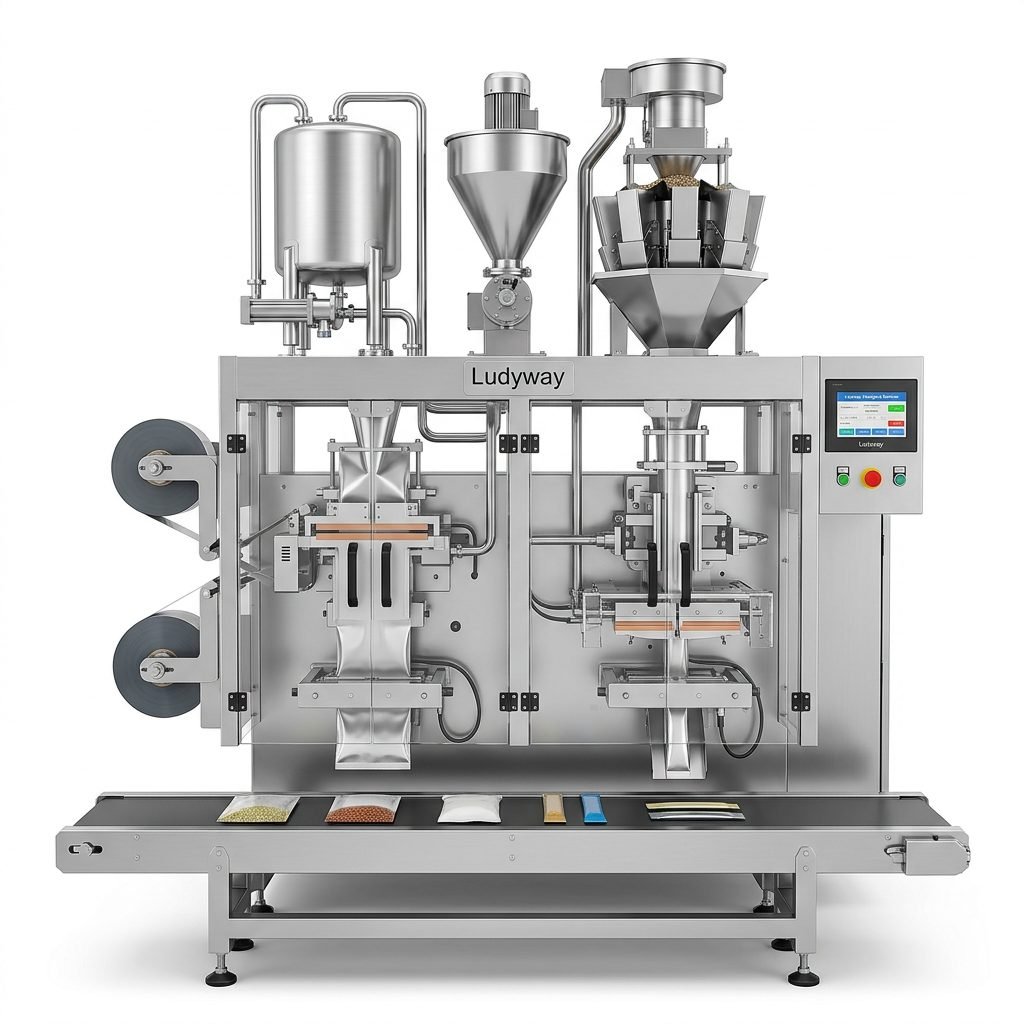
A supplier with engineering capabilities to provide integrated systems rather than standalone machines can simplify installation, reduce interfaces between separate vendors, and streamline after-sales support. Ludyway Machinery, a China-based packaging machinery manufacturer with more than 30 years of experience, offers turnkey packaging solutions that connect multiple stages of the packaging process, from feeding and dosing to cartoning and palletizing, enabling manufacturers to work with a single partner for machine selection, system integration, and technical support.

Hygiene, Washdown, and Material Compatibility
For food manufacturers, hygienic design is a critical requirement. Bar packaging machines handling food products should comply with applicable food safety standards and be constructed of materials that resist corrosion, facilitate cleaning, and minimize product buildup. Stainless steel construction, sloped surfaces to prevent liquid pooling, and tool-free access for cleaning and maintenance are features worth prioritizing. Relevant guidance can be found through resources such as the FDA Food Packaging and Food Contact Substances regulations.
Machine Configuration and Changeover Flexibility
Many manufacturers produce multiple bar varieties on the same line. A machine with fast, repeatable changeover capabilities minimizes downtime between production runs. Features to look for include servo-driven adjustments, recipe-based settings stored in the HMI, and quick-change forming sets. If your product range includes both standard bars and seasonal or promotional formats, discuss changeover time and required tooling with each potential supplier.
Evaluating Total Cost of Ownership
The purchase price of a bar packaging machine represents only a fraction of its total cost over its service life. Film efficiency, energy consumption, spare parts pricing, and expected maintenance intervals all contribute to the total cost of ownership. A machine with a lower upfront price but higher film waste or more frequent downtime often proves more expensive in the long run. Request detailed information on film utilization rates, recommended spare parts lists, and typical maintenance requirements before comparing equipment.
Compliance, Certifications, and International Standards
Depending on your target market, your bar packaging machine may need to meet specific regulatory requirements. Machine safety standards, food contact material regulations, and export market certification can all affect equipment selection. Confirm that your supplier can provide appropriate compliance documentation for relevant markets. The PMMI packaging industry resources offer valuable insights into packaging machinery standards and best practices for global markets.
Supplier Evaluation and After-Sales Support
A bar packaging machine is a long-term investment, and the supplier relationship extends well beyond equipment delivery. Evaluate potential suppliers on their installation support, operator training, spare parts availability, remote technical assistance, and responsiveness to service requests. The State of the Industry reports from PMMI provide broader market context that can inform your capital equipment decisions. Suppliers with a global service network, established manufacturing facilities, and documented experience in your product category can significantly reduce operational risk.
Manufacturers should also consider visiting the supplier’s facility, auditing their quality management system, and if possible, observing similar machines in operation at reference sites. Reviewing up-to-date flexible packaging industry data can also help align your packaging material choices with broader market trends.
Common Pitfalls to Avoid
- Underestimating film compatibility: Not all films perform equally on all machines. Run trials with your chosen film before finalizing a machine specification.
- Ignoring future product development: If new bar formats are planned, ensure the machine design can accommodate them without extensive retrofitting.
- Focusing solely on speed: A machine rated for high speed may produce unacceptable waste or seal defects at maximum output. Validate performance at your target speed.
- Neglecting operator training: The most sophisticated machine will underperform without properly trained operators and maintenance staff.

Making the Final Decision
After evaluating your product requirements, production targets, packaging format preferences, and supplier qualifications, weigh your options against the total cost of ownership and long-term partnership potential. A well-chosen bar packaging machine can support your manufacturing operation for a decade or more, so prioritize reliability, flexibility, and supplier capability over short-term price considerations.
Connecting with an experienced packaging machinery partner early in the process can help you navigate the technical complexities and move from evaluation to installation with confidence and clarity.