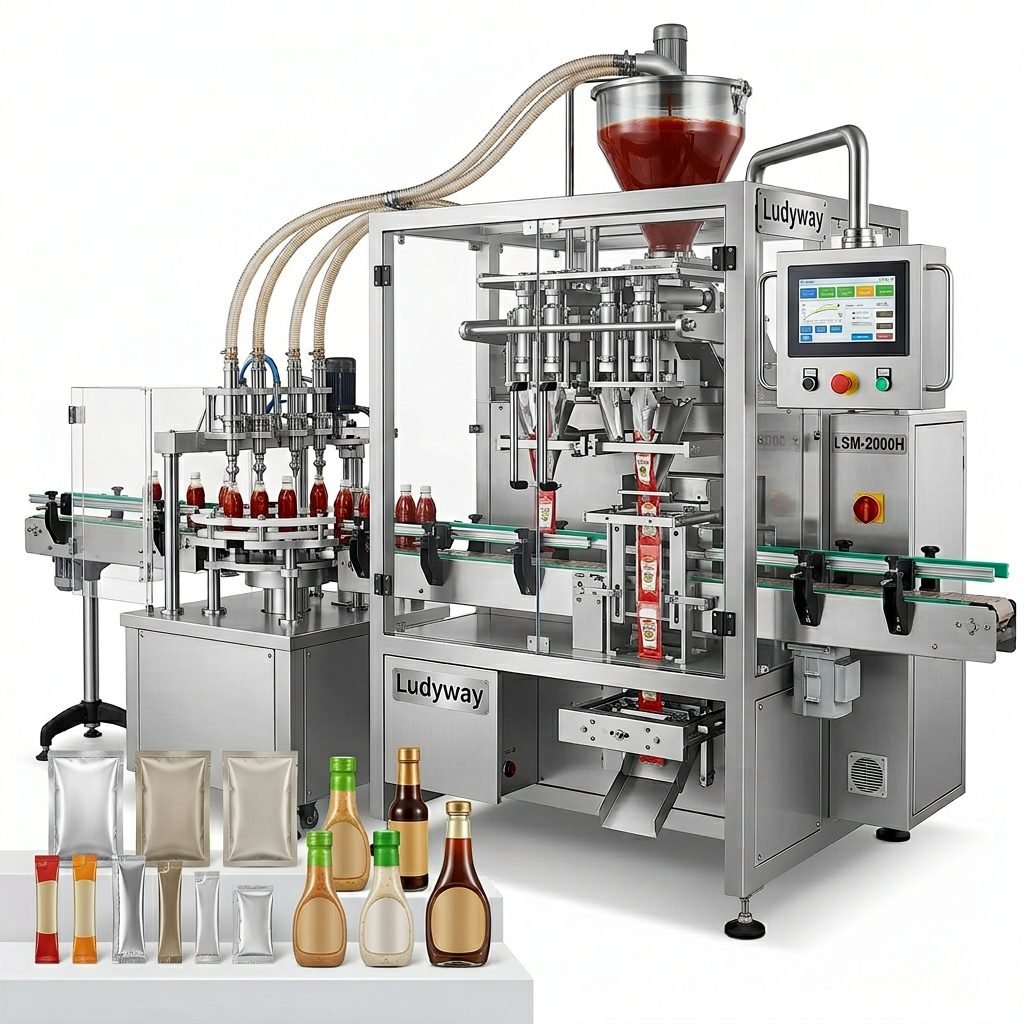
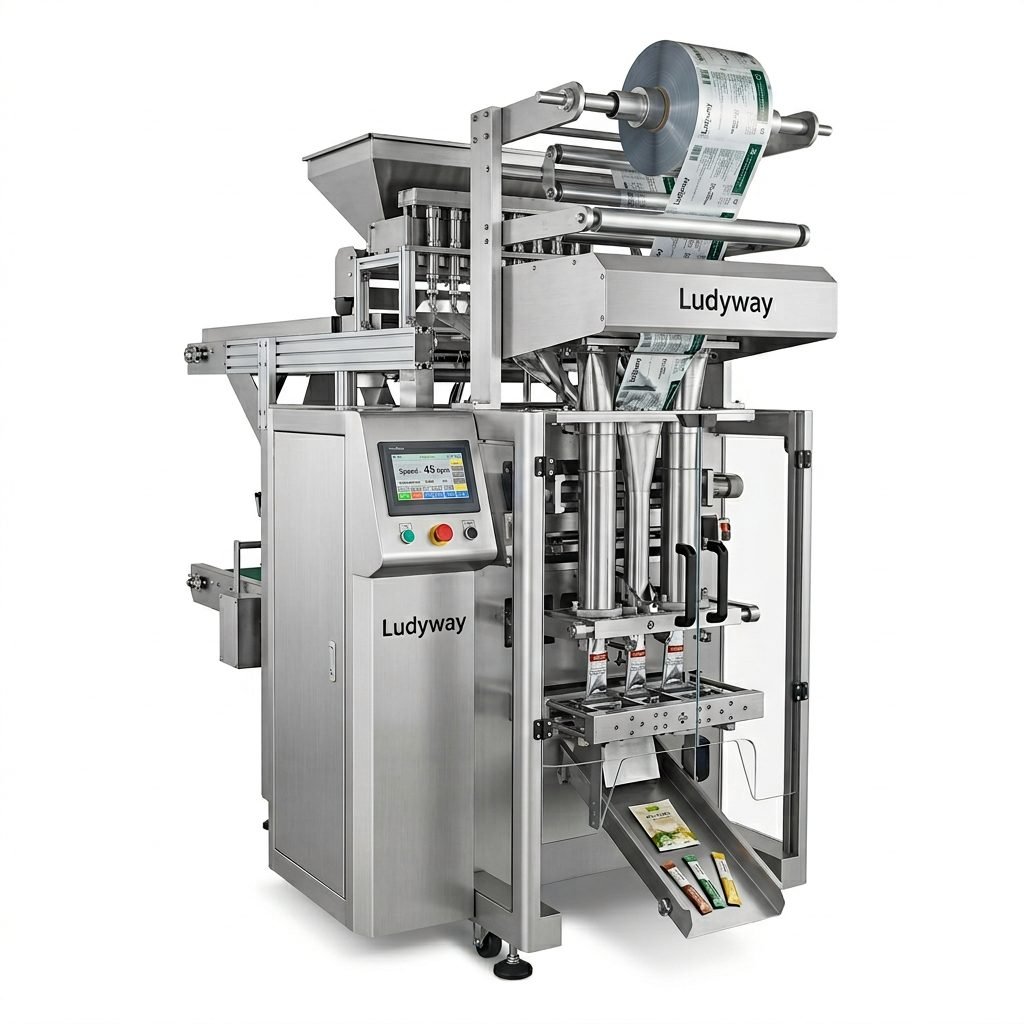
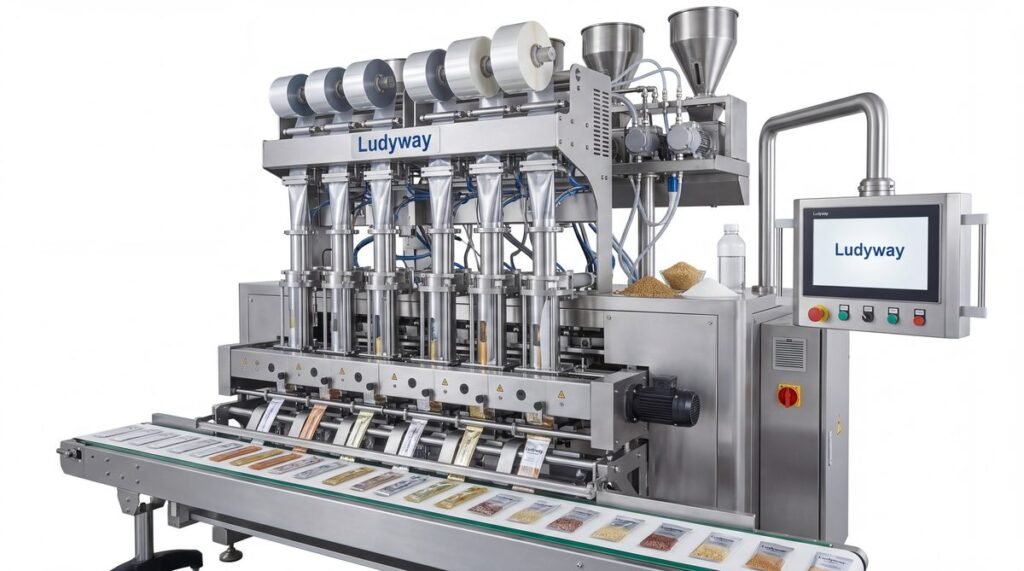
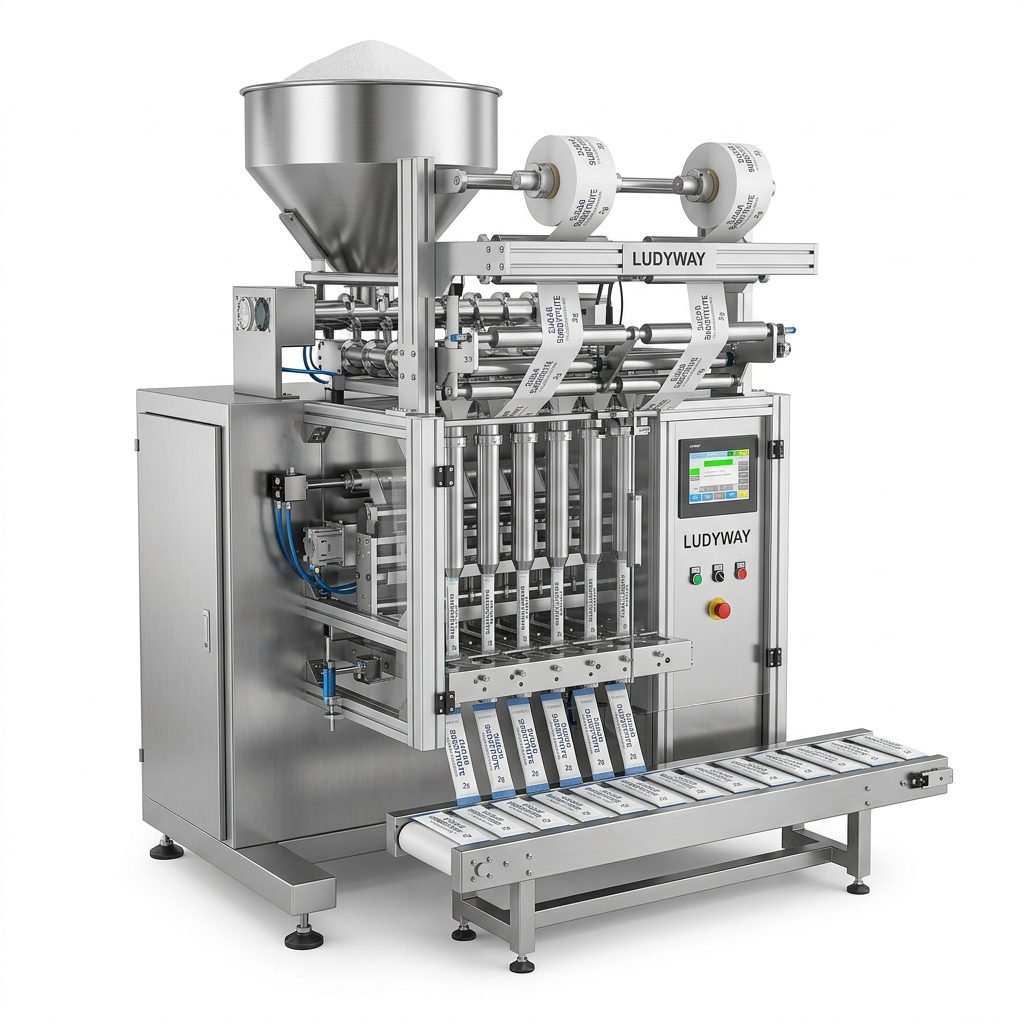
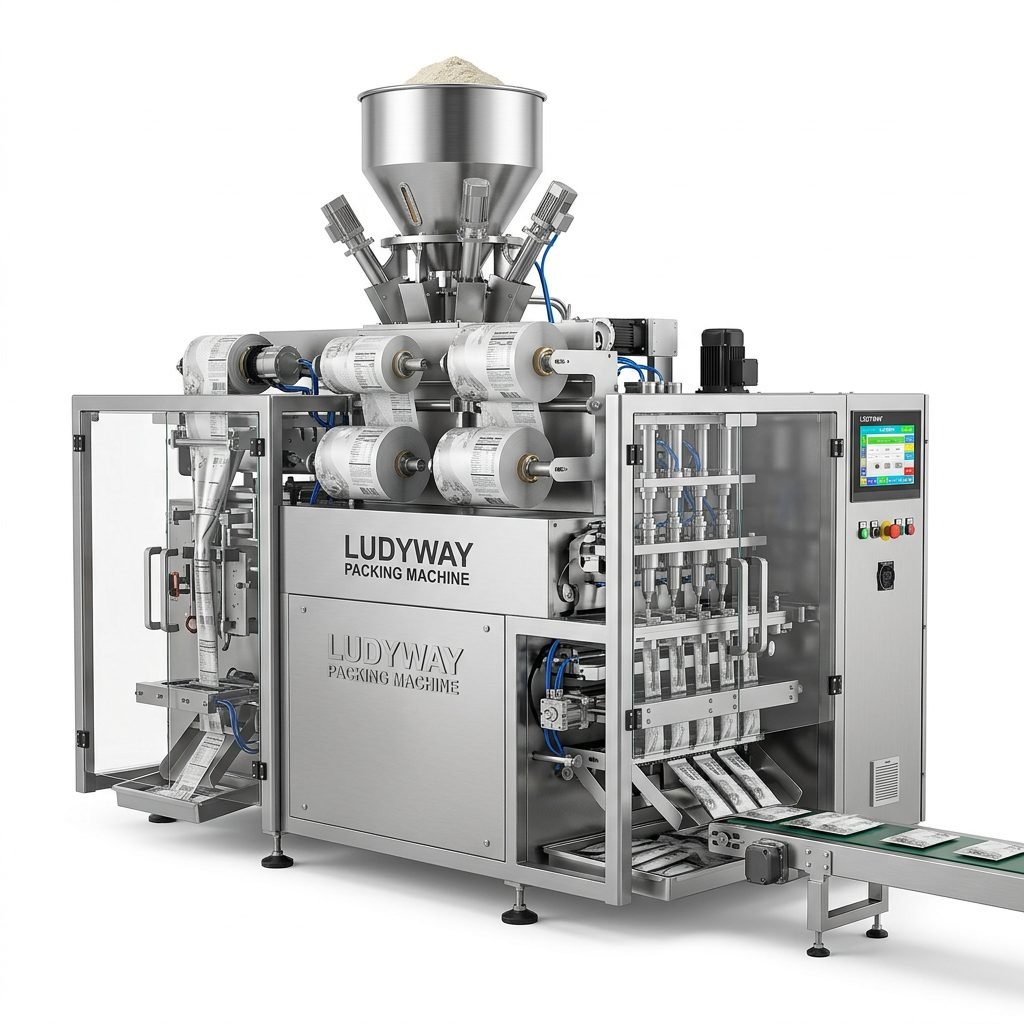
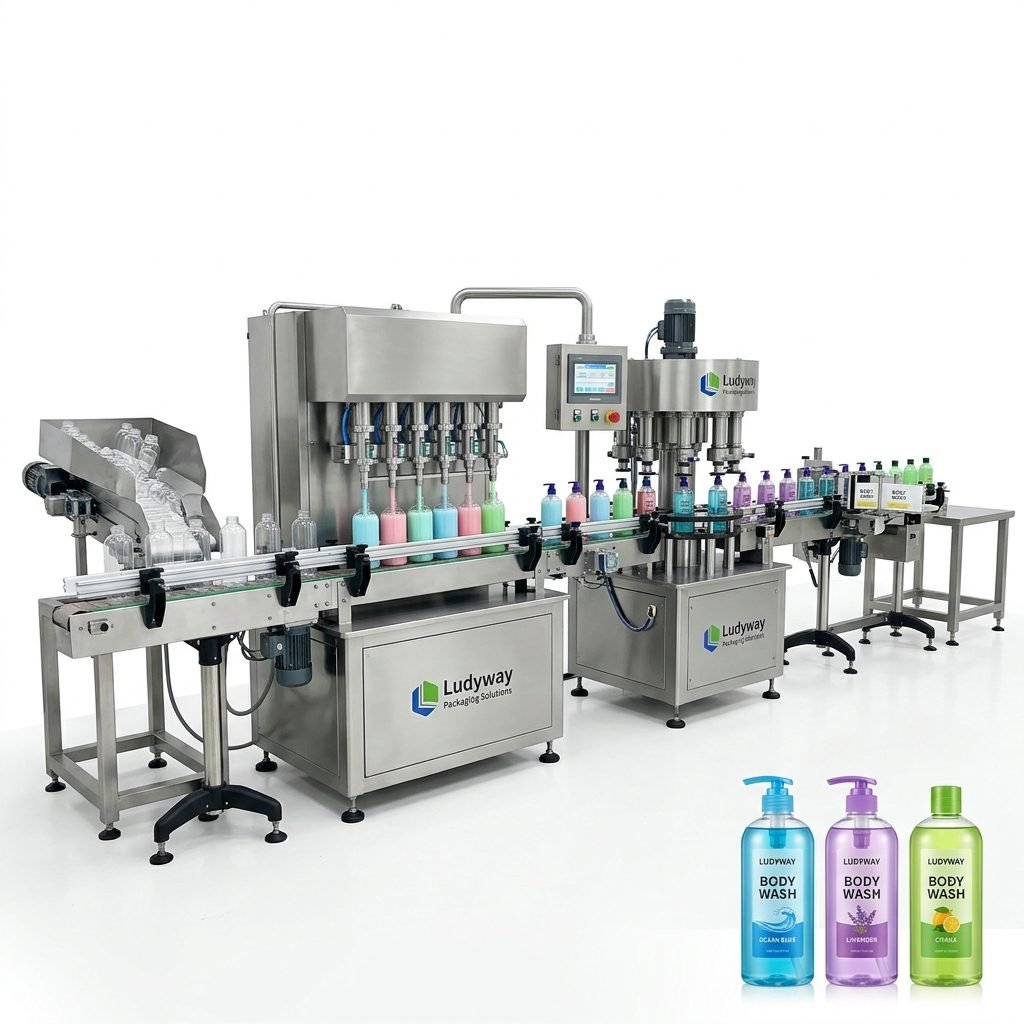
Investing in a printing and packaging machine is a strategic decision that directly impacts your production efficiency, product quality, and long-term operational costs. Whether you are a startup launching a new product or an established manufacturer scaling up capacity, selecting the right equipment requires a methodical approach. This complete buyer’s guide walks you through the critical factors to evaluate before making a purchase.

1. Define Your Production Requirements First
Before comparing machine specifications, start by clearly documenting your production needs. This foundational step prevents costly mismatches between your equipment and actual operational demands.
- Product characteristics: What is the physical form — powder, granule, liquid, paste, or solid? Each requires different dosing and filling technologies.
- Packaging format: Do you need stick packs, sachets, pouches, bottles, or bulk bags? The format dictates the machine’s sealing and forming mechanisms.
- Target output: How many units per minute, hour, or shift do you need to produce? This determines whether a single-lane or multi-lane packaging machine is appropriate.
- Packaging material: Are you using heat-sealable films, aluminum foil, paper laminates, or pre-made pouches? Material compatibility affects sealing temperature, pressure, and jaw design.
- Factory environment: Consider available floor space, power supply, compressed air requirements, and whether a cleanroom or washdown environment is necessary.
2. Match Machine Type to Your Product and Packaging Format
Different packaging machinery is engineered for specific applications. Selecting the correct type ensures reliable operation and consistent package quality. The table below summarizes common machine categories and their typical applications.
| Machine Type | Best For | Common Formats |
|---|---|---|
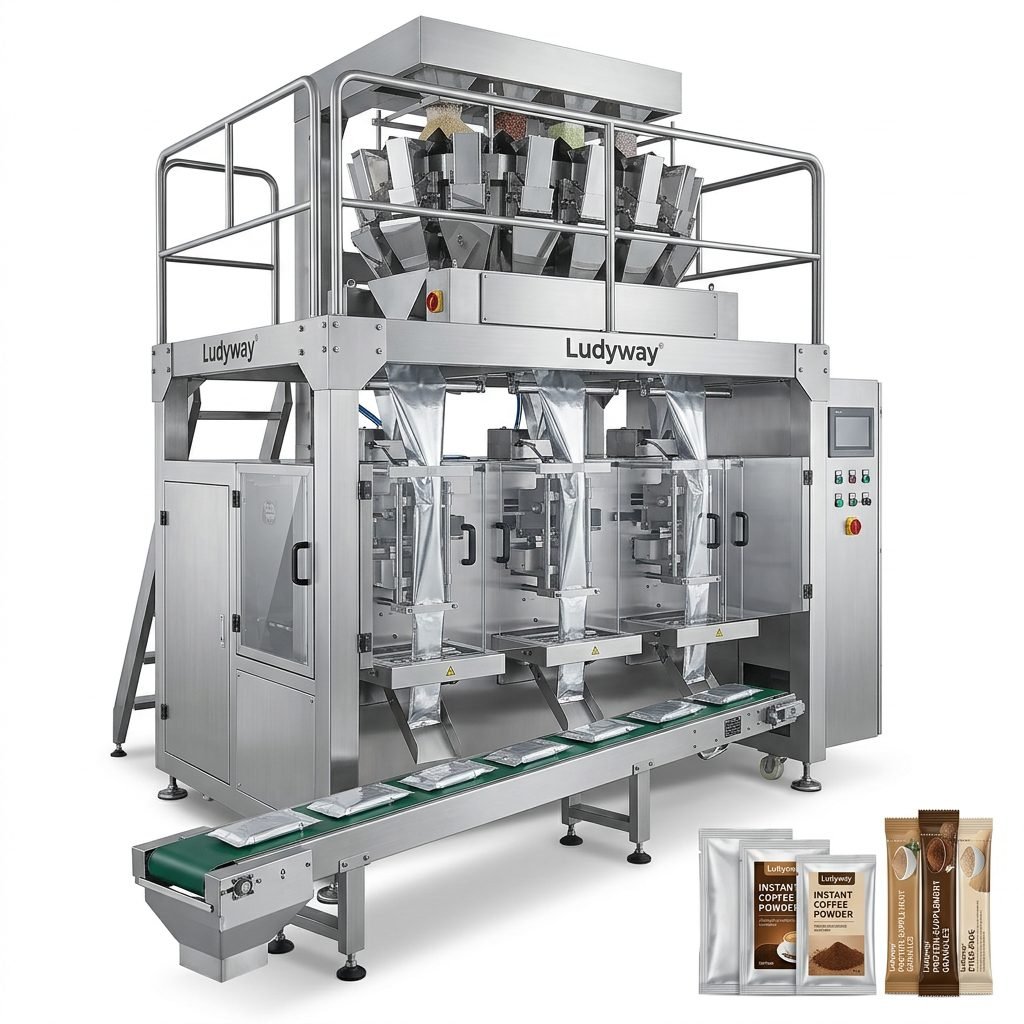
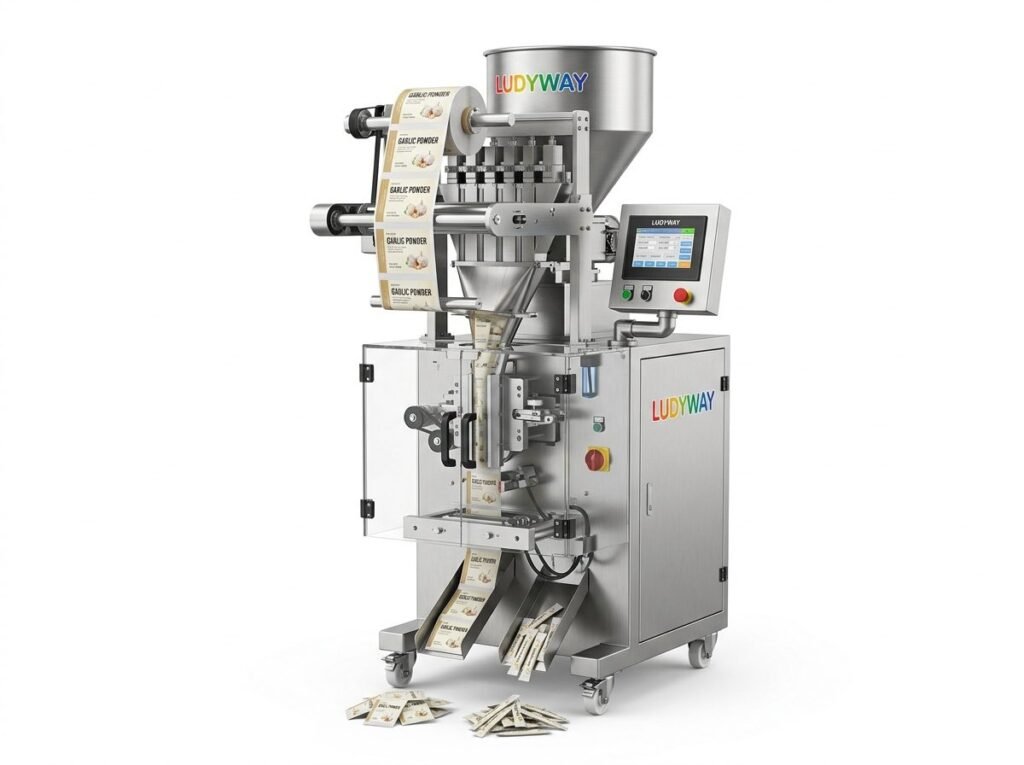
| Vertical Form Fill Seal (VFFS) | Powders, granules, snacks, grains | Pillow bags, gusseted bags, stick packs |
| Horizontal Form Fill Seal (HFFS) | Solid products, baked goods, medical devices | Flow wraps, sachets, pouches |
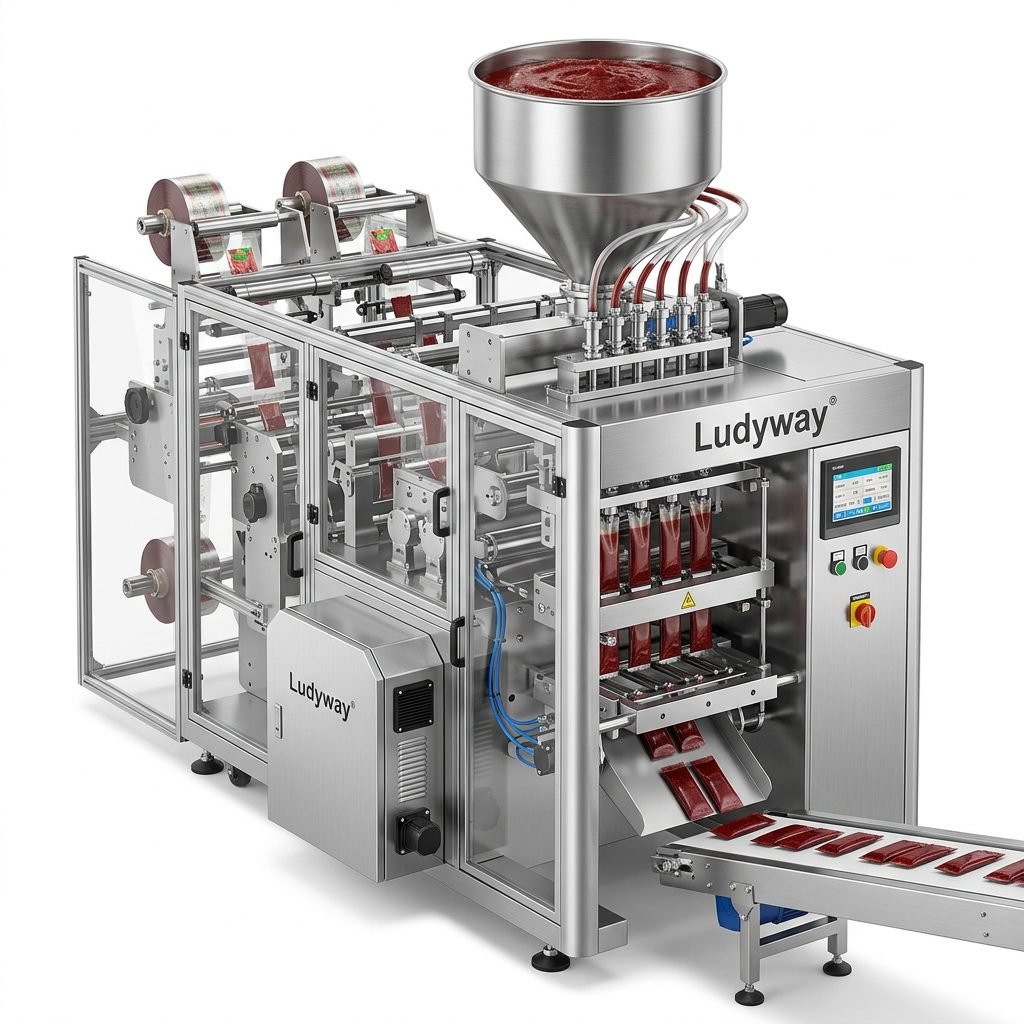
| Multi-Lane Stick Pack Machines | Single-serve powders, liquids, nutraceuticals | Stick packs, sachets (4–20 lanes) |
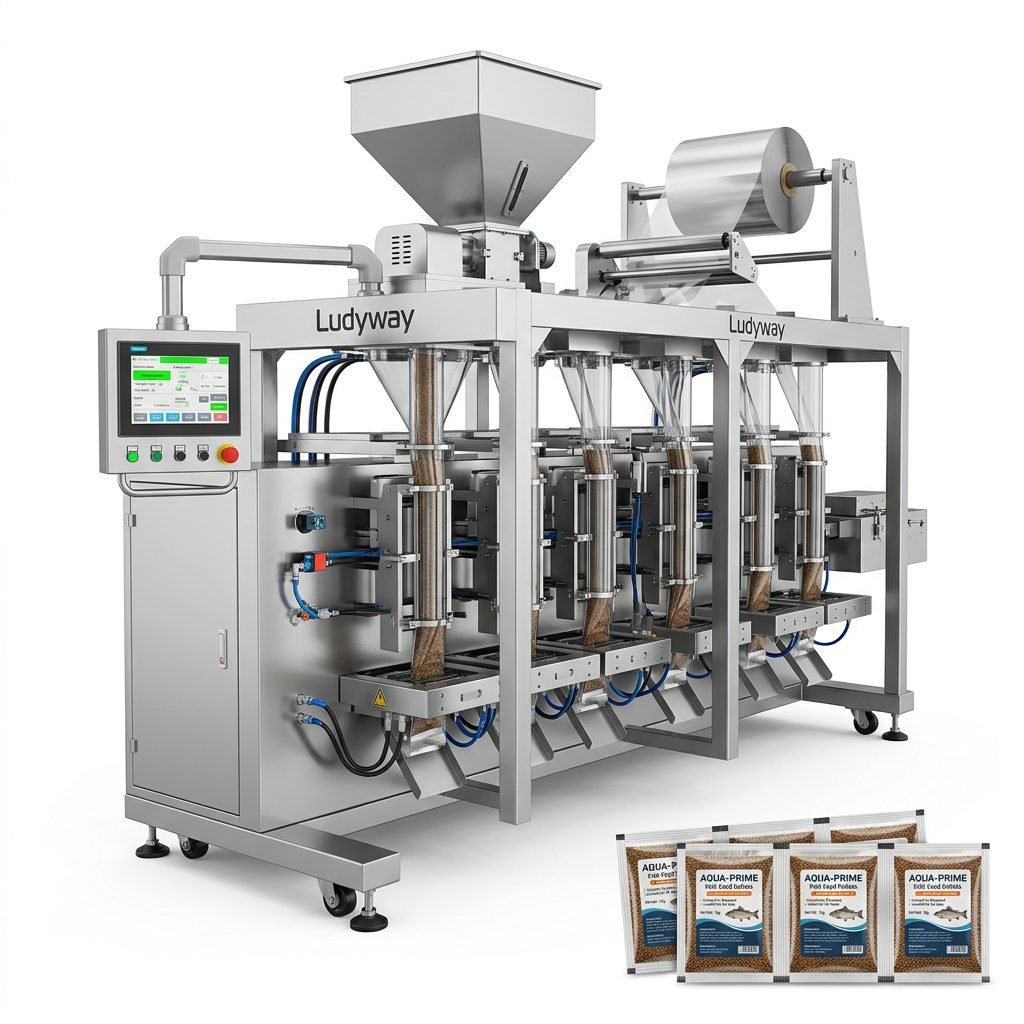
| Pre-Made Pouch Packaging Machines | Liquids, sauces, pet food, premium products | Stand-up pouches, zipper pouches, spouted pouches |
| Liquid Filling and Sealing Machines | Beverages, cosmetics, chemicals, pharmaceuticals | Sachets, bottles, vials, ampoules |
If your product range is diverse — for instance, you package both powders and liquids in multiple formats — consider equipment that offers quick changeover capabilities or work with a supplier that can provide integrated solutions. For more information on packaging formats and machine standards, the PMMI Association offers extensive industry resources.
3. Evaluate Production Speed and Automation Level
Production speed is not simply about the maximum rated output of a machine. You need to evaluate sustained, real-world throughput that accounts for film changes, product refills, cleaning cycles, and minor stoppages.
- Single-lane vs. multi-lane: A single-lane machine may produce 40–80 packs per minute, while a multi-lane stick pack machine with 8–12 lanes can reach 400–800 packs per minute. Choose based on your current and projected volume.
- Automation integration: Determine whether you need a standalone machine or a fully integrated line including automatic feeding, dosing, filling, sealing, coding, inspection, cartoning, and palletizing.
- Labor requirements: Higher automation reduces manual labor but requires skilled operators and maintenance personnel. Factor in training and technical support availability.
- Changeover efficiency: If you run multiple products, look for machines with tool-less changeover, recipe-based settings, and quick-release components to minimize downtime.
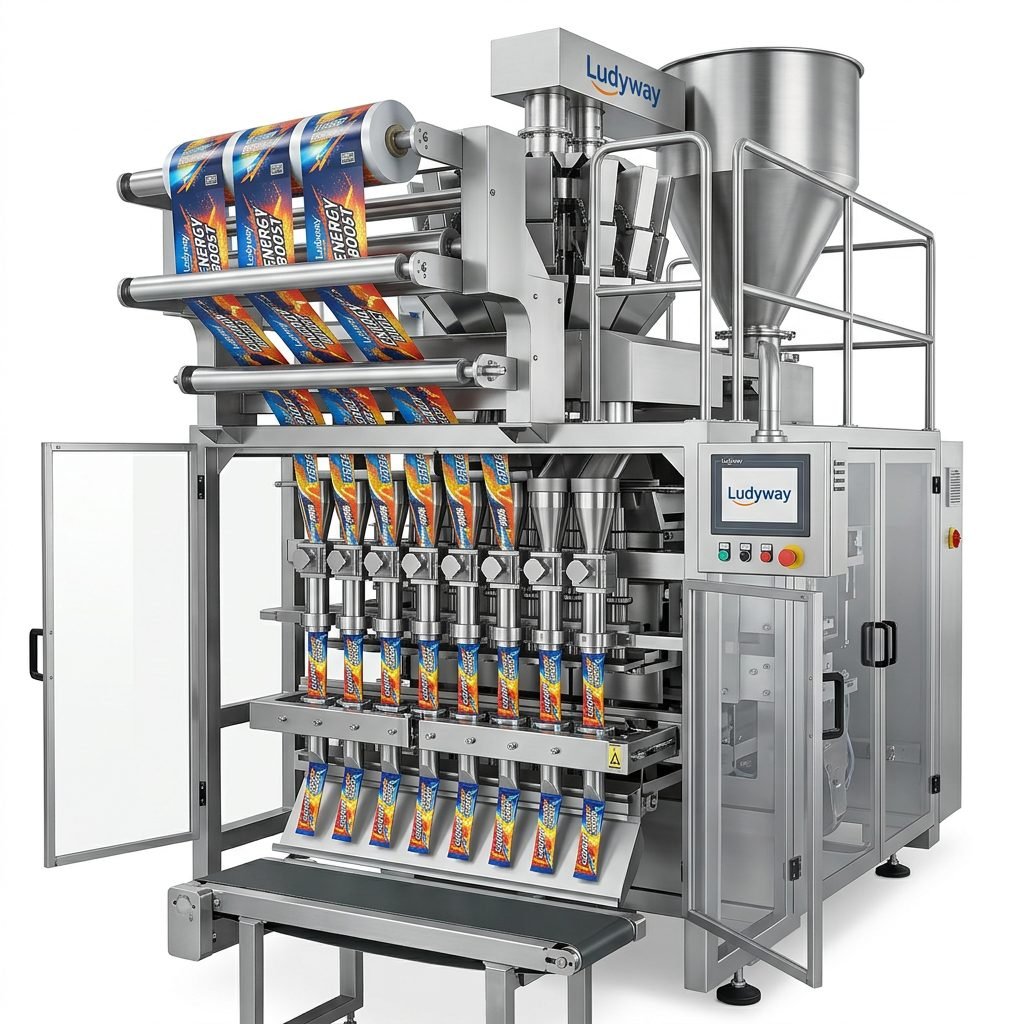
4. Prioritize Build Quality, Materials, and Compliance
The construction quality of a packaging machine determines its longevity, reliability, and suitability for your industry. This is especially critical for food, pharmaceutical, and cosmetic applications where hygiene and regulatory compliance are non-negotiable.
- Frame and contact parts: Look for stainless steel construction (preferably 304 or 316L) for product contact surfaces. This resists corrosion and facilitates cleaning.
- Sealing technology: Consistent, hermetic seals are essential. Evaluate jaw design, temperature control accuracy, and pressure distribution. Poor sealing leads to product waste and customer complaints.
- Control systems: Modern machines feature PLC controllers with HMI touchscreens (Siemens, Allen-Bradley, etc.). These enable precise parameter control, recipe storage, and diagnostics.
- Pneumatic and electrical components: Branded components from established industrial automation suppliers provide greater reliability and global spare parts availability.
- Certifications: Depending on your market, you may need equipment that meets CE, UL, GMP, or FDA standards. Review the FDA packaging and food contact substances guidelines for relevant requirements.
5. Compare Suppliers: Beyond the Price Tag
Selecting the right packaging machinery manufacturer is as important as choosing the machine itself. A capable supplier provides far more than equipment — they deliver engineering support, project management, and long-term service.
- Industry experience: How many years has the manufacturer been in business? Do they have a track record in your specific industry — food, pharma, chemicals, or cosmetics?
- Manufacturing capabilities: Does the supplier have in-house manufacturing, engineering, and automation teams, or do they outsource? In-house capabilities typically translate to better quality control and customization options.
- After-sales support: Clarify what support is included: installation, commissioning, operator training, troubleshooting, spare parts availability, and remote technical assistance.
- Customization ability: Can the supplier configure machines to match your specific product, packaging material, speed, and factory layout? Off-the-shelf machines may not meet specialized requirements.
- Global service reach: If you operate in multiple countries, confirm whether the supplier provides support in your regions. Some manufacturers, like Ludyway Machinery, serve customers in more than 100 countries with technical support throughout the project lifecycle.
Industry insights and market data can help you benchmark potential suppliers. The PMMI Business Intelligence Library provides valuable reports on packaging machinery market trends and technology developments.

6. Assess Total Cost of Ownership (TCO)
The purchase price is only one component of the total cost of ownership. A lower upfront price can be deceptive if the machine consumes excessive film, generates high scrap rates, or requires frequent maintenance.
| Cost Category | Considerations |
|---|---|
| Equipment price | Base machine, optional modules, tooling, and any customization charges |
| Installation and commissioning | Site preparation, shipping, technician travel, setup, and testing |
| Consumables | Packaging film, spare parts, lubricants — calculated per unit produced |
| Maintenance and downtime | Scheduled service, unexpected repairs, and lost production capacity |
| Training and labor | Operator training time, skill requirements, and staffing levels |
When evaluating TCO, request detailed information about expected service intervals, common wear parts, and their replacement costs. A slightly more expensive machine with lower operating costs often delivers better value over a 5–10 year lifespan. The Flexible Packaging Association publishes industry data that can help you benchmark packaging material consumption and operational benchmarks.
7. Consider Future Scalability
Your packaging needs today may look very different in three to five years. A machine that perfectly matches current requirements but cannot accommodate growth becomes a bottleneck.
- Modular design: Can you add more lanes, upgrade the dosing system, or integrate additional automation modules without replacing the entire machine?
- New product formats: If you plan to introduce new packaging formats — such as moving from sachets to stick packs or stand-up pouches — how adaptable is the equipment?
- Line integration: Ensure the machine can be integrated with upstream feeding systems and downstream cartoning, case packing, and palletizing equipment.
- Capacity headroom: Running a machine at 100% of its rated speed constantly accelerates wear. Aim for a machine that can meet your target output while operating at 70–80% of its maximum capacity.
8. Request a Factory Acceptance Test (FAT)
Before a machine ships, a Factory Acceptance Test allows you to verify that the equipment meets your specifications using your actual product and packaging materials. This is a critical step that should not be skipped, especially for customized machinery.
- Run the machine at the agreed-upon speed with your products and materials.
- Inspect seal integrity, fill accuracy, package appearance, and code quality on production samples.
- Test changeovers if you have multiple products or formats.
- Verify safety features, emergency stops, and guarding.
- Review documentation including manuals, electrical schematics, and maintenance schedules.
For international equipment purchases, some buyers also arrange third-party inspection services to conduct the FAT on their behalf. Industry standards for packaging validation, such as ISO packaging standards, provide useful reference points for acceptance criteria.
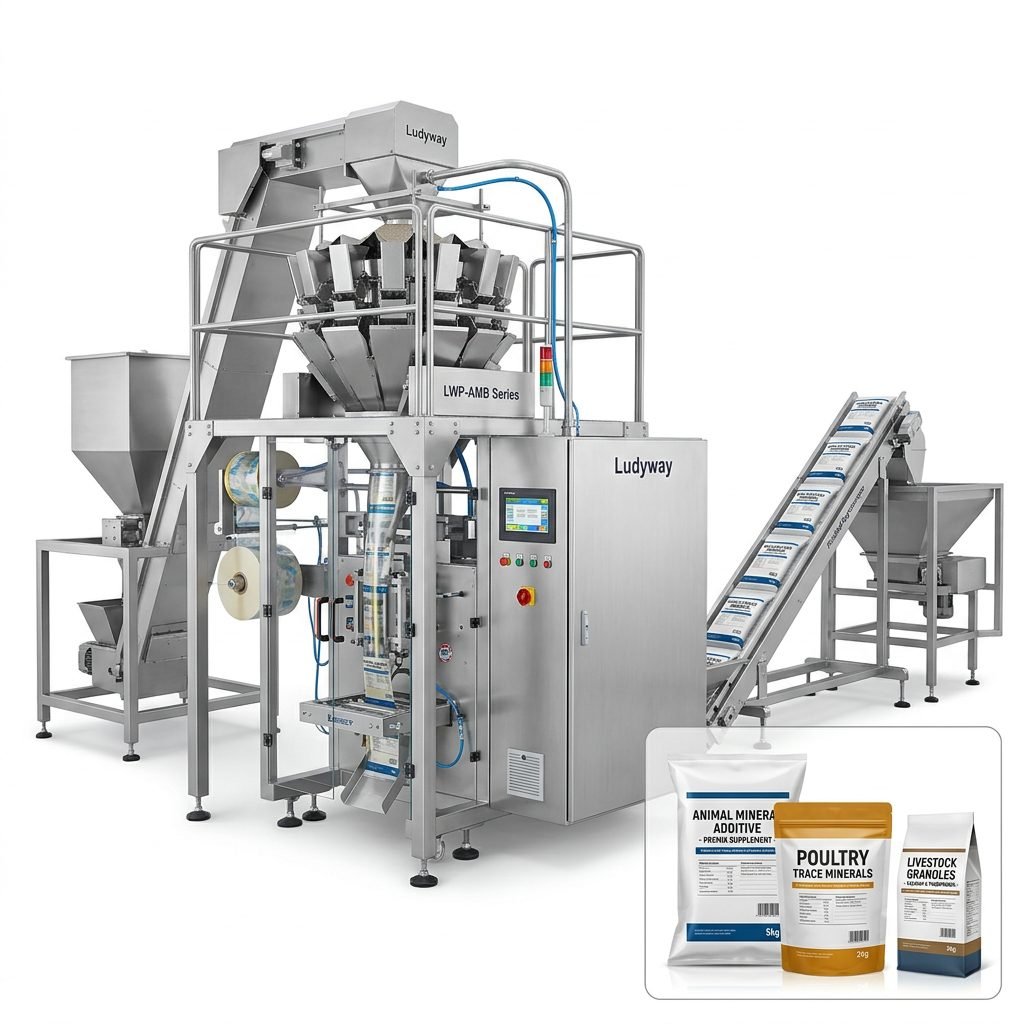
9. Common Mistakes to Avoid
Many buying decisions go wrong due to preventable oversights. Here are the most frequent mistakes we see in the industry:
- Focusing only on price: The lowest upfront cost often means compromises in build quality, after-sales support, or long-term reliability. Always evaluate TCO.
- Underestimating material sensitivity: Different films, laminates, and thicknesses behave differently during forming, filling, and sealing. A machine that works with one material may struggle with another.
- Ignoring environmental conditions: Humidity, temperature, dust, and altitude can affect machine performance. Equipment designed for a climate-controlled factory may underperform in a tropical or dusty environment.
- Skipping operator training: Even the best machine performs poorly if operators are not properly trained. Ensure comprehensive hands-on training is part of the purchase agreement.
- Not planning for spare parts: Downtime waiting for critical parts to arrive from overseas can cost far more than maintaining an inventory of recommended spare parts.
10. Making Your Final Decision
After evaluating all the factors above, you should have a clear picture of your requirements and which suppliers can meet them. Here is a summary checklist to guide your final decision:
- Have you documented your product characteristics, packaging format, and target output?
- Have you identified the appropriate machine type (VFFS, HFFS, multi-lane, pre-made pouch, liquid filler)?
- Have you verified build quality, material compatibility, and relevant certifications?
- Have you compared TCO, not just purchase price?
- Have you evaluated the supplier’s experience, engineering capability, and after-sales support?
- Have you planned for future scalability and line integration?
- Have you scheduled a Factory Acceptance Test with your actual products and materials?
- Have you confirmed installation, commissioning, training, and spare parts support?
Selecting the right printing and packaging machine is a significant investment that rewards careful planning. By taking a methodical approach and working with an experienced packaging machinery manufacturer, you can achieve reliable, efficient, and scalable packaging operations that support your business growth.