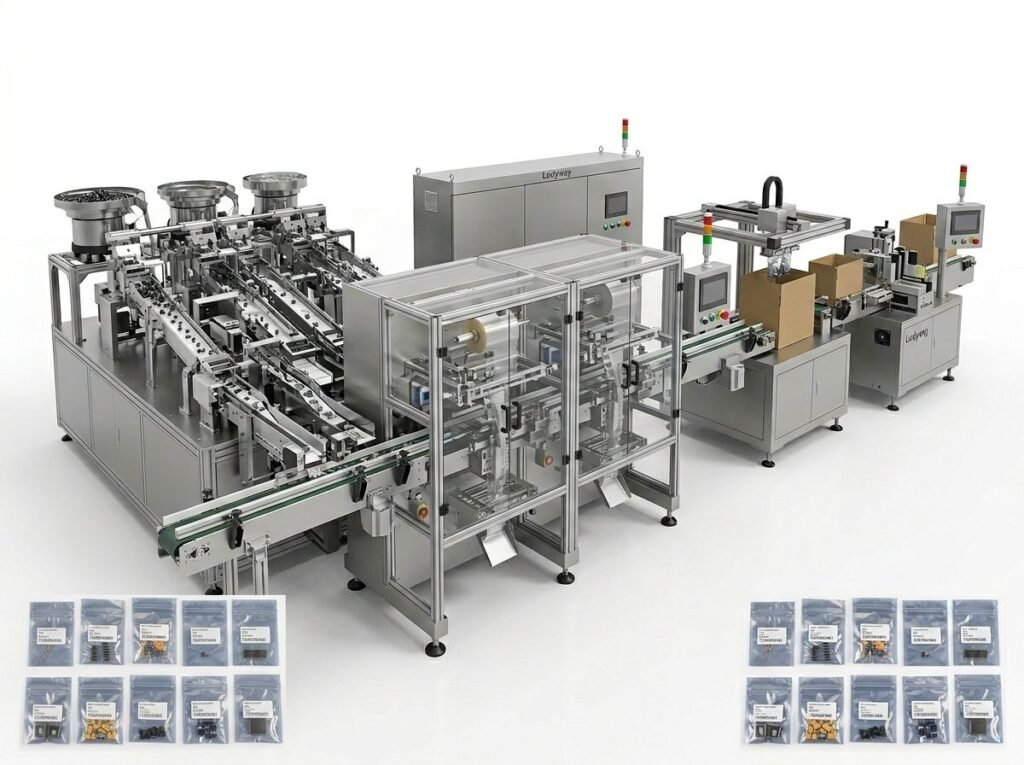
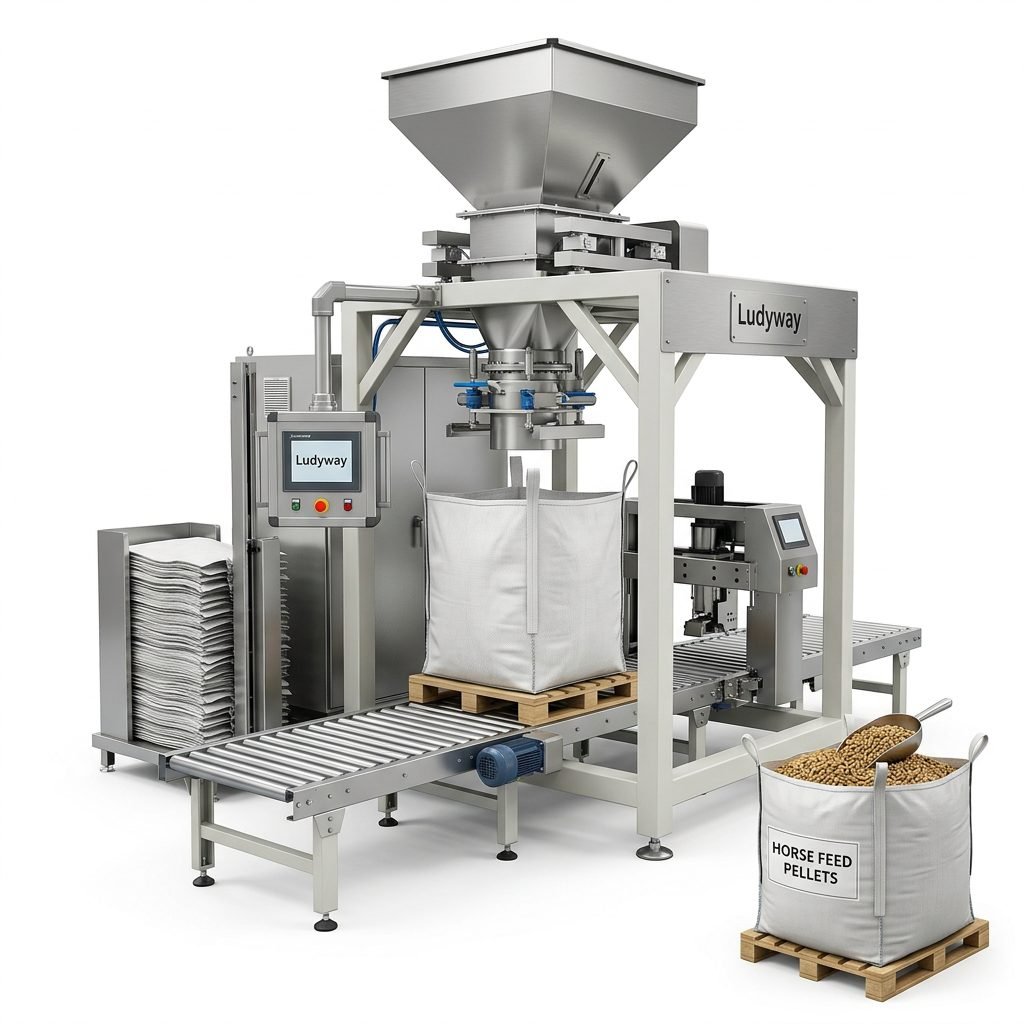
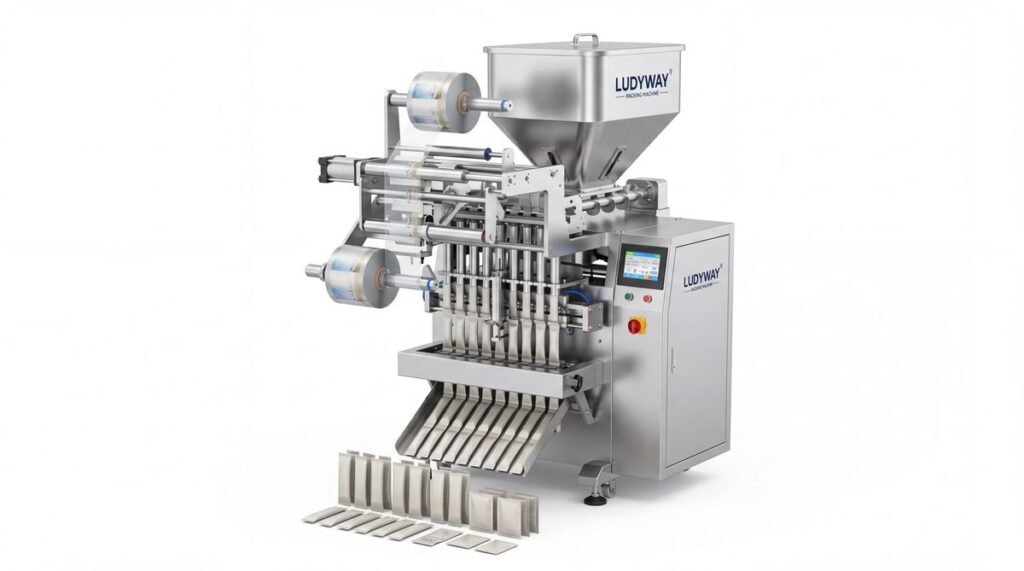
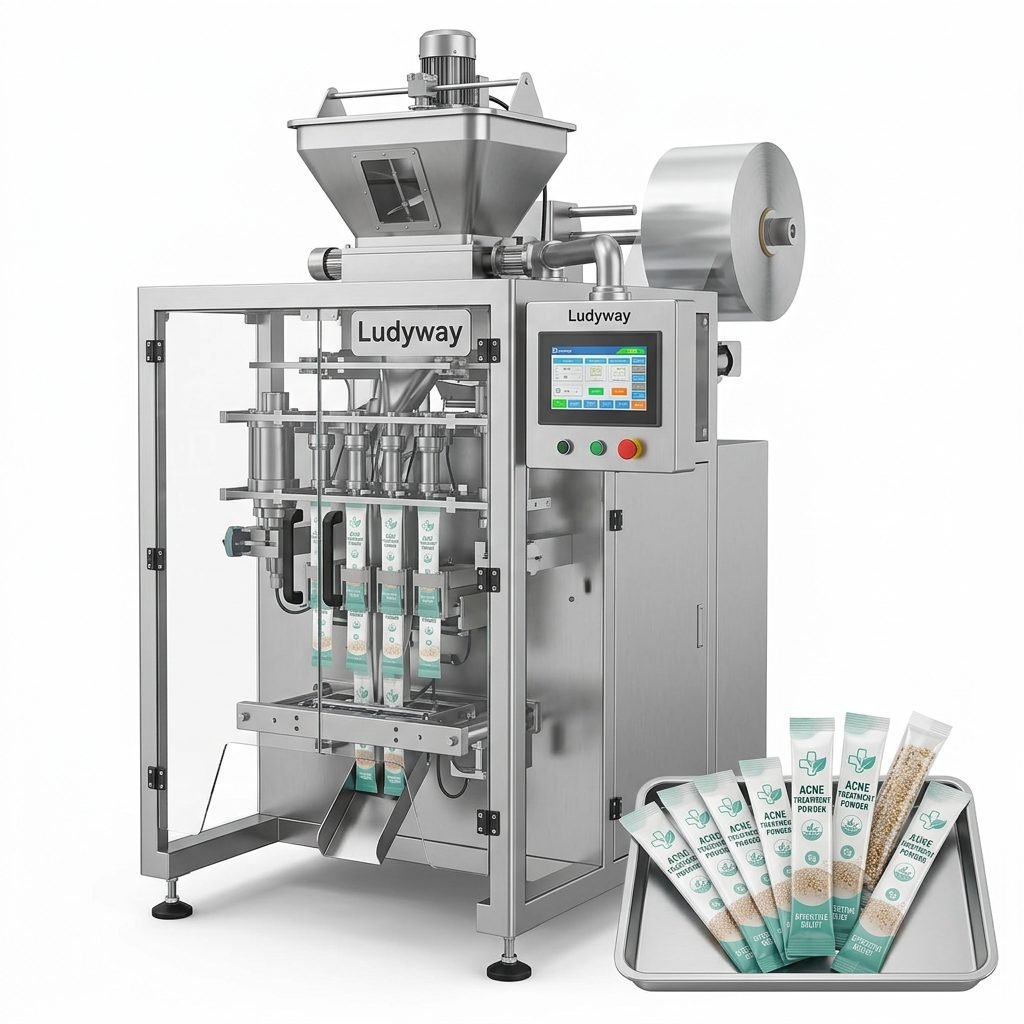
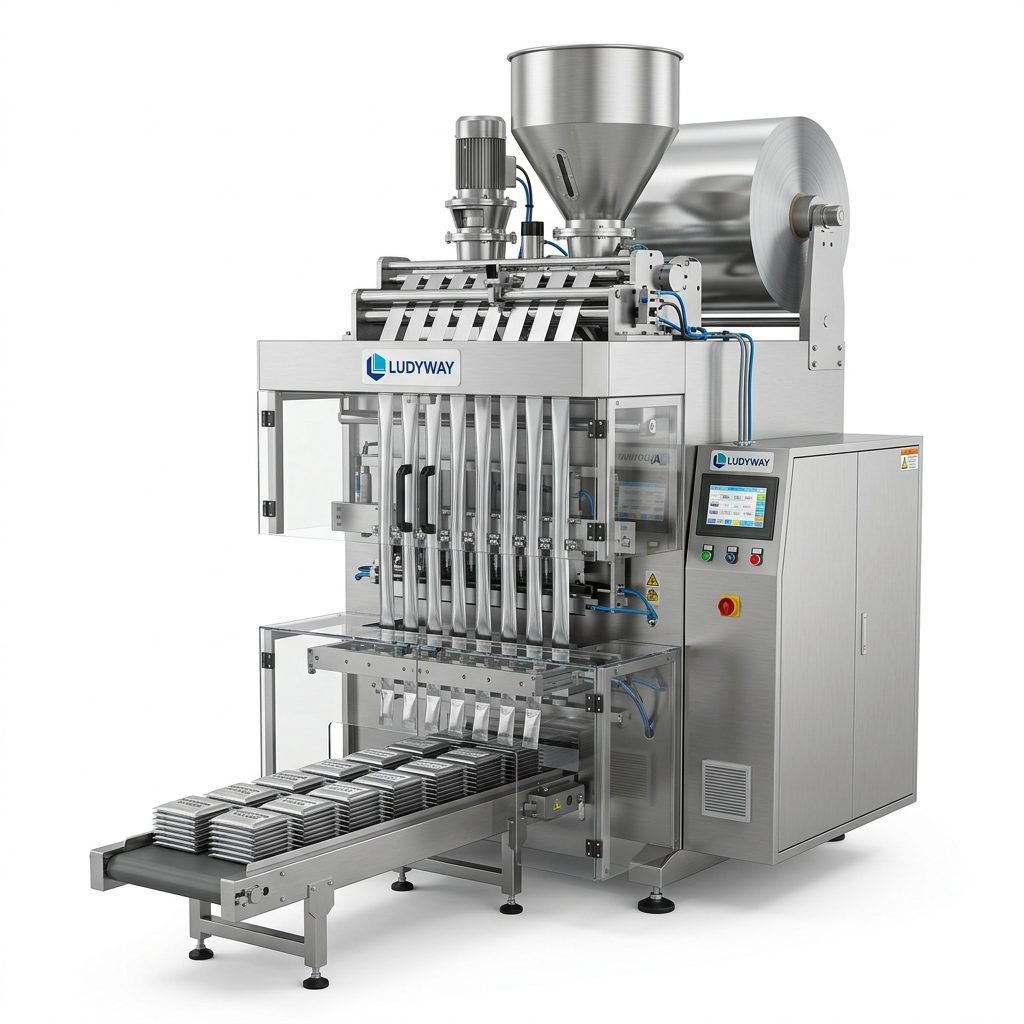
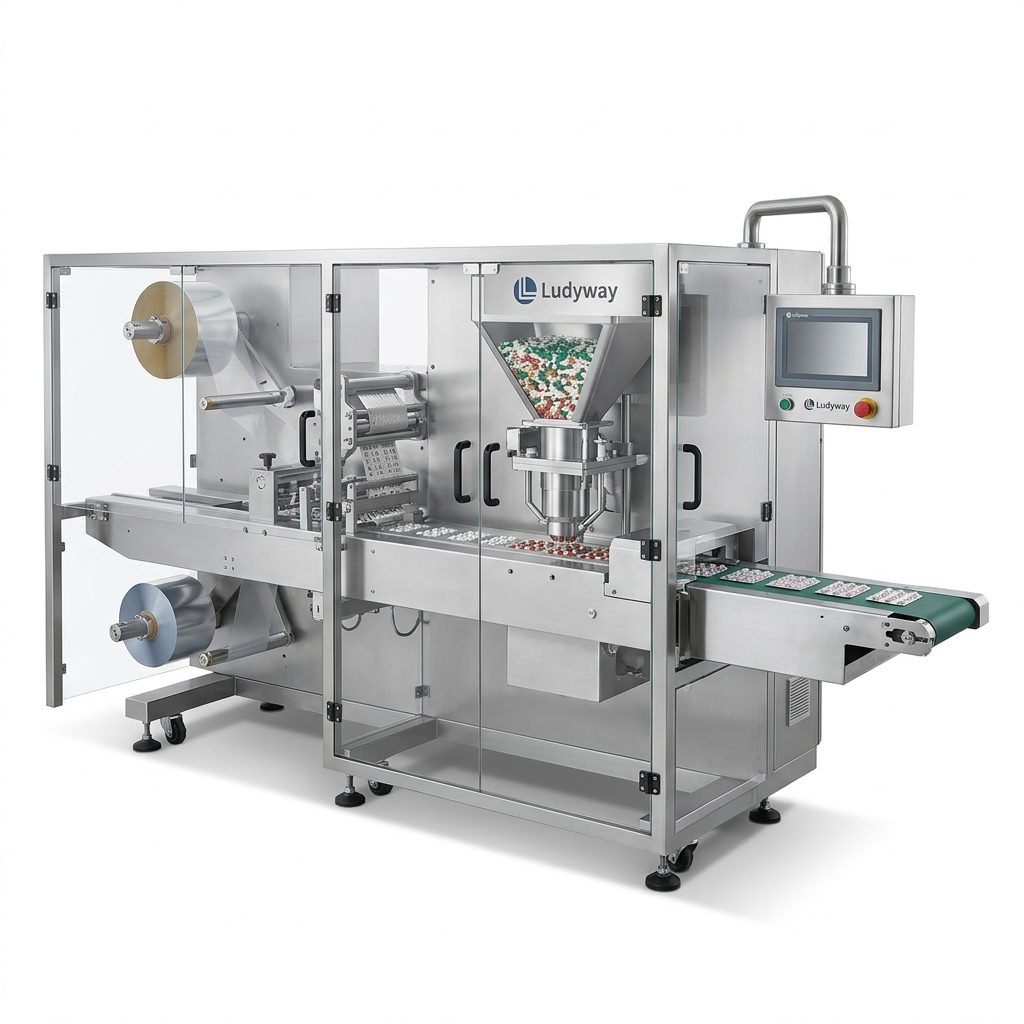
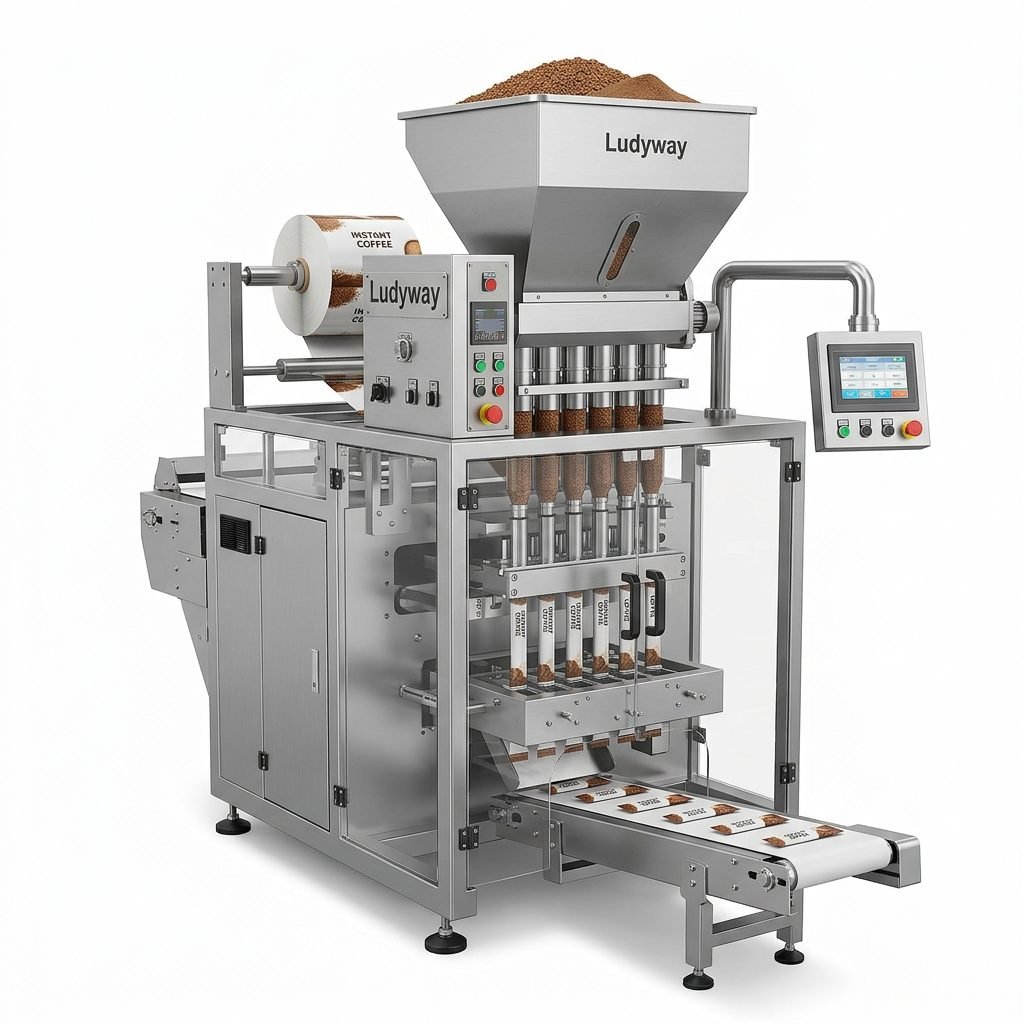
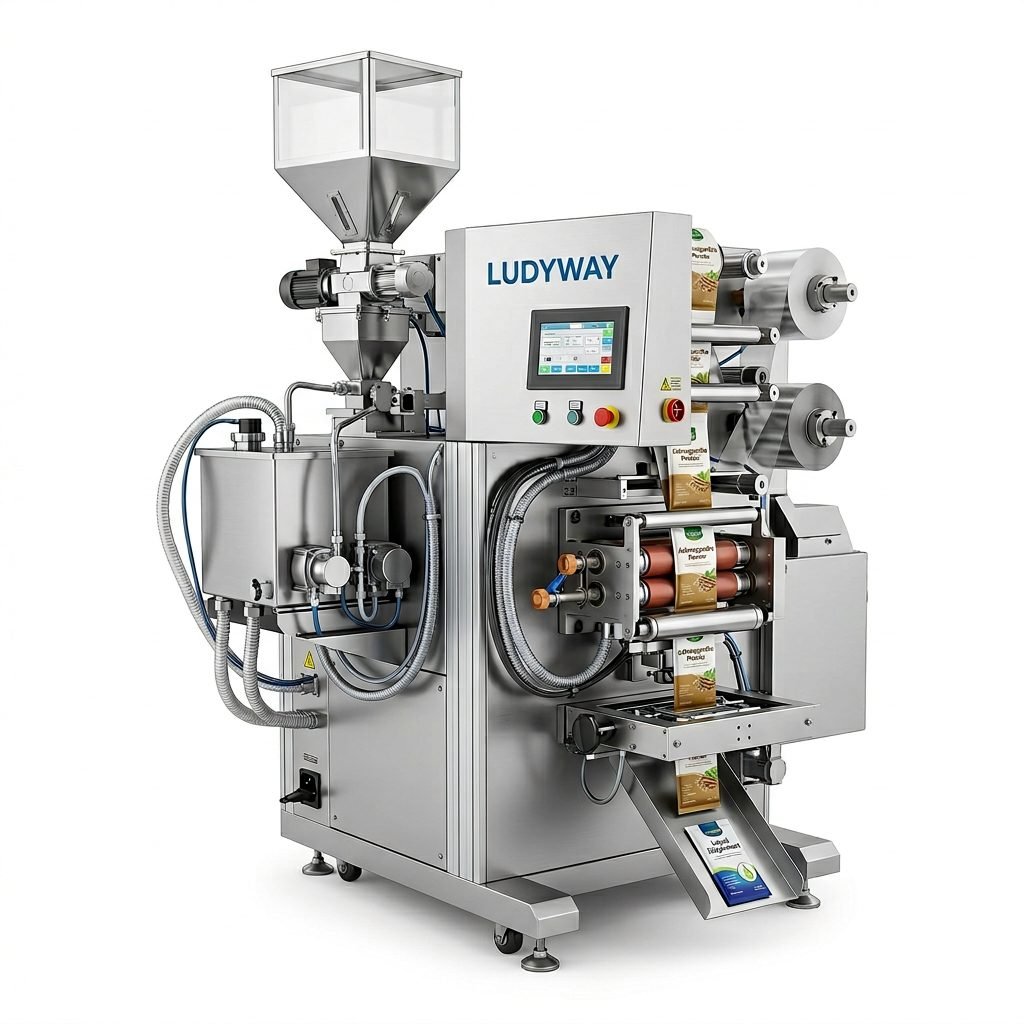
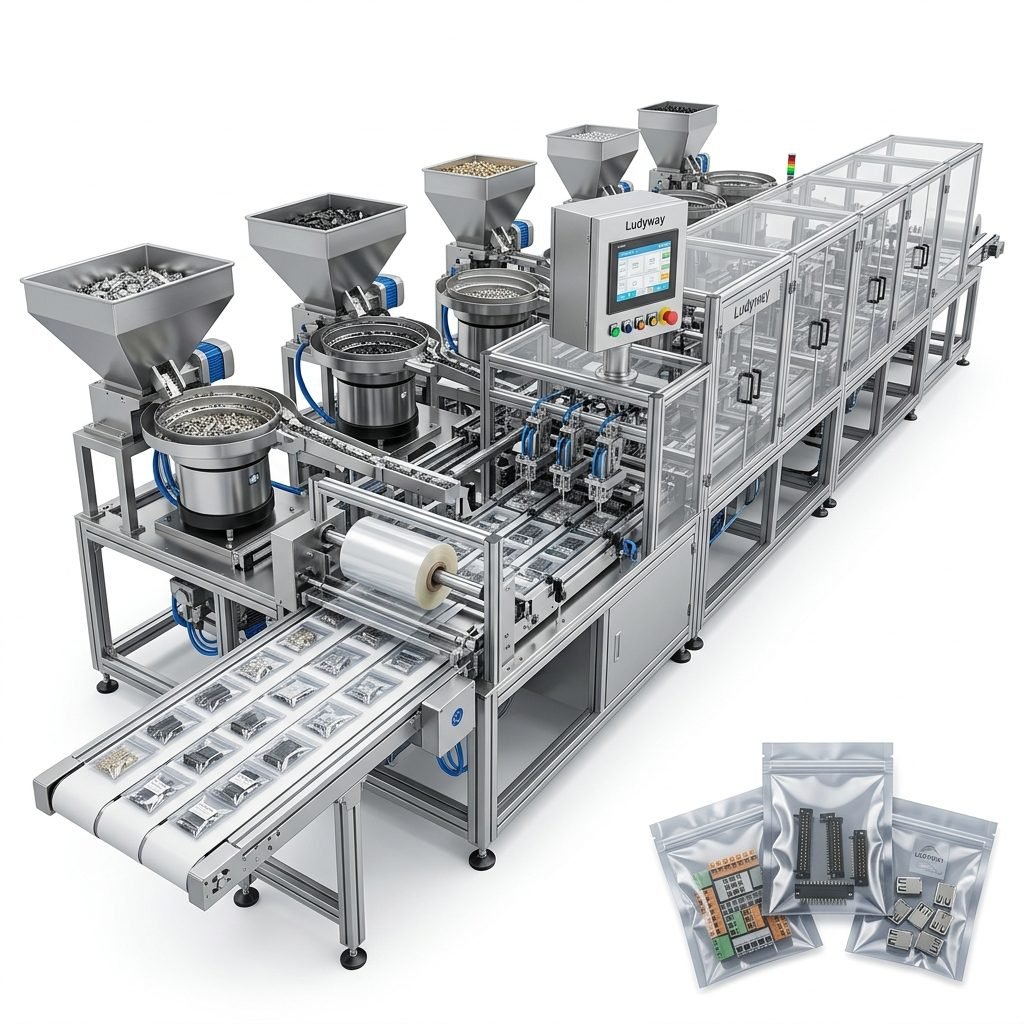
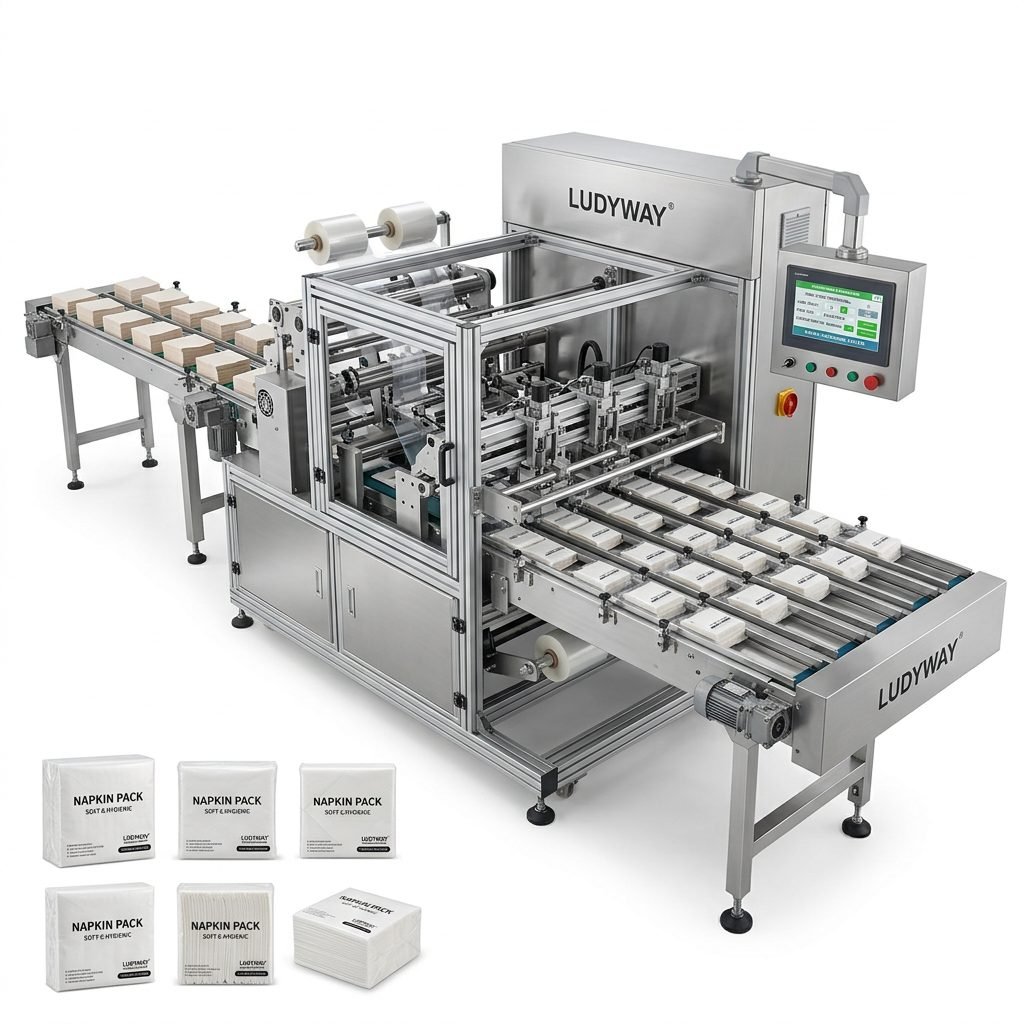
In the fast-paced world of food and beverage manufacturing, efficiency is not just a goal—it’s a necessity for survival and growth. As consumer demand increases and production cycles accelerate, the final stages of packaging—cartoning and case packing—often become critical bottlenecks. Manual handling at these stages is slow, prone to errors, and can compromise hygiene standards. This is where automatic cartoning and case packing solutions step in, transforming the end-of-line process into a seamless, high-speed, and reliable operation. These systems are engineered to handle a vast array of product types, from bottled beverages and snack pouches to frozen food trays and delicate confectionery, ensuring they are securely placed into cartons and then efficiently organized into shipping cases.
The Core Components of an Automated Packaging Line
An integrated automatic packaging system typically consists of two primary units working in harmony: the cartoner and the case packer.
The Automatic Cartoner: Precision in Primary Packaging
The automatic cartoner is responsible for taking individual products or multi-packs and inserting them into folded cartons. Modern machines are incredibly versatile, capable of handling various carton styles—like tuck-end, glue-end, or reverse-tuck—at impressive speeds. They perform a series of precise actions: erecting the flat carton blank, loading the product, and finally closing and sealing the carton. Advanced models feature vision systems and sensors to ensure every carton is perfectly formed and that the correct product is placed inside, dramatically reducing waste and rejected packages.
The Automatic Case Packer: Streamlining for Shipment
Once cartons are sealed, the case packer takes over. This machine automatically forms corrugated shipping cases, arranges the filled cartons into predetermined patterns (like 2×3 or 3×4), and gently but firmly loads them into the waiting case. After loading, the machine seals the case with hot melt glue or tape. The key benefit here is optimized logistics; patterns are designed to maximize space within the case and on the pallet, minimizing shipping costs and material use. Robotic case packers offer even greater flexibility, easily switching between different pack patterns for various SKUs with minimal downtime.
Tangible Benefits for Food & Beverage Producers
Implementing these solutions delivers a direct and significant impact on the bottom line and operational integrity.
→ Increased Production Speed & Output: Automated systems operate continuously at high speeds, far surpassing manual capabilities, allowing you to meet tight deadlines and scale production up or down as needed.
→ Substantial Labor Cost Reduction: Automating repetitive and physically demanding tasks reduces reliance on large manual teams, allowing staff to be redeployed to more value-added roles like quality control and machine supervision.
→ Uncompromised Hygiene & Safety: Minimizing human contact with the product is paramount in food processing. Automated systems provide a closed, controlled environment that reduces contamination risk and enhances compliance with strict standards like FDA, BRC, or HACCP.
→ Enhanced Consistency & Reduced Waste: Machines place every product and seal every carton with identical precision. This eliminates the variances of manual packing, leading to a more professional presentation, fewer damaged goods, and less material waste from improperly formed cartons or cases.
Choosing the Right Partner for Your Automation Journey
Selecting the right equipment provider is as crucial as selecting the technology itself. A partner with deep industry experience brings invaluable insight. For instance, Ludyway Packing Machine, with over 30 years of specialization in packaging for the food, pharmaceutical, and health industries, exemplifies the expertise needed. They understand that a one-size-fits-all approach doesn’t work. The best providers offer tailored solutions, assessing your specific products, line speed, factory layout, and future growth plans to recommend the optimal cartoning and case packing configuration.
Look for a partner that provides comprehensive support, from initial design and installation to training and ongoing maintenance. A provider with a broad portfolio, like one offering more than 50 intelligent packaging machine models, can often integrate the cartoning system seamlessly with your existing upstream filling and downstream palletizing equipment, creating a truly unified production line. Their global service network ensures you have support whenever needed, minimizing potential disruptions.
Future-Proofing Your Packaging Operations
The trend in packaging automation is moving toward greater intelligence and connectivity. The next generation of cartoning and case packing solutions will feature enhanced IoT (Internet of Things) capabilities, providing real-time data on machine performance, production counts, and maintenance needs. This facilitates predictive maintenance, preventing unexpected breakdowns. Furthermore, modern machines are designed for quick changeover, allowing producers to switch between different product formats or carton sizes in minutes, which is essential for catering to niche markets and limited-edition runs without sacrificing efficiency.
Sustainability is also a key driver. Automated systems contribute to a greener operation by optimizing material usage—ensuring the right size carton and case is used every time—and reducing energy consumption through efficient servo-driven motors. This aligns with both environmental goals and consumer expectations for responsible manufacturing.
Summary of Key Advantages
Integrating automatic cartoning and case packing delivers a powerful competitive edge through:
- Maximized Line Efficiency and throughput.
- Significant reduction in operational costs (labor & materials).
- Superior product protection and hygiene.
- Exceptional packaging consistency and quality.
- Scalability and flexibility to adapt to market changes.
Frequently Asked Questions (FAQs)
1. What types of products can be handled by automatic cartoning systems?
Modern systems are highly adaptable. They can handle a wide range, including bottled drinks, cans, pouches (stand-up, flat), blister packs, trays, bags, and vials. The key is working with your supplier, like experienced packaging experts, to configure the right picking and loading mechanism (e.g., robotic grippers, pushers, buckets) for your product’s shape, weight, and fragility.
2. How difficult is it to integrate this automation into an existing production line?
Integration is a standard process for qualified suppliers. A professional site audit is conducted to assess line speed, conveyor heights, spacing, and control systems. The new cartoner and case packer are then designed to interface seamlessly with your upstream filling/capping machines and downstream palletizers, often using standardized communication protocols. Proper planning minimizes integration downtime.
3. What is the typical return on investment (ROI) for such equipment?
ROI periods can vary but often range from 1 to 3 years. The calculation is based on savings from reduced labor costs, lower material waste, increased output capacity, and decreased product damage. A detailed analysis provided by your equipment partner will project your specific payback period based on your current operational costs and expected gains.
4. Can these machines handle frequent changeovers for different product SKUs?
Yes, this is a major focus of contemporary design. Many machines feature quick-change tooling and recipe-driven controls. Operators can select a pre-set recipe on the HMI (Human-Machine Interface), and the machine automatically adjusts carton magazine sizes, product patterns, and sealing parameters, enabling changeovers in as little as 10-15 minutes.
5. What kind of maintenance do automatic cartoners and case packers require?
Routine maintenance is essential for longevity and reliability. It typically includes daily cleaning, lubrication of moving parts, and inspection of seals and grippers. Most reputable suppliers offer comprehensive training for your maintenance staff and provide clear manuals. Choosing a partner with a strong global service network, such as Ludyway Machinery, ensures access to spare parts and technical support to keep your line running smoothly.