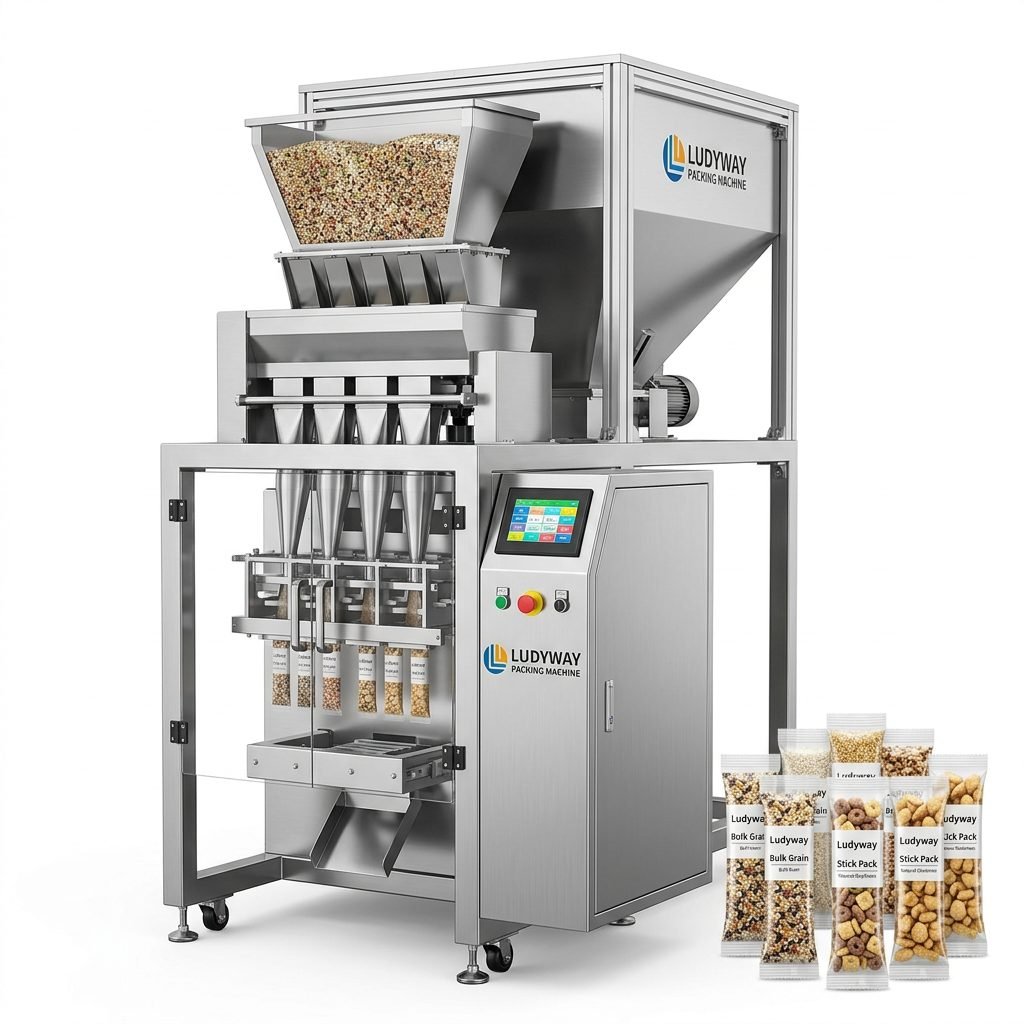
Selecting the right bubble packaging machine is a critical decision for manufacturers shipping fragile, high-value, or sensitive products. Whether you run an e-commerce fulfillment center, an electronics assembly line, or a medical device packaging operation, the right equipment can reduce product damage, lower shipping costs, and improve throughput. This guide walks you through every factor to evaluate before making a purchase.

Understanding Bubble Packaging Machines
A bubble packaging machine automates the process of creating or applying cushioning material—typically air-filled bubble film—around products to protect them during transit. These machines range from compact, on-demand air pillow systems for low-volume pack stations to high-speed inline bubble wrap manufacturing lines integrated into automated packaging workflows. Choosing the correct configuration depends on your product characteristics, throughput requirements, and facility layout.
According to industry data from the Flexible Packaging Association, protective packaging continues to grow as e-commerce and direct-to-consumer shipping expand globally. Investing in the right machinery early can position your operation for scalable growth.
Key Factors to Consider When Choosing a Bubble Packaging Machine
Product Type and Protection Requirements
The nature of your products dictates the level of cushioning needed. Fragile electronics, glassware, and medical instruments require consistent, high-quality bubble cushioning with specific bubble heights and film thicknesses. Evaluate whether your machine needs to produce small bubble film for lightweight items or large bubble film for heavier, bulkier products. Some machines offer adjustable bubble sizes, while others are fixed.
Production Volume and Speed
Throughput is a decisive factor. A small e-commerce pack station may only need a tabletop air pillow machine producing 10–15 pillows per minute, while a high-volume distribution center might require fully automated systems capable of generating 30 meters of bubble film per minute or more. Match machine speed to your peak packaging demands, not just average daily output.
- Low volume: Manual or semi-automatic air pillow machines
- Medium volume: Automatic bubble film dispensers with integrated cutting
- High volume: Inline bubble extrusion systems with automated wrapping and sealing stations
Packaging Material Compatibility
Not all bubble packaging machines handle every film type. Verify compatibility with polyethylene (PE), recycled content films, anti-static films for electronics, and biodegradable or compostable bubble materials. The U.S. EPA’s sustainable materials management guidelines increasingly influence packaging decisions, and many manufacturers now seek machines that run eco-friendly films without sacrificing performance.
Machine Footprint and Factory Integration
Measure your available floor space and ceiling clearance. Vertical bubble film towers save floor space but require height, while horizontal systems may need more square footage. Consider whether the machine will stand alone or integrate into an existing packaging line with conveyors, case sealers, and palletizing equipment. Modular designs offer greater flexibility if you plan to scale operations later.
Types of Bubble Packaging Machines
Understanding the different categories of equipment helps narrow your selection. Below is a comparison of the four primary types:
| Machine Type | Best For | Key Advantage | Typical Output |
|---|---|---|---|
| Air Pillow Machines | E-commerce, small parcel shipping | On-demand operation, compact footprint | 10–25 pillows/min |
| Bubble Film Extruders | Large-scale cushioning production | In-house film production, lower material cost | 20–40 m/min |
| Automatic Bubble Wrappers | High-volume 3PL, electronics, furniture | Fully integrated wrapping and sealing | Up to 15 packages/min |
| Bubble Bag & Envelope Systems | Small items, books, cosmetics | Pre-formed bubble bags with auto-sealing | 10–30 bags/min |
Technical Specifications That Matter
Beyond machine type, examine these technical details closely before committing to a purchase:
- Bubble height range: Typically 4mm to 30mm; larger bubbles provide more cushioning for heavy items
- Film thickness capability: Machines should handle 40–150 micron films reliably
- Power requirements: Voltage and phase compatibility with your facility (220V/380V, single or three-phase)
- Control system: PLC-based controls with touchscreen interfaces enable precise adjustments and diagnostics
- Air source: Some machines require external compressed air; verify CFM and PSI requirements
- Noise level: Important for operator comfort in continuous-production environments
Industry Standards and Compliance
Depending on your end market, bubble packaging equipment may need to meet specific regulatory requirements. For food-contact packaging, consult FDA food packaging and food contact substances guidelines. Medical device manufacturers should reference ISO 11607 packaging for terminally sterilized medical devices. The PMMI packaging industry resources portal offers comprehensive guidance on machinery safety standards and market requirements across multiple sectors.
European buyers should also review the European Commission packaging and packaging waste regulations, which increasingly affect material choices and machine design specifications.

Evaluating Suppliers and Manufacturers
Your choice of supplier affects not just the initial purchase but years of operational reliability. When evaluating bubble packaging machine manufacturers, prioritize these criteria:
- Industry experience: Look for manufacturers with a track record of serving your vertical. A supplier familiar with pharmaceutical, electronics, or food packaging will understand applicable standards and pain points.
- After-sales support: Confirm availability of spare parts, technical assistance, and on-site service. Remote troubleshooting capabilities are increasingly valuable for minimizing downtime.
- Customization capability: Not every operation fits a standard machine. Suppliers offering custom engineering and turnkey integration can tailor solutions to your exact requirements.
- Manufacturing quality: Visit the production facility if possible, or request video walkthroughs. Look for ISO-certified quality management and robust component sourcing.
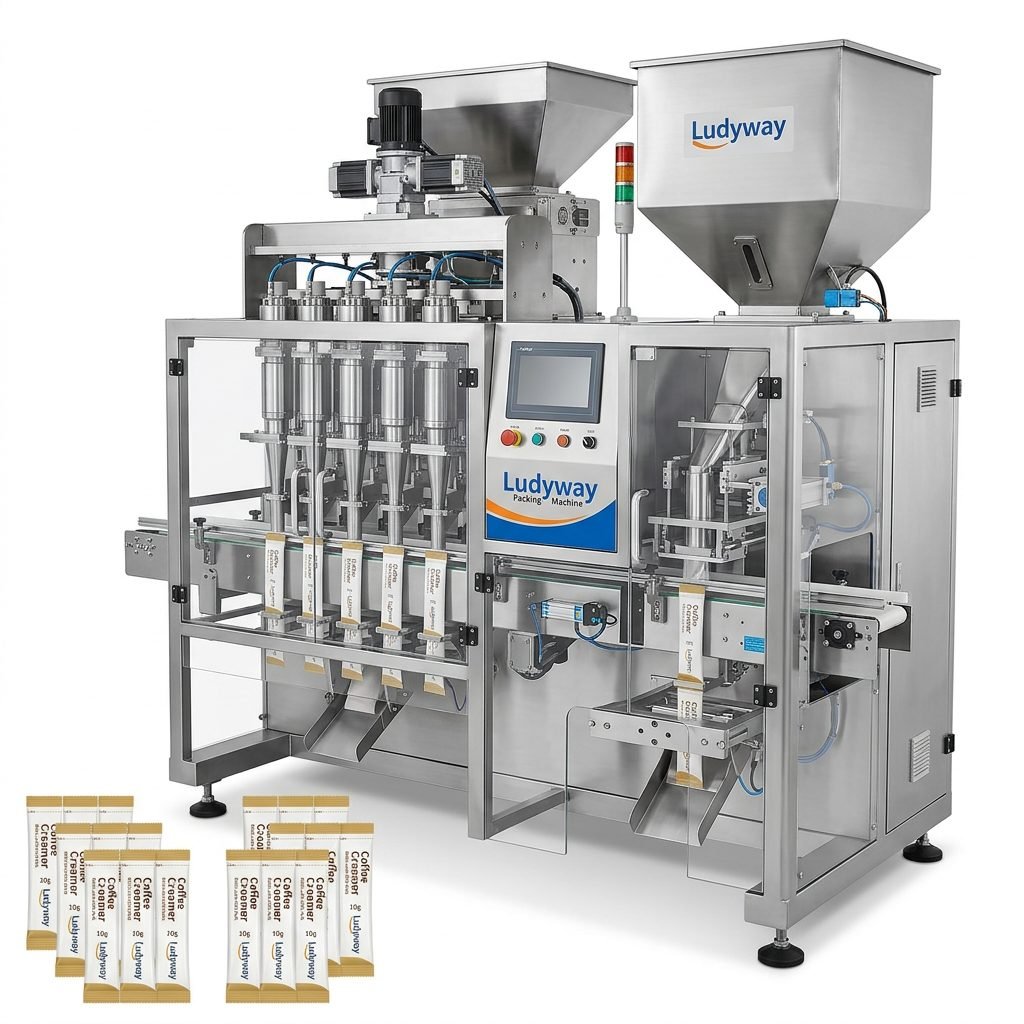
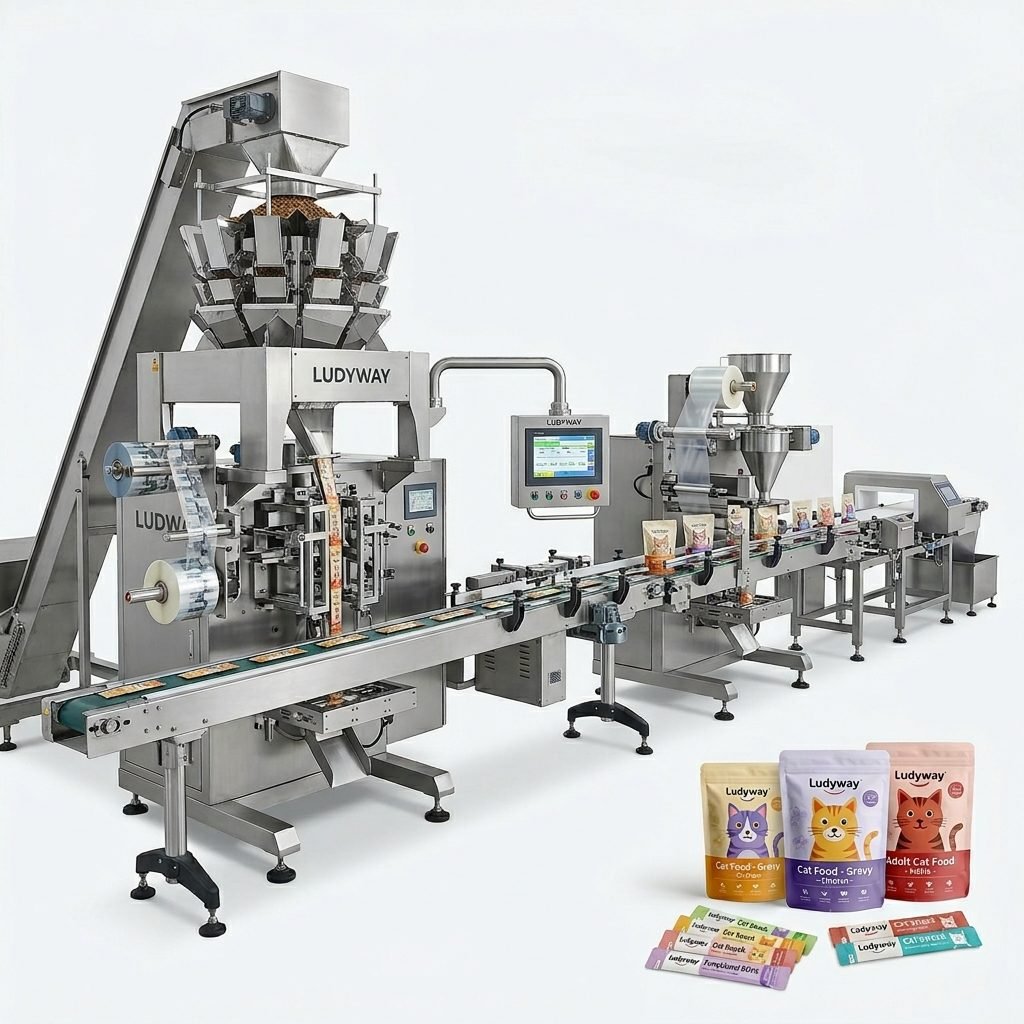
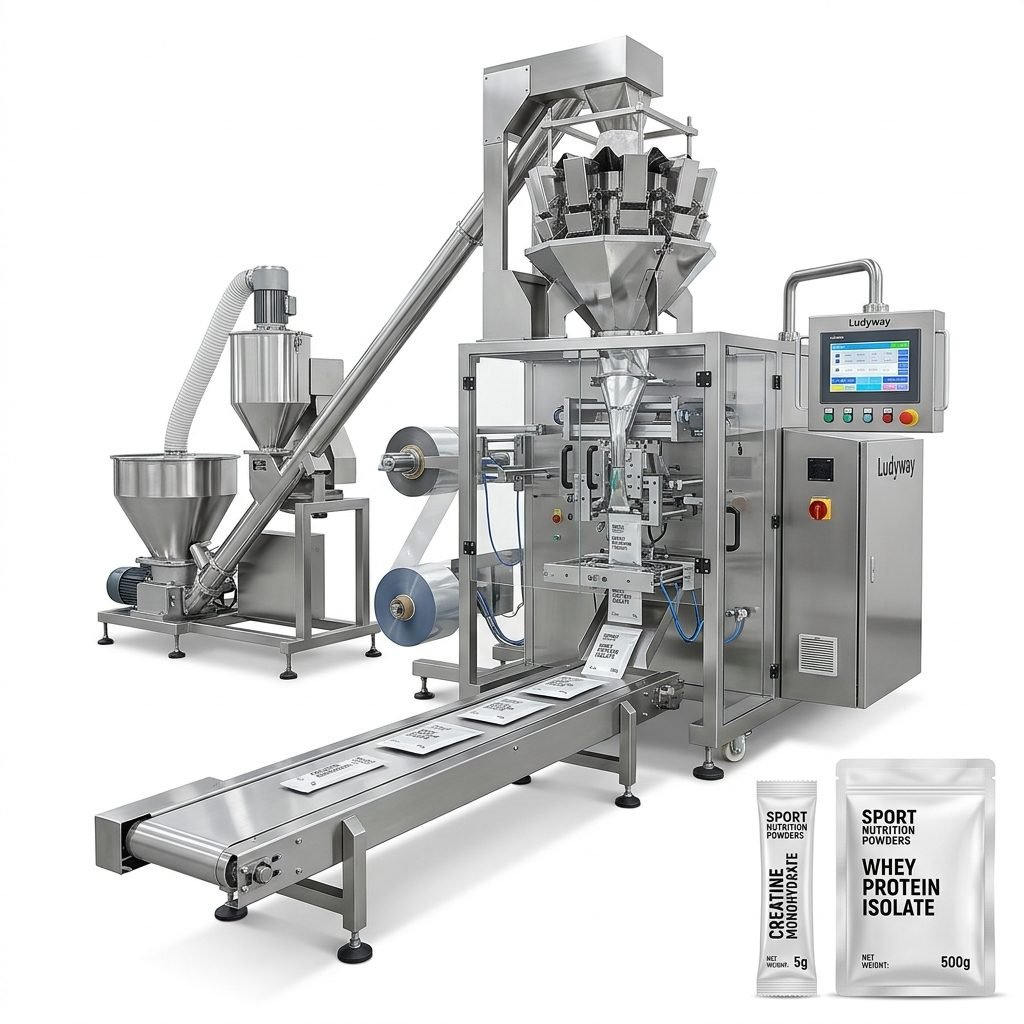
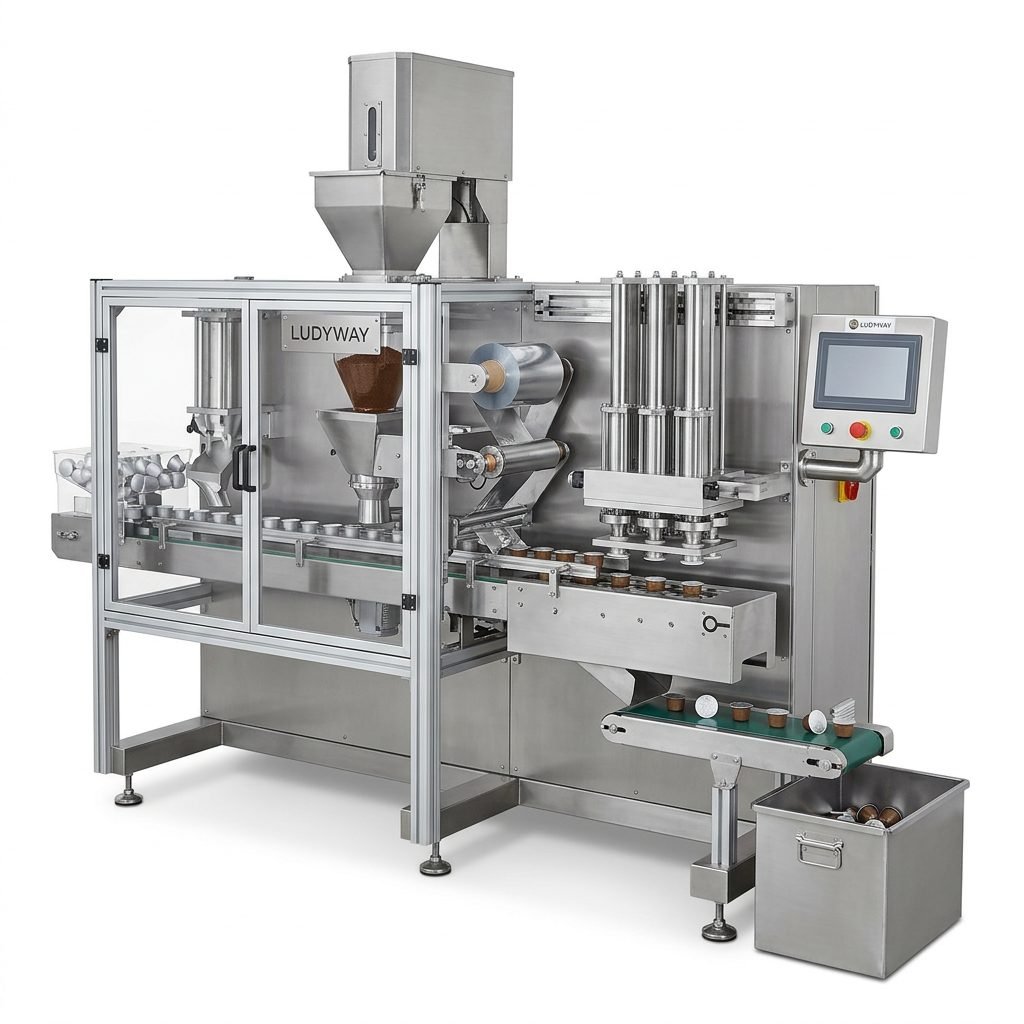
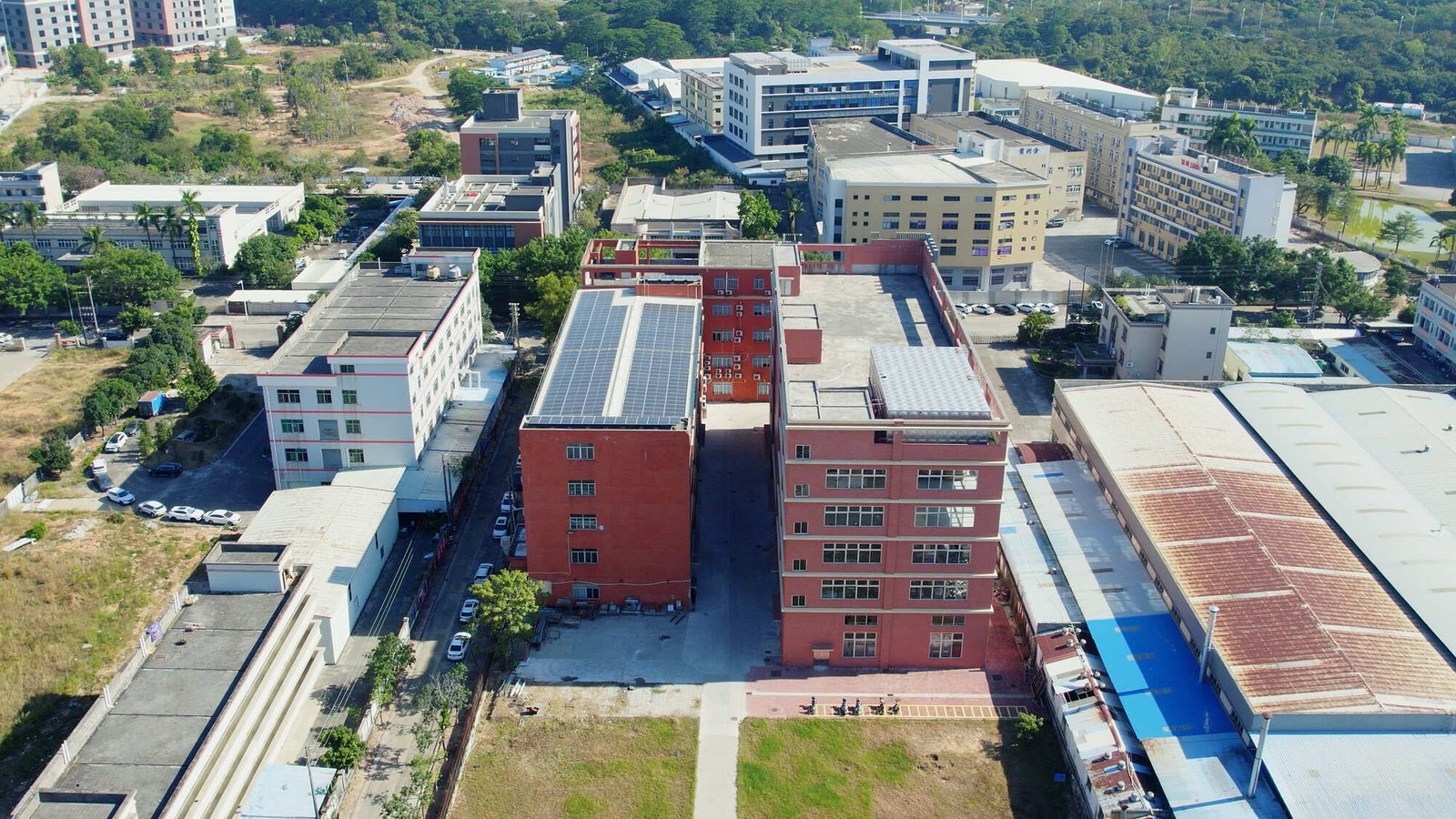
As an example, Ludyway Machinery combines a 20,000-square-meter manufacturing facility with over 30 years of packaging industry experience, offering customized packaging machinery solutions across food, pharmaceutical, cosmetic, and chemical sectors. Their engineering team works directly with manufacturers to configure equipment that matches specific product and production requirements.
Cost Considerations and ROI
Purchase price alone does not determine total cost of ownership. Calculate the following to understand long-term ROI:
- Film cost per unit packaged: In-house bubble film production can reduce material costs by 30–50% compared to pre-purchased rolls
- Labor savings: Automated systems typically reduce packaging labor by 40–60%
- Damage reduction: Consistent, machine-applied cushioning lowers product damage rates, directly impacting returns and replacement costs
- Energy consumption: Compare kW ratings across comparable models; efficiency differences compound over years of operation
- Maintenance contracts: Factor in annual service agreements and expected spare parts consumption
Making the Final Decision
Selecting a bubble packaging machine requires balancing multiple variables: product protection needs, production volume, material flexibility, facility constraints, and budget. Start by documenting your current and projected packaging volumes, then evaluate machines that meet or slightly exceed those requirements to allow for growth. Request sample runs from shortlisted suppliers using your actual products and preferred packaging materials. Finally, verify the manufacturer’s support infrastructure in your region—prompt service access can be the difference between minimal downtime and costly production halts.
For the most current market data and industry benchmarks, the PMMI business intelligence library and Flexible Packaging Association industry data provide regularly updated reports on packaging machinery trends, technology adoption, and economic forecasts that can inform your purchasing timeline.