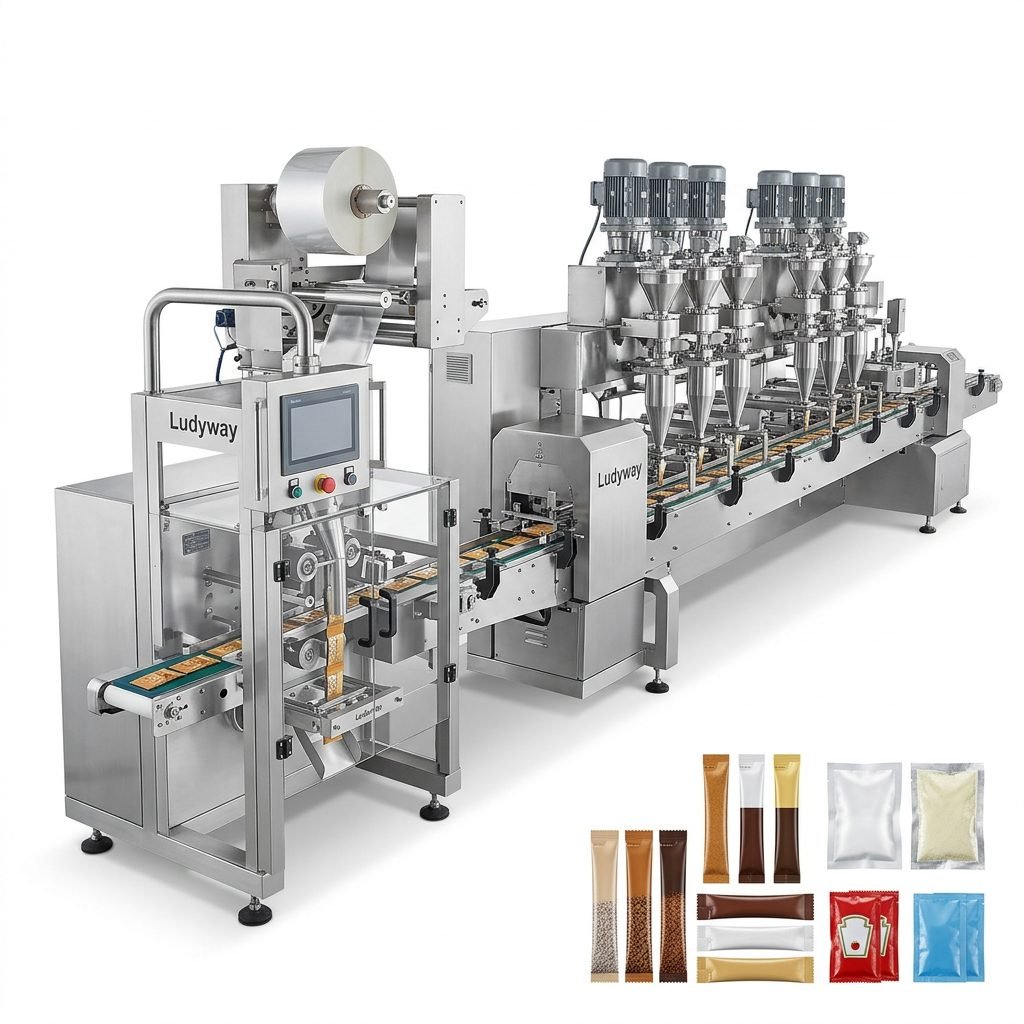
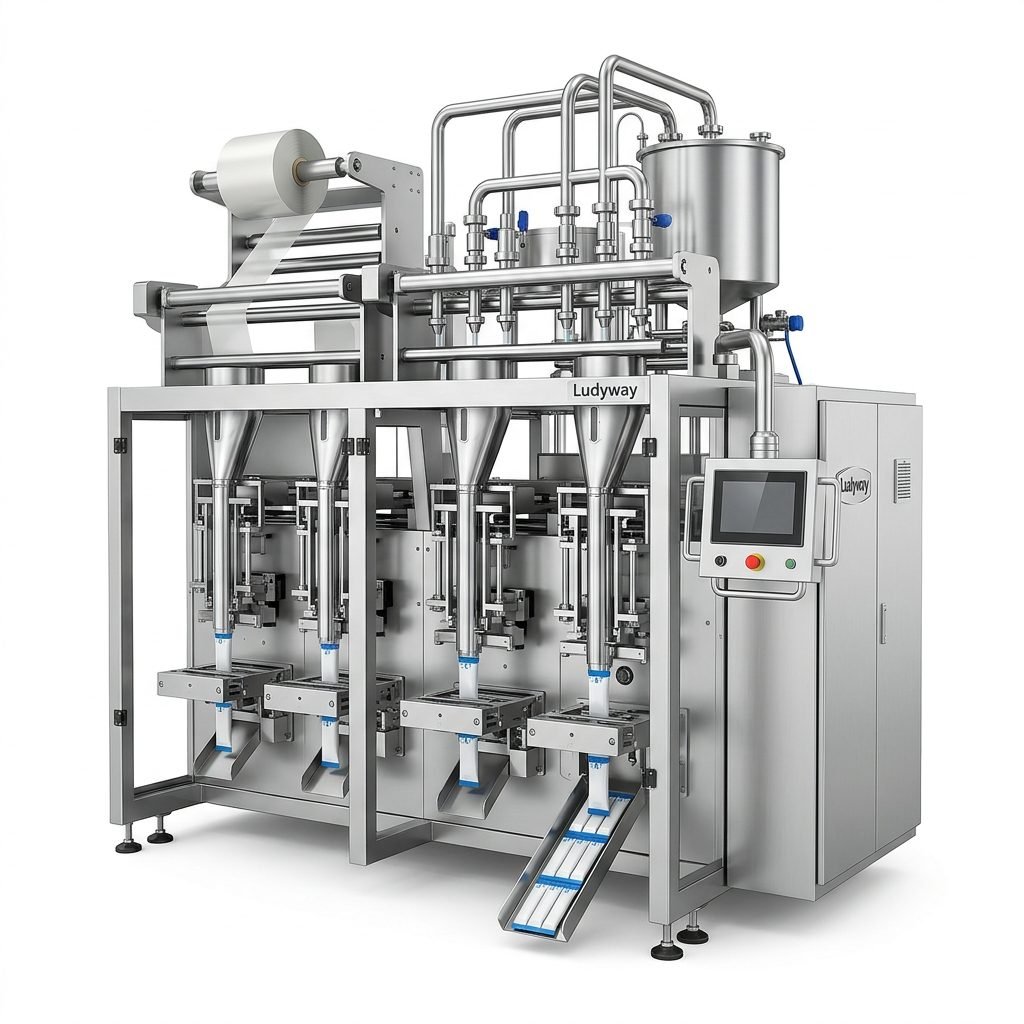
Bulk grain packaging requires more than speed alone. Manufacturers, food processors, agricultural suppliers, and wholesale distributors need a grain packing machine that can deliver stable output, precise weighing, low product loss, and dependable sealing performance across long production cycles. Whether you package rice, wheat, corn, beans, seeds, feed pellets, flour-based granules, or mixed dry goods, the right system can transform labor-heavy packaging into a streamlined and scalable operation.
Modern grain packing solutions are designed to meet the demands of high-volume operations while maintaining pack consistency, hygiene, and traceability. For businesses aiming to improve packaging efficiency, reduce manual handling, and support future growth, choosing the correct machine configuration is a critical investment.
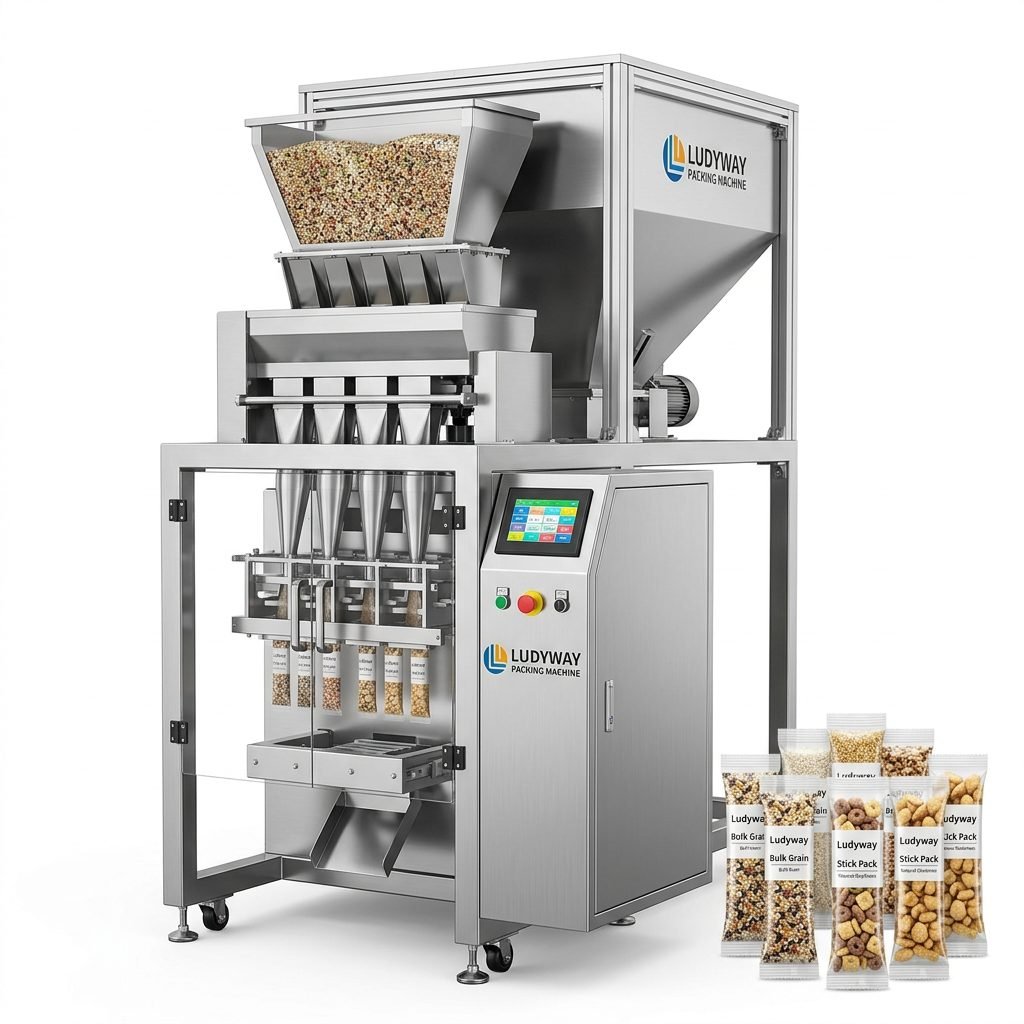
What Is a Grain Packing Machine?
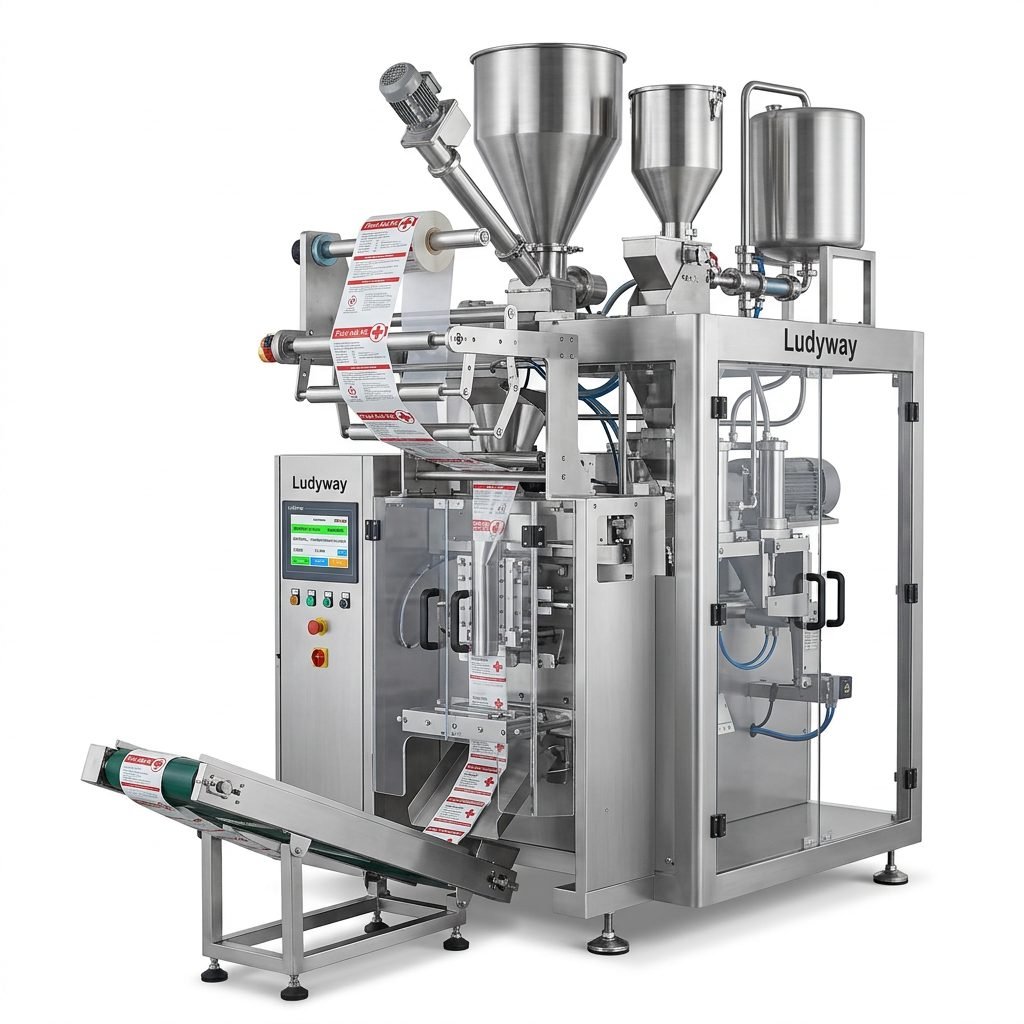
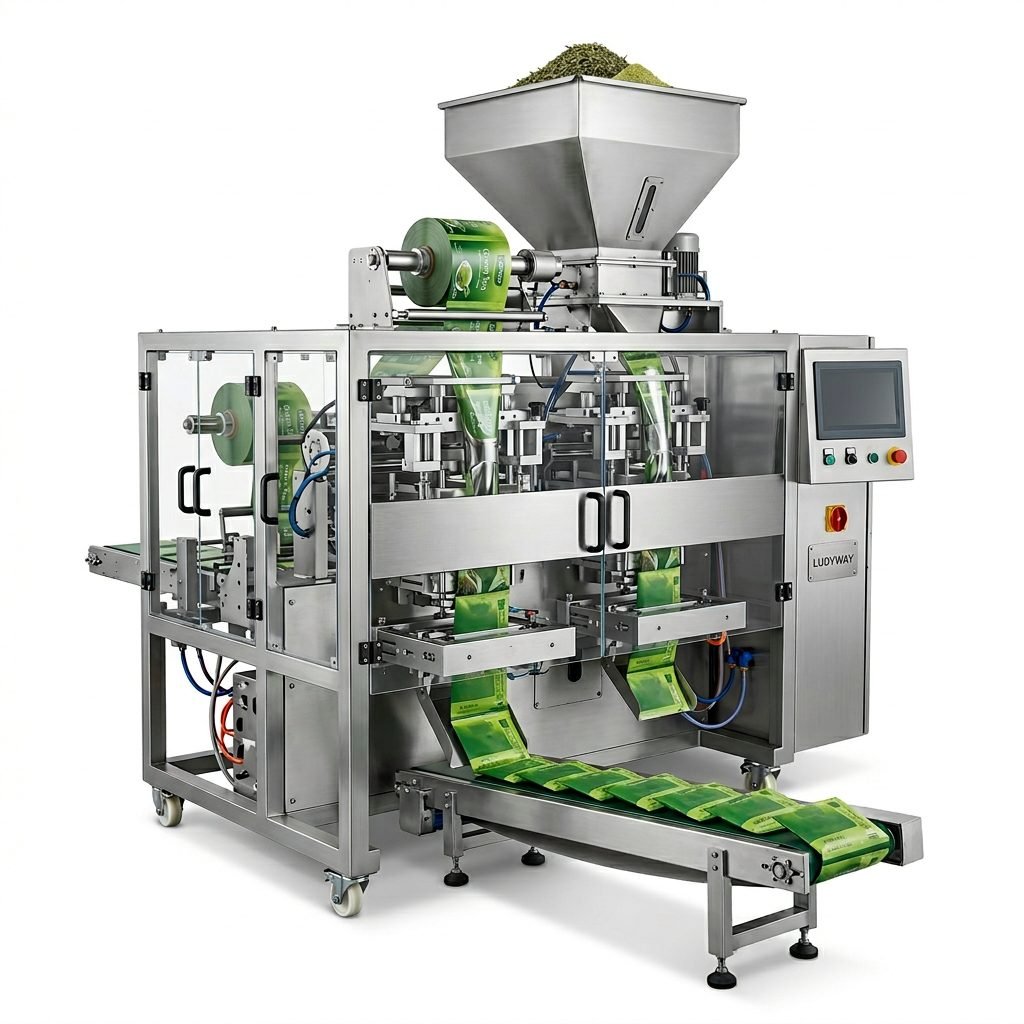
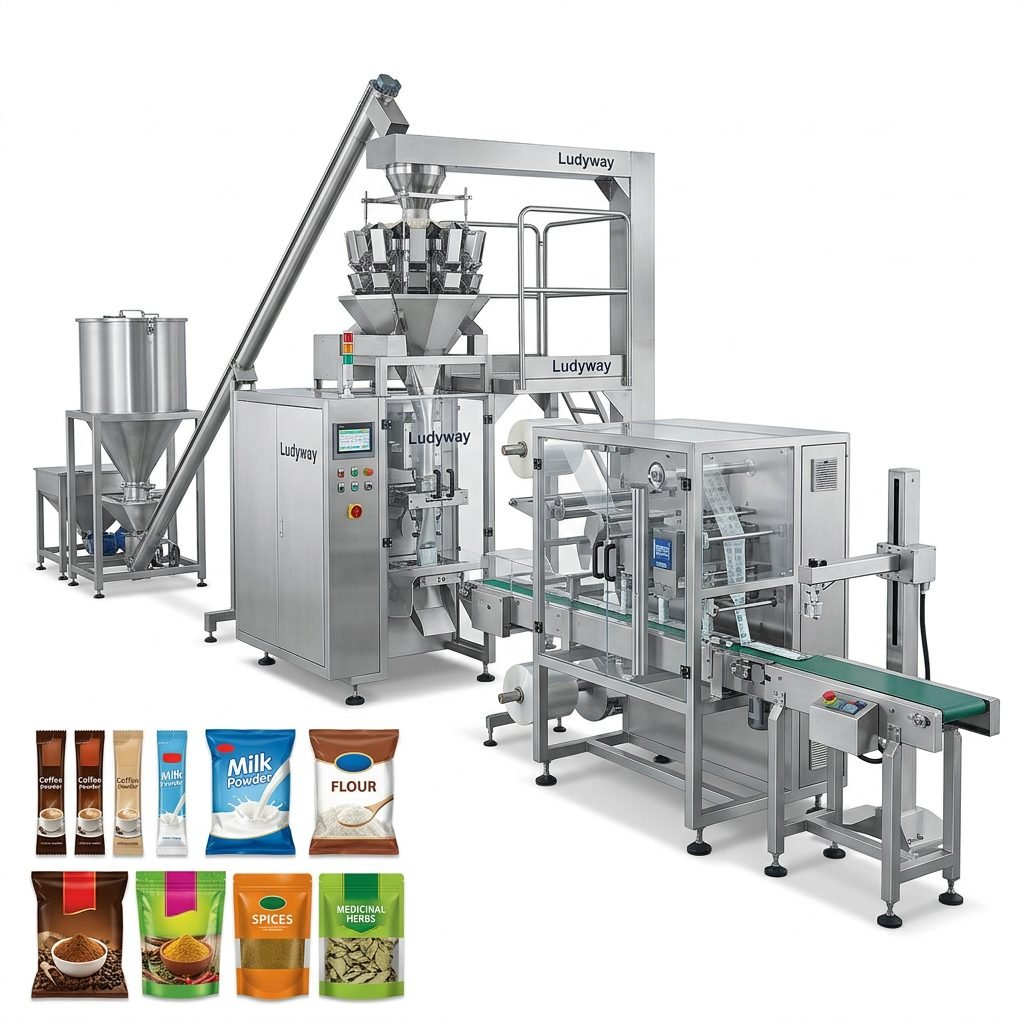
A grain packing machine is an automated system used to weigh, fill, form, seal, and discharge packaged grain products into bags, sachets, pouches, or larger bulk sacks. Depending on the product and target packaging format, the machine may use volumetric dosing, auger filling, linear weighers, or multi-head weighing technology.
These machines are widely used in:
- Rice mills and grain processing plants
- Food manufacturing facilities
- Agricultural product packaging centers
- Animal feed production lines
- Wholesale and export packaging operations
- Retail-ready private label production
Why Fast and Accurate Bulk Packaging Matters
In competitive grain markets, packaging efficiency directly affects cost control, delivery speed, and customer satisfaction. A poorly matched system can create bottlenecks, inconsistent pack weights, excess dust, seal failure, and unnecessary downtime. By contrast, a well-designed solution improves every stage of the packaging process.
- Higher throughput for bulk and retail demand
- Improved weighing accuracy to reduce giveaway
- Better seal integrity for transportation and storage
- Cleaner production with less product spillage and dust
- Lower labor dependence through automation
- More consistent product presentation for retail channels
Common Grain Products That Can Be Packed
A versatile grain packing machine can handle a broad range of free-flowing and semi-free-flowing materials. Product characteristics such as particle size, moisture, dust level, and density all influence machine design.
| Product Type | Typical Packaging Format | Recommended Filling Method |
|---|---|---|
| Rice | Pouches, pillow bags, woven bags, retail packs | Linear weigher or multi-head weigher |
| Wheat, barley, oats | Bulk sacks, bags, pouches | Weighing system with conveyor feeding |
| Corn kernels | Bags, stand-up pouches, bulk packaging | Volumetric cup or weighing filler |
| Beans and pulses | Premade pouches, pillow bags | Multi-head weighing |
| Seeds | Small sachets, pouches, retail packs | Precision weighing or volumetric dosing |
| Feed pellets and granules | Large bags and industrial sacks | Net weigh bagger |
Main Types of Grain Packing Machines
Vertical Form Fill Seal Machines
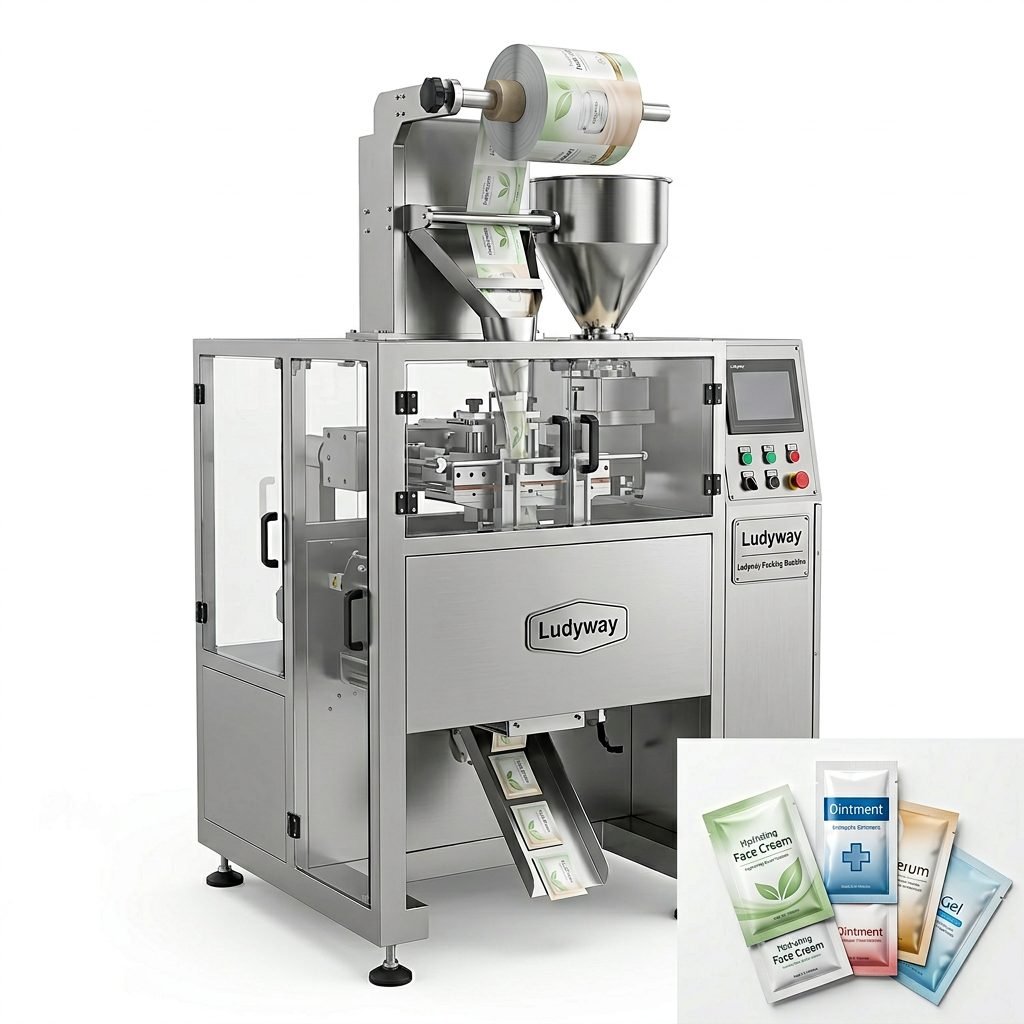
These systems form the bag from roll film, fill it with measured product, and seal it automatically. They are ideal for pillow bags, gusset bags, and some quad-seal applications. They are widely used for rice, grains, seeds, and snack-like dry products.
Open-Mouth Bagging Machines
Suitable for larger bag sizes such as 5kg, 10kg, 25kg, and 50kg. These systems are often chosen for flour mills, feed plants, and industrial grain operations that require robust bagging performance and pallet-ready output.
Premade Pouch Packing Machines
For brands focused on retail appearance, premade pouch systems support zipper pouches, stand-up pouches, and special shapes. They are often selected for premium rice, mixed grains, or healthy snack grain blends.
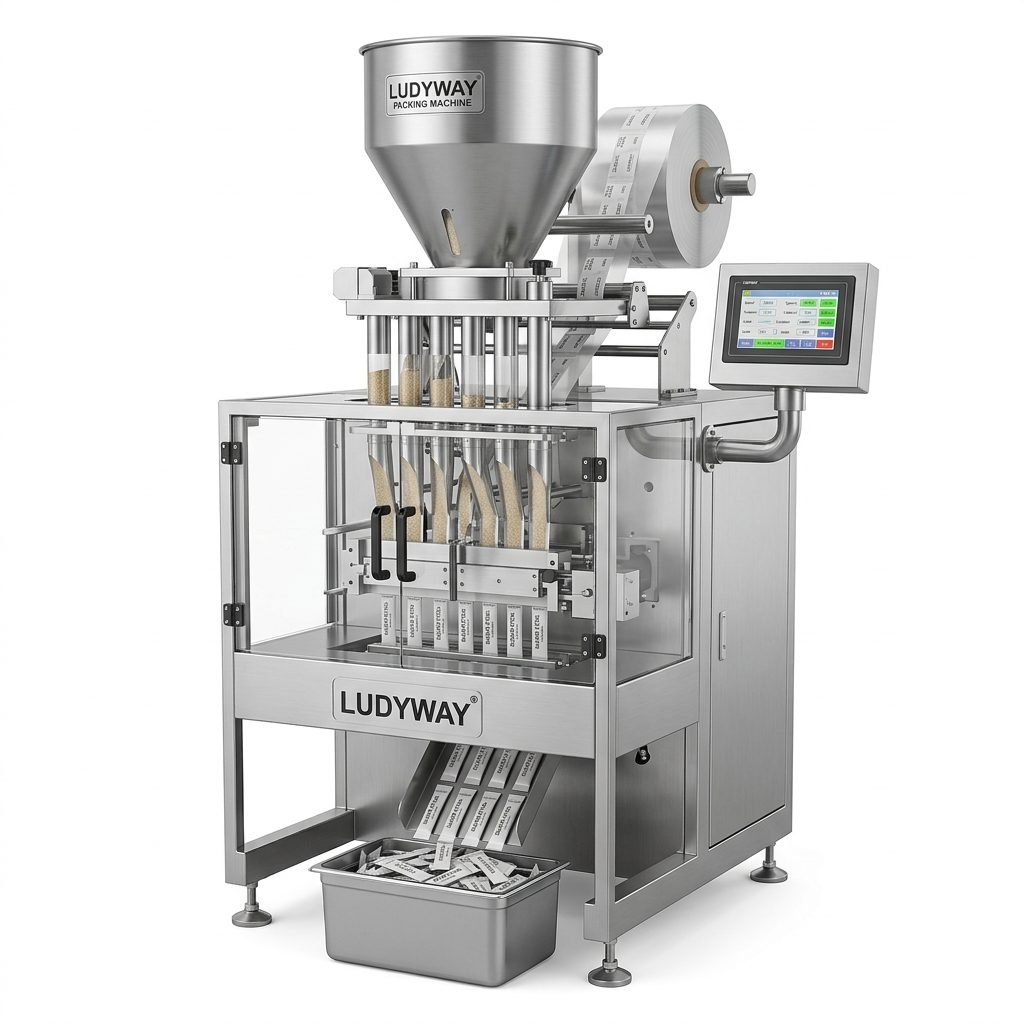
Multi-Lane Sachet and Stick Pack Systems
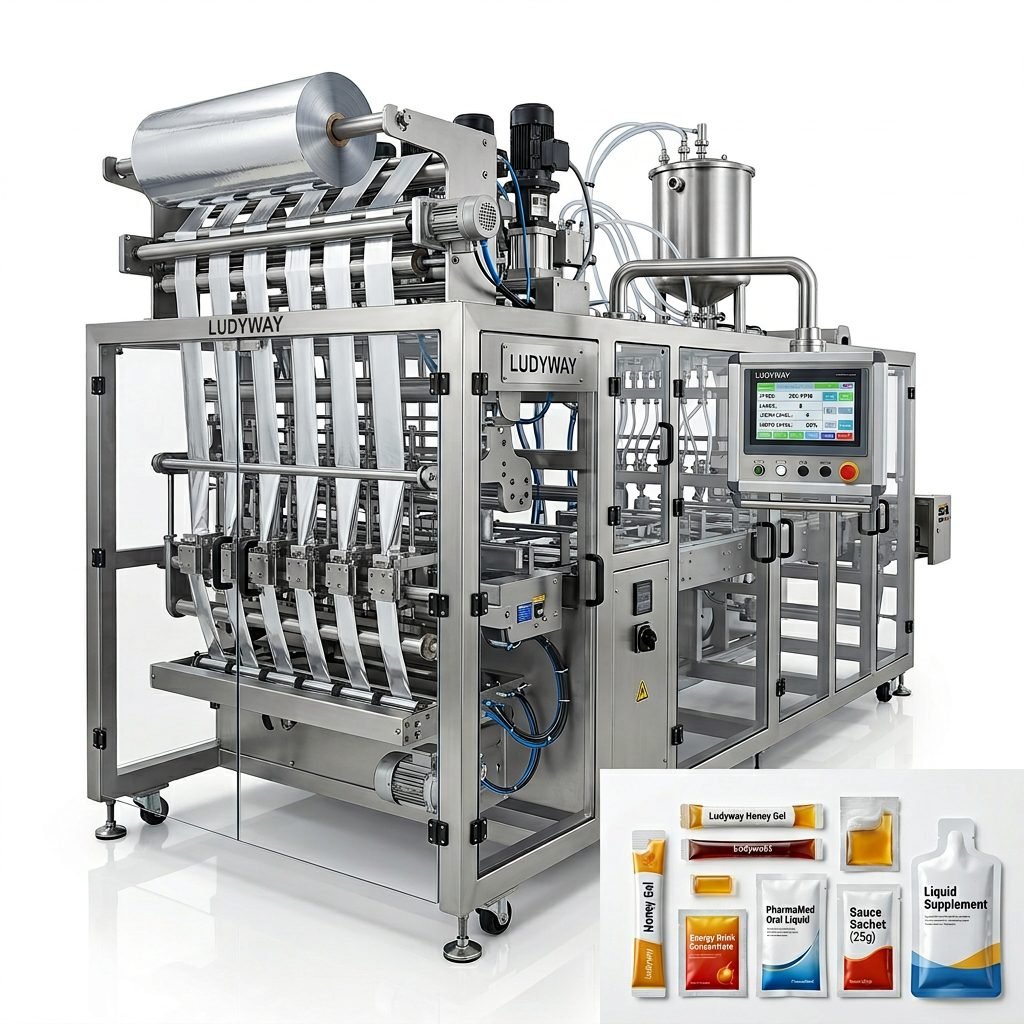
Best suited for small-dose grain powders, cereal blends, instant grain drinks, nutritional products, or sample-size applications where high output and compact packs are needed.
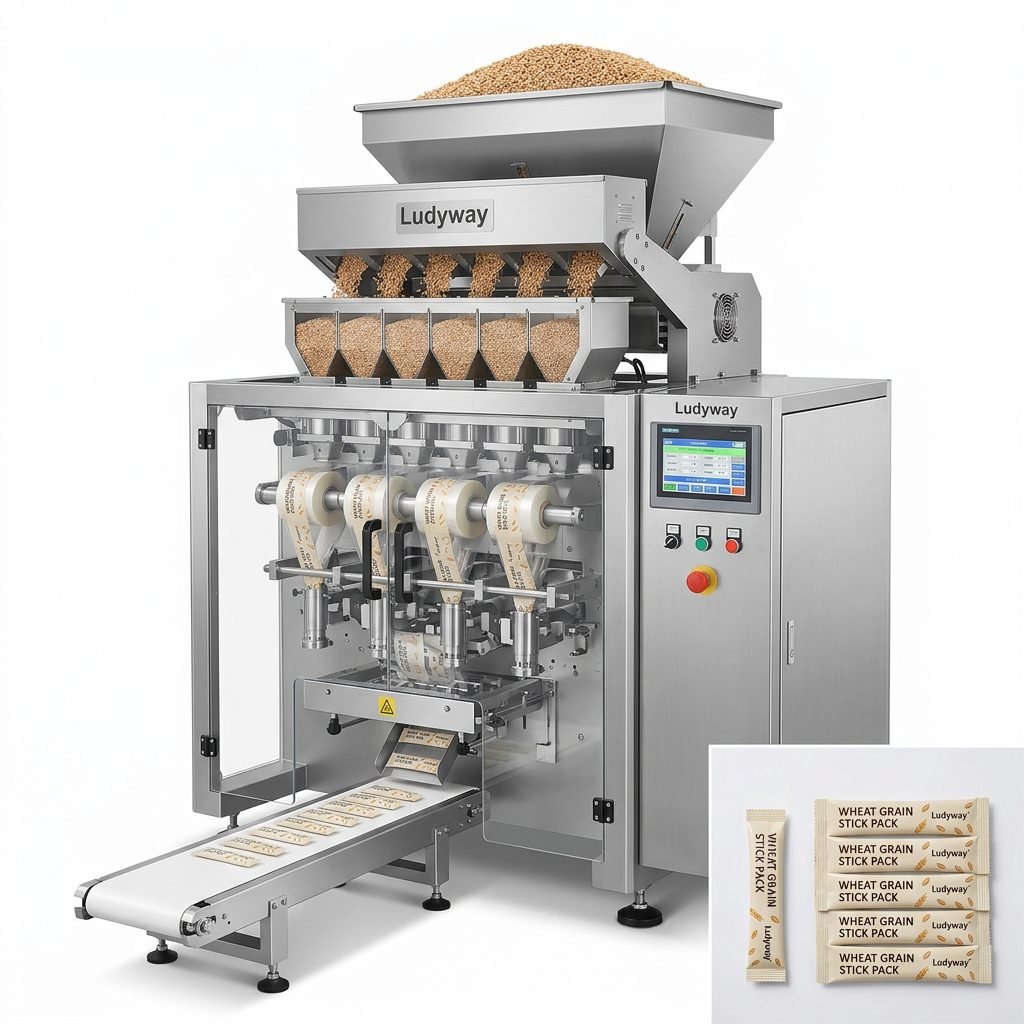
Key Features to Look for in a Grain Packing Machine
Not all systems offer the same long-term value. Buyers should focus on practical performance indicators rather than only headline speed.
- Accurate weighing system
Precision matters because even small overfills can add significant annual cost in high-volume production. - Stable feeding design
Smooth product flow helps maintain speed and reduces bridging, blockage, and inconsistent discharge. - Strong sealing performance
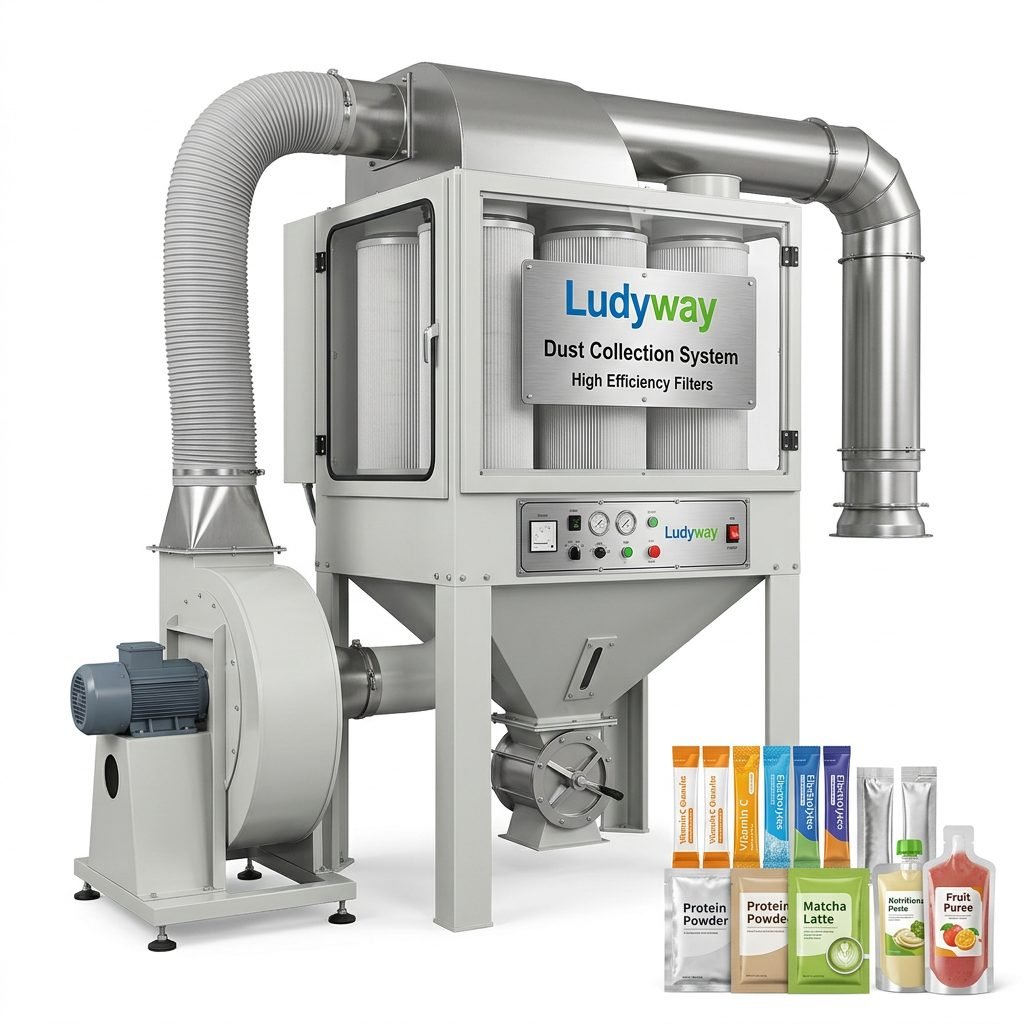
Reliable heat sealing protects grain from moisture, contamination, and handling damage. - Dust control capability
Important for grain powders, fine cereals, and dry feed additives where airborne dust affects sanitation and machine life. - Flexible bag size changeover
Useful for companies packing multiple SKUs, from retail pouches to bulk sacks. - Easy cleaning and maintenance
Quick access and simple adjustment reduce downtime and support food safety requirements. - Line integration compatibility
The machine should connect smoothly with conveyors, feeders, checkweighers, metal detectors, coding devices, cartoners, and palletizing systems.
How Automation Improves Bulk Grain Packaging
Automation allows grain producers to move beyond manual weighing and bagging, which often results in inconsistent output and higher labor costs. An automated packaging line can create a more controlled and predictable process from product feeding to final dispatch.
Typical automation benefits include:
- Reduced operator intervention
- Lower risk of human weighing errors
- Faster production planning and SKU switching
- Improved coding, labeling, and traceability
- Better compatibility with downstream case packing and palletizing
Choosing the Right Machine for Your Product and Capacity
The best grain packing machine depends on your actual production requirements. Before selecting equipment, it helps to define the following:
| Selection Factor | Why It Matters |
|---|---|
| Product type and flowability | Affects feeder, weigher, and sealing design |
| Target bag size | Determines machine frame, film width, and discharge system |
| Required speed | Impacts machine model, lane count, and automation level |
| Packaging material | Influences sealing parameters and machine compatibility |
| Plant layout | Affects equipment arrangement and material flow efficiency |
| Future expansion plans | Supports scalable investment and line upgrades |
Applications Across Different Industries
Although grain packaging is strongly associated with agriculture and food, these systems are also useful in related sectors where dry granular products need consistent and efficient filling.
Food Industry
Rice, cereal grains, instant porridge ingredients, flour blends, dried legumes, and healthy snack mixes.
Agriculture
Seeds, grain treatment products, fertilizer granules, and bulk distribution packs.
Animal Nutrition
Feed pellets, grain blends, additives, and premix formulations.
Health and Functional Nutrition
Oat powders, barley drink mixes, grain-based supplement sachets, and powdered nutrition blends.
Important Considerations for Long-Term ROI
The purchase price of a machine is only one part of the total investment. Long-term return depends on operational reliability, spare parts support, energy efficiency, and the machine’s ability to adapt to changing product demands.
- Consistency of actual output versus rated speed
- Accuracy under continuous operation
- Availability of technical support and spare parts
- Ease of operator training
- Machine durability in dusty or demanding environments
- Compatibility with upstream and downstream equipment
Why Turnkey Packaging Lines Are Becoming More Popular
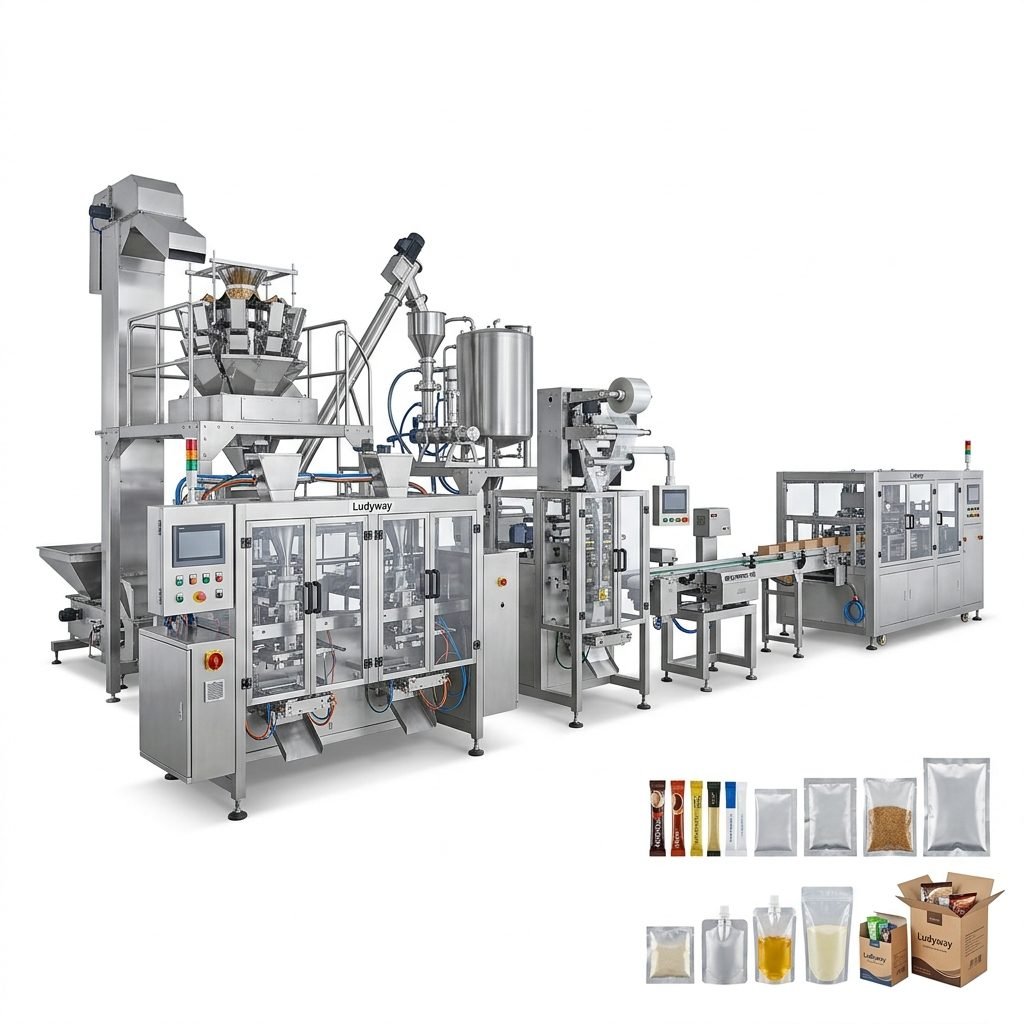
Many buyers no longer want a standalone machine only. They prefer integrated packaging lines that include feeding, weighing, bagging, sealing, coding, inspection, case packing, and palletizing. This approach improves overall line efficiency and reduces integration problems between equipment from different sources.
For companies seeking a scalable solution, working with an experienced manufacturer that can supply complete systems often shortens project timelines and improves line coordination.
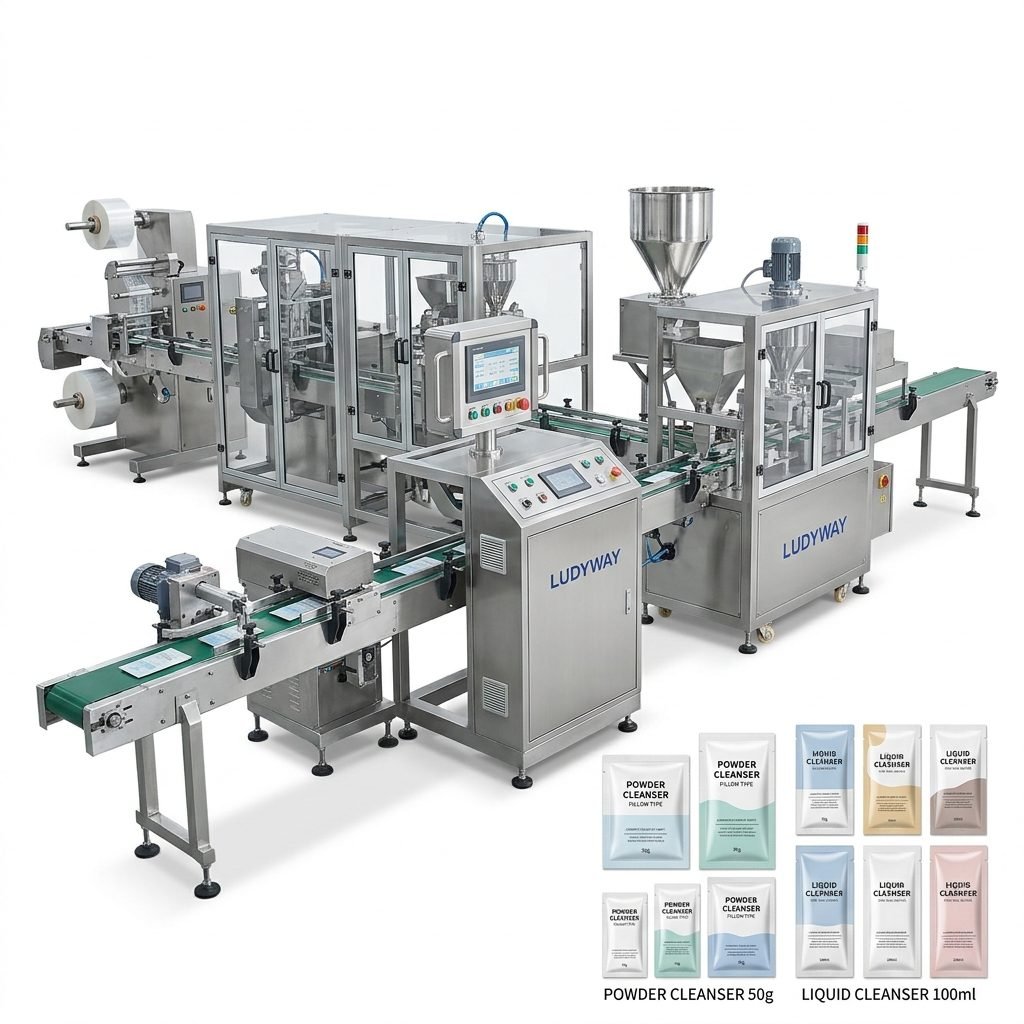
As one of China’s leading packaging machine and turnkey packaging line manufacturers, Ludyway grain packing machine solutions are designed for businesses that need dependable automation across food, pharmaceutical, health supplement, chemical, and related packaging applications.
Signs It’s Time to Upgrade Your Grain Packaging Equipment
- Frequent weight inconsistency and product giveaway
- Manual packing can no longer keep up with demand
- Downtime is increasing due to mechanical wear
- Packaging quality does not meet retail or export standards
- Labor costs are rising faster than output
- You need more bag formats or SKU flexibility
- Your operation is expanding into higher-volume bulk packaging
Final Buying Tips for Grain Packing Machine Selection
Before making a final decision, ask suppliers to evaluate your actual sample product, target bag dimensions, and expected production speed. It is also useful to confirm machine material specifications, control system details, customization scope, and after-sales support capabilities.
A strong grain packing machine should not simply fill bags faster. It should help your business run more efficiently, package more accurately, protect product quality, and support long-term growth in increasingly demanding markets.
Quick Checklist
- Match the filler type to your grain characteristics
- Confirm real-world output and accuracy
- Check sealing quality for your packaging material
- Plan for future automation and line integration
- Choose a supplier with proven engineering and export experience