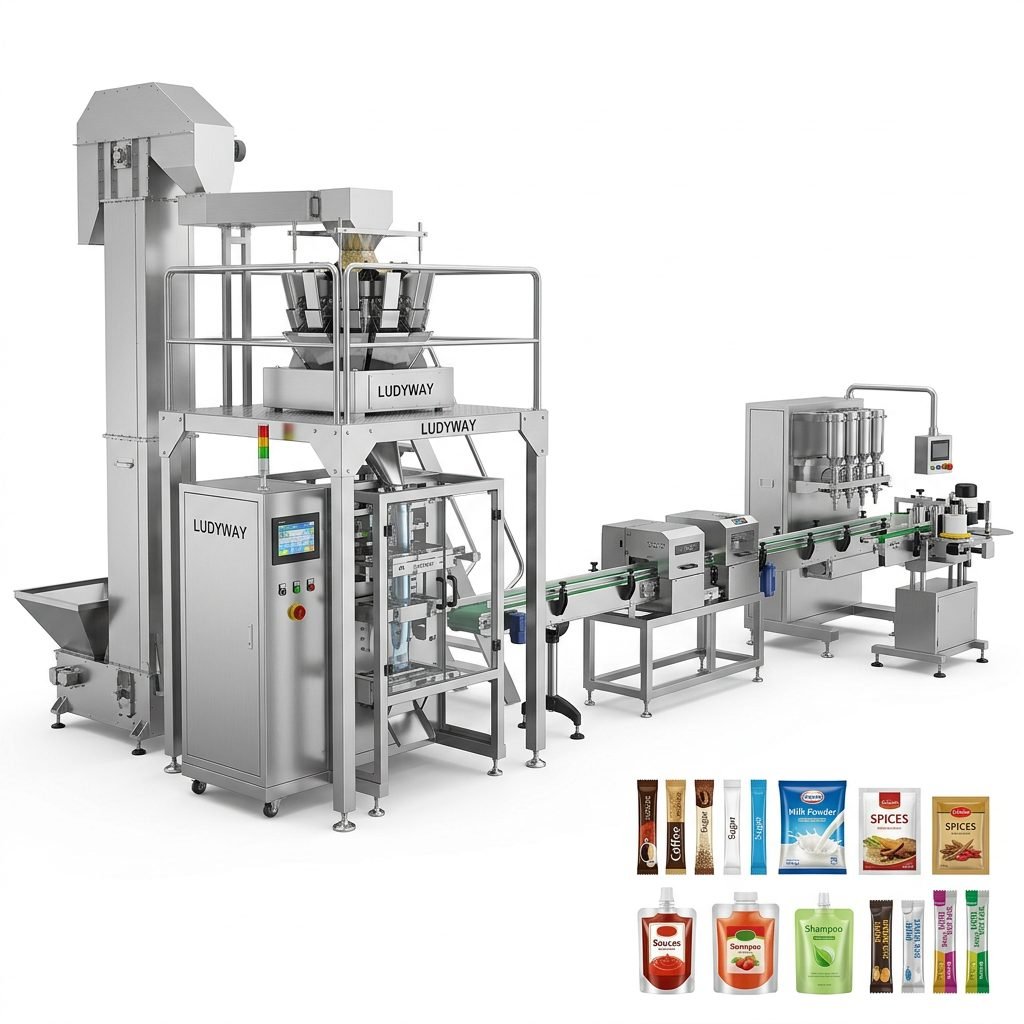
Investing in a capsule filling machine is a significant decision for pharmaceutical manufacturers, nutraceutical companies, and contract packaging operations. Whether you are scaling up from manual production or upgrading an existing automated line, selecting the right equipment directly impacts production efficiency, product quality, and long-term operational costs. This guide walks you through the essential factors to evaluate before making a purchase.
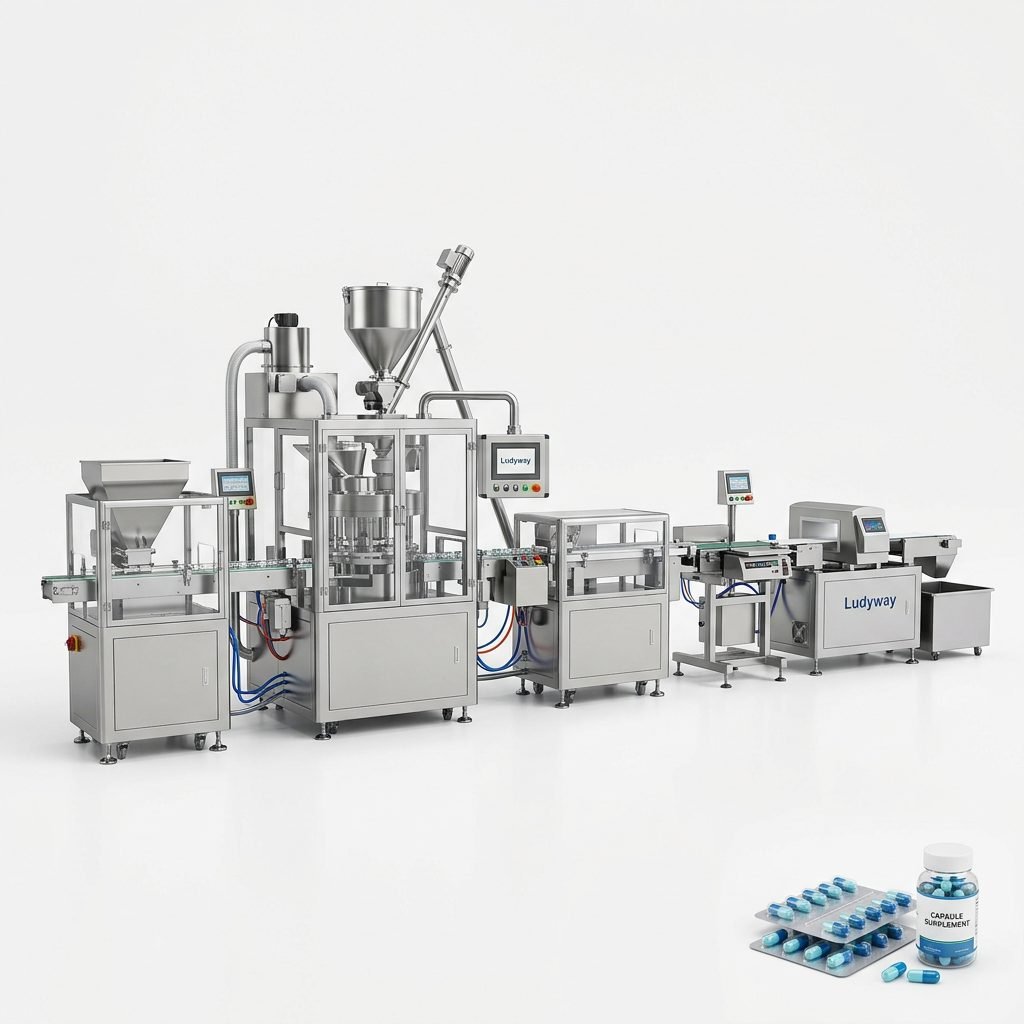
Understanding Capsule Filling Machine Types
Before diving into specifications, it is important to understand the three primary categories of capsule filling equipment available on the market. Each type serves different production scales and operational requirements.
| Machine Type | Best For | Production Speed | Key Consideration |
|---|---|---|---|
| Manual Capsule Filler | R&D labs, small batches | Up to 5,000 capsules/hour | Low investment, labor-intensive |
| Semi-Automatic Capsule Filler | Medium-scale production | 10,000–30,000 capsules/hour | Balance of automation and cost |
| Fully Automatic Capsule Filler | High-volume manufacturing | 50,000–200,000+ capsules/hour | Highest throughput, GMP-compliant |
Key Factors to Consider When Choosing a Capsule Filling Machine
Selecting the right machine requires evaluating several critical factors that go beyond just the price tag. Below are the most important considerations for buyers.
Production Capacity and Speed Requirements
Your current and projected production volume should be the starting point. A machine that cannot keep up with demand will create bottlenecks, while an oversized machine results in unnecessary capital expenditure. Consider not only your immediate needs but also growth projections for the next 3–5 years.
Capsule Size and Type Compatibility
Modern capsule filling machines should accommodate a range of capsule sizes — typically from Size 000 to Size 5. Beyond size, verify compatibility with different capsule materials including gelatin capsules, HPMC vegetarian capsules, and enteric-coated capsules. Some machines offer quick-change tooling that reduces downtime during size changeovers.
Filling Accuracy and Precision
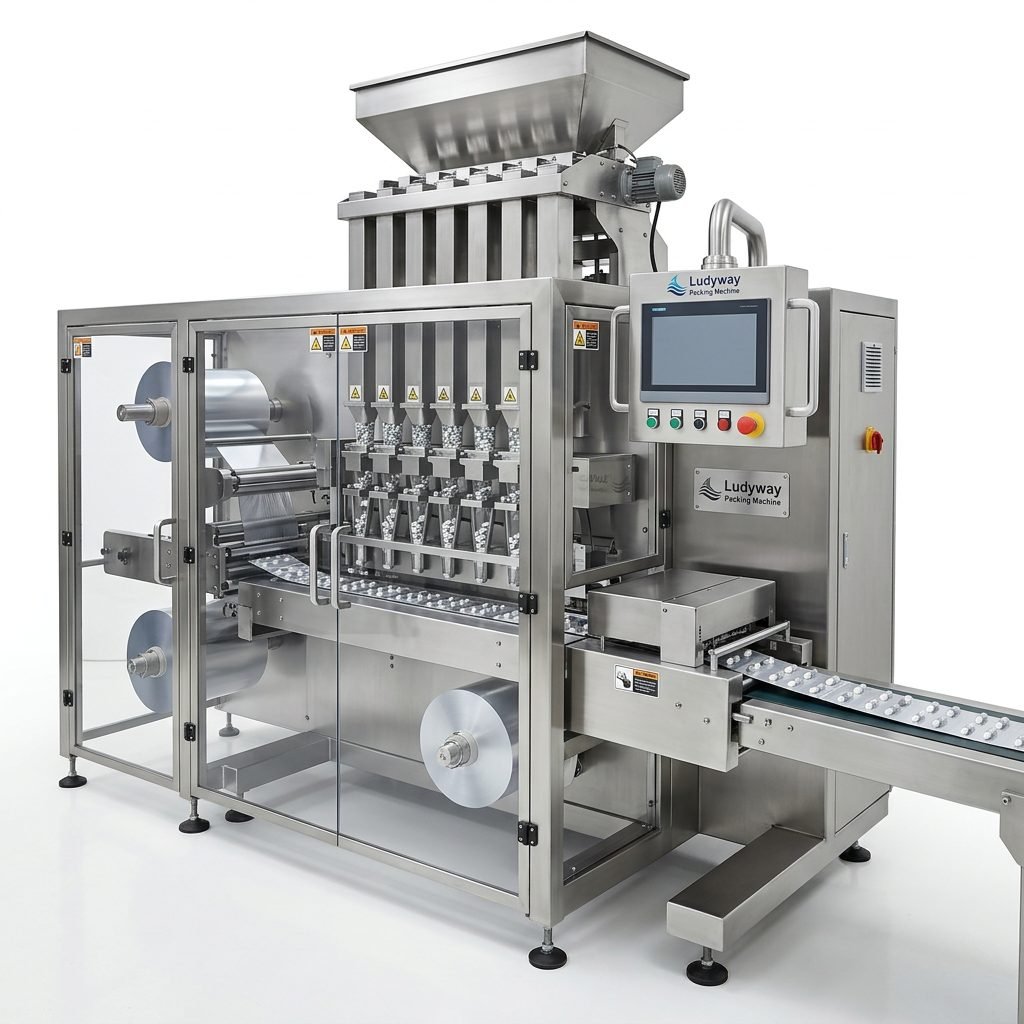
Dosing accuracy is non-negotiable in pharmaceutical applications. Look for machines that offer fill weight accuracy within ±1-3% depending on the product type. Powder-based products such as active pharmaceutical ingredients require precise dosing mechanisms like dosator or tamping pin systems. For pellets, granules, or bead-filling applications, different dosing technologies may be more appropriate. Refer to PMMI packaging industry resources for technical guidance on dosing technologies.
Material and Build Quality
The construction material of the machine directly affects product safety and equipment longevity. Pharmaceutical-grade capsule fillers should feature:
- 316L stainless steel for product contact parts
- Sealed bearings to prevent product contamination
- Dust extraction capabilities for powder containment
- Easy-to-clean surfaces with minimal crevices
Manual vs. Semi-Automatic vs. Fully Automatic: Making the Right Choice
The level of automation you choose depends on several operational factors. Here is a breakdown to help you decide:
Choose a Manual Capsule Filler if:
- You produce small R&D batches or clinical trial materials
- Budget constraints require minimal upfront investment
- Labor costs are low and flexibility is prioritized
Choose a Semi-Automatic Capsule Filler if:
- You need moderate production volumes with consistent quality
- You are transitioning from manual to automated processes
- You require some level of GMP compliance without full automation costs
Choose a Fully Automatic Capsule Filler if:
- You operate in high-volume pharmaceutical manufacturing
- Regulatory compliance including FDA food and packaging standards is mandatory
- Consistency, traceability, and minimal human intervention are required
- You plan to integrate filling with downstream checkweighing, metal detection, and cartoning
Industry Compliance and Standards
Pharmaceutical and nutraceutical manufacturers must adhere to stringent regulatory requirements. Your capsule filling machine should be designed to support cGMP, FDA, and international compliance frameworks. Key standards to verify include ISO packaging standards relevant to your target markets, documentation for IQ/OQ/PQ validation protocols, and 21 CFR Part 11 compliance for electronic records if the machine includes software controls. Machines built with compliance in mind simplify audits and accelerate market access.
Maintenance, Spare Parts, and After-Sales Support
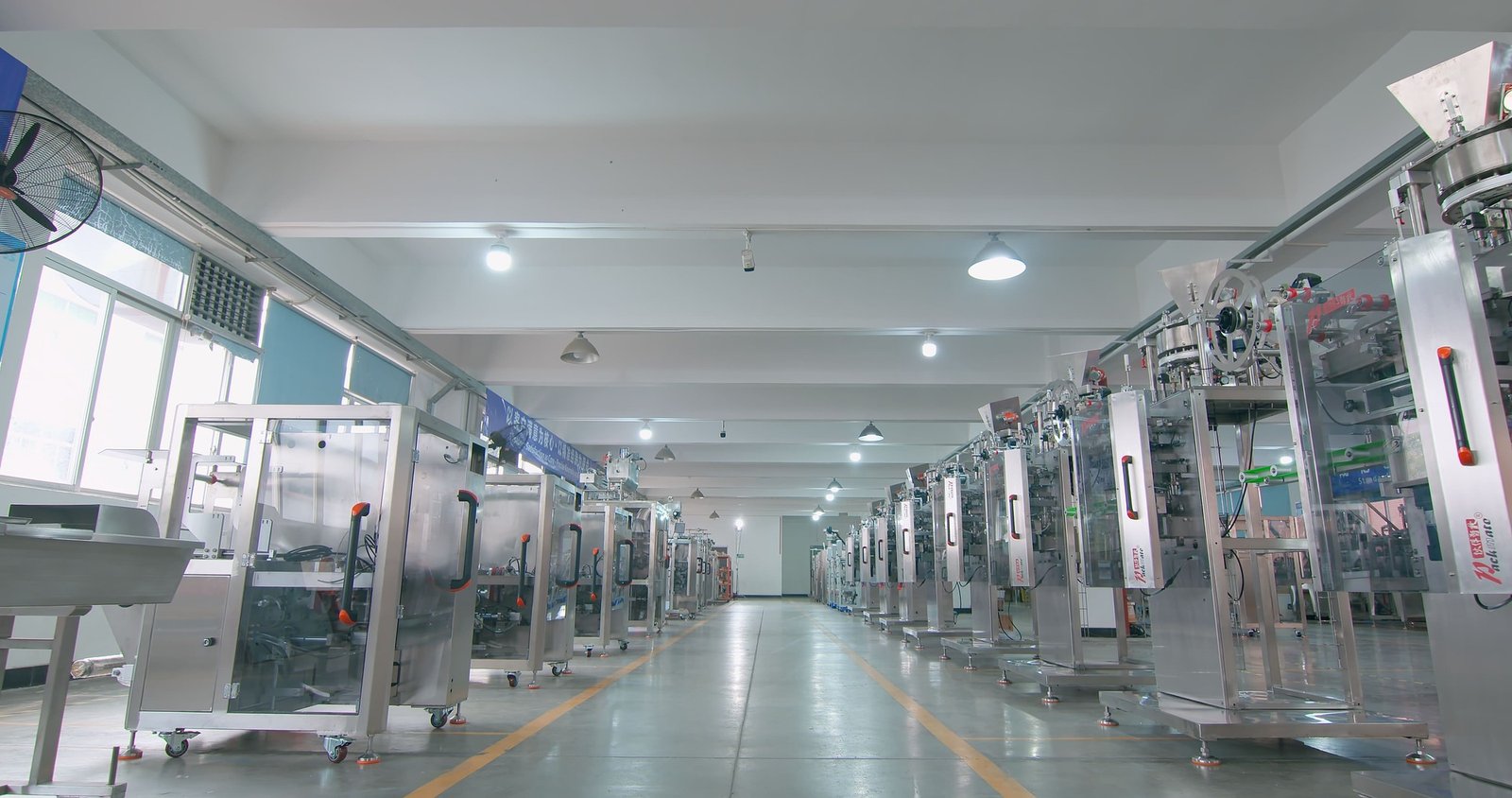
A capsule filling machine is a long-term capital investment, and the availability of technical support can make or break your production uptime. Before purchasing, evaluate the manufacturer’s track record with spare parts availability, remote troubleshooting capabilities, and on-site service options. Machines with standardized, globally sourced components tend to offer easier maintenance and lower total cost of ownership over their lifespan.
Customization and Integration Capabilities
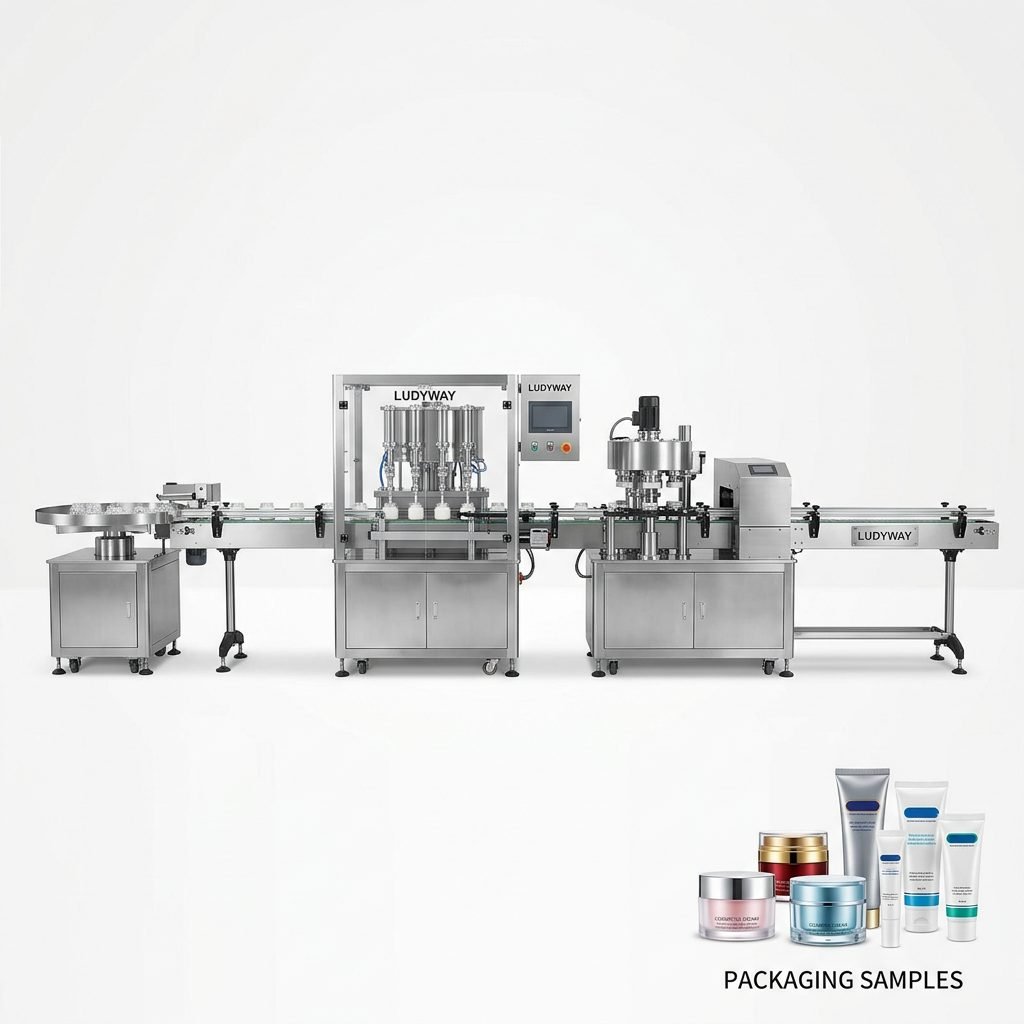
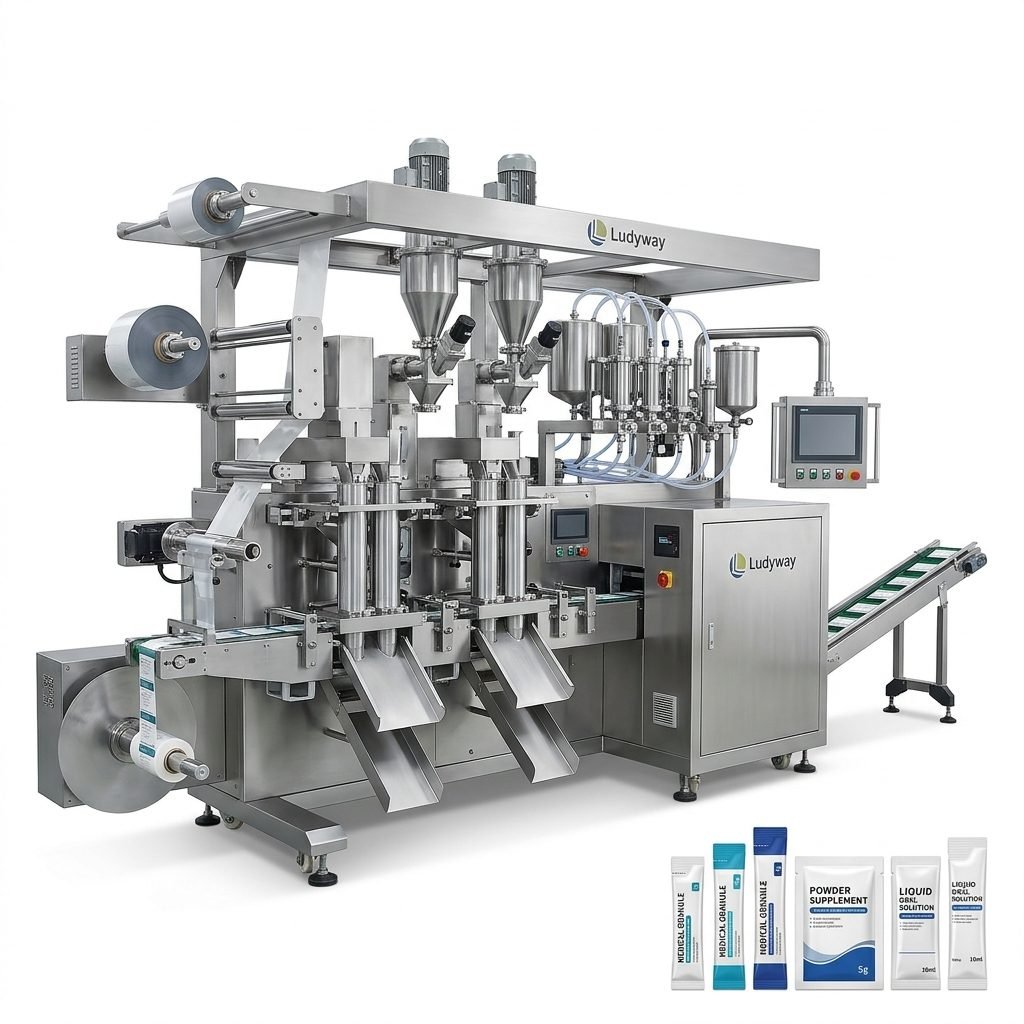
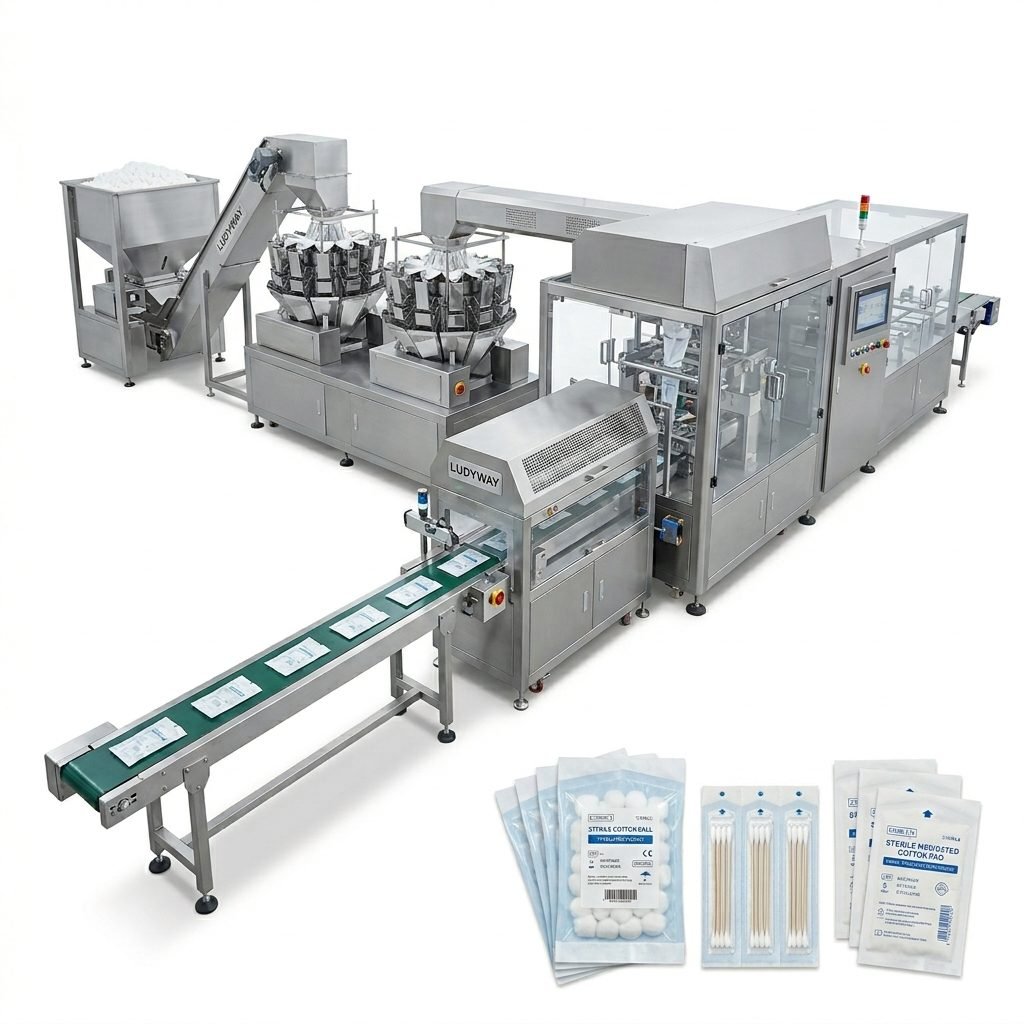
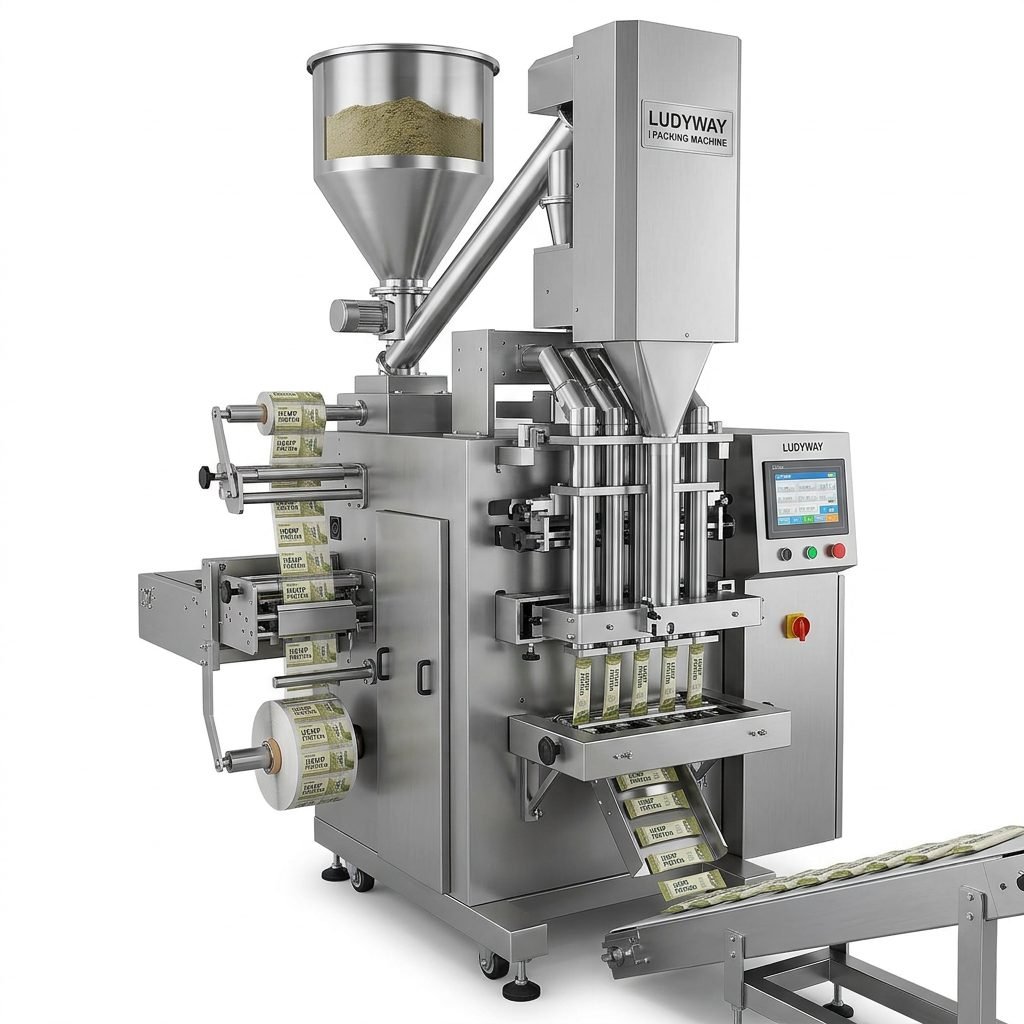
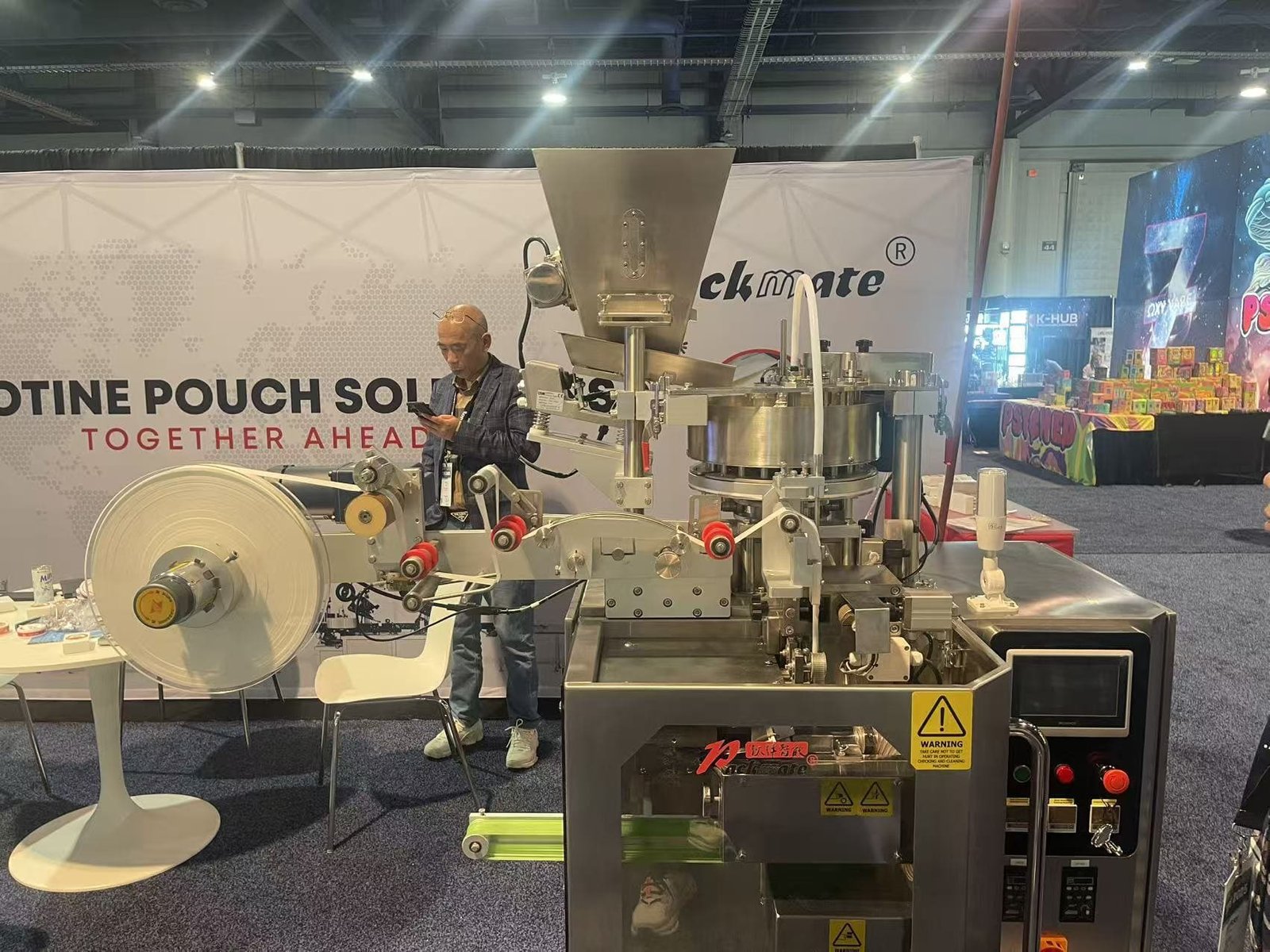
Many production environments require customized solutions rather than off-the-shelf equipment. The best capsule filling machine for your operation may need custom tooling, specialized dosing systems, or integration with existing upstream and downstream equipment. Working with a manufacturer that offers engineering customization ensures your equipment fits seamlessly into your production workflow. Ludyway Machinery, a China-based packaging machinery manufacturer with more than 30 years of experience, provides customized capsule filling and packaging solutions configured to match specific product characteristics, production speeds, and factory layouts across pharmaceutical and nutraceutical industries.
Cost Considerations Beyond the Purchase Price
The total cost of ownership includes several factors beyond the initial equipment price. Consider the following when budgeting:
- Installation and commissioning expenses
- Operator training and ongoing labor requirements
- Changeover time and labor between different capsule sizes
- Spare parts inventory and consumable components
- Energy consumption and facility requirements
- Validation and compliance documentation costs
Final Checklist for Buyers
Before finalizing your purchase, use this checklist to ensure you have covered all critical evaluation points:
- Define your current and future production capacity needs
- Confirm compatibility with your capsule sizes and materials
- Verify filling accuracy specifications for your product type
- Assess build quality, materials, and cleanroom compatibility
- Evaluate regulatory compliance documentation availability
- Review manufacturer’s service and support infrastructure
- Calculate total cost of ownership over a 5-7 year horizon
- Request references from similar applications in your industry
Choosing the right capsule filling machine is a decision that impacts your production capabilities for years to come. By thoroughly evaluating machine types, technical specifications, compliance requirements, and supplier support, you can select equipment that delivers consistent quality, reliable performance, and a strong return on investment. Take time to visit manufacturer facilities, review equipment demonstrations, and speak with existing users before making your final decision.