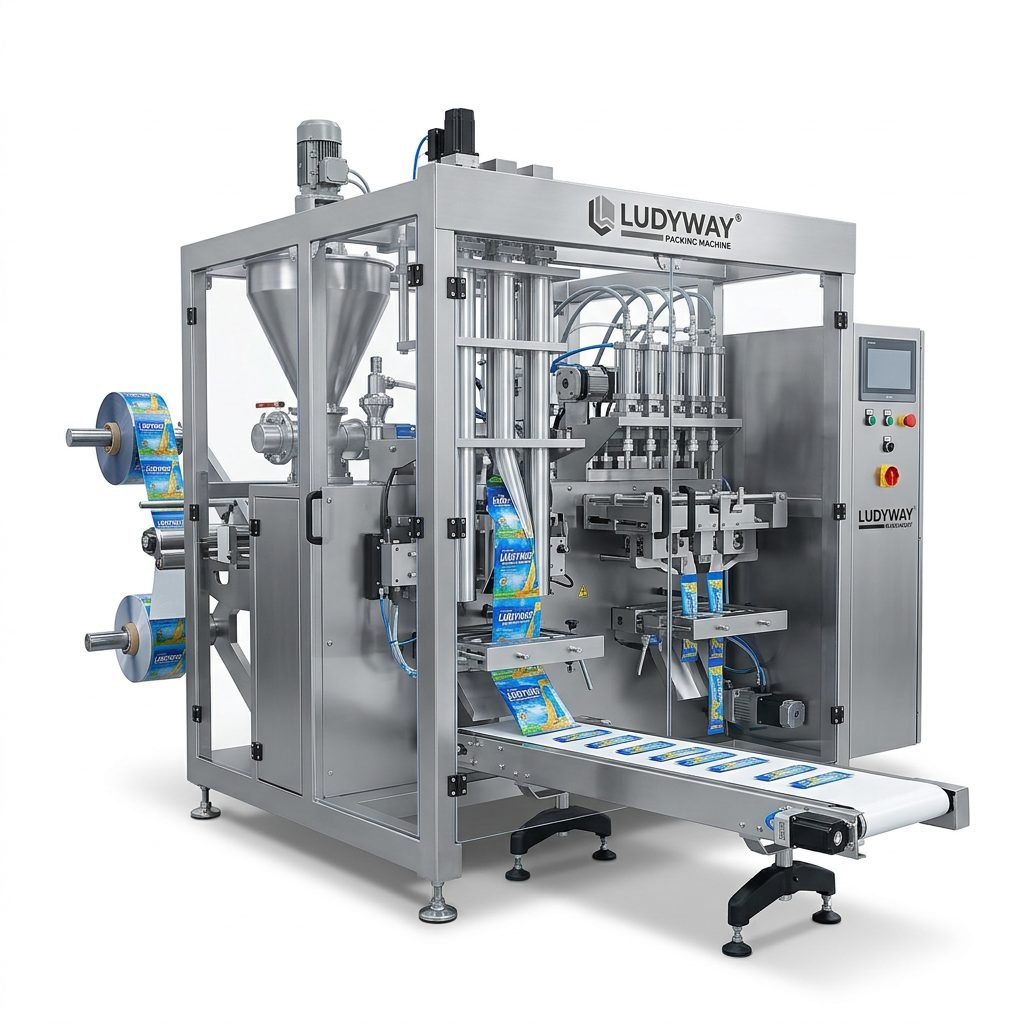
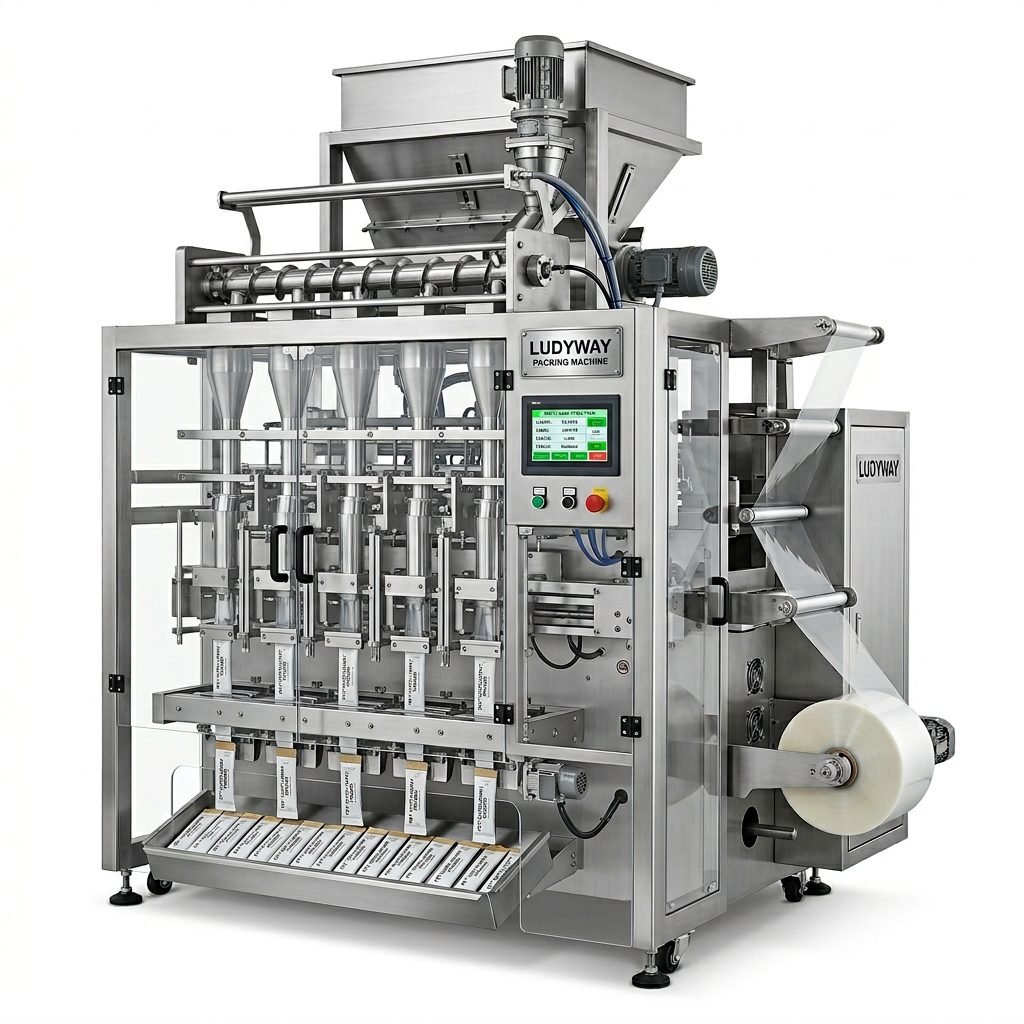
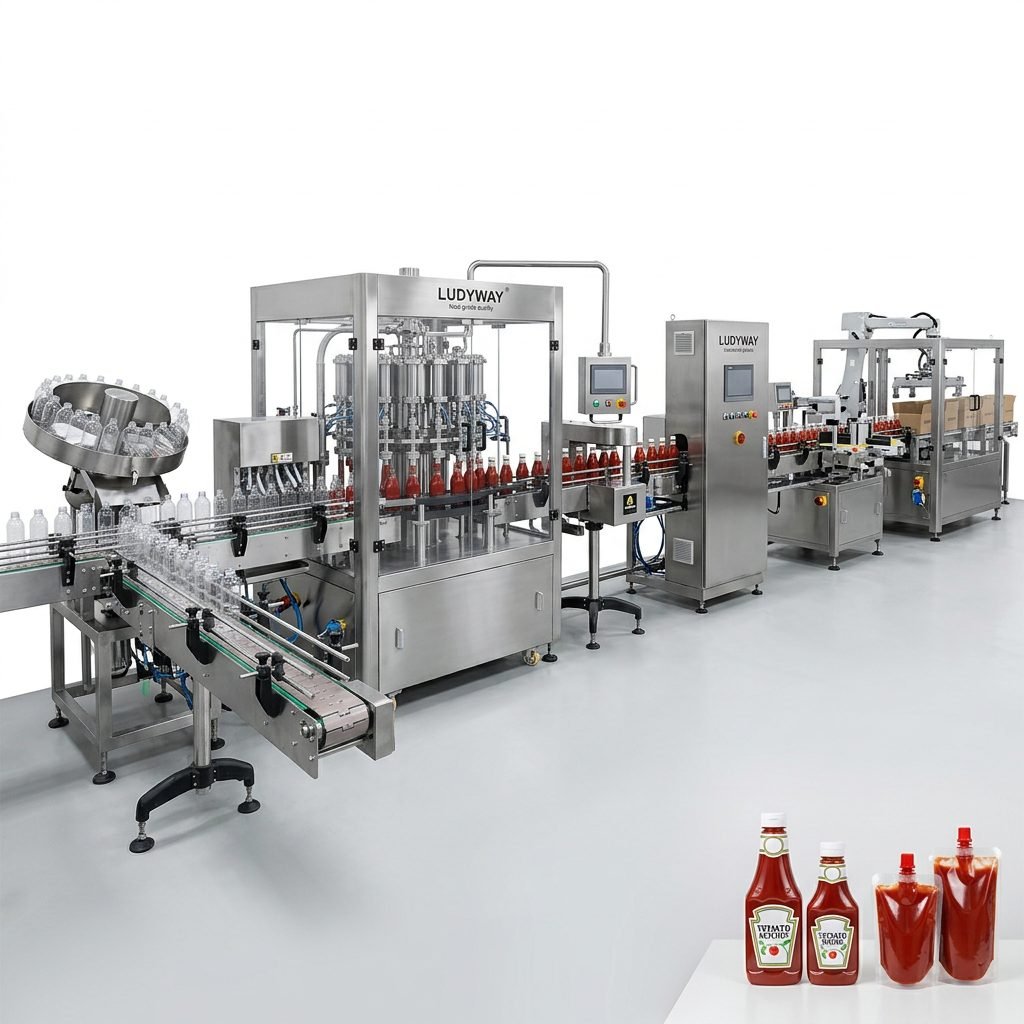
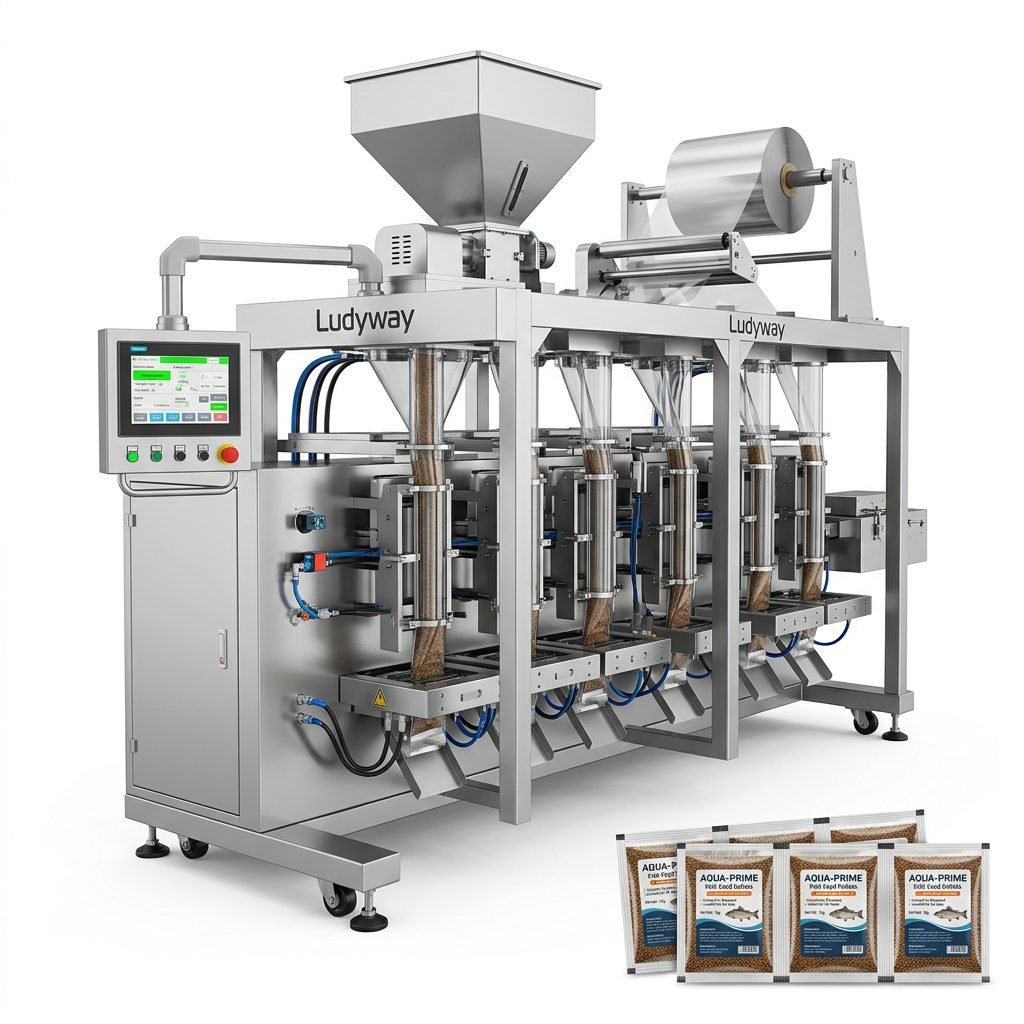
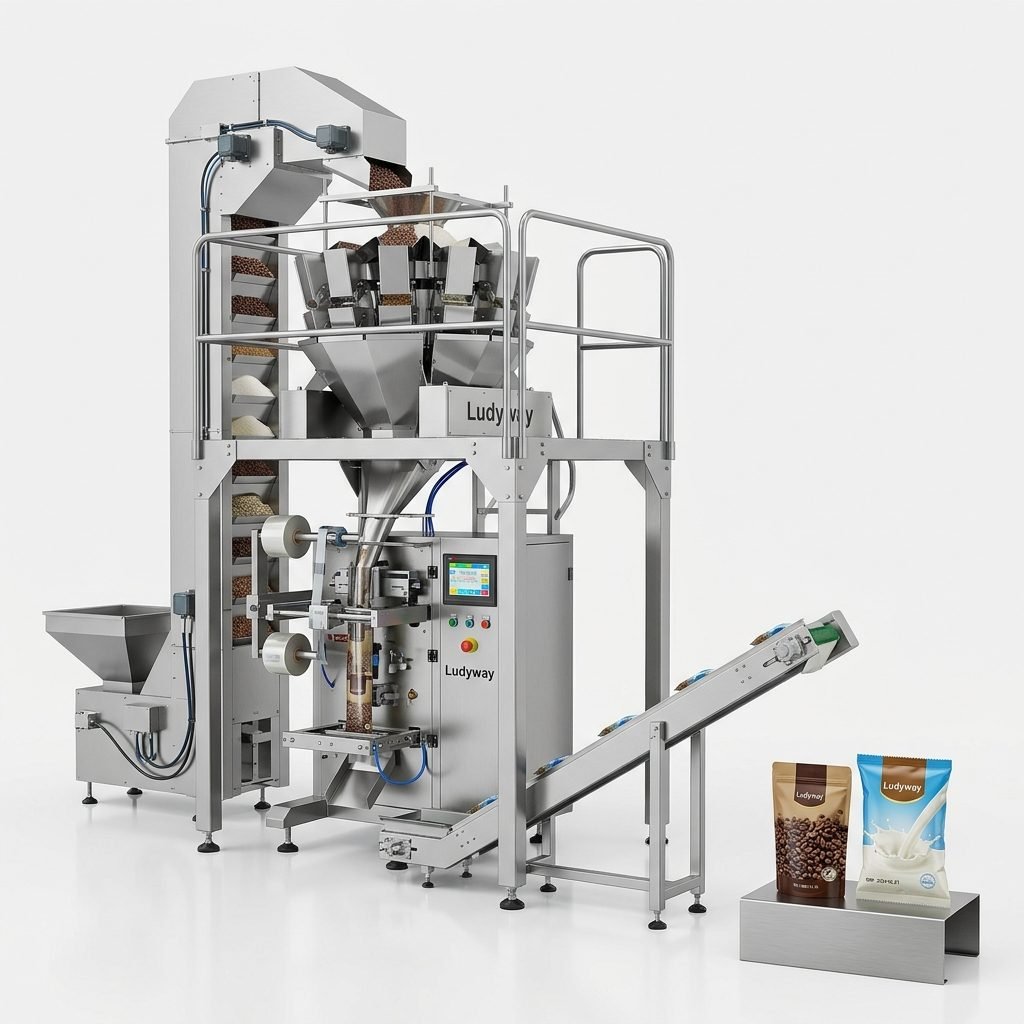
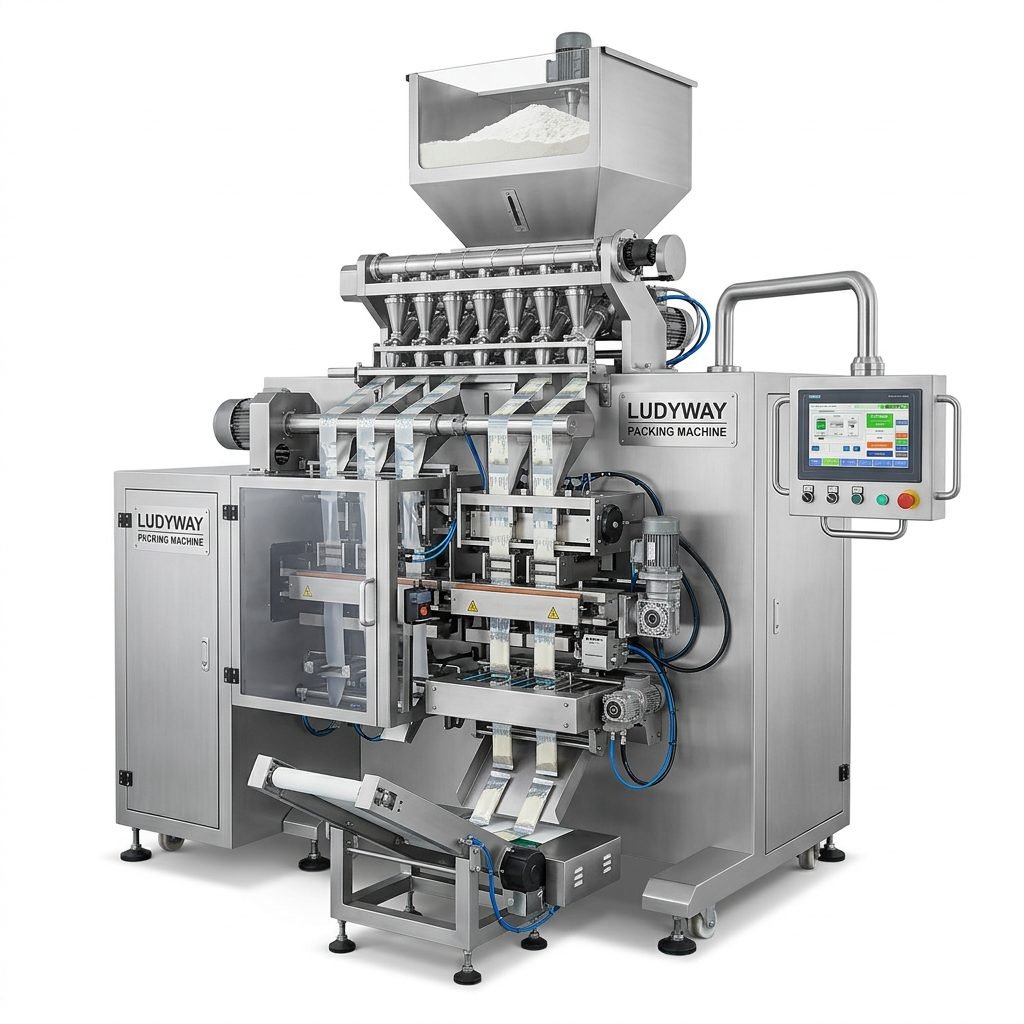
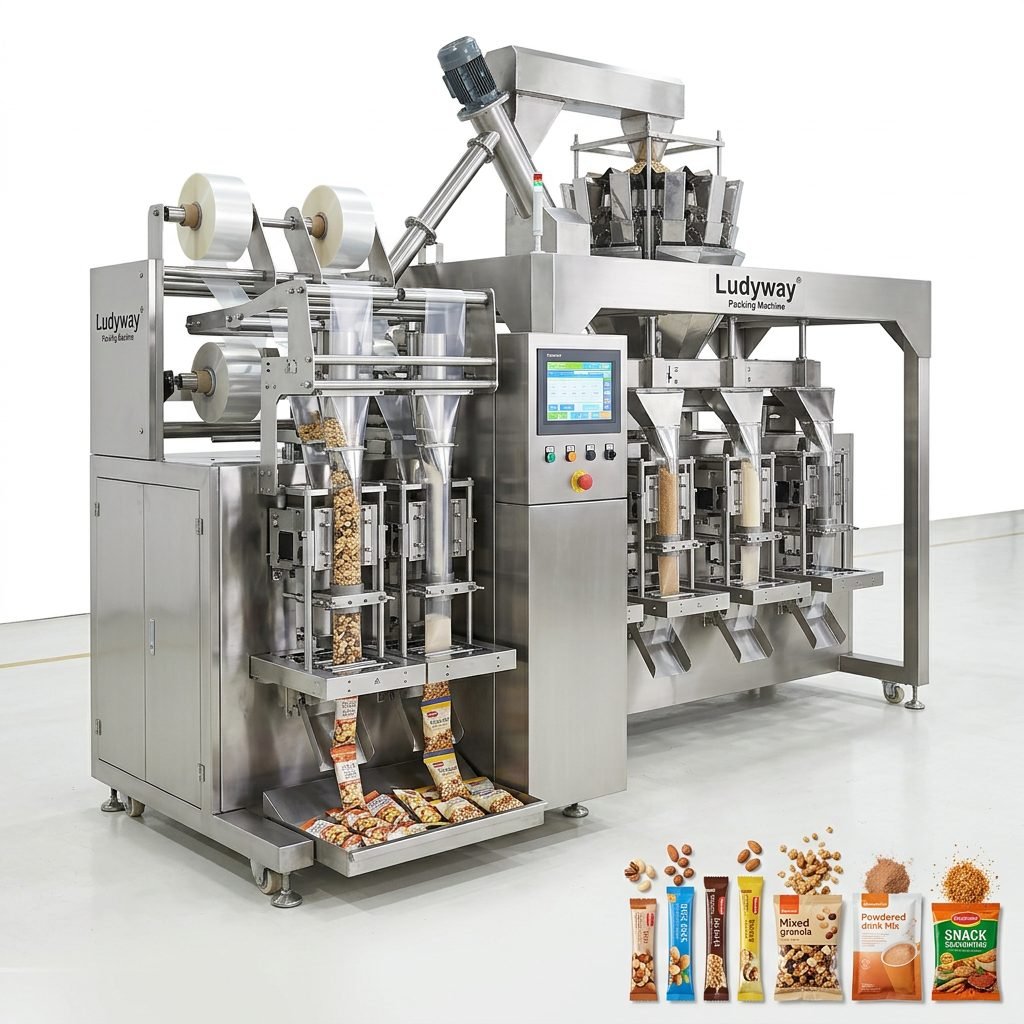
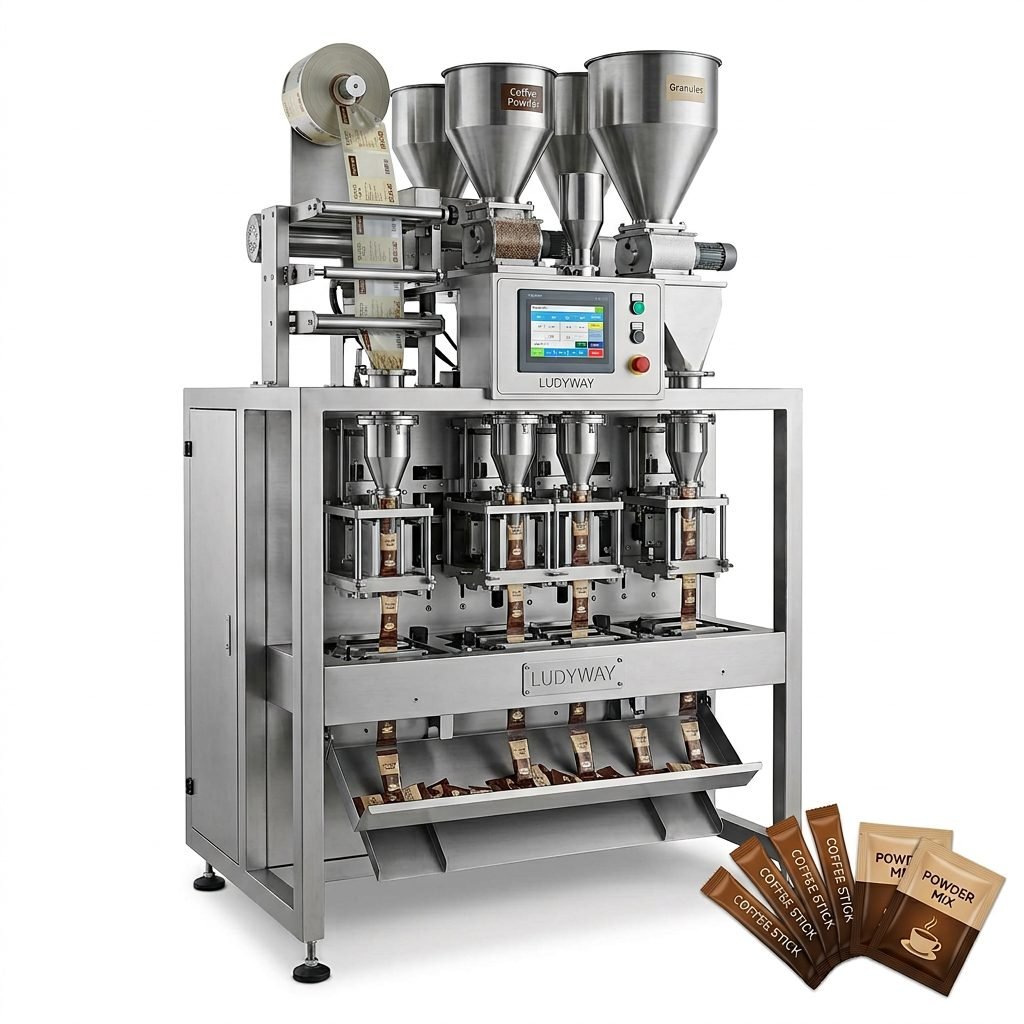
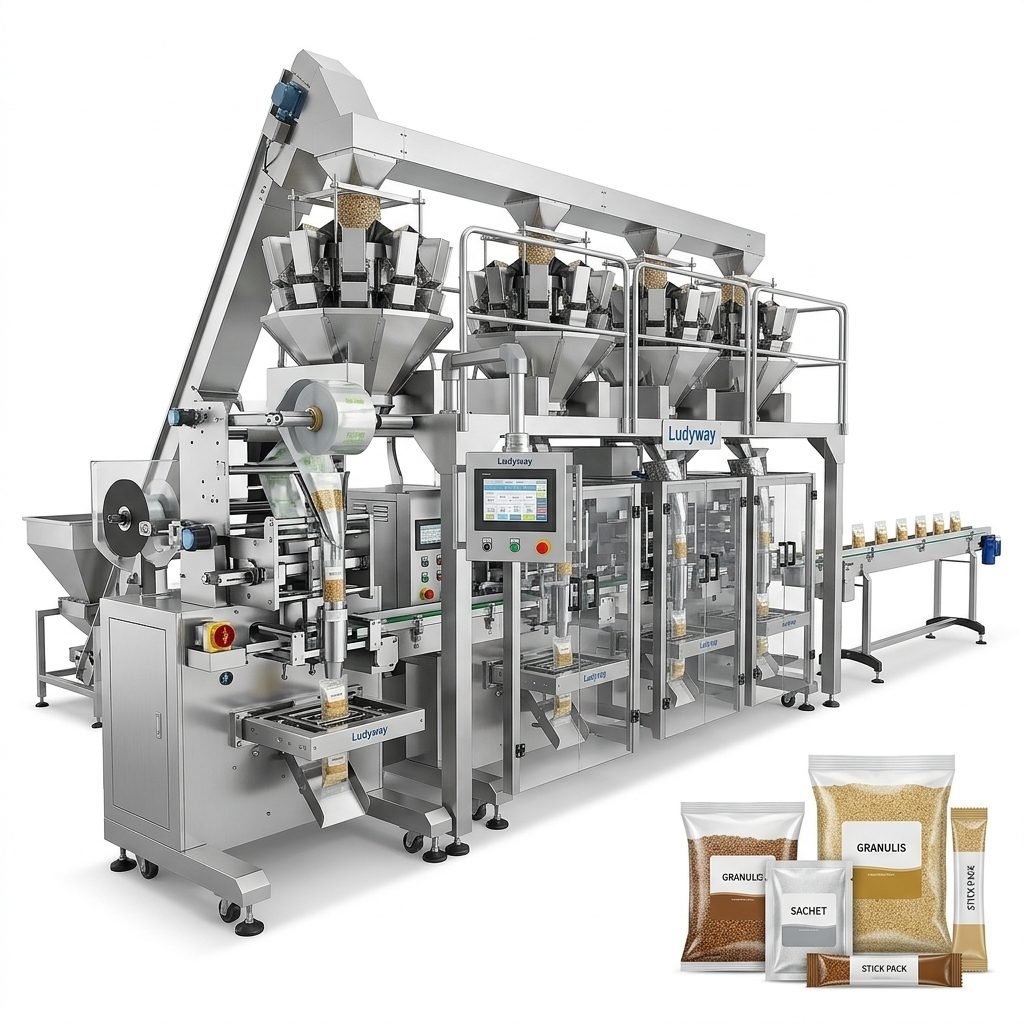
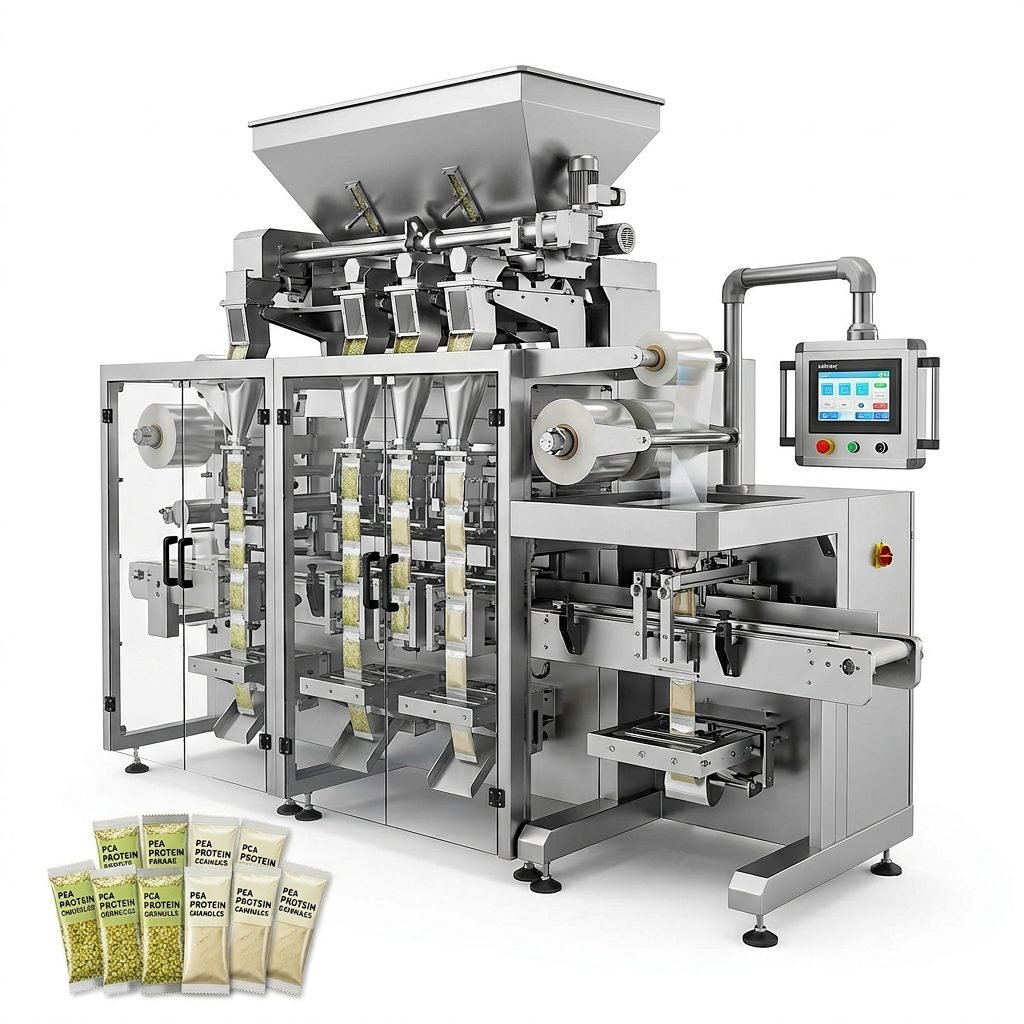
In today’s competitive manufacturing environment, packaging is no longer just the final step of production. It is a strategic process that directly affects product protection, speed to market, labor efficiency, and customer satisfaction. Modern packaging machines help businesses reduce manual work, improve consistency, and build scalable operations for food, pharmaceutical, cosmetic, chemical, and other industries.
Whether a company is packing powders, granules, liquids, pastes, sachets, stick packs, pouches, bottles, or cartons, the right automation system can turn a bottleneck into a growth advantage.
Why Packaging Machines Matter in Modern Production
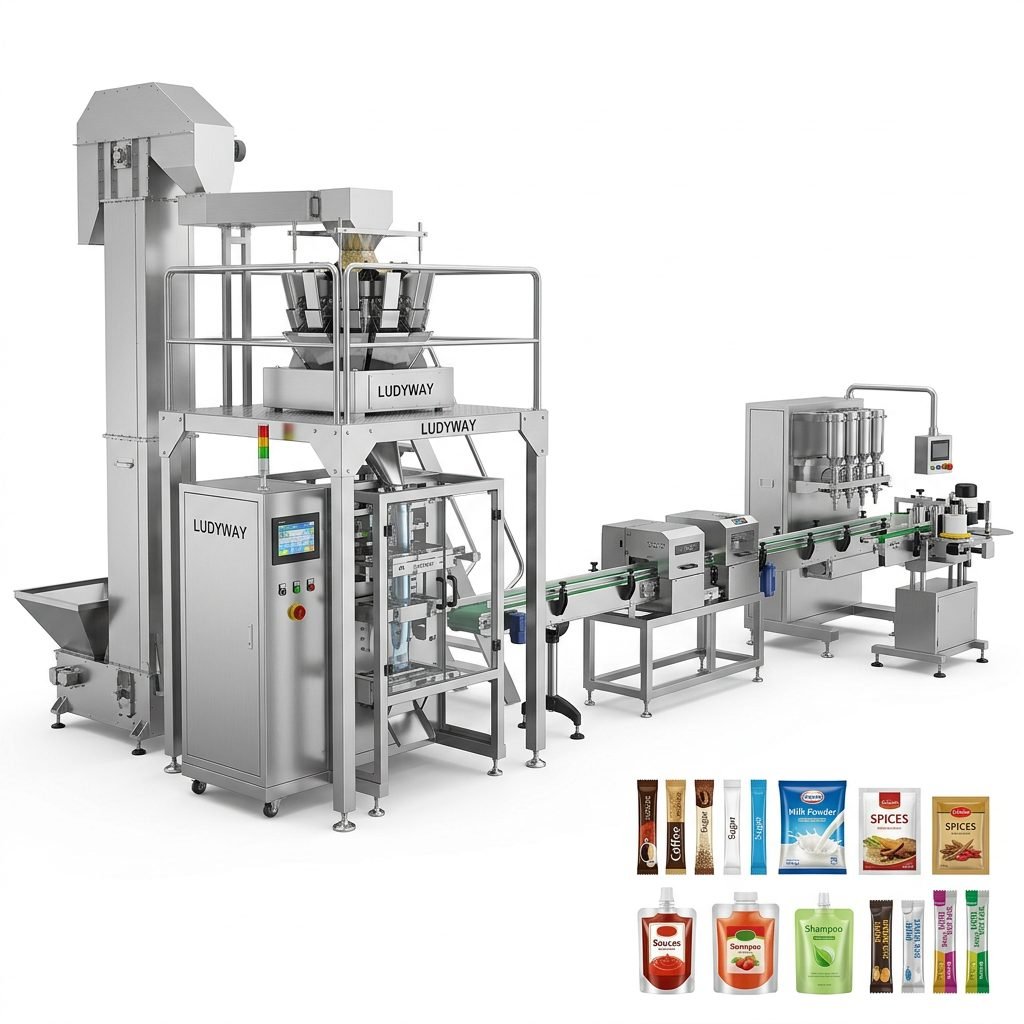
Packaging machines are designed to automate one or more steps in the packing process, from feeding and dosing to filling, sealing, coding, labeling, cartoning, and palletizing. Their value goes far beyond speed. A well-integrated system helps manufacturers maintain stable output, reduce waste, and meet strict hygiene or compliance standards.
- Higher productivity: Automated equipment runs faster and more consistently than manual packing.
- Improved accuracy: Precise dosing and filling reduce giveaway and rework.
- Better package quality: Uniform seals and professional presentation enhance brand image.
- Labor savings: Fewer manual steps mean lower labor dependency.
- Scalability: Packaging automation supports future production growth.
- Traceability and compliance: Coding, inspection, and integrated controls support regulated industries.
Main Types of Packaging Machines
Different products require different machine structures. Choosing the right type depends on material characteristics, desired pack format, production speed, and downstream handling requirements.
| Machine Type | Typical Applications | Key Benefits |
|---|---|---|
| Vertical Form Fill Seal Machines | Powders, granules, snacks, seeds | Compact design, efficient bag making and filling |
| Sachet Packing Machines | Sauces, powders, shampoos, pharma products | Small-dose packaging, high precision |
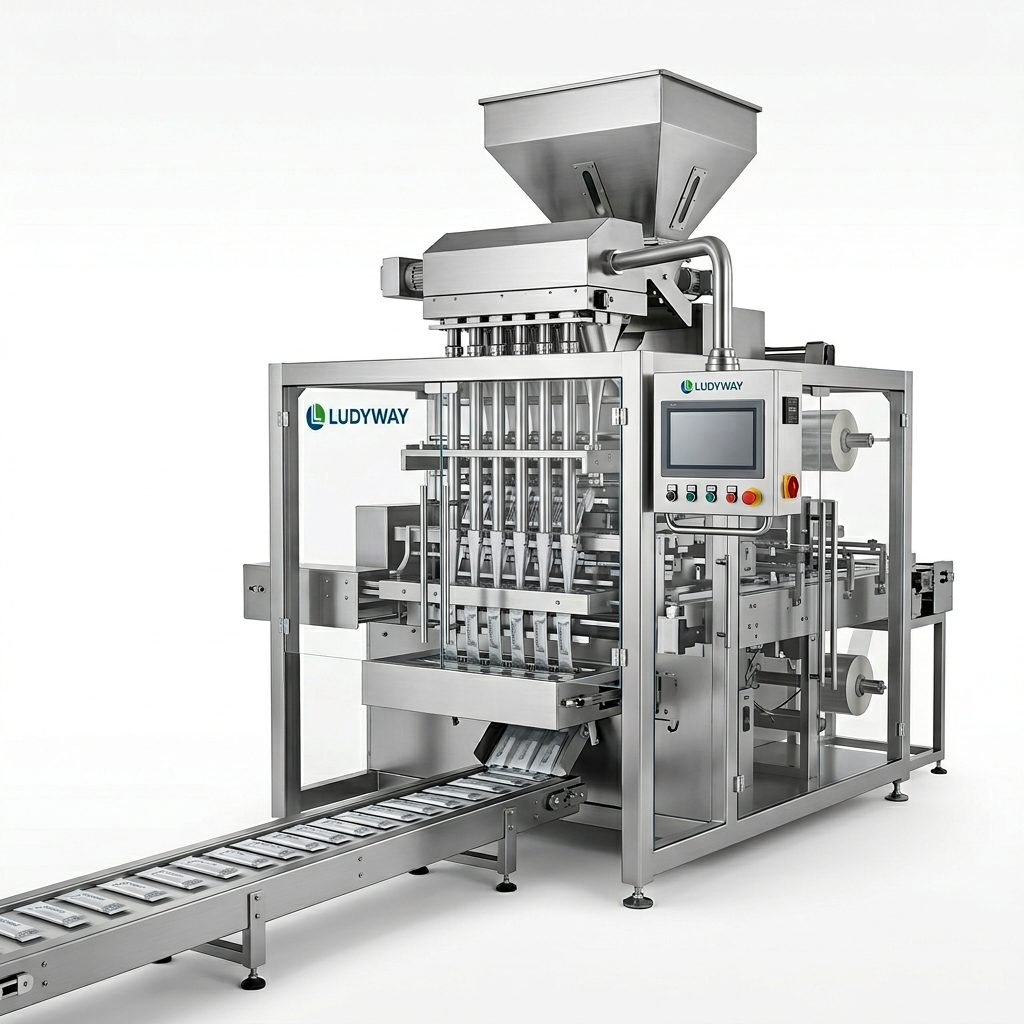
| Stick Pack Machines | Coffee, supplements, drink mixes | Slim format, high-speed multi-lane output |
| Liquid Filling and Sealing Machines | Oils, syrups, detergents, cosmetics | Accurate liquid dosing and secure sealing |
| Bottle Filling Lines | Pharma, food, personal care products | Integrated filling, capping, labeling |
| Cartoning and End-of-Line Systems | Boxes, cases, shipping preparation | Automation of secondary and tertiary packaging |
How Automation Improves Packaging Efficiency
Efficiency in packaging is not only about machine speed. It is about the total performance of the line, including uptime, changeover speed, material handling, and quality consistency. Advanced packaging automation can optimize each of these areas.
1. Reduced Manual Intervention
Automation minimizes repetitive tasks such as measuring, loading, sealing, and transferring products. This lowers operator fatigue and reduces the chance of packaging errors.
2. More Stable Output
Automated packaging machines are built for repeatability. Stable parameters help maintain consistent weights, seal integrity, and pack appearance across long production runs.
3. Faster Changeovers
Many manufacturers handle multiple SKUs, package sizes, and formula types. Modern machines with user-friendly controls and modular design shorten setup time between product runs.
4. Better Process Integration
When the packaging machine is connected with feeding systems, conveyors, inspection units, coding devices, case packers, and palletizers, the entire line becomes more efficient and easier to manage.
Industries That Benefit Most from Packaging Machines
Food Industry
Food manufacturers require hygienic, fast, and flexible packaging systems for snacks, spices, coffee, milk powder, sauces, grains, and ready-mix products. Machines must support freshness, accurate portioning, and attractive packaging formats.
Pharmaceutical Industry
Pharmaceutical packaging requires a high level of precision, cleanliness, traceability, and compliance. Automated sachet, blister, bottle, and stick pack systems help manufacturers maintain quality and reduce contamination risks.
Cosmetic and Personal Care Industry
Creams, serums, lotions, masks, and other personal care products often require precise filling and appealing retail presentation. Automated machines improve visual consistency and support multiple packaging formats.
Chemical Industry
Powders, granules, and liquids used in industrial and household chemical products need robust packaging equipment that can handle corrosive materials, dust control, and stable sealing performance.
Animal Feed and Pet Care
Feed pellets, supplements, pet treats, and nutrition powders benefit from automated weighing, filling, bagging, and sealing systems that support both retail and bulk packaging operations.
What to Consider When Choosing a Packaging Machine
Selecting the right machine is a long-term investment decision. Buyers should evaluate not only current production needs but also future expansion goals.
- Product type: Powder, granule, liquid, paste, capsule, tablet, or pouch.
- Package format: Sachet, stick pack, bag, bottle, pouch, carton, or bulk bag.
- Output requirement: Required speed per minute or per hour.
- Dosing accuracy: Essential for cost control and regulated products.
- Automation level: Standalone equipment or complete turnkey line.
- Cleaning and maintenance: Important for hygiene-sensitive applications.
- Factory space: Layout and machine footprint should match site conditions.
- After-sales support: Training, spare parts, and technical service matter.
Signs It’s Time to Upgrade Your Packaging Line
- Frequent downtime or inconsistent sealing quality
- High labor costs in manual packaging areas
- Inability to keep up with production demand
- Excessive material waste or filling variation
- Difficulty meeting new compliance or traceability requirements
- Too many packaging formats for old equipment to handle efficiently
If several of these issues are affecting production, upgrading to an automated packaging solution can significantly improve operational performance.
Benefits of Turnkey Packaging Line Solutions
Many manufacturers now prefer complete packaging lines instead of buying individual machines separately. A turnkey solution can include feeding, conveying, filling, sealing, coding, inspection, cartoning, case packing, palletizing, and control integration.
| Turnkey Advantage | Business Value |
|---|---|
| System compatibility | Better coordination between upstream and downstream equipment |
| Centralized project management | Simplifies communication and implementation |
| Optimized line efficiency | Reduces bottlenecks and idle time |
| Custom engineering | Matches unique product and facility requirements |
| Long-term support | Improves maintenance planning and future upgrades |
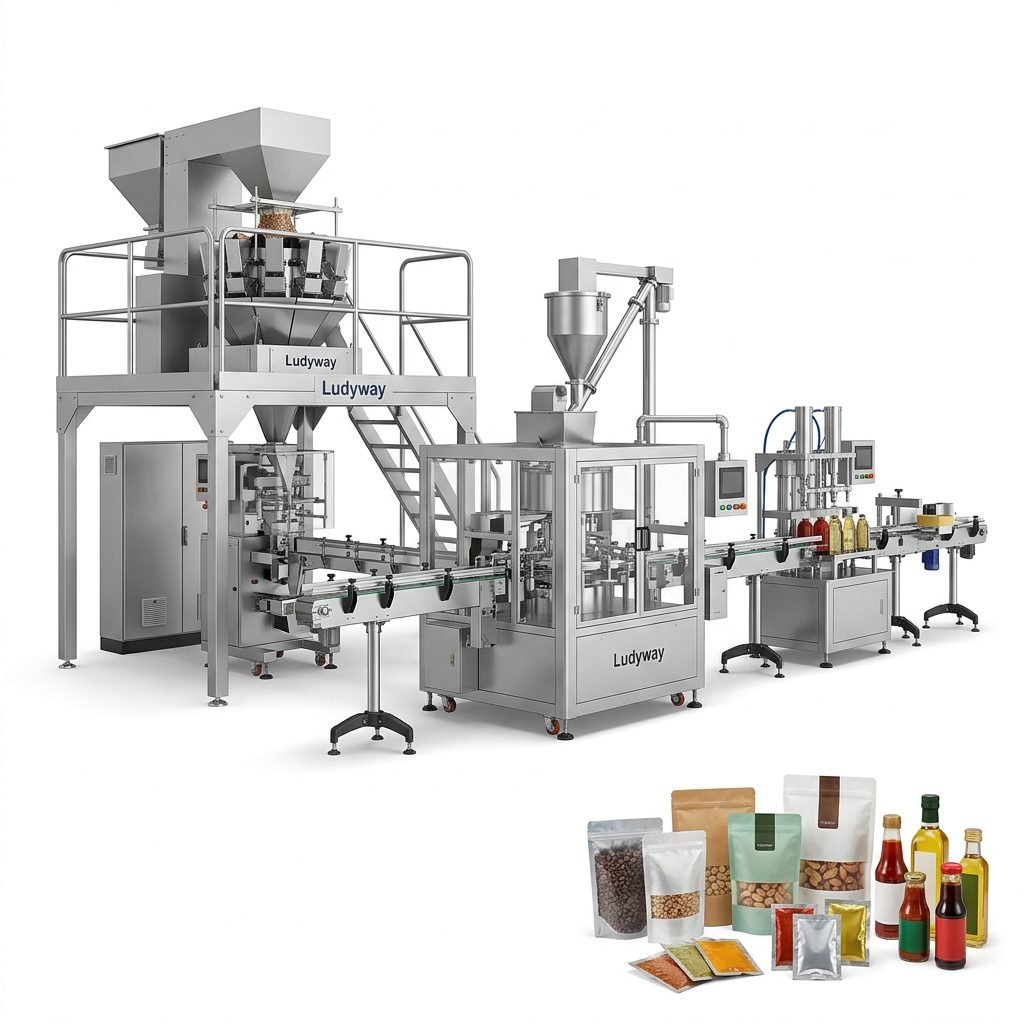
Key Features of High-Performance Packaging Machines
When comparing suppliers, it is helpful to focus on practical machine features that influence daily performance:
- Servo control systems for precise motion and stable sealing
- Multi-lane configurations for high-speed small-dose packaging
- Accurate filling devices such as auger fillers, piston fillers, liquid pumps, and weighers
- User-friendly HMI interfaces for faster operation and changeovers
- Integrated inspection options including metal detection, checkweighing, and vision systems
- Reliable sealing technology to reduce leaks and preserve shelf life
- Modular design for easier upgrades and maintenance
Why Manufacturers Choose Experienced Packaging Machine Suppliers
A machine purchase is not only about hardware. It is also about engineering capability, customization strength, production experience, and after-sales service. Companies often prefer suppliers with proven export experience, broad application knowledge, and the ability to provide both standalone machines and complete lines.
For businesses looking for scalable automation, packaging machines from Ludyway are backed by more than 30 years of manufacturing experience, a factory of over 20,000 square meters, broad product coverage, and turnkey line capabilities for food, pharmaceutical, cosmetic, chemical, and related industries.
Future Trends in Packaging Automation
Packaging technology continues to evolve as manufacturers seek more flexibility and better production visibility. Some of the most important trends include:
- Smart controls and data-driven production monitoring
- Faster SKU changeovers for flexible manufacturing
- Integrated robotics for case packing and palletizing
- Higher demand for compact multi-lane systems
- Improved hygienic design for food and pharma use
- Energy-efficient machine components and optimized material use
Final Thoughts for Packaging Investment Planning
Efficient packaging machines are essential for businesses that want to improve speed, consistency, and automation. The right solution can lower labor costs, enhance package quality, support compliance, and create a more reliable production workflow.
From single machines to complete turnkey lines, modern packaging equipment gives manufacturers the tools to stay competitive in fast-changing markets. Choosing a supplier with strong engineering experience, customization capability, and long-term technical support can make a major difference in project success and return on investment.