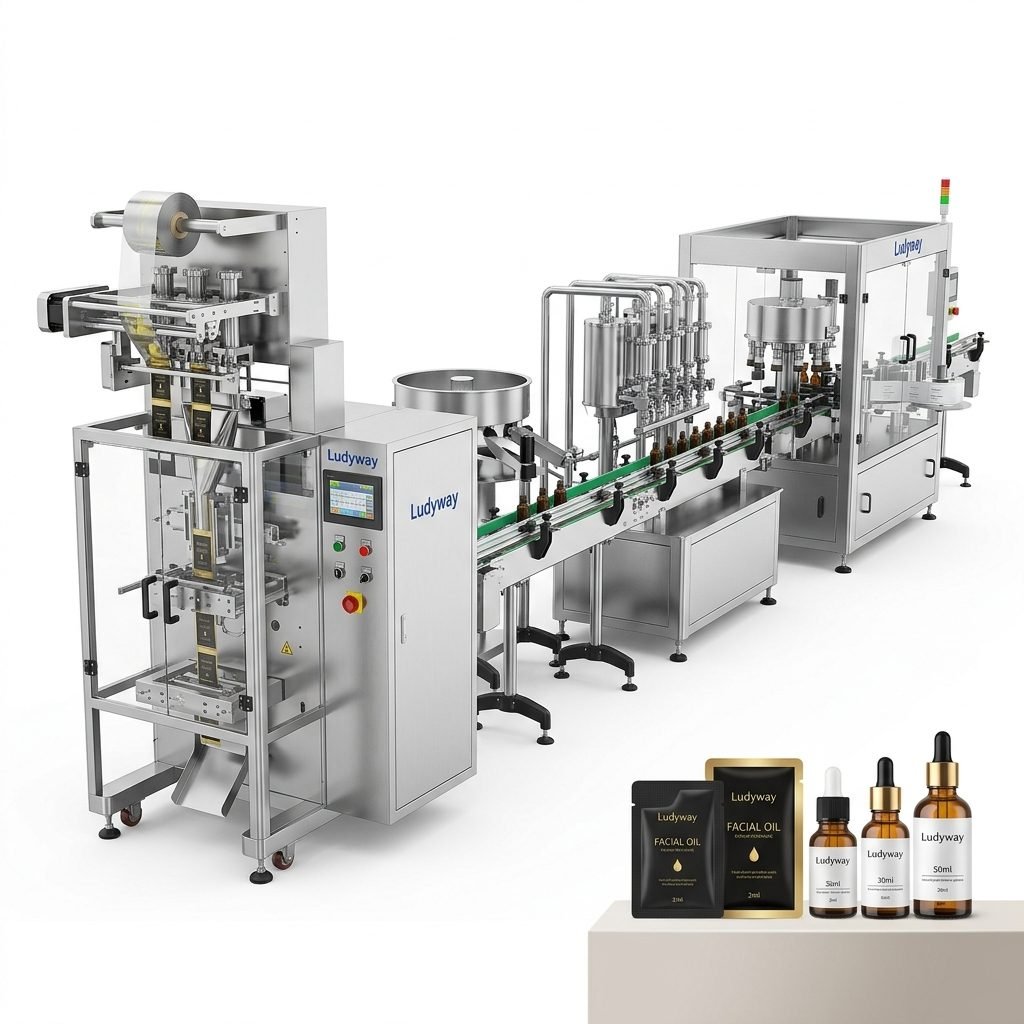
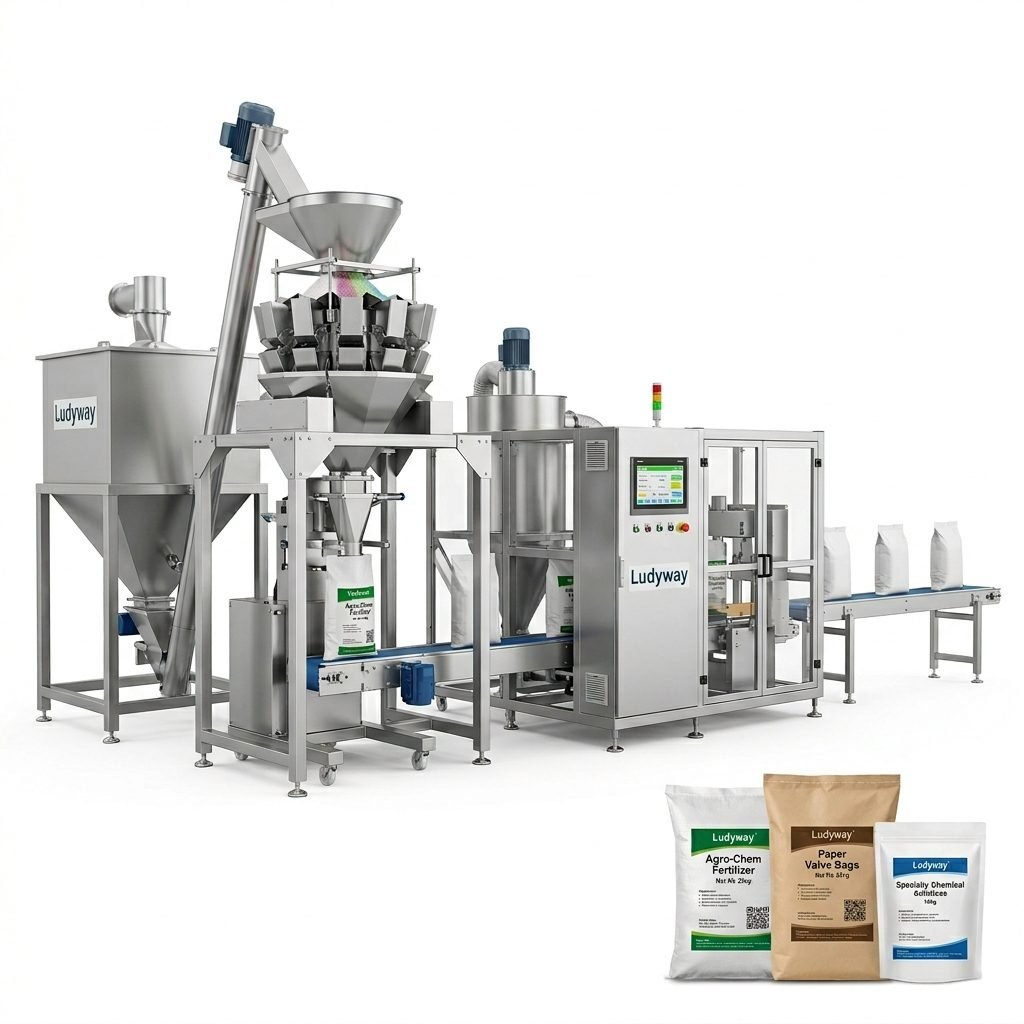
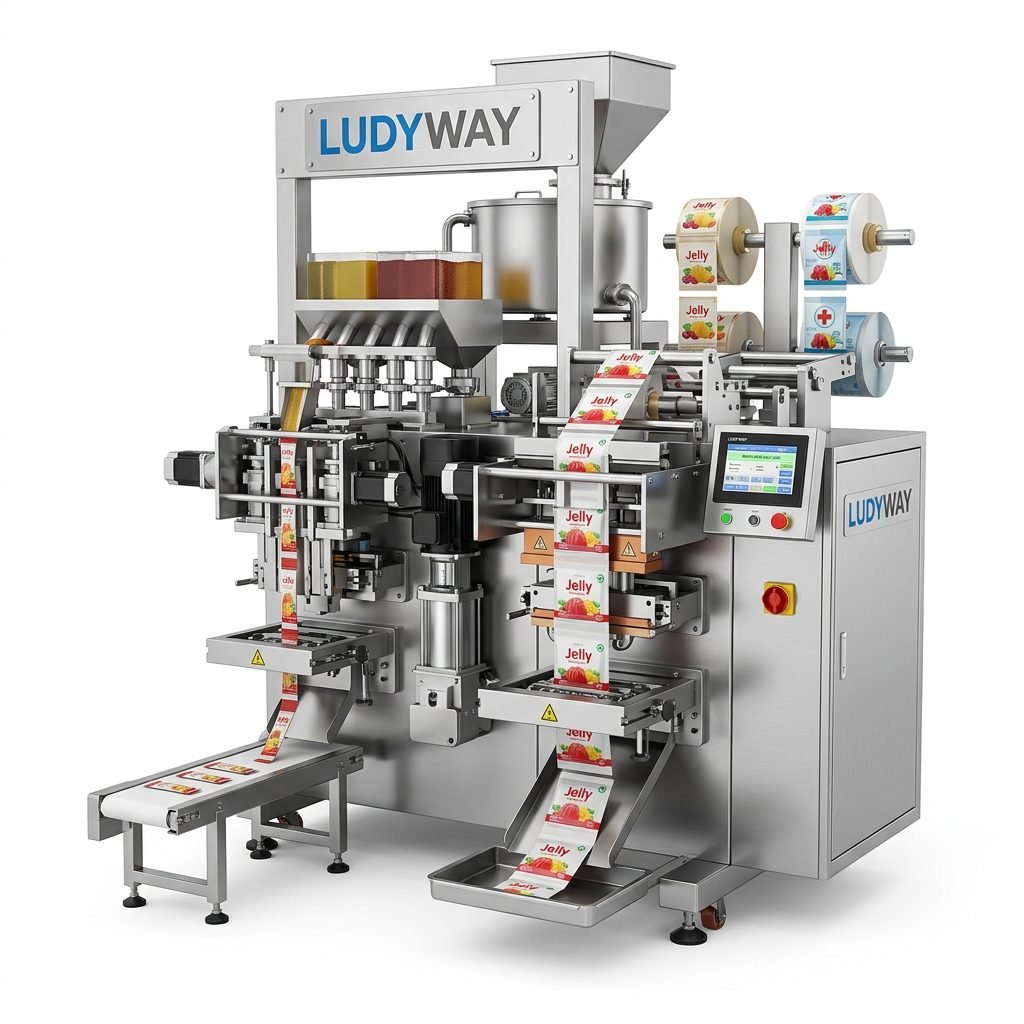
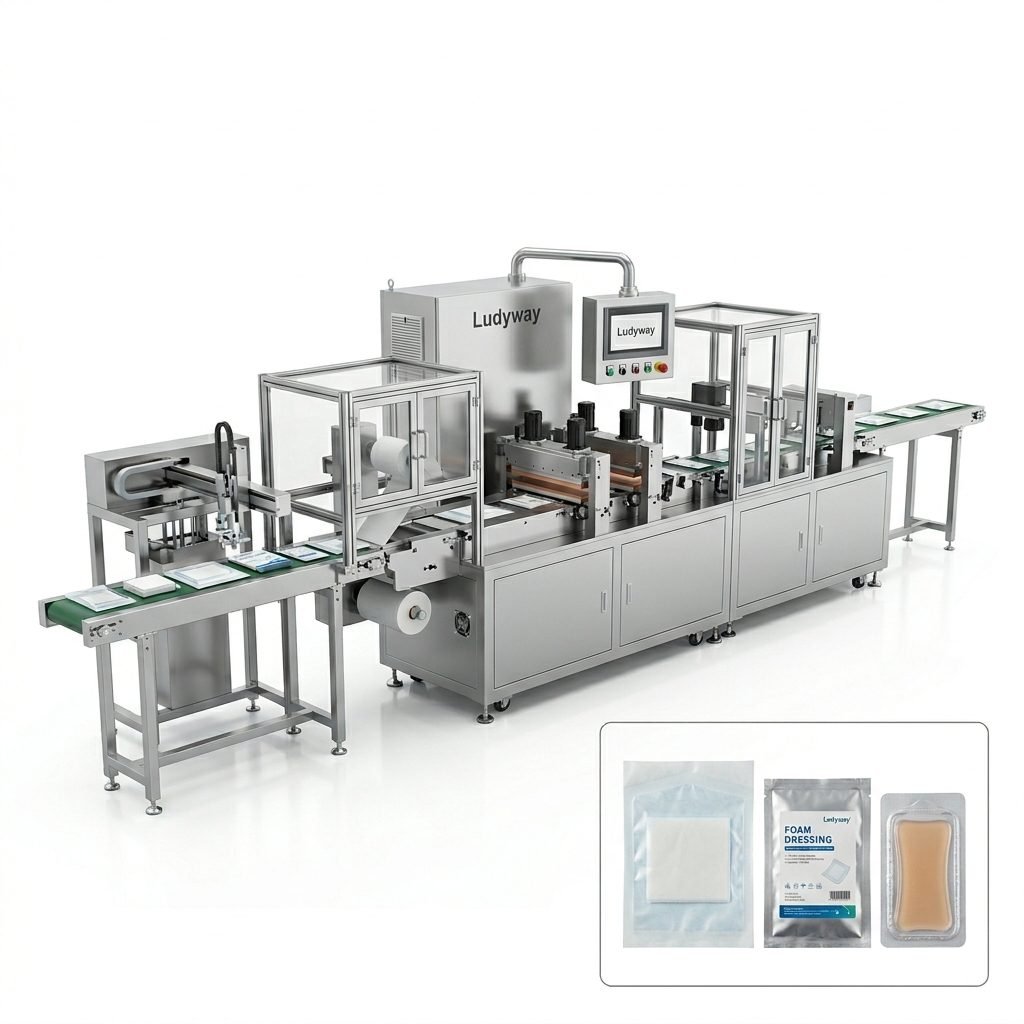
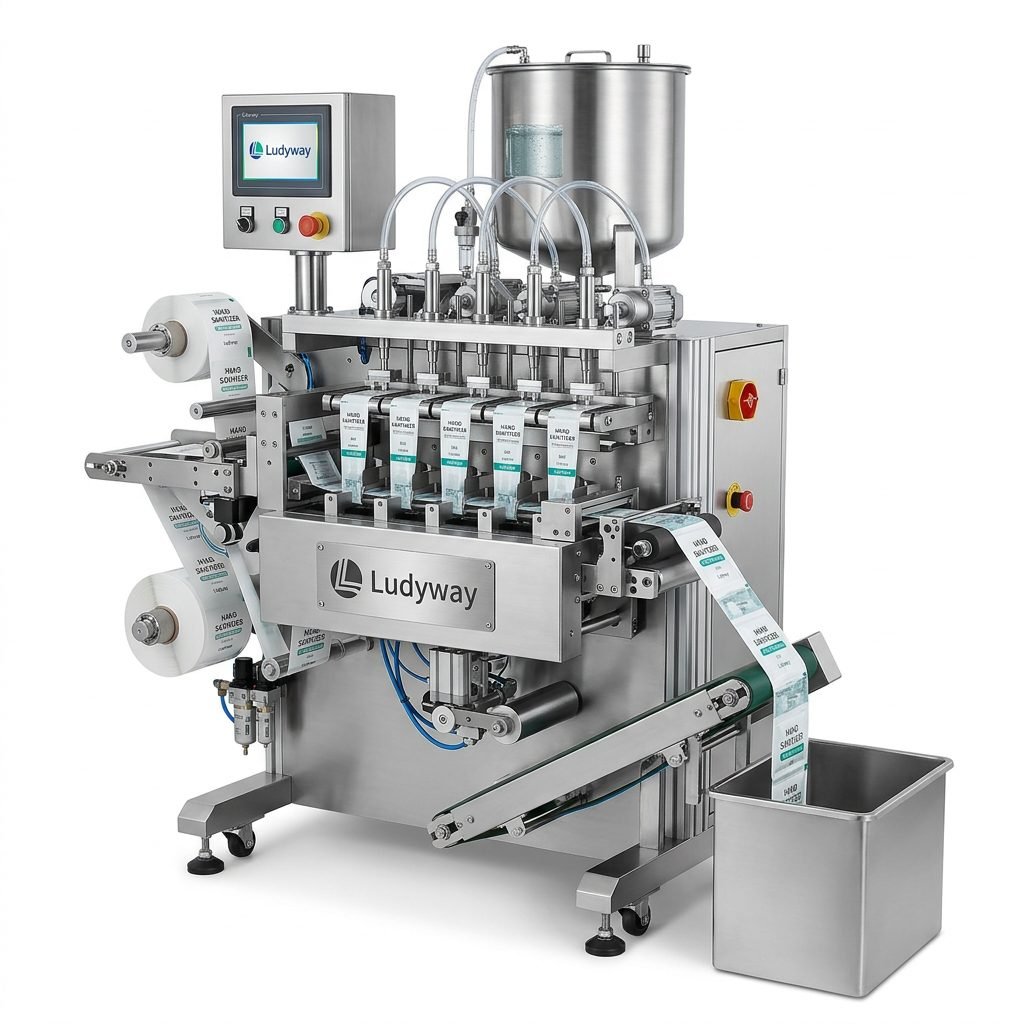
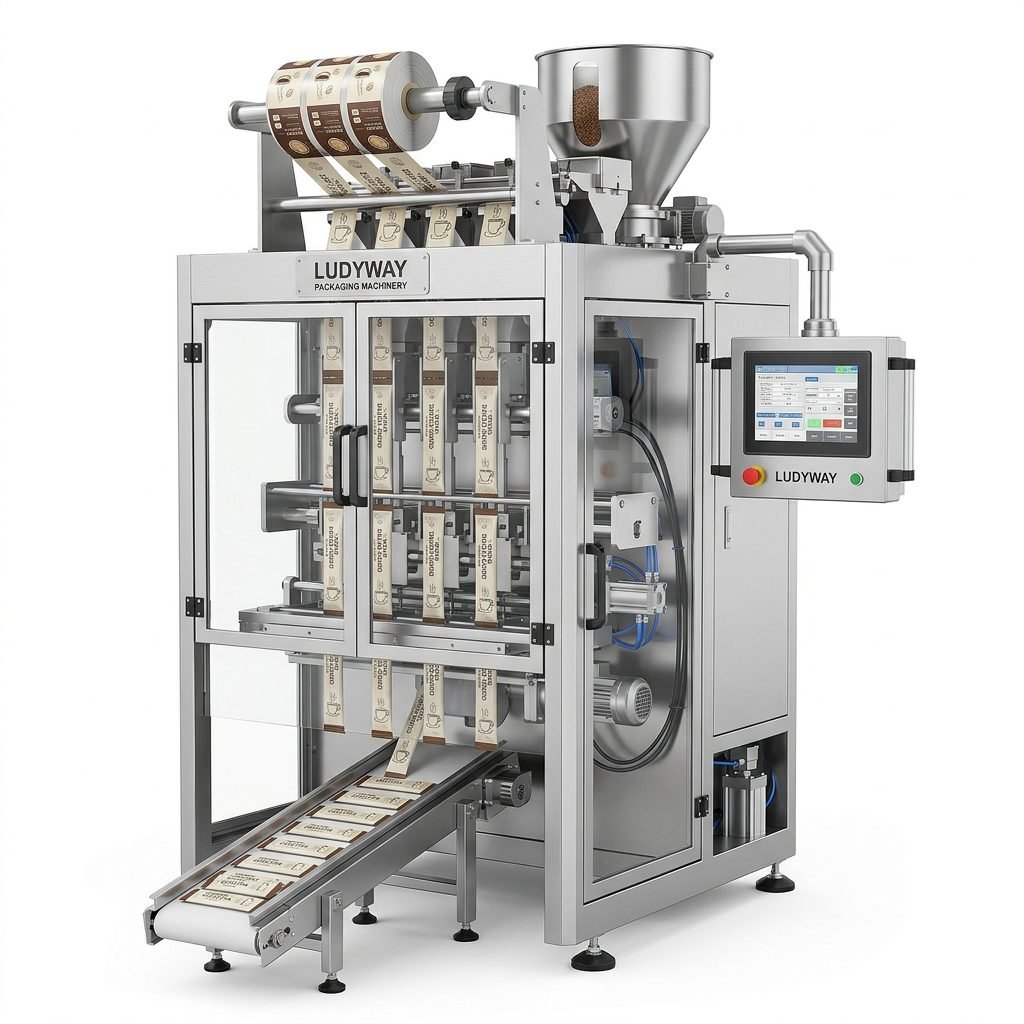
Investing in a cartoning machine is a critical decision that directly impacts your packaging line’s efficiency, product protection, and long-term operational costs. Whether you are automating a manual process or upgrading an existing system, selecting the right cartoning equipment requires a thorough understanding of your product characteristics, production goals, and facility constraints. This guide walks you through the key factors to evaluate before making a purchase.
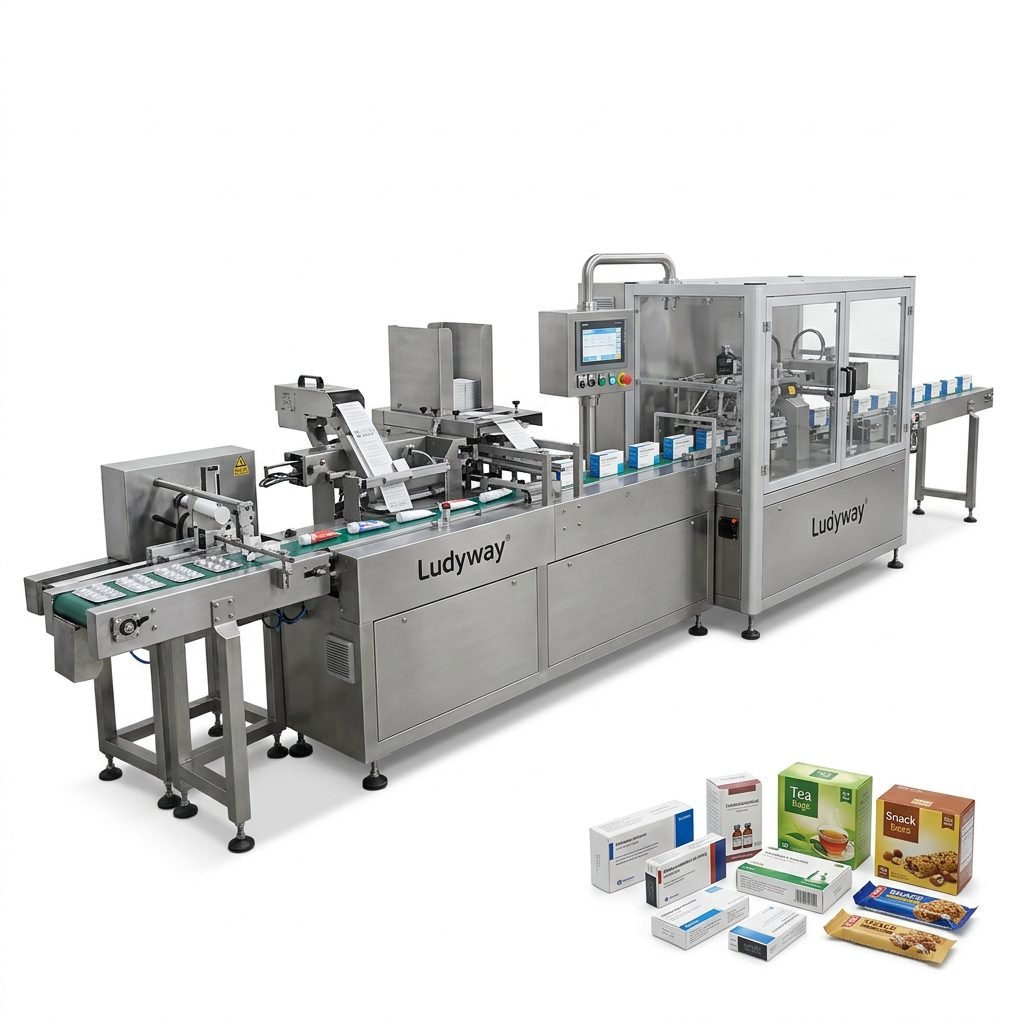
Understanding Cartoning Machine Types
Before evaluating specific models, it is essential to understand the two primary categories of cartoning machines and how they fit into different production environments. The right choice depends on your packaging format, speed requirements, and product handling needs.
Horizontal vs. Vertical Cartoning Machines
Horizontal cartoning machines load products into cartons from the side. These are widely used across packaging industry sectors including food, pharmaceuticals, and consumer goods. They handle a broad range of products—from blister packs and sachets to bottles and tubes—and can achieve high speeds suitable for large-scale production.
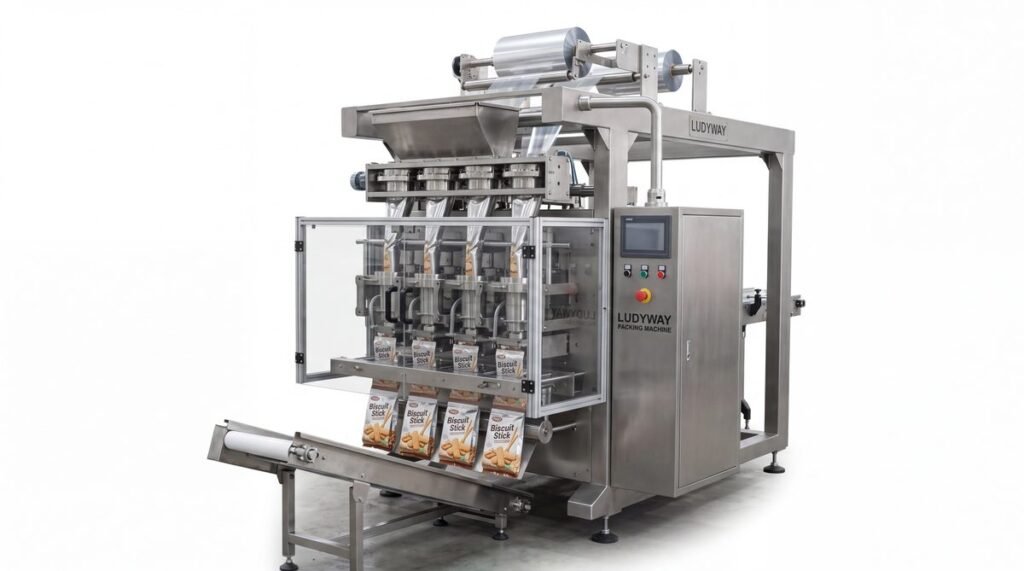
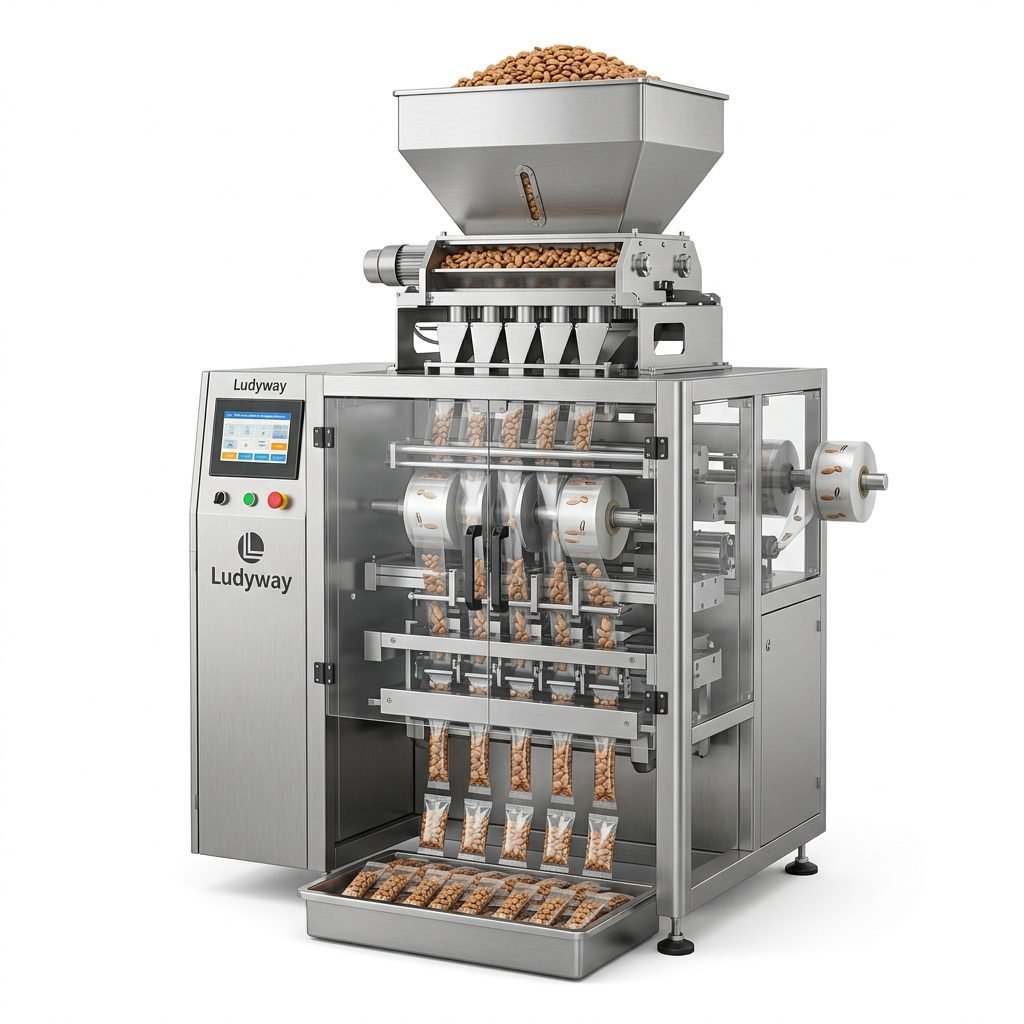
Vertical cartoning machines load products from the top, making them ideal for gravity-fed or free-flowing items such as granules, powders, and loose components. Vertical loaders are often integrated with multi-lane stick pack or sachet systems, where products drop directly into waiting cartons below.
Continuous Motion vs. Intermittent Motion
- Continuous motion cartoners keep cartons moving throughout the loading cycle, delivering higher throughput and smoother operation. They are preferred for high-speed applications where output consistency is critical.
- Intermittent motion cartoners pause the carton at each station for product insertion, leaflet folding, or code printing. These machines offer greater flexibility for complex loading patterns and are often more cost-effective for moderate production volumes.
Key Factors to Evaluate Before Choosing a Cartoning Machine
A structured evaluation helps you match equipment capabilities to your operational requirements. The following factors should guide your decision-making process when reviewing different cartoning machine options.
Product Characteristics
The size, shape, weight, and fragility of your product determine the feeding and loading mechanism required. Products such as sachets, stick packs, blister packs, bottles, and flow-wrapped items each demand different handling approaches. Delicate or irregularly shaped products may require customized tooling or specialized insertion systems.
Carton Dimensions and Styles
Carton size range, style (tuck-end, glue-sealed, sleeve-type), and material thickness affect machine selection. Verify that the machine can accommodate your current carton specifications while offering flexibility for future packaging changes. Quick-changeover features reduce downtime when switching between different carton sizes.
Production Speed and Output
Define your required cartons per minute (CPM) and consider future growth projections. Selecting a machine that operates comfortably within your target speed range—rather than at its maximum rated capacity—provides operational headroom and reduces wear. According to packaging machinery market research, speed and flexibility remain top priorities for manufacturers across multiple industries.
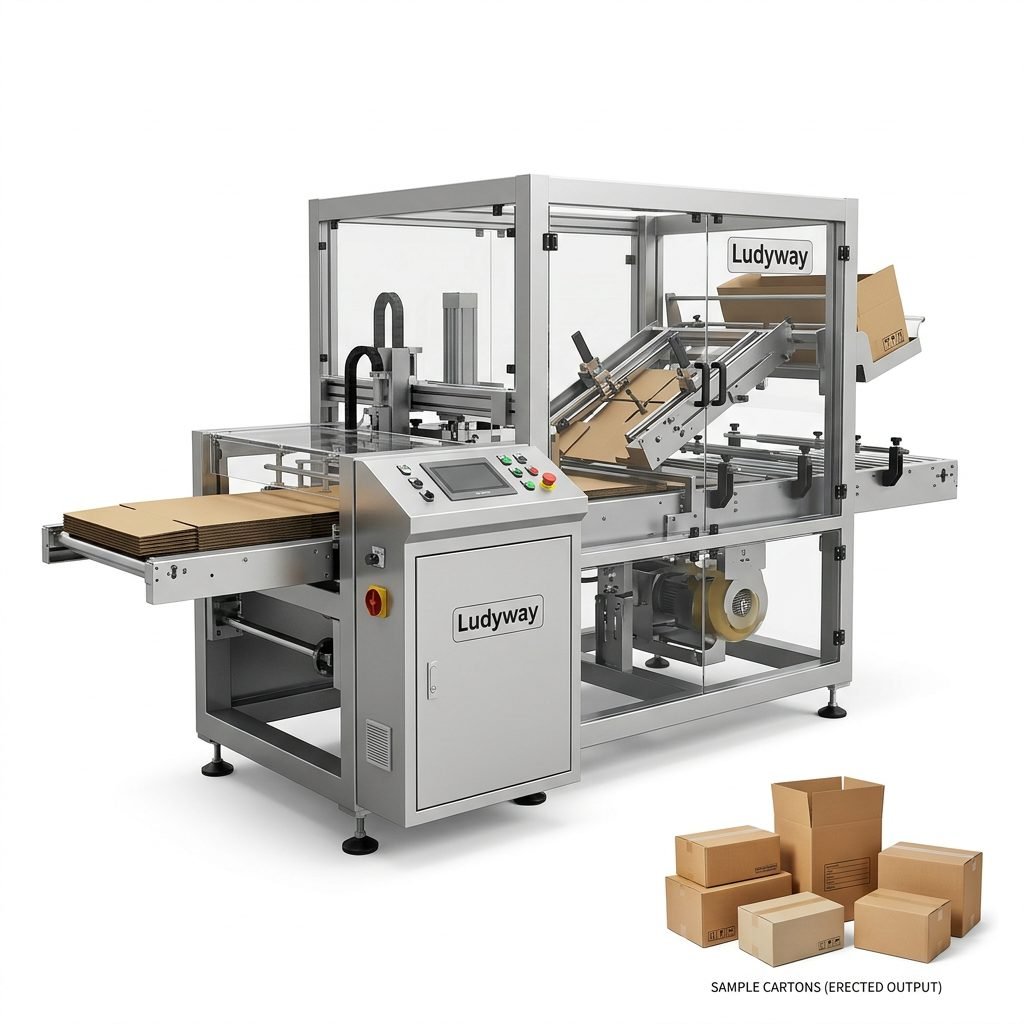
Comparing Cartoning Machine Specifications
The table below summarizes key specification differences between common cartoning machine configurations. Use this as a reference when discussing requirements with equipment suppliers.
| Feature | Horizontal Cartoner | Vertical Cartoner | Continuous Motion | Intermittent Motion |
|---|---|---|---|---|
| Typical Speed | 60-300+ CPM | 40-200 CPM | 150-500+ CPM | 30-150 CPM |
| Best For | Blister packs, bottles, sachets | Granules, powders, loose products | High-volume single-product lines | Multiple SKUs, frequent changeovers |
| Footprint | Larger linear layout | Compact vertical design | Extended machine length | Moderate floor space |
| Changeover Time | 15-45 minutes | 10-30 minutes | 20-60 minutes | 5-20 minutes |
| Investment Level | Moderate to high | Moderate | High | Moderate |
Integration with Your Existing Packaging Line
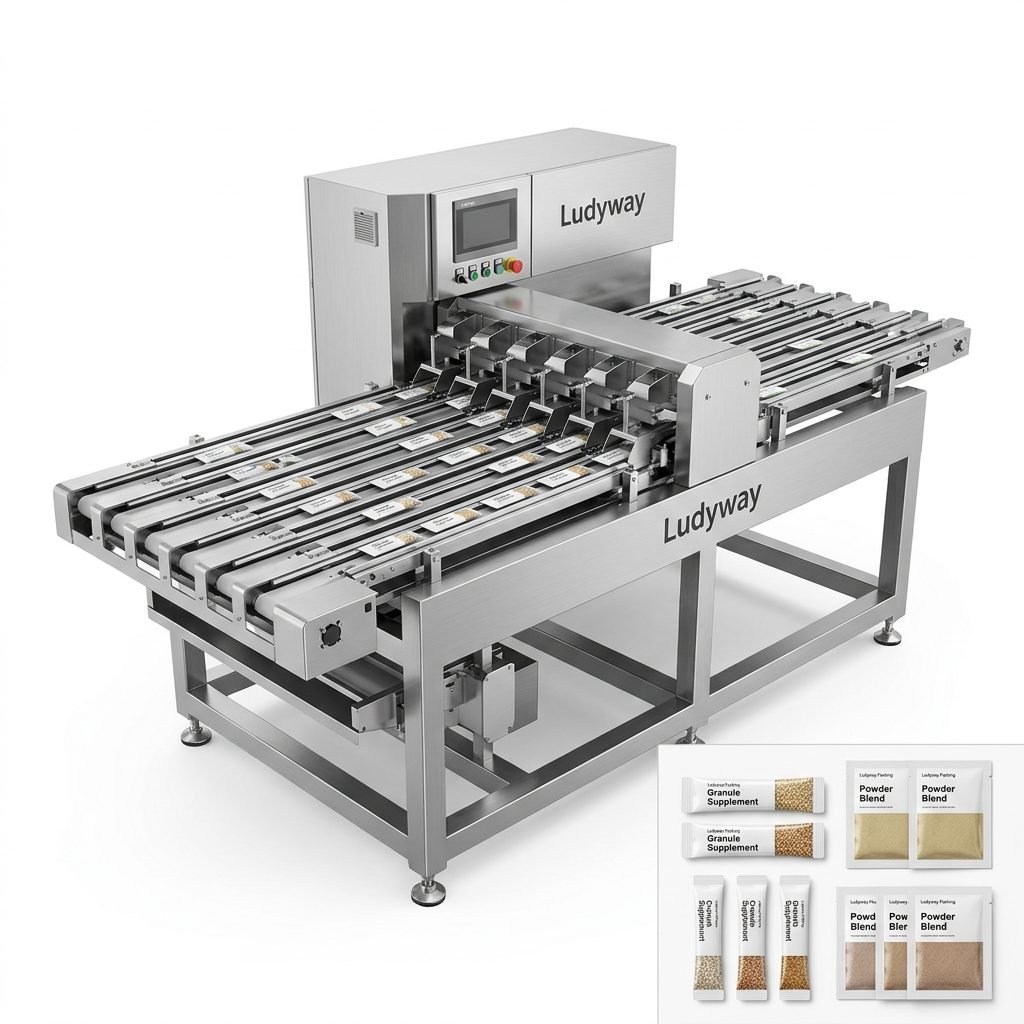
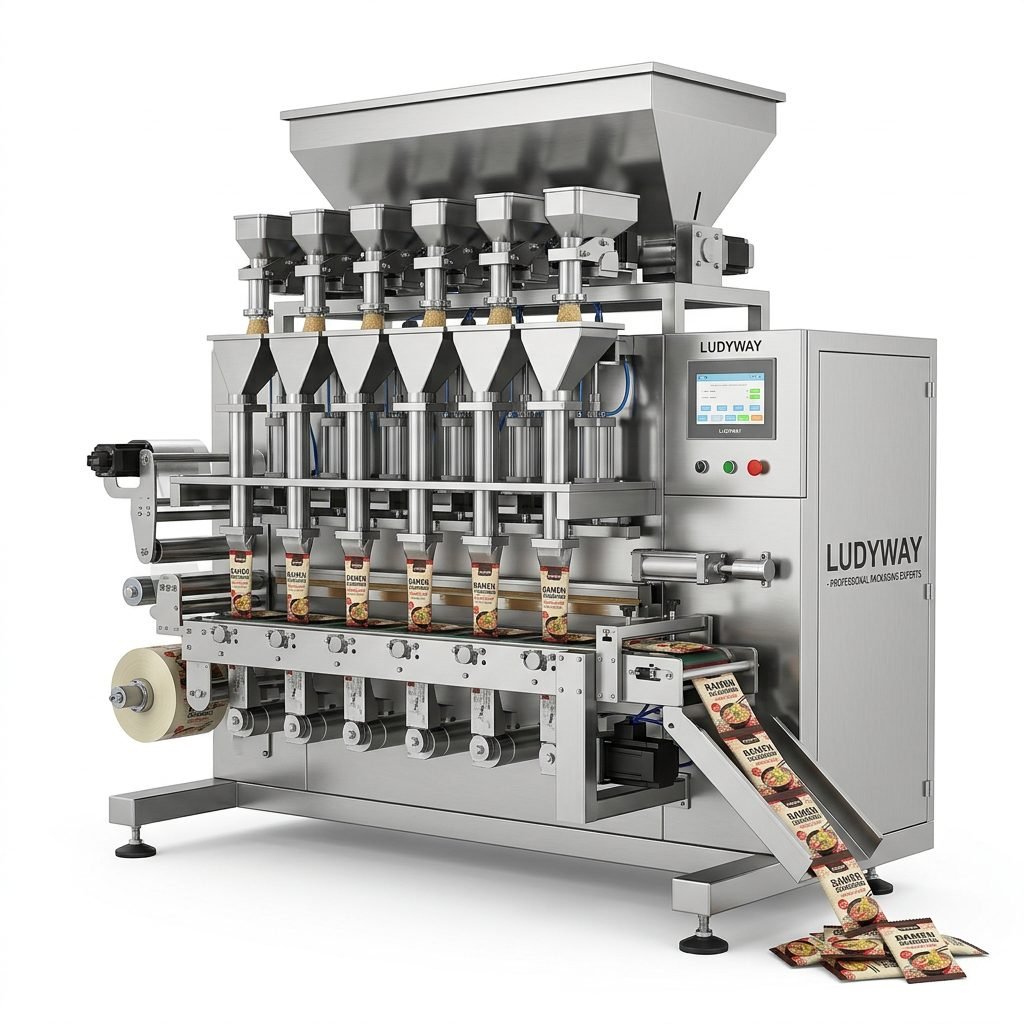
A cartoning machine does not operate in isolation. It must integrate seamlessly with upstream equipment—such as filling machines, flow wrappers, blister packers, or sachet packaging systems—and downstream equipment including case packers, palletizers, and coding systems. Evaluating the complete line integration before purchasing avoids costly retrofits and compatibility issues later.
Automation and Control Systems
Modern cartoning machines feature servo-driven motions, PLC controls, and HMI interfaces that allow operators to adjust settings, store recipes, and monitor performance in real time. Machines equipped with Industry 4.0 capabilities enable remote diagnostics and data exchange with plant-wide manufacturing execution systems.
Matching Upstream and Downstream Speeds
The cartoner must match or exceed the output of upstream equipment to prevent bottlenecks. For example, if your multi-lane sachet machine produces 400 sachets per minute, the cartoning system must handle that throughput with appropriate carton grouping, collating, and loading capabilities. Experienced packaging machinery standards recommend designing for at least 20% above current peak throughput to accommodate future growth.
Compliance, Safety, and Industry Standards
Depending on your industry and target markets, your cartoning equipment must comply with applicable regulations and standards. Food and pharmaceutical applications often require GMP-compliant design, stainless steel construction, and validated cleaning procedures. Refer to FDA packaging regulations for food contact requirements and ISO packaging standards for internationally recognized quality benchmarks.
- Food industry: Easy-to-clean surfaces, washdown-ready configurations, and food-grade lubricants.
- Pharmaceutical industry: Validated processes, traceability systems, and tamper-evident sealing capabilities.
- Cosmetics and personal care: Flexible tooling for varied carton formats and promotional packaging.
- Chemical and industrial products: Corrosion-resistant materials and dust-containment features.
The Value of Customized Cartoning Solutions
Standard cartoning machines may not address every unique requirement. Product characteristics, carton styles, line speed targets, and factory layouts often call for tailored engineering solutions. Partnering with a manufacturer that offers customized packaging machinery and integrated packaging systems ensures the equipment matches your specific production goals rather than forcing your operation to adapt to a standard machine. Ludyway Machinery, with over 30 years of experience and more than 50 packaging machine models, provides customized cartoning and complete turnkey packaging line solutions for manufacturers across food, pharmaceutical, chemical, and consumer goods industries worldwide.

After-Sales Support and Spare Parts
Long-term equipment performance depends on the availability of technical support, spare parts, and operator training. Before finalizing a purchase, evaluate the supplier’s service network, response times, and parts inventory. Remote diagnostic capabilities can significantly reduce downtime and maintenance costs over the machine’s lifecycle.
Key Questions to Ask Before Buying a Cartoning Machine
- What is the maximum and minimum carton size the machine can handle?
- Does the machine support the carton closure style we need (tuck-in, hot-melt glue, or both)?
- How long does a full format changeover take, and is it tool-less?
- What is the machine’s rated speed, and what speed can it sustain reliably over an 8-hour shift?
- Can the cartoner integrate with our existing upstream and downstream equipment?
- Is remote support available for troubleshooting and software updates?
- What spare parts are recommended for the first year of operation?
- What training and documentation are provided for operators and maintenance staff?
Budgeting for Total Cost of Ownership
The purchase price of a cartoning machine is only one component of its total cost. Factor in installation, training, spare parts inventory, maintenance contracts, and energy consumption when comparing options. A slightly higher initial investment in a robust, well-engineered machine often results in lower long-term operating costs and higher overall equipment effectiveness (OEE).
| Cost Category | Description | Estimated Share of TCO |
|---|---|---|
| Equipment Purchase | Machine cost including standard tooling and controls | 50-60% |
| Installation and Commissioning | On-site setup, integration, and testing | 5-10% |
| Operator Training | Hands-on training and documentation for staff | 2-5% |
| Spare Parts (Annual) | Wear parts, seals, belts, and recommended inventory | 3-7% per year |
| Maintenance and Service | Preventive maintenance, repairs, and technical support | 5-10% per year |
| Energy and Utilities | Electricity, compressed air, and other utilities | 2-4% per year |
Staying Informed About Packaging Trends
The packaging industry continues to evolve with developments in flexible packaging materials, sustainability initiatives, and automation technologies. Monitoring industry reports—such as the State of the Industry 2026 publication—helps manufacturers anticipate shifts that may affect cartoning equipment requirements. Events like PACK EXPO International also provide valuable opportunities to see the latest cartoning technologies in operation and connect with equipment suppliers.
Making the Final Decision
Choosing the right cartoning machine for your packaging line requires balancing technical requirements, budget considerations, and long-term operational goals. Start by clearly defining your product specifications, carton formats, and production targets. Evaluate multiple suppliers, request detailed proposals, and whenever possible, conduct factory acceptance tests with your actual products and packaging materials. A well-chosen cartoning system will deliver reliable performance for years—improving packaging quality, reducing labor costs, and supporting your production growth objectives.