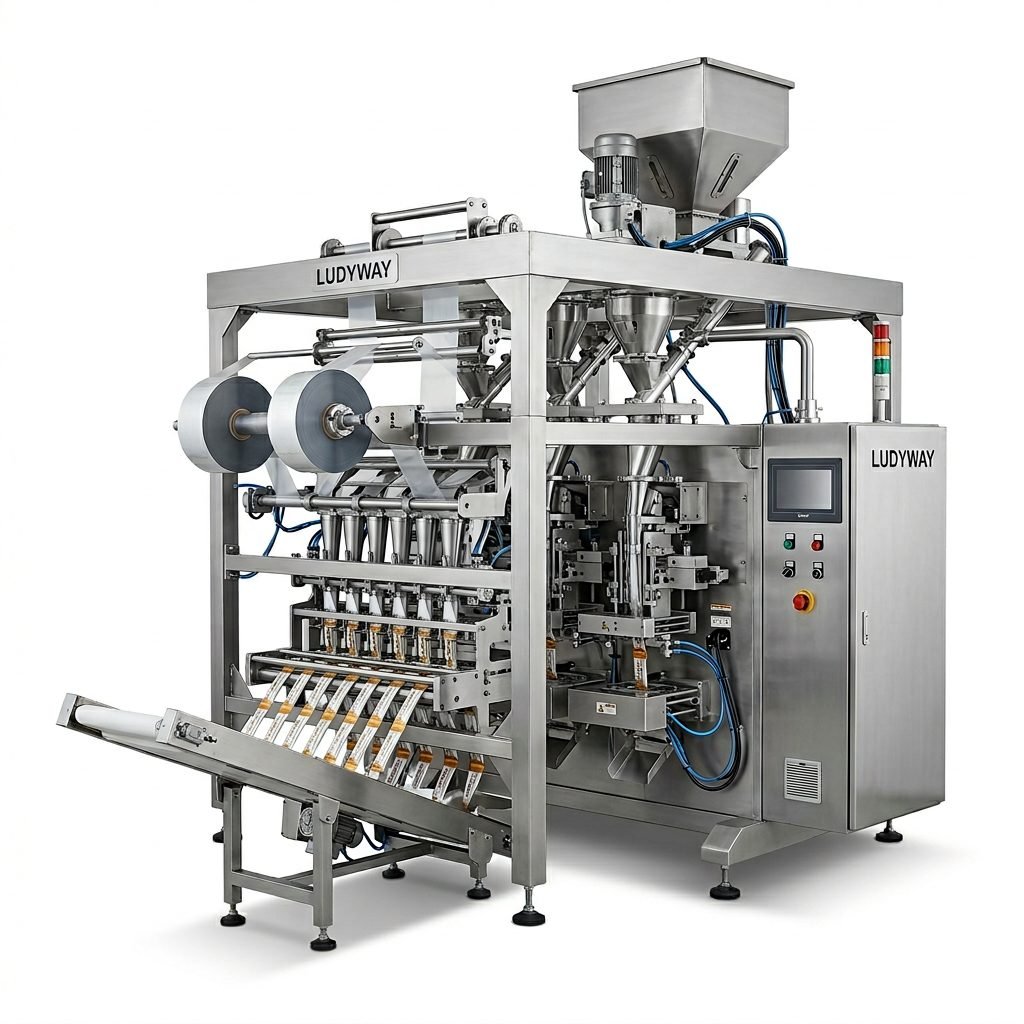
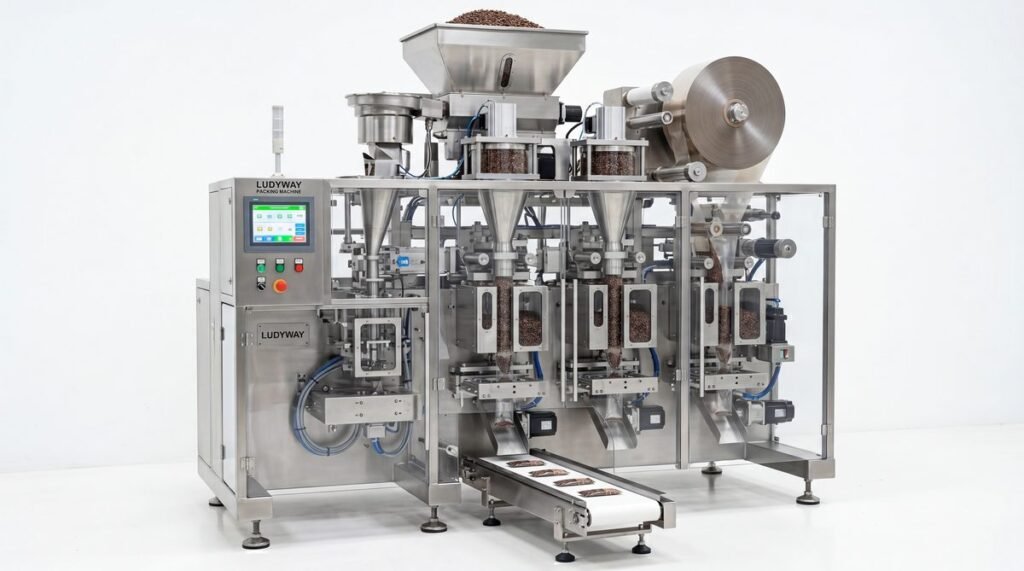
In the competitive landscape of modern manufacturing, selecting the right shrink packaging machine and supplier is a critical decision that impacts production efficiency, product presentation, and overall operational costs. This guide delves into the top-tier manufacturers in the industry and provides a comprehensive framework to help you choose a supplier that aligns perfectly with your business goals.
Understanding Shrink Packaging Machinery
Shrink packaging machines are essential for creating a tight, protective seal around products using heat-shrinkable film. This process not only enhances product stability and shelf appeal but also provides protection against dust, moisture, and tampering. The applications span across food and beverage, pharmaceuticals, cosmetics, and consumer goods industries.
Key Takeaway: The core function of a shrink wrapper is to apply heat to a loose plastic film, causing it to contract tightly around the product’s contours. This creates a secure, tamper-evident, and visually appealing package.
Types of Shrink Packaging Systems
Manufacturers typically offer several types of machines, each suited for different production volumes and product shapes:
- L-Sealers: Ideal for low to medium volume, these machines form an “L”-shaped seal before the product enters the shrink tunnel.
- Sleeve Wrappers: These create a tube of film around the product, sealing it at both ends, perfect for bundling multiple items.
- Shrink Tunnels: Often used in conjunction with sealers, these tunnels apply controlled heat to shrink the film. They vary in heat source (steam or electric) and conveyor type.
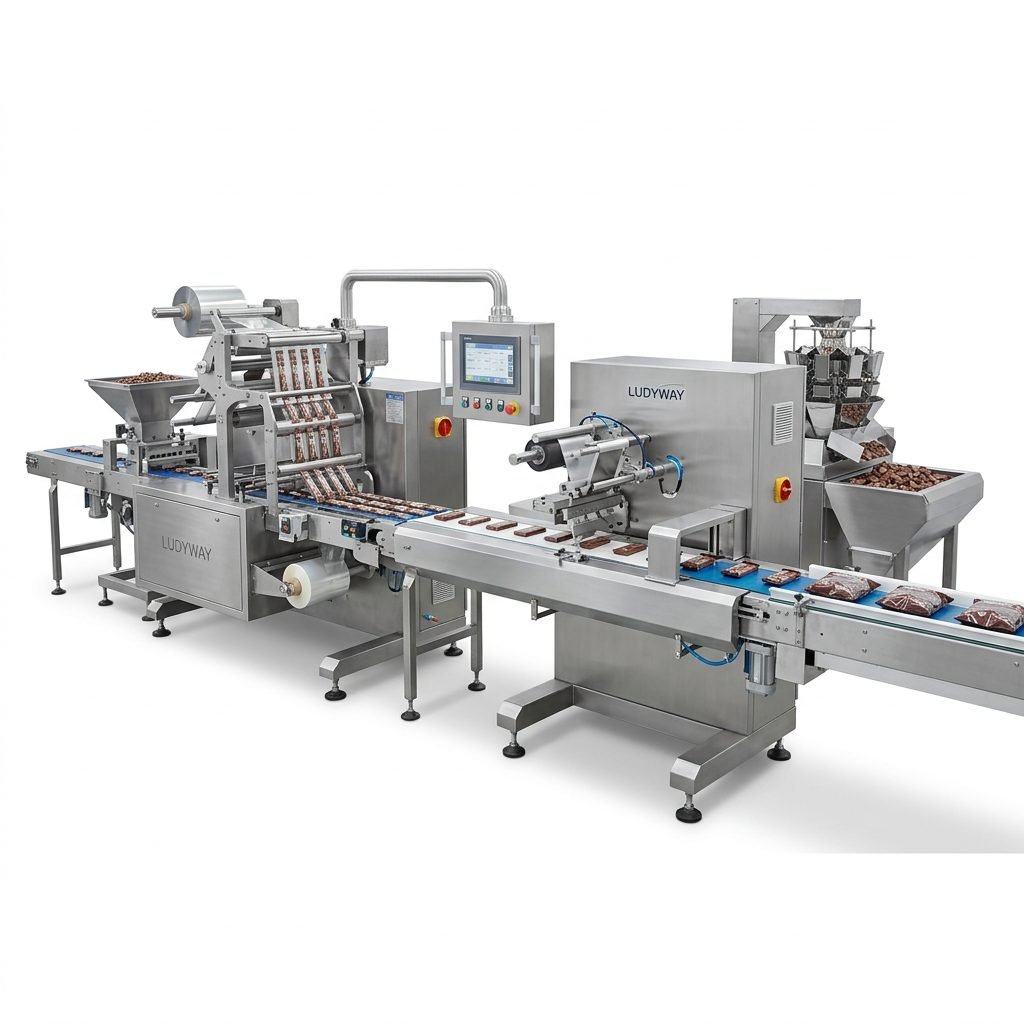
- Fully Automatic Systems: High-speed, integrated lines that automate feeding, sealing, and shrinking for large-scale production.
Evaluating Top Manufacturers: What to Look For
The market is populated with numerous manufacturers, ranging from global giants to specialized regional players. A top manufacturer distinguishes itself through several key pillars.
1. Engineering Expertise and Innovation
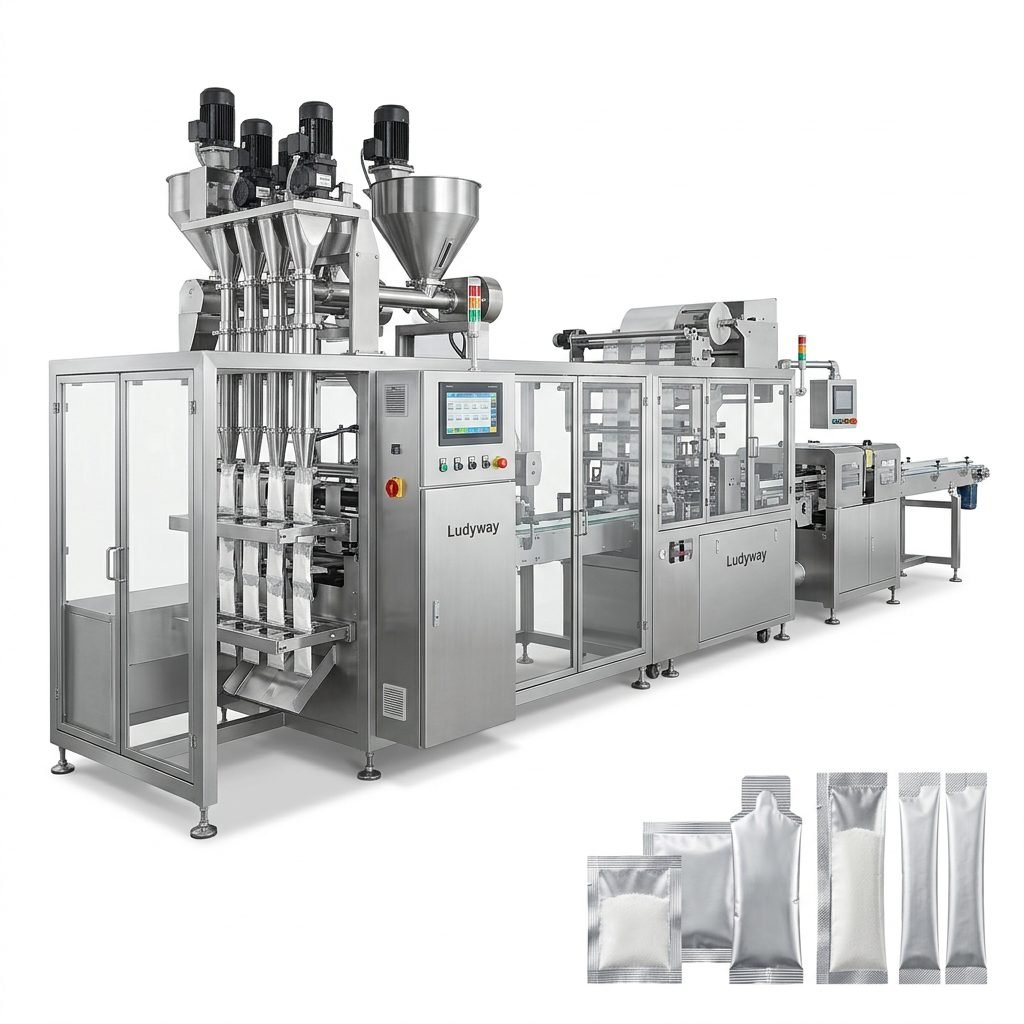
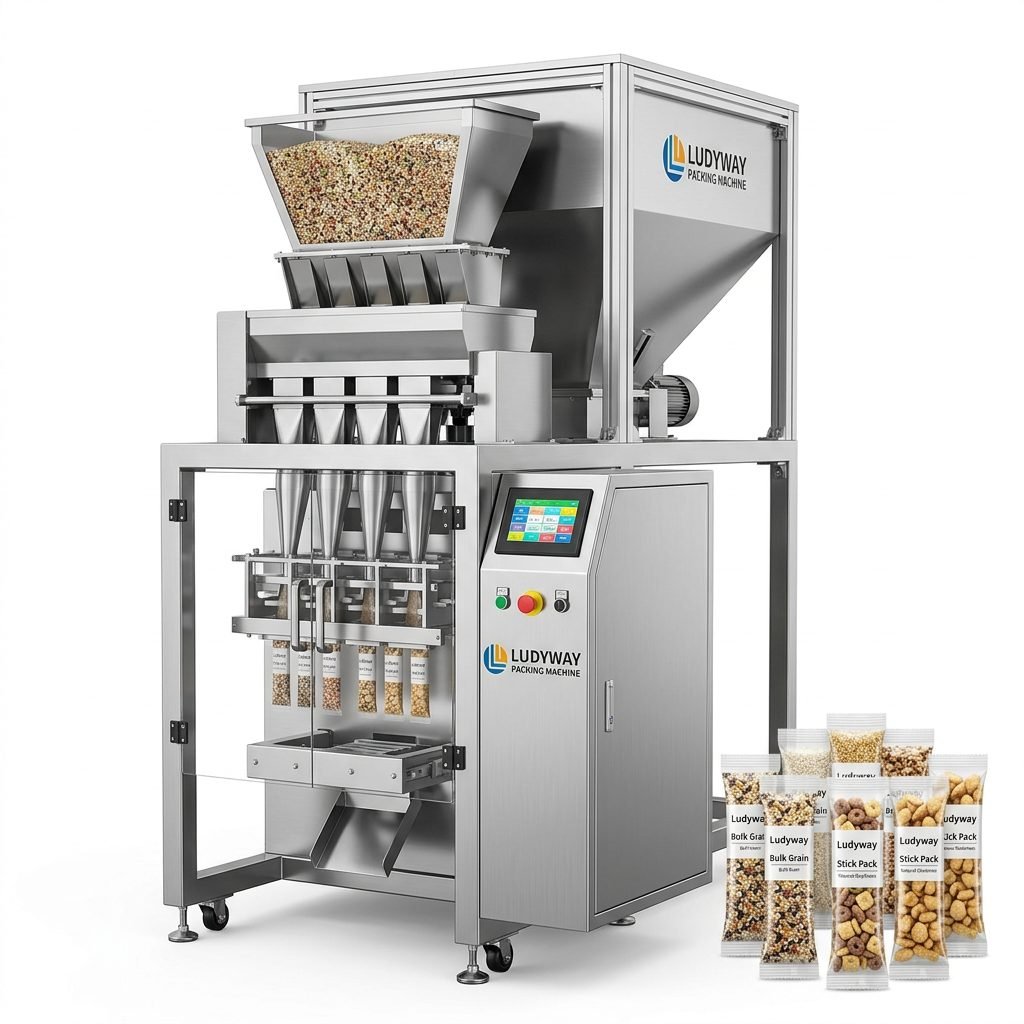
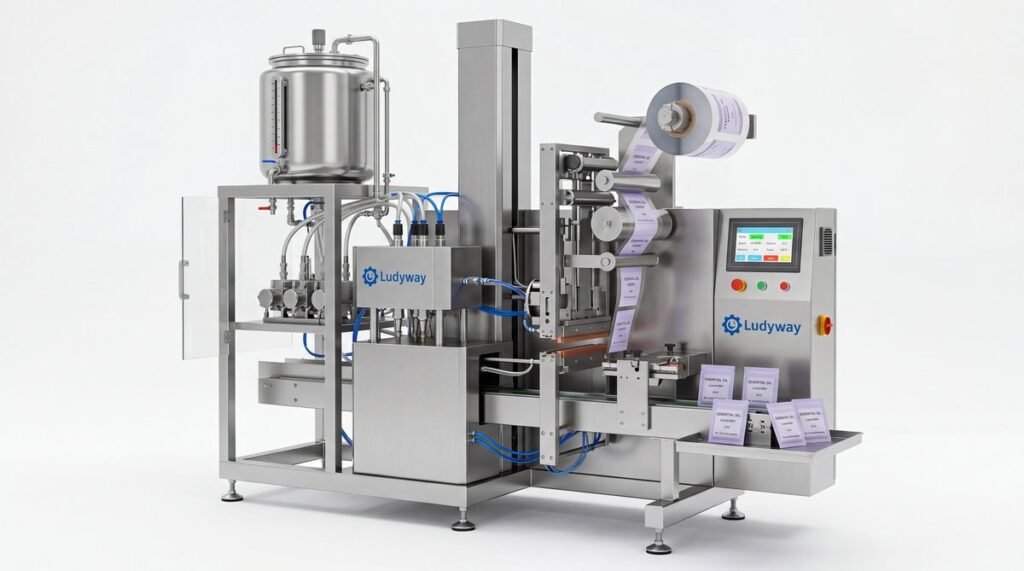
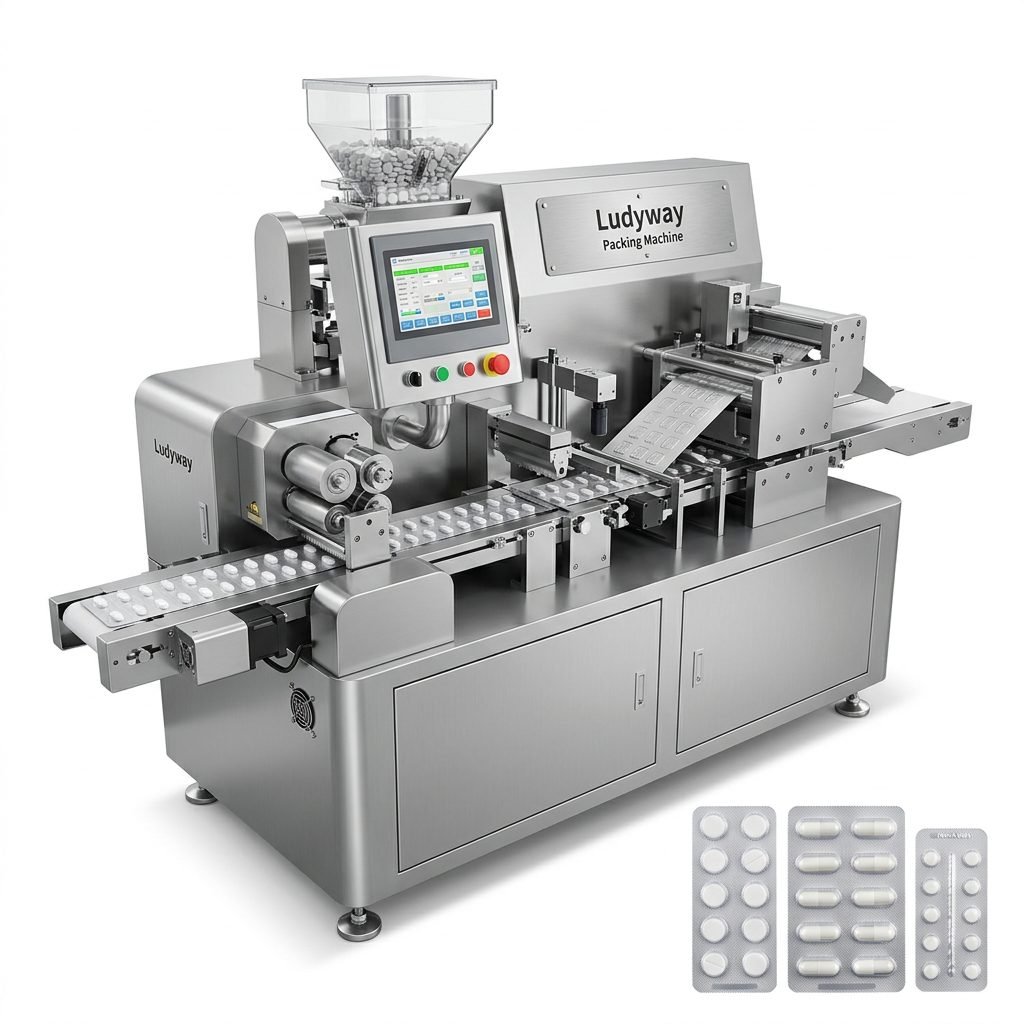
Look for a manufacturer with a proven track record in engineering robust and innovative machines. This is often evidenced by their company history and commitment to R&D. For instance, a brand like Ludyway Machinery, founded in 2010, built its reputation by focusing on packaging technology and automation from the ground up. Such a background indicates a deep understanding of practical production challenges and a drive to develop effective solutions.
2. Manufacturing Scale and Quality Control
The capacity and modernity of a production facility are direct indicators of reliability and scalability. A manufacturer operating from a large, modern facility (e.g., a 20,000㎡ plant) typically has stringent quality control processes. This scale allows for better sourcing of components, standardized assembly, and the ability to handle large or custom orders without compromising on build quality.
Manufacturing Capability Checklist:
- In-house production of core components for better quality oversight.
- ISO-certified quality management systems.
- A sizable fleet of production equipment (e.g., 200+ units) to ensure timely manufacturing.
3. Product Range and Customization
A broad portfolio (offering 50+ machine models, for example) signals versatility. It means the manufacturer can likely provide a solution for your specific product type—be it granules, powders, liquids, or solid items. More importantly, assess their willingness and capability to offer customized or turnkey solutions. The best suppliers act as partners, tailoring machinery to fit unique production line requirements.
4. Global Support and Service Network
For businesses operating internationally, a manufacturer’s global footprint is crucial. “Serving customers worldwide” must be backed by a tangible support structure. This includes accessible technical support, availability of spare parts, and service engineers who can provide timely assistance. A supplier with over 30 years of collective industry experience often has the established networks and knowledge to support clients across different regions effectively.
A Strategic Framework for Choosing Your Supplier
Beyond identifying top manufacturers, selecting the right partner requires a strategic approach. Here is a step-by-step framework to guide your decision.
Step 1: Define Your Requirements Precisely
Before engaging suppliers, internally document your needs:
Product dimensions, production speed (packages per minute), film type, integration with existing lines, and future scalability plans.
Clear requirements prevent misunderstandings and allow suppliers to propose accurate solutions.
Step 2: Conduct Deep-Due Diligence
Go beyond marketing materials. Request detailed case studies or references from clients with similar applications. Investigate the company’s history—a narrative of steady expansion through innovation and practical experience, like evolving from a focused engineering team to a provider of complete turnkey lines, demonstrates resilience and customer-focused growth.
Step 3: Evaluate the Total Cost of Ownership (TCO)
The purchase price is just one component. Calculate the TCO by factoring in:
- Energy Efficiency: How much power does the machine consume?
- Film Waste: Does the machine minimize film trim loss?
- Maintenance Costs: What is the expected cost and frequency of spare parts?
- Durability: A robust machine from a quality-focused manufacturer may have a higher upfront cost but lower long-term expenses.
Step 4: Assess Communication and Partnership Potential
Your supplier should be a long-term partner. Gauge their responsiveness, transparency, and willingness to understand your business during the inquiry stage. A supplier committed to long-term cooperation and innovation will invest time in your project’s success, not just in making a sale. They should offer clear project management and after-sales support plans.
The Partnership Advantage
Choosing a supplier like Ludyway Machinery, which emphasizes building strong partnerships with clients, transforms a simple transaction into a strategic alliance. Such partners provide more than a machine; they deliver reliable solutions backed by professional service and a shared goal of optimizing your packaging operations for years to come. This approach is fundamental for businesses looking to scale or enter new markets with confidence.
Conclusion: Making an Informed Investment
Investing in a shrink packaging machine is a significant decision. By focusing on manufacturers with solid engineering foundations, scalable manufacturing capabilities, and a client-partnership ethos, you significantly de-risk the procurement process. Remember, the optimal supplier is one whose capabilities today can grow and adapt with your business needs tomorrow, ensuring your packaging line remains a source of competitive advantage.
Frequently Asked Questions (FAQs)
1. What is the main difference between an L-sealer and a sleeve wrapper?
An L-sealer creates a three-sided seal (forming an “L” shape) around a single product placed on a tray of film before shrinking. A sleeve wrapper forms a tube of film around a product (or a bundle of products) and seals it at both ends, making it ideal for multi-packs and bundling applications.
2. How important is the supplier’s after-sales service?
Extremely important. Even the most reliable machinery may require maintenance, parts, or troubleshooting. A supplier with a responsive, global service network minimizes downtime, protects your investment, and ensures long-term operational efficiency. Always clarify service terms, spare parts availability, and support response times before purchasing.
3. Can shrink packaging machines handle different product sizes on the same line?
Many modern machines, especially semi-automatic and automatic models, offer quick-change features or adjustable components to accommodate a range of product sizes. However, significant size variations might require a changeover procedure. Discuss your product mix with the supplier to find a machine that balances flexibility with speed.
4. What factors affect the choice between a steam-heated and an electric-heated shrink tunnel?
Steam tunnels generally operate at lower temperatures and are gentler, often preferred for heat-sensitive products. Electric tunnels provide higher, drier heat and faster recovery times, suitable for high-speed lines and polyolefin films. The choice depends on your product, film material, required speed, and facility’s utilities.
5. Why should I consider a supplier offering turnkey solutions?
A turnkey solution provider, like those specializing in complete production lines, manages the entire project from design to installation. This single-point responsibility ensures all components (feeder, sealer, tunnel, conveyor) work harmoniously, reduces integration headaches, accelerates time-to-market, and often results in better overall system performance and warranty coverage.